Biography
Peter Broggs
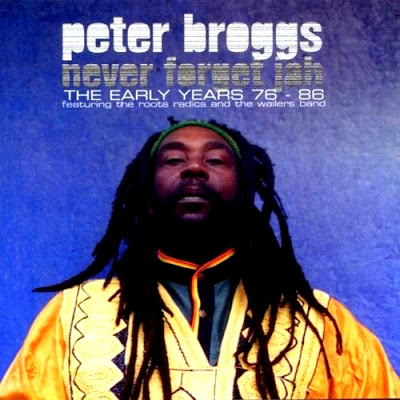
In 1978 at King Tubby’s studio, Peter Broggs entered the booth with two tracks in mind and recorded Forward Natty Dread, I Don’t Know and Never Forget Jah in fifteen minutes, in a single take. Producer Bingy Bunny was left speechless by this young man with his raspy sound — the first step of one of the most sincere careers in roots reggae.
In Brief
| Full Name | Henry Hugh James (Peter Broggs) |
| Birth | July 3, 1952, Hanover parish, Jamaica |
| Death | December 19, 2015 (63 years) |
| Field | Roots reggae, singing and composition |
Key Dates
| Year | Event |
|---|---|
| 1952 | Birth in Hanover parish, Jamaica |
| 1969 | Move to Kingston; factory job after finishing studies |
| 1975-1976 | Discovery of Rastafari spirituality; first self-produced singles (white labels) |
| 1978 | Recording of three tracks at King Tubby’s in a fifteen-minute session |
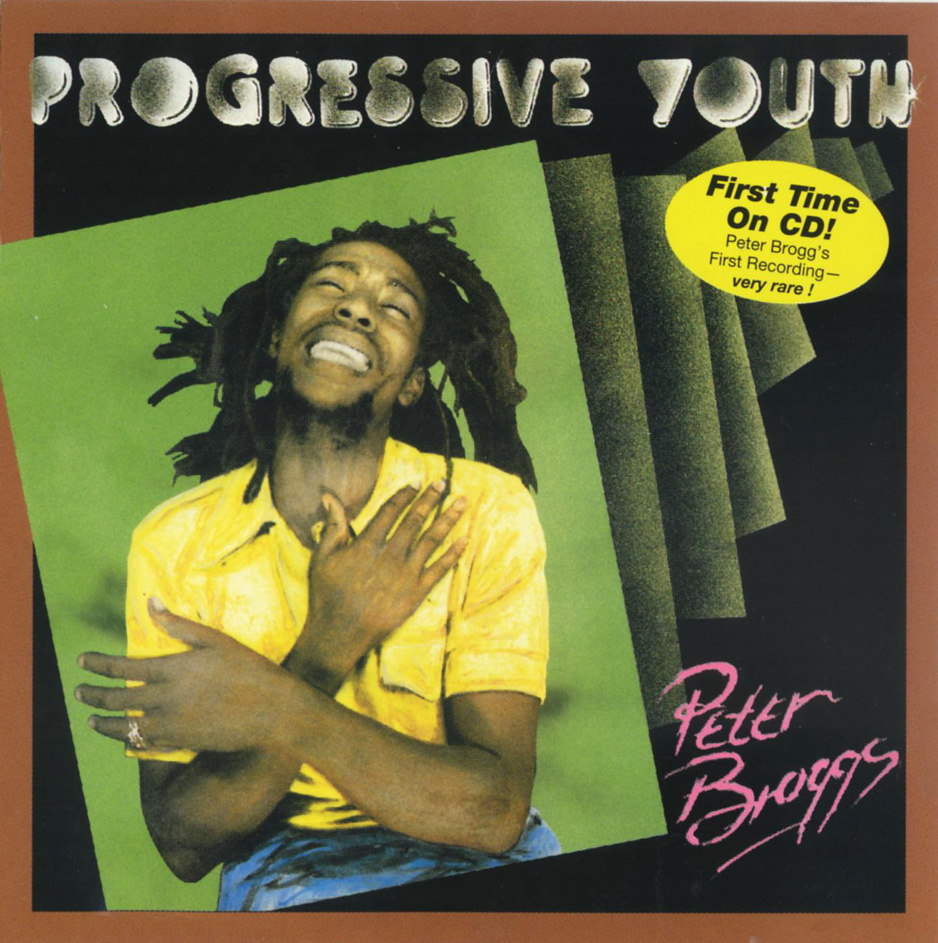
| 1979 | Release of Progressive Youth, first album on Greensleeves (United Kingdom) |
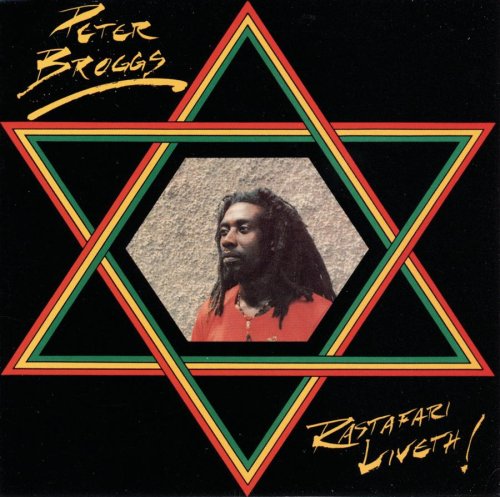
| 1982 | Rastafari Liveth !, first record on RAS Records label |
| 1987 | The hit “Jah Golden Throne” enters the British charts |
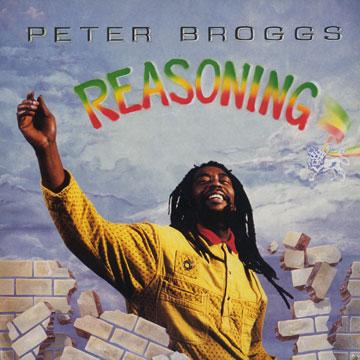
| 1990 | Reasoning, recorded with The Wailers and the Roots Radics |
| 2004 | Severe stroke (August 27) paralyzing the right side of his body |
| 2015 | Death, December 19, at the age of sixty-three years |
The Roots of a Rastafari Messenger
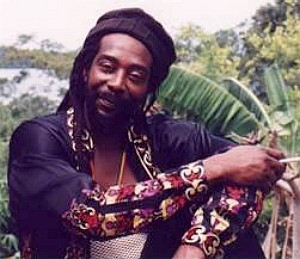
Born Henry Hugh James on July 3, 1952, in the Jamaican countryside of Hanover, Peter Broggs spent his adolescence singing in the fields. His idol: Otis Redding, whose songs he reproduced under the trees. At seventeen, he moved to Kingston and shared a miserable shack with his brother while working in the factory. “Too many people, too much noise,” he would later confess; the city initially overwhelmed him.
Gradually, he returned to singing — morning and evening on the way to work — and composed his first two songs, Vank Out and African Sister. He cultivated his dreadlocks. “It was the beginning of the 1970s, and I had started to frequent the Rastafari community,” he would recount decades later. The evenings around the fire, discussions about Jah Rastafari and reading biblical passages brought him a revelation: “I understood that I had always been a Rastafari. There was only one thing left to do: find the spark that would reveal it to me.”
The break occurred when he was fired from the factory because of his dreadlocks. “With my severance pay, I must go all out in music,” he told himself. Twenty Jamaican dollars later, he hired Bingy Bunny and Flabba Holt (ancestors of the Roots Radics), recorded Vank Out at Channel One and distributed it on a white label that he sold himself near Randy’s studio.
In 1975 or 1976, Bim Sherman, met at the pressing plant, recognized his talent and introduced him to the big names: King Tubby’s, Channel One, Tuff Gong. In 1978 at Tubby’s, Bingy Bunny pushed him toward the mixing desk: Broggs recorded three masterful tracks in fifteen minutes, in a single take. He also improvised a deejay-style track — the first full album resulting from this would be called Progressive Youth.
The RAS Records Golden Age
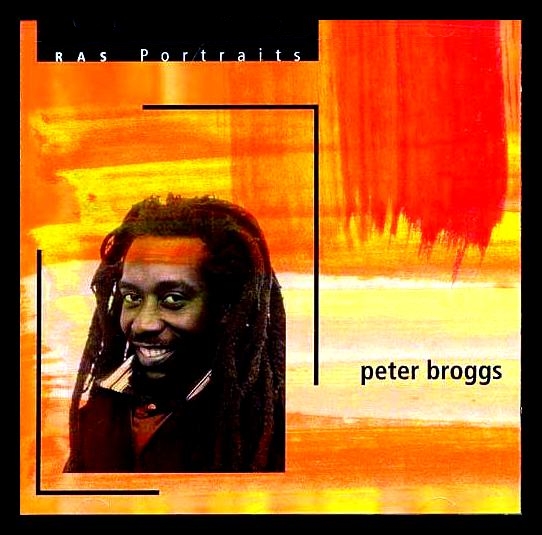
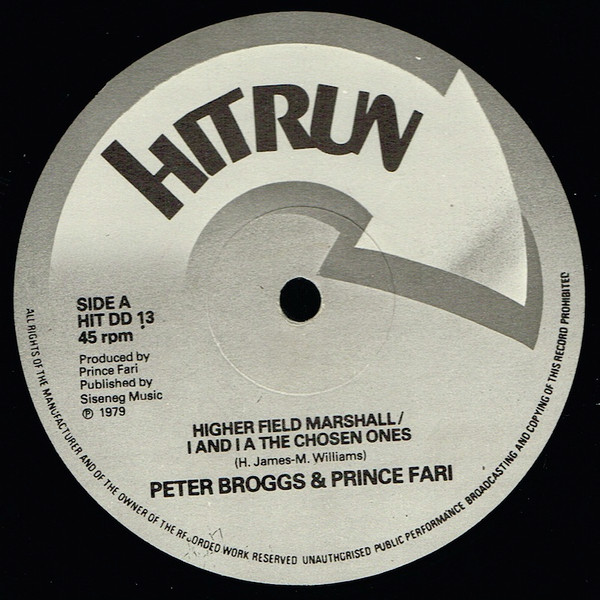
From this period emerged Jah Golden Throne, recorded with Prince Far I — his most iconic track, which would enter the British charts. In 1982, the album Rastafari Liveth ! became the first record ever released on RAS Records, the label founded by Bim Sherman. Broggs was its first star.
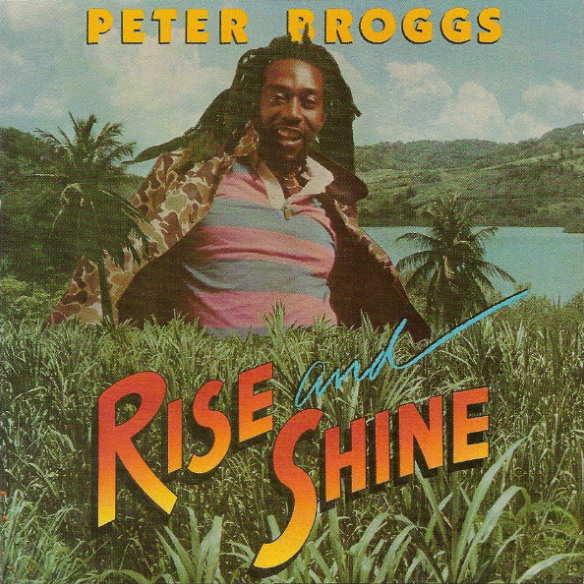
Throughout the 1980s, he worked assiduously for RAS and recorded his voice on roots reggae classics. Rise and Shine (1985) confirmed his vocal power, followed by the international hit “Jah Golden Throne” in 1987, which established itself as an anthem against violence. His unique style — deep and spiritual voice, lyrics rooted in Rastafari faith — made him one of the most recognized artists on the label. Nicknamed The International Farmer, title of a song about hemp cultivation, he embodied the generation of rastas who carried Jah’s message onto the world stage.
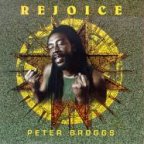
In 1990, Reasoning allowed him to collaborate with The Wailers and the Roots Radics. He then recorded Reggae In Blues (1993), Rejoice (1997) on RAS, followed by the collaboration with British producer Jah Warrior — Jah Golden Throne (2000) and its dubwise version, rediscovered by the European public.
Illness, Resilience and the Legacy of a Message
On August 27, 2004, a severe stroke paralyzed the right side of Peter Broggs and almost prevented him from speaking. The reggae community mobilized: Dubcreator and the King Shiloh sound system from Amsterdam released Igzabihir Yakal (2005), an album recorded in 2002 whose proceeds were entirely donated to his family. In 2009, Broggs recorded again Fire Fe Lucifer and Never Give Up, the latter becoming a symbol of his resilience.
Peter Broggs passed away on December 19, 2015 at the age of sixty-three. Specialized press hailed him as an authentic messenger of Jah Rastafari, whose work embodies the best of 1970s and 1980s roots reggae. “My entire career was conducted in the name of Jah Rastafari,” he had written on his website. “I am just a servant, and I try to guide His children on the right path.”
Even today, roots reggae enthusiasts consider Progressive Youth and Rastafari Liveth ! as indispensable pillars of the golden age of Jamaican reggae. His humble approach — recording in a single take, singing like prayer — paved the way for generations of artists who prioritize authenticity over technique.
Major Works
| Work | Year | Why It Is Essential |
|---|---|---|
| Progressive Youth | 1979 | Debut album recorded in one take alongside King Tubby legends; became a cult vinyl reggae object. |
| Rastafari Liveth ! | 1982 | First RAS Records album; a spiritual manifesto that defined the label’s identity. |
| “Jah Golden Throne” | 1987 | The international hit that introduced Broggs beyond the circle of initiates. |
| Jah Golden Throne | 2000 | Collaboration with producer Jah Warrior; rediscovery of the artist by the European public. |
Legacy and Influence
Peter Broggs belongs to that handful of Rasta voices who embodied the spiritual consciousness of reggae without ever composing. His humble approach — recording in one take, singing as if in prayer — paved the way for generations of roots artists prioritizing authenticity over technique. The RAS Records label owes a part of its musical identity to him. Today, roots reggae enthusiasts consider Progressive Youth and Rastafari Liveth ! as indispensable pillars of the Jamaican golden age.
Sources and References
- « Biography: Peter Broggs », ReggaeVille, autobiographical interview collected by Stéphane Faure, URL, accessed November 10, 2026.
- « Peter Broggs », Wikipedia, encyclopedia article, URL, accessed November 10, 2026.
- Steve Leggett, « Peter Broggs > Biography », AllMusic, URL, accessed November 10, 2026.
- Mr.T, « Peter Broggs – The Higher Field Marshall », Reggae Vibes, obituary article, December 19, 2015, URL, accessed November 10, 2026.
- Erik Magni, « R.I.P. Peter Broggs », United Reggae, December 22, 2015, URL, accessed November 10, 2026.
- Dub Thomas, « Peter Broggs est décédé », Reggae.fr, December 20, 2015, URL, accessed November 10, 2026.
- « Sponsor Peter Back to Health Project », PeterBroggs.com (official site), URL, accessed November 10, 2026.