Biography
Phil Control: the gentle voice of Martinican zouk love
The Zouk Festival of La Réunion, 1996. On stage, a singer with a husky timbre and a calm gaze strings together choruses that make thousands of embracing couples dance. “Téléphone mwen” resonates like a manifesto — this warm voice describing love through a telephone, between impatience and tenderness, vibrates a Caribbean diaspora dispersed from Guyana to the metropolis. Phil Control is there, at the heart of the zeitgeist, and he will spend three decades building his edifice.
In brief
| Stage name | Phil Control |
| Origin | Trinité, Martinique |
| Genre | Zouk, zouk love, Caribbean music |
| Role | Singer, composer, arranger, producer |
| Signature works | “Téléphone mwen”, “J’ai besoin de vous”, “Chimin l’espoi”, “Souviens-toi” |
Key dates
| Year | Event |
|---|---|
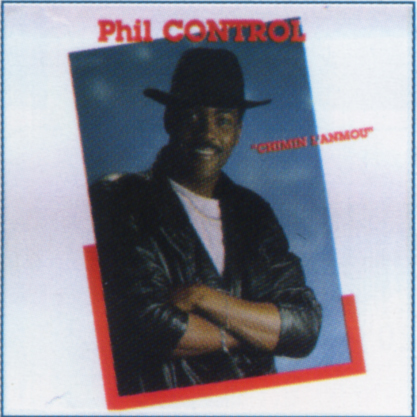
| 1988 | First singles, “Chimin l’Anmou” and “Parfum l’Anmou” on Moradisc |
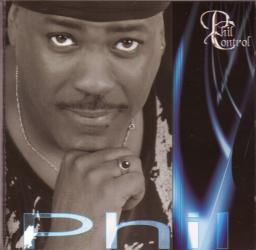
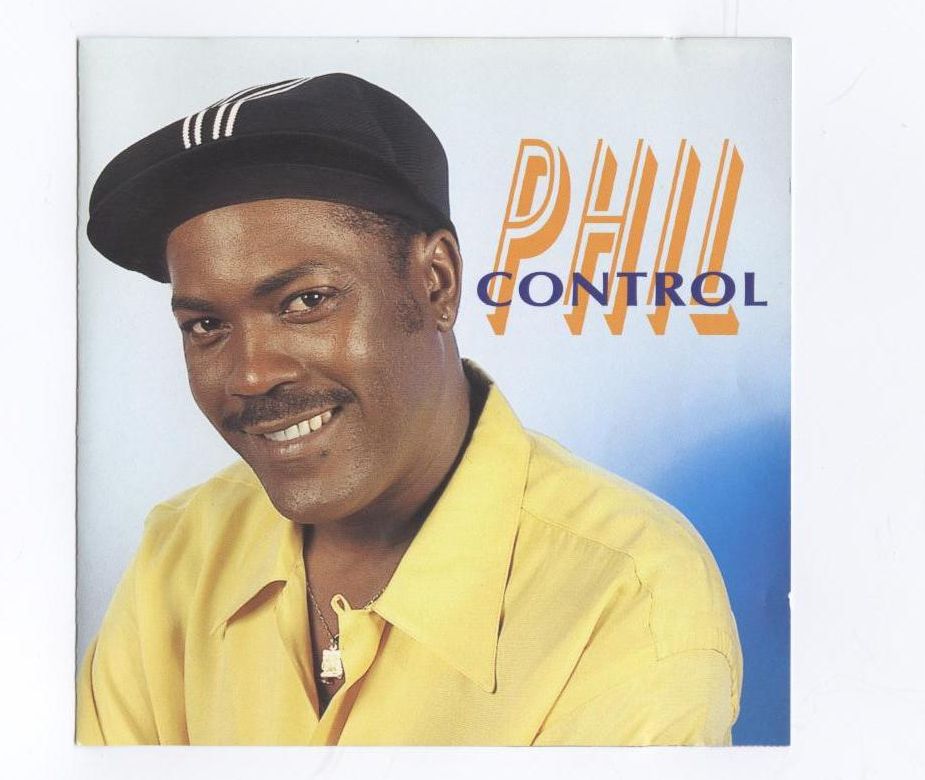
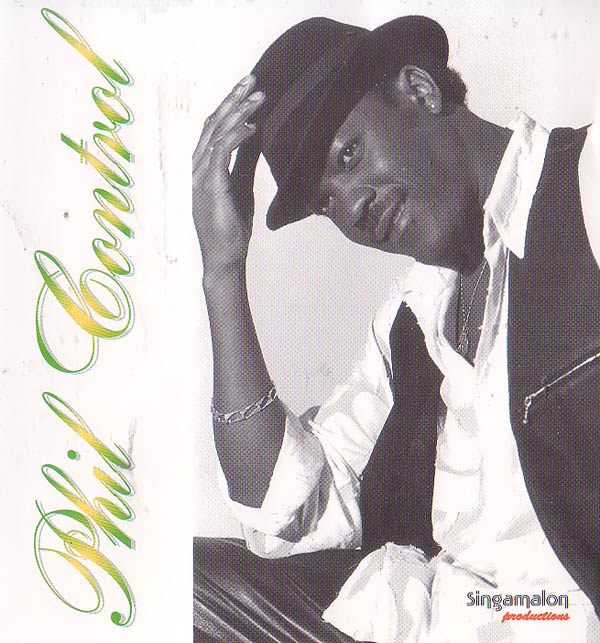
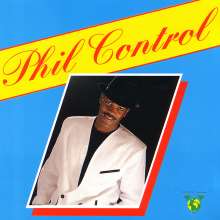
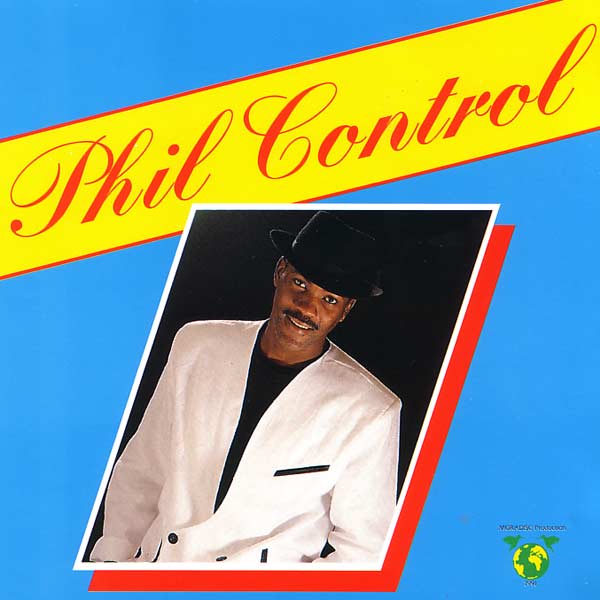
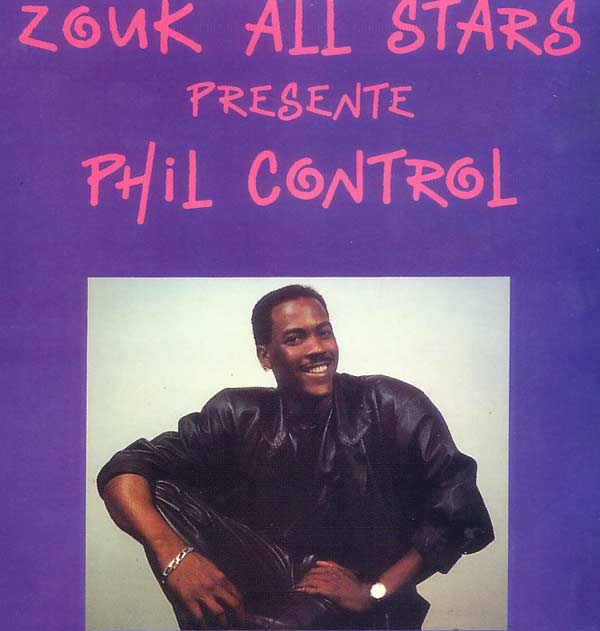
| 1991 | Two major albums: Phil Control and Fé Mwin Rêvé, confirmation of talent |
| 1995 | Release of J’ai besoin de vous, the album that anchors his reputation |
| 1996 | Zouk Festival in La Réunion — landmark performance before the diaspora |
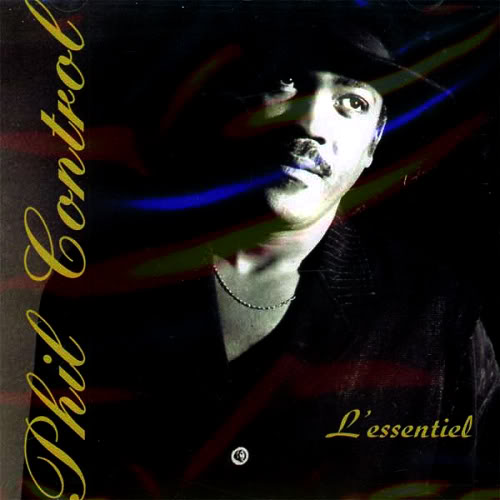
| 1999 | L’essentiel, compilation that spreads his work beyond the Caribbean |
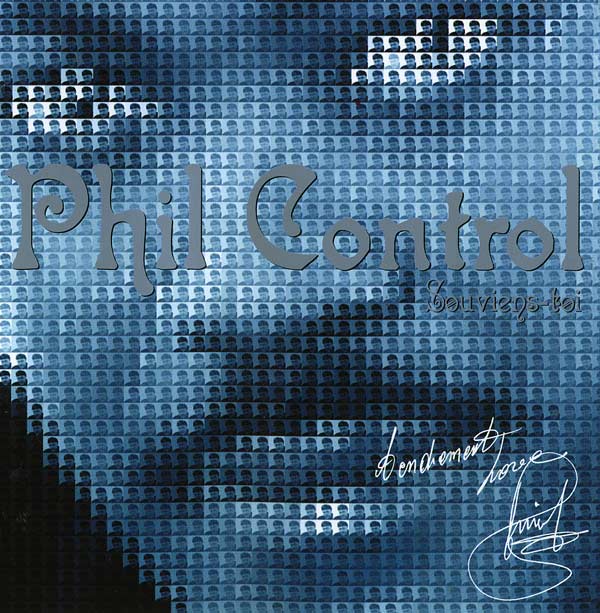
| 2002 | Souviens-Toi (Sono / Next Music), a genre classic — includes “Terre d’Afrique” |
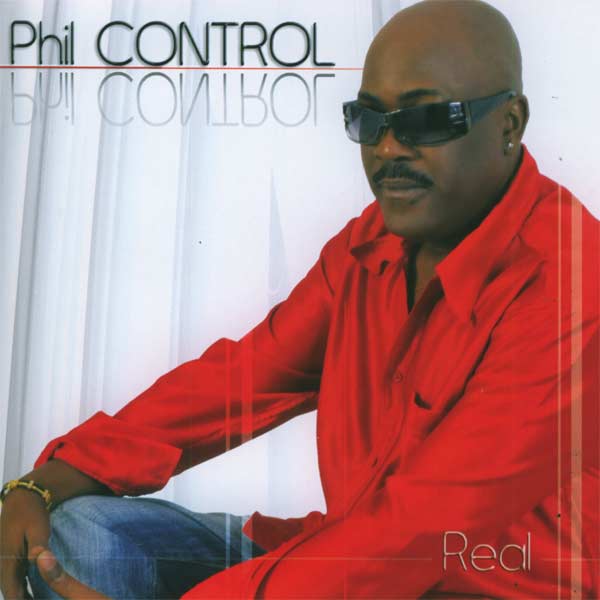
| 2006 | Return as a self-taught artist with Phil, released independently |
| 2012 | First urban collaboration: work with Ludo on “Bléssé” |
| 2015 | Bad Boy, exploration of more modern sounds while preserving his Creole identity |
| 2016 | “Kou-douss’” as a duo with Jacky Rapon |
| 2021 | “Coup de main” with Jean-Michel Cabrimol, a unifying artist |
| 2024 | “Ca Viendra” — a new single confirming he remains active |
From drums to microphones: the birth of a sound
Phil Control grew up in Trinité, a small town in southern Martinique where Caribbean music circulates from street to street, from gwoka rhythms to the first soul influences from America. A passionate autodidact, he began music on drums and percussion — an instrument of the body, of community, of celebration — before turning to composition and singing. This ascent from instrumentality to melody is that of an entire generation of Martinicans in the 1980s, marked by the emergence of zouk as a genre in its own right.
Zouk, this current born at the end of the 1970s in the French Antilles, draws from gwoka — traditional Creole percussion — and biguine, while absorbing soul and pop influences. It branches into two: festive zouk, danced and percussive (embodied by Kassav’), and zouk love, slower and more romantic, made for slow jams. Phil Control, for his part, chose gentleness.
Revelations and consecration
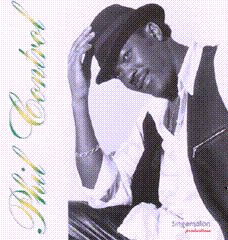
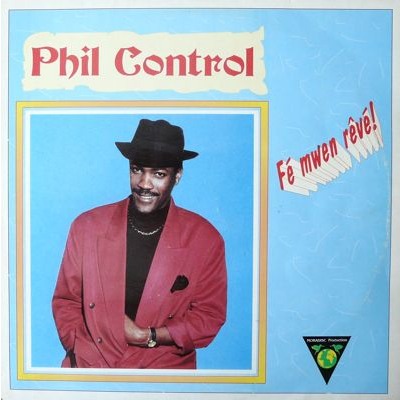
His first release, the album Chimin l’Anmou (1989, Moradisc), reveals a sense of groove and romantic sensitivity that will not fail to strike. Followed by Phil Control (1991), then Fé Mwin Rêvé (1991, Moradisc Productions), which confirm his style: lyrics singing of tenderness and amorous impatience, refined harmonies, a voice holding between the warmth of soul and Creole delicacy.
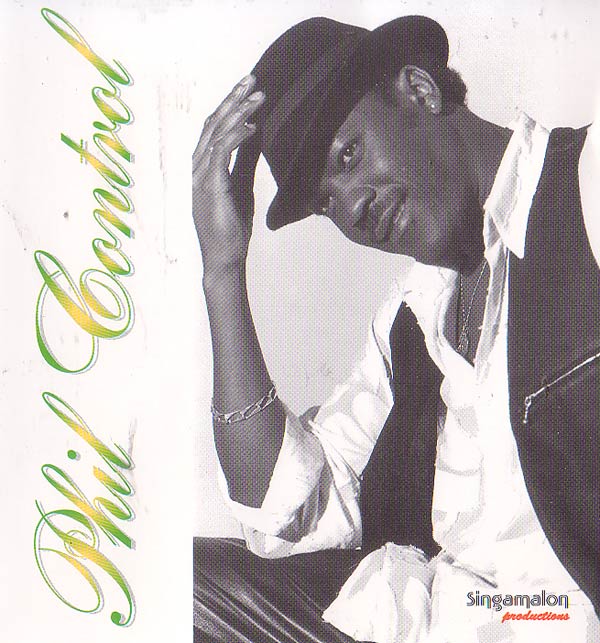
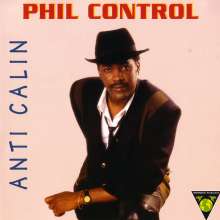
These titles become emblematic of the Phil Control universe — “Anti kalin”, “Fè mwen rêvé” — and he strings together J’ai besoin de vous (1995, Singamalon Productions), the album that lays the foundations of his lasting fame. The singer becomes an indispensable figure of Antillean evenings and Creole community balls, in Martinique as well as in the metropolis.
His passage at the Zouk Festival in La Réunion, in 1996, on the occasion of the tenth anniversary of the event, is a turning point. He sings “L’amour” before a gathered diaspora audience, and the title enters the live repertoire of every zouk lover.
Major works
| Work | Year | Why it is essential |
|---|---|---|
| “Chimin l’Anmou” | 1989 | First hit revealing the artist’s romantic sensitivity |
| “Téléphoné Mwen” | 1995 | Hymn of the lover’s telephone — the most identifiable title |
| J’ai besoin de vous | 1995 | The founding album that anchors his reputation |
| Souviens-Toi | 2002 | Mature album including “Terre d’Afrique”, a wink to the zouk-gwoka kinship |
| “Bad Boy” | 2015 | Attempt at urban opening without renouncing Creole identity |
Legacy and influence
Phil Control never sought to chase metropolitan hit-parades. He rather chose to retain a faithful Antillean audience, from Martinique weddings to festivals in Guyana, passing through Parisian halls where the diaspora gathers. His artisanal approach, partly self-produced, is an example of artistic independence within a music industry where Antillean artists are often dependent on majors.
In 2002, Afrik.com recorded him in the lineage of the greats of zouk: critics assimilated him to the romance branch of the genre — zouk love, as opposed to the festive zouk of Kassav’. The album Souviens-Toi — with its eleven-minute medley taking up “Parfum l’amour”, “Love story” and “Sa fé mwen mal” — is considered a genre classic. The single “Terre d’Afrique”, mixing African guitars and Creole brass, reminds us that zouk is a cousin of Réunionnais gwoka and West African percussion.
Even after more than three decades of career, Phil Control has not stopped. Ca Viendra, released in 2024, proves that an artist who built his reputation on sincerity and patience can continue to write, without compromise or renunciation. His music remains a bridge between generations — for those who still dance to the sound of zouk, and for those who discover it.
Sources and references
- « Phil Control — Martinican artist », Martinique A Nu, https://martiniqueannu.com/artiste-martiniquais/chanteurs-martiniquais/phil-control, accessed November 3, 2026.
- « Phil Control », Kribbean, https://www.kribbean.com/fr/artists/phil-control, consulté le 3 novembre 2026.
- « Phil Control », Discogs, https://www.discogs.com/artist/1374344-Phil-Control, consulté le 3 novembre 2026.
- « Phil Control », Deezer, https://www.deezer.com/fr/artist/158754, consulté le 3 novembre 2026.
- « Le zouk, signé Phil Control », Afrik.com, https://www.afrik.com/signe-phil-control, consulté le 3 novembre 2026.
- « Phil Control — Concert 30 ans de Zouk », YouTube (TV Gabon), https://www.youtube.com/watch?v=i31APu0DxRw, consulté le 3 novembre 2026.