Biography
Pierre Akendengué: African music’s resilient poet
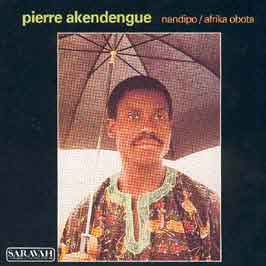
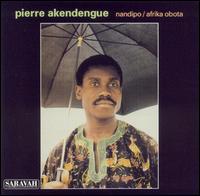
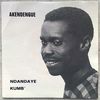
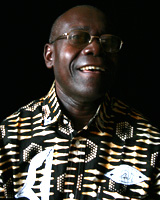
In 1974, in a Paris studio, a Gabonese man with fragile eyes recorded his first album, singing about his childhood over the percussion of Nana Vasconcelos. Nandipo is the title. That night, Pierre Akendengué did not yet know he was laying the cornerstone of a journey that would make him one of the most singular figures in African music.
In brief
| Full name | Pierre-Claver Akendengué |
| Birth | April 25, 1943, Awuta (Aouta), Gabon |
| Field | African music, world music, singer-songwriter |
| Signature works | Nandipo, Lambarena, Gorée |
| Honors | Africa Music Awards Excellence Prize (1997), Knight of the Legion of Honour (2011) |
Key dates
| Year | Event |
|---|---|
| 1967 | Entry into Mireille’s Petit Conservatoire; third place in the “La fine fleur de la chanson” competition |
| 1974 | First album Nandipo (label Saravah, Pierre Barouh) |
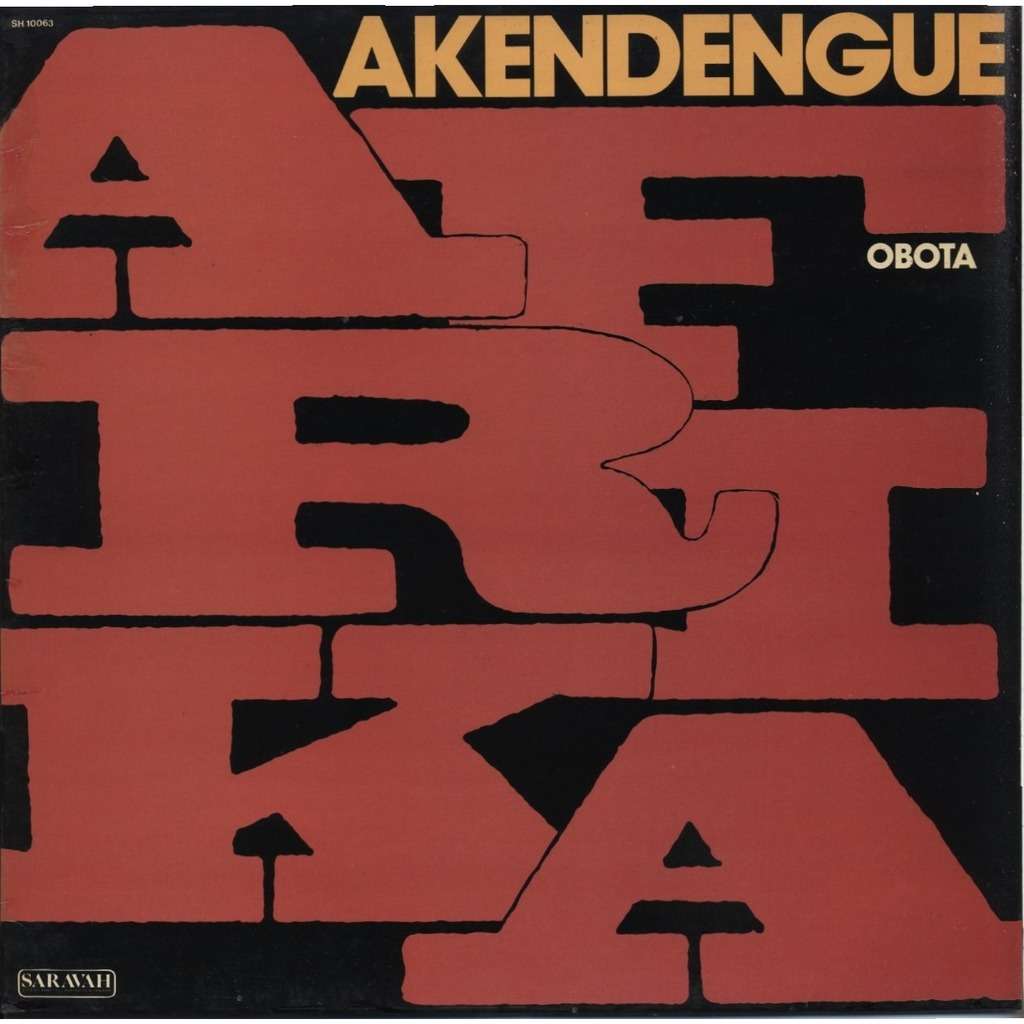
| 1976 | Africa Obota — Young French Song Prize at Midem in Cannes |
| 1983 | Mando with CBS, produced by Hugues de Courson, entirely in myéné |
| 1985 | Return to Gabon after twenty years of exile in France |
| 1994 | Lambarena, masterpiece with Hugues de Courson |
| 1997 | Africa Music Awards Excellence Prize in Libreville |
| 2006 | Release of Gorée, album on the slave trade |
From Awuta Island to a fusion of worlds
Born in 1943 on Awuta, an island off Port-Gentil, Akendengué grew up cradled by the rhythms of bwiti and traditional myéné ceremonies. As an adolescent, he was already composing, and his texts circulated on Gabonese radio waves. In 1964, a scholarship sent him to Orléans; there he earned his baccalaureate and enrolled in the faculty of psychology at Caen, while treating a deteriorating vision. In Paris, singer Mireille pushed him in 1967 into the Petit Conservatoire de la chanson: he finished third in a national competition. He also took musicology courses at the Sorbonne and became familiar with ethnomusicology.
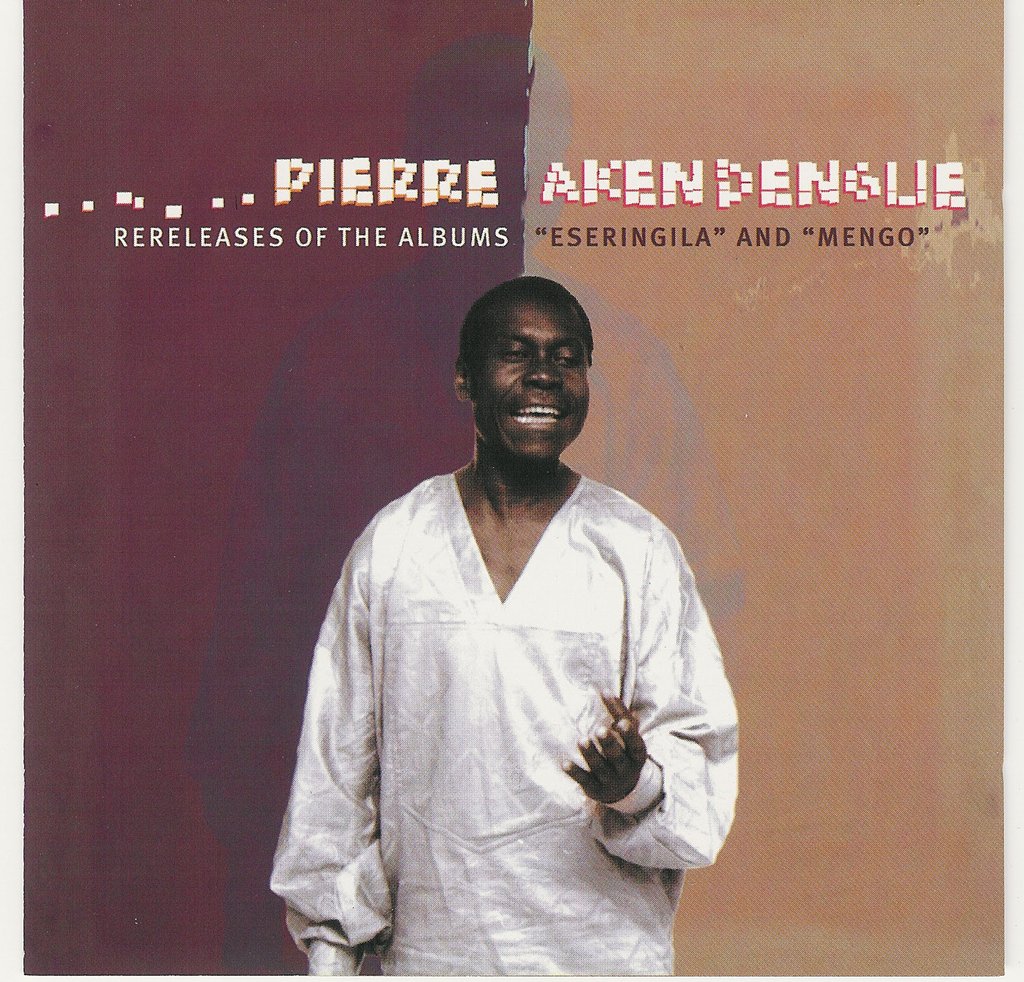
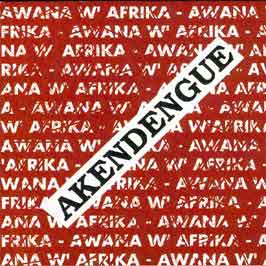
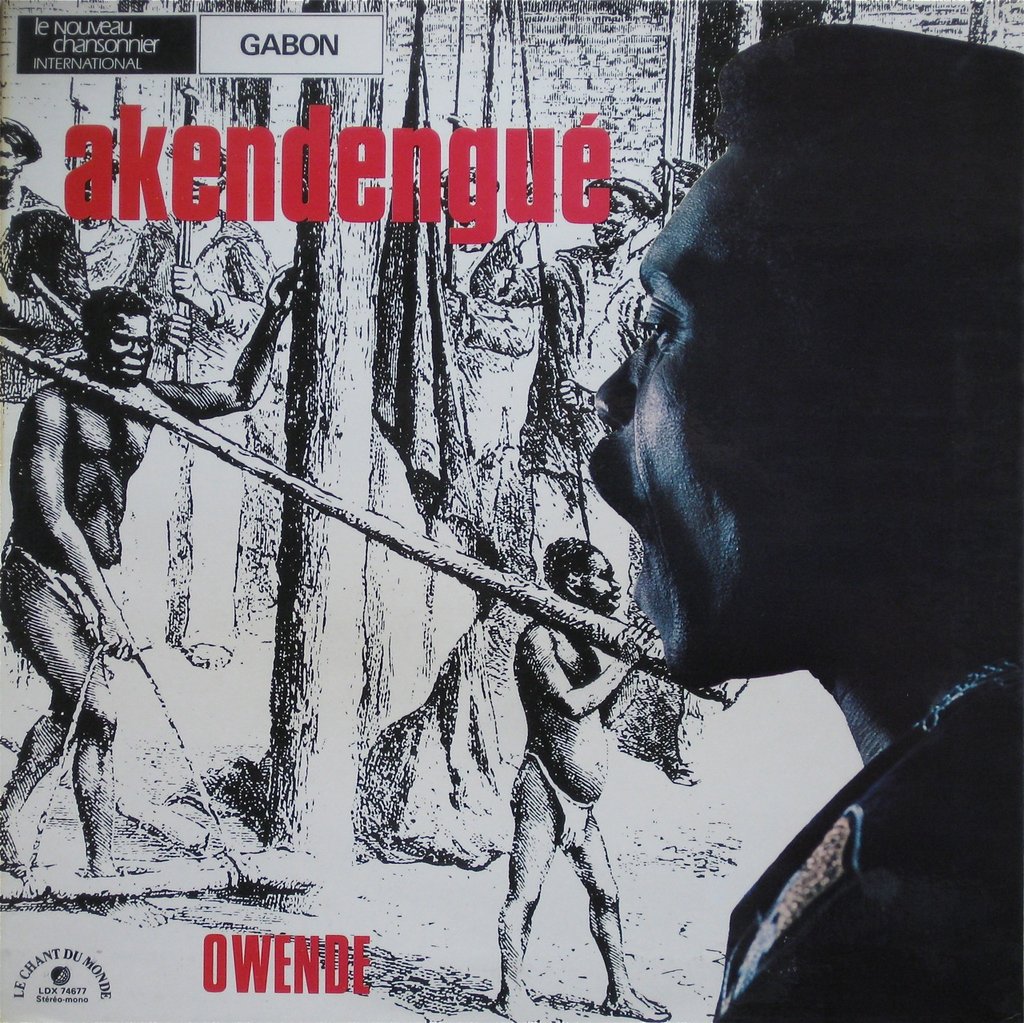
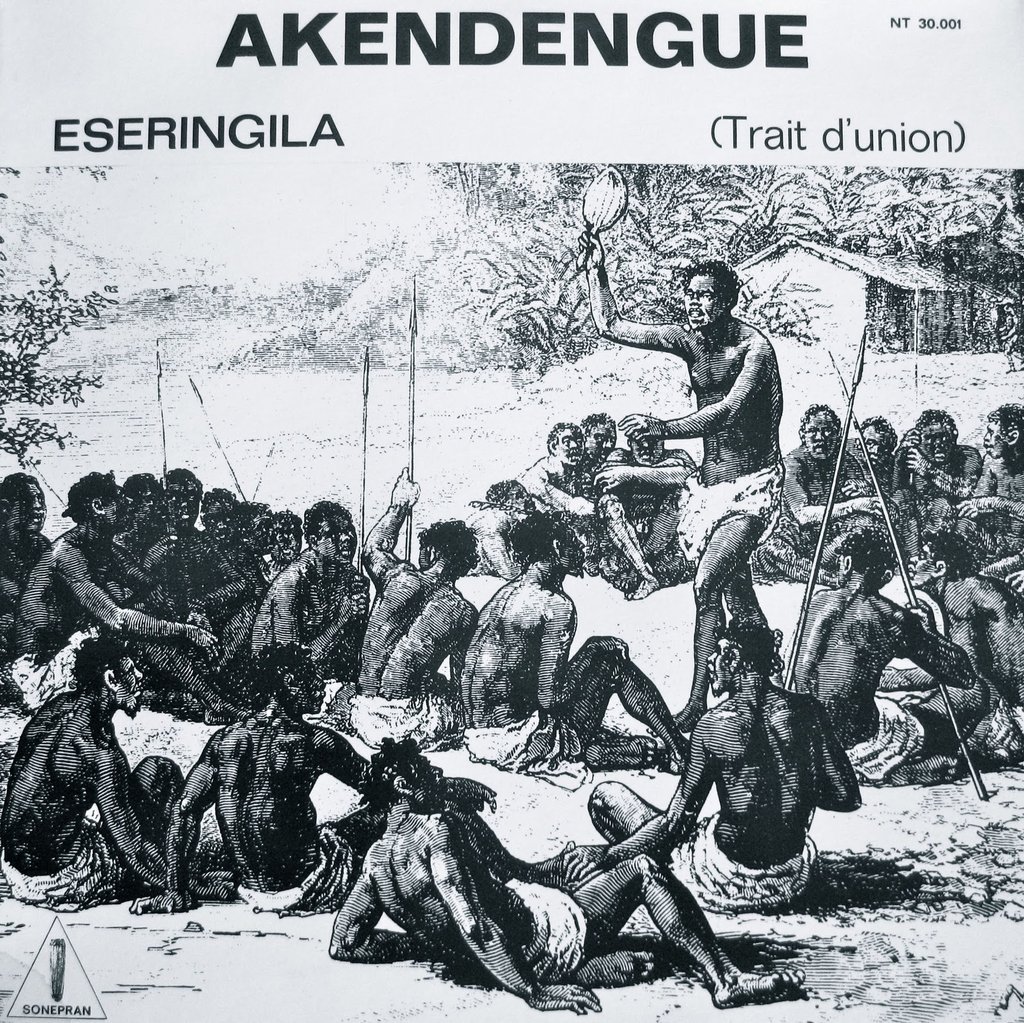
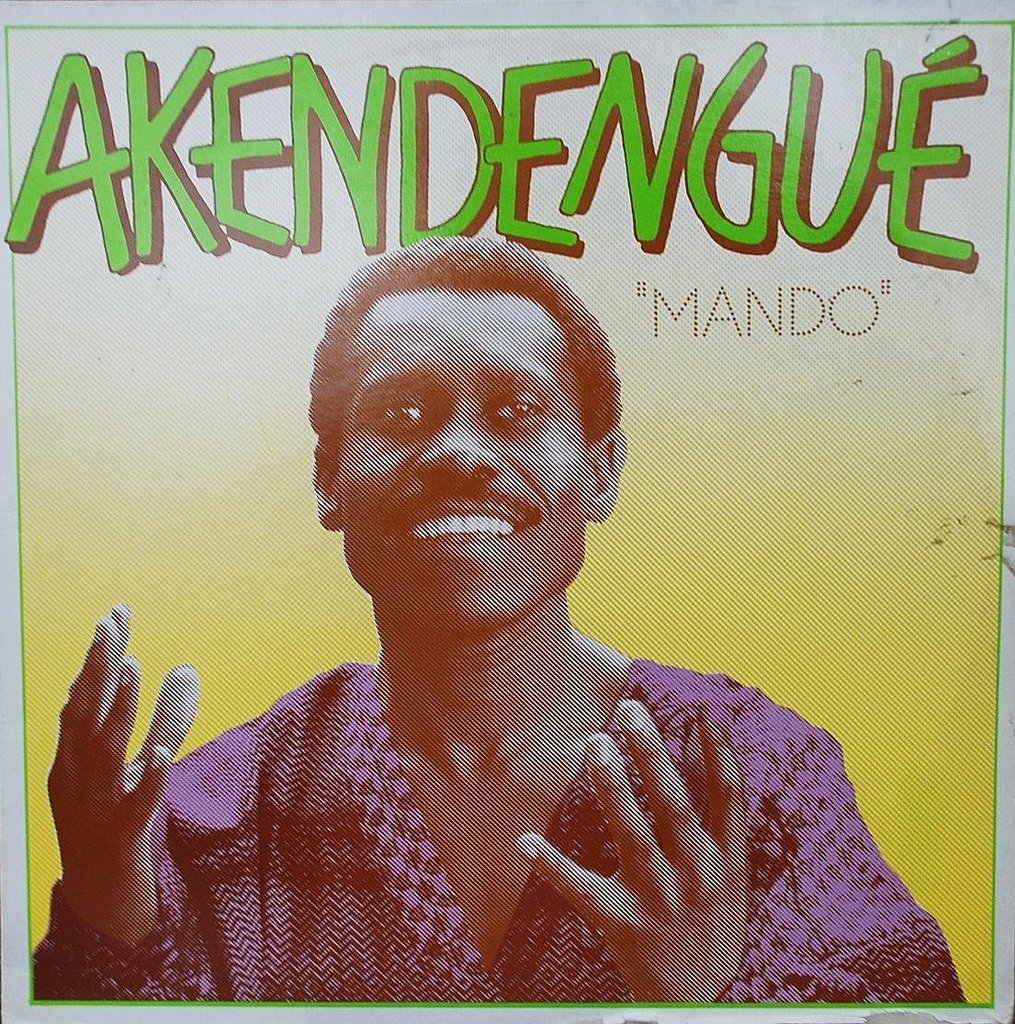
But political commitment caught up with him. A member of the Association générale des étudiants gabonais (AGEG), he was soon kept off Gabonese airwaves. In 1974, thanks to Pierre Barouh (label Saravah), he recorded Nandipo, his first album, which blends texts in French and myéné, the artist’s mother tongue. Africa Obota (1976) won the Young French Song Prize at Midem in Cannes, making him one of the faces of the “world music” wave rising in Paris. Eseringuila (1978) earned a Maracas d’Or for best African record. He created his own label, Ntche, to promote young artists—but the adventure ended in 1982. At CBS, Mando (1983), released in the wake of that success, confirmed his mastery: an album entirely in myéné, produced by Hugues de Courson, seventy-five days of studio work.
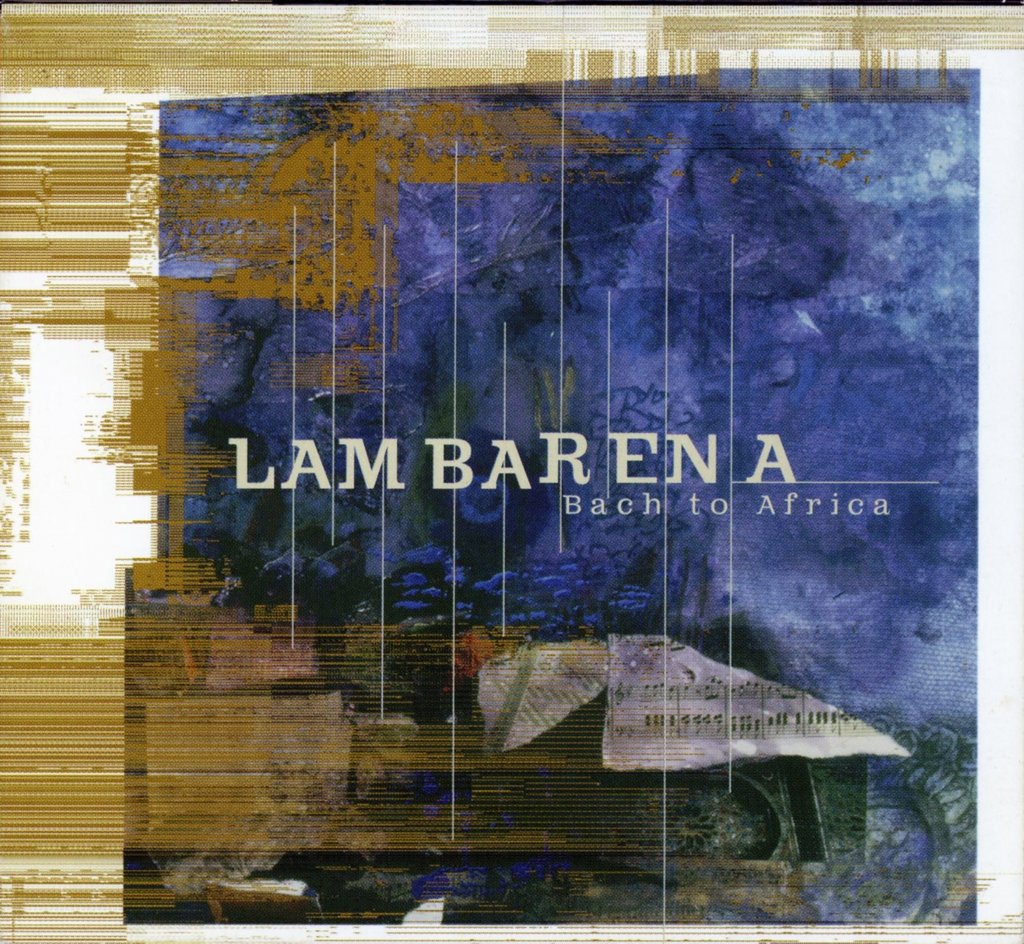
In 1985, exhausted by the rollercoaster of his career, Akendengué returned to Gabon. Ten years later, he tackled his boldest project: Lambarena, in collaboration with Hugues de Courson. The album pays homage to Dr Albert Schweitzer, the missionary doctor in Lambaréné, and sets Bach’s St Matthew Passion in dialogue with traditional chants from ten Gabonese ensembles. More than two hundred fifty artists, months of recording sessions, a result that critics hailed as a “masterpiece.”
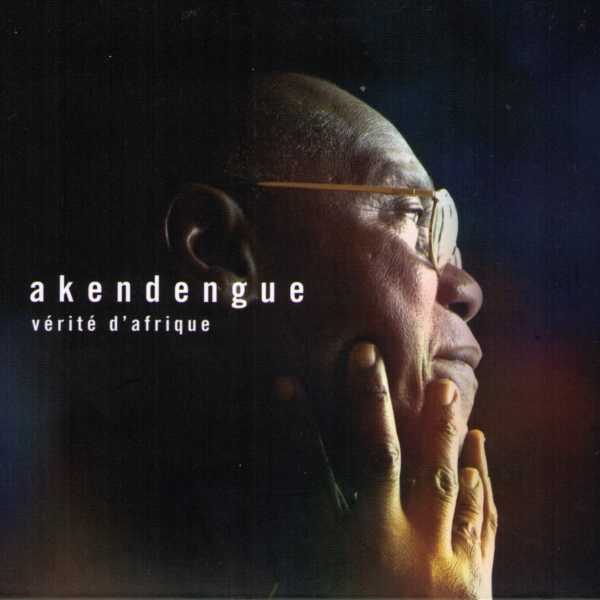
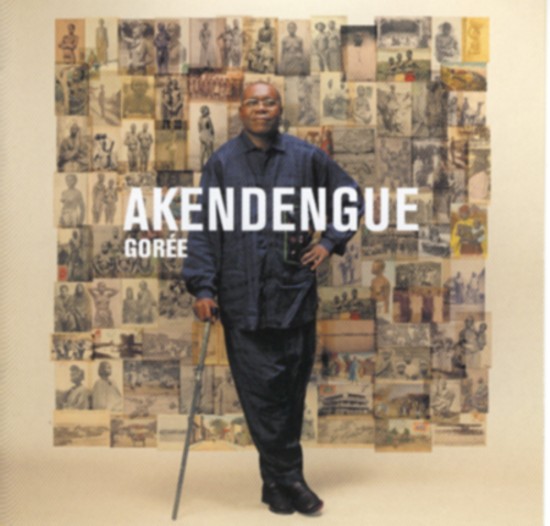
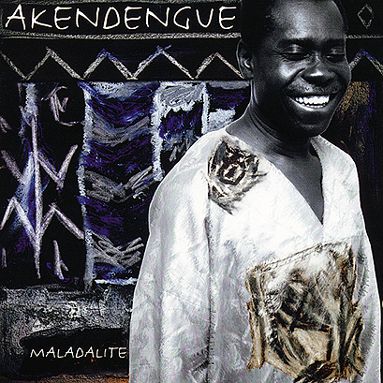
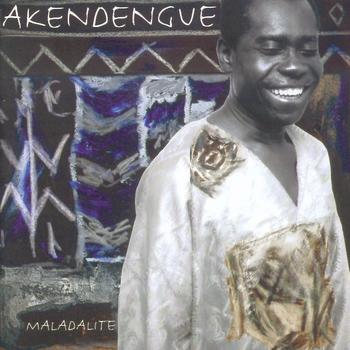
In the following decades, Akendengué continued with thematic humanist albums: Maladité (1995), Gorée (2006, on the slave trade), Vérité d’Afrique (2009, a response to Sarkozy’s vision of Africa). The artist never wished to sing “for pleasure.” “The artist has a role,” he said, “to sound the alarm, to enlighten minds.” In 2004, he became cultural advisor to President Omar Bongo. After more than forty albums and two hundred forty songs, he reiterated in 2013: “Song is like breathing. As long as you keep breathing, no one can stop you from singing.”
Major works
| Work | Year | Why it is essential |
|---|---|---|
| Nandipo | 1974 | Striking debut: African childhood, fragile voice, Nana Vasconcelos on percussion |
| Africa Obota | 1976 | Cannes Midem Prize; bilingual hymn to African unity |
| Mando | 1983 | Entire album in myéné; militant lyricism symbolized by oral tradition |
| Lambarena | 1994 | Fusion of Bach and Gabonese traditions; 250 artists, a monument |
| Gorée | 2006 | Memory of the slave trade from the island bearing that name; witness voice |
Legacy and influence
Pierre Akendengué’s music was, from the outset, an instrument of consciousness. Lambarena remains a milestone for any intercultural dialogue project in music, long before “world music” became a marketing label. In Gabon, where he is a tutelary figure, his work continues to inspire a new generation of musicians. After Vérité d’Afrique and La Couleur de l’Afrique (2018), he confirmed that commitment and art are not two separate shores.
Sources and references
-
“Pierre Akendengué — Biography”, Lusafrica, https://lusafrica.com/en/our-artists/pierre-akendengue, accessed October 19, 2025.
-
“Pierre Akendengué”, Wikipedia (English), https://en.wikipedia.org/wiki/Pierre_Akendengu%C3%A9, accessed October 19, 2025.
-
“Pierre Akendengué”, AllMusic, https://allmusic.com/artist/pierre-akendengue-mn0000337578, accessed October 19, 2025.
-
“Pierre Akendengué”, RFI Musique (archive), http://www.rfimusic.com/artist/world-music/pierre-akendengue/biography.html (archive.org), accessed October 19, 2025.
-
“Pierre Akendengué”, Official site, https://pierreakendengue.com/, accessed October 19, 2025.
-
“Pierre Akendengué — Biography”, Official site, https://pierreakendengue.com/biographie/, accessed October 19, 2025.
-
« Pierre Akendengué defends African history », RFI Musique, http://www1.rfi.fr/musiqueen/articles/107/article_8131.asp, accessed on 19 October 2025.
-
« Pierre Akendengué age, hometown, biography », Last.fm, https://last.fm/music/Pierre+Akendengu%C3%A9/+wiki, accessed on 19 October 2025.