Biography
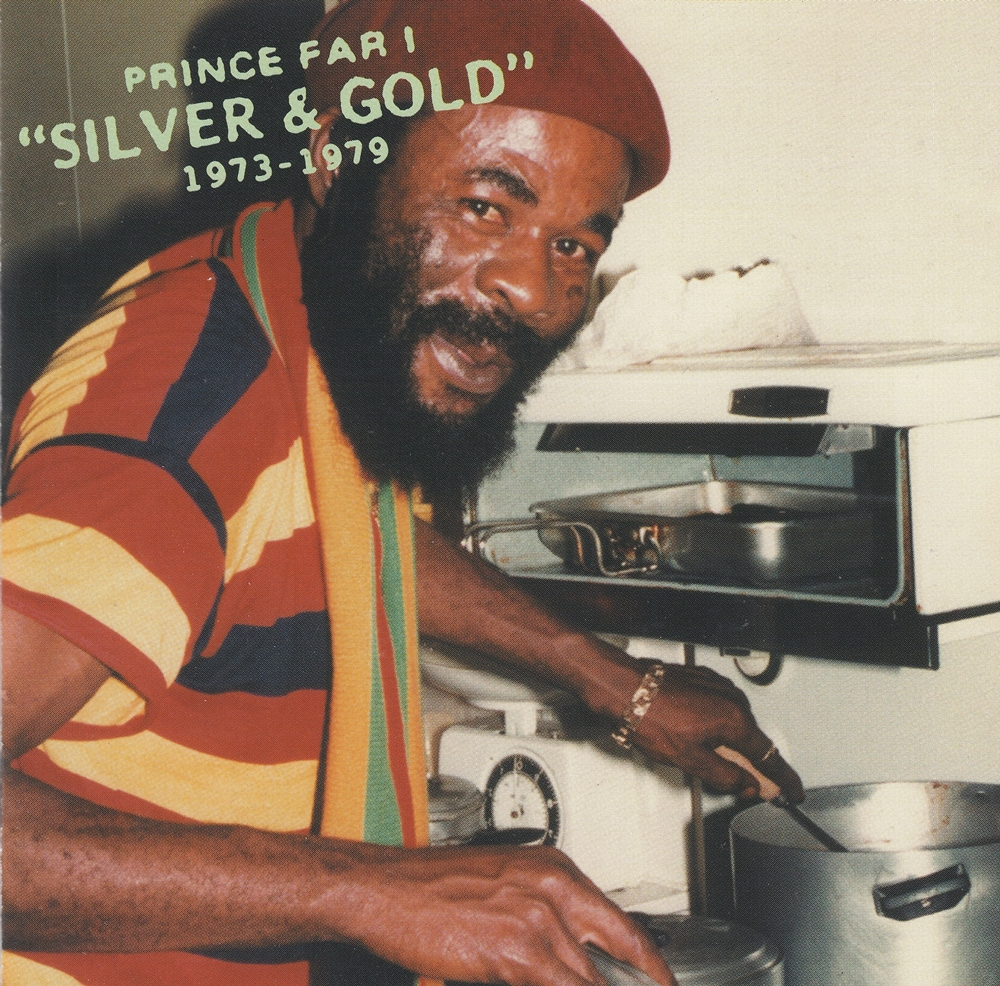
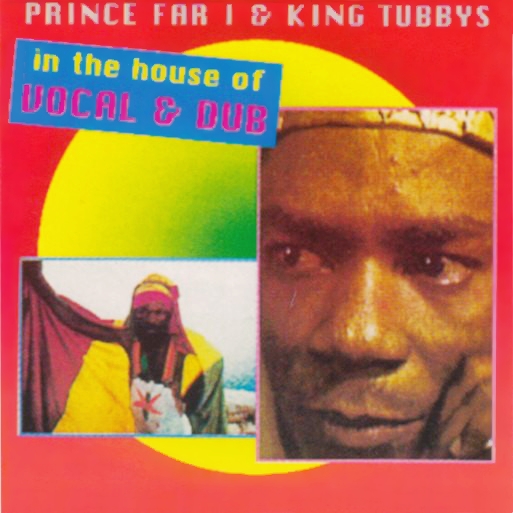
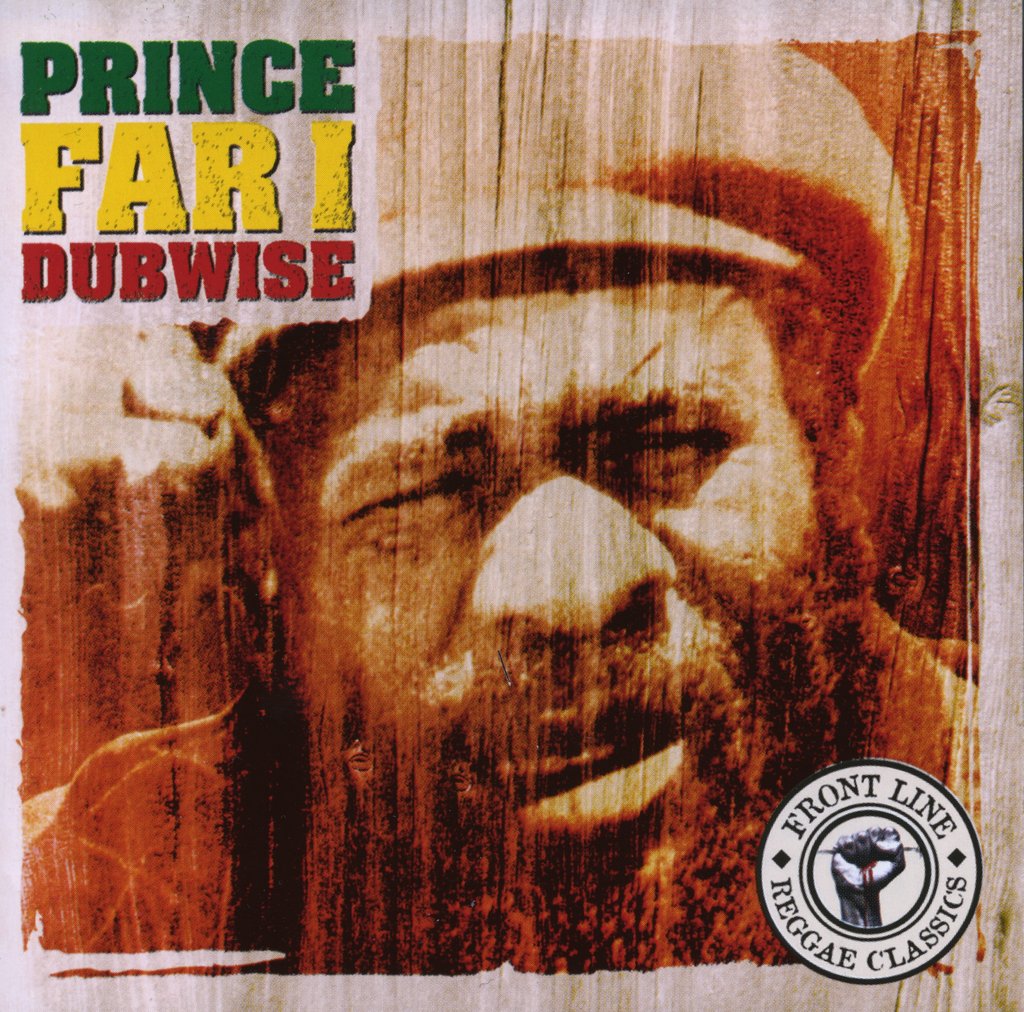
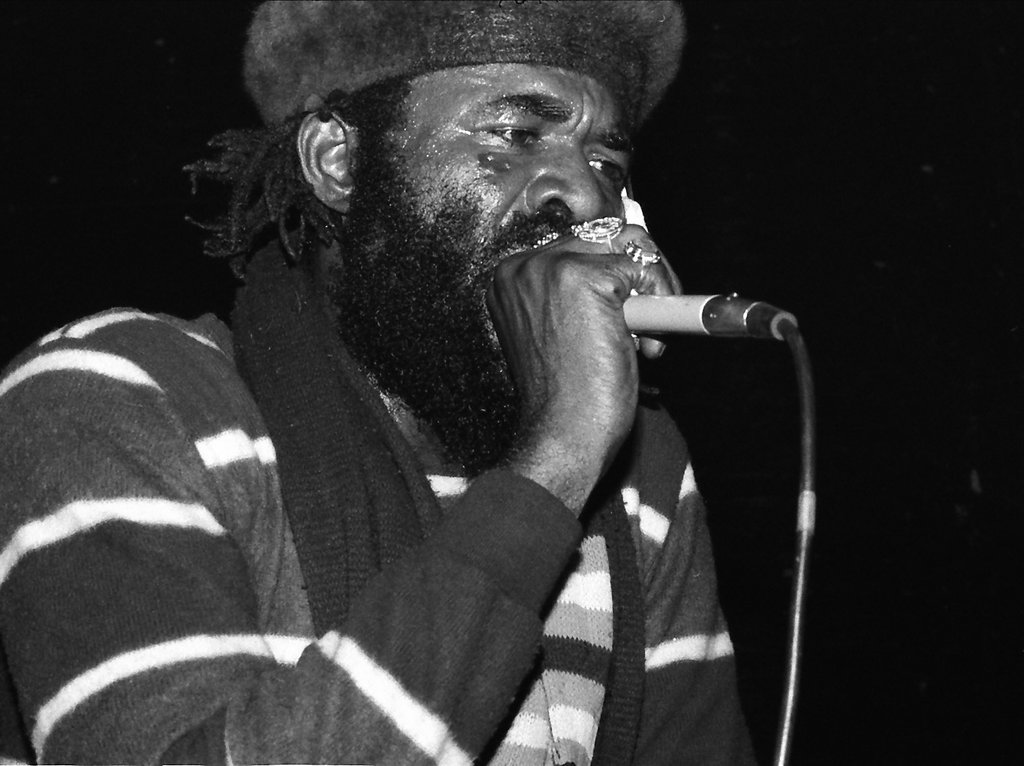
Prince Far I
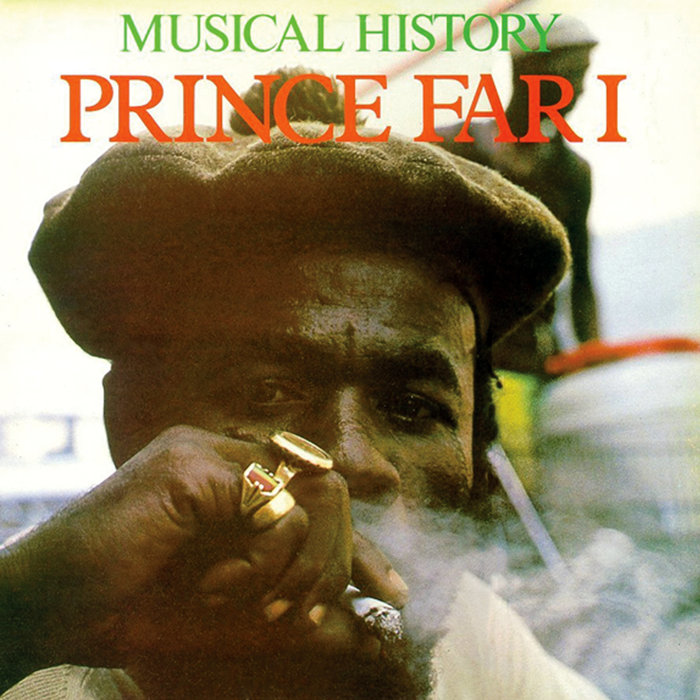
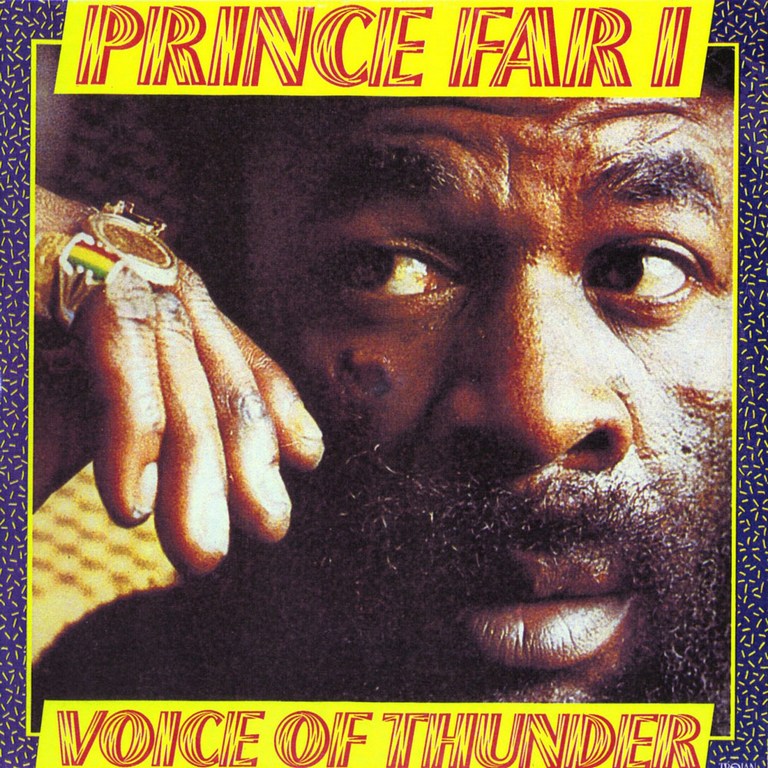
In 1976, Adrian Sherwood welcomed into his home in High Wycombe a Jamaican singer who had smoked « well over half an ounce of weed on the journey from Birmingham to High Wycombe » and who called his mother « Mommy », in a deep voice like distant thunder. This singer is Prince Far I — and that evening began an artistic friendship that would not cease until his death, two years later.
In brief
| Full name | Michael James Williams |
| Birth | March 23, 1945, Spanish Town, Jamaica |
| Death | September 15, 1983 (age 38), Kingston, Jamaica |
| Field | Reggae: deejay and producer |
| Notable works | Psalms for I, Under Heavy Manners, Message from the King |
| Honors | Mentioned in “Clash City Rockers” by The Clash and “Sept. 15 1983” by Mountain Goats |
Key dates
| Year | Event |
|---|---|
| 1945 | Birth in Spanish Town, Jamaica |
| 1969 | First recording for Bunny Lee under the name King Cry Cry (“The Great Booga Wooga”) |
| 1970 | Replaces King Stitt for Coxsone Dodd; adopts the name Prince Far I on suggestion by Enos McLeod |
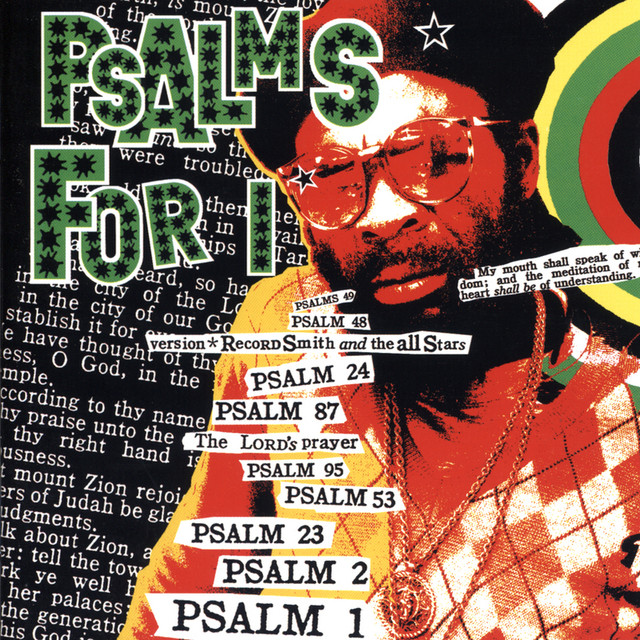
| 1975 | Release of Psalms for I, first album, dedicated to illiterate people who could not read the Bible |
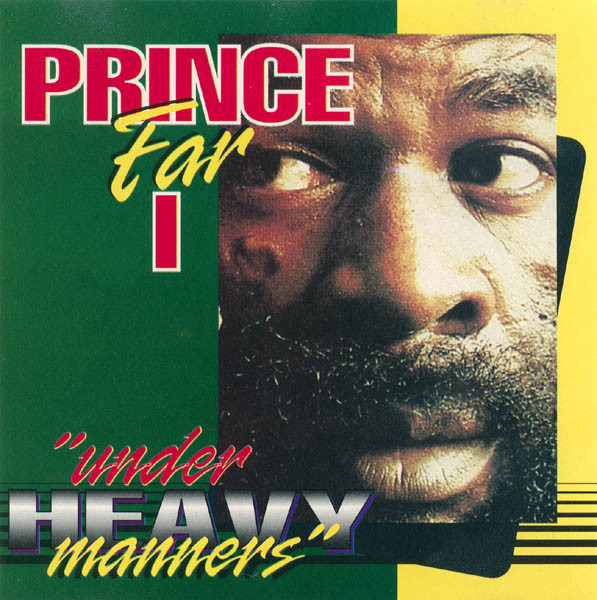
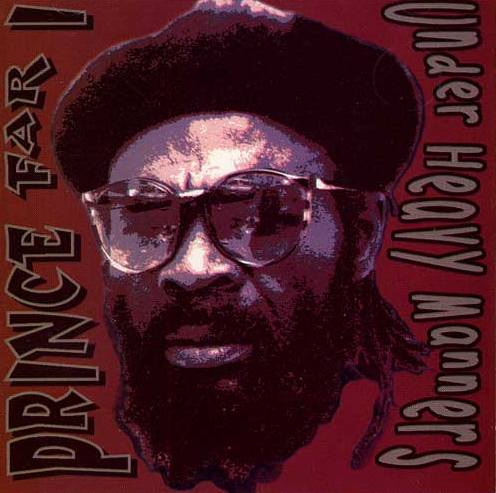
| 1976 | Under Heavy Manners (Joe Gibbs); first London session with Carib Gems, Sherwood’s label |
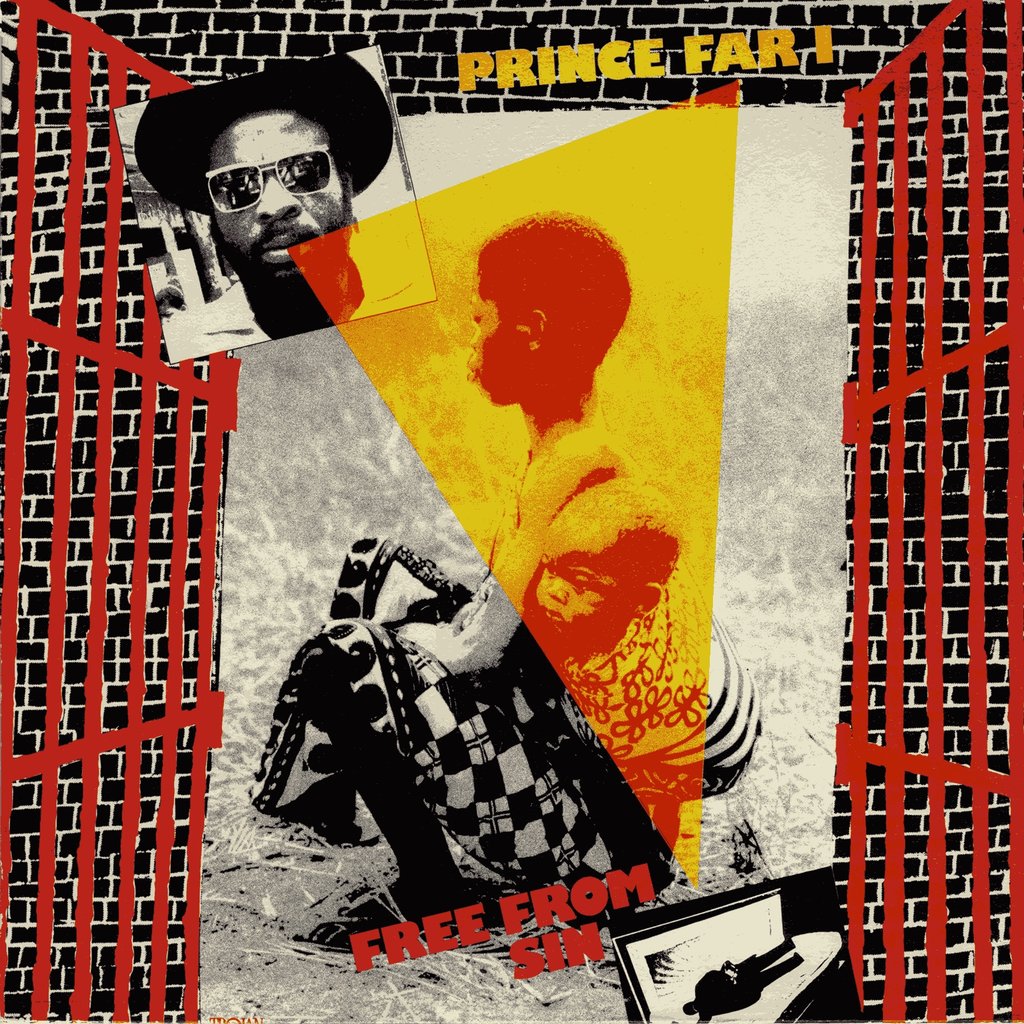
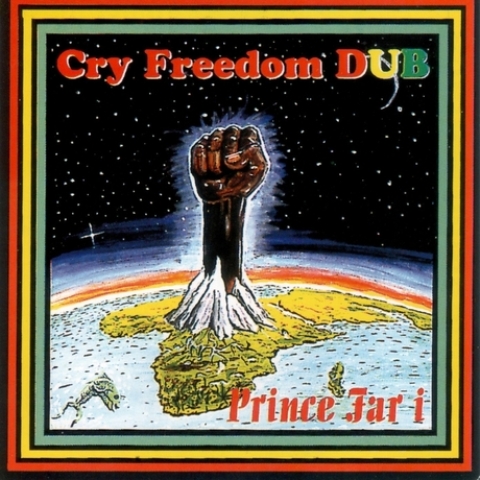
| 1978–1980 | Twelve albums between Virgin Front Line and Trojan, including the series Cry Tuff Dub Encounter |
| 1980–1982 | English period: Singers & Players, Creation Rebel, tour of the United Kingdom |
| 1983 | Recording of Umkhonto We Sizwe; assassinated on September 15 in Kingston |
From doorman to chanter
Michael James Williams was born on March 23, 1945, in Spanish Town, Jamaica. Growing up immersed in the culture of sound systems — these street parades of music with bass lines that made walls tremble — he entered the industry as a deejay on the Sir Mike the Musical Dragon Sound System. He defined himself primarily as a chanter, a structured storyteller on the riddim.
In 1969, he recorded “The Great Booga Wooga” for Bunny Lee under the name King Cry Cry, a nickname referring to his tendency to burst into tears when angry. The man with the granite-like image cried easily, as Sherwood would discover in 1976.
In 1970, King Stitt did not show up for a session with Coxsone Dodd. Williams was called to replace him, and Dodd released the recordings — now under the name Prince Far I, suggested by Enos McLeod.
The voice of outrage and London Calling
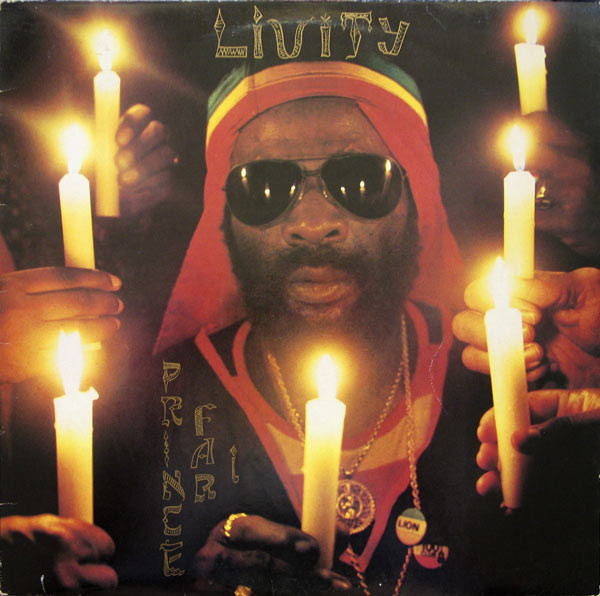
The turning point arrived in 1975 with Psalms for I. On dread riddims, Far I sang the Pater Noster and various psalms. The album was dedicated to illiterate people who could not read the Bible themselves: sacred words carried by the artist’s body, not by a recited text. A year later, Joe Gibbs produced Under Heavy Manners, whose title became a hymn. In 1976, Jamaica was in a state of emergency after the Michael Manley government declared martial law against political gangs. Far I denounced a state of crisis that had invaded the daily lives of Jamaicans.
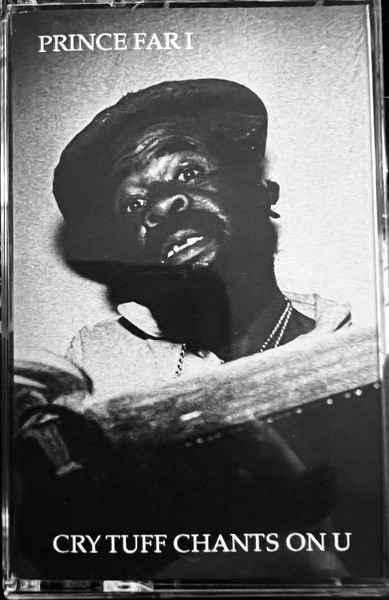
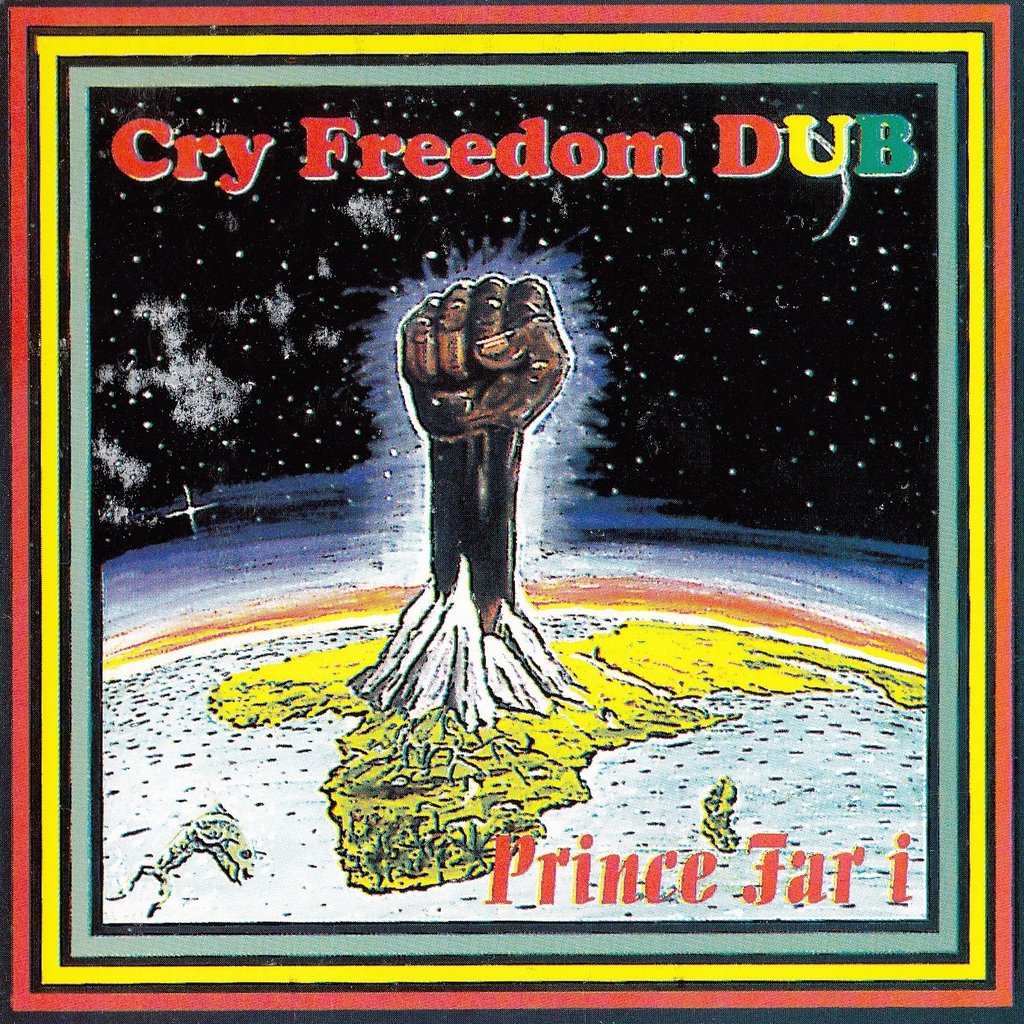
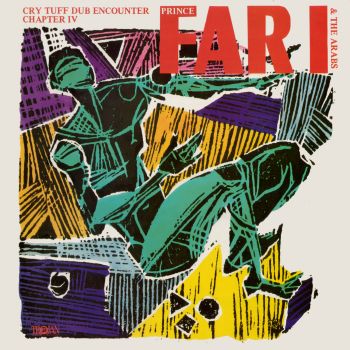
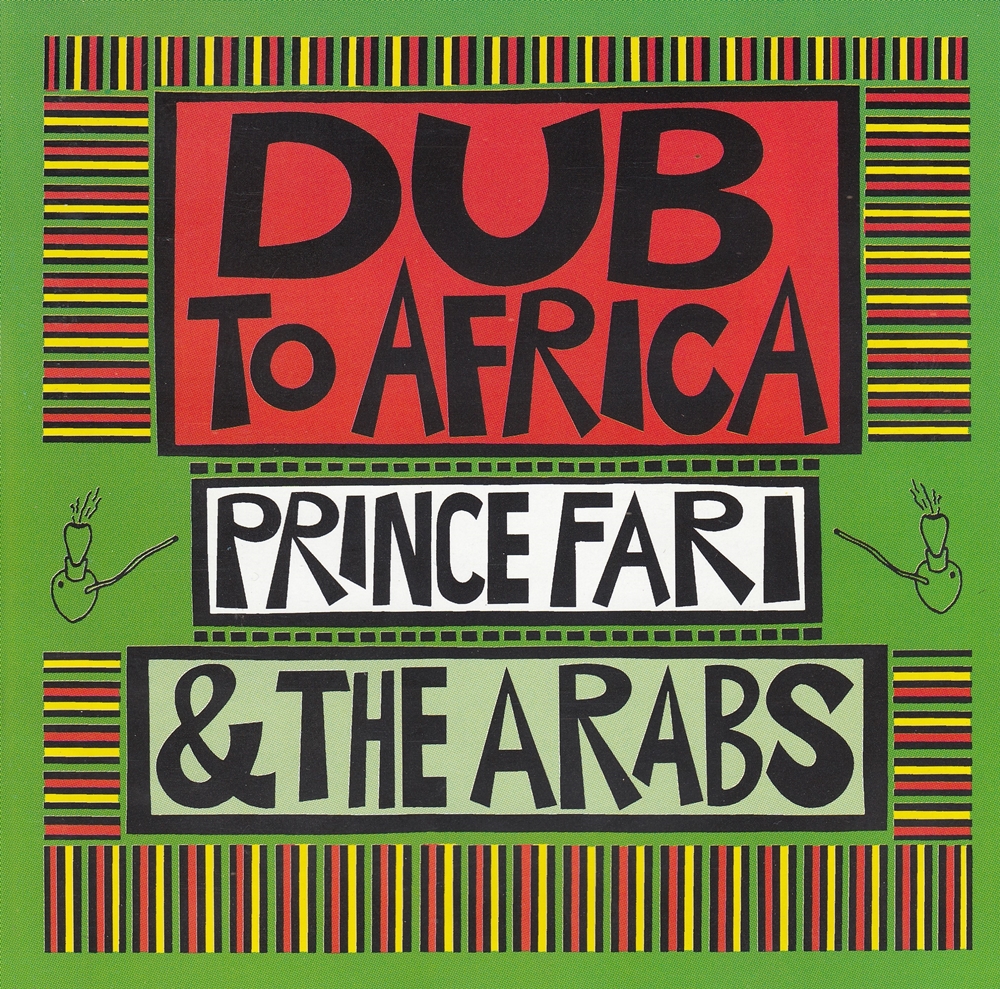
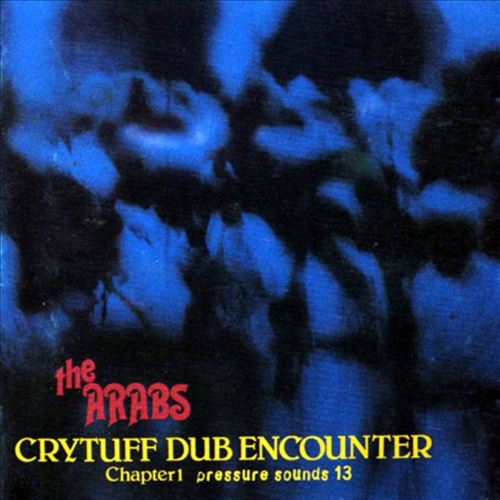
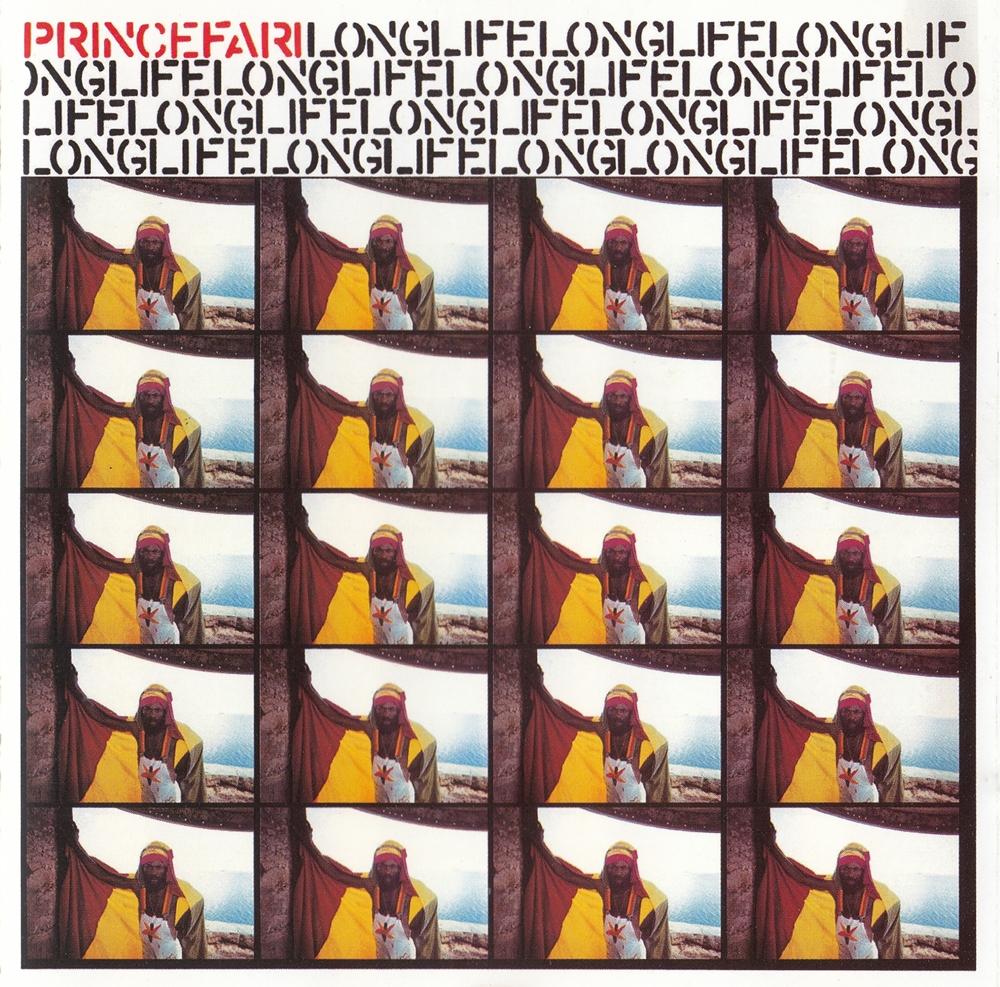
That same year, Adrian Sherwood and Chips Richards, owners of the London label Carib Gems, discovered him. « Far I liked our setup », Sherwood recalls. He signed with Virgin Front Line, then Trojan. Between 1978 and 1980, he released twelve albums including the series Cry Tuff Dub Encounter, which he produced on his label Cry Tuff with the Roots Radics (under the pseudonym The Arabs).
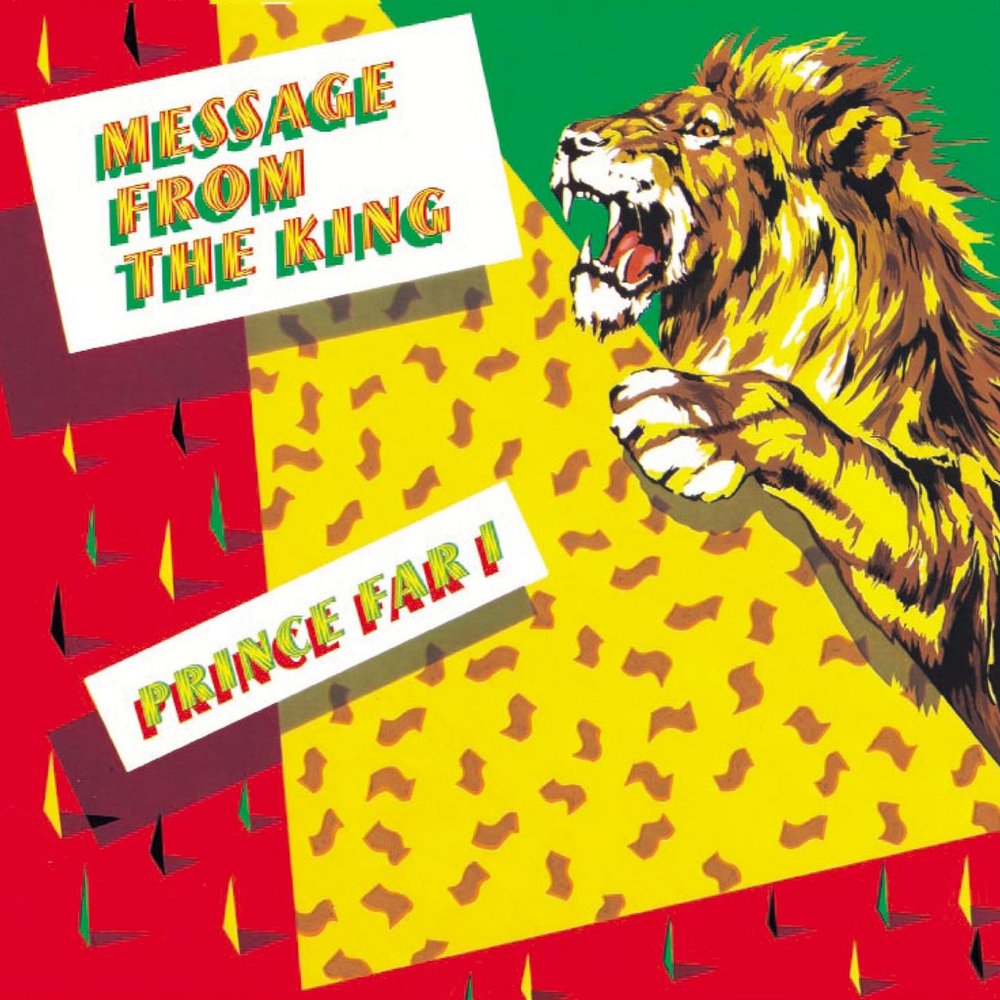
The first London sessions took place in a chaotic context. Fish Clarke on drums, Errol « Flabba » Holt on bass — musicians brought from Jamaica. « The session started with Far I physically attacking Fish », Sherwood writes; four hours later, two tracks were recorded: “The Dream” and “Foggy Road”, future pillars of Message from the King.
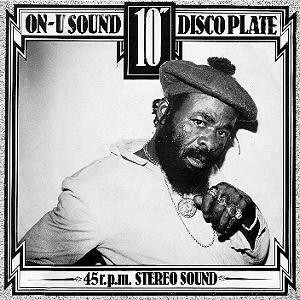
Far I spent an increasing share of his time in England, contributing to On-U Sound projects (Singers & Players, Creation Rebel) and undertaking a British tour in the early 1980s. His last live concert took place on December 7, 1982, at the Band on the Wall in Manchester, alongside the Sun’s of Arqa.
The end and legacy
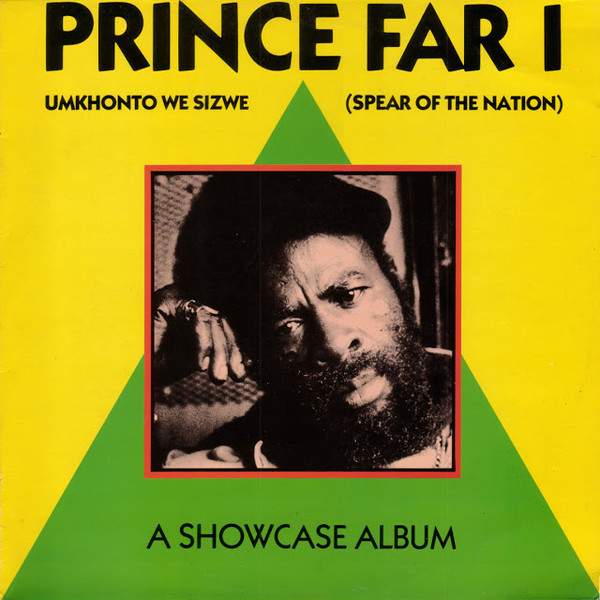
In 1983, Far I returned to Kingston to record Umkhonto We Sizwe with Roy Cousins, an album inspired by the anti-apartheid struggle. Before it was finished, he was assassinated on September 15 in his Kingston home during a burglary linked to a financial conflict. He died in the hospital, aged 38.
Adrian Sherwood took a break from reggae production and recorded “Dead Come Alive” with Neneh Cherry — a musical testimony of grief. The Clash mentioned him in “Clash City Rockers”; the Mountain Goats dedicated a song to him (“Sept. 15 1983”). For roots and dub music lovers, Prince Far I remains a unique voice: that of a man who spoke to the world through the power of his timbre, never needing to sing.
Major works
| Work | Year | Why it’s essential |
|---|---|---|
| Psalms for I | 1975 | Psalms carried by Far I’s raspy voice, dedicated to the illiterate |
| Under Heavy Manners (Joe Gibbs) | 1976 | Hymn of the Jamaican state of emergency; voice as political megaphone |
| Message from the King (Virgin Front Line) | 1978 | First London album; “The Dream”, masterpiece of roots chanter |
| Cry Tuff Dub Encounter Part 2 | 1979 | Series of dubs produced by Far I; the Roots Radics under the pseudonym The Arabs |
Heritage and influence
Prince Far I died too young to witness the full extent of his legacy. His raspy, deep voice, like a distant rumble, continues to resonate in reggae and dub. Adrian Sherwood, marked by his death, took a break from producing reggae and recorded “Dead Come Alive” with Neneh Cherry — a musical testament to grief. The Clash, who mention him in “Clash City Rockers”, and the Mountain Goats with their track “Sept. 15 1983” also bear witness to his importance for Anglo-Saxon musicians.
Prince Far I remains a unique voice: that of a man who spoke to the world through the power of his timbre, never needing to sing. He carried the psalms of the illiterate in his throat and the outrage of his generation like a drum. His voice is no longer here, but the thunder continues to roll.
Sources and references
- « Prince Far I », Wikipédia (en), [URL], accessed 21 November 2026.
- « Prince Far I Biography : The Thunderous Voice Of Roots Reggae », Enki’s Music Records, [URL], accessed 21 November 2026.
- « Prince Far I RSD », On-U Sound, [URL], accessed 21 November 2026.
- « Weed, fights and the Honey Monster – how Adrian Sherwood fell in love with reggae », The Guardian, 11 July 2016, [URL], accessed 21 November 2026.
- « Prince Far I Discography », Discogs, [URL], accessed 21 November 2026.
- « Prince Far I », Spotify, [URL], accessed 21 November 2026.