
Biography
Princess Erika
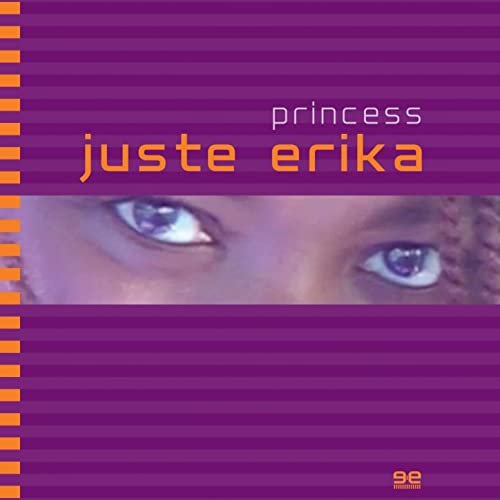
In 1988, in London, Erika Dobong’na recorded a ragga track on the microphone of a small studio. She did not yet imagine that « Trop de bla-bla » would become a French feminist anthem. This singer, from a family of Cameroonian political refugees, will, in just a few years, impose reggae and ragga on the hexagonal stage while building a humanitarian network that endures to this day.
In brief
| Birth name | Érika Dobong’na |
| Birth | April 5, 1964, Paris, France |
| Stage name | Princess Erika |
| Genre | Reggae, ragga, soul, world music, actress |
| Signature works | « Trop de bla-bla », « Faut qu’j’travaille », D’origine, À l’épreuve du temps |
| Distinctions | Participation in Les Enfoirés, founder of the association Les Voix de l’espoir |
Key dates
| Year | Event |
|---|---|
| 1964 | Birth in Paris, into a family of Cameroonian political exiles |
| 1979 | French champion in hurdles and long jump at age 15 |
| 1982 | Induction into the Zulu Nation by Afrika Bambaataa at the Bataclan; debut with Blackheart Daughters |
| 1988 | London recording of « Trop de bla-bla », feminist anthem ranked #39 in France |
| 1992 | First album Princess Erika, opening act for Les Négresses Vertes |
| 1995 | D’origine and the hit « Faut qu’j’travaille » (#15 in France) |
| 1998-1999 | Recording sessions in Kingston with Sly & Robbie; album Tant qu’il y aura |
| 2005-2013 | Series Camping Paradis and radio show Les Grosses Têtes; self-produced album |
Origins and revelations
Erika Dobong’na was born in Paris on April 5, 1964. Her parents are Cameroonian political exiles: her mother, Marie-Claire Matip, daughter of a traditional Cameroonian chief, was one of the first Sub-Saharan women to publish a book; her father, Julien Dobong’na Essiene, was a student. She grew up surrounded by three sisters — Esther (Estha Divine), Hewan, and Elga.
At first, it was sport that destined her for glory. As a teenager, she won two French championship titles: hurdles and long jump. But music called her more strongly. Inspired by the Beatles, Bob Marley, and the emerging hip-hop movement, she began learning guitar with fervor. In 1982, at age 18, her destiny shifted: Afrika Bambaataa initiated her into the Zulu Nation during a ceremony at the Bataclan, alongside Dee Nasty and Lionel D. That same year, she founded with her sisters the group Blackheart Daughters before joining Princess and the Royal Sound, who opened for Jamaica Dènis Brown. Three years later, after the birth of her son Julien, she flew to London and collaborated with musicians from the Aswad collective.
Her first solo recording, « Trop de bla-bla », recorded in London and distributed by the Celluloïd label before being picked up by Polydor, opened the doors to fame. This anti-domestic violence track denounces macho violence in a couple with striking lyrics. It became one of the foundational ragga pieces in France and established her as the first headliner for the association Les Voix de l’espoir, founded to build a hospital in Senegal. In 1989, she released the track Tendresse, participated as a backing vocalist on Jean-Louis Aubert’s Bleu Blanc Vert, and acted in Romain Goupil’s film Maman, launching her dual musical and cinematic career.
Artistic and humanitarian journey
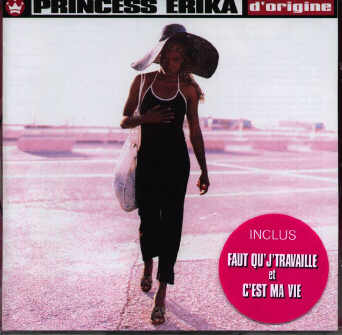
In 1992, her first album Princess Erika blended soul, jazz, and funk with reggae. The same year, she performed as the opening act for Les Négresses Vertes. Two years later came D’origine, her second album, whose hit « Faut qu’j’travaille » propelled her to the top of the Top 50. The singer multiplied collaborations: she joined the album Les Rita Mitsouko Acoustiques, performed « Les Hommes sont des Femmes comme les Autres » as a duo with Marc Lavoine, and wrote « Embrasse-moi » for the Nubians. She regularly participated in Les Enfoirés, the troupe of Restos du Cœur.
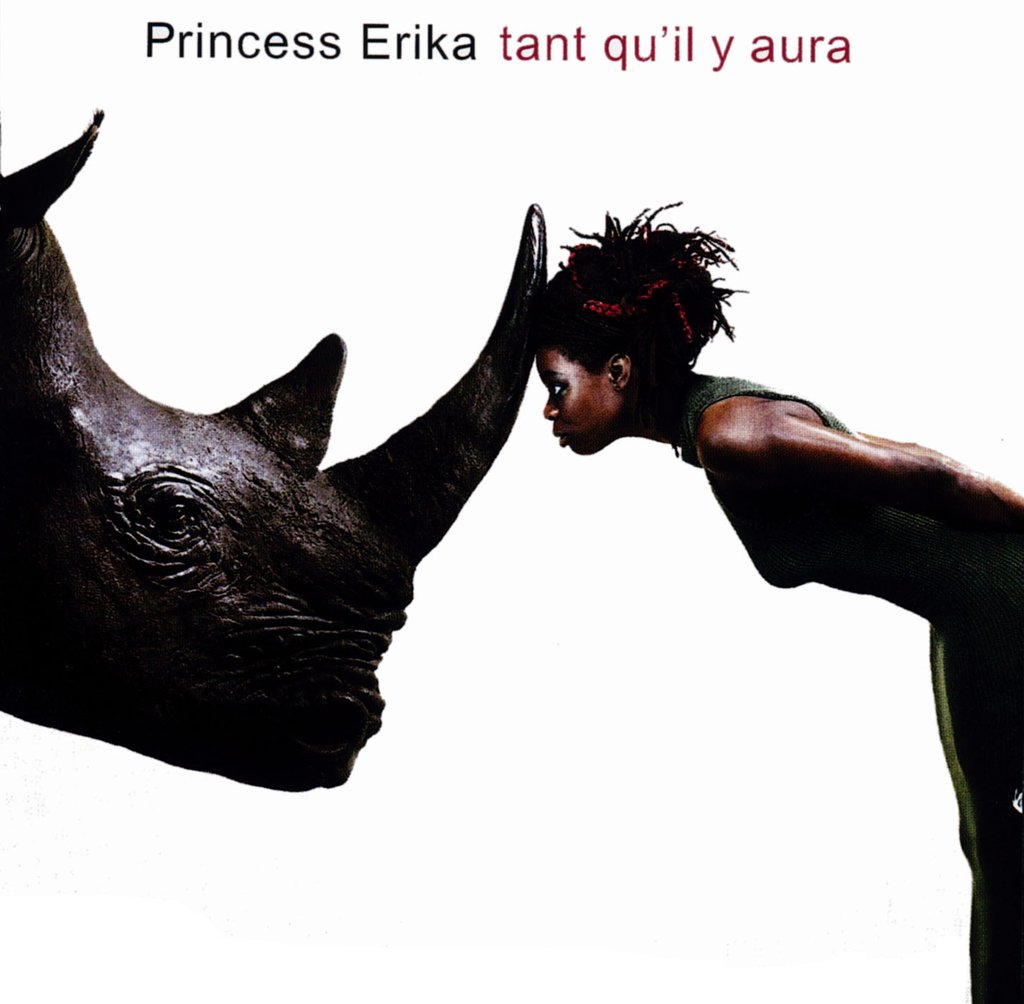
In 1998, Princess Erika realized a dream: she recorded in Kingston with Sly & Robbie, the legendary Jamaican rhythm duo. The fruit of this collaboration — the album Tant qu’il y aura — was released in 1999. Her deep voice and reggae-infused style established her as a major figure of the French urban scene.
She committed deeply to humanitarian causes: with Les Voix de l’espoir, she organized four editions of charity concerts; she participated in Agir Réagir for the victims of the 2004 earthquake in Morocco; and in La Ferme Célébrités for Routes du Sud in 2005. The same year, she published À l’épreuve du temps, a self-produced and intimate album featuring her three sisters in the choir.
Parallelly, her acting career developed: Les Marins perdus, Le Jardin de Papa, Quand les Anges s’en mêlent…, and the series Camping Paradis (2006-2013). From 2011, she joined the radio show Les Grosses Têtes hosted by Philippe Bouvard. In 2019, her duo with Diana King « L’Amour illimité » rediscovered her place in contemporary French reggae.
Major works
| Work | Year | Why it’s essential |
|---|---|---|
| « Trop de bla-bla » | 1988 | Fundamental feminist anthem against domestic violence, ranked #39 in France |
| Princess Erika | 1992 | First album, soul/funk/reggae fusion that established her as a pioneer of hexagonal ragga |
| « Faut qu’j’travaille » (album D’origine) | 1995 | Pop-reggae hit ranked #15, flagship song of the French 1990s |
| Tant qu’il y aura (rec. with Sly & Robbie) | 1999 | Album recorded in Kingston, legendary collaboration with the Jamaican rhythm section |
Heritage and influence
Princess Erika was a pioneer of urban music in France, paving the way for artists who would follow her and contributing to the international success of French reggae. The singer always championed a message of peace, unity, and female emancipation. Her work remains a benchmark in the French musical universe, and her humanitarian commitment through Les Voix de l’espoir continues to inspire generations of engaged artists.
Today, Princess Erika remains a living icon of French reggae and artistic commitment. The generations of artists she inspired — from Diana King to Lætitia Sadier, passing through hundreds of young singers on the francophone reggae scene — perpetuate her tradition every day.
Sources and references
- « Princess Erika », Wikipédia (French version), https://fr.wikipedia.org/wiki/Princess_Erika, accessed 20 November 2026.
- « Princess Erika », Wikipedia (English), https://en.wikipedia.org/wiki/Princess_Erika, accessed 20 November 2026.
- « Princess Erika », AllMusic, https://www.allmusic.com/artist/princess-erika-mn0000363689, accessed 20 November 2026.
- « Princess Erika Biography », Chérie FM, https://www.cheriefm.fr/artistes/princess-erika/biographie, accessed 20 November 2026.
- « Princess Erika », Gala, https://www.gala.fr/stars_et_gotha/princess_erika, accessed 20 November 2026.
- « Princess Erika », Universal Music France, https://www.universalmusic.fr/artistes/20000094807, accessed 20 November 2026.