Biography
Ras Michael: the sacred drum of Rastafari reggae
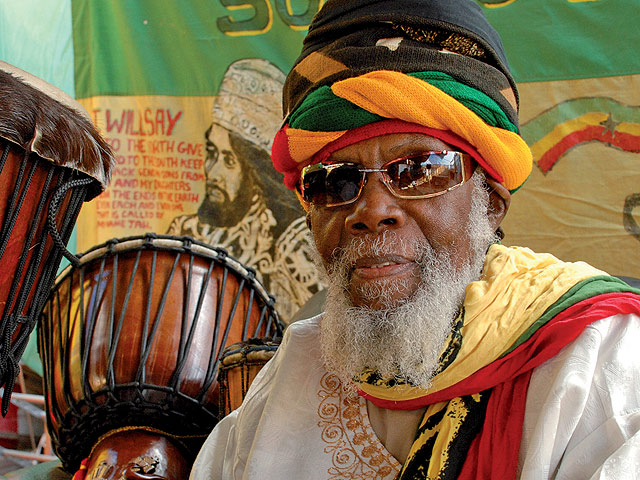
In 1967, while Jamaican radio rarely gave a voice to Rastafari believers, a young man took the microphone for The Lion of Judah Time, becoming the first Rastafari voice broadcast on the island. Fifteen years later, he would share the stage with Bob Marley at the 1978 One Love Peace Concert. Ras Michael, whose real name is Michael George Henry, spent more than fifty years making the Nyabinghi drum resonate — this Rastafari percussive tradition that draws its roots from the African continent — as both spiritual and musical spokesperson.
In brief
| Full name | Michael George Henry OD |
| Birth | 1943, Saint Mary Parish, Jamaica |
| Stage name | Ras Michael (also Dadawah) |
| Genre | Reggae, Nyabinghi |
| Notable works | Rastafari, Nyahbinghi |
| Honours | Order of Distinction (2015), Martin’s International Award (1980) |
Key dates
| Year | Event |
|---|---|
| 1943 | Born in Saint Mary Parish, raised in a Rastafari community |
| Late 1950s | Move to Kingston, Waterhouse; meeting of Rastafari musicians |
| 1967 | First reggae broadcast by a Rastafari on Jamaican radio: The Lion of Judah Time (JBC) |
| 1969 | Formation of the Sons of Negus, a group of Rastafari drummers and singers |
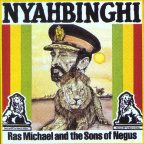
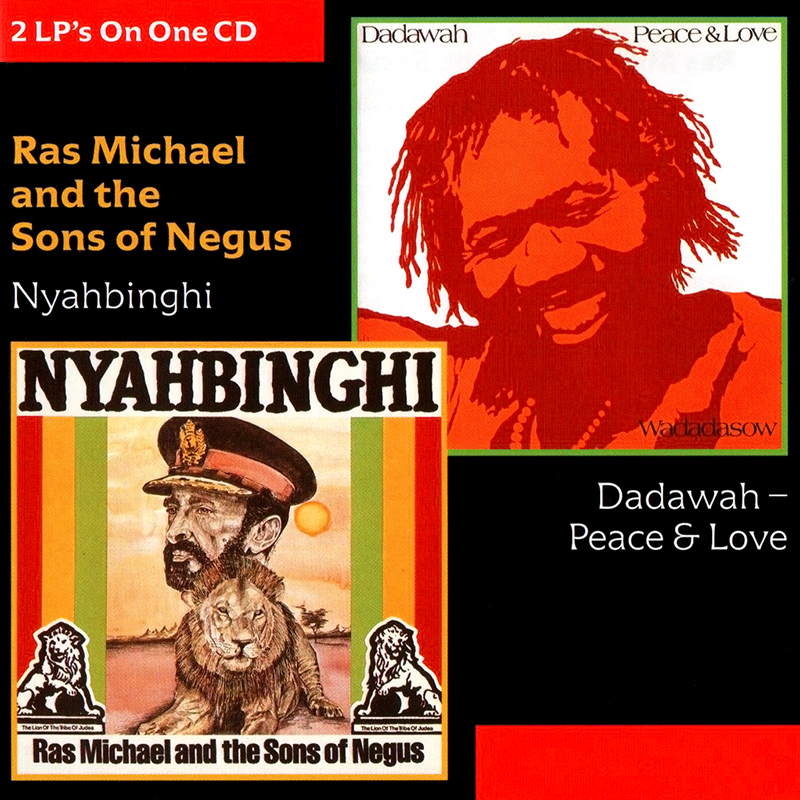
| 1974 | Discovered by Tommy Cowan; first album Nyahbinghi (Trojan) |
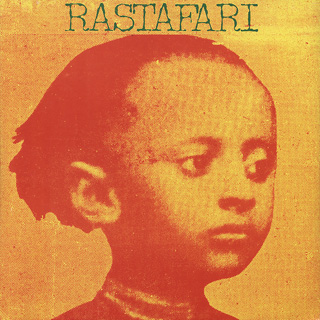
| 1975 | Release of Rastafari, a commercial success with Robbie Shakespeare and Peter Tosh |
| 1978 | One Love Peace Concert with Bob Marley; recordings at Lee “Scratch” Perry’s Black Ark |
| 2015 | Presentation of the Order of Distinction by the Jamaican government |
The drums of faith
Born Michael George Henry in 1943 in the rural parish of Saint Mary, Ras Michael grew up immersed in two worlds that would shape his destiny: Rastafari faith and the rhythm of the drum. As a teenager, he left Saint Mary for Waterhouse, a working-class district in Kingston where the sounds of reggae rose from sound systems. It was there that he discovered the Rastafari message and met Mortimo St. George Kumi Planno, a founding figure of the movement who taught him spiritual dignity. From his mentor, Ras Michael learned the importance of understanding and moderation.
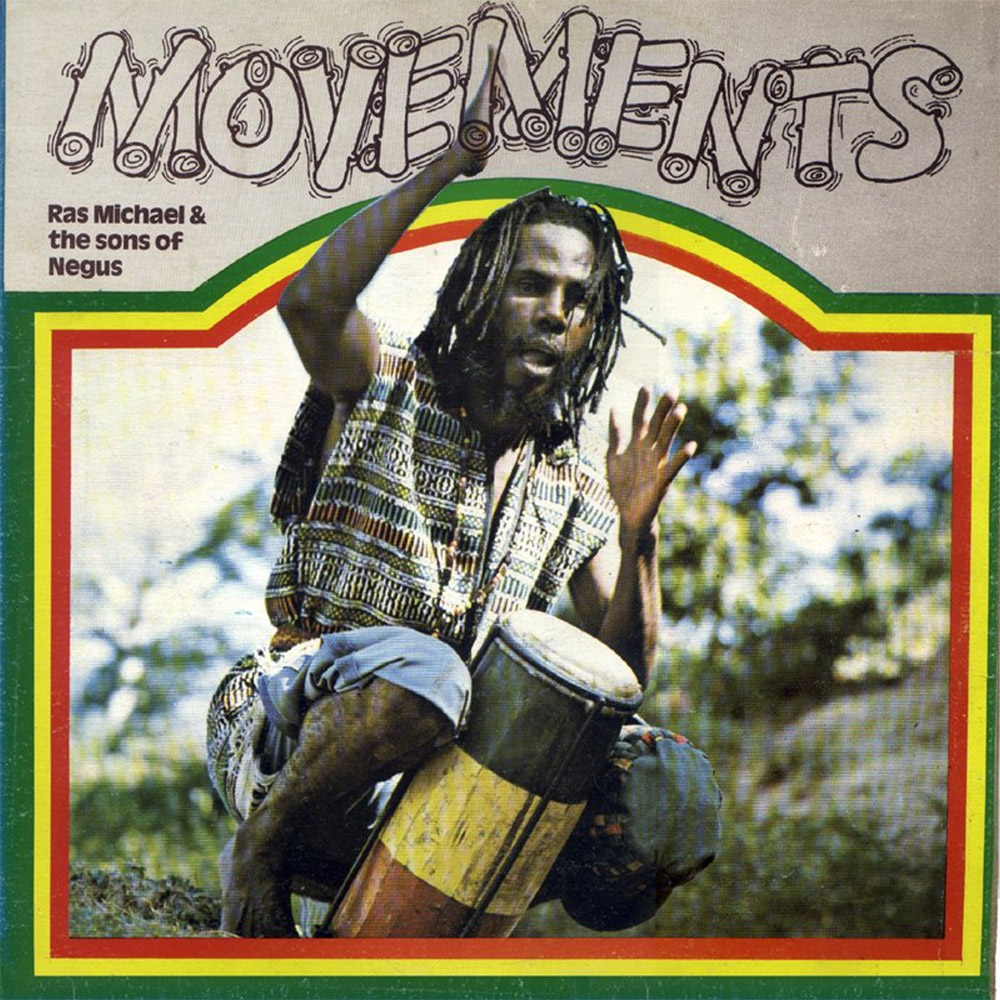
He learned the secrets of Nyabinghi percussion — the Rastafari ceremonial drum resting on three drums of different sizes, which according to tradition reproduces the beats of the human heart while recalling ancestral African music.
In the mid-1960s, he founded the Zion Disc label, recorded singles, and worked as a session musician for Coxsone Dodd at the legendary Studio One. In 1967, he became the first member of the Rastafari movement to host a reggae radio show, The Lion of Judah Time on JBC — a historic fact at a time when Jamaican police were harassing Rastafari and burning their drums.
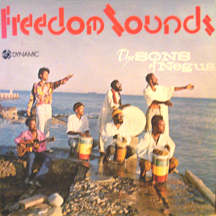
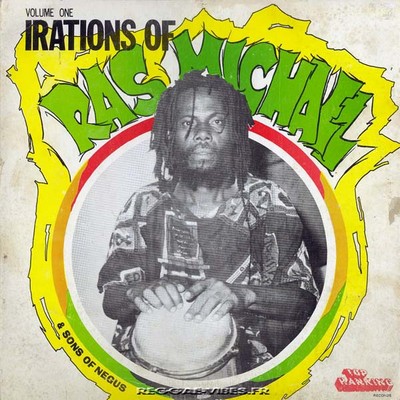
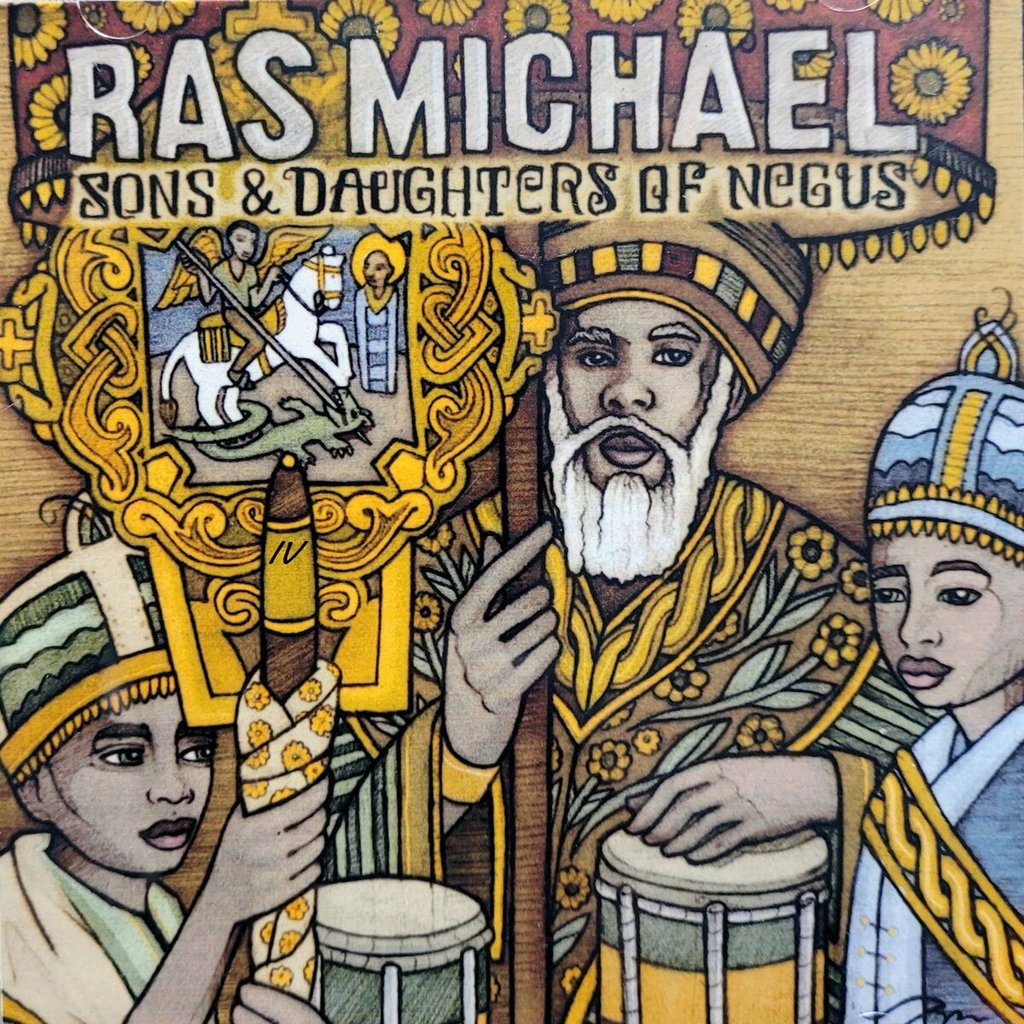
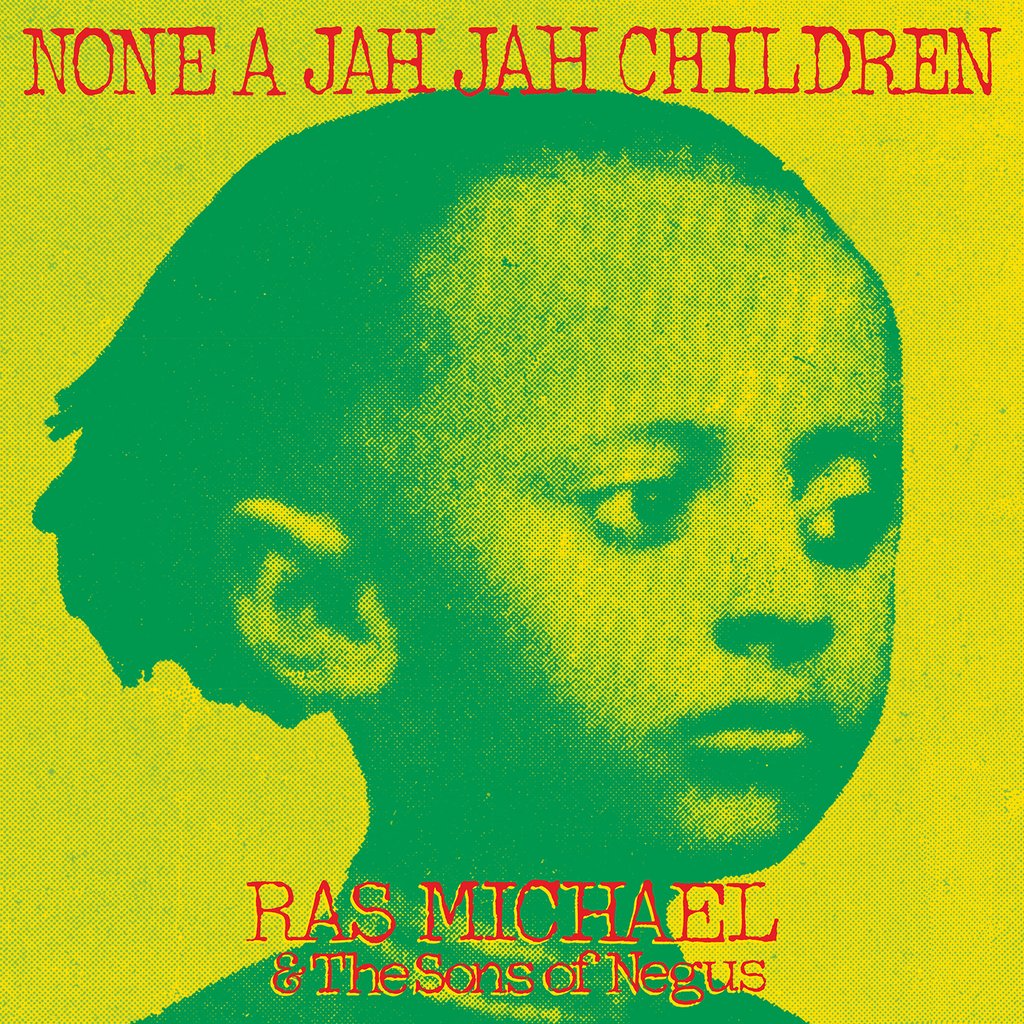
In 1969, he formed the Sons of Negus, a collective of Rastafari musicians whose name pays homage to the imperial title of Haile Selassie. Their sound, based on Nyabinghi drums and spiritual chants, stood out in a musical landscape dominated by commercial reggae. Among their notable tracks: “New Name” and “None A Jah Jah Children”.
Global breakthrough: Cowan, Trojan, and reggae legends
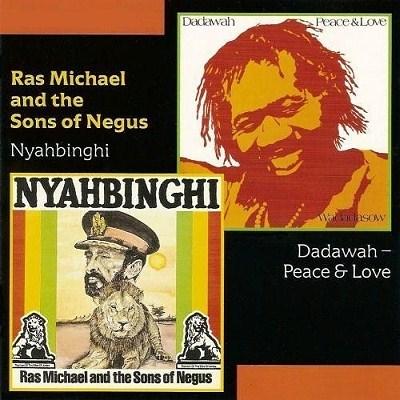
Everything changed in 1974. Producer Tommy Cowan discovered the Sons of Negus and signed them to a contract with Trojan Records, a British label distributing worldwide reggae. The album Nyahbinghi was released that same year — a raw ceremonial recording that did not achieve major commercial success. Cowan persevered and produced Rastafari (1975) by pairing the group with Kingston’s finest studio musicians: Robbie Shakespeare on bass, Earl Chinna Smith and Peter Tosh on guitar, and Robbie Lyn on keyboards. The cover painted by Neville Garrick depicts a young Haile Selassie; Rastafari opened the doors to Europe and the United States.
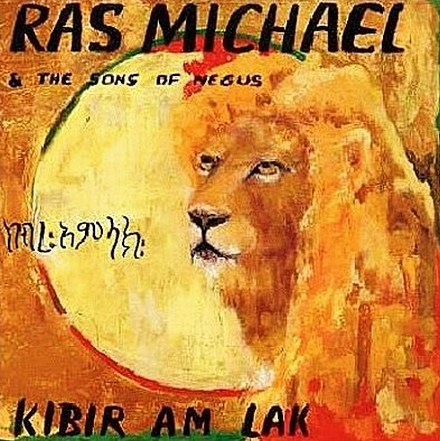
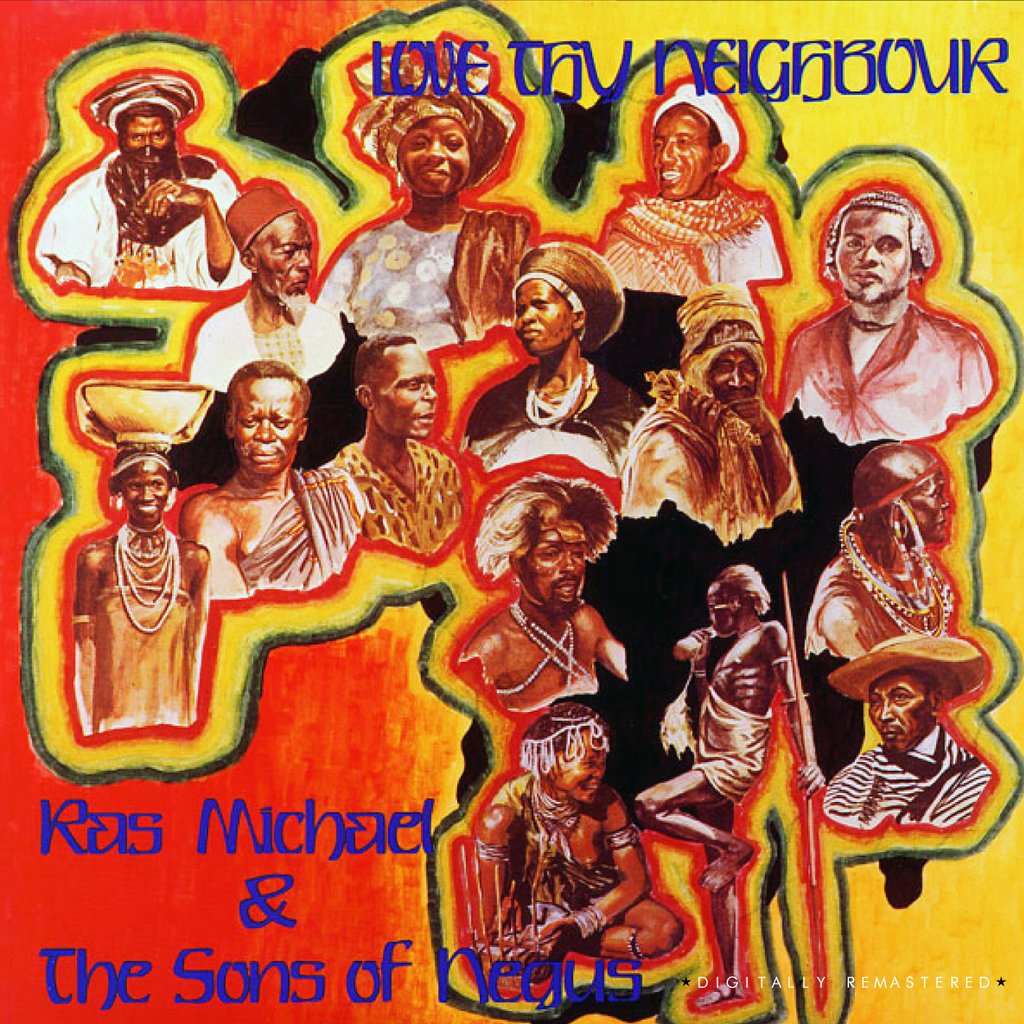
Followed by Kibir Am Lak (1977), which reinforced this international popularity, and a series of landmark recordings. Ras Michael worked at Lee “Scratch” Perry’s Black Ark studio and recorded Love Thy Neighbor with him. He also collaborated with Bob Marley on Black Ark sessions and shared the stage with him on May 28, 1978, at the One Love Peace Concert — this historic concert where Marley invited political rivals onto the stage for a gesture of national reconciliation.
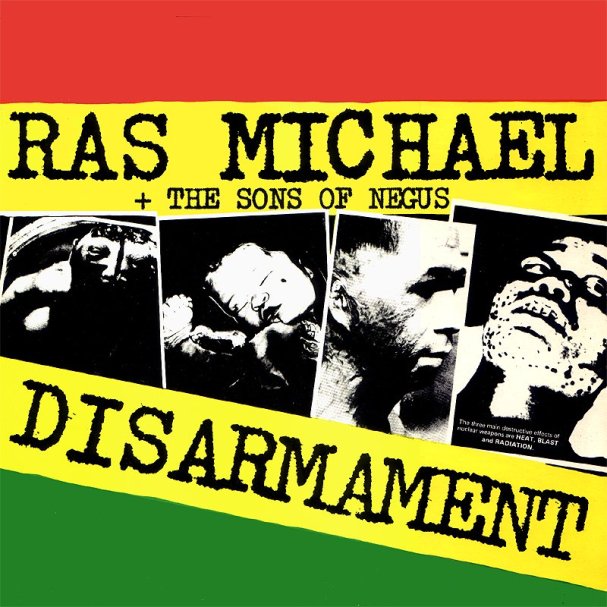
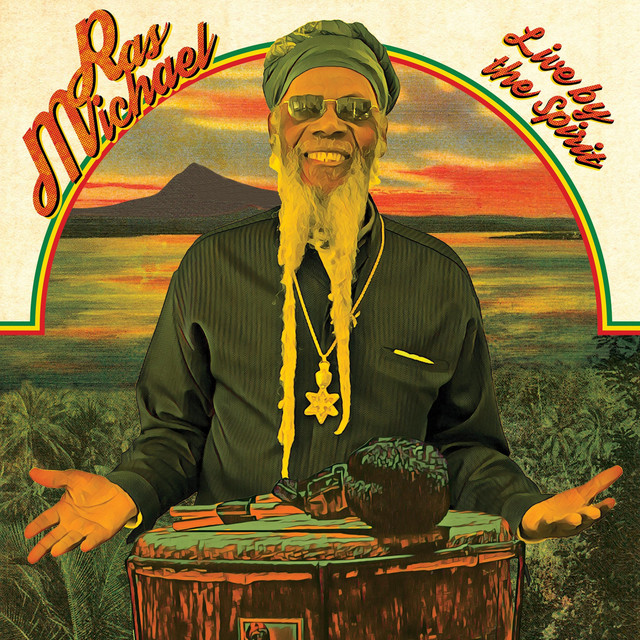
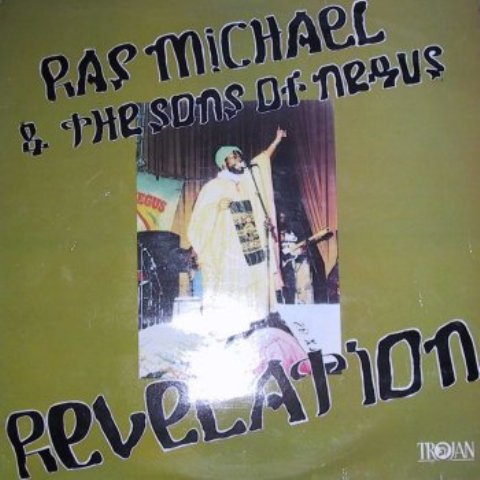
In 1984, he recorded “Give Love” with the British group Suns of Arqa for their album India?, an unexpected fusion between reggae and world music. In total, his discography exceeds 25 albums — including Disarmament (1981), Revelation (1982) and, much later, Live by the Spirit (2020).
Major works
| Work | Year | Why it’s essential |
|---|---|---|
| Nyahbinghi | 1974 | First album by the Sons of Negus; raw ceremonial document capturing the essence of Nyabinghi |
| Rastafari | 1975 | Group’s first commercial success; bold alliance between traditional drums and Kingston studio musicians |
| Kibir Am Lak | 1977 | International expansion; Amharic title affirming the Ethiopian roots of Rastafari |
Heritage and influence
Beyond music, Ras Michael occupies a unique role as an ambassador of the Tawahido Ethiopian Orthodox Church and founder of the Rastafarian International Marcus Garvey Cultural Center in Los Angeles, where he has lived for over thirty years, and the Fly Away Culture Center in Kingston.
His institutional recognition is considerable: Martin’s International Award in 1980, a place in the Guinness Book of World Records, nomination to the Jamaica Reggae Hall of Fame in 1995, and the Order of Distinction (OD) on August 2, 2015 — one of Jamaica’s highest decorations. In 2008, he appeared at the Smithsonian Institution on Rastafari; in 2011, he donated artifacts to the Grammy Museum.
Now octogenarian, Ras Michael continues to tour internationally — Montreux Jazz Festival, Sierra Nevada World Music Festival — and proclaims that the Nyabinghi drum is a spiritual language. The whole world is for him a garden populated with flowers of varied colors, and Jah is love — the Amharic word wadada itself meaning love. He has helped make Nyabinghi, a tradition often relegated to intimate rasta ceremonies, an accessible language for the whole world. The Sons of Negus continue to tour under his direction, and Ras Michael remains a living bridge between Jamaica’s Studio One, Trench Town, and Bob Marley, and a world where reggae has become world heritage.
Sources and references
- “Ras Michael”, Wikipedia, https://en.wikipedia.org/wiki/Ras_Michael, accessed November 20, 2026.
- “Ras Michael”, The Reggae Museum NYC, https://thereggaemuseum.com/musician/ras-michael, accessed November 20, 2026.
- “Ras Michael Continues to Chant the Message of Rastafari”, Caribbean National Weekly, September 18, 2019, https://www.caribbeannationalweekly.com/posts/ras-michael-continues-to-chant-the-message-of-rastafari, accessed November 20, 2026.
- “Rastafarian elder Ras Michael declares ‘Selassie is not God!’”, Caribbean National Weekly, October 12, 2026, https://www.caribbeannationalweekly.com/posts/rastafarian-elder-ras-michael-declares-selassie-is-not-god, accessed November 20, 2026.
- “Ras Michael”, The Ford, https://www.theford.com/musicdb/artists/3600/ras-michael, accessed November 20, 2026.
- “Ras Michael”, Roots Archives, https://www.roots-archives.com/artist/581, accessed November 20, 2026.