Biography
Rocky Dawuni
In 1969, in a military barracks near Accra, a child was captivated by the chords of Bob Marley played live by the army band. Five decades later, this young man became Rocky Dawuni, one of the most recognized Ghanaian musicians on the global stage, four-time Grammy nominee and United Nations Environment Programme ambassador.
In Brief
| Full Name | Rocky Dawuni |
| Birth | 1969, Ghana |
| Ethnic Origin | Konkomba (Northern Ghana) |
| Genres | reggae, highlife, Afrobeat, soul |
| Notable Works | Branches of the Same Tree, “Africa Till I Die” |
| Awards & Honors | 4 Grammy nominations, UN ambassador, Ghanaian diplomatic passport (2025) |
Key Dates
| Year | Event |
|---|---|
| 1969 | Born in a military barracks near Accra, son of a cook from a royal family in the North |
| 1985-1995 | Studies at the University of Ghana (Legon); formation of first band, Local Crisis |
| 1995-1996 | Move to Los Angeles, internship at Delicious Vinyl; recording of The Movement |
| 1996 | Release of first album, The Movement, on Mesa/Bluemoon Records |
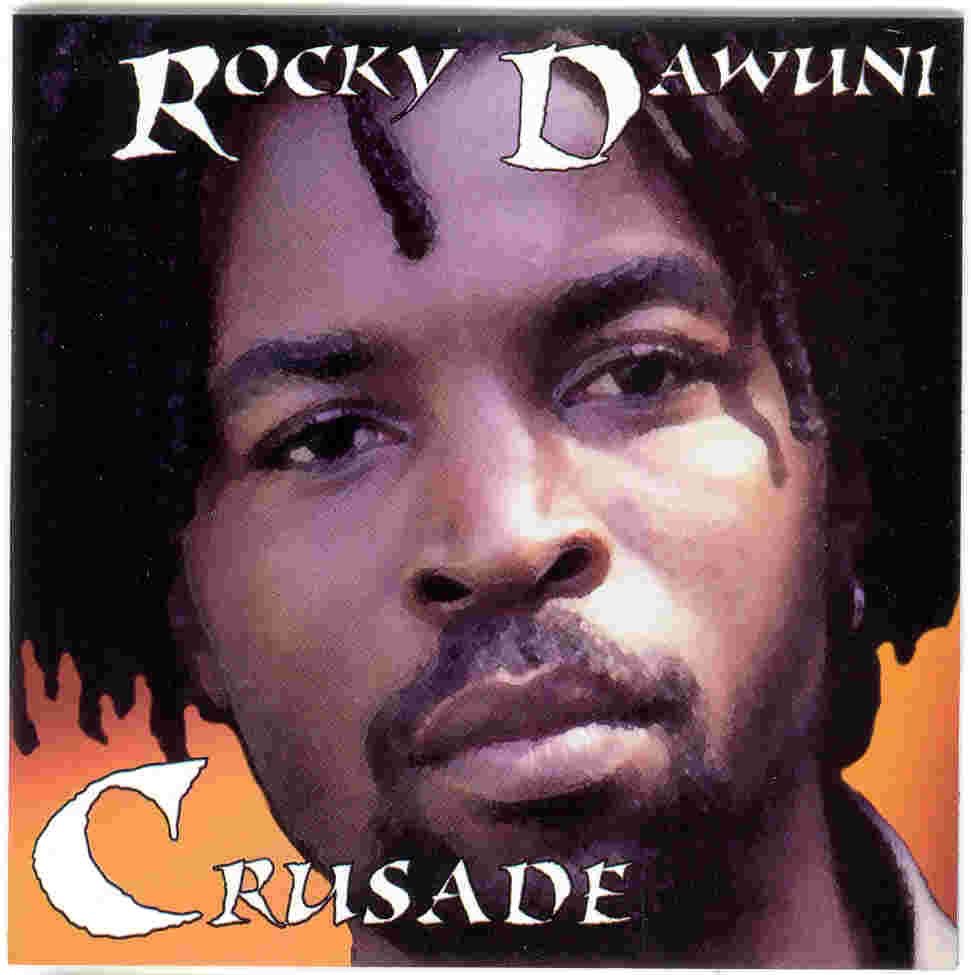
| 1998 | Second album, Crusade, on Aquarian/Who Dun It Records; track “In Ghana” gains international airplay |
| 2010 | Release of Hymns for the Rebel Soul, affirmation of Afro Roots style |
| 2015 | Branches of the Same Tree (Cumbancha) nominated for Grammy Awards — first Ghanaian artist nomination in the reggae category |
| 2019 | Beats of Zion with dancehall star Stonebwoy; “Champion Arise” named top tune on KCRW |
| 2021-2025 | Multiple Grammy nominations and recognition: Ghanaian diplomatic passport in 2025 |
From Military Origins to the Global Stage
Rocky Dawuni was born in 1969 in a military barracks near Accra. His father, an army cook, came from a royal family in Northern Ghana and belonged to the Konkomba ethnic group. It was in this unique environment that young Rocky discovered reggae music: soldiers returning from UN missions in Europe brought records, and the military band, the Hot Barrels, performed Bob Marley on site. “I am from Ghana in West Africa,” he asserts. He listened to a lot of highlife — African Brothers being for him the cornerstone of his musical youth, mixed with Ewe and Dagomba traditions.
After hesitating between studies and music — his brother, who would later become chief of his people, convinced him to continue his education — he joined the University of Ghana at Legon, where he founded his first band: Local Crisis. The name, deliberately polysemous, announced an ambition that would transcend Ghanaian borders. By the late 1990s, the breakthrough arrived: he moved to Los Angeles, secured an internship at Delicious Vinyl, and learned on the job about the workings of the American music industry. Back in Ghana, he recorded his first album, The Movement (1996), a raw and spontaneous record praised by the local public, followed by Crusade (1998), produced and arranged with masterful touch, whose track “In Ghana” became an anthem for the country’s independence.
The Invention of a Universal “Afro Roots”
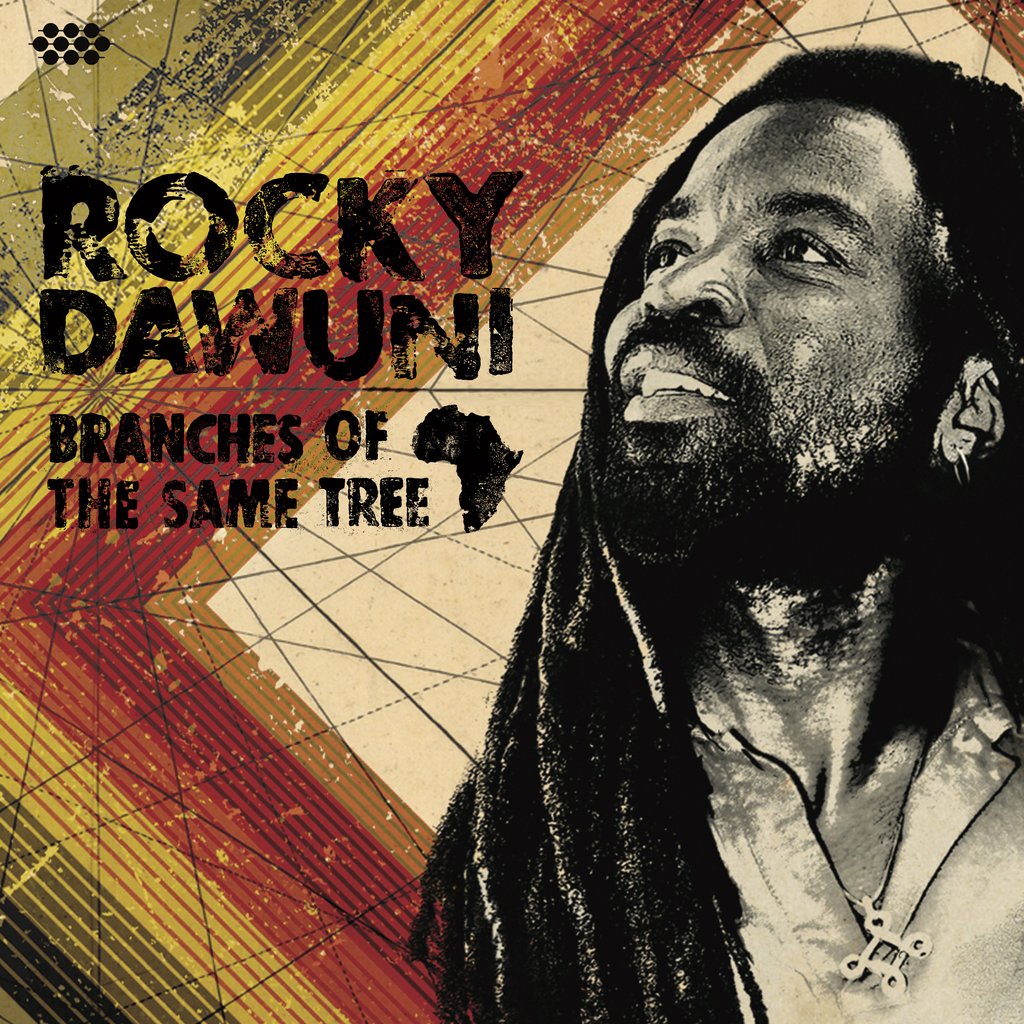
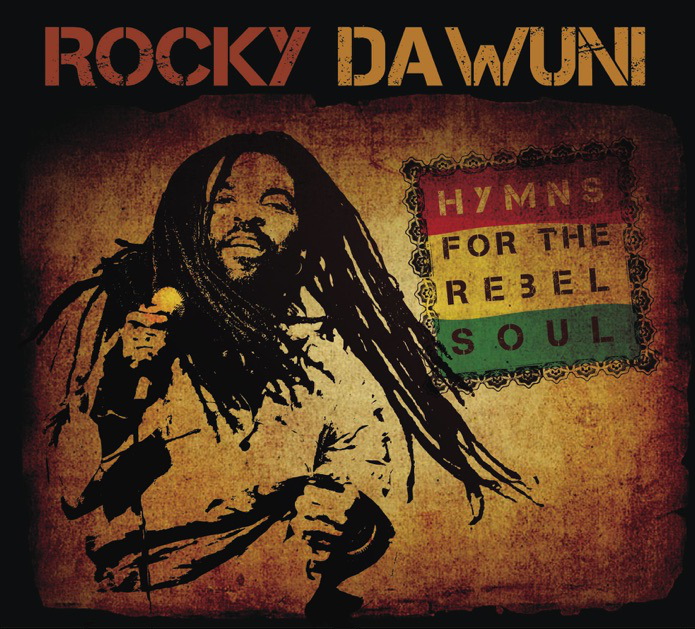
Over time, Rocky Dawuni’s sound expanded: reggae first, but infused with Ghanaian highlife, American soul, and afrobeat. He calls this blend his “Afro Roots” — a hybrid style that dialogues between the African continent and the diaspora, never renouncing its roots. Hymns for the Rebel Soul (2010) laid the foundations of this identity; Branches of the Same Tree (2015) brought it to the summit: nominated for a Grammy Award in the Best Reggae Album category, the album became the first Ghanaian record to appear in this category and was hailed by Songlines Magazine as one of the ten essential reggae albums of all time.
He is also a determined artist-activist. Appointed goodwill ambassador for the United Nations Environment Programme, he intervened at COP28 in Dubai, UN Environment Assemblies, and the Accra Reparations Conference in 2023. He shared the stage with Stevie Wonder, Angélique Kidjo, John Legend, and Bob Marley Jr. His principle summarized in an interview granted to Joy Prime in 2025: “I don’t make music for awards, I make it to connect people.”
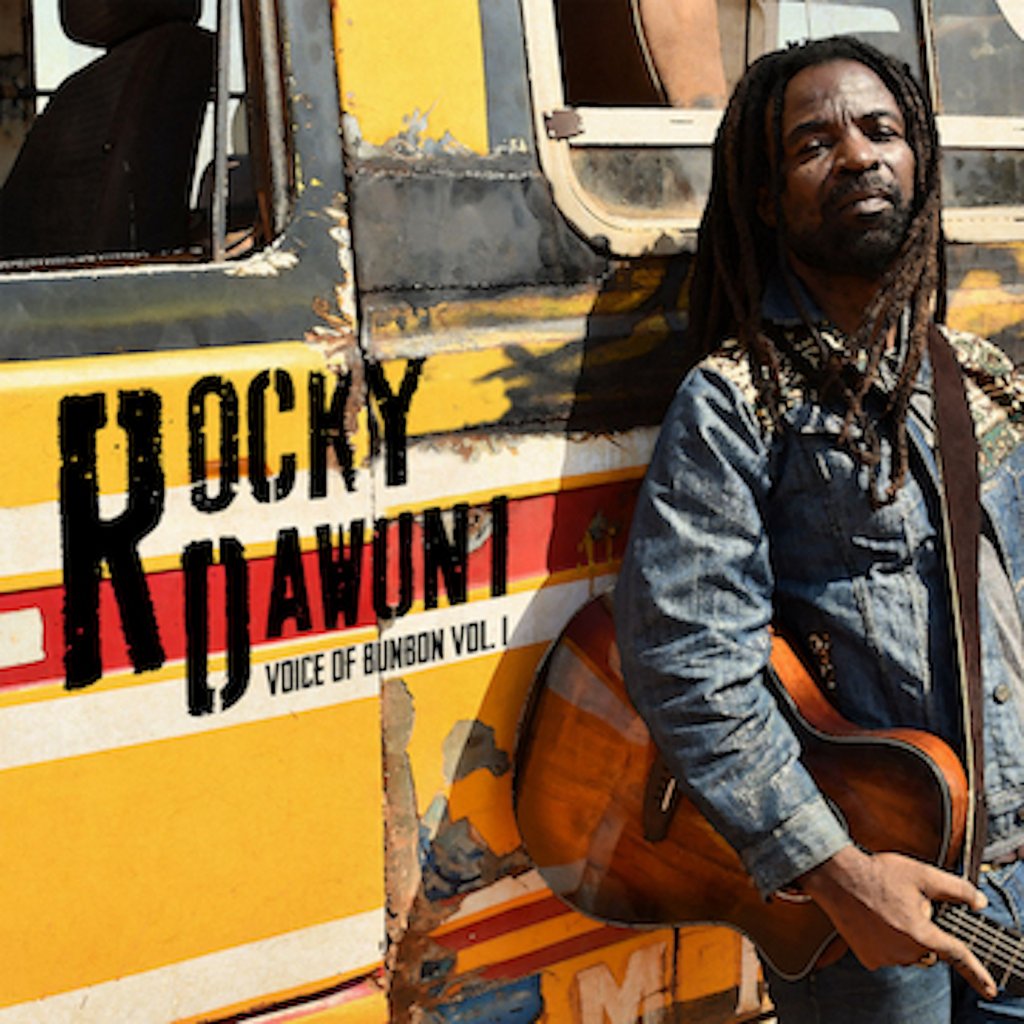
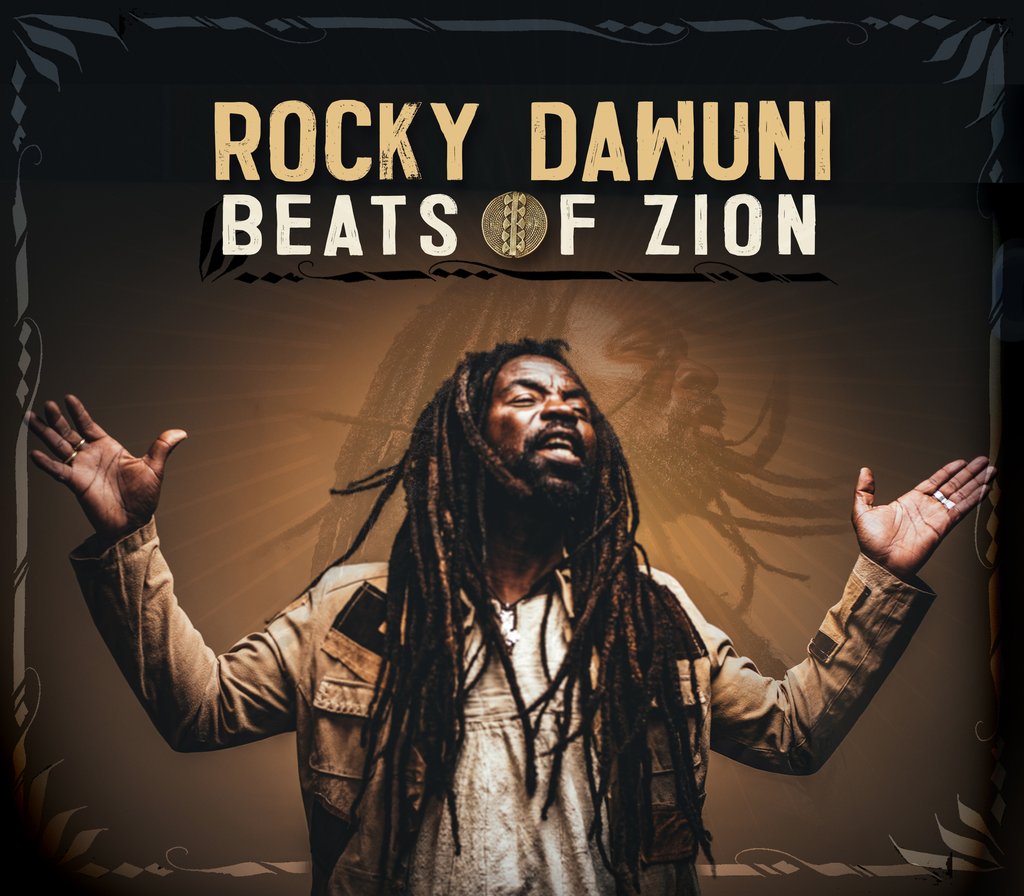
His album Beats of Zion (2019) marked a collaborative turning point: he invited Ghanaian dancehall star Stonebwoy on “Wickedest Sound” and collaborated American musicians from Innocent Criminals with veterans of the Ghanaian scene. Voice of Bunbon, Vol. 1 (2020), a more intimate project dedicated to his birthplace, received a Grammy nomination in 2022 for Best Global Music Album. In 2025, his collaboration with Cedella Marley (daughter of Bob and Rita) on “I Got a Song” reminded that the link between Rocky Dawuni and the Marley family is one of the guiding threads of his career.
Major Works
| Work | Year | Why It’s Essential |
|---|---|---|
| The Movement | 1996 | First album, raw sound that propelled Dawuni onto the Ghanaian stage and launched his international career |
| Crusade | 1998 | Masterful production; “In Ghana” became an anthem for independence, played on global radio stations |
| Branches of the Same Tree | 2015 | First Grammy nomination for a Ghanaian artist for Best Reggae Album; Songlines cult album |
| Beats of Zion | 2019 | Fusions between reggae, dancehall, and American soul; historic collaboration with Stonebwoy |
| Voice of Bunbon, Vol. 1 | 2020 | Return to roots in the birthplace village; Grammy nomination for Best Global Music Album |
Heritage and influence
Rocky Dawuni paved the way for a generation of African musicians who do not confine themselves to a single genre or stage. By creating the « Afro Roots » concept, he demonstrated that an artist can engage with Caribbean, American and continental worlds without ever giving up their Ghanaian accent. The Sankofa Center, formerly the Tuff Gong Africa studio which he is rebuilding as a cultural incubator and youth complex in Bunbon, stands as the symbol of an engagement that goes far beyond music. Cultural Ambassador of Ghana and hailed as « Diplomat at Large » in 2025, Rocky Dawuni embodies the idea that contemporary African music is universal — yet always rooted, always authentic.
Sources and references
- « Rocky Dawuni », Wikipedia, https://en.wikipedia.org/wiki/Rocky_Dawuni, accessed 19 November 2026.
- « In Conversation with Rocky Dawuni », Afropop Worldwide, https://www.afropop.org/articles/in-conversation-with-rocky-dawuni, 16 December 2015.
- « Rocky Dawuni — Biography », RockyDawuni.com, https://rockydawuni.com/biography/, accessed 19 November 2026.
- « I don’t make music for awards, I make it to connect people », Adomonline.com, 15 October 2026.
- « Rocky Dawuni », AllMusic, https://www.allmusic.com/artist/rocky-dawuni-mn0000243099, accessed 19 November 2026.
- « Rocky Dawuni Grammy Nominations », Grammy.com, https://www.grammy.com/artists/rocky-dawuni/18979, accessed 19 November 2026.