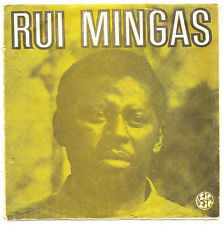
Biography
Ruy Mingas: the voice of a moving Angola
Sometimes a single man carries the beats of an entire country. Ruy Mingas, a genius singer and guitarist, drew the sound contours of independent Angola: the national anthem, resistance songs, melodies that cross decades. An athlete record holder, diplomat, minister, and father of an artistic dynasty, he was a figure of Angola’s modern mythology1.
In brief
| Full name | Ruy Alberto Vieira Dias Rodrigues Mingas |
| Birth | May 12, 1939, Luanda, Angola |
| Death | January 4, 2024, Lisbon, Portugal |
| Field | Angolan music — semba, struggle music |
| Emblematic works | Angola Avante, Meninos do Huambo, Monangambé, Temas Angolanos |
| Honors | Prémio Autor Internacional (SPA 2014), Medalha de Ouro (Académie française, 2010) |
Key dates
| Year | Event |
|---|---|
| 1939 | Birth in Luanda, Ingombota neighborhood |
| 1950-1960 | Athlete at Benfica: national record in high jump (1.90 m, 1960) |
| 1969 | Performance at Zip-Zip (RTP), accompanied by Bonga |
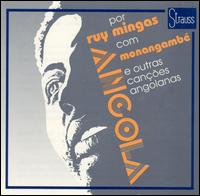
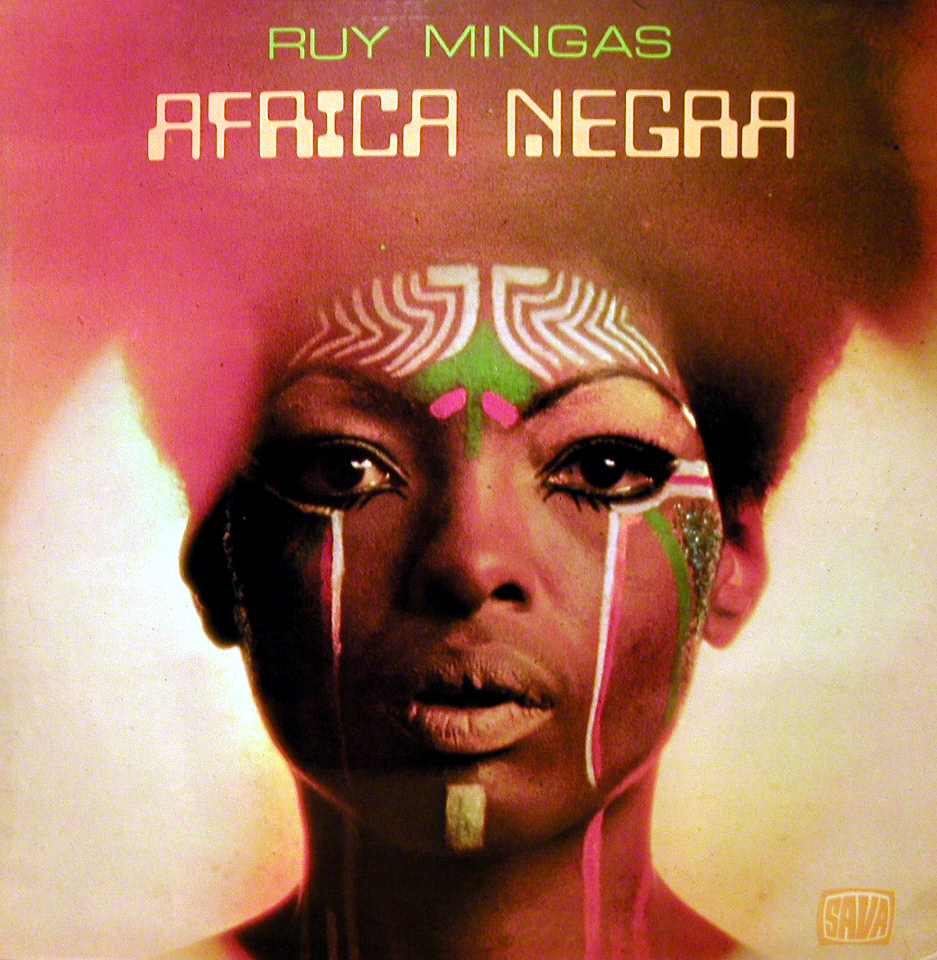
| 1970 | First album “Angola”, reissued in France (“Africa Negra”), Spain, Italy |
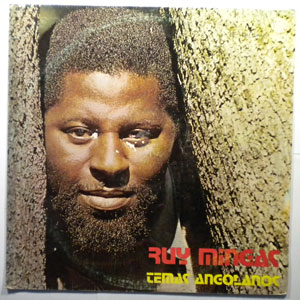
| 1974 | “Temas Angolanos” on poems by Viriato da Cruz, Agostinho Neto, António Jacinto |
| 1975 | Composition of “Angola Avante!”, national anthem of independent Angola |
| 1976 | “Meninos do Huambo”, reissued by Paulo de Carvalho in Portugal |
| 1979-1989 | Angolan Minister of Physical Education and Sports |
| 1989-1995 | Ambassador in Lisbon, actor of the Bicesse Accords |
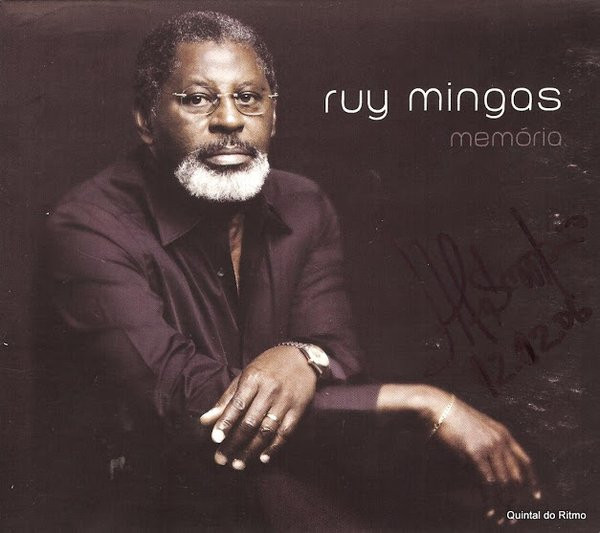
| 2011 | Memória, revisited compilation of his major hits |
Origins and first musical breath
Born in the popular neighborhood of Ingombota in Luanda, Ruy Mingas grew up at the heart of an artistic constellation. His uncle, Liceu Vieira Dias, co-founder of N’Gola Ritmos — the legendary group that laid the foundations of semba, an Angolan rhythm blending interior traditions and Portuguese influences — taught him to cultivate his musical ear. His father, André Mingas, and his brother André Mingas Júnior were also musicians. This heritage shaped young Ruy, who learned the guitar in the effervescence of the 1950s in Luanda2.
Before singing, Ruy Mingas ran. An athlete at Benfica, he excelled in high jump and hurdles, winning the Portuguese national high jump record in 19603. The transition from athletics to music was natural: both practices share the same relationship to effort and the stage.
The revelation: music, poetry, and resistance
When Ruy Mingas set his voice to the words of anticolonial struggle poets, Angolan music shifted. “I read a poem, I feel its musicality, and ten minutes later, I put it to music.” His album “Angola” (1970), reissued under the title “Africa Negra” in France, immediately established this alchemy. In 1974, “Temas Angolanos” — produced by Thilo Krasmann — brought together Viriato da Cruz, Agostinho Neto, António Jacinto4.
His performance at Zip-Zip, the cult program of RTP, revealed him to the broad Lusophone public: he performed “Ixi Ami”5 there.
From artistic commitment to political life
The Carnation Revolution in April 1974 changed everything. An MPLA activist, Ruy Mingas became the main diplomatic figure of the movement in Portugal, negotiating Angolan independence. Upon returning to the country, he participated in the final battles of the liberation war and is also recognized for introducing Gershwin’s Summertime to the Sheiks in 19656.
In November 1975, Agostinho Neto and Lúcio Lara entrusted him with a symbolic task: compose the national anthem. With lyrics by Manuel Rui, he signed “Angola Avante!”, the official anthem of November 11, 1975.
Minister of Physical Education and Sports from 1979 to 1989, he organized Angola’s entry into the International Olympic Committee (Moscow, 1980). Ambassador in Lisbon from 1989 to 1995, he played a decisive role in the Bicesse Accords. He later co-founded the Lusíada University of Angola and the musical label Xi Amyé Mingas7.
Major works
| Work | Year | Why it is essential |
|---|---|---|
| “Angola” (aka “Africa Negra”) | 1970 | First album: the voice of Angolan resistance in music |
| “Temas Angolanos” | 1974 | Struggle poems set to music, semba-jazz fusion |
| “Monangambé” | 1976 | On a poem by António Jacinto, anthem of nationalism |
| “Angola Avante!” | 1975 | The national anthem of independent Angola |
| “Meninos do Huambo” | 1976 | Duo with Manuel Rui, reissued by Paulo de Carvalho |
| “Memória” | 2011 | Revisited compilation, bridge between the past and youth |
Legacy
Ruy Mingas died in Lisbon on January 4, 2024, after a long illness, at 848. His funeral gathered all Angolan authorities. Kalaf Epalanga wrote in 2020: “the poet who gave voice to the aspirations of the Angolan people and sang our pain and our thirst for freedom like few others.” His daughters Katila Mingas (singer) and Nayma (model) perpetuate the lineage. Ruy Mingas proved that an artist can inhabit, without betraying them, all the scenes of a life.
Sources and references
-
Lusa, Morreu Ruy Mingas, coautor do hino de Angola, DW, Jan 4, 2024, accessed Nov 2, 2026 ↩︎
-
BUALA, “Leio um poema, sinto a sua musicalidade…”, interview with Ruy Mingas, 2006 ↩︎
-
Benfica Efeméride, O recordista Ruy Mingas, June 19, 2022 ↩︎
-
Kalaf Epalanga, chronicle in Quatro Cinco Um, 2020 (cited in Público, Jan 4, 2024) ↩︎
-
RTP Memória/Gramofone, Ruy Mingas por João Carlos Callixto, accessed Nov 2, 2026 ↩︎
-
Wikipedia, Ruy Mingas and Angola Avante, accessed Nov 2, 2026 ↩︎
-
Observador/Dulce Neto, Morreu Ruy Mingas, poeta e músico da resistência angolana, Jan 4, 2024 ↩︎
-
SPA, Prémio Autores 2014 — Vencedores, accessed Nov 2, 2026 ↩︎