Biography
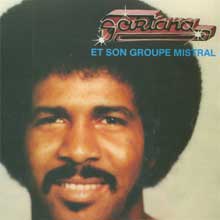
Sartana
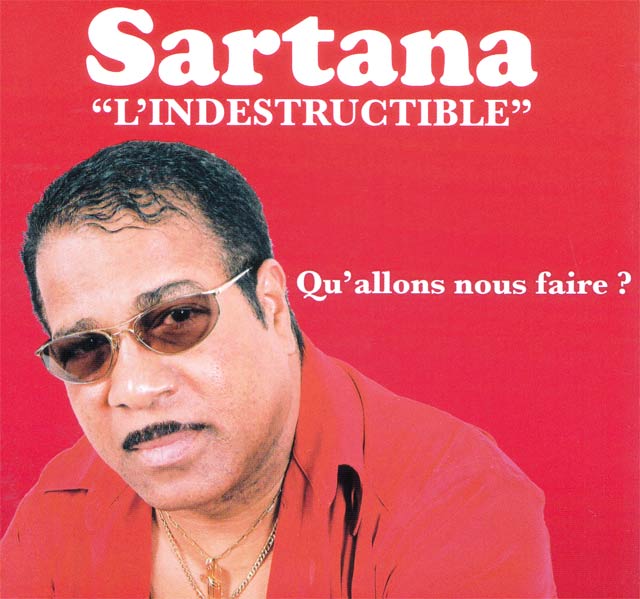
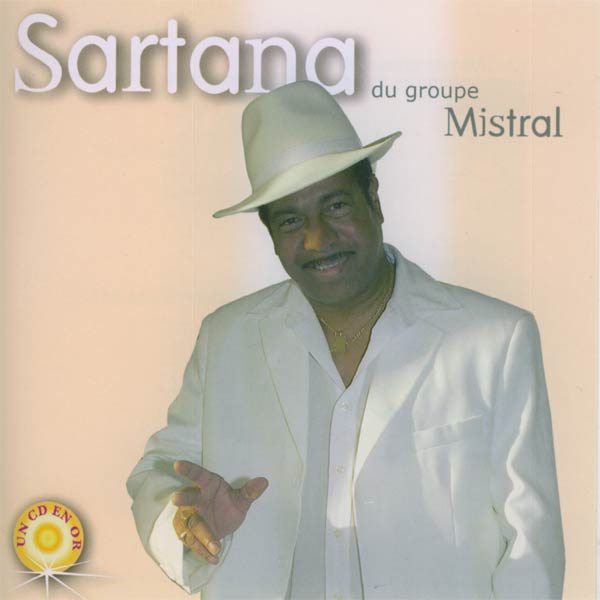
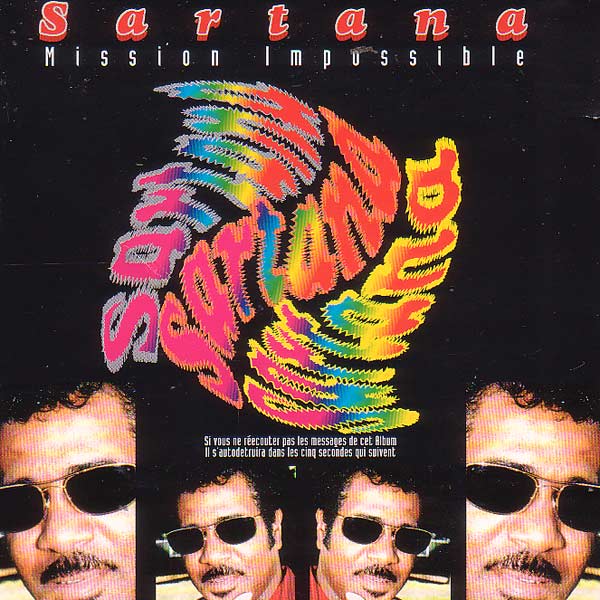
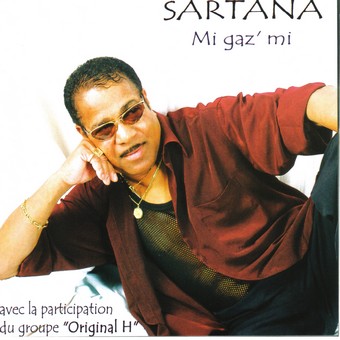
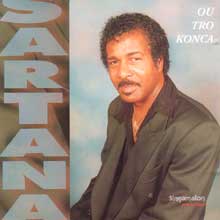
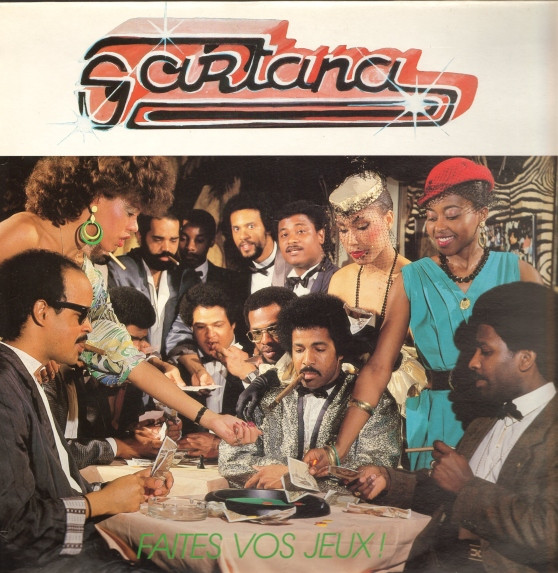
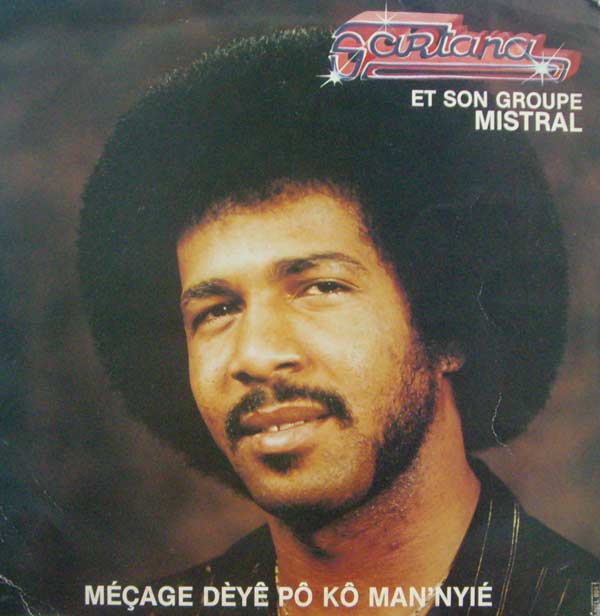
In 1984, an album was released at the Studio Johana in Pointe-à-Pitre. Neither Kassav’ nor any Parisian group: just a man with a nasal voice, gwo ka drums in the front line, and peppery lyrics that make the dance halls of Guadeloupe tremble. Sartana — stage name of singer Lorrain Sinitambi — laid the foundations for a raw zouk, rooted in the soil of the islands but broad enough to conquer the waves of Radio France.
In brief
| Full name | Lorrain Sartana Sinitambi |
| Birth | Guadeloupe (French Antilles) — exact date not publicly documented |
| Genre | Zouk, gwo ka, cadence, konpa, jazz |
| Notable works | “Mecage Deye Po Ko Man’nyie”, “Kijanou Trouveyi?”, “Observe e Medite” |
| Awards | No major award documented (grounded artist rather than part of the awards circuit) |
Origins and revelation
Lorrain Sinitambi — who signs as Sartana — was born in Guadeloupe, at the heart of an archipelago where music has always been a matter of resistance. The gwo ka, an ancestral rhythm carried by three drums (tam-tam, boumla and ridja), permeates his formation far more than jazz or classical music. To this ritual base, Sartana adds colors from Haitian konpa and Antillean cadence, influencing the brass-rich sessions of his early albums.
His first documented publication, the album Mecage Deye Po Ko Man’nyie (“Méçage dèyère poko man’nyié”), was recorded in 1983 at the Studio Johana in Pointe-à-Pitre. Behind the hypnotic drums, one recognizes musicians who would become pioneers of zouk: Jacob Desvarieux (guitar, arranger), Michel Alibo (bass) and Patrick Saint-Eloi (percussion). Sartana is not a member of Kassav’, but he shares the same matrix. His style is already outlined on this first record: a raw zouk, without the polish of the Parisian studio.
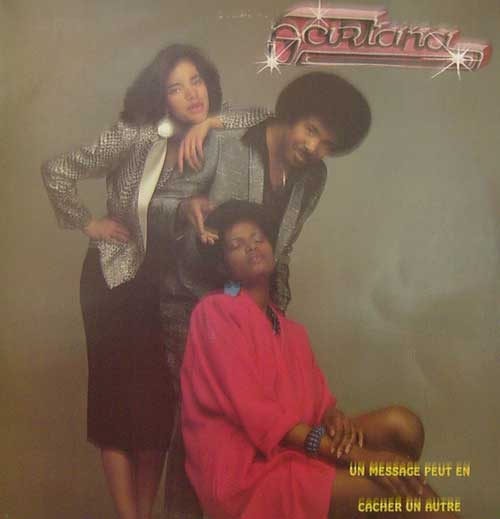
The revelation progressed gradually with Un Message Peut en Cacher… (1986) and Bom’me Lacrimogene (1988), which established Sartana as an indispensable singer-songwriter. His nasal voice — AllMusic describes with humor that it may seem unpleasant to some but demands attention like Peter Tosh — is a unique instrument. His texts in Guadeloupean Creole tackle daily life with black humor, a sarcastic and social charge that makes his trademark.
Major works
| Work | Year | Why it is essential |
|---|---|---|
| Mecage Deye Po Ko Man’nyie | 1984 | First publication; historic session with future Kassav’ members; pure gwo ka |
| Observe e Medite | 1989 | Satirical lyricism at its peak; 100% written by Sartana |
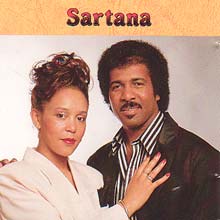
| Tierce (self-titled album) | 1990 | Rich brass sessions between zouk and cadence; reissued in 2025 on Bandcamp |
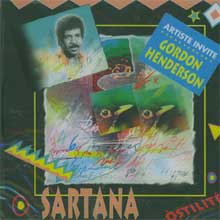
| Ostilite | 1994 | Commercial peak on Polidisc; Sartana’s zouk accessible to the wider Antillean public |
Style and influence
Sartana writes all his repertoire. His texts tackle daily life with humor and sarcasm. A proverb attributed to him by AllMusic — “An evening is not complete without champagne and some Sartana” (translated from English) — the Antillean public adopted it and made it their own.
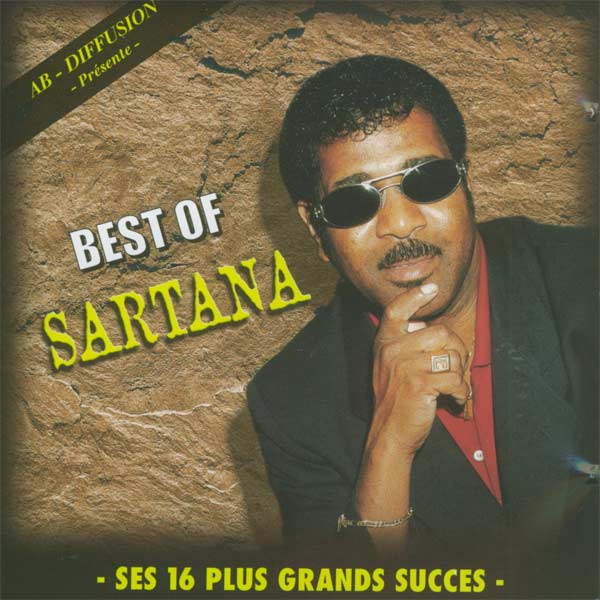
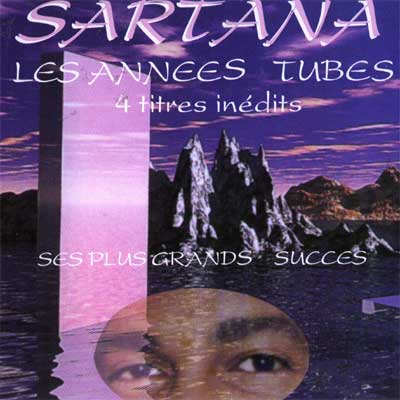
For years, Sartana held an ordinary job — France Telecom — while building his music career. This double life, typical of Antillean artists of the 1980s-1990s, gives his music a groundedness found in tracks like “Yo ka véyé mwen”. His discography exceeds fifteen albums; he also collaborated with Gazoline on the album Carrément News. In 2024, a compilation gathered his hits and shows that a new generation is discovering this zouk pioneer, who remained for a long time the intimate friend of the Caribbean scene rather than a star of the metropolitan circuit.
Heritage and influence
Sartana remains one of the most authentic figures of primitive zouk. His music never sought to please: it sings life, with its flaws. Second-generation artists (Edith Lefel, Francky Vincent) claim him as a precursor. His tracks are rediscovered in compilations like Zouk Dream, Infiniment Zouk or Strictly Zouk.
Sources and references
- « Sartana — Biography », AllMusic, https://www.allmusic.com/artist/sartana-mn0002134120, biography by Gene Scaramuzzo, accessed November 3, 2026.
- « Sartana Sinitambi (Q123338177) », Wikidata, https://wikidata.org/wiki/Q123338177, full identity notice, genres, employer, accessed November 3, 2026.
- Sartana – Sartana (CD, AMT), Discogs, https://www.discogs.com/release/7855931-Sartana-Sartana, full writing credits 1990, accessed November 3, 2026.
- « Les annees tubes Sartana », Qobuz, https://www.qobuz.com/dk-en/album/les-annees-tubes-sartana/p6u8a0cw2awya, discography 1998 BCR Music, accessed November 3, 2026.
- « Rencontre avec Sartana chez lui en Guadeloupe », Outremers News, https://www.outremernews.fr/videoonews-musique-rencontre-sartana-chez-lui-guadeloupe/, field interview, accessed November 3, 2026.
- Tierce by Sartana Sinitambi, Bandcamp, https://sartana-sinitambirc.bandcamp.com/album/tierce, narrative details of album reissued 2025 Liso Musique, accessed November 3, 2026.