Biography
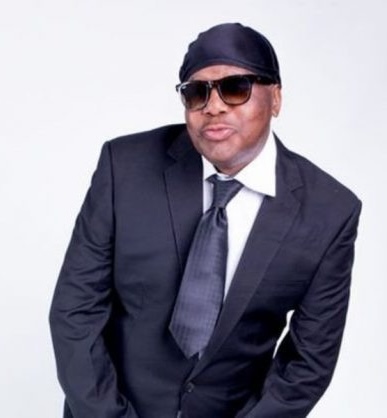
Senyaka
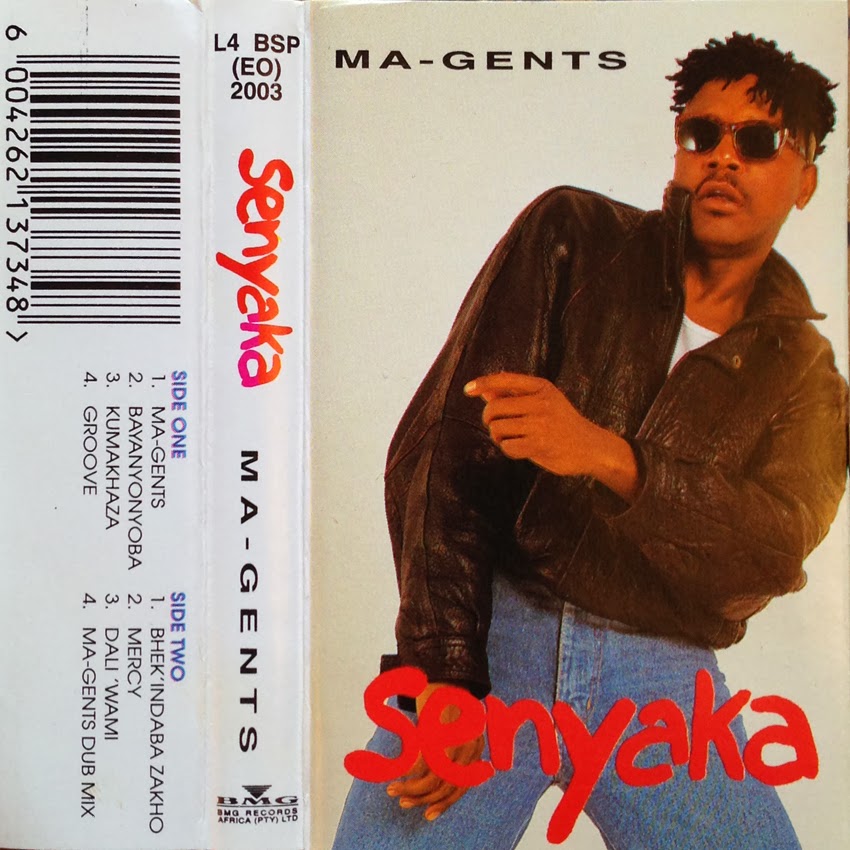
In 1993, on the track “Ma-Gents”, Senyaka pointed a sharp finger at superstar Brenda Fassie with a cutting flow: “Brenda ke mpara”. The South African audience was stunned. The star retorted with “Ama-Gents”, and the beef exploded on the streets of Johannesburg. This was the first public dispute in South African hip-hop — and Senyaka, for his part, did not lower his arms. He has always disturbed to speak the truth.
In Brief
| Full Name | Thula Kekana, aka Senyaka |
| Birth | 13 April 1956, Evaton, South Africa |
| Death | 25 March 2015 (58 years), Kopano Hospital, Vereeniging |
| Field | Hip-hop, kwaito — rapper, singer, producer, actor |
| Notable Works | “Go Away”, Ma-Gents, Fong Kong, Moruti wa Tsotsi |
| Honours | Founding figure of South African kwaito, official government tribute |
Key Dates
| Year | Event |
|---|---|
| 1956 | Birth of Thula Kekana in Evaton, son of PAC activist Moses Kekana |
| 1987 | Release of Fuquza (Dance) and the hit “Go Away” — national breakthrough |
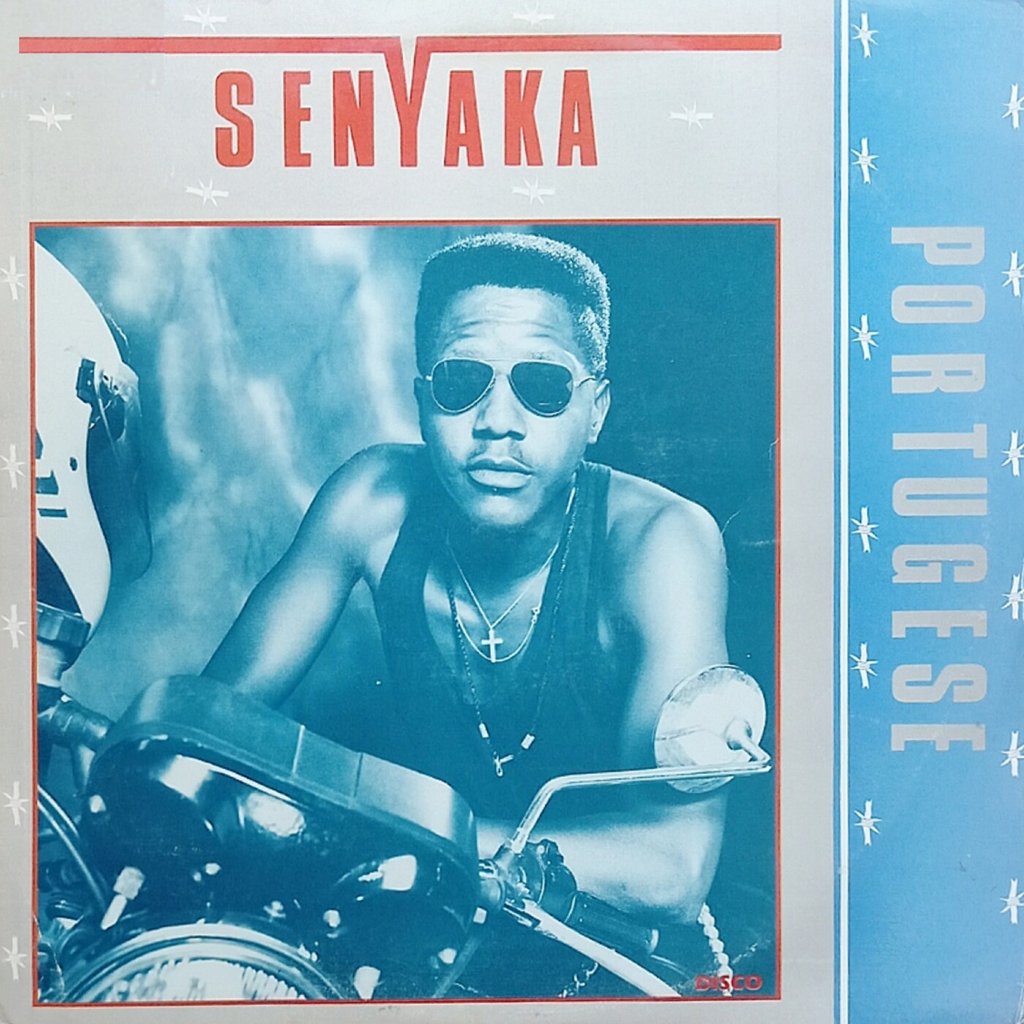
| 1987-1991 | Back-to-back albums: Portugese (1988), Sophiatown (1989) |
| 1993 | Release of Ma-Gents, first South African hip-hop diss track aimed at Brenda Fassie |
| 1998 | “Fong Kong” with the duo Hunger Boyz — scandal and success |
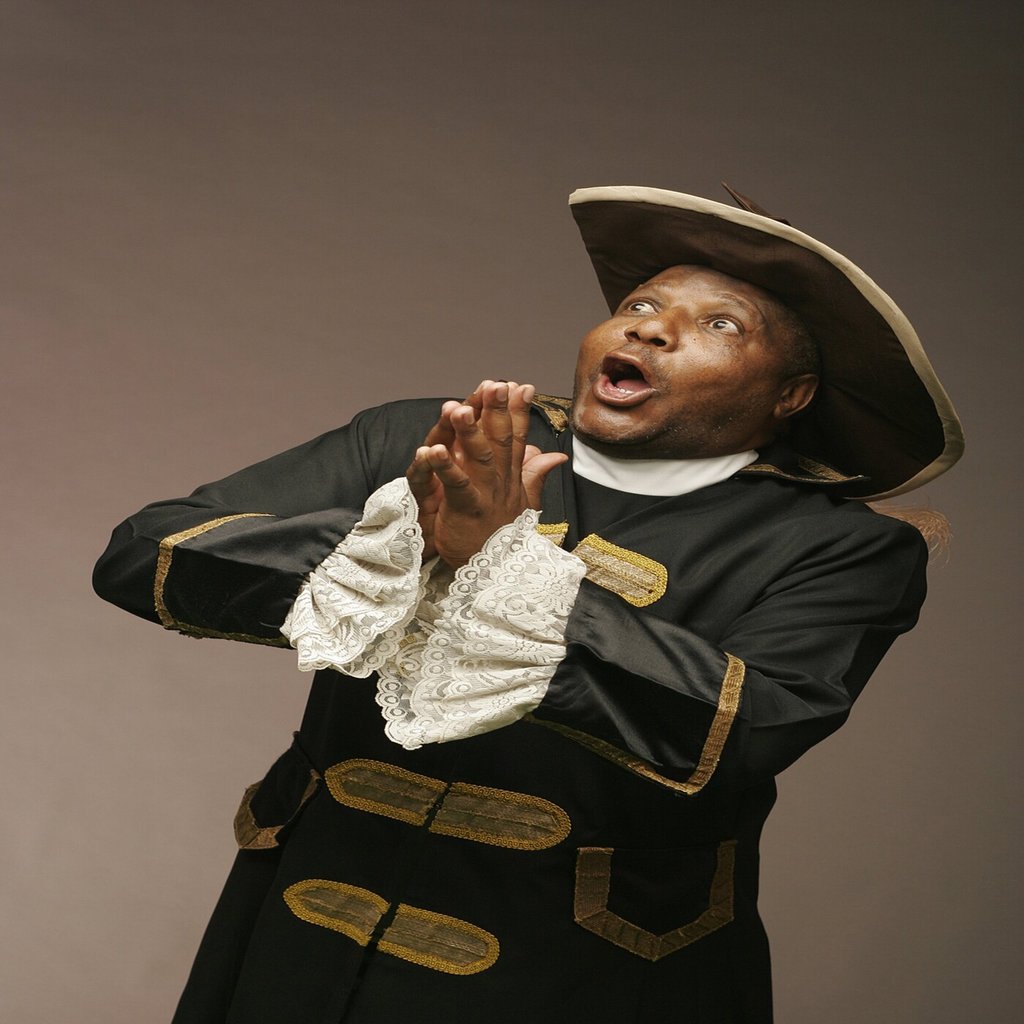
| 2003 | Acting revelation in Moruti wa Tsotsi by Chicco Twala |
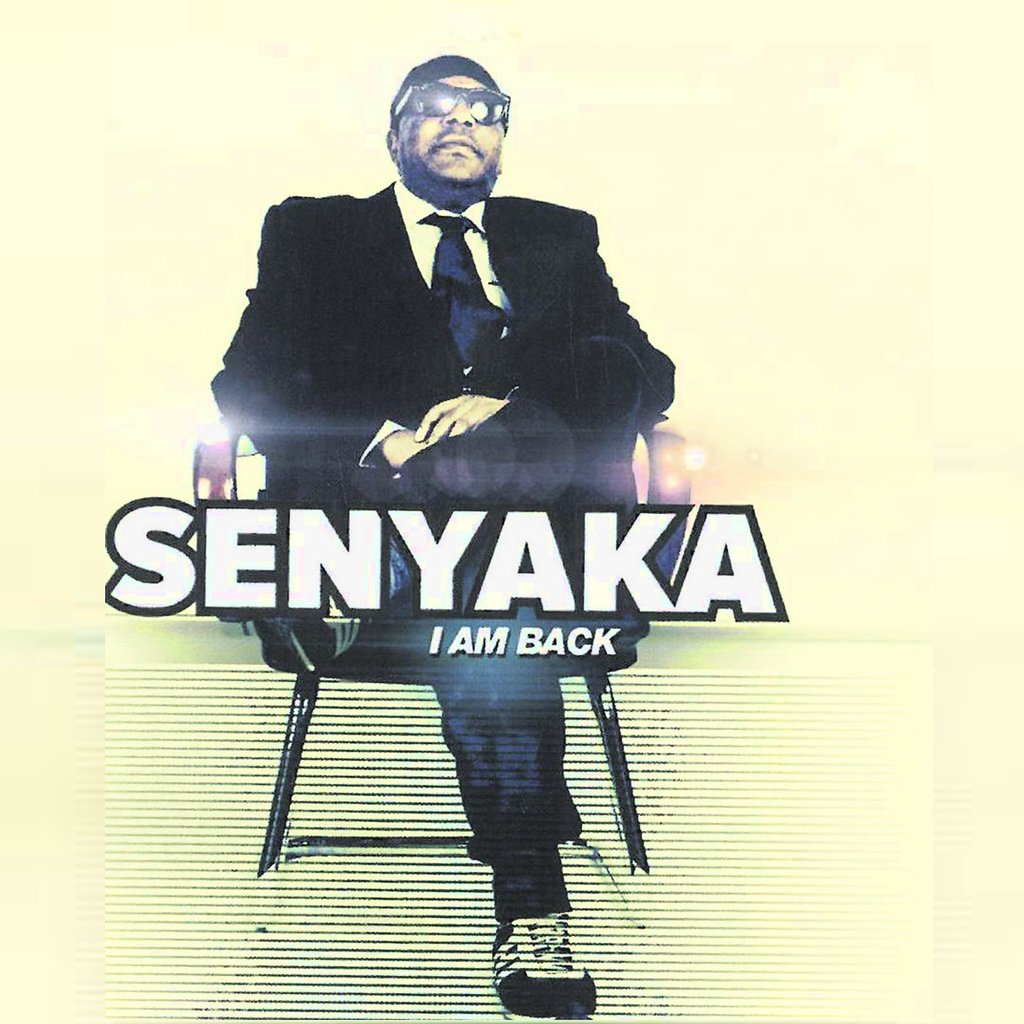
| 2014 | Surprise return with the album I Am Back |
| 2015 | Death at Kopano Hospital in Vereeniging; government tribute |
Political Roots, a Nickname That Becomes Legend
Thula Kekana was born on 13 April 1956 in Evaton, in a family deeply rooted in the anti-apartheid struggle. His father, Moses Kekana, was an activist for the Azanian People’s Organisation (PAC), co-founded with Robert Mangaliso Sobukwe. He also participated in the 1950 Evaton bus boycott — one of the first acts of collective disobedience by the movement. The nickname Senyaka, which his aunt gave him from childhood because he was as fat as a small quince, means in Sotho “a ball of jelly”. The child bounced back on the mockery to make it his identity.
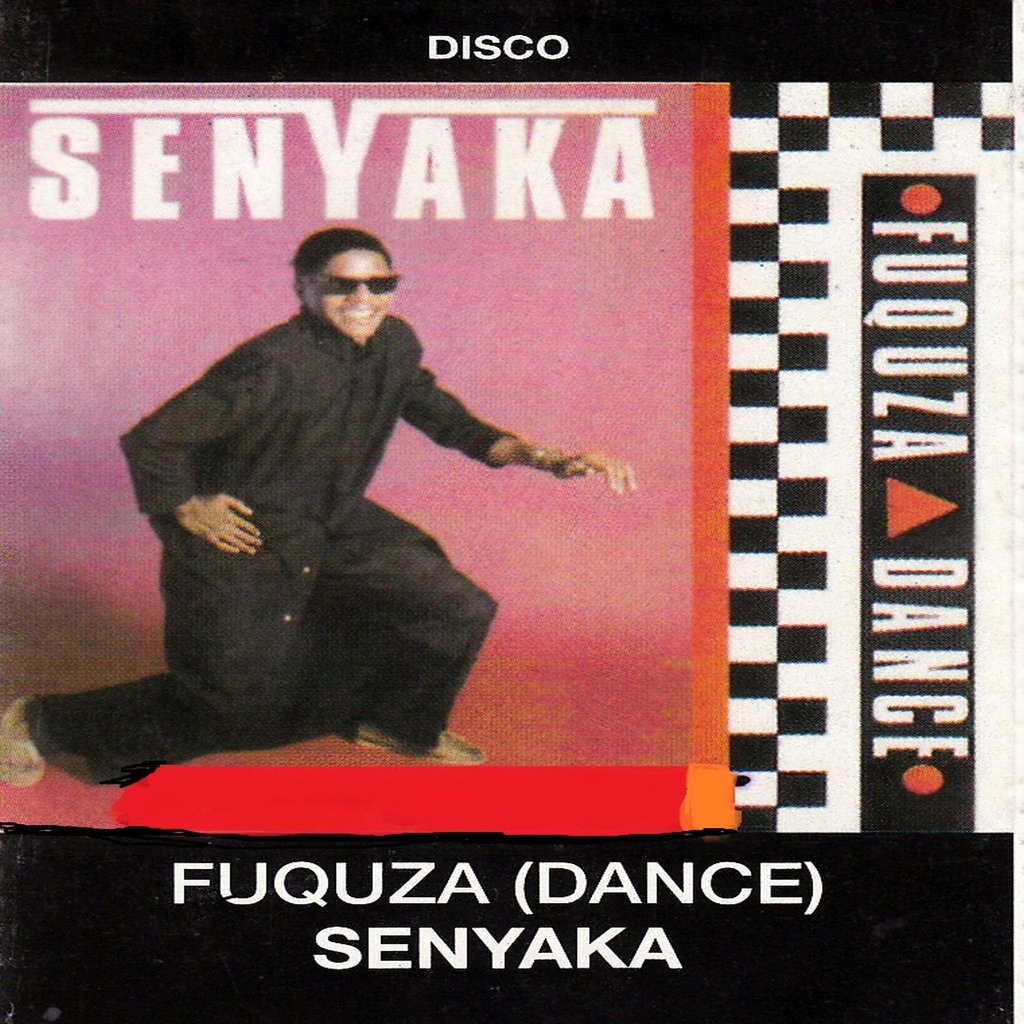
The 1980s crystallized the South African music scene: bubblegum pop reigned, and apartheid wavered but did not yield. Senyaka arrived with hurtful rhymes, a direct flow and an uncompromising wit. His first album, Fuquza (Dance) in 1987, featured the hit “Go Away”, a funk-rap bomb that opened South African parlours to hip-hop long before kwaito became a mass movement.
From Controversial Rapper to Kwaito Icon
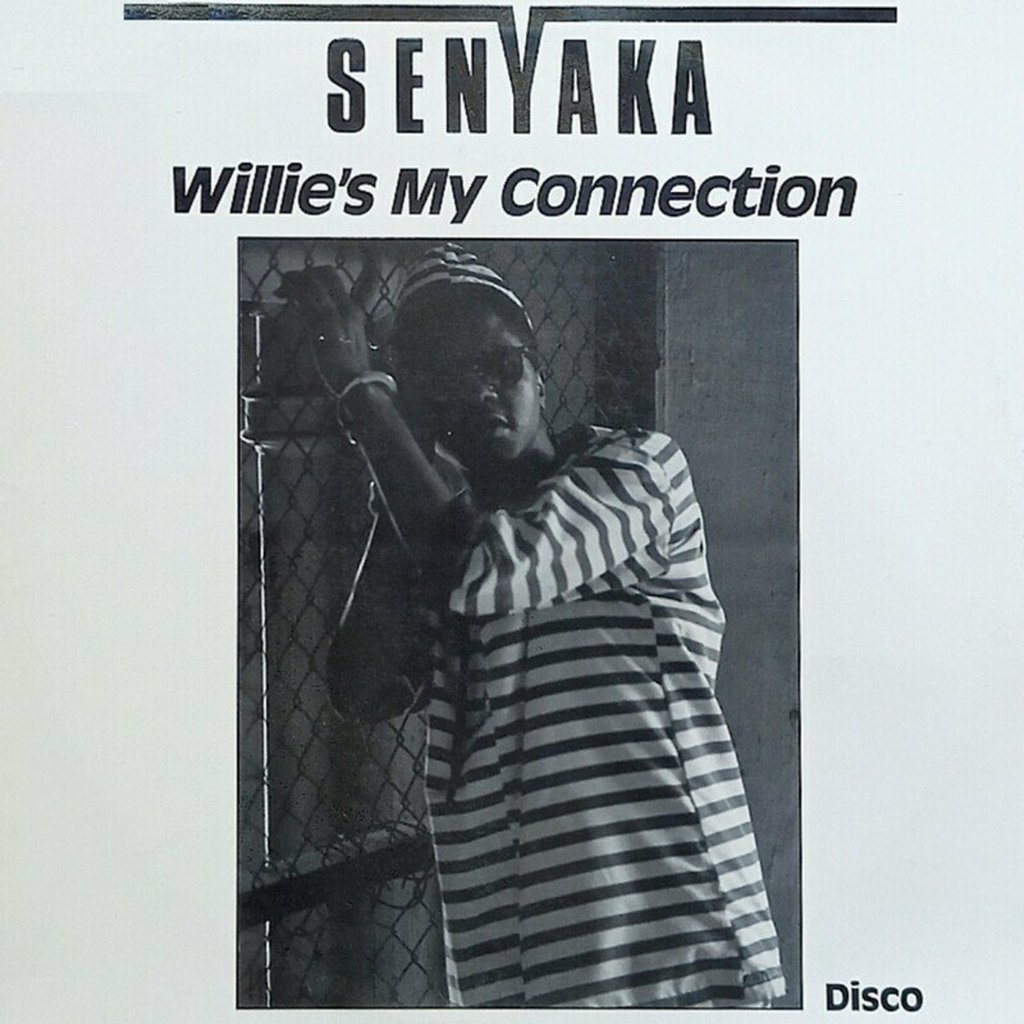
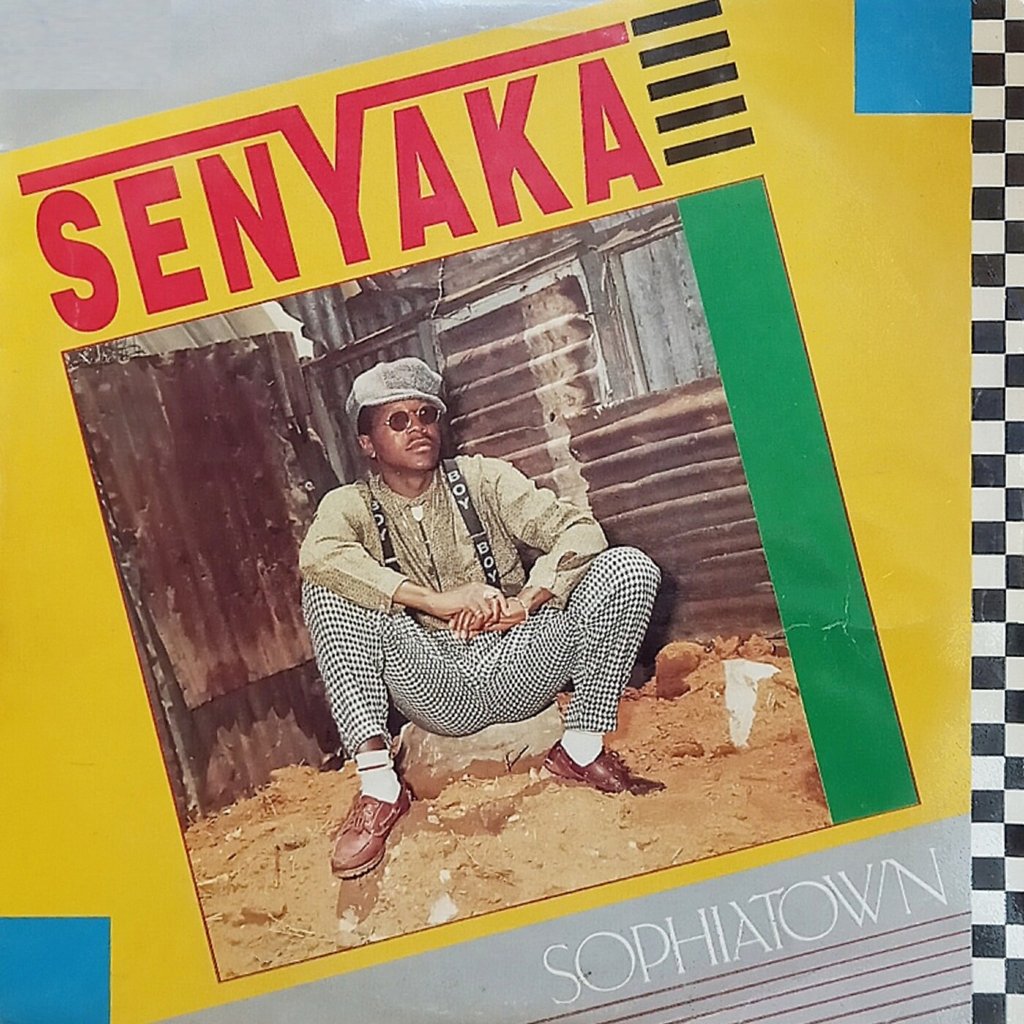
The following years were wild: Portugese (1988), Sophiatown (1989), Willie’s My Connection (1990), Ntate Senyaka (1991). Each album was a new punch, compositions blending hip-hop, funk and the first traces of kwaito — a genre where the voice, sung or spat, imposes the rhythm.
In 1993, Senyaka released Ma-Gents, his most iconoclastic album. The eponymous track triggered a war between two pop giants: Senyaka and Brenda Fassie. On “Ma-Gents”, he targeted rumours about the artist and, according to interpretations, her lifestyle. Fassie retorted with “Ama-Gents”, and the fight fed tabloids for months. The government did not meddle in the debate, but it paid attention: Senyaka embodied a new America — that of the townships speaking without filter.
With his childhood friend Kamazu Malewa, he formed the duo Hunger Boyz. In 1998, they released “Fong Kong”, a track that became a cultural phrase. The song denounced Chinese counterfeit goods flooding South African markets — shoes rotting in two weeks, clothes falling apart on the first day. “We wrote this song in protest against what the Chinese were doing to black people,” Senyaka said in an interview reported by the Sunday Times. The expression “fong kong” entered township common parlance: fake, rotten, cheap.
Senyaka crossed decades with a surprising ability to reinvent himself. After music, he turned to cinema under the eye of Chicco Twala — the legendary producer who became a director. In 2003, he portrayed Moruti wa Tsotsi, a prankish and satirical pastor in the successful film of the same name, then in the TV series Confessions to Moruti wa Tsotsi. The public adored him, even if orthodox clergy gnashed their teeth.
A Late Return and an Undisputed Legacy
For several years, Senyaka disappeared from the guessing games. In 2014, at 58, he released I Am Back — a 12-track album that sounded like a rebirth, and critics found it one of the best of his late career. One year after its release, on 25 March 2015, he passed away at Kopano Hospital in Vereeniging. Complications from pneumonia, diabetes and meningitis defeated a body that had never faltered.
The South African music community mourned a giant. The then Minister of Arts and Culture, Nathi Mthethwa, paid tribute in an official statement: “Senyaka gave musical expression to the township experience and played a pioneering role in using music, cinema and comedy to strengthen our communities’ identity.” Specialized press summarized him as the godfather of kwaito and a founding figure of South African hip-hop. The site kwaito.com described him as a chameleon, “always above his peers in conceptual imagination”.
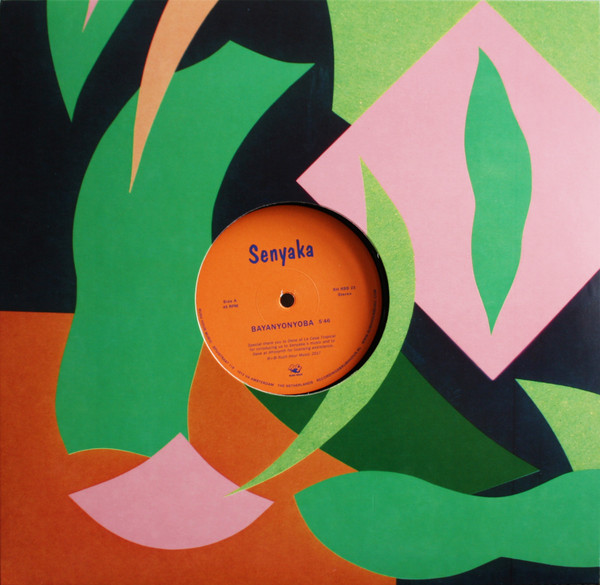
His legacy lives on in every South African hip-hop and kwaito artist who understood that music could be a mirror, sometimes shattering but always necessary. The 2017 vinyl edition of “Bayanyonyoba” by the Dutch label Rush Hour proves that his music transcends borders and continues to be rediscovered. More than ten years after his death, Senyaka remains the great ghost of the studios — the one who laughed, fought and sang louder than others.
Major Works
| Work | Year | Why It’s Essential |
|---|---|---|
| Fuquza (Dance) | 1987 | Foundational album that introduced South African hip-hop to popular parlors with “Go Away” |
| Ma-Gents | 1993 | First diss track of South African hip-hop — Senyaka challenges Brenda Fassie and creates a national scandal |
| Fong Kong (Hunger Boyz) | 1998 | Protest song against Chinese counterfeits — the expression enters township slang |
| Moruti wa Tsotsi (film) | 2003 | Notable acting role — satirical pastor becomes a cult figure in South African cinema |
| I Am Back | 2014 | Return album after years of silence — acclaimed as one of his best late creations |
Legacy and Influence
Senyaka invented South African hip-hop by giving it a face and a voice. Later kwaito artists cite him as a precursor. His ability to move from rap to kwaito and from community cinema makes him a unique case. More than ten years after his death, Senyaka remains the great ghost of the studios — the one who laughed and sang louder than others.
Sources and References
- “Senyaka (rapper)”, Wikipedia, https://en.wikipedia.org/wiki/Senyaka_(rapper), accessed November 11, 2026.
- “Obituary: Senyaka Kekana, godfather of kwaito”, Sunday Times Live, April 12, 2015, https://www.sundaytimes.timeslive.co.za/sunday-times/opinion-and-analysis/2015-04-12-obituary-senyaka-kekana-godfather-of-kwaito/, accessed November 11, 2026.
- “South Africa mourns popular musician and actor Senyaka”, Music In Africa, https://www.musicinafrica.net/node/13371, accessed November 11, 2026.
- “Minister Nathi Mthethwa pays tribute to late Senyaka Kekana”, Gov.za, March 25, 2015, https://www.gov.za/news/media-statements/minister-nathi-mthethwa-pays-tribute-late-senyaka-kekana-25-mar-2015, accessed November 11, 2026.
- “Musician Senyaka dies: He probably started kwaito before his time”, MG.co.za, March 25, 2015, accessed November 11, 2026.
- “Senyaka — Discography”, Discogs, https://www.discogs.com/artist/473589-Senyaka, accessed November 11, 2026.
- “Senyaka Kekana — Biography, Discography”, AllMusic, https://www.allmusic.com/artist/senyaka-kekana-mn0002959399, accessed November 11, 2026.
- “Fong Kong hits a chord”, kwaito.com, https://kwaito.com/articles/fong-kong-hits-a-chord.html, accessed November 11, 2026.