Biography
Seun Kuti: the impertinent breath of afrobeat
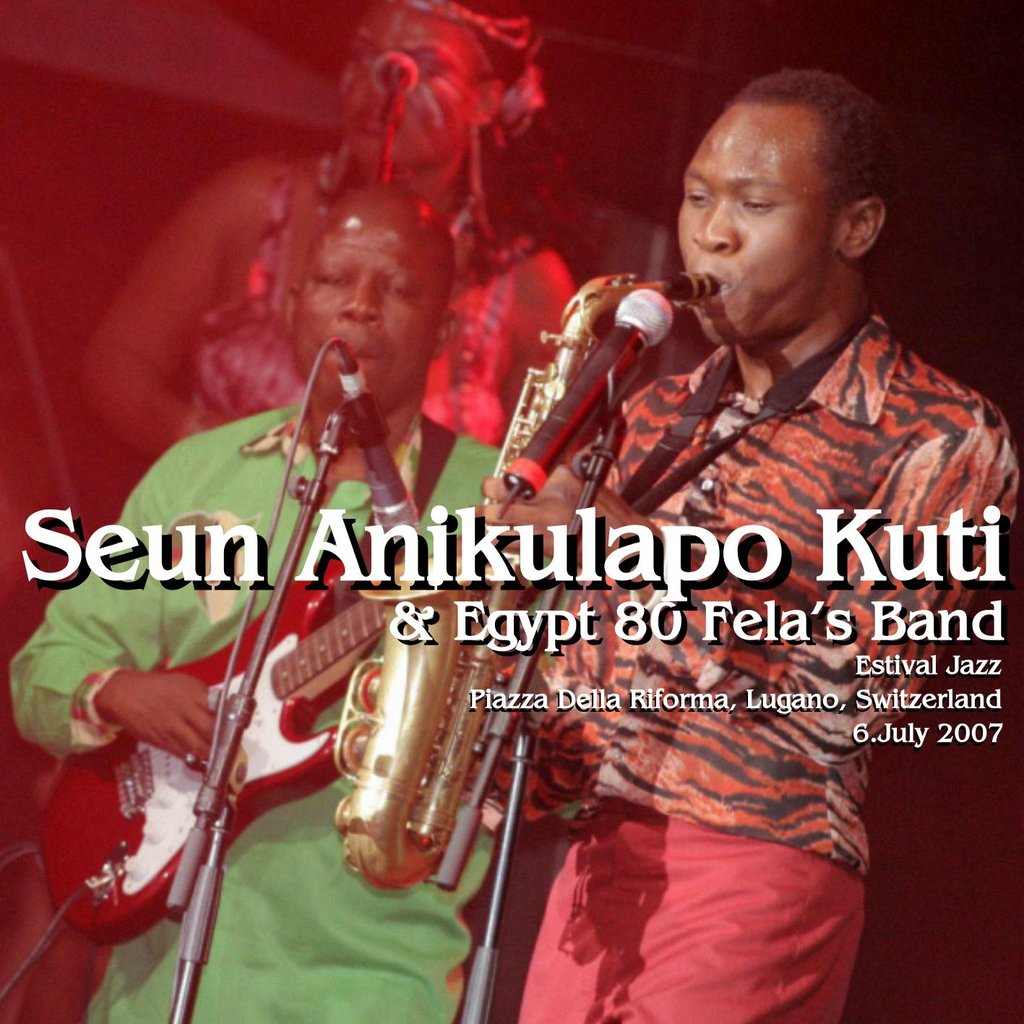
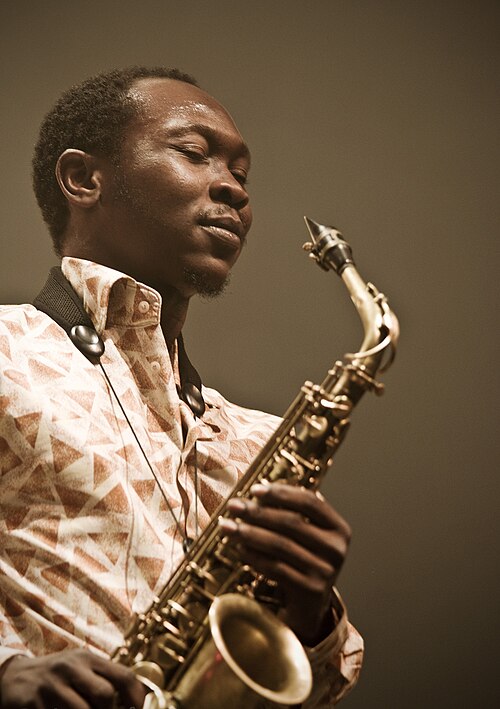
In 1997, in front of the Afrika Shrine in Lagos, a fourteen-year-old saxophonist took the microphone after his father Fela Kuti’s death. He did not come to take over an empire: he came to continue playing.
In brief
| Full name | Oluseun Anikulapo Kuti, known as Seun Kuti |
| Birth | 11 January 1983, Lagos, Nigeria |
| Field | Afrobeat — this style born in Nigeria in the 1970s, blending jazz, funk, highlife, and political chants |
| Instruments | Alto saxophone, percussion, vocals |
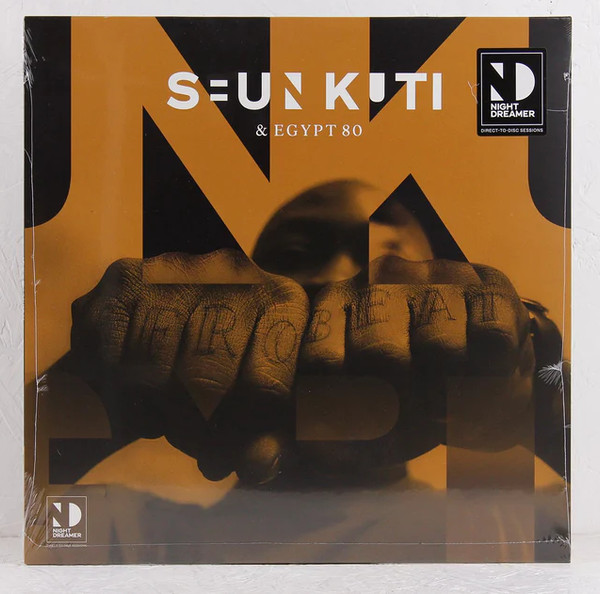
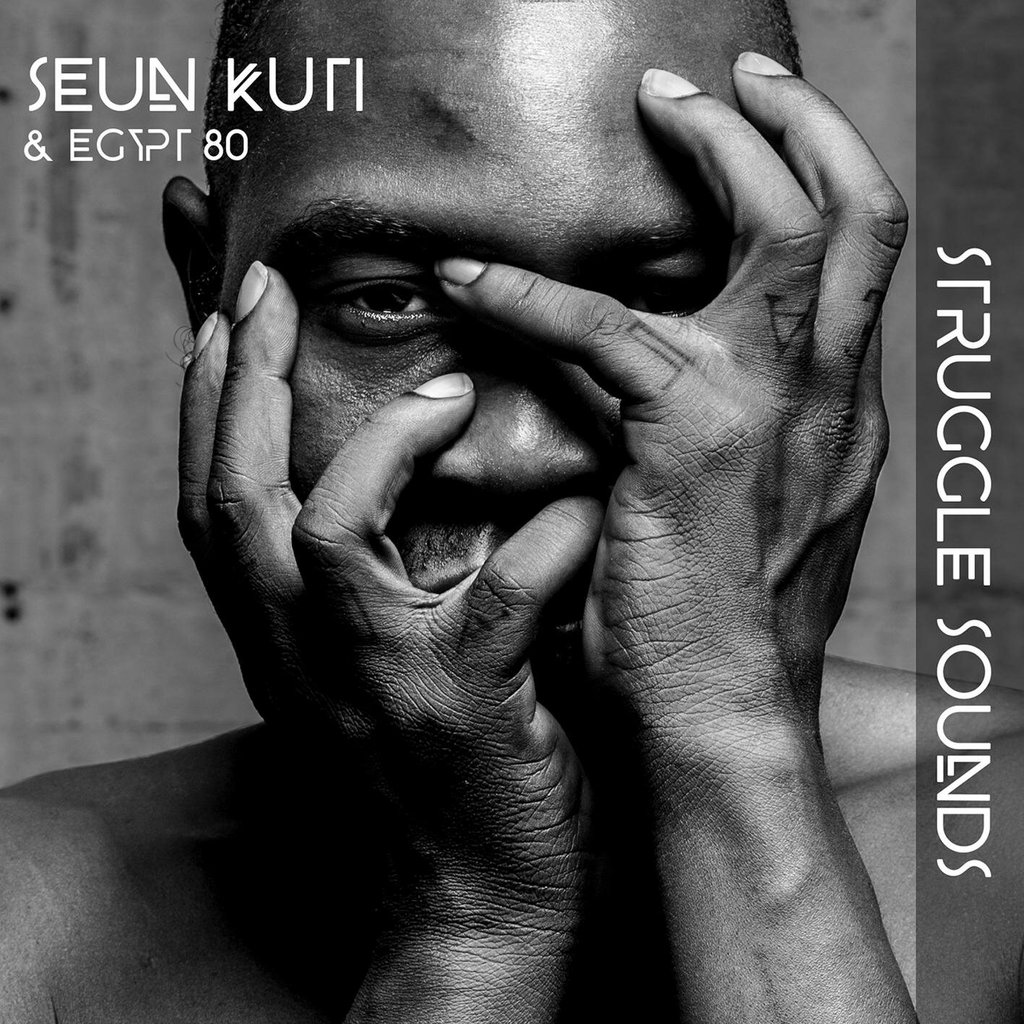
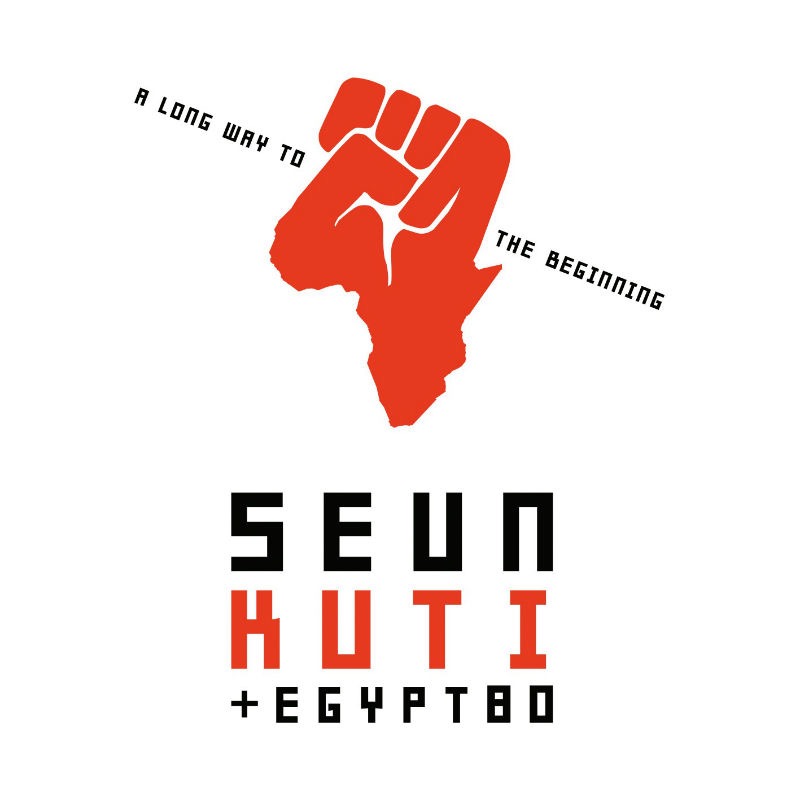
| Group | Seun Kuti & Egypt 80 (successor to the group founded by Fela Kuti) |
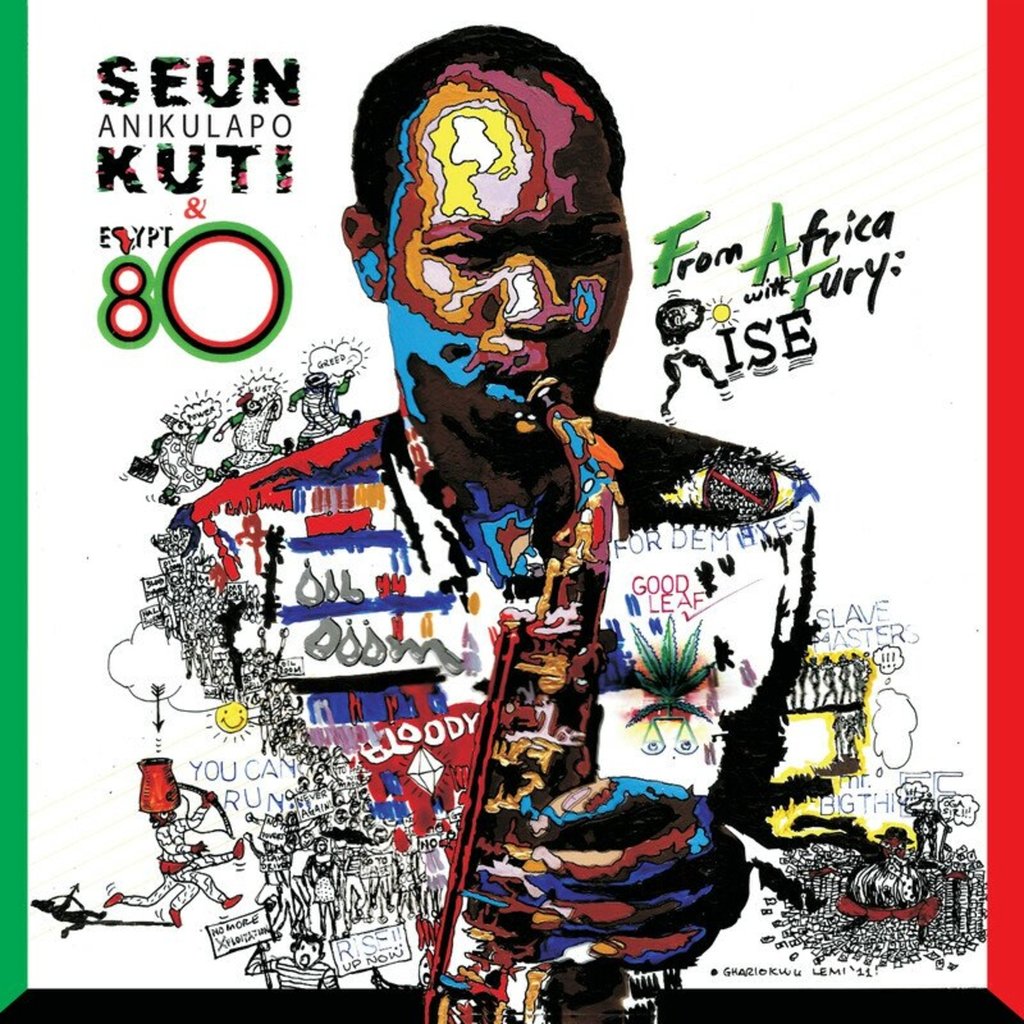
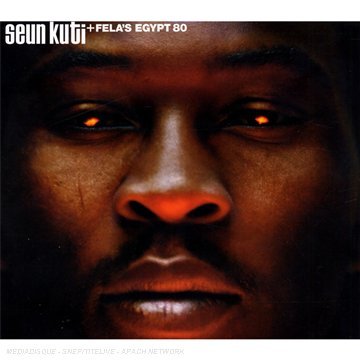
| Iconic works | Many Things, From Africa with Fury: Rise, Black Times |
| Distinctions | Grammy Nomination – Best World Music Album (2019), Time 100 (2019) |
Key dates
| Year | Event |
|---|---|
| 1983 | Birth in Lagos, youngest son of Fela Kuti |
| 1990 | First public appearance at age seven, at the Afrika Shrine in Lagos |
| 1997 | Took over Egypt 80 after his father’s death, at age fourteen |
| 2008 | Many Things, first album under the name Seun Kuti & Egypt 80 |
| 2011 | From Africa with Fury: Rise co-produced by Brian Eno, international breakthrough |
| 2018 | Black Times, Grammy nomination for best world music album |
| 2019 | Listed in Time 100, one hundred most influential people in the world |
| 2024 | Heavier Yet (Lays the Crownless Head) with Damian Marley and Sampa the Great |
From Kalakuta to the head of Egypt 80: a continuer, not an heir
Seun grew up in the Kalakuta Republic, the autonomous city that Fela Kuti had built in the heart of Lagos among musicians, families, and students. From age five, he followed his father on African and European stages; at nine, he was already singing as the opener for Egypt 80 before he himself took the stage. In 1997, Fela’s death plunged him into a role he had not asked for: « I just kept playing with the band. It wasn’t really about taking over. I just wanted to play with the band and keep the band going », he confessed in 2024 to POW Magazine. This humility defines his leadership: he sees himself as a continuer rather than an heir.
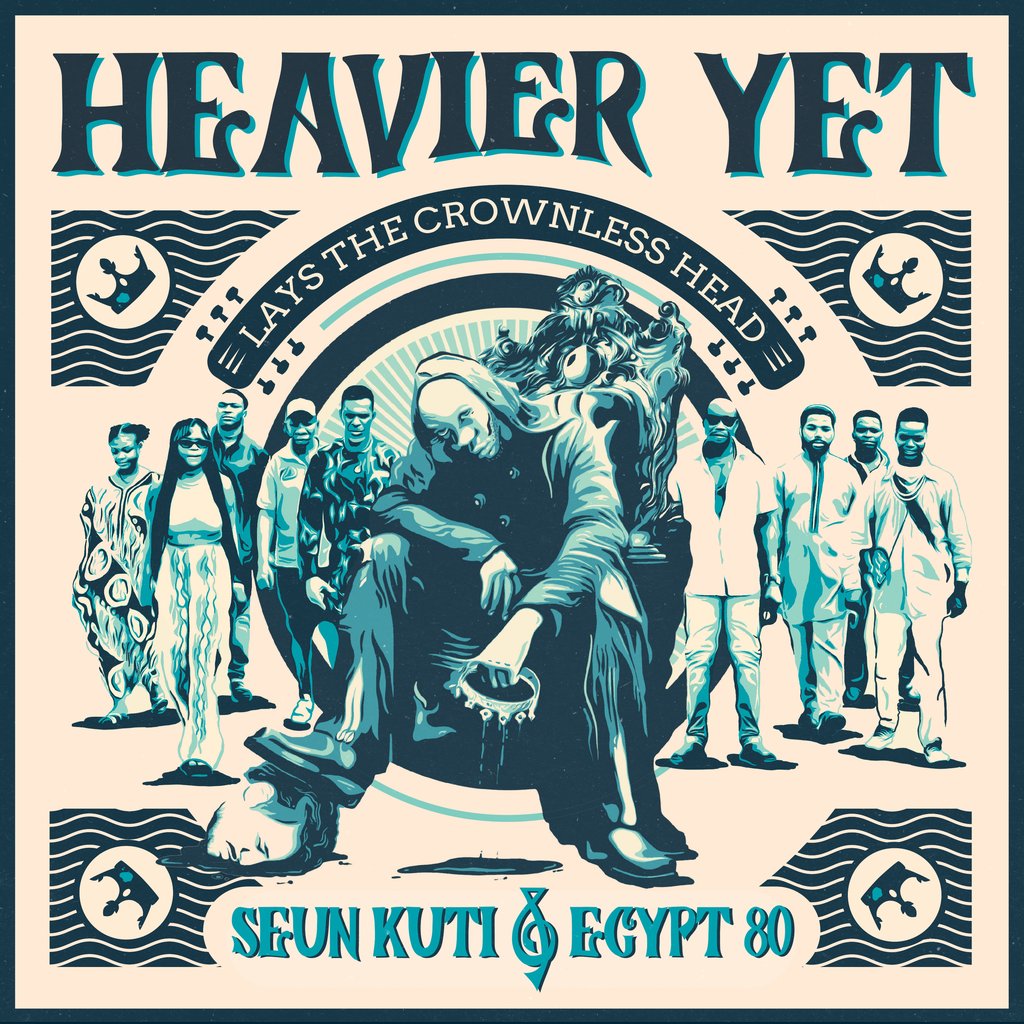
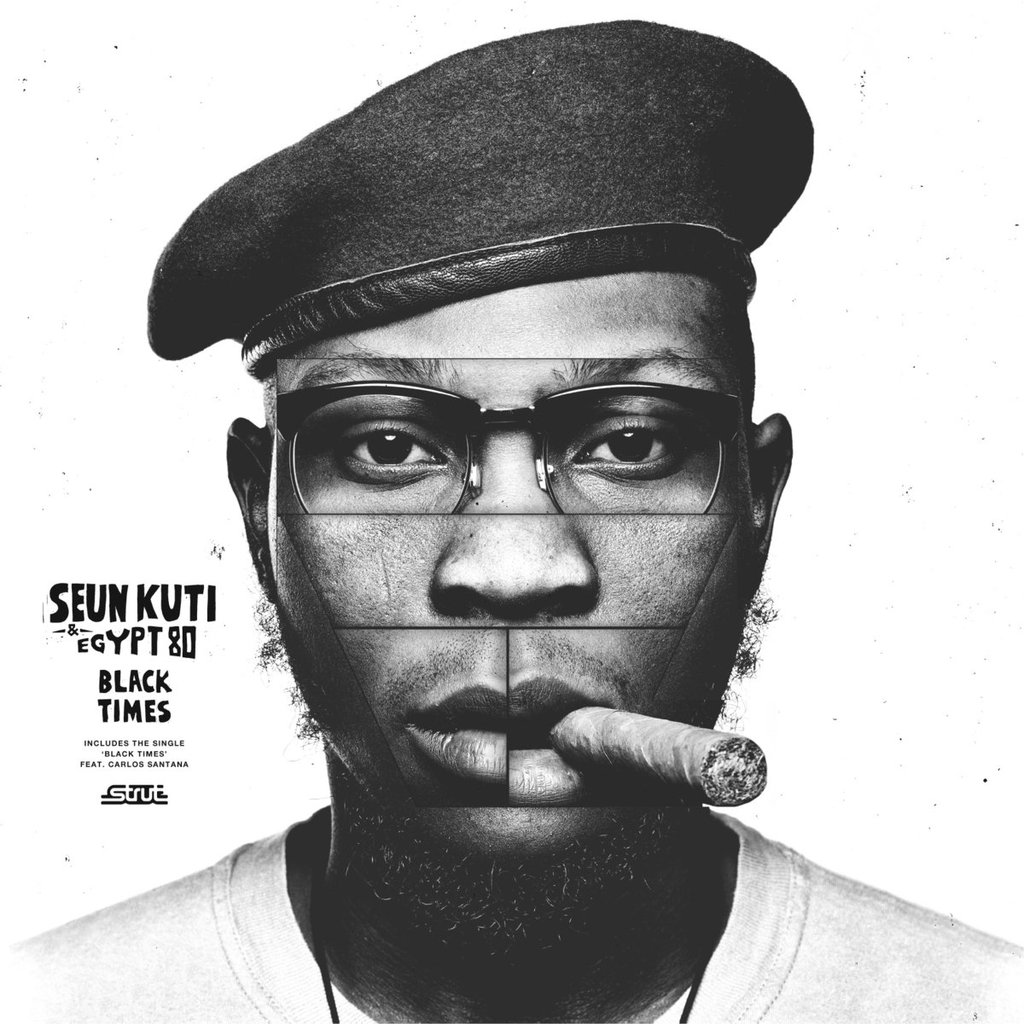
His relationship with afrobeat remains an active vocation, never a passive acquisition. « Afrobeat was not something for kids to make, because you have to dedicate your life to it », he said in 2011. His albums embody this approach: Many Things (2008) strings together frenetic orchestral improvisations on texts denouncing neocolonialism and inequalities; From Africa with Fury: Rise (2011), co-produced by Brian Eno, tightens the sound without diluting its power; Black Times (2018) serves as a political compass for the EndSARS movement, featuring Carlos Santana on the title track; Heavier Yet (Lays the Crownless Head) (2024), produced by Lenny Kravitz, amplifies the message with Damian Marley and Sampa the Great.
Seun assumes without reservation the political dimension of his music, refusing any post hoc prophecy: « Fifty years from now too there will be people like this, too, who will hear my music and say ‘Seun was a prophet’… But there is no prophecy there. I am already living the reality and it’s the reality that inspired me », he explains in African In Words in 2019. This commitment goes beyond the songs: Occupy Nigeria demonstrations (2012), relaunch of the Movement of the People (Fela’s party, 2020), letter Artists Against Apartheid (2023). His text “T.O.P.” (Things Over People) summarizes his philosophy: a society must not sacrifice humans on the altar of money.
Major works
| Work | Year | Why it is essential |
|---|---|---|
| Many Things | 2008 | First record affirming Seun’s own signature, frenzied orchestral improvisation |
| From Africa with Fury: Rise | 2011 | International breakthrough; co-production with Brian Eno refining the sound without diluting its power |
| Black Times | 2018 | Political compass of the EndSARS movement; Grammy nomination in 2019 |
| Heavier Yet (Lays the Crownless Head) | 2024 | Mature musical and political manifesto, international guests, most impactful sound to date |
Legacy and influence
Seun Kuti proves that one can carry Fela’s name without ever recycling it passively. Egypt 80, of which three-quarters of the musicians accompanied Fela in his struggles and arrests, remains an orchestra in perpetual improvisation — afrobeat as a movement, not as a museum. The Time 100 designation in 2019 and the Grammy nomination anchored this voice in the global landscape. The goal is to be free, not white, as he recalls without wavering: afrobeat does not survive, it fights.
Sources and references
- « Seun Kuti biography », AllMusic (Thom Jurek), https://www.allmusic.com/artist/seun-kuti-mn0000999541, accessed 2 November 2026.
- « Seun Kuti », Wikipedia (EN), https://en.wikipedia.org/wiki/Seun_Kuti, accessed 2 November 2026.
- « Afrobeat Archive – Seun Kuti », Afrobeat Archive, https://www.afrobeatarchive.com/artists/seun-kuti, accessed 2 November 2026.
- « INTERVIEW: Seun Kuti, Son of Nigeria’s Favorite Son », Green Global Travel, https://greenglobaltravel.com/interview-seun-kuti-nigeria, published 19 April 2011.
- « “I Think Humanity is Going Through A Learning Curve”: An Interview With Seun Kuti », POW Magazine, https://www.powmag.net/p/in-sheer-awe-of-the-mans-musicianship-seun-kuti-on-his-fathers-legacy, accessed 2 November 2026.
- « Q&A: “The goal is to be free, not white”: an interview with Seun Kuti », African In Words, https://africainwords.com/2019/09/09/qa-the-goal-is-to-be-free-not-white-an-interview-with-seun-kuti/, published 9 September 2019.
- « Grammy Awards – Seun Kuti », Grammy.com, https://www.grammy.com/artists/seun-kuti/243369, accessed 2 November 2026.
- « Seun Kuti + Egypt 80 discography », Discogs, https://www.discogs.com/artist/727660-Seun-Kuti, accessed 2 November 2026.