Biography
Sidi Touré
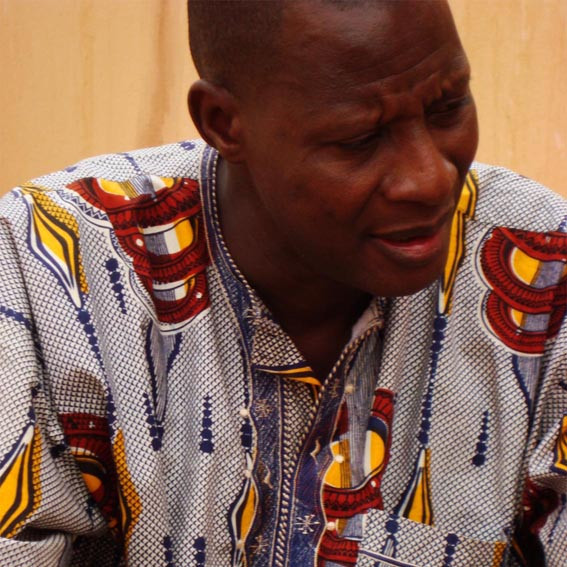
In 2013, in a hotel room in the West Village of New York, Sidi Touré serves mint tea and strums his acoustic guitar while sitting on his bed. It is here, thousands of kilometers away from Gao, his hometown in northern Mali, that he composes the songs of a Songhai tradition which he modernizes without betraying it. « If you listen deeply to Songhaï music, you can trace the origins of the blues, jazz and even rock », he says. « It’s all trance music to a certain degree. I think what we play here is the mother and, on the other side [of the Atlantic], you have the children and the grandchildren. »
In Brief
| Full Name | Sidi Touré |
| Birth | 1959, Gao, Mali |
| Field | Songhai music — singing, acoustic guitar, composition |
| Main Instruments | Acoustic guitar, calabash (traditional percussion) |
| Notable Works | Sahel Folk, Koïma, Afrik Toun Mé |
| Awards | Best Singer Award at the National Biennale of Mali (1984, 1986) |
Key Dates
| Year | Event |
|---|---|
| 1959 | Birth in Gao, Songhai town of northern Mali |
| 1984–1986 | Best Singer Award at the National Biennale; member of the Gao Regional Orchestra |
| 1996 | First solo album, Hoga, on Stern’s Records |
| 2011 | Signing with Thrill Jockey and release of Sahel Folk |
| 2012 | Islamist coup in northern Mali; music is banned in Gao |
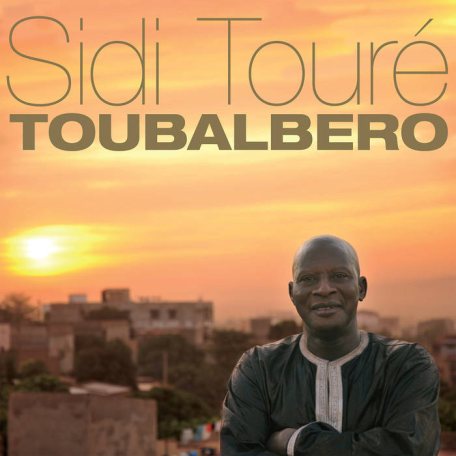
| 2018 | Release of Toubalbero, album with full electric lineup |
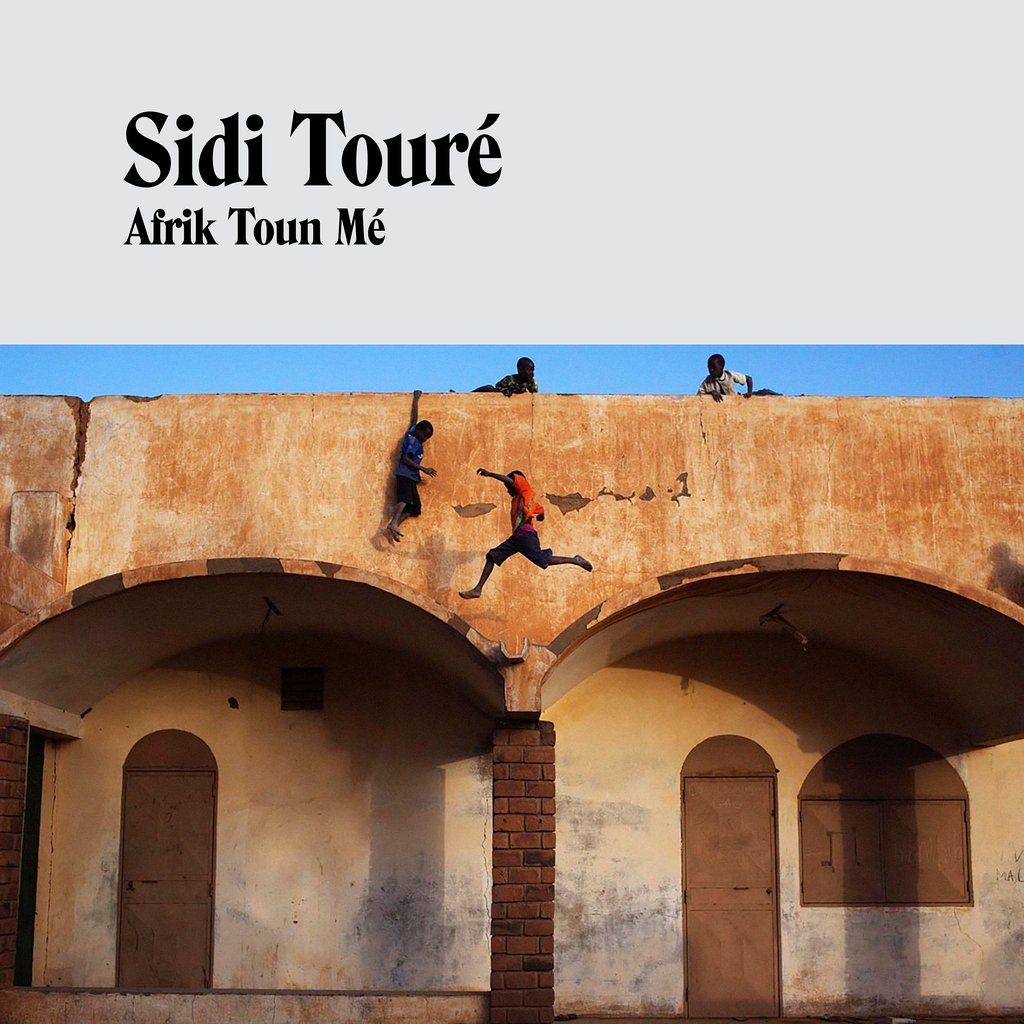
| 2020 | Release of Afrik Toun Mé, pure acoustic album during the pandemic |
A Life in Songhai Music
Sidi Touré was born in 1959 in Gao, a historic town at the confluence of the Niger River delta and cultural crossroads where Songhai, Tuareg, and Arabic languages have mingled for centuries. From his childhood, he joined the Gao Regional Orchestra as a solo singer — drums, string instruments, everything was there. His mother played the violin, a rarity in Gao where only one woman still masters this traditional instrument. His first great musical revelation came from the Takamba, a rhythm shared with the Tuareg and played on a traditional three-string guitar called kurbbu, accompanied by a gourd. Touré drew from this tradition his entire life, giving it a personal turn. His older brother, a schoolteacher, considered music an undignified profession for someone of his name — the Tourés are a prestigious family in Gao. But music, for him, was not rebellion: it was destiny. He simply followed his own path, knowing he would have to fight for it. He preferred acoustic over electric because the electric guitar is more violent while the acoustic is softer.
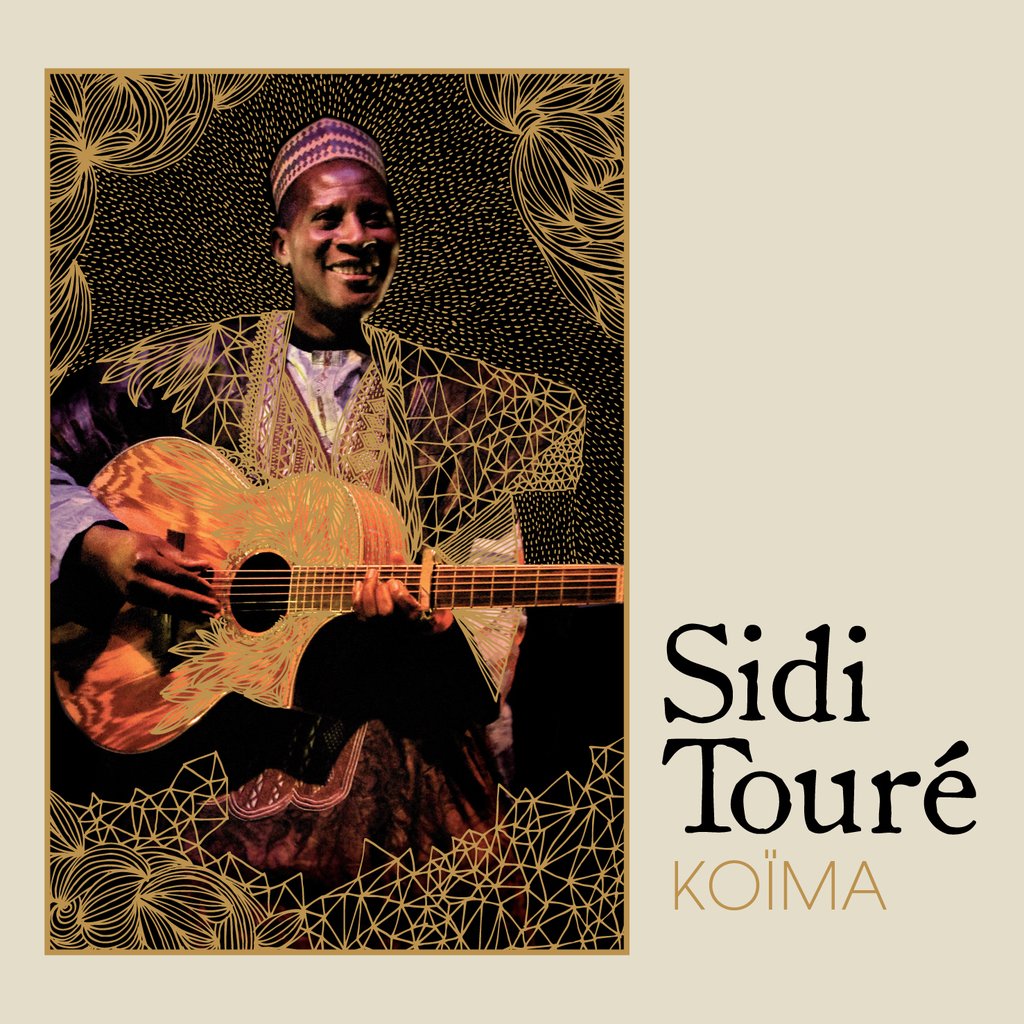
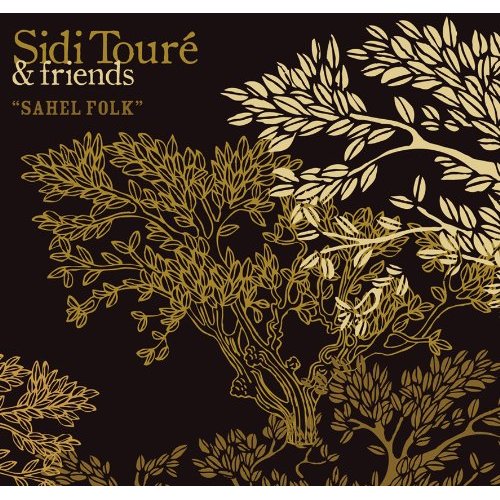
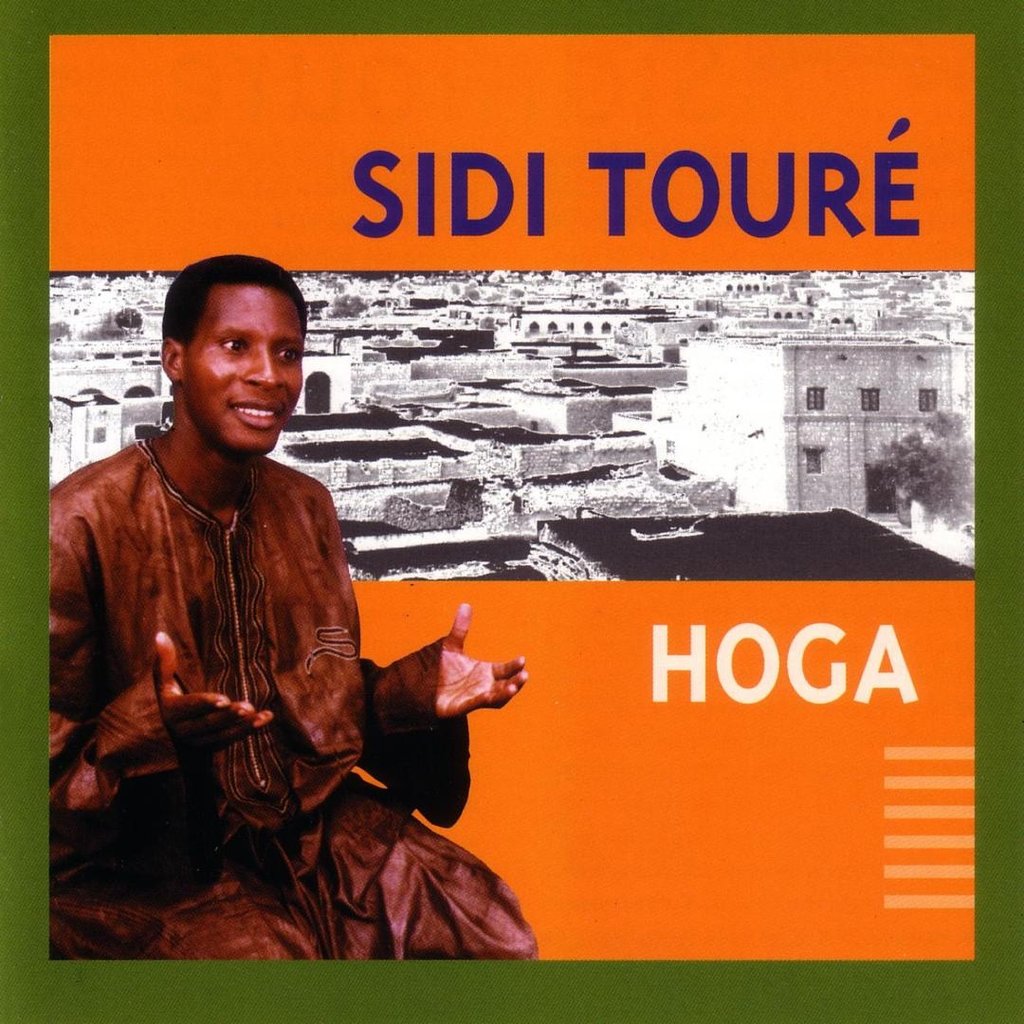
After a few years on Malian stages, he won the Best Singer Award at the National Biennale twice (1984 and 1986), always with original compositions. He released in 1996 Hoga, his first solo album on the Stern’s Records label. The record met with modest success and did not lead to an immediate follow-up, but Touré continued touring in Mali and Europe. The international turning point came in 2011 with Sahel Folk, his first album for Thrill Jockey. Recorded at the heart of Songhai culture in Gao, with musician friends gathered around a cup of tea, the record is raw and authentic. Koïma (2012) took a step forward: a more accomplished work, recorded in a studio in Bamako after rehearsals at the Centre culturel français. The title refers to a mythical place — a pink sand dune that meets the banks of the Niger, and whose name means « go hear » in Songhai. During this tour, Touré shared the stage with American artists such as Creole violinist Cedric Watson from Louisiana, whom he affectionately nicknamed Cedric Touré due to spiritual affinity. He admits that his music may be more listened to in the United States than in Mali.
In 2018, Toubalbero returned to electric sounds with a full lineup. But two years later, as the whole world entered pandemic lockdown, Sidi Touré released Afrik Toun Mé (Africa Must Unite) — a pure acoustic album led by himself, guitarist Mamadou Kelly, and Boubou Diallo on the gourd. After the 2012 Islamist coup in northern Mali, which banned music in Gao and its surroundings, Touré never stopped composing. « We have always criticized bad governance and financial delinquency and the people who have robbed this country », he writes. « I’m trying to motivate African leaders to work together, to listen to their people, so that what has been happening to us no longer happens anymore. » His political vision goes beyond music: « Look at the buzzing of this beautiful Africa, which slept before like a fish in water », he pleads, referencing Bob Marley, Alpha Blondy, and Ghanaian president Nkrumah.
Major Works
| Work | Year | Why It’s Essential |
|---|---|---|
| Hoga | 1996 | First solo album, the gateway to the world |
| Sahel Folk | 2011 | First Thrill Jockey album, recorded live in Gao with friends |
| Koïma | 2012 | More accomplished album, spiritual reference to the eponymous mythical place |
| Afrik Toun Mé | 2020 | Pure acoustic during the pandemic, plea for education and African unity |
Heritage and influence
Sidi Touré embodies a generation of Malian musicians who bridged tradition and the world. His acoustic approach — soft guitar and gourd as a double bass — opened a parallel path to the soukous that dominates the Malian scene. He initiated the Festival au Désert but never performed there: “Time must judge,” he says. His messages extend beyond music: education as a lever for development, African unity in the face of political divisions. While Gao continues to face violence from northern Mali, Sidi Touré’s voice remains a reminder that music can survive anything.
Sources and references
- “Sidi Touré”, Wikipedia in English, https://en.wikipedia.org/wiki/Sidi_Tour%C3%A9, accessed 20 November 2026.
- “Global Beat: Sidi Touré”, Relix, by Jeff Tamarkin, https://relix.com/features/detail/global-beat-sidi-toure, January 2021.
- “Sidi Touré interview”, BOMB Magazine, by Ethan Harfenist, https://bombmagazine.org/articles/2012/04/17/sidi-tour%C3%A9/, April 2012.
- “Sidi Touré Up Close”, Afropop Worldwide, by Sam Backer and Morgan Greenstreet, https://www.afropop.org/articles/sidi-toure-up-close, October 2013.
- “Sidi Touré”, Thrill Jockey Records, https://www.thrilljockey.com/artists/sidi-toure, accessed 20 November 2026.