Biography
Silvio Rodríguez : the troubadour who sang a revolution
In February 1968, a hall of the Casa de las Américas in Havana resonated with the sound of a new guitar1. Silvio Rodríguez, twenty-one years old, took the stage with Pablo Milanés, Noel Nicola and Vicente Feliú. That evening was born the Nueva Trova — this musical movement that united the tradition of the rural troubadour with the political realities of Latin America. Silvio, the troubadour with a childlike gaze, would dedicate more than sixty years to writing, singing and traveling the world.
In brief
| Full name | Silvio Rodríguez Domínguez |
| Birth | 29 November 1946, San Antonio de los Baños, Cuba |
| Field | Nueva Trova — guitarist and singer-songwriter |
| Iconic works | “Ojalá”, “Unicornio”, “La maza”, “Sueño con Serpientes” |
| Honours | Premio Luigi Tenco (1985), UNESCO Artist for Peace (1997), Premio Nacional de Música (2004) |
Key dates
| Year | Event |
|---|---|
| 1946 | Birth in San Antonio de los Baños, into a peasant family |
| 1952 | The family moves to Havana |
| 1959 | At thirteen, Silvio witnesses the Cuban Revolution |
| 1961 | Conrado Benítez literacy brigades, Escambray |
| 1964 | Military service, begins playing guitar |
| 1967 | First television appearance, Música y estrellas |
| 1968 | Founding Nueva Trova concert, Casa de las Américas |
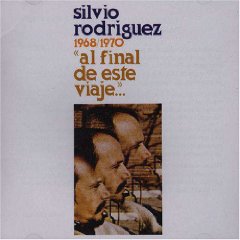
| 1969-1970 | Four months at sea, 62 songs on the Playa Girón |
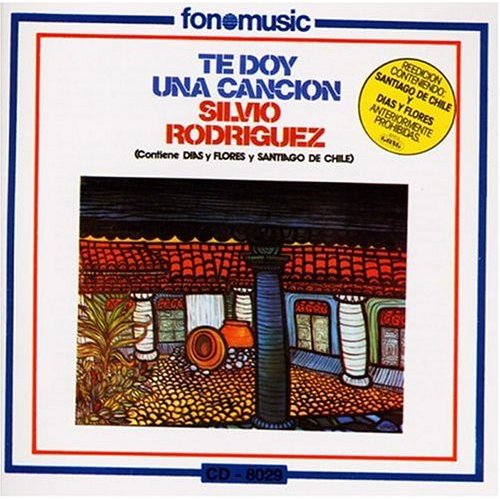
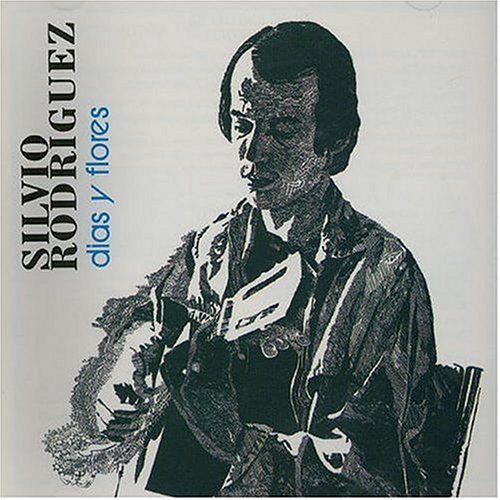
| 1975 | First solo album, Días y Flores, EGREM |
| 1985 | Premio Luigi Tenco, Sanremo |
| 1997 | UNESCO Artist for Peace |
| 2020 | Para la espera, pandemic album |
Origins, rebellion and consecration
Silvio Rodríguez Domínguez was born on 29 November 1946 in San Antonio de los Baños, into a peasant family from the province of Artemisa. His mother sang boleros; his uncle Ramiro, a professional guitarist, gave him his first instrument — a conga. At thirteen, the 1959 Cuban Revolution upended his life. He joined the Conrado Benítez literacy brigades in the mountains of Escambray, teaching reading to peasants2.
During his military service in 1964, a comrade, Esteban Baños, taught him his first guitar chords. Silvio then composed his first love songs, “Saudade” and “La cascada”. His public debut took place on 13 June 1967 on Cuban television. In February 1968, Haydée Santamaría invited him to the Casa de las Américas: he shared the stage with Milanés, Nicola and Feliú, laying the first stone of the Nueva Trova3.
In 1969, fired from television following remarks about the Beatles, Silvio boarded the trawler Playa Girón4.
For four months at sea, he wrote sixty-two songs, including “Ojalá”, the most sung song of his career. Back in Havana, he joined the Grupo de Experimentation Sonora of ICAIC and studied composition with Leo Brouwer5.
From 1976 onwards, Silvio traveled to Angola twice to sing for Cuban soldiers facing South African apartheid6.
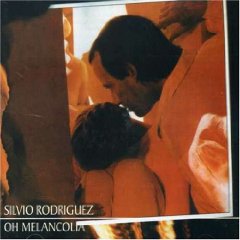
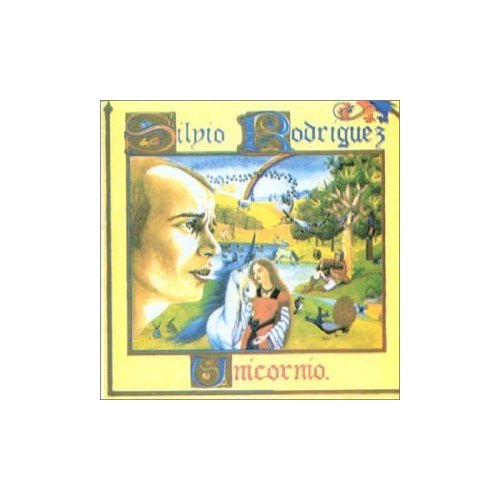
He then toured America and Europe, selling out entire halls. His albums Unicornio (1982) and Tríptico (1984) are considered his lyrical masterpieces7.
In 2010, after thirty years of ban, he performed in New York, Oakland and Los Angeles8.
His final album, Quería saber (2024), includes eleven songs expressing his disappointment with Cuba’s trajectory9.
Major works
| Work | Year | Why it is essential |
|---|---|---|
| Días y Flores | 1975 | First solo album; foundations of the Nueva Trova |
| Unicornio | 1982 | Lyrical masterpiece; symbols, eroticism, personal mythology |
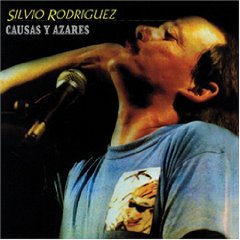
| Causas y Azares | 1986 | Afro-Cuban fusion; rhythm and poetry with the group Afrocuba |
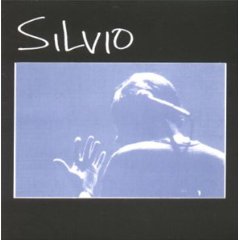
| Silvio | 1992 | Return to solo guitar, stripped down and bare |
| Para la espera | 2020 | Silvio’s music facing the uncertainty of the 21st century |
Legacy
According to AllMusic, Silvio Rodríguez remains the sword of Cuban nueva trova10.
Kelvis Ochoa, a Cuban musician, describes him as: “One of the great Latin American poets”.
His introspective lyricism, blending romance, existence and revolution, has shaped generations of singer-songwriters. José González, the Swedish guitarist, cites Silvio as a major inspiration. In 1997, UNESCO named him Artist for Peace.
In 2004, he received the Cuban Premio Nacional de Música; in 2023, the University of Havana awarded him an honorary doctorate2. A complete artist — musician, poet, illustrator, engaged citizen — Silvio sang more than five hundred songs translated into a dozen languages.
The Nueva Trova, born at the Casa de las Américas in 1968, remains the music most rooted in Latin American political consciousness of the 20th century.
Silvio is its undisputed troubadour.
Sources and references
-
Wikipedia, Silvio Rodríguez, accessed 30 October 2026, https://en.wikipedia.org/wiki/Silvio_Rodr%C3%ADguez ↩︎
-
Official site of Silvio Rodríguez, zurrondelaprendiz.com, Biography, accessed 30 October 2026, https://www.zurrondelaprendiz.com/biografia ↩︎ ↩︎
-
World Music Central, Artist Profiles: Silvio Rodriguez, accessed 30 October 2026, https://worldmusiccentral.org/artist-profiles-silvio-rodriguez/ ↩︎
-
Havana Music School, Silvio Rodríguez – The voice of the Cuban nueva trova by Juan Alexander Padron, 25 February 2020, https://havanamusicschool.com/silvio-rodriguez-the-voice-of-the-cuban-nueva-trova/ ↩︎
-
AllMusic, Silvio Rodríguez Biography by Craig Harris, accessed 30 October 2026, https://www.allmusic.com/artist/silvio-rodr%C3%ADguez-mn0000037795 ↩︎
-
SIBE Sociedad de Etnomusicología, Lovers and Rulers: Harmonic Metaphors in Silvio Rodríguez’s Songs, accessed 30 October 2026, https://www.sibetrans.com/trans/article/154/lovers-and-rulers-the-real-and-the-surreal-harmonic-metaphors-in-silvio-rodriguez-s-songs ↩︎
-
AP News, Cuban troubadour Silvio Rodríguez, icon of the revolution, dwells on island’s troubles in new album, 2020, https://apnews.com/article/cuba-silvio-rodriguez-new-record-528ad80cf8c5ee04a4110dd47933b55e ↩︎
-
NPR, On ‘Para La Espera,’ Silvio Rodríguez Combines The Personal And Political by Betto Arcos, 6 October 2020, https://www.npr.org/transcripts/917829236 ↩︎
-
Hay Festival, Silvio RODRÍGUEZ, accessed 30 October 2026, https://www.hayfestival.com/artist.aspx?artistid=9785 ↩︎
-
Club Tenco, List of Premio Tenco winners — 1985: Silvio Rodríguez, accessed 30 October 2026, https://en.wikipedia.org/wiki/Club_Tenco ↩︎