Biography
Star Band de Dakar : the nursery that forged the sound of Senegal
On August 3, 1960, at the height of celebrations for Senegalese independence in Dakar, Ibra Kassé gathered a handful of musicians to play at the new Miami Club in the Médina neighborhood. What he called the Star Band was simply a resident group — but within twenty years, it would become the most important school of popular music in West Africa, the institution through which Youssou N’Dour, Balla Sidibé, and dozens of other names who became legends passed.
In Brief
| Group Name | Star Band de Dakar (formerly Star Band) |
| Origin | Dakar, Senegal |
| Genres | Afro-Cuban, salsa; evolution toward mbalax |
| Active Period | 1959–1980 (founding group); several subsidiaries active afterward |
| Founder | Ibra Kassé (piano, direction) |
| Iconic Venues | Miami Club, Médina neighborhood in Dakar |
| Notable Former Artists | Youssou N’Dour, Laba Sosseh, Balla Sidibé, Pape Seck, Barthélémy Attisso, Thione Seck |
Key Dates
| Year | Event |
|---|---|
| 1959 | Group formation by Ibra Kassé, returning from a long stay in France |
| 1960 | First official concert for Senegalese independence, August 3 |
| ~1964 | Laba Sosseh and Dexter Johnson leave to create Super Star in Abidjan |
| ~1962–1970 | Gradual addition of Wolof and tama (talking drum) to the repertoire |
| 1970 | Departure of most young musicians to found Orchestra Baobab |
| January 1976 | Major split: musicians create Number One de Dakar after a conflict with Kassé |
| 1976 | Youssou N’Dour, 16 years old, joins the Star Band reconfigured by Kassé |
| ~1978 | N’Dour and the rhythm section leave the Star to form Étoile de Dakar |
| 1980 | The foundational Star Band dissolves; Ibra Kassé continues with new musicians |
| 1992 | Death of Ibra Kassé, founder of the group and the Miami Club school |
From Cuban Roots to a Unique Senegalese Sound
Ibra Kassé returns to Senegal after years spent in France, convinced that the country needs a modern musical scene. He opens the Miami Club in the popular Médina neighborhood of Dakar and assembles a group simply called the Star Band. The first members come from two dissolved formations: Guitaristes Galaxy and Le Tropical Jazz. Dexter Johnson (Nigerian saxophonist), Bob Armstrong (Liberian trumpet player), Mady Konaté (saxophone), and bassist Harisson form the core. The group initially plays Cuban versions — son, rumba, pachanga, cha-cha-cha — a repertoire that Cuban radio stations had broadcast for decades, reaching West Africa, which the Dakar musicians absorbed not through imitation but as a rediscovered kinship.
By the mid-1960s, Ibra Kassé makes a decision that will change Senegalese music: he integrates Wolof and Manding elements, including the tama, a two-string talking drum that imitates the human voice and linguistic inflections. The Star Band begins singing in Wolof, adapts traditional melodies onto Cuban structures, and invents what will later be called the Senegalese sound. In 1964, Gambian singer Laba Sosseh joins the group after requesting a spot to sing at a concert — his authentic Cuban voice becomes one of the Star’s signatures. But Kassé leads with an iron fist: musicians and singers feel stifled.
Conflicts, Departures, and Lineages That Founded Modern Senegalese Music
Conflicts erupted in several waves. In 1964, Dexter Johnson and Laba Sosseh leave to create Super Star in Abidjan. The most decisive split occurs in 1970: a large portion of the young musicians of the Star Band — Balla Sidibé, Barthélémy Attisso, and others — leave Kassé to found Orchestra Baobab, a new house that would compete with the Miami Club. They take with them the matured Cuban-Wolof style developed during the formative years and contribute to making Orchestra Baobab a world institution.
In January 1976, a conflict breaks out between Kassé and the remaining musicians: the group had agreed to play at a concert honoring singer Laye Mboup (who died in an accident) without consulting the director. Rather than submit, the musicians found a cooperative group — the Star Band Un — which became Number One de Dakar, led by Yahya Fall, a virtuoso guitarist with a highly inventive style.
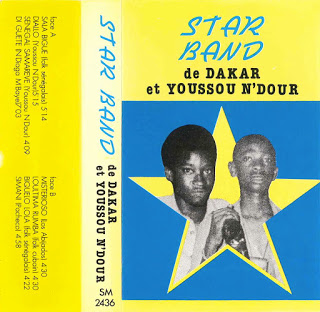
Also in 1976, Ibra Kassé recruits Youssou N’Dour, then sixteen years old. The young man quickly establishes himself as a dominant voice of the Star Band — but in 1978, he joins the group’s rhythm section to form his own formation, Étoile de Dakar, which would become Super Étoile de Dakar. Through these successive departures, Kassé’s Star Band became a true music school: Orchestra Baobab, Number One, Étoile de Dakar, Super Étoile — all the major currents of Senegalese music from the 1970s–80s find their source in the Miami Club nursery.
Major Works
| Work | Period | Why It’s Essential |
|---|---|---|
| Birame Penda Vagare | ~1960 | First Star Band recording, witness to Cuban origins |
| Chéri Coco | ~1970 | Transition to Wolof, maturity of the Senegalese-Cuban sound |
| Gozando (with Ouza et ses Ouzettes) | ~1974 | Collective experimentation, fusion of styles |
| Teranga (late reissue) | ~1970s | Captures the Star Band institution at its peak, perfected Cuban-Wolof fusion |
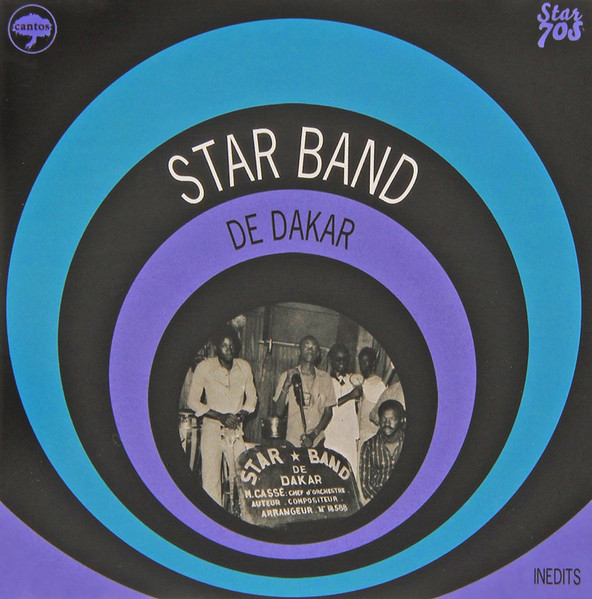
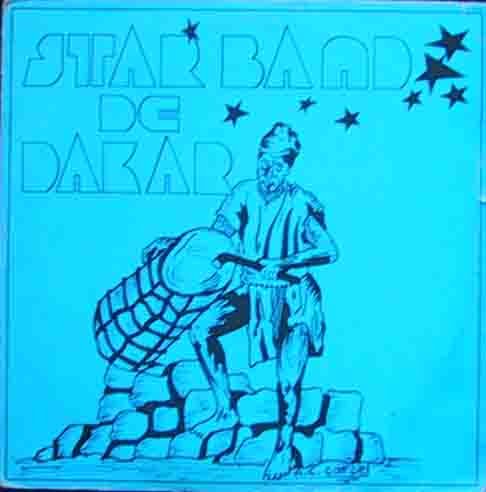
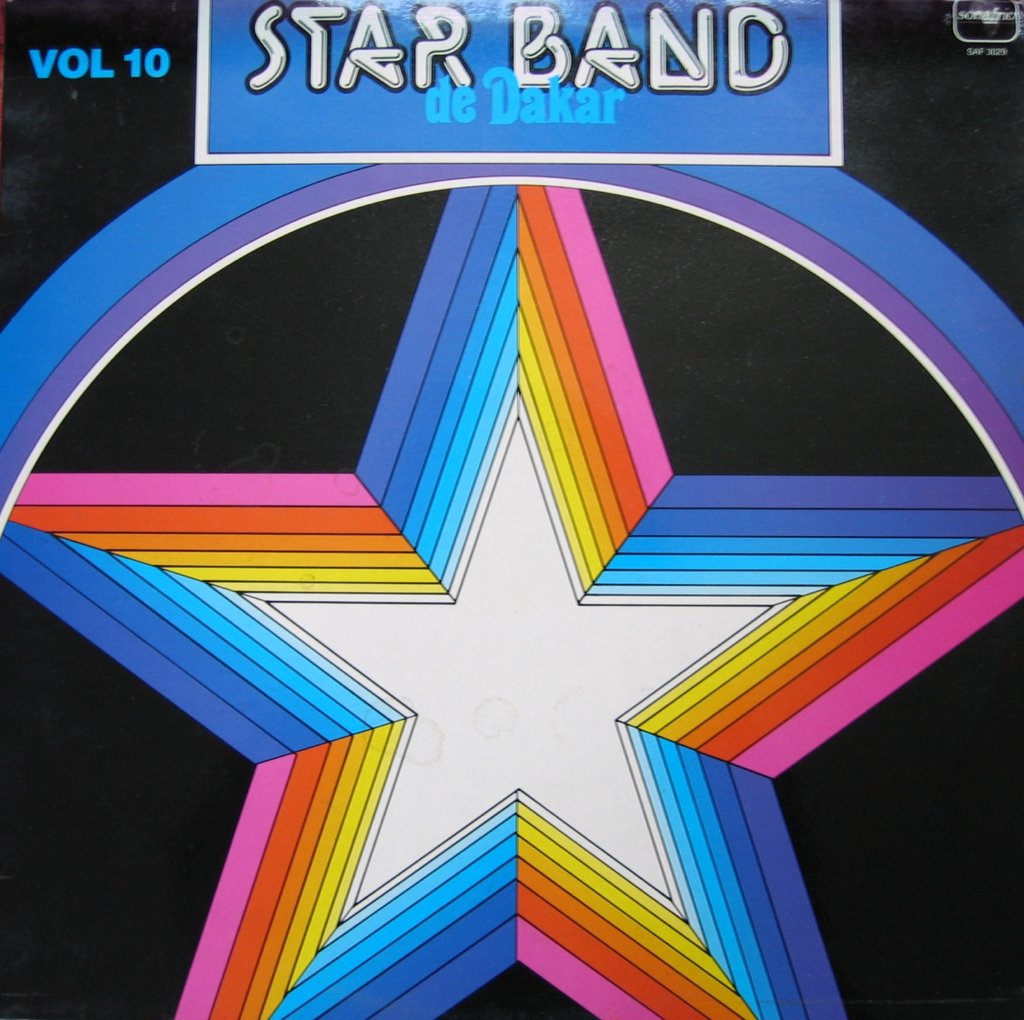
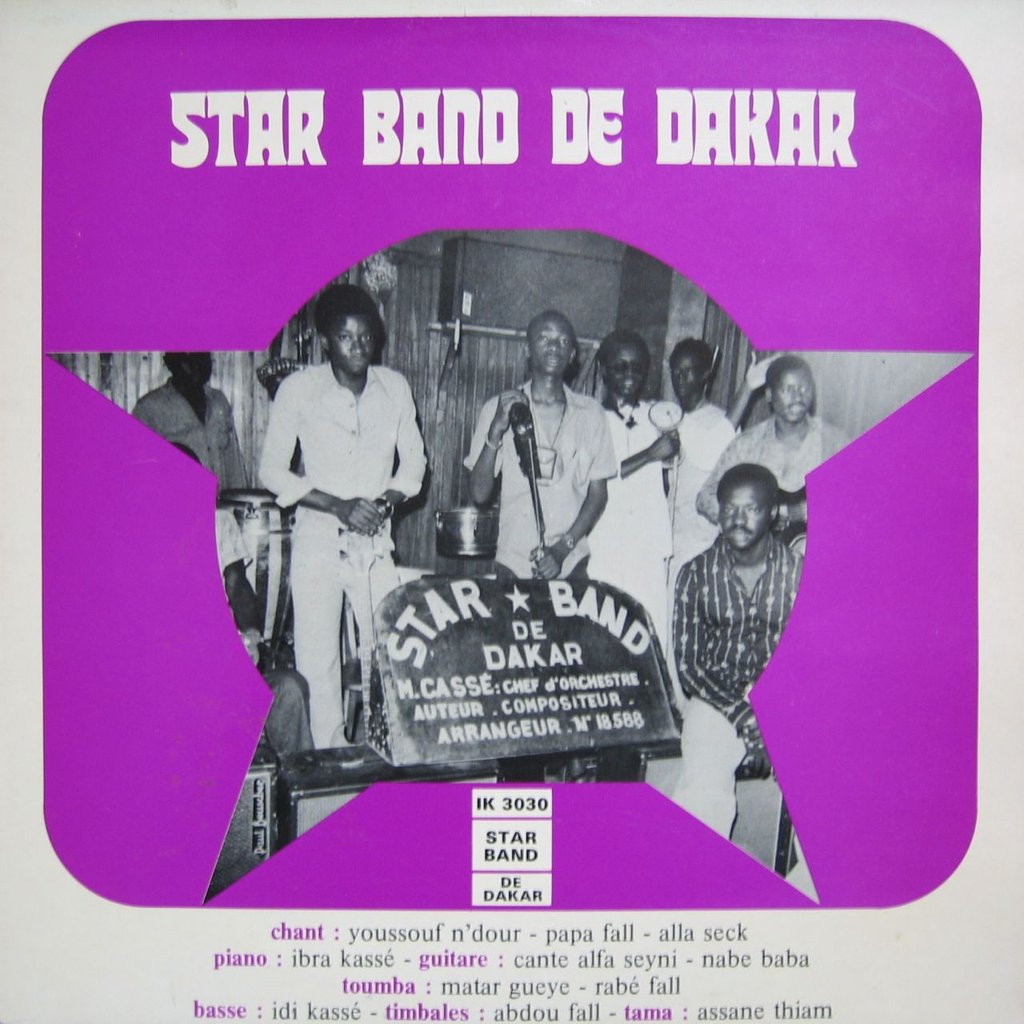
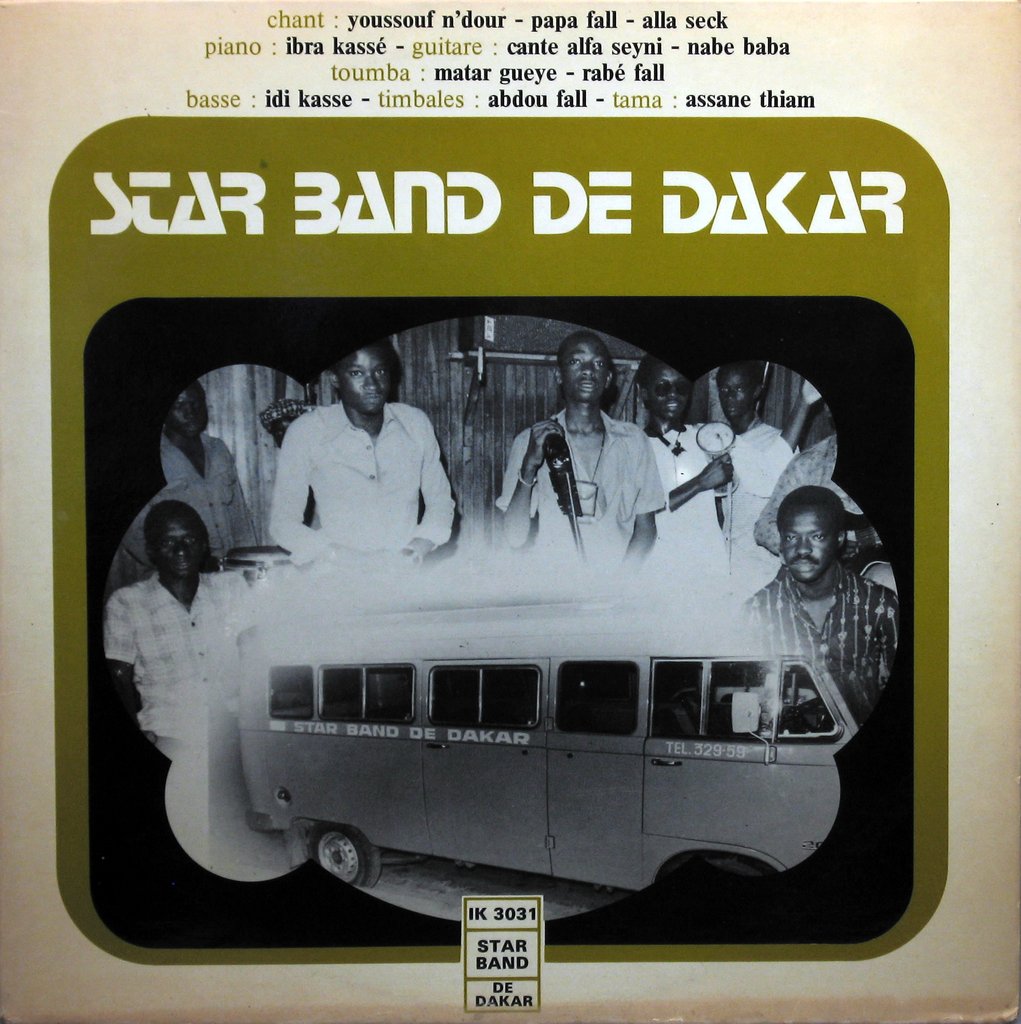
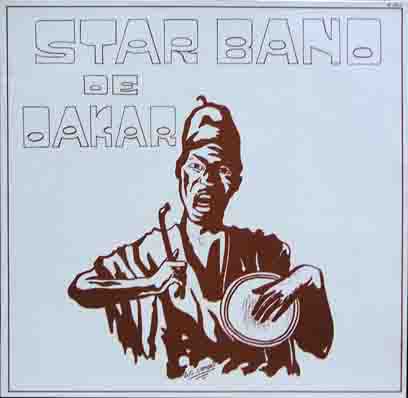
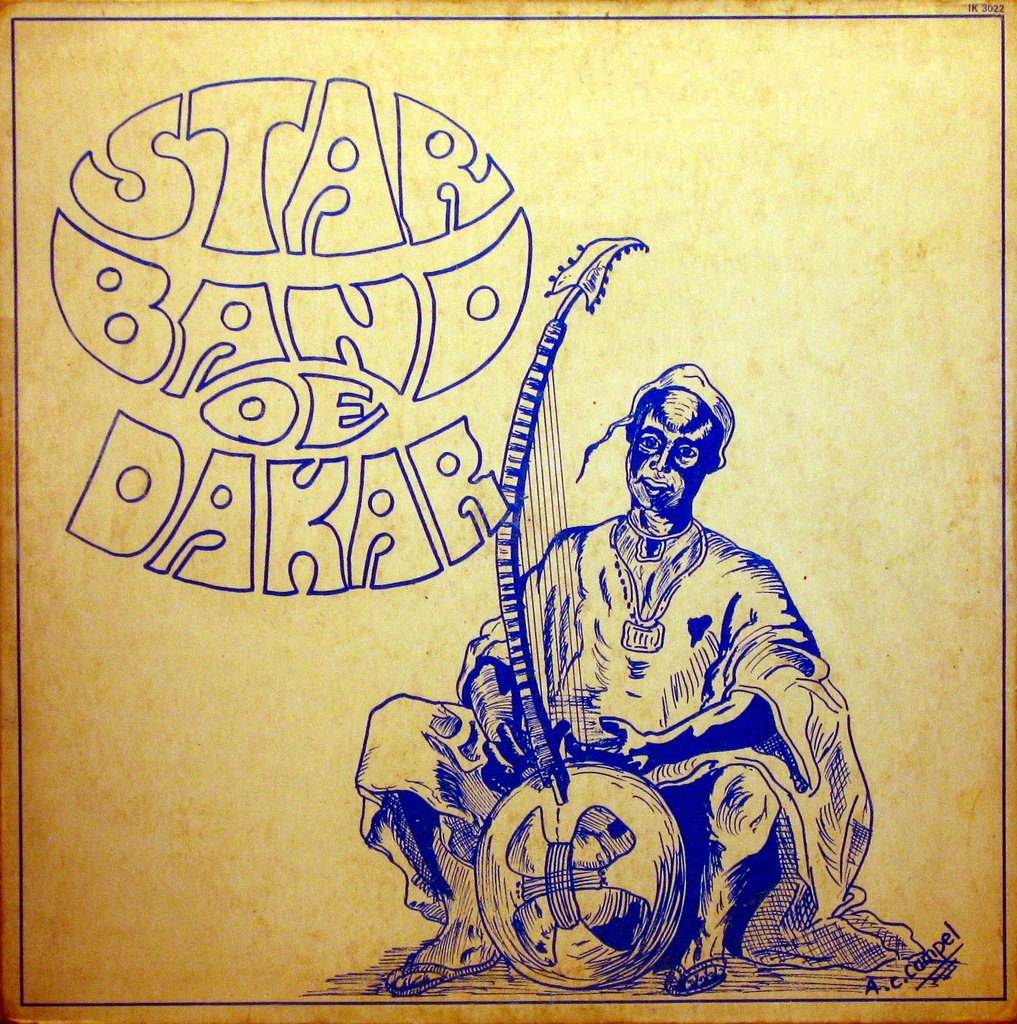
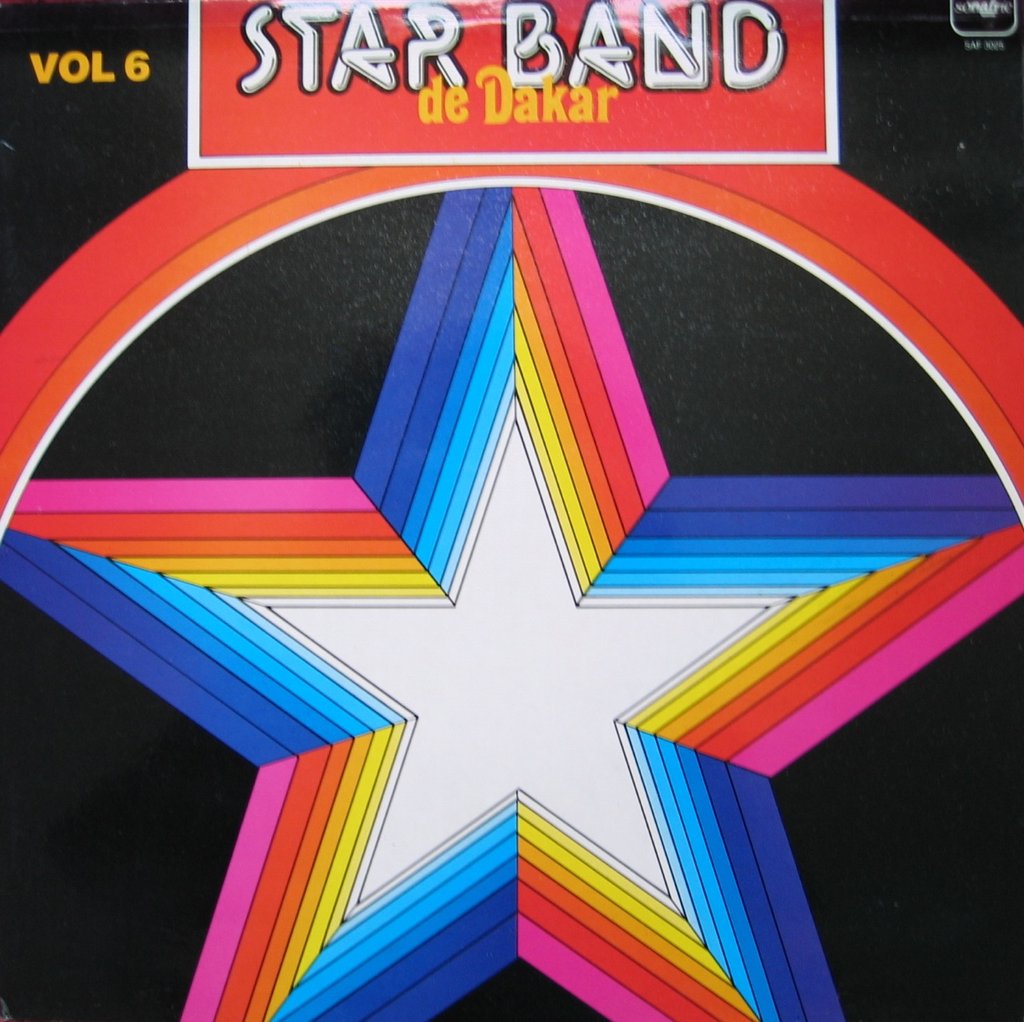
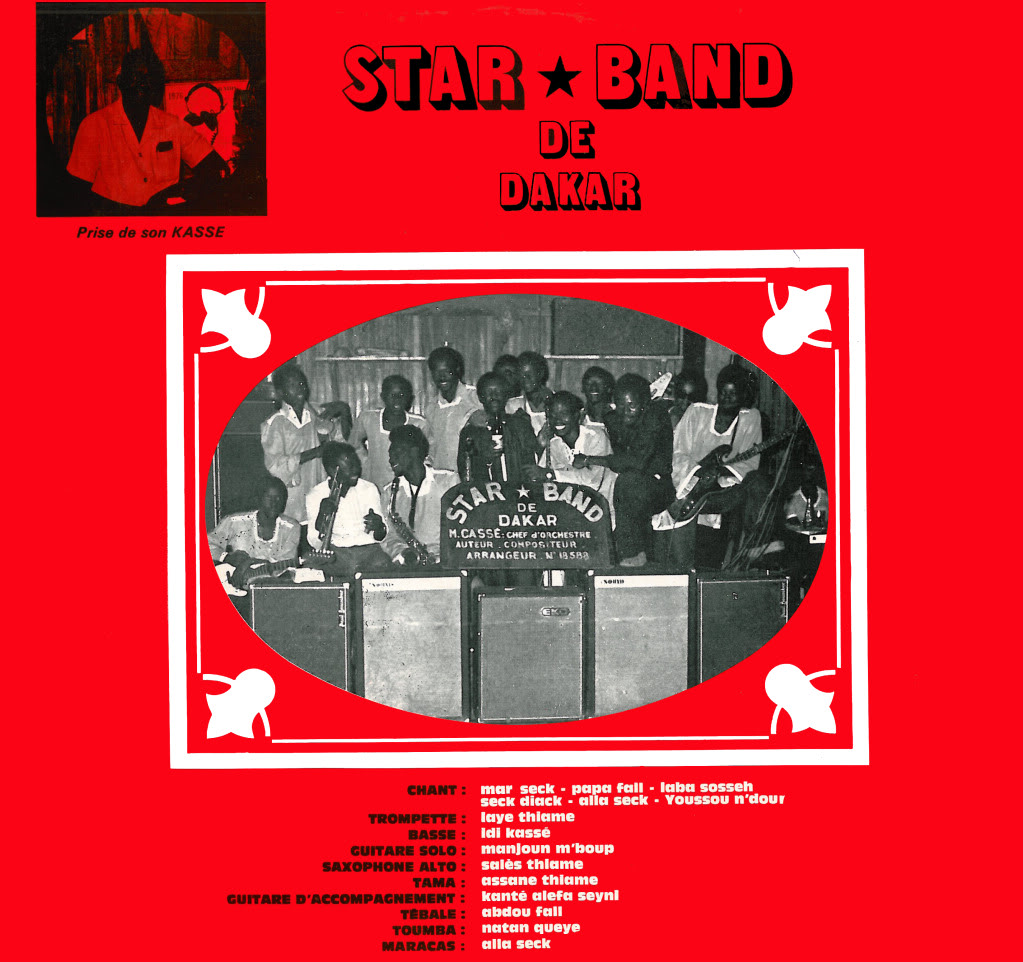
The group recorded twelve albums in Senegal, each featuring a back cover photo of Ibra Kassé designating him as conductor, composer, and arranger — sometimes contested by group members who felt their roles were undervalued.
Heritage and Influence
The Star Band from Dakar is the primary source of modern Senegalese popular music. It did not merely invent a sound — it shaped an entire generation of musicians. Youssou N’Dour, Balla Sidibé, Thione Seck, Pape Seck, and Laba Sosseh all passed through the Miami Club before building international careers. Western record labels (Analog Africa, Teranga Beat, World Circuit) discovered and reissued these recordings starting in the 2000s, allowing the Star Band sound to conquer a global audience. In 1975, director Ousmane Sembène incorporated the Star Band’s music into his film Xala, attesting to its cultural recognition at a time when Senegal was asserting its postcolonial identity. The Miami Club no longer exists, but every Senegalese group singing in Wolof over drum-tama rhythms pays indirect homage to the school founded by Ibra Kassé.
Sources and References
- « Star Band », Wikipedia in English, https://en.wikipedia.org/wiki/Star_Band, accessed 8 November 2026.
- « Star Band from Dakar », Encyclopædia Britannica, https://www.britannica.com/topic/Star-Band-de-Dakar, accessed 8 November 2026.
- Leon Jackson, « Star Band from Dakar — Biography », AllMusic, https://www.allmusic.com/artist/star-band-de-dakar-mn0001613662, accessed 8 November 2026.
- Ricorodriguez, « Star Band from Dakar », Jama Rico Wiki (Fandom), https://ricorodriguez.fandom.com/wiki/Star_Band_de_Dakar, accessed 8 November 2026.
- Dubmatix, « Dakar by Night: The Sound of 1970s Senegal », Bass Culture Music Magazine, https://bassculture.substack.com/p/dakar-by-night-the-sound-of-1970s, 2 September 2026.
- Mohamed Sow, « The Takeoff of the Star Band from Dakar », DUKOKALAM (Podcast L’Envol), https://dukokalam.com/lenvol-du-star-band-de-dakar/, 27 August 2022.
- Star Band from Dakar, « Psicodelia Afro: Cubana de Senegal », Ostinato Records, Apple Music, https://music.apple.com/fr/artist/star-band-de-dakar/124791565, accessed 8 November 2026.