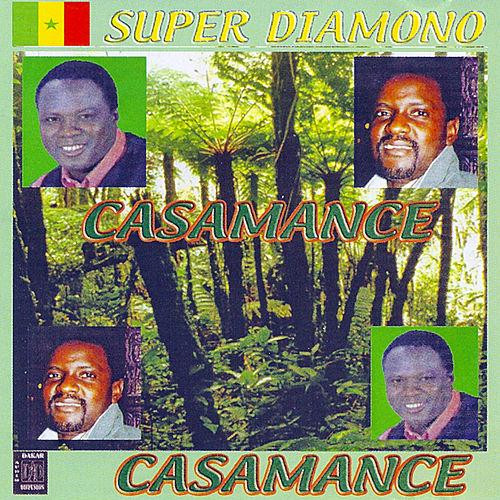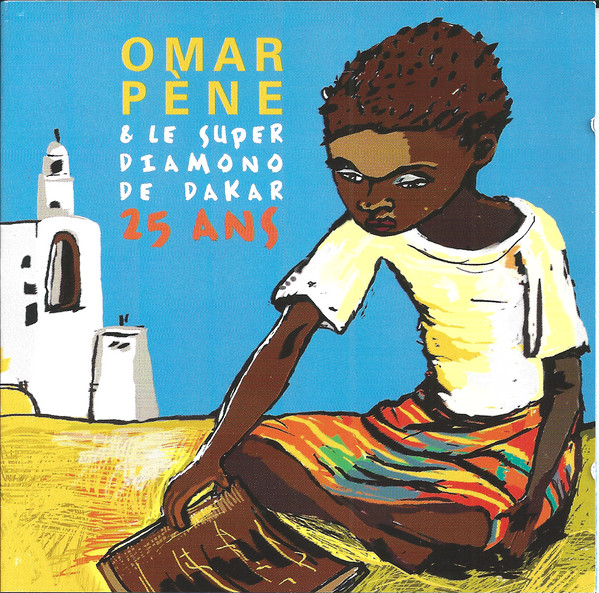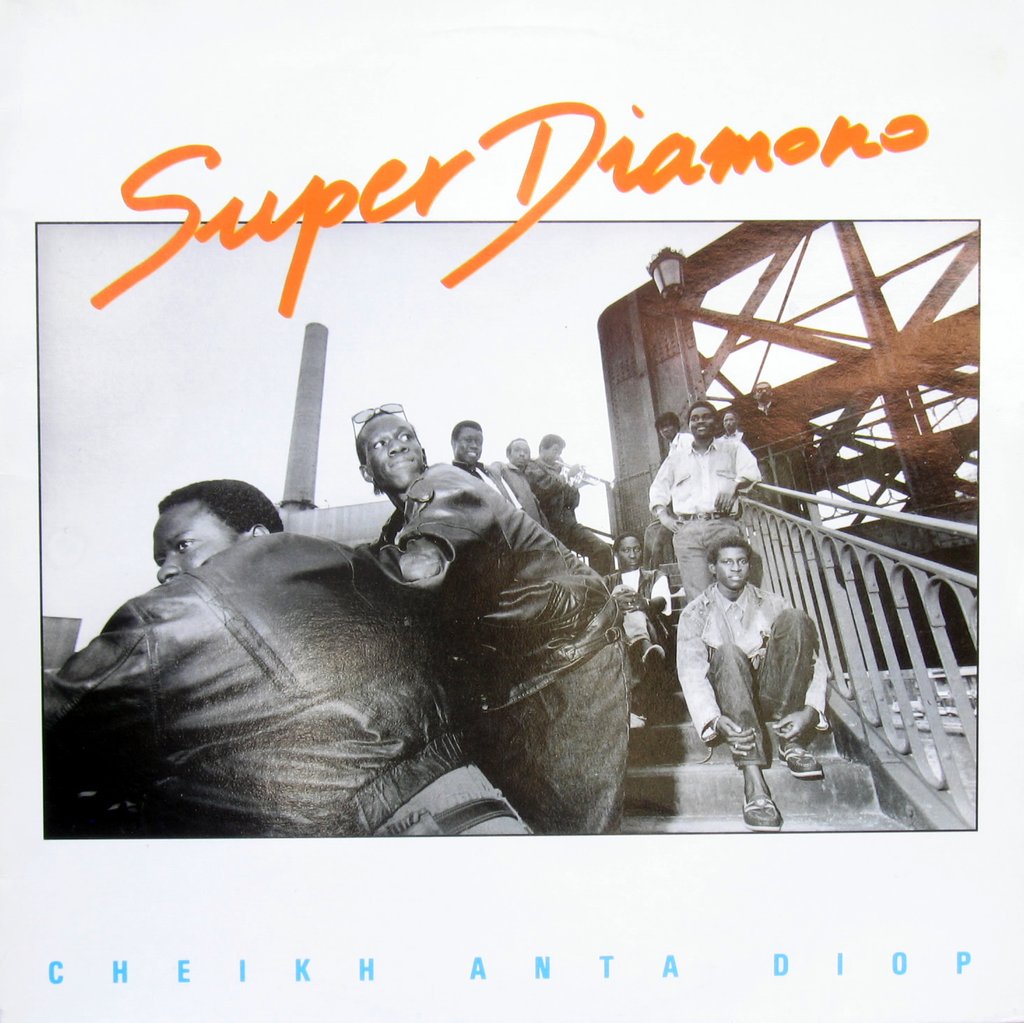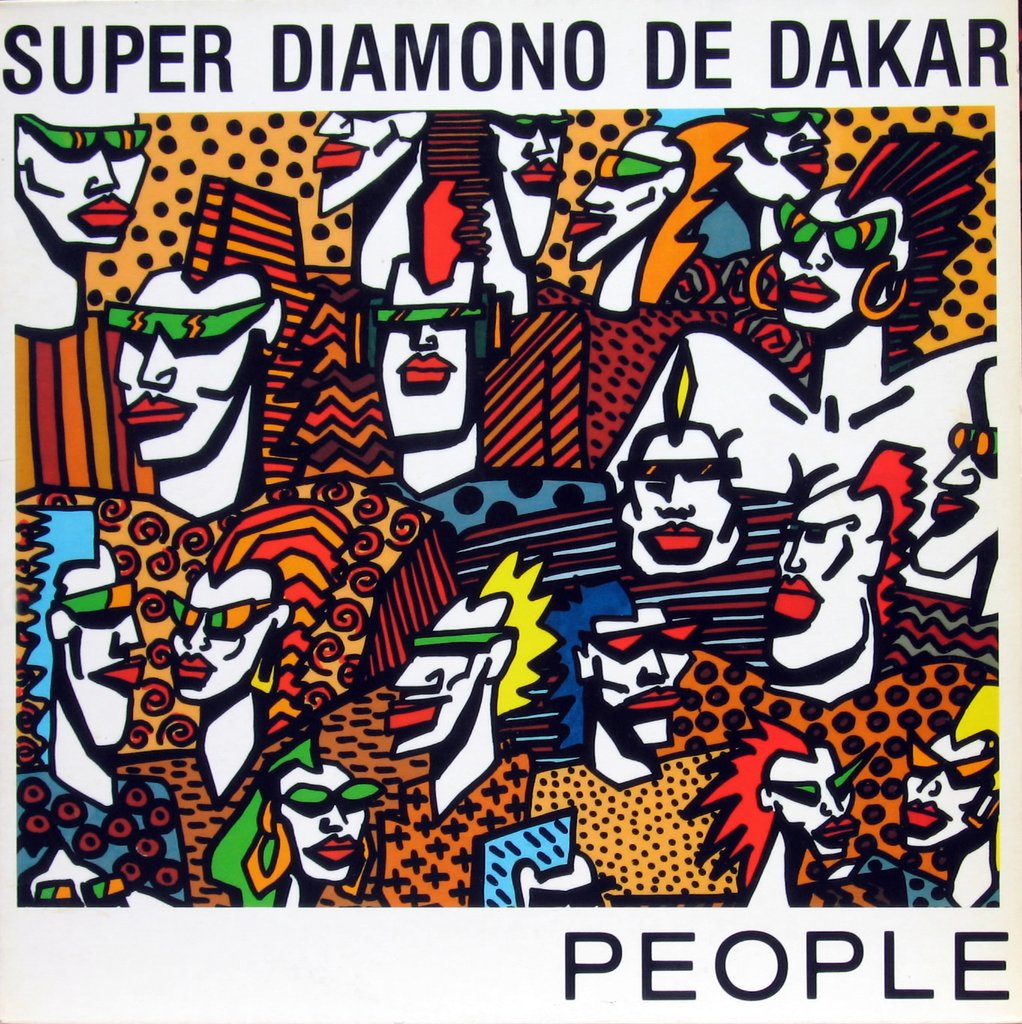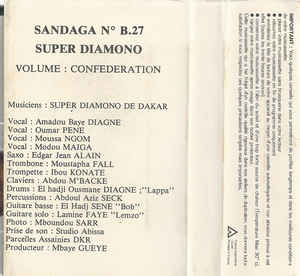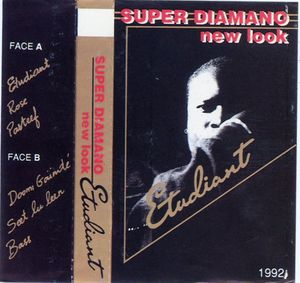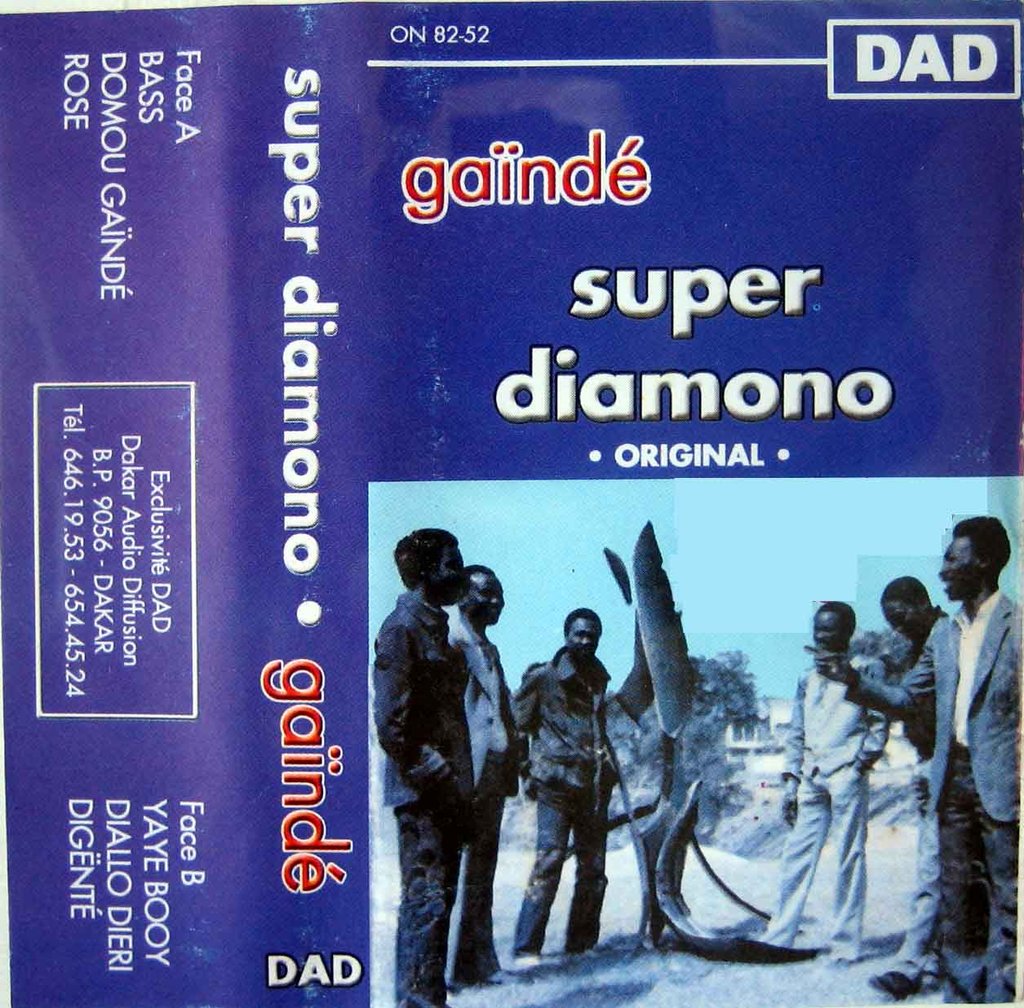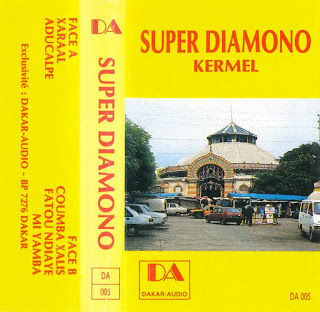
Biography
Super Diamono de Dakar: the generation that shaped the electric balafon
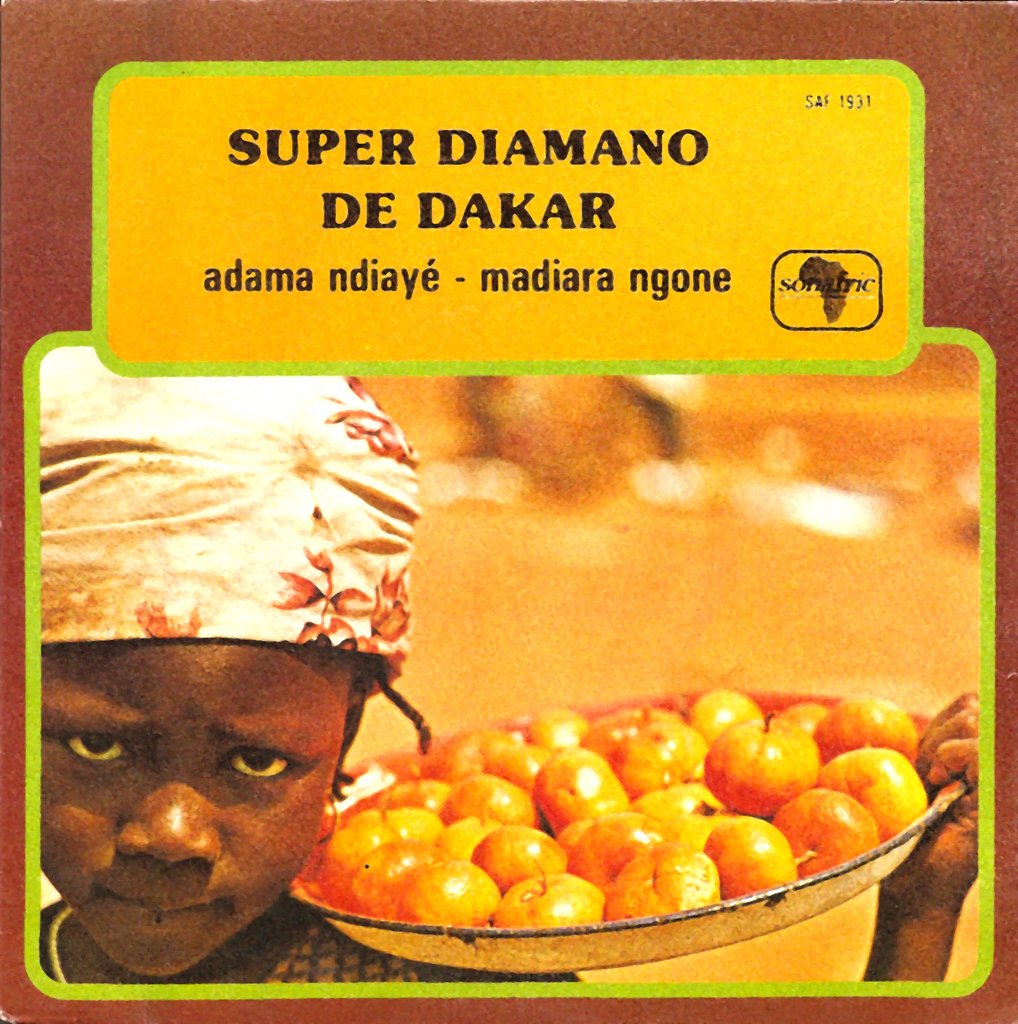
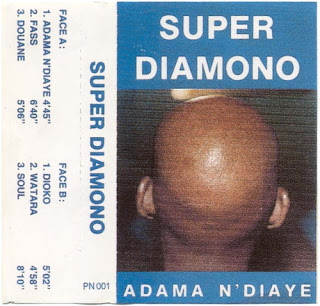
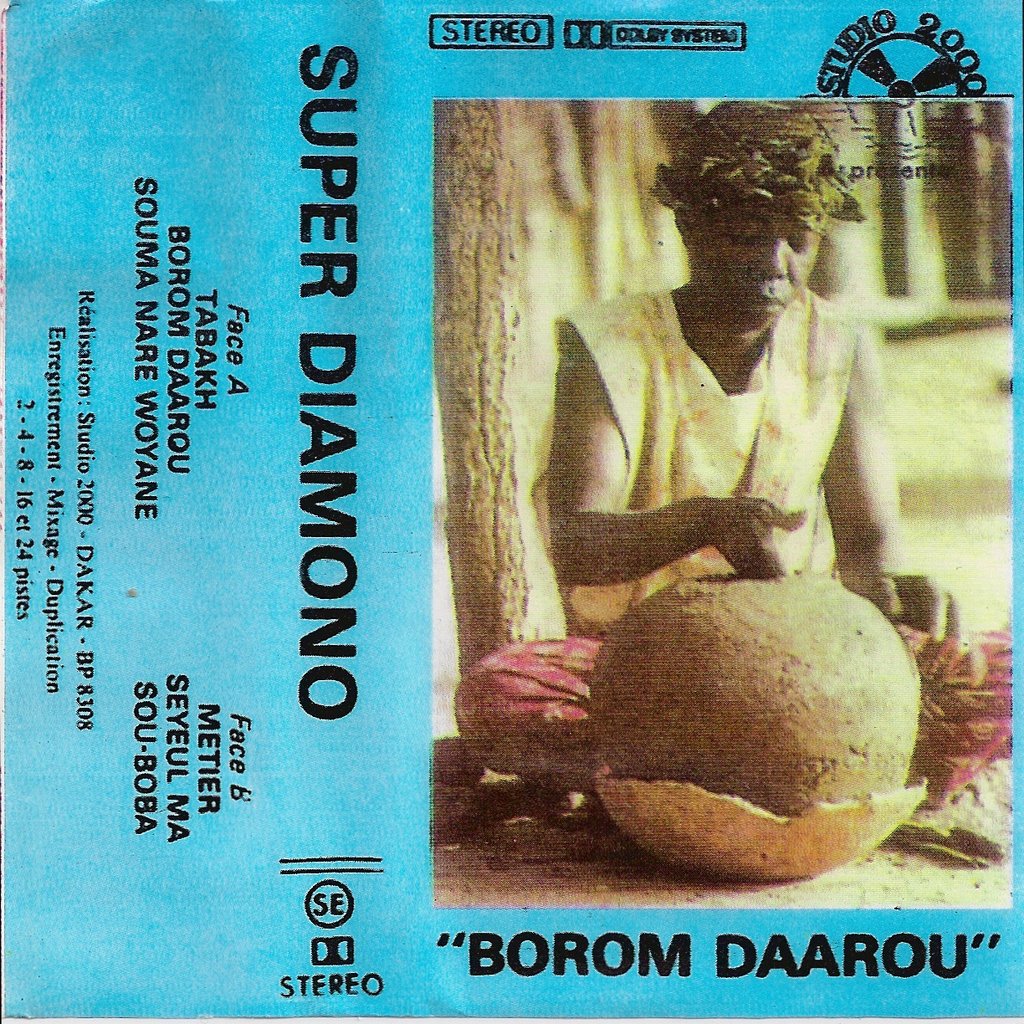
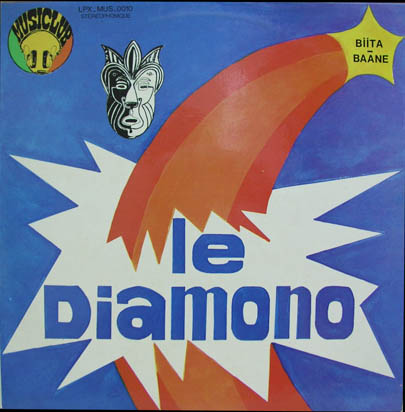
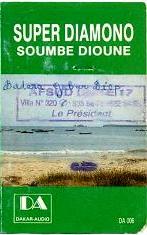
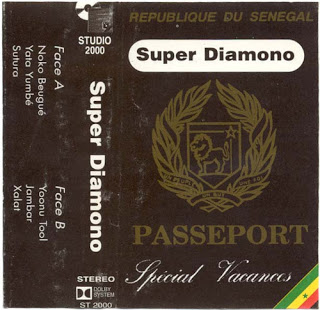
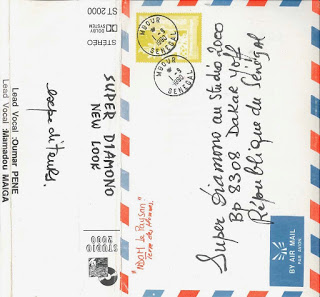
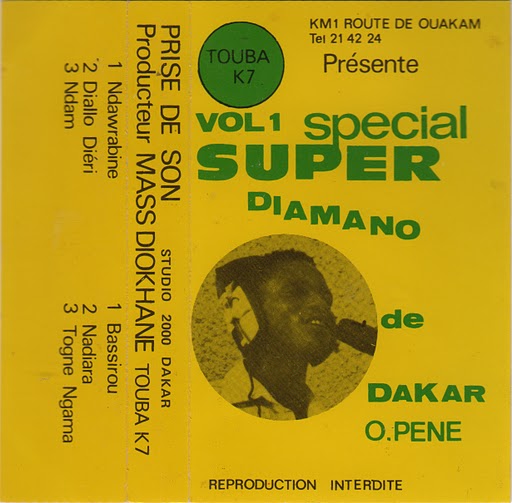
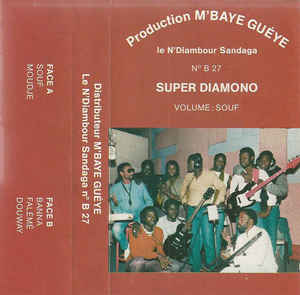
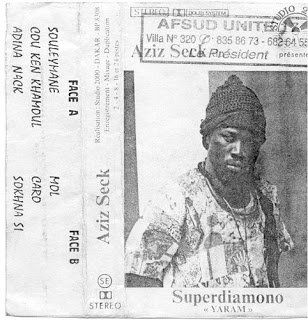
In 1977, a band of musicians from Dakar returned after two years of expedition through the Senegalese countryside, with local rhythms in their hands and fire in their bellies. Back in the capital, they fused these sounds with jazz, reggae, and mbalax to invent a style they called “balax-blues” — a furious dance music where electric guitars face off against traditional akoussas. This was the birth of a sound that international press would describe as “the first truly Senegalese pop music.”
In brief
| Name | Super Diamono (Super Diamono de Dakar, Omar Pene & Super Diamono) |
| Origin | Dakar, Senegal |
| Genres | Mbalax, rock, blues, reggae, jazz |
| Active period | 1975–present |
| Founding members | Bob Sene, Omar Pene, Ismaël Lô, Cheikh Diange |
| Iconic albums | People, Mam, Direct From Dakar |
Key dates
| Year | Event |
|---|---|
| 1972 | Fusion of Cadd Orchestra and Tropical Jazz, the group’s ancestors |
| 1975 | Birth of Super Diamono in Dakar |
| 1977 | Adoption of the name “balax-blues” |
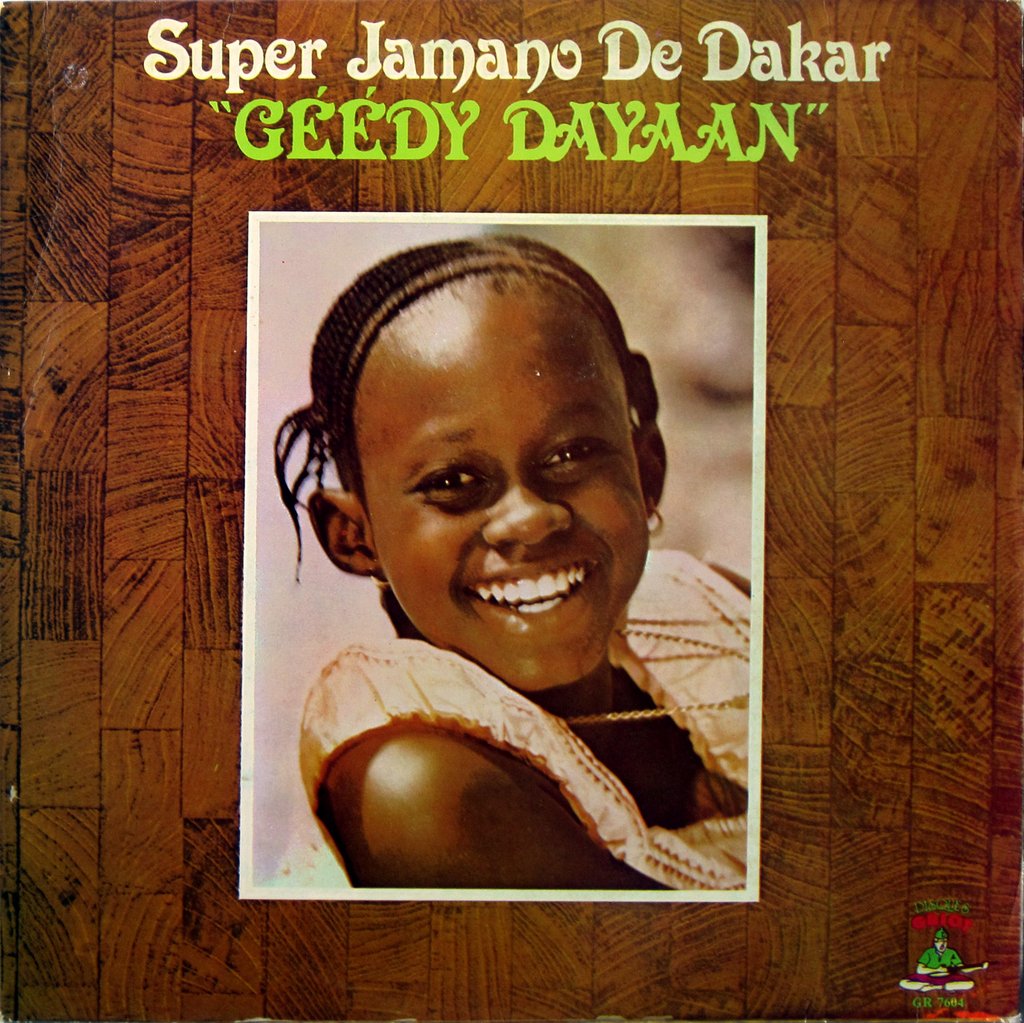
| 1979 | First album Géédy Dayaan released under Disques Griot |
| 1985 | Arrival of Gambian Moussa Ngum, charismatic singer |
| 1987 | Release of People, international launch |
| 1991 | Split; Omar Pene rebuilt the lineup |
| 1995 | Triumphant tour in Europe, United States, and Canada |
| 2021 | Omar Pene releases his first solo album, Climat |
From village expedition to planetary microphone
Super Diamono did not appear all at once. It is the fruit of a fusion in 1972 between two flagship formations from Dakar: Cheikh Diange’s Cadd Orchestra, composed of members of the Diange family, and Mady Konaté’s Tropical Jazz De Dakar. Manager Baïlo Diagne gradually brought these different factions together. Due to their family-oriented orientation, these early days earned the group the nickname “Diange Ochestra.”
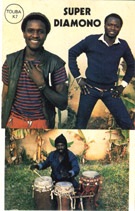
It was in this crucible that Super Diamono formed, around 1974–1975 — “the generation” in Wolof. Bassist Bob Sene is recognized as its creator, but it was the double charisma of Omar Pene and Ismaël Lô that drew the group into the spotlight. Omar Pene, born on December 28, 1955, in the popular Derkle neighborhood of Dakar, grew up amidst singing and sports: a junior football champion in the “Navétanes,” these neighborhood tournaments organized during the rainy season, he sang as he ran, with raw energy.
After a few years in the Afro-Cuban style, the band undertook a two-year expedition through the Senegalese countryside. They performed at market squares to earn their living while recording local musicians. Returning to Dakar in 1977, they had a renewed sound in their pocket. The first album, Géédy Dayaan, was released in 1979 under the label Disques Griot and immediately established an unprecedented sonic identity.
Their music, built on a heavy bass, drums that strike like thunder, and sharp brass, stood in direct opposition to their rival Youssou N’Dour’s approach: where the latter multiplied talk-synge drum breaks and vertiginous rhythmic signatures, Super Diamono played tight, effective, implacable. The New York Times wrote in 1987 that “the Senegalo-Gambian rock of Super Diamono de Dakar is an international blend that seems effortless.” The Rough Guide to World Music designated them as “the band of the proletarian suburbs’ people of Dakar.” Billboard Magazine described them as “the first truly local pop music from Senegal.”
Moussa Ngum, a Serer-ethnic Gambian singer, joined the group in 1985 and established himself as a vocal pillar. Ismaël Lô, co-founder in turn within and outside the group, departed for a brilliant solo career in the mid-1980s, paving the way for Mamadou Lamine Maïga’s piercing falsetto. The lyrics spoke to young people: unemployment, education, apartheid. “Aral Sa Doom” is a message about vaccination; “Yaye Boye,” an homage to Omar Pene’s mother.
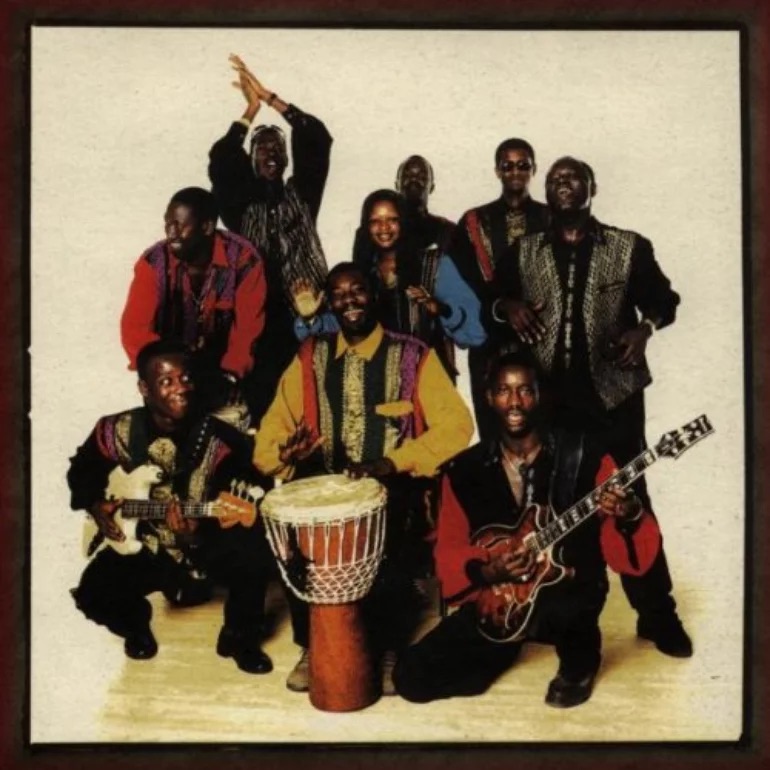
In 1991, most of the founding members left the group. Omar Pene rebuilt Super Diamono around studio musicians and toured Europe and North America in 1995. The group’s designation evolved over time, but the sound remained faithful to its promise: street music, violent and danceable, deeply rooted in Senegalese culture. In 2022, Peter Gabriel’s Real World label released Direct From Dakar, an album recorded in 1996, blending mbalax, funk, and rap. Omar Pene released his first solo album, Climat, in August 2021.
Major works
| Work | Year | Why it’s essential |
|---|---|---|
| People | 1987 | The album that launched Super Diamono on the international stage |
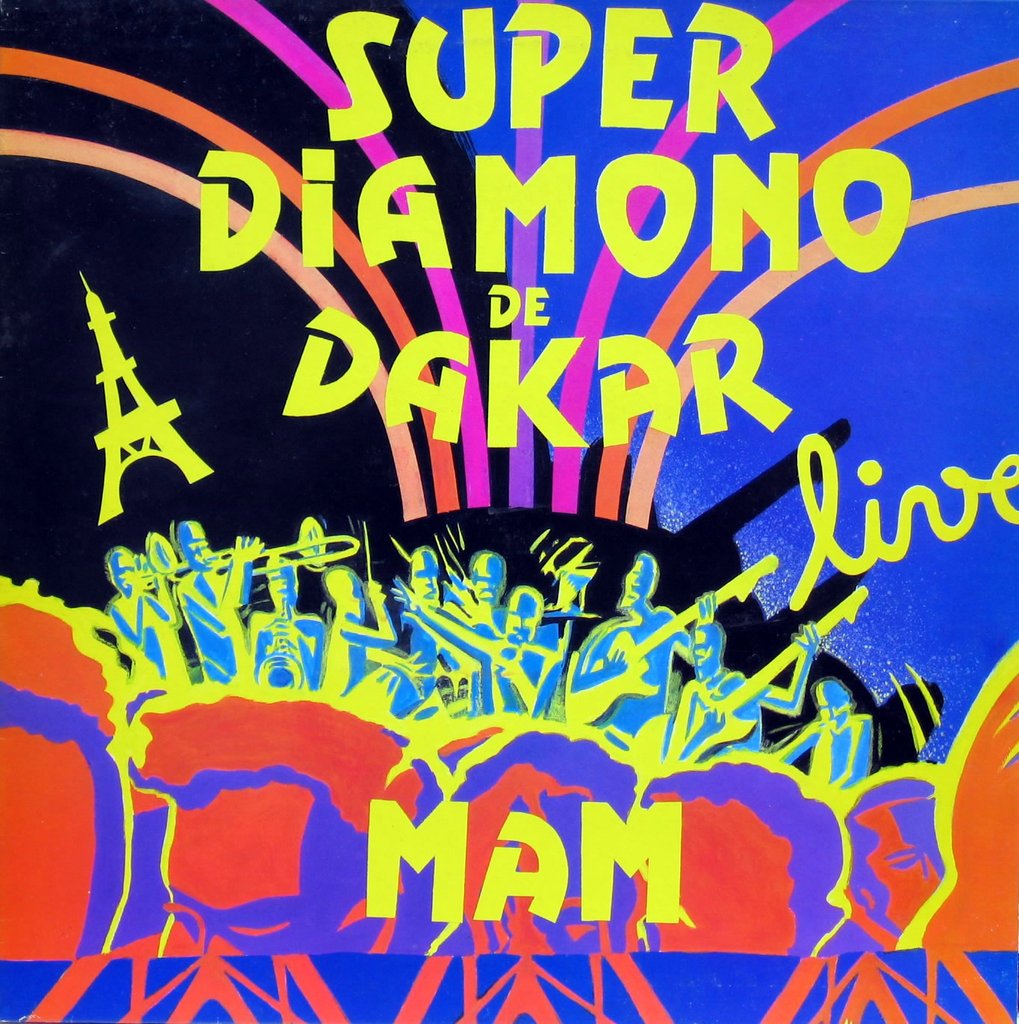
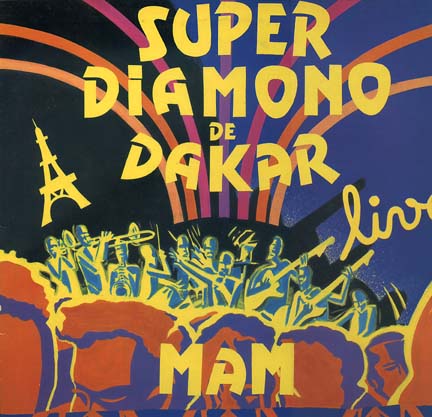
| Mam | 1984 | Energetic live album, witness to a burning scene |
| Géédy Dayaan | 1979 | First record, declaration of raw style |
| Direct From Dakar | 1997 | Refined sound, more live, recorded at Real World Studios |
Legacy and influence
Super Diamono is one of the first formations to prove that Senegalese music could invent its own modernity without passing through European production grids. Their legacy is read in the lineage of artists like Ismaël Lô, Moussa Ngum, and Ablaye Ndiaye Thiossane, all of whom passed through the group’s school. Their sound — that electric balafon doubled with a bass that shakes the floorboards — continues to influence musicians of the new African wave. Their engaged lyrics remind us that popular music is, above all, a mirror of the society that produces it.
Sources and references
- “Super Diamono”, Wikipedia (English article), https://en.wikipedia.org/wiki/Super_Diamono, accessed October 19, 2025.
- “Super Diamono De Dakar — Biography”, AllMusic, https://www.allmusic.com/artist/super-diamono-de-dakar-mn0001192589, accessed October 19, 2025.
- « Direct From Dakar — Liner notes », Real World Records, https://realworldrecords.com/releases/direct-from-dakar, accessed 19 October 2025.
- « Rock: Diamono of Dakar », The New York Times, 25 July 1987, https://www.nytimes.com/1987/07/25/arts/rock-diamono-of-dakar.html, accessed 19 October 2025.
- « Omar Pene — Biography », AllMusic, https://www.allmusic.com/artist/omar-pene-mn0000396363, accessed 19 October 2025.
- Rough Guide: World Music, Mirella Bauerle et al., Metzler, 2000, p. 253.