Biography
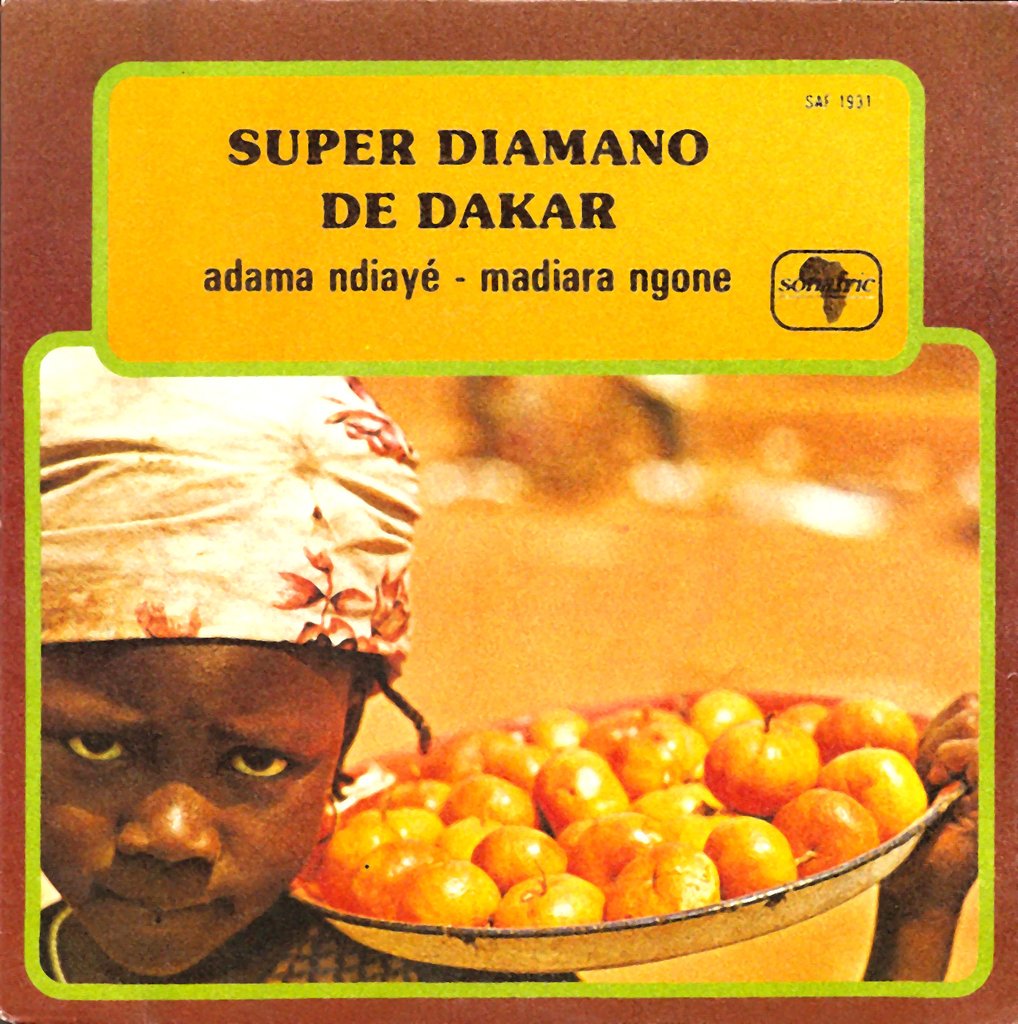
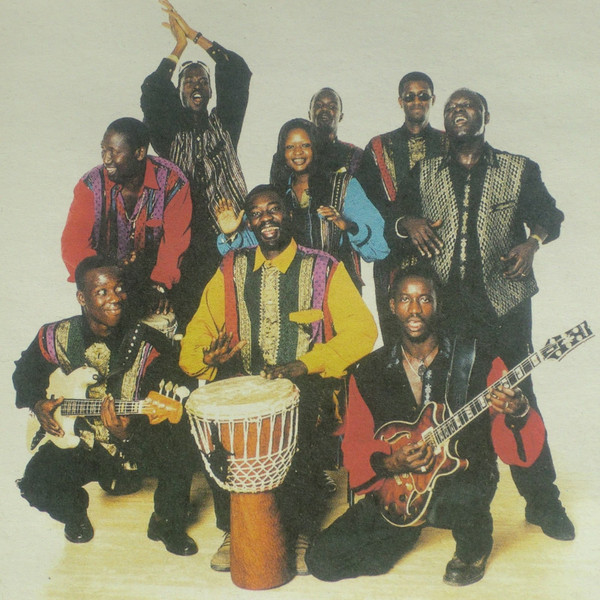
Super Diamono
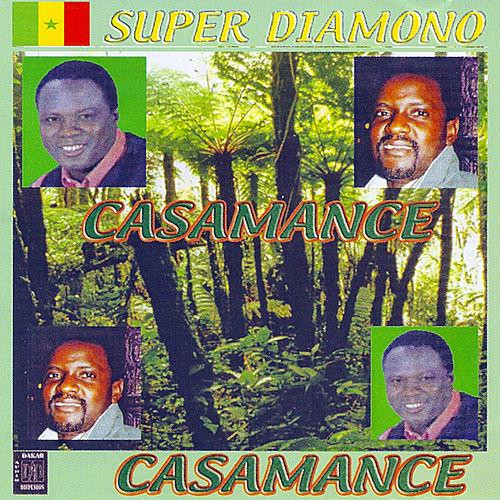
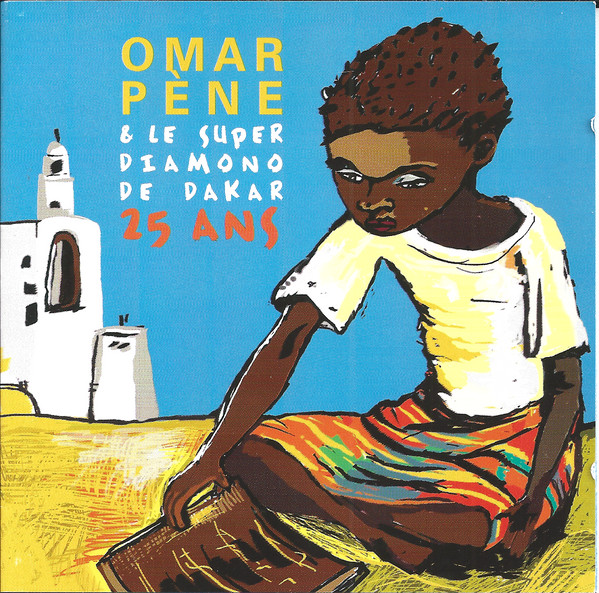
Dakar, 1970s. On the beaches of N’Gor, musicians play together before dawn: guitarists, drummers, and passing singers who form the foundation of a band destined to dominate the Senegalese stage for decades. In 1975, this blend of talents crystallizes into a single name: Super Diamono. This Wolof word means generation and it well summarizes the ambition of this group. Under the guidance of singer-composer Omar Pene and bassist Bob Sene, the group will embody what is most alive in modern West African music.
In brief
| Band Name | Super Diamono / Super Jamano de Dakar |
| Origin | Dakar, Senegal |
| Genres | Mbalax, rock, blues, reggae (Afrofeeling style) |
| Active Period | 1975–present |
| Founders | Bob Sene (bass), Omar Pene (vocals) |
| Notable Vocalists | Ismaël Lô, Mamadou Lamine Maïga, Musa Ngum |
| Major Labels | Disques Griot, Real World Records, Celluloid |
Key Dates
| Year | Event |
|---|---|
| 1972 | Fusion of Cadd Orchestra and Tropical Jazz, origin of the group |
| 1975 | Official creation by Bob Sene and Omar Pène |
| 1976 | First album Géédy Dayaan on Disques Griot |
| 1977 | Baptism of the Mbalax-blues style; return of Ismaël Lô on guitar |
| 1985 | Arrival of Gambian Musa Ngum; departure of Ismaël Lô on solo |
| 1987 | The People, first international album on Celluloid |
| 1988 | Cheikh Anta Diop, pan-African manifesto; departure of Musa Ngum |
| 1995 | Europe-USA-Canada tour, at the peak of popularity |
| 1997 | Direct From Dakar at Real World Studios, United Kingdom |
| ~1998 | Departure of Lamine Faye to create Lemzo Diamono |
From origins to international recognition: a school for mbalax
The story begins before even the name. In 1972, Baïlo Diagne, manager of Senegalese music, gathered musicians from two major Dakar formations — the Cadd Orchestra (a family orchestra directed by Cheikh Diagne) and the Tropical Jazz of Mady Konaté — with the idea of creating a super-band. The result, nicknamed in the early years the Diange Orchestra, quickly became a school: young talents and seasoned musicians shared the same stages. Bob Sene, a bassist with recognized talent, is credited as the true creator of Super Diamono, while Omar Pène, guitarist and singer integrated as early as 1972, quickly established himself as the group’s artistic pillar.
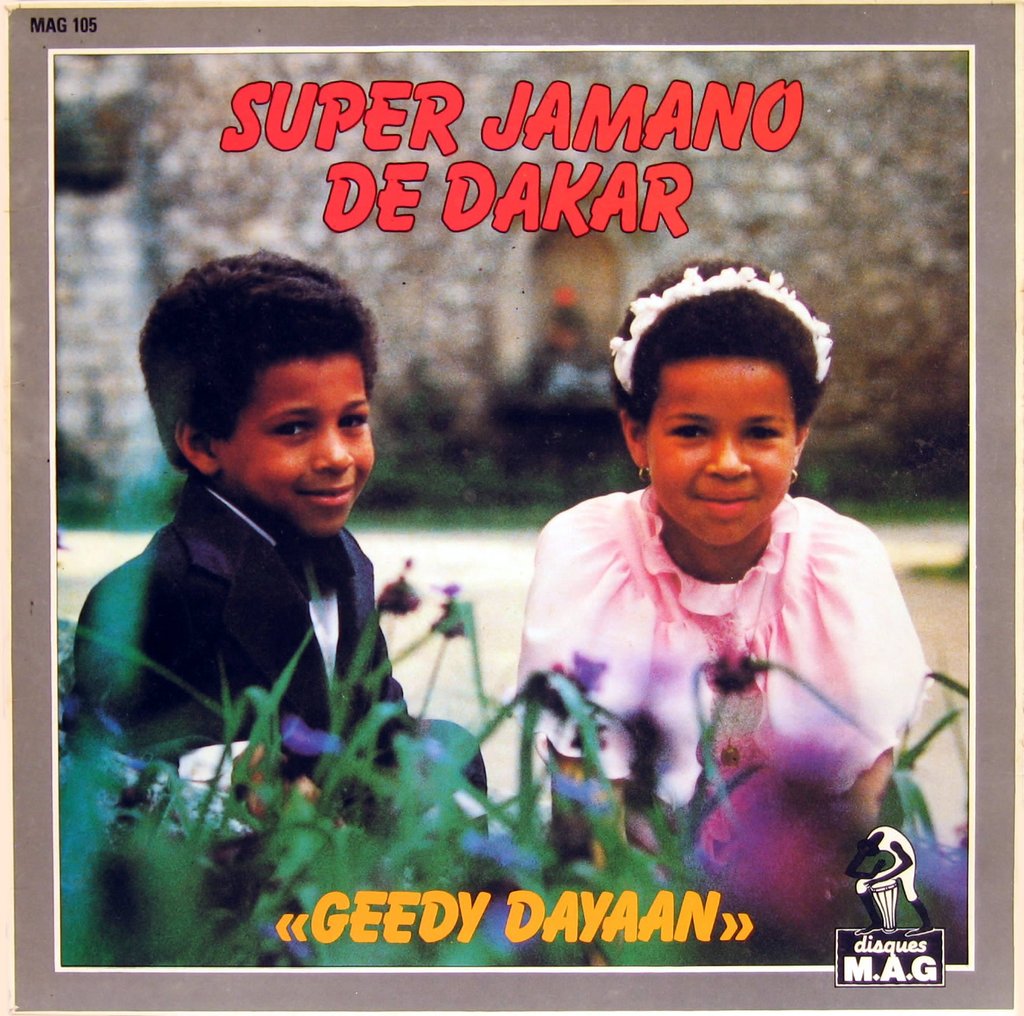
From its beginnings, Super Diamono played traditional West African music. Then came the turning point: the introduction of electric guitars, synthesizers, and Afro-Cuban influences. In 1977, the group baptized its mutation Mbalax-blues. The term mbalax designates a style born in Dakar at the end of the 1970s, marrying traditional Serer rhythms — these percussion instruments stemming from ndut rites — with modern pop and jazz. Super Diamono added its own touch: blues guitar, jazzy arrangements, and an ambition that Omar Pene named Afrofeeling — African music speaking to the whole world. The first album, Géédy Dayaan (1976), arrived with a still-emerging sound. The group had not yet found its signature, but Ismaël Lô — co-founder who would depart for his solo career — returned to guitar in 1979 and laid the foundations of the sound that made them famous.
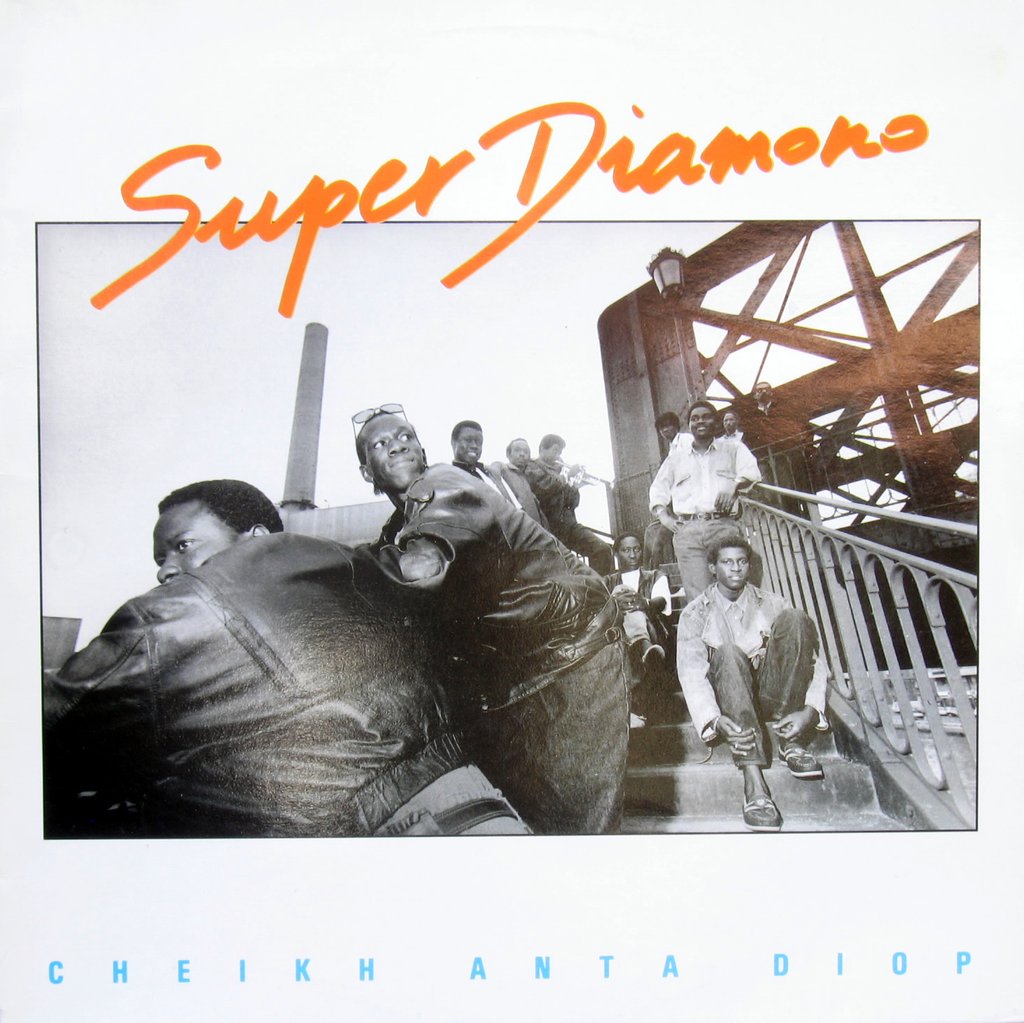
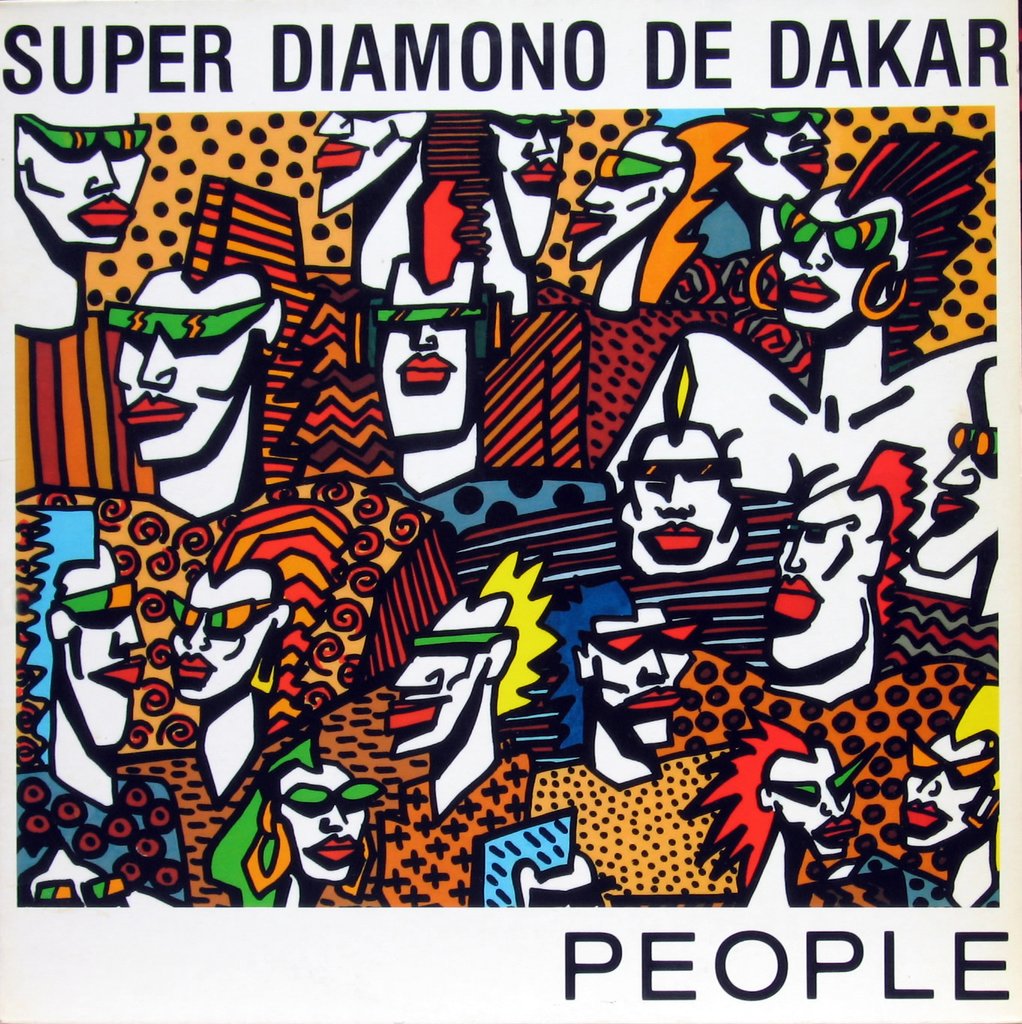
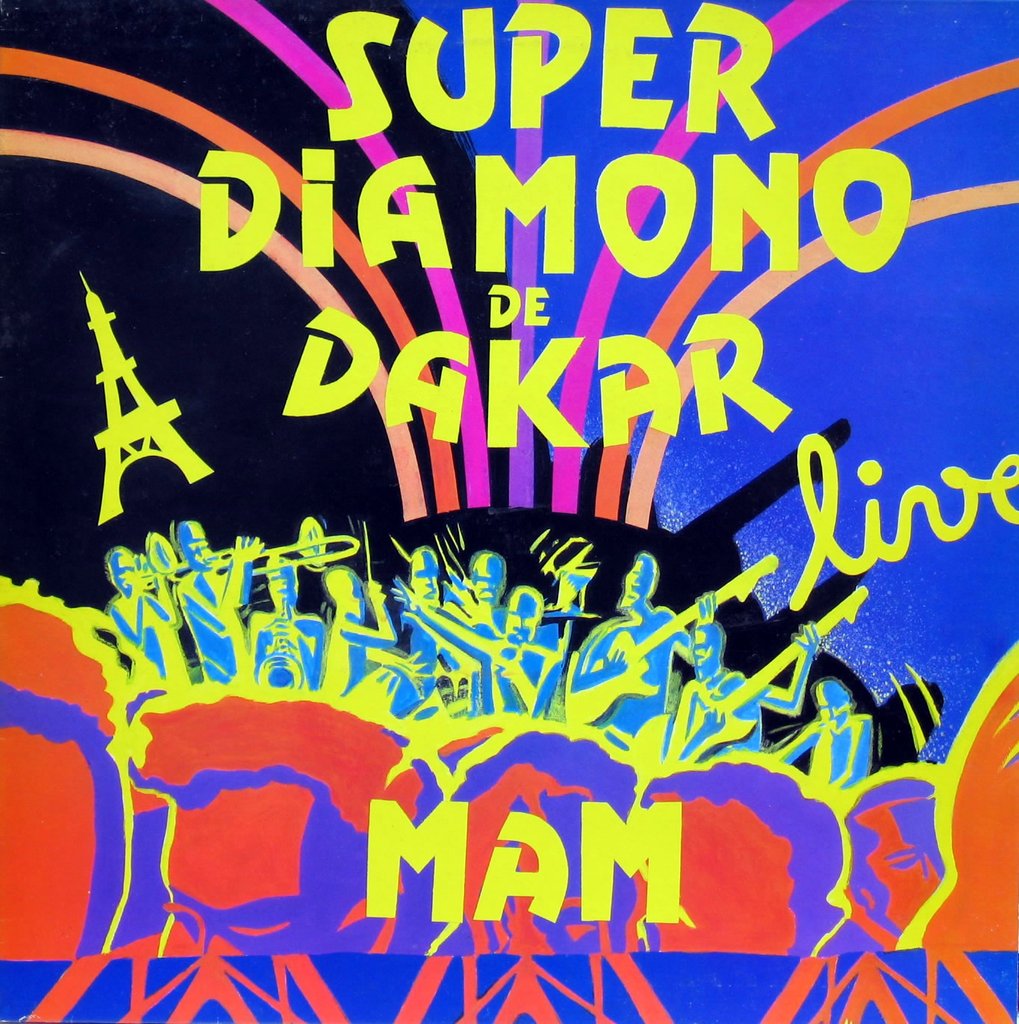
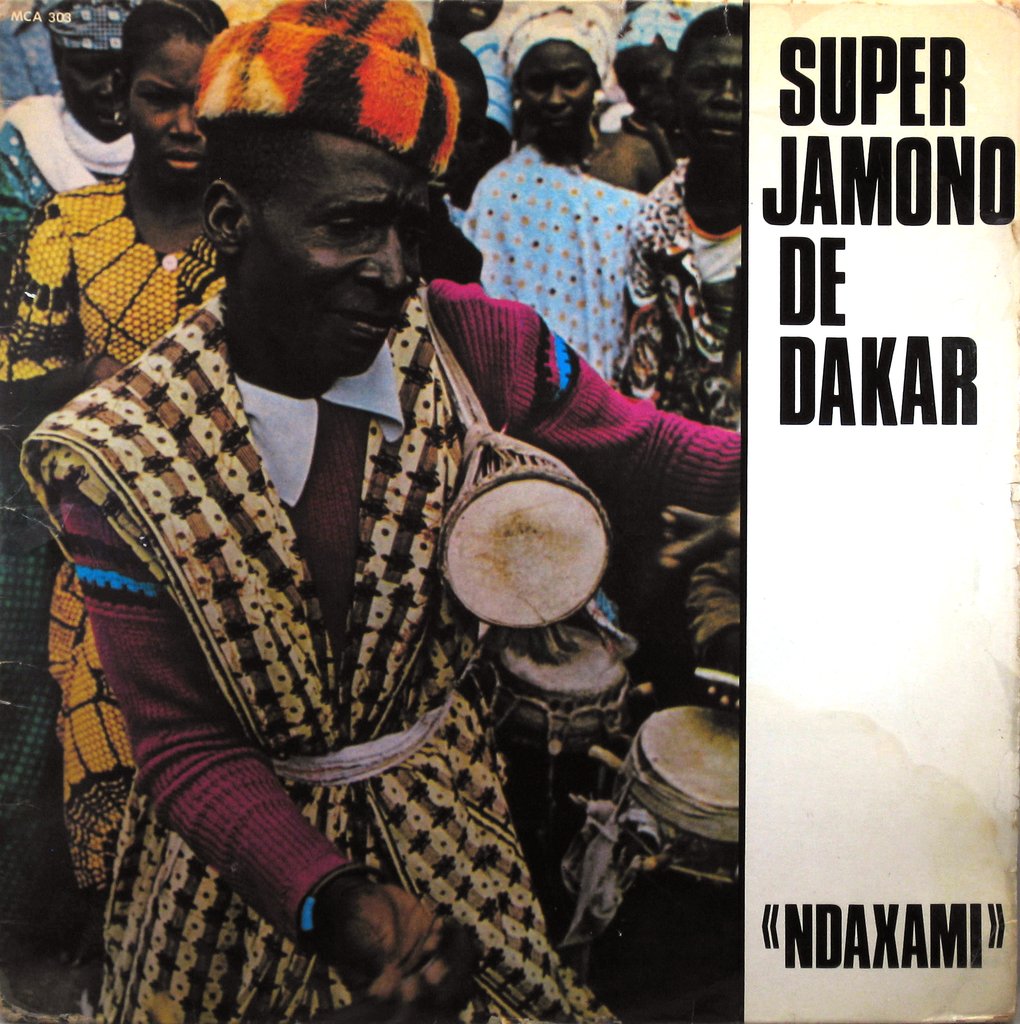
In the 1980s, Super Diamono became the largest band in Senegal. Billboard Magazine qualified it as the first true local pop style in Senegal, which well summarizes their pioneering role. The line-up illustrates the richness of the group: Ismaël Lô on guitar, Mamadou Lamine Maïga on falsetto, and in 1985 the Gambian Musa Ngum. Originally from Fatoto in The Gambia, this Serer singer coming from the njuup — ancestral traditional music of rites of passage — brought a vocal power that marked listeners. Musa Ngum, pioneer of mbalax and future cult icon of the Senegalo-Gambian region, stayed with the group until 1988. Each album explored a new path: Ndaxami (1984) refined the sound, Mam’ (1985) captured the energy of the live show, and The People (1987, first international album) signed the beginning of recognition abroad. The major turning point arrived in 1988 with Cheikh Anta Diop, an album dedicated to the famous pan-African historian. The record is a musical and political manifesto: electric guitars meet traditional percussion, afro-reggae (“Goune”, “Dou Dègne”) coexists with introspective melodies, and the lyrics denounce social plagues (“La Mouche”) while celebrating local culture (“Diaraf”). The rhythm ensured with precision by Bob Sène on bass and Lappa Diagne on drums, the guitar solos of Lamine Faye trace a line between lyricism and rock energy.
Like many landmark bands of this generation, Super Diamono knows its phase of constant mixing. Musicians leave the ship to launch solo careers or found their own orchestras. At the end of the 1990s, Lamine Faye founded Lemzo Diamono — a group that would itself become a school, introducing the marimbax, that synthesized marimba sound that would shape modern mbalax. In 1998, Pape Diouf joined Lemzo Diamono before establishing himself as one of the genre’s stars. Officially, the group separated around 1991 before being recomposed by Omar Pène, who alone ensured its artistic direction until today. In 1996, Super Diamono recorded Direct From Dakar at the Real World Studios in the United Kingdom — a major milestone, produced by Peter Walsh (of Peter Gabriel), which gave the group unprecedented international visibility. In 1995, they embarked on tours in Europe, the United States, and Canada. In 2017, they reached their forty years of existence — still on the road.
Major Works
| Work | Year | Why It’s Essential |
|---|---|---|
| Géédy Dayaan (under the name Super Jamano de Dakar) | 1976 | Group’s first album: raw but visionary sound that launched the Disques Griot adventure |
| Ndaxami | 1984 | The album that refined the Super Diamono sound: mbalax-blues and jazzy arrangements |
| The People | 1987 | First international album (Celluloid); entry onto the world stage |
| Cheikh Anta Diop | 1988 | Pan-African manifesto: guitars, Afro-reggae percussion, and committed lyrics that make the record a classic |
| Direct From Dakar | 1997 | Recorded at Real World Studios (United Kingdom): international recognition and a polished professional sound |
Legacy and Influence
Super Diamono is a school in its own right. Many of its former members became major figures in Senegalese mbalax — Ismaël Lô, Musa Ngum, Lamine Faye with Lemzo Diamono, Pape Diouf. The group served as a launchpad for hundreds of young musicians who learned their trade there. The Afrofeeling style — this blend of Serer tradition, blues, and modern pop — remains its DNA. Omar Pène continues to compose and tour with a consistency that is a source of pride for Senegal. More than forty years after their creation, Super Diamono is not a band of the past: it is a living musical institution.
Sources and References
- “Super Diamono”, Wikipedia (English version), https://en.wikipedia.org/wiki/Super_Diamono, accessed November 13, 2026.
- “Direct From Dakar”, Real World Records, https://realworldrecords.com/releases/direct-from-dakar/, accessed November 13, 2026.
- “Cheikh Anta Diop – Super Diamono, 1988”, Afro Caribbean Beats, https://afrocaribbeanbeats.com/en/cheikh-anta-diop-super-diamono-1988/, accessed November 13, 2026.
- “Omar Pene & Super Diamono (Senegal)”, Musiques d’Afrique (Frank Bessem), https://www.musiques-afrique.net/senegal/art-diamono.html, accessed November 13, 2026.
- “Musa Ngum”, Wikipedia (English version), https://en.wikipedia.org/wiki/Musa_Ngum, accessed November 13, 2026.
- “Pape Diouf, Mbalax with Honor!”, Afropop Worldwide, https://www.afropop.org/articles/pape-diouf-mbalax-with-honor, accessed November 13, 2026.
- “Super Diamono de Dakar Discography”, Discogs, https://www.discogs.com/artist/1529043-Super-Diamono-De-Dakar, accessed November 13, 2026.
- Senegal 7, “Anniversary: Omar Pène blows out 63 candles on December 28”, by Ibrahima Ka (December 28, 2019), Wikipedia reference cited in Super Diamono article, accessed November 13, 2026.