Biography
Tatiana Miath
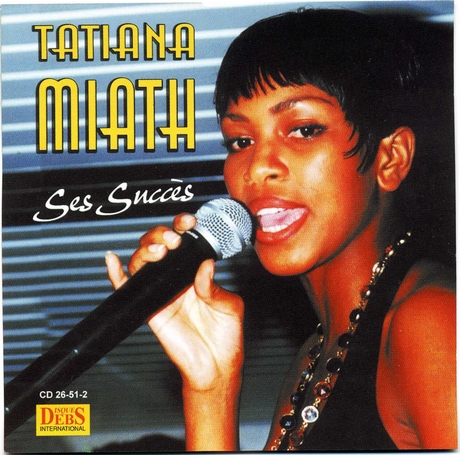
In 1987, at the age of thirteen, Tatiana Miath took to the stage with her brother Eddy’s group. The audience had no idea they were hearing the beginning of the career of one of the most constant voices on the Antillean scene. Since then, Jacqueline Tati Miath — her civil name — has never stopped navigating between genres, from traditional zouk to EDM, passing through raï and trap, while carrying her Guadeloupean roots like a compass.
In brief
| Full name | Jacqueline Tati Miath |
| Birth | January 13, 1974, Les Abymes, Guadeloupe |
| Field | Singer, songwriter; zouk, pop, EDM, afrobeats |
| Signature works | New Generation, Hey Girl, “On Ti Dousè” |
| Awards | Listening award at Grand Méchant Zouk (Zénith de Paris, 1990) |
| Group | Zouti (1987–1988) |
Key dates
| Year | Event |
|---|---|
| 1987 | First album with Zouti, her brother Eddy’s group; age 13 |
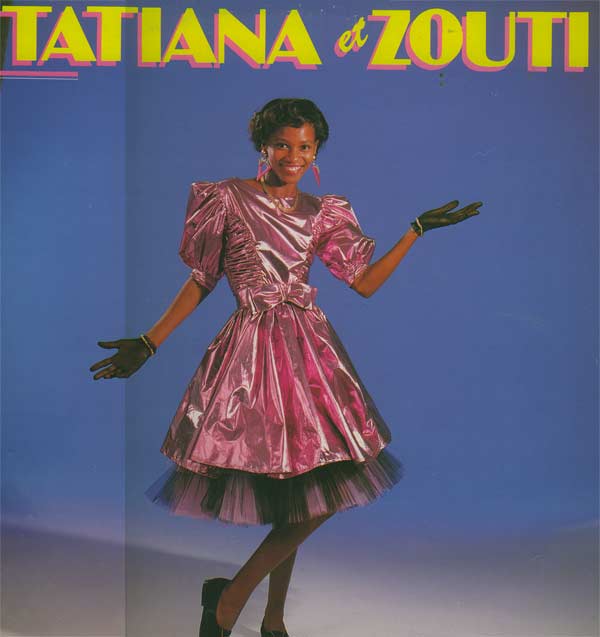
| 1988 | First solo album, Tatiana et Zouti (Debs Music) |
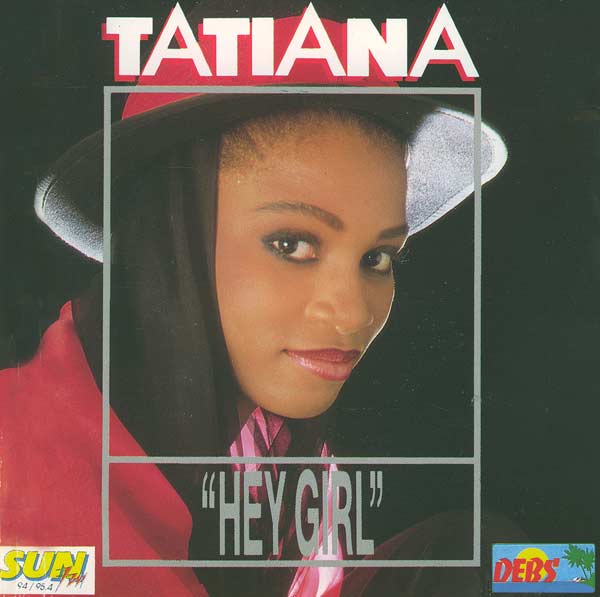
| 1990 | Grand Méchant Zouk at Zénith de Paris; release of Hey Girl |
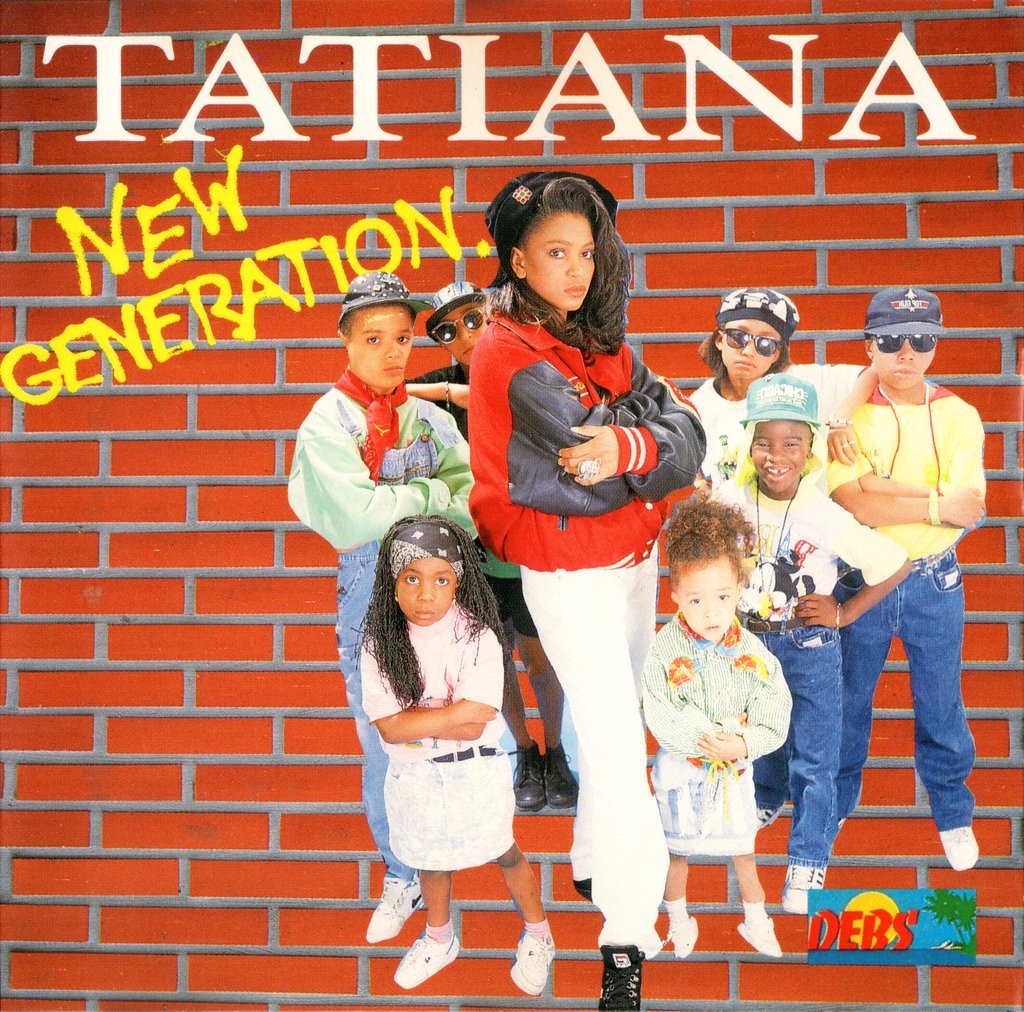
| 1992 | Album New Generation, which consolidated her place in Antillean zouk |
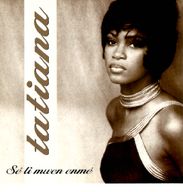
| 1994 | Fourth album, Sé Li Mwen Enmé; beginning of international collaborations |
| 1996 | Duo Tony & Tatiana (compilation Douce Folie) with Tony Chasseur |
| 2004 | Collaboration sessions with Khaled, Kassav’, Laurent Wolf, Ali Faxx |
| 2019 | Launch of E-streetz label; release of Fais Pas Semblant |
| 2025 | Album Never Die, pop-electro fusion; Neon Tour 2026 |
Origins, first glimmers: zouk as a mother tongue
Tatiana Miath was born Jacqueline Tati Miath on January 13, 1974, in Les Abymes, Guadeloupe. Far from the paths of exiled artists, she grew up in the Creole crucible that forged Antillean sounds of the 1970s and 1980s. From the age of six, she sang, danced, and performed in local stepping-stones. By ten years old, her brother Eddy entrusted her with a stage role — terrifying but unforgettable, she says today. This childhood experience remains for her as body memory: the audience, the light, the breath.
At thirteen, she entered the studio with Zouti, her brother Eddy Miath’s group. Their first records on Debs Music made an impression in the archipelago — a young voice carried a zouk still trembling from its first hours. This first success pushed Tatiana into solo work the following year: Tatiana et Zouti (1988) was a direct hit. The Antillean public recognized in her a singer who owned her accent, her Creole language, and local melodies.
The following year, the Grand Méchant Zouk at Zénith de Paris offered Tatiana an unprecedented platform. Invited to the largest zouk stage in France, she shared the bill with major figures including Kassav’. The exposure was immense; she took advantage of it to publish Hey Girl (1990), a new album that confirmed her identity.
Ascent, shifts, and resilience: a career between flashes and recompositions
The 1990s offered her continuous success. New Generation (1992) and then Sé Li Mwen Enmé (1994) anchored Tatiana as one of the faithful voices of Antillean zouk. But behind the albums, her curiosity drew her toward terrains she had not conceived. From 1994 onward, she ventured into collaborations that went beyond the Antillean framework — and multiplied artistic turning points.
Between 1996 and 2004, Tatiana Miath alternated duet projects (duo with Tony Chasseur on the album Douce Folie, 1996) and collaborations with female artists: she recorded alongside Khaled (the album Ya Rayi, 2004), Kassav’ (K’Toz), Laurent Wolf (Rock Machine), Ali Faxx — all signs of a singer who refuses to be confined to a single genre or stage.
From the 2000s onward, she published fewer original albums but never stopped composing. G Né Pa le Tan (2005) and then a second volume under I Miss You Baby (2020) translated clear stylistic changes: the artist integrated EDM, afrobeats, and trap into her vocabulary. In parallel, she founded E-streetz, her own label, which gave her control over her production and releases.
In 2025, she published Never Die, an electro-influenced pop album composed of seven tracks — including the singles “Norn”, “1st Kiss” and “BMS”. With this work, she announced her Neon Tour 2026, a sign that a new chapter of her career is open: that of a musician who continues to change skins, always faithful to her Caribbean insistence.
Major works
| Work | Year | Why it’s essential |
|---|---|---|
| Tatiana et Zouti | 1988 | First solo steps, a voice emerging at age thirteen |
| Hey Girl | 1990 | Confirmation at Grand Méchant Zouk of Zénith de Paris |
| New Generation | 1992 | Signature album that anchored her artistic identity |
| Sé Li Mwen Enmé | 1994 | Fourth opus; her last before international collaborations |
| Never Die | 2025 | Pop-electro renaissance, world tour 2026 |
Legacy and influence
Tatiana Miath remains a reference in the Antillean zouk landscape: her ability to cross eras, from the genre’s first hours to contemporary EDM, is a model of resilience for artists from the Overseas. Beyond zouk, her collaborations with Khaled, Kassav’, and Laurent Wolf show how a singer from the Antilles can cross the stages of raï, French pop, and electro. With Never Die and her Neon Tour, Tatiana Miath writes a new chapter that resembles none of those she has already traced — proof that a career can reinvent itself without betraying its roots.
Sources and references
-
“Tatiana Miath”, Wikipedia, https://fr.wikipedia.org/wiki/Tatiana_Miath, accessed November 15, 2026.
-
“Miath Tatiana”, Africultures, http://africultures.com/personnes/?no=7361, accessed September 6, 2021.
-
“My Story”, official website of Tatiana Miath, https://tatianamiath.com/bio, accessed 15 November 2026.
-
“Tatiana Miath”, AllMusic, https://allmusic.com/artist/tatiana-miath-mn0002330078, accessed 15 November 2026.
-
“Tatiana Miath”, Deezer, https://www.deezer.com/en/artist/55513, accessed 15 November 2026.
-
“Miath Tatiana”, Miziknou, http://www.miziknou.com/artiste.html?id=1020, accessed 15 November 2026.
-
“On Ti Dousè - Tatiana Miath”, Nostalgie Tropiques, https://www.nostalgie.be/radio/podcasts/42818/on-ti-douse-tatiana-miath, accessed 15 November 2026.
-
“My Story”, official website of Tatiana Miath, https://tatianamiath.com/fr/bio, accessed 15 November 2026.