Biography
Taxi Kréol: the Caribbean energy that made the Antilles dance
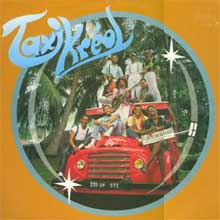
In 1992, a track titled “Sé Kon Sa”—which tells the story of long-distance love where the relationship begins to wither—burst onto Martinican radio waves and became, within a few months, the inevitable anthem of dance halls and sound systems. The group behind it, Taxi Kréol, lives up to its name: a taxi that transports passengers through all the colors of the Caribbean basin, blending zouk, ragga, biguine, and mazurka. Founded in 1988 in Fort-de-France by guitarist and composer Franck Donatien, the collective established itself within a decade as one of the pillars of the Antillean scene, alongside Kassav’, Tabou Combo, and Kwak.
In brief
| Name | Taxi Kréol |
| Origin | Fort-de-France, Martinique |
| Genre(s) | Zouk, ragga, biguine, mazurka — music from the Caribbean basin |
| Active period | 1988 to present |
| Founder | Franck Donatien (guitar, composition) |
| Notable members | Gilles Voyer, Janick Voyer, Danielle René-Corail, Max Télèphe, Richard Marie-Claire, Marc Séraline |
| Label(s) | Hibiscus Records, Teka, Rubicolor, Coco Sound |
| Biggest hit | “Sé Kon Sa” (over 750,000 Spotify streams) |
Key dates
| Year | Event |
|---|---|
| 1988 | Group formation in Fort-de-France by Franck Donatien; release of the album Caribbean Flash |
| 1988-1989 | First major stages: Kassav’s 10th anniversary in Guadeloupe, Médecins du Monde gala in Martinique |
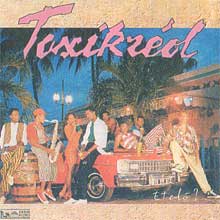
| 1991 | Release of Et alo!, first album on the Hibiscus Records label |
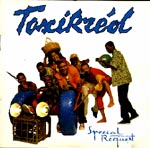
| 1992 | Release of Special Request and the hit “Sé Kon Sa” (composition by Gilles Voyer, vocals by Janick Voyer) |
| 1993 | Departure of Jean-Luc Guanel, who founded the group Kwak |
| 1995 | Release of Siwo fuel on the Teka label |
| 1997 | Release of Karaibo (Rubicolor); the orchestra was praised by the New York Times at the Fort-de-France Carnival |
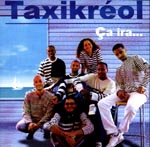
| 2000 | Release of Ça ira on Rubicolor |
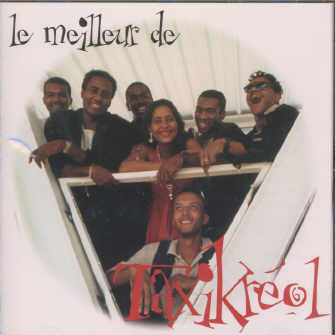
| 2003 | Compilation Ze Very Best of Taxikréol (Créon Music) |
A group forged in the Caribbean crucible
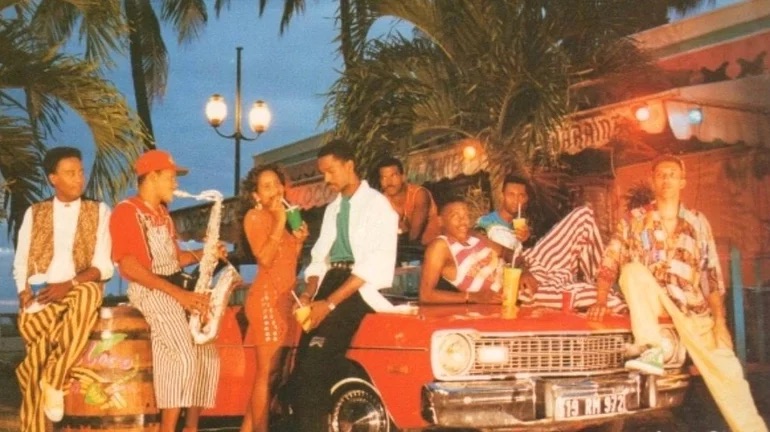
Franck Donatien is a guitarist and composer: before Taxi Kréol, he had already led the projects Crystal and Lazer, two references in 1980s instrumental zouk. In 1988, he gathered musicians from the same generation in Fort-de-France—the Voyer brothers Gilles and Janick, Danielle René-Corail, Max Télèphe, Richard Marie-Claire, Marc Séraline, and others—to form a collective with sounds as varied as zouk, ragga, biguine (a traditional Martinican dance with a slow rhythm), and Antillean mazurka. The name, Taxi Kréol, evokes the idea of a musical vehicle that takes its audience everywhere, without borders.
From 1988 and 1989 onward, the group kept hitting major stages: Kassav’s tenth-anniversary festivities in Guadeloupe, a Médecins du Monde gala in Martinique, and the Fort-de-France festival at the Frantz Fanon Forum. In 1992, the New York Times reported on the success of their show at the Fort-de-France Carnival, describing their modern dancing music as a blend of Spanish and Creole sounds featuring horns, guitars, and choreography that moved the crowd until four in the morning.
From zouk to ragga, passing through biguine
After Caribbean Flash (1988, Coco Sound) and Et alo! (1991, Hibiscus Records), Taxi Kréol exploded with Special Request (1992, Teka). The hit “Sé Kon Sa,” written by Gilles Voyer and performed by Janick Voyer, reached over 750,000 streams on Spotify within a few years, becoming an essential classic. Followed by Siwo fuel (1995), Karaibo (1997), and Ça ira (2000), each album consolidated the group’s reputation as a bridge between Antillean traditions and modern zouk and ragga sounds.
The group also underwent internal changes. In 1992, vocalist Jean-Luc Guanel—nicknamed by compas fans “the most Haitian Martinican”—left Taxi Kréol to found Kwak with Philippe Joseph and Anthony Lowensky. The new group recorded its first album in 1993 on Hibiscus Records.
Major works
| Work | Year | Why it’s essential |
|---|---|---|
| Special Request | 1992 | The album that revealed Taxi Kréol to the general public with “Sé Kon Sa,” an anthem of long-distance relationships that became a classic of Antillean zouk |
| Karaibo | 1997 | Caribbean symphony praised by the New York Times; fusion of zouk, ragga, and Hispanic sounds |
| Ça ira | 2000 | Last original album before compilations, where the group refined its blend of traditional biguine and contemporary rhythms |
| Caribbean Flash | 1988 | First shot: the raw and ambitious sound that launched the collective’s career |
Legacy
The influence of Taxi Kréol is measured by the persistence of “Sé Kon Sa” in sound systems and retro Antillean playlists, as well as by family transmission: Gilles Voyer and Danielle René-Corail’s daughter, Maurane Voyer, has pursued her own career as a zouk singer (Bazar, 2020; BBW, 2022). The group stands at the heart of the Hibiscus Records network, a mythical meeting place in Fort-de-France where Dédé Saint-Prix, Éric Virgal, Kali, and many other figures of Antillean music crossed paths. More than three decades after its creation, Taxi Kréol remains one of the most faithful faces of Martinican zouk—not seeking international glory, nor on the margins, but anchored, generous, where music must be: in the squares and dance halls of the islands.
Sources and references
-
“Sé Kon Sa”, Taxi Kréol, album Special Request, Teka Production, 1992.
-
Afromix, “Taxi Kreol: News, discography, videos, informations”, https://www.afromix.org/html/musique/artistes/taxi-kreol/index.en.html, accessed October 24, 2026.
-
ZoukJam, “Jean Luc Guanel”, https://zoukjam.com/en/zoukbook/2361/, accessed October 24, 2026.
-
Discogs, “Taxi Kréol”, https://discogs.com/artist/1430965-Taxi-Kr%C3%A9ol, accessed October 24, 2026.
-
AllMusic, “Taxi Kréol — Biography, Discography, Albums & Expert Reviews”, https://allmusic.com/artist/taxi-kr%C3%A9ol-mn0001219558, accessed 24 October 2026.
-
“Winter in the Sun; Catching Carnival Fever”, The New York Times, 25 October 1998, https://www.nytimes.com/1998/10/25/travel/winter-in-the-sun-catching-carnival-fever.html, accessed 24 October 2026.
-
Spotify, “Taxi Kréol” (12 444 monthly listeners), https://open.spotify.com/artist/3Me73SREvOMzsHFPRnaVlb, accessed 24 October 2026.
-
“Une chanson en histoire — Sé Kon Sa : Taxi Kréol (Special Request) [Zouk]”, podcast Une Chanson En Histoire by Valérie-Ann Edmond-Marie, https://podcasts.audiomeans.fr/se-kon-sa-taxi-kreol-special-request-zouk-6f1fbf21f115, accessed 24 October 2026.
-
MusicBrainz, “Taxi Kréol”, https://musicbrainz.org/artist/34edc754-96be-4baa-9765-4ae6a62f36b5, accessed 24 October 2026.
-
“Hibiscus Records : une histoire à transmettre”, Kribbean, https://kribbean.com/en/magazine/hibiscus-records-une-histoire-a-transmettre, accessed 24 October 2026.