Biography
The Congos
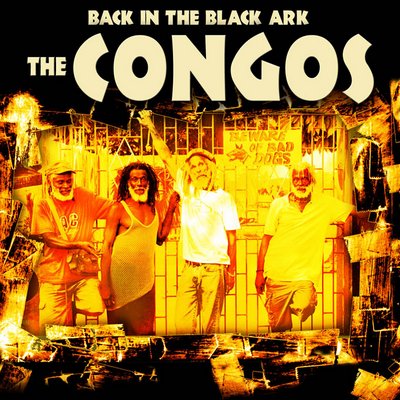
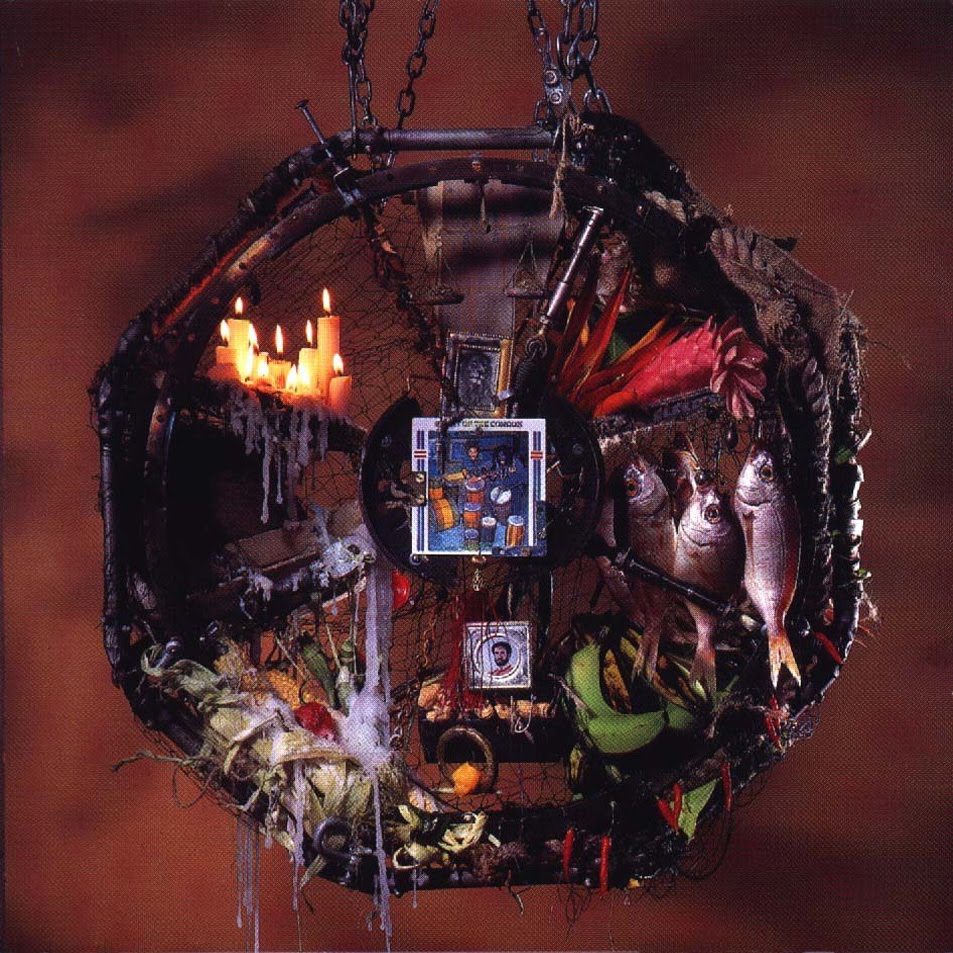
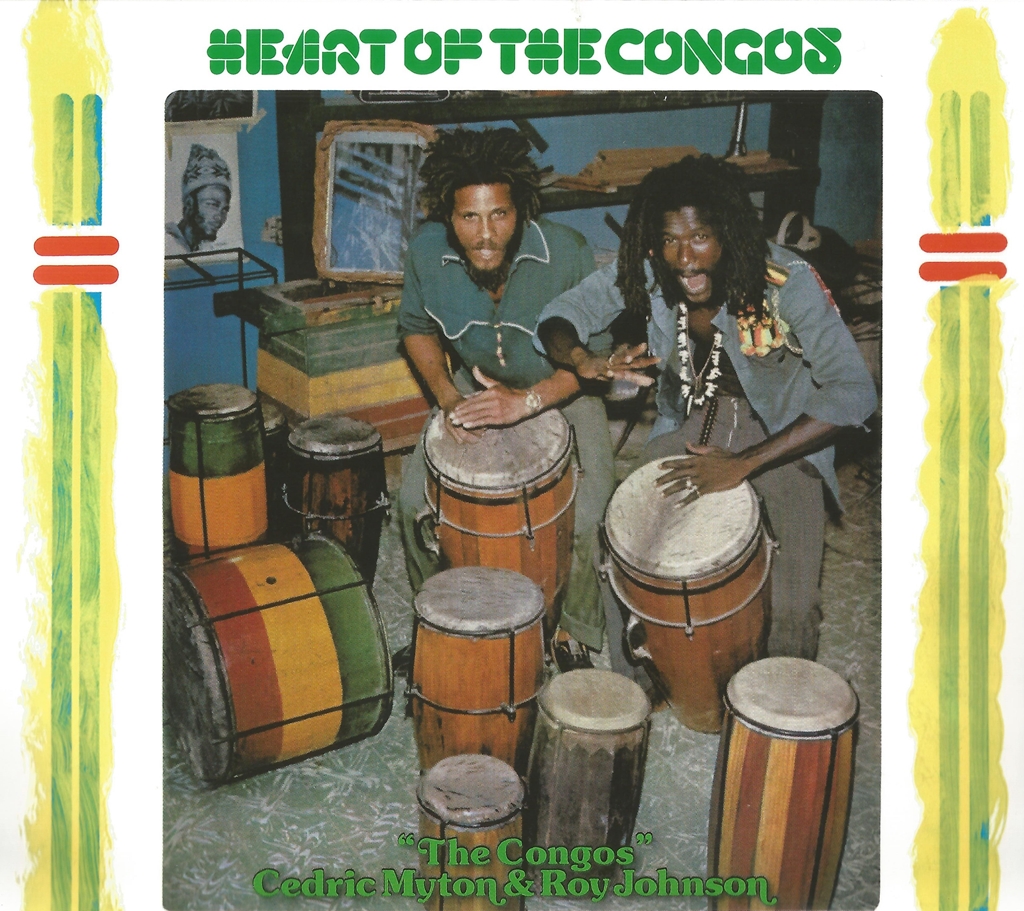
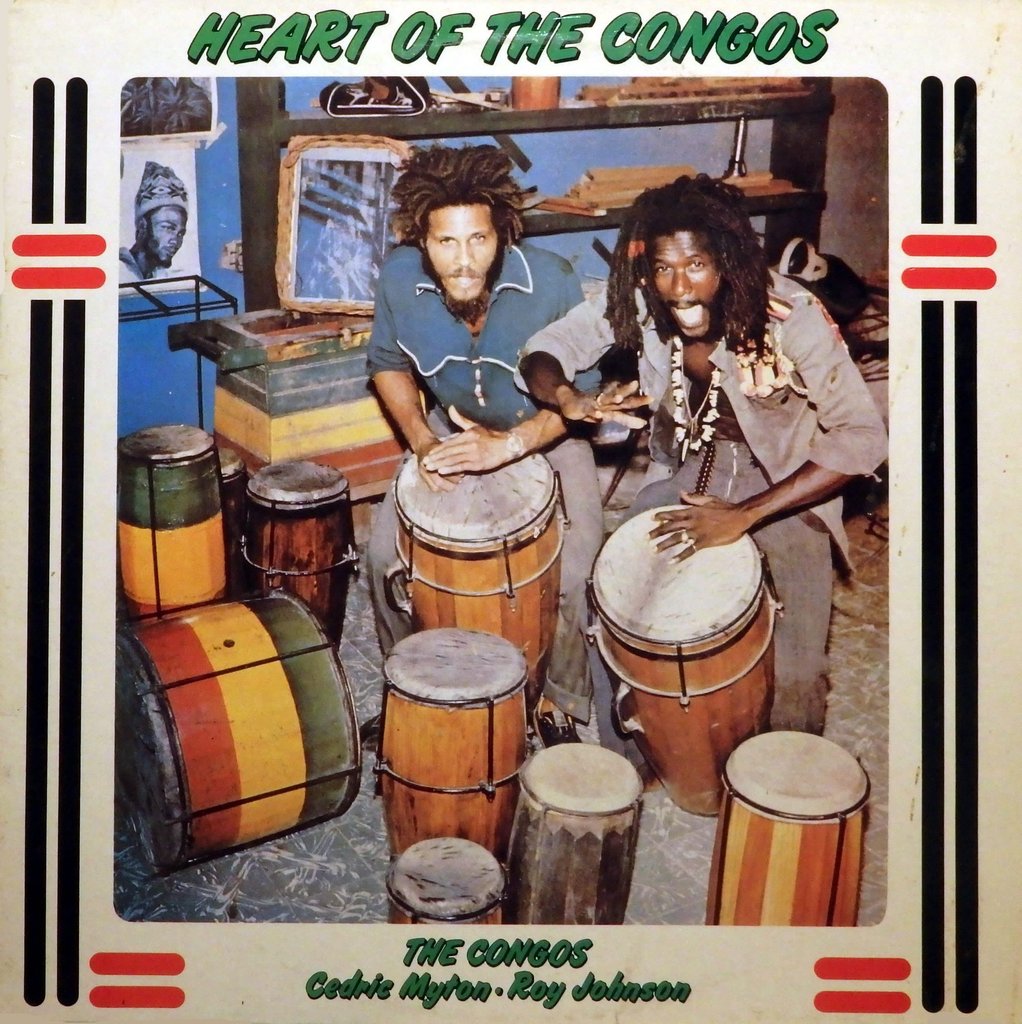
In 1977, in the narrow, burning cellar of the Black Ark Studio in Kingston, two voices rose above a wall of deafening basses: a powerful tenor, clear as a blade of steel, and a crystalline countertenor that seemed to come from another dimension. Lee “Scratch” Perry directed the session with his feverish gestures, adding delay effects as if sprinkling sugar on a cake. This was not a simple recording session. It was the birth of Heart of the Congos, one of the most intense albums ever produced in roots reggae, and the undisputed masterpiece of two Jamaican singers who were destined for anonymity.
In brief
| Group Name | The Congos |
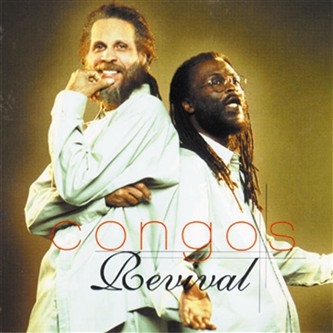
| Founding Members | Cedric Myton (countertenor, b. 1947, Saint Catherine), Roydel Ashanti Johnson (tenor, b. 1947, Hanover) |
| Third Member (1976-78) | Watty Burnett (baritone, b. early 1950s, Port Antonio) |
| Genre | Roots reggae, Jamaican harmony vocal singing |
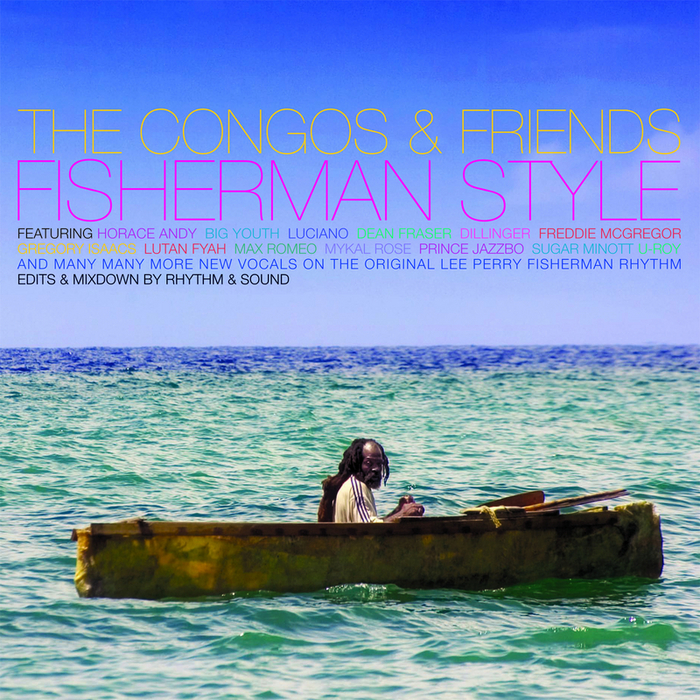
| Notable Works | Heart of the Congos (1977), “Fisherman”, Fisherman Style (2006) |
| Distinctions | Album considered by critics as one of the greatest roots reggae records of all time |
Key Dates
| Year | Event |
|---|---|
| 1947 | Birth of Cedric Myton (Saint Catherine) and Roydel Johnson (Hanover), Jamaica |
| Late 1960s | Myton sings in the Tartans and Royal Rasses of Prince Lincoln Thompson |
| 1975 | Formation of the duo The Congos; first recording for Lee Perry, “At the Feast” |
| 1976-77 | Addition of Watty Burnett (baritone); recording of Heart of the Congos at Black Ark |
| 1977 | Release of Heart of the Congos on the Black Ark label; rejection by Island Records |
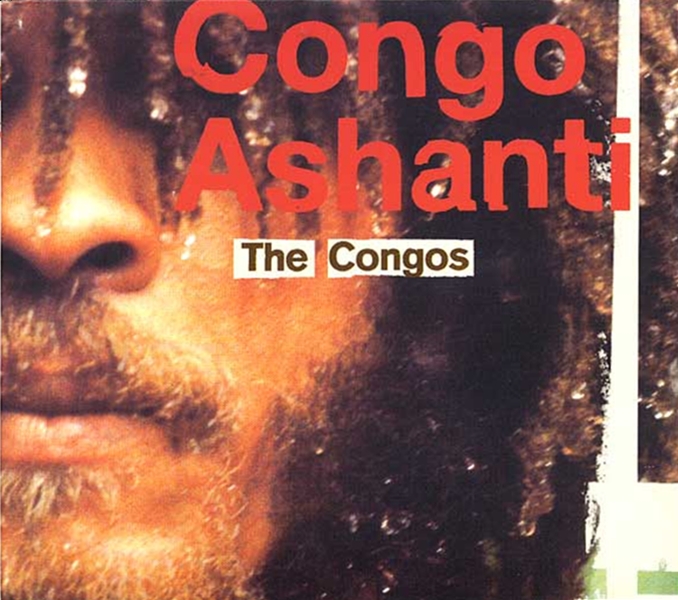
| 1979-80 | Recording of albums Congo Ashanti and Image of Africa; break with Perry, departure of Burnett then Johnson |
| 1980 | Reissue of the masterpiece by the British label Go Feet; the duo dissolves in the 1980s |
| Mid-1990s | Reformulation of the group around Myton; historic reissue by Blood & Fire in 1996 |
| 2005-06 | Fisherman Style, collective riddim-album tracing the contributions of Myton, Johnson and Perry |
| 2018 | Morning Star, last known album with Pura Vida on Lost Ark Music |
From Kingston Street to the Altar of Black Ark
Cedric Myton and Roydel Ashanti Johnson were born in 1947, a few dozen kilometers apart, but their musical paths only crossed at the end of the 1970s. Myton had already lived through three formations before the Congos: the Bellstars, the Tartans — with Devon Russell and the young Prince Lincoln Thompson — and the Royal Rasses of Ras Michael. Johnson, for his part, sang in his church choir and learned rhythm as a drummer within the Sons of Negus of Ras Michael. These two singers had therefore grown up in the same environment, that of Rastafari churches and the Kingston studio scene, but under different musical stars.
The meeting took place through Bongo Joe, the righteous brother, leader of the Sons of Negus and drummer known for his work at Studio One. Johnson frequented Joe; Myton did too. It was in this spiritual and musical circle that the idea of a duo germinated, without being given a name. As Myton would explain later in an interview: the term Congos was created from the music itself, stemming from the congo a bongo, bongoman shanti refrains that carried the harmonies. The name came from within the song, not from a commercial choice — a distinction that says everything about the spiritual approach of this group.
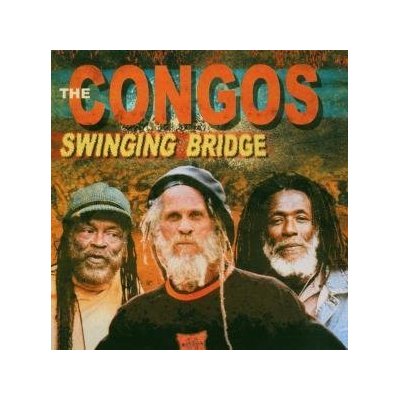
Lee Perry heard the demos, felt the potential, and proposed the addition of a baritone. Watty Burnett, Johnson’s friend, joined the duo to form the classic trio that would record Heart of the Congos. Alongside the three singers, Perry gathered the Kingston session elite: Sly Dunbar on drums, Ernest Ranglin on guitar, Sticky Thompson on percussion, Gregory Isaacs and the Meditations in backing vocals. The result is not just a reggae album: it is a harmonized prayer, where each instrument seems to float in a sacred space that Perry shapes with the precision of an intoxicated goldsmith.
A masterpiece rejected, then adored by the whole world
Heart of the Congos, released in 1977, found no buyer at its birth. Perry had submitted the album to Island Records, the major label run by Chris Blackwell who carried Bob Marley on a stretcher. Island rejected the work, focusing solely on Marley and seeing no commercial potential in the records of Max Romeo or Junior Murvin. Perry then released the album on his own Black Ark label, with limited distribution in Jamaica.
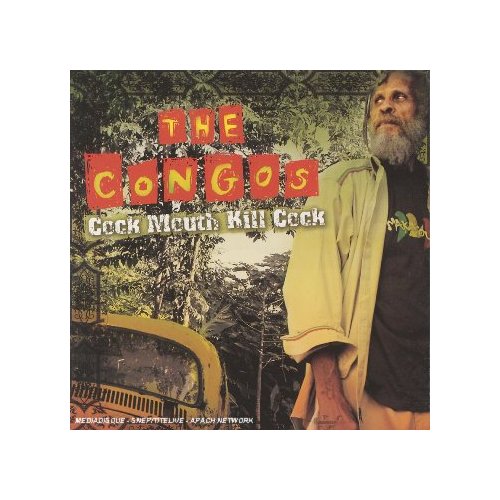
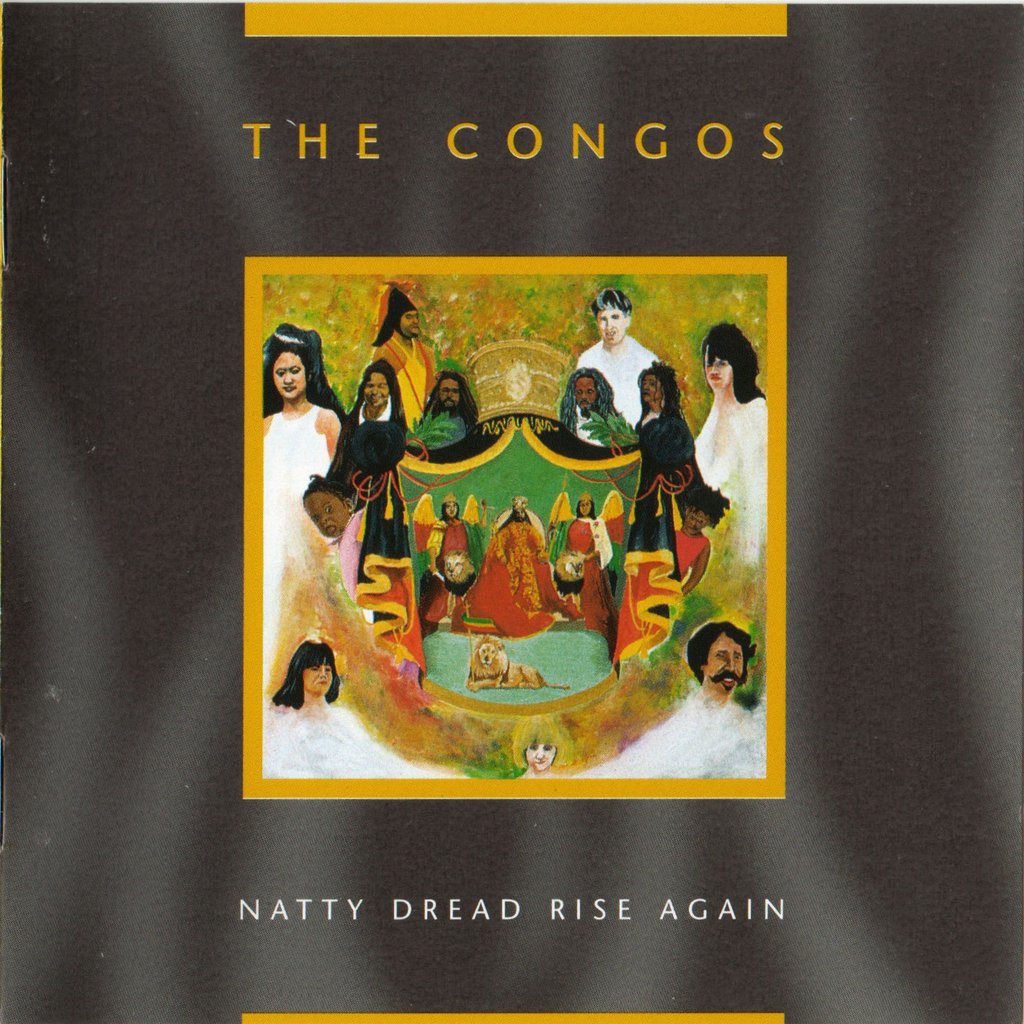
The silence that followed lasted nearly twenty years. In the 1980s, a first self-managed pressing of the Congos circulated clandestinely; the British label Go Feet reissued the album in 1980, but the group had already broken up — Burnett gone, Johnson returned to solo under the name Congo Ashanti Roy. Myton continued to record under the name The Congos with other singers, but no one ever again approached the power of this unique masterpiece.
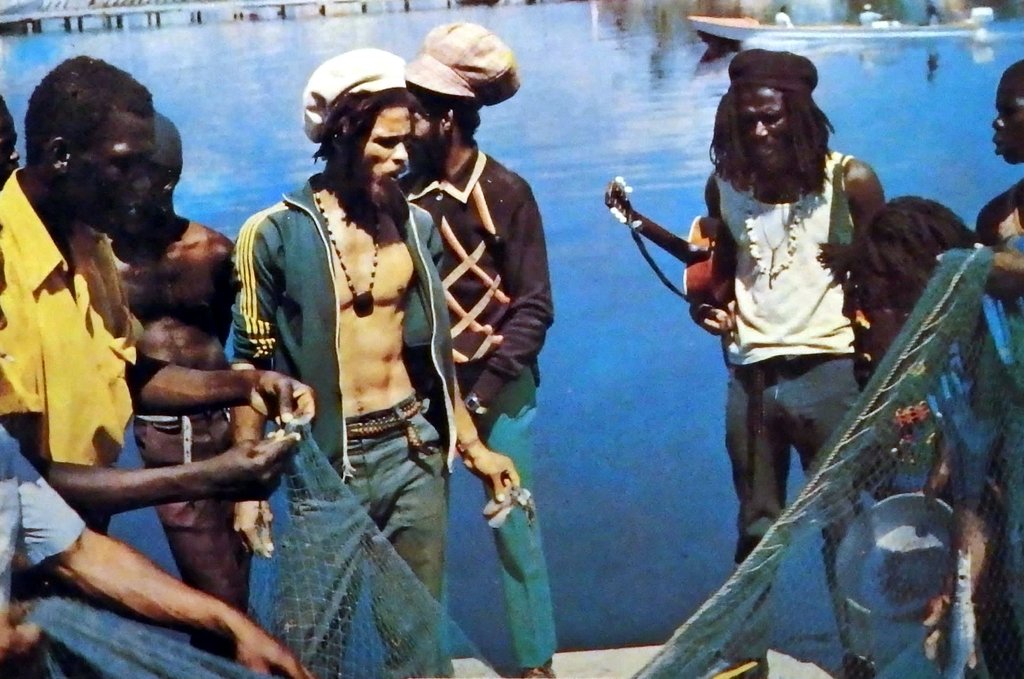
When the Blood & Fire label released its remastered reissue in 1996, the reggae world rediscovered the album. The reissue opens a renaissance: tours, documentaries and the film Wah Do Dem (2008), where they perform “Fisherman” under the full moon of Helshire Beach.
Major Works
| Work | Year | Why It’s Essential |
|---|---|---|
| Heart of the Congos | 1977 | Masterpiece of roots reggae, produced by Perry at Black Ark; unparalleled vocal harmonies in the genre |
| Congo Ashanti (Congo) | 1979 | Second album, stripped-down production following the break with Perry; powerful tracks like “Congo A Bongo” |
| Fisherman Style (2006) | 2006 | Collaborative album reinventing the mythical “Fisherman” riddim; living tribute to the trio |
| Face the Music (1981) | 1981 | Last album with Perry and Burnett; sober production, voices still vibrant |
Legacy and Influence
The Congos occupy today a quasi-mythical place in the reggae canon. Heart of the Congos is cited alongside Natty Dread, Marcus Garvey and Right Time. The “Fisherman” riddim gave birth to Fisherman Style (2006), collaborative album brought together by Blood & Fire where Horace Andy, U-Roy and Big Youth reclaim Perry’s riddim. Myton publishes Morning Star in 2018 with Pura Vida, Johnson works with Adrian Sherwood.
Sources and References
- John Dougan, “The Congos Biography”, AllMusic, https://www.allmusic.com/artist/the-congos-mn0000066395, accessed November 11, 2025.
- “The Congos”, Wikipedia in English, https://en.wikipedia.org/wiki/The_Congos, accessed November 11, 2025.
- Andy Beta, “The Congos / Sun Araw / M. Geddes Gengras – Icon Give Thank”, Pitchfork, April 18, 2012, https://pitchfork.com/artists/13147-the-congos/, accessed November 11, 2025.
- Interview with Cedric Myton, “Music is a challenge so it’s good to experiment”, United Reggae, September 19, 2014, https://unitedreggae.com/articles/n1616/091914/interview-cedric-myton, accessed November 11, 2025.
- Interview with Cedric Myton, “SOLID AS A ROCK”, Reggae Vibes, July 22, 2020, https://www.reggae-vibes.com/articles/2020/07/interview-with-cedric-myton-of-the-congos/, accessed November 11, 2025.
- “Spaceships, vegan food and branches of marijuana – in Jamaica with reggae’s legends”, The Guardian, March 9, 2017, https://www.theguardian.com/music/2017/mar/09/reggae-legends-on-their-soul-of-jamaica-album-this-is-what-freedom-is, accessed November 11, 2025.
- “Fisherman Style review”, Pitchfork, https://pitchfork.com/reviews/albums/8995-fisherman-style, accessed November 11, 2025.
- “Blood and Fire (record label)”, Wikipedia in English, https://en.wikipedia.org/wiki/Blood_and_Fire_(record_label), accessed November 11, 2025.