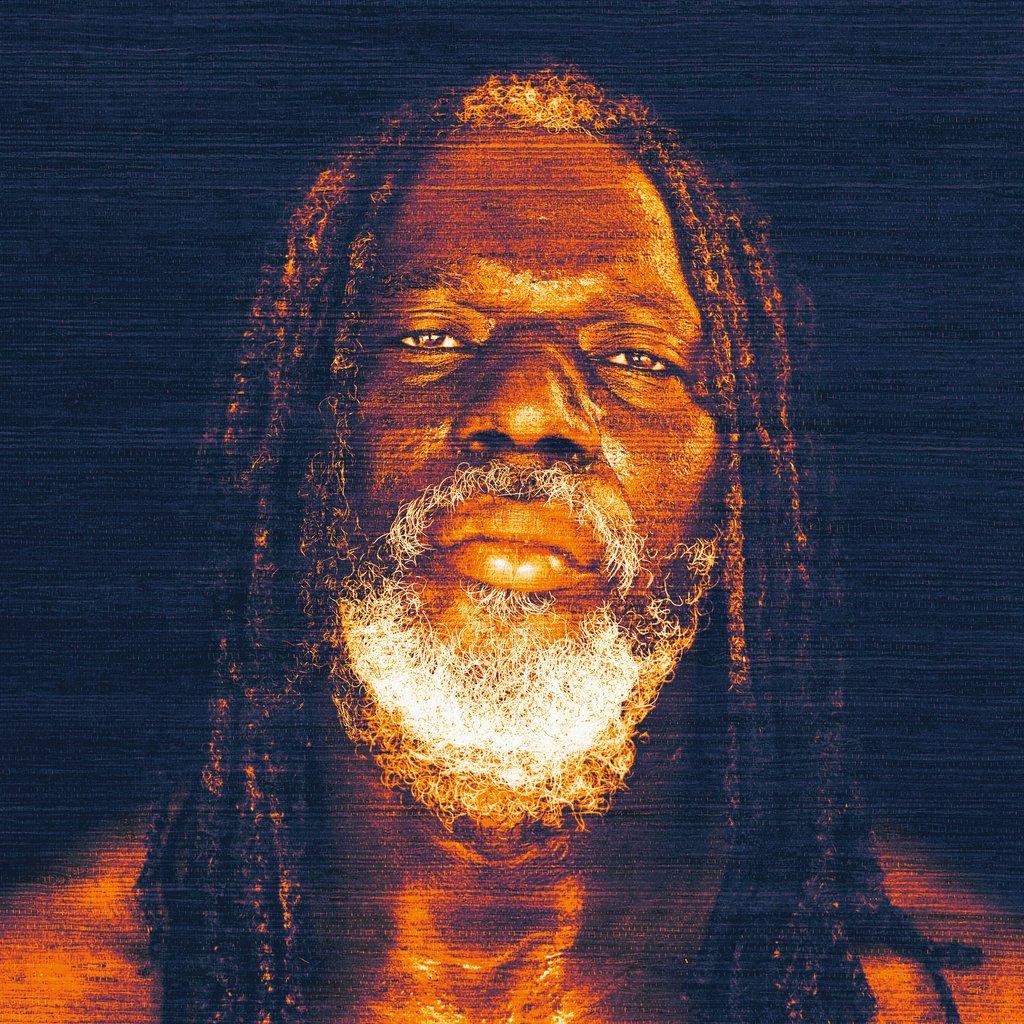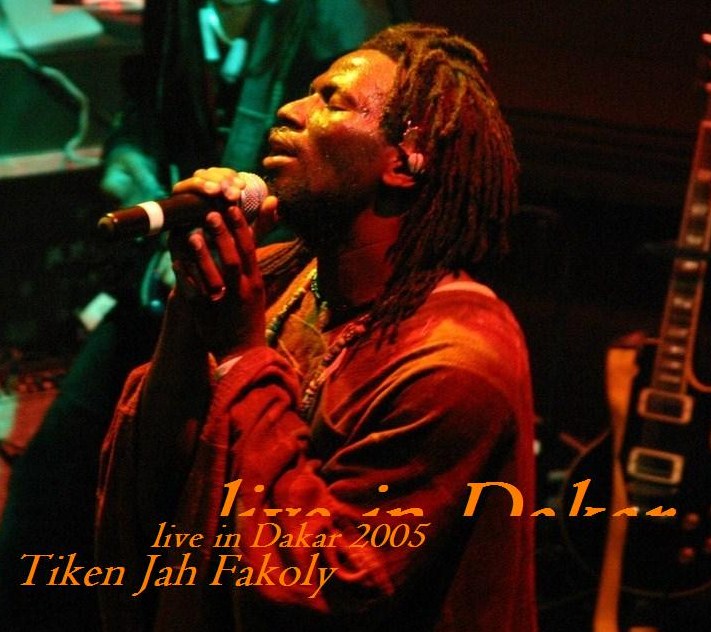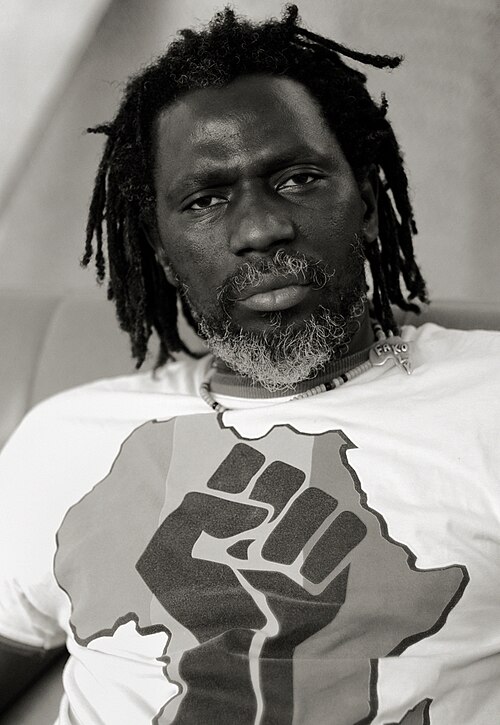
Biography
Tiken Jah Fakoly: the reggae griot who awakens consciences
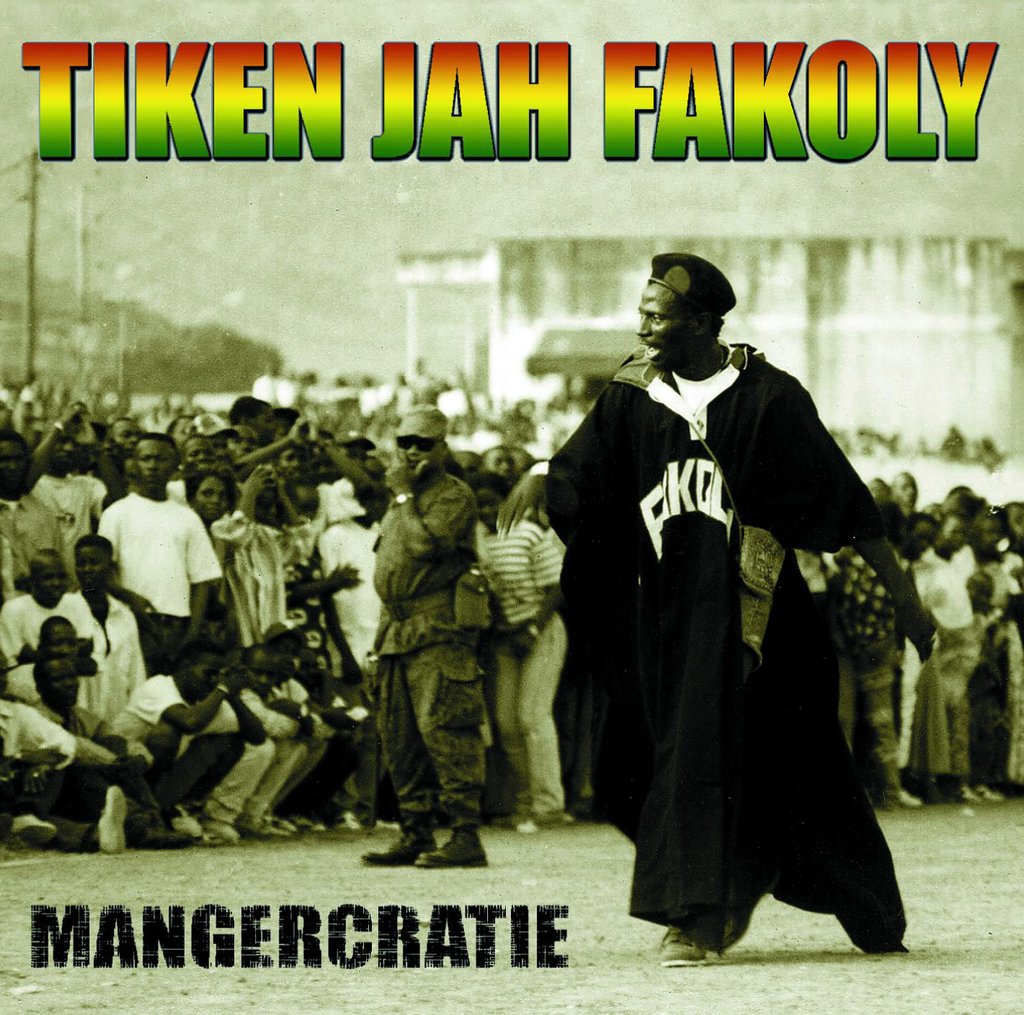
Odienné, northwest Côte d’Ivoire, 1996. A cassette titled Mangercratie circulated in the markets of Abidjan like a bushfire. The singer demanded not political regimes, but a regime where one eats. Five months at the top of sales, pirated copies distributed everywhere, and a man propelled as spokesperson for an angry youth. The rasta griot had struck.
In brief
| Full name | Doumbia Moussa Fakoly |
| Birth | June 23, 1968, Odienné, Côte d’Ivoire |
| Field | Reggae, pan-African engaged music |
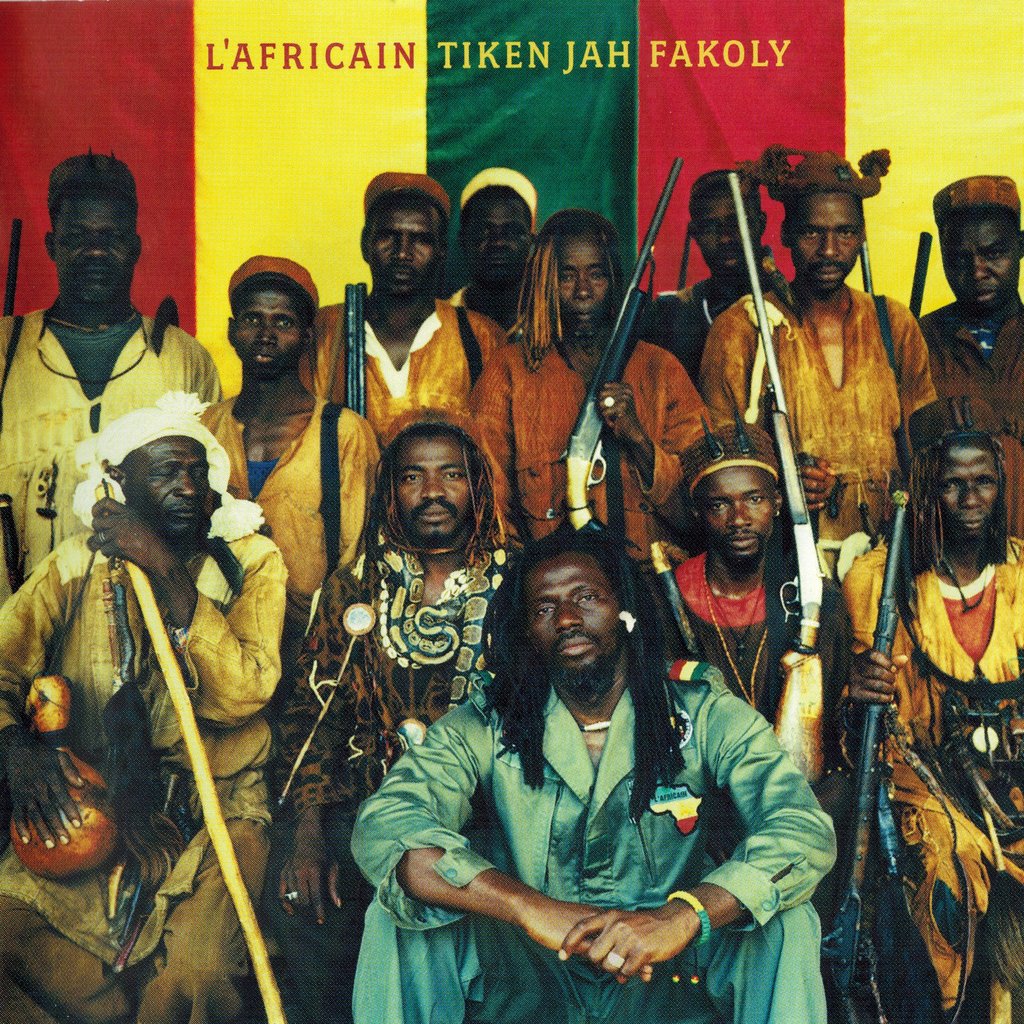
| Iconic works | Mangercratie, Françafrique, L’Africain, Braquage de pouvoir |
| Awards | Victoire de la musique 2003, RFI Découvertes Afrique 2000, Best African Artist Award 2021 |
Key dates
| Year | Event |
|---|---|
| 1968 | Birth in Odienné, into a family of Malinke griots |
| 1987 | Creation of the first group, Djelys |
| 1996 | Mangercratie, five months at number one in Abidjan |
| 1998 | First Parisian stage on the barge Makara |
| 2000 | RFI Découvertes Afrique Award |
| 2002 | Françafrique recorded at Tuff Gong studios in Jamaica |
| 2003 | Victoire de la musique; placed on a blacklist, exile in Mali |
| 2007 | L’Africain enters the French Top 40; persona non grata in Senegal |
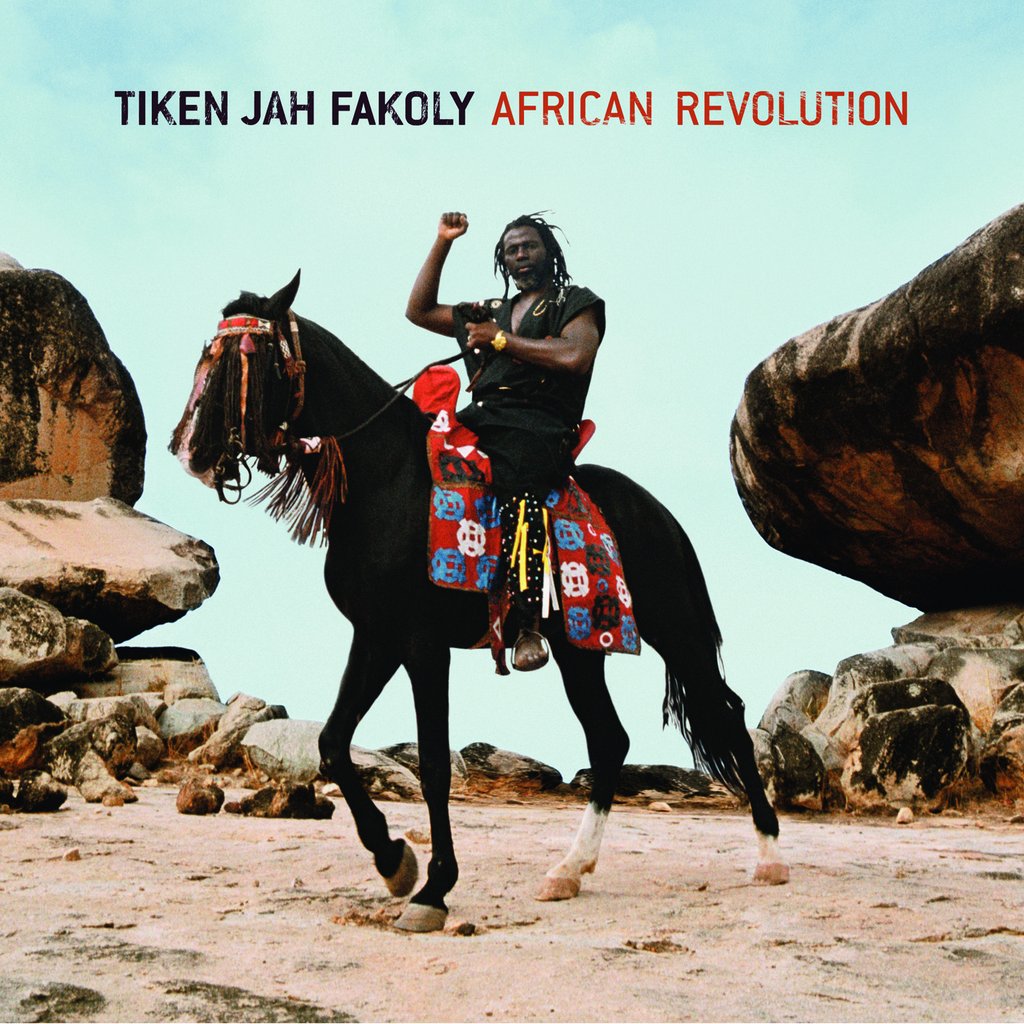
| 2010 | African Revolution; return to Senegal |
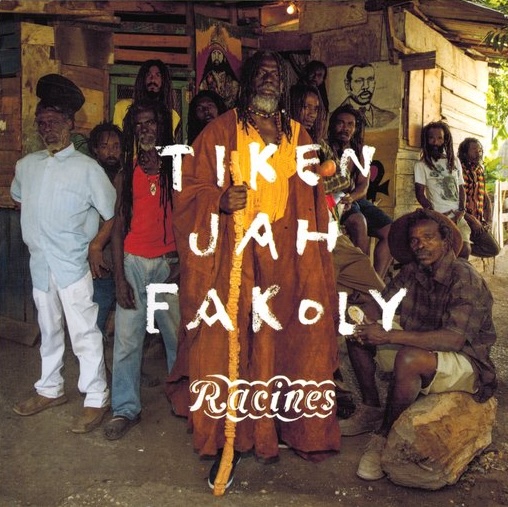
| 2015 | Racines, cover album with U-Roy and Ken Boothe |
| 2022 | Braquage de pouvoir, 11th studio album |
| 2024 | Acoustic, traditional instruments from West Africa |
Career and struggle
Doumbia Moussa Fakoly was born on June 23, 1968, in Odienné into a Malinke family of griots—these custodians of collective memory, who transmit History through speech and song. As a teenager, he discovered Jamaican reggae: Bob Marley, Peter Tosh. At twenty, with Ghanaian guitarist Joffrey, he recorded a demo. In 1987, he founded Djelys, inspired by the tradition of African bards, and began touring Ivorian cities. The group hit a nerve. In 1992, he opened for Solo Jah Gunt. Notoriety grew.
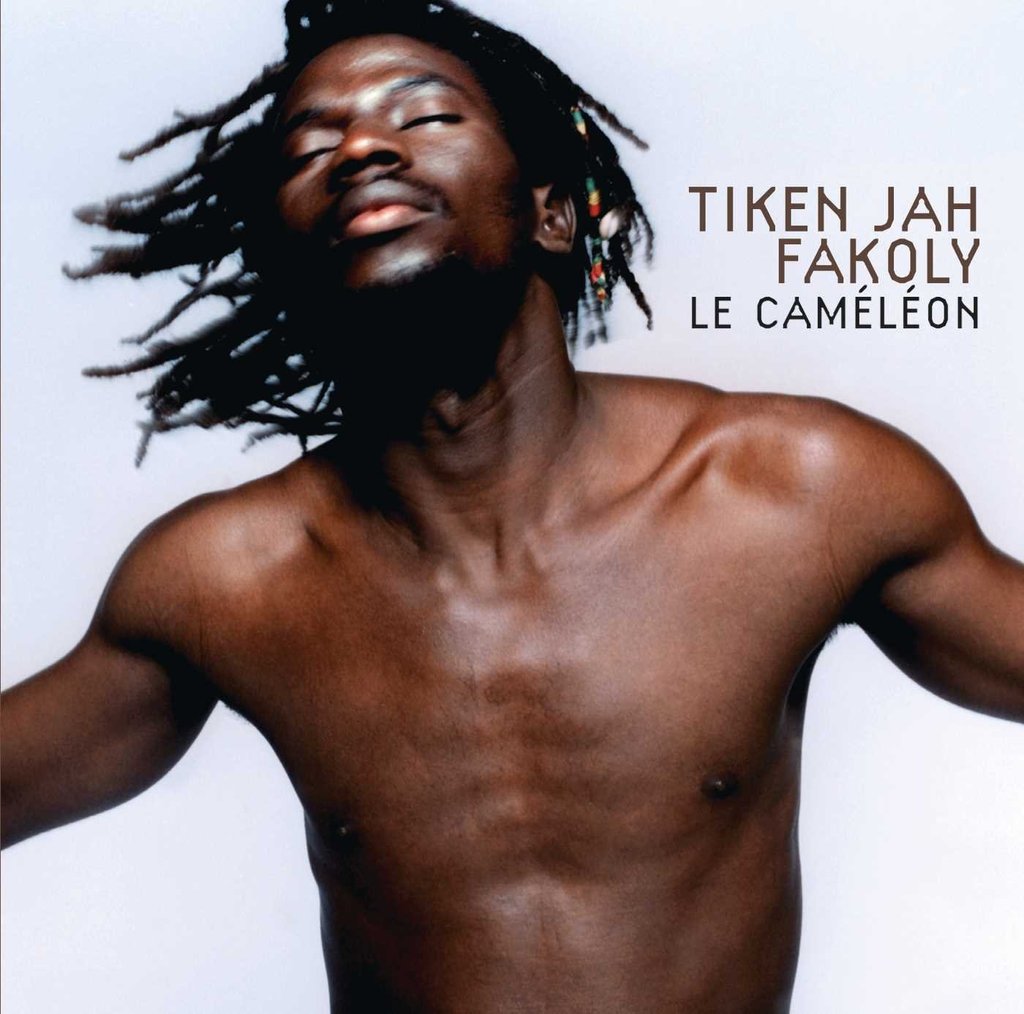
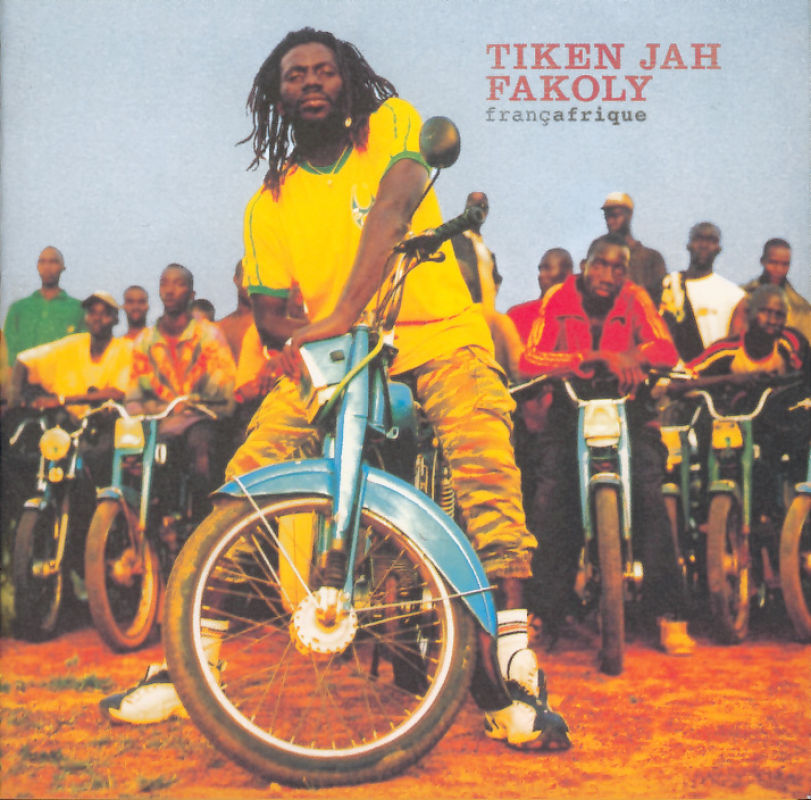
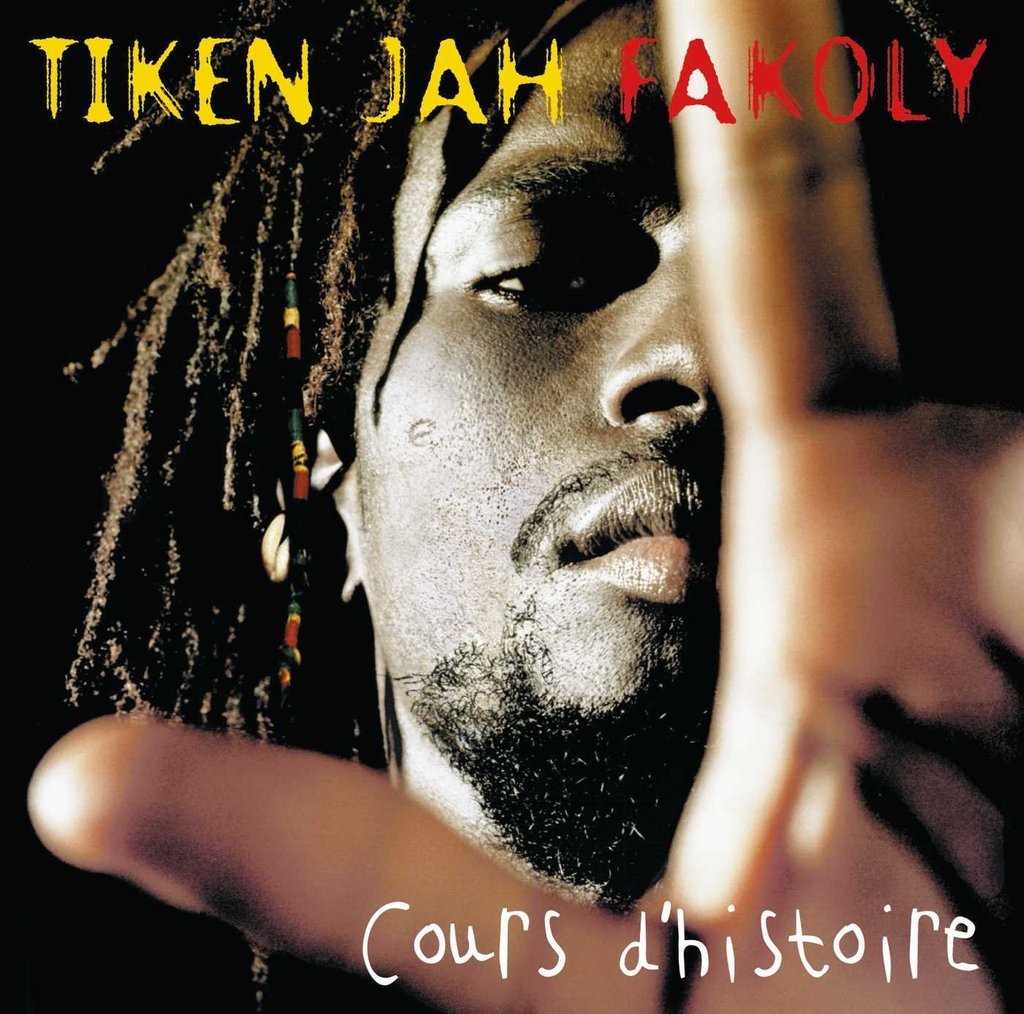
After the death of President Félix Houphouët-Boigny on December 7, 1993, Tiken Jah became a political chronicler. He wrote ferocious titles about the fall of the regime. Mangercratie (1996) exploded in sales: five months at number one in Abidjan. The French public discovered him in 1998 on the barge Makara, then at the Africa Live concert by Canal France. RFI Découvertes Afrique Award in 2000, followed by Cours d’Histoire and Le Caméléon. In 2002, he recorded Françafrique at the legendary Tuff Gong studios of Bob Marley in Jamaica with Sly and Robbie. The title track denounces French interference in Africa. Barclay Records distributed it in Europe. He won the Victoire de la musique 2003—and on September 20, 2002, soldiers broke into his home in Abidjan. He did not return.
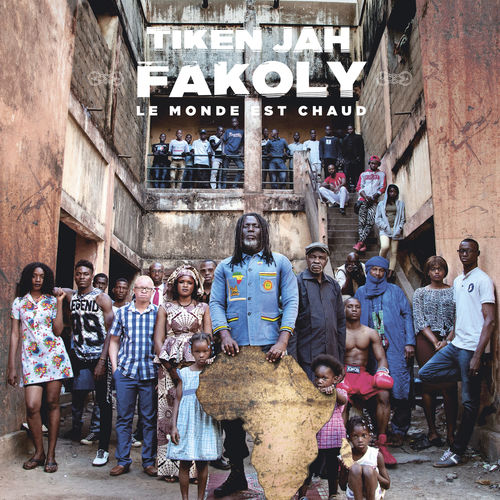
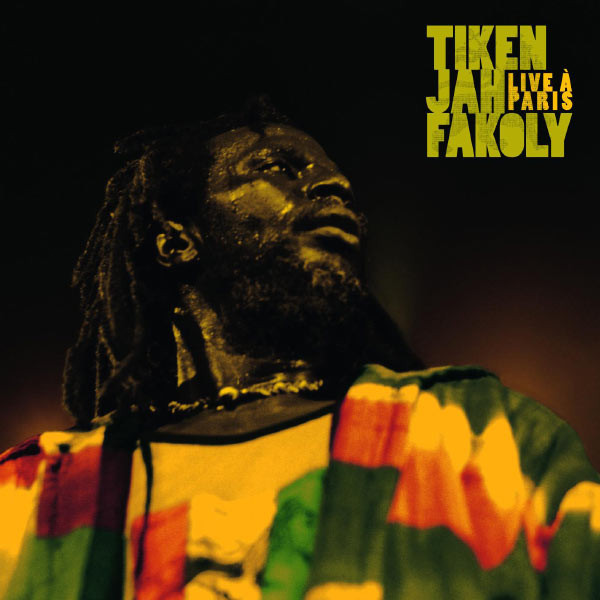
He lived in exile between Bamako and Paris. In Senegal, in December 2007, he challenged President Abdoulaye Wade on stage: “Leave power, if you love Senegal.” The government declared him persona non grata. It took until July 2010 for Abdoulaye Wade to invite him back. Far from the microphone, he acted: “One concert, one school” (2009) financed a school in Touroni and a college in Dianké in Mali. He collaborated with Akon, Soprano, Bernard Lavilliers, Nneka, Amadou & Mariam, Alpha Blondy, and participated in the documentary Sababou (2013) by Samir Benchikh. With Racines (2015), Le monde est chaud (2019), Braquage de pouvoir (2022) and Acoustic (2024), the Malinke griot has not aged: he transformed his anger into wisdom.
Major works
| Work | Year | Why it is essential |
|---|---|---|
| Mangercratie | 1996 | The cry that made Tiken Jah the voice of an angry African youth |
| Françafrique | 2002 | Recorded at Bob Marley’s Tuff Gong; Victoire de la musique award |
| L’Africain | 2007 | Hexagonal Top 40, acoustic from West Africa |
| Braquage de pouvoir | 2022 | Ska, struggle and balafon reunited |
Legacy and influence
Tiken Jah Fakoly infused francophone reggae with pan-African ambition, ranging from Kingston to major European stages. His texts, nourished by the tradition of Malinke griots, paved the way for a generation of engaged artists. Artists such as Senegalese Didier Awadi or French Soprano cite the message of Mangercratie as a reference, while festivals like Vieilles Charrues and Sziget continue to program his music as a duty of memory. His message, thirty years after the first Djelys cassettes, remains the same: as long as History is told by hunters, the lion’s version will never be known.
Sources and references
- “Tiken Jah Fakoly”, Wikipédia en français, https://fr.wikipedia.org/wiki/Tiken_Jah_Fakoly, accessed October 19, 2026.
- “Tiken Jah Fakoly”, Wikipedia (English), https://en.wikipedia.org/wiki/Tiken_Jah_Fakoly, accessed October 19, 2026.
- “Tiken Jah Fakoly — Biography”, AllMusic, https://allmusic.com/artist/tiken-jah-fakoly-mn0000593716, accessed October 19, 2026.
- “Afro-Reggae Musician Tiken Jah Fakoly”, World Music Central, https://worldmusiccentral.org/afro-reggae-musician-tiken-jah-fakoly, accessed October 19, 2026.
- “Tiken Jah Fakoly”, RFI Musique, https://www.rfi.fr/fr/musique/20211206-tiken-jah-fakoly, accessed October 19, 2026.
- “Tiken Jah Fakoly: eternal rebel”, RFI SessionLab, https://musique.rfi.fr/emissions/sessionlab/20231129-tiken-jah-fakoly-eternel-rebelle.html, accessed October 19, 2026.
- “Tiken Jah Fakoly”, Persée (revue homonymie), https://www.persee.fr/doc/homig_1142-852x_2003_num_1241_1_3959, accessed October 19, 2026.
- « Tiken Jah Fakoly Biography », Tapedeck, https://tapedeck.app/artists/64cd7923-9794-42ed-9df5-bd26d66f86f5/biography, accessed 19 October 2026.
- « Tiken Jah Fakoly », Musiques d’Afrique, https://musiques-afrique.net/civ/art-fakoly.html, accessed 19 October 2026.