Biography
Tito Nieves: the golden voice of salsa
In the mid-1980s, in New York, salsa was seeking a new vocal face whose coppery voice would shake the halls1.
In brief
| Full name | Humberto Nieves |
| Birth | June 4, 1958, Río Piedras, Puerto Rico |
| Genre | Salsa, romantic salsa |
| Signature works | The Classic, Fabricando Fantasías, “El Amor Más Bonito”, “I Like It Like That” |
| Nickname | « El Pavarotti de la Salsa » |
Key dates
| Year | Event |
|---|---|
| 1958 | Birth in Río Piedras, Puerto Rico; childhood in New York |
| 1977 | Joins Héctor Lavoe and his orchestra, integrates Conjunto Clasico |
| 1988 | Release of The Classic, first solo album (RMM) |
| 1990 | Déjame Vivir confirms his vocal talent |
| 1993 | Rompecabeza consolidates his position at the top |
| 1996 | “I Like It Like That” becomes a bilingual hit |
| 2004 | Fabricando Fantasías, album dedicated to his deceased son |
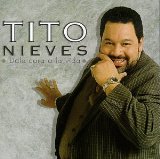
| 2021 | Release of Desde el corazón, first album in five years |
| 2026 | Still on international tour, concert in Miami for Latin Week |
Puerto Rican origins and New York upbringing
Humberto Nieves, born in 1958 in Río Piedras and raised in New York where he played in a group named Makondo at Xaverian High School, joined the legendary Héctor Lavoe and Conjunto Clasico in 19772.
Revelation and consecration
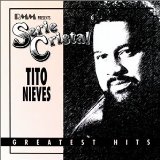
In 1988, he launched his solo career with The Classic, a “superb solo debut” praised by AllMusic, and Johnny Pacheco, the father of Fania, gave him a nickname that would remain engraved: « El Pavarotti de la Salsa »3.
Between 1988 and 1993, Nieves stringed together successes with Yo Quiero Cantar, Déjame Vivir and Rompecabeza, while Sergio George became his regular producer and published the bilingual hit “I Like It Like That” in 19964.
Evolutions, drama and resilience
Fabricando Fantasías (2004) is a posthumous tribute to his son Ommy Nieves, who died of bone cancer at 24, and in the 2000s he published Canciones Clásicas de Marco Antonio Solís before collaborating with Nicky Jam5.
Today and legacy
Today, Tito Nieves has never stopped singing; his bilingual repertoire and personal resilience — having lost a son and continuing on stage at over sixty years old — make him a living witness to the history of Puerto Rican salsa4.
Major works
| Work | Year | Why it’s essential |
|---|---|---|
| The Classic | 1988 | Vocal showcase debut that positions Tito among the most powerful voices of romantic salsa |
| Déjame Vivir | 1990 | Confirmation of the bilingual style and ability to blend romance and power |
| “I Like It Like That” | 1996 | Bilingual hit that crosses dance clubs; key collaboration with Sergio George |
| Fabricando Fantasías | 2004 | Tribute to his son Ommy; fusion between personal emotion and romantic salsa |
Legacy
Tito Nieves remained for four decades one of the most listened-to salsa singers in the world, influencing a generation of soloists without academic training but endowed with natural power3.
Sources and references
-
Wikipedia, Tito Nieves, accessed October 30, 2026 ↩︎
-
El Espectador, Tito Nieves: leyenda viva de la salsa, accessed October 30, 2026 ↩︎
-
Rolling Stone en Español, La salsa no es un género es una cultura Tito Nieves, accessed October 30, 2026 ↩︎ ↩︎
-
EFE, Tito Nieves prefiere la salsa tradicional, accessed October 30, 2026 ↩︎