Biography
Tommy McCook
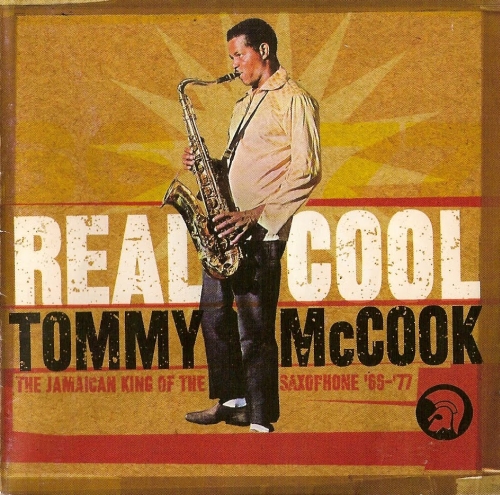
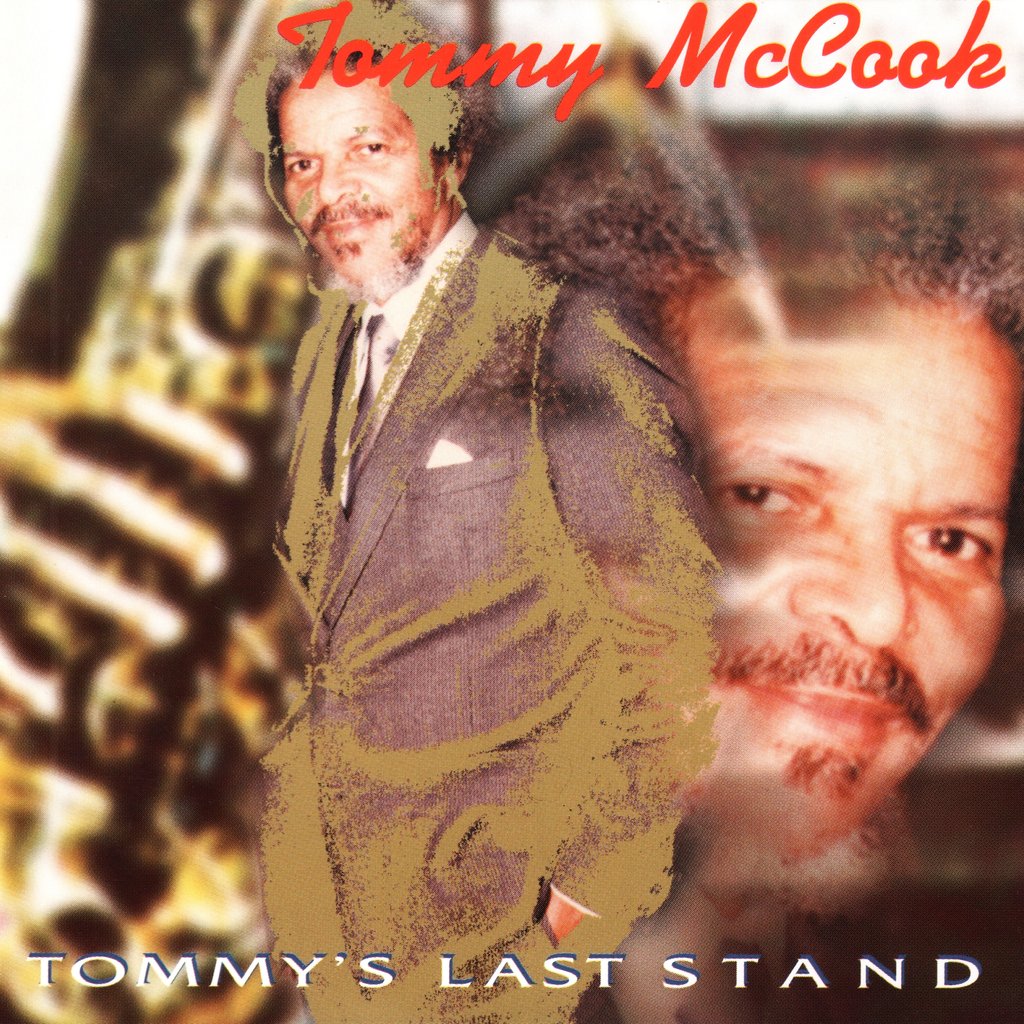
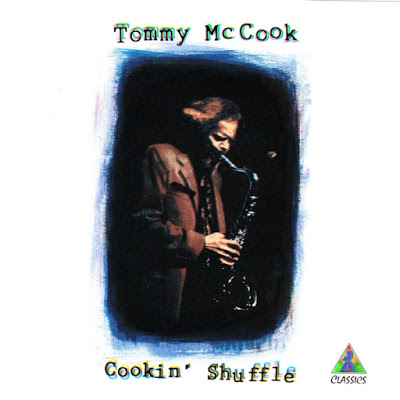
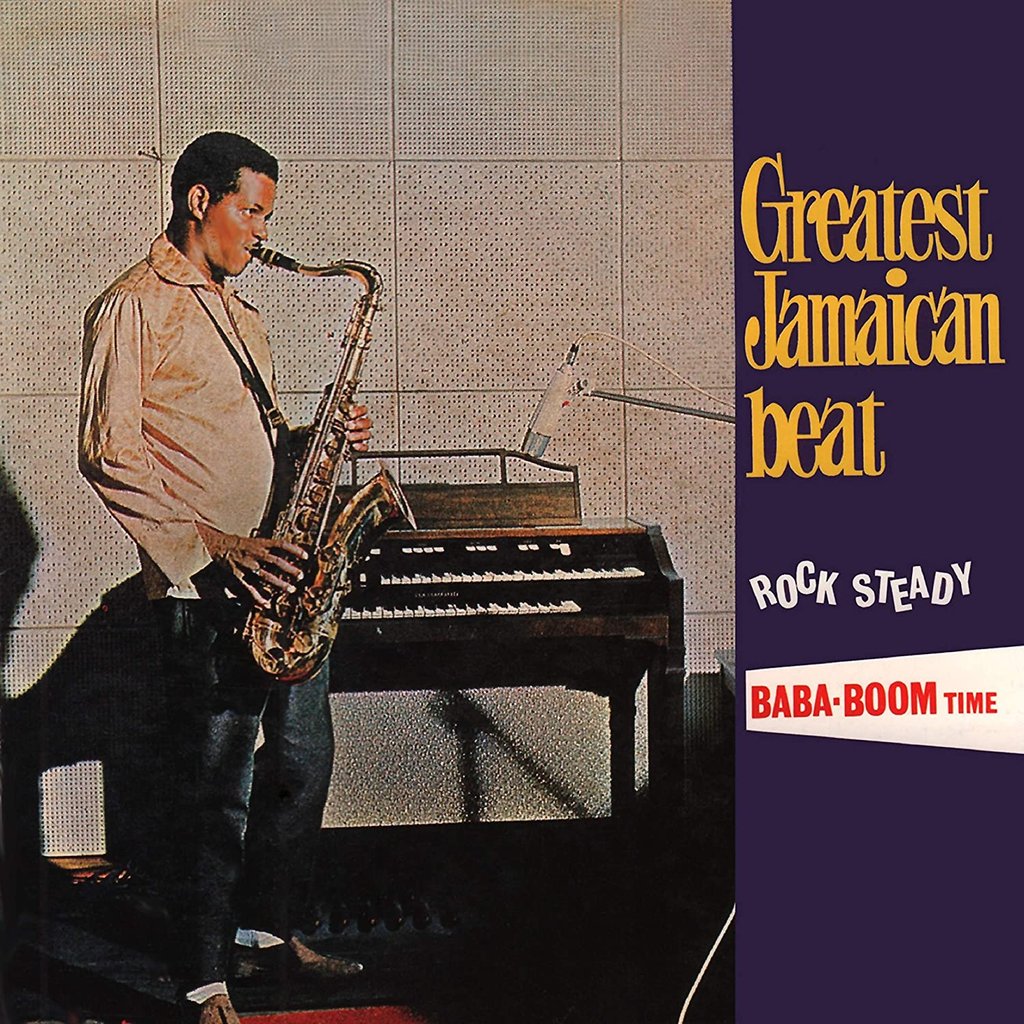
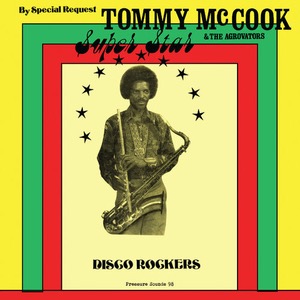
The Bond Street studio in Kingston, 1973: a powerful-breathed saxophone resonates over rhythms that would define reggae. Tommy McCook, lead tenor and clarinetist, embodies this bridge between American jazz and Jamaican music that made him an essential pillar of ska, rocksteady, and dub.
In Brief
| Full Name | Thomas Matthew McCook |
| Birth | March 4, 1927, Havana, Cuba |
| Death | May 5, 1998 (age 71), Conyers, Georgia, United States |
| Field | Tenor saxophone, flute; ska, rocksteady, reggae, dub, jazz |
| Notable Works | Freedom Sounds, “Exodus”, Reggae in Jazz |
| Honors | Order of Distinction (Officer), 1975 — Jamaica |
Key Dates
| Year | Event |
|---|---|
| 1927 | Born in Havana, Cuba, to Jamaican parents; family moved to Jamaica in 1933 |
| 1938 | Enrolled at Alpha Cottage School (Kingston); began playing tenor saxophone at age 11 |
| 1943 | Joined the Eric Deans Orchestra; made professional debut in Jamaica |
| 1954 | Moved to Nassau (Bahamas); stayed in Miami where he discovered John Coltrane |
| 1962 | Permanent return to Jamaica; first jazz recording for Coxsone Dodd (Jazz Jamaica) |
| 1963 | First ska, “Exodus”, November; founding of the Skatalites |
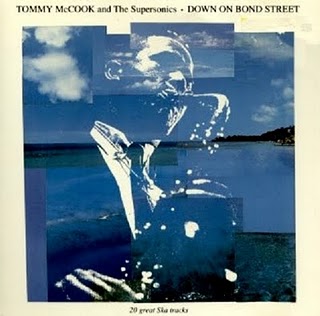
| 1965 | Split from the Skatalites; formed the Supersonics for Duke Reid / Treasure Isle |
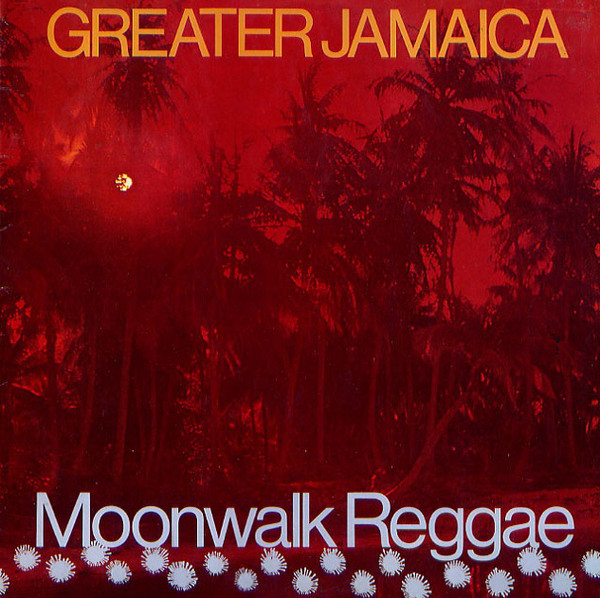
| 1975 | Received the Order of Distinction as an Officer; collaboration with Lee Perry |
| 1983 | Reformed the Skatalites for Reggae Sunsplash; began international touring career |
| 1998 | Died in Conyers (Georgia); funeral held at the National Arena in Kingston |
From Jazz to the Founding of Ska
Thomas Matthew McCook was born in Havana in 1927 into a family of Jamaican canal workers. In 1933, his mother returned to Kingston where she found a job as a cook at the Bournemouth Beach Club. It was there that young Tommy discovered music by listening to rehearsals behind the kitchens. At eleven, his mother enrolled him at Alpha Cottage School, a Catholic school for boys in difficulty. The school had its own brass band and McCook received solid training in music theory, tenor saxophone, and flute over four years. He recalls finding his first instrument there—a school saxophone he appropriated by playing alongside his classmate Gaynair.
After leaving Alpha, he was spotted in 1943 by Eric Dean himself. He passed through Don Hitchman’s sextet, among the first Jamaican musicians to record in 1952–1953, then went on to Roy Coburn’s Blu-Flames alongside young trombonist Don Drummond and saxophonist Roland Alphonso. In the 1950s, Kingston offered few outlets: in 1954, McCook left to play in Nassau, Bahamas, then settled in Miami. It was there that he heard John Coltrane for the first time. “Jazz was my first love,” he would say, with a fidelity that would span his entire career.
Returning to Jamaica in 1962, McCook found a transformed scene: ska had been born. Producers Coxsone Dodd and Vincent Chin tried to convince him to record, but he resisted for a long time. Dodd eventually secured only one jazz session released under the title Jazz Jamaica. Everything changed when he heard a piece by Coxsone where brass solos revealed that jazz could flourish within ska. His first foray into the genre, “Exodus” (November 1963), became an instant classic.
The following year, drummer Lloyd Knibb proposed he lead a supergroup uniting the island’s best musicians. McCook initially refused; by mid-1964, he accepted. “Someone suggested the Satellites,” he reported to the Independent, then added: “I said no. Skatalites was better since we were playing ska.” In fourteen months, the group became the absolute reference of ska: hundreds of instrumentals for Studio One and Treasure Isle, backing for the Wailers (the future Bob Marley), Alton Ellis, Lee Perry. McCook signed classics like Freedom Sounds, Fidel Castro, and Black Sunday.
From Rocksteady to Global Reggae
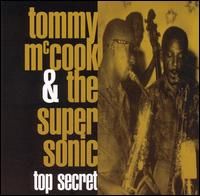
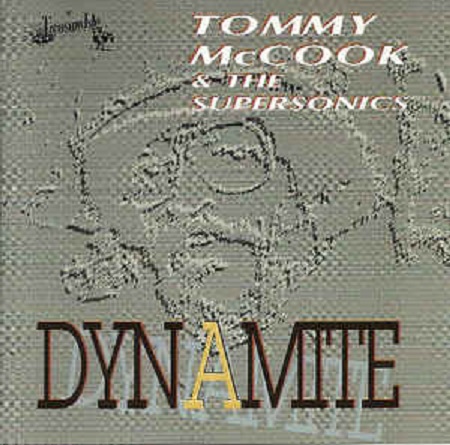
The group split in 1965, victim of internal rivalries. Duke Reid welcomed him as musical director of the Supersonics at Treasure Isle. With bassist Jackie Jackson and drummer Paul Douglas (close to Toots and the Maytals), McCook brought rocksteady to its peak. In 1973, the Supersonics recorded “Lock Jaw” under the name Upsetter & Tommy McCook—a cornerstone of emerging dub.
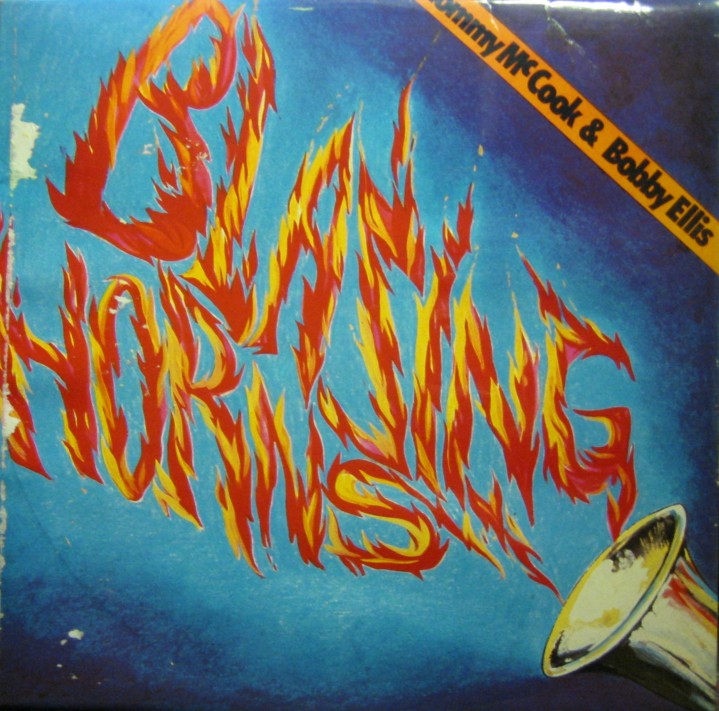
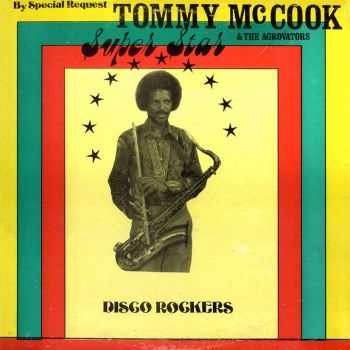
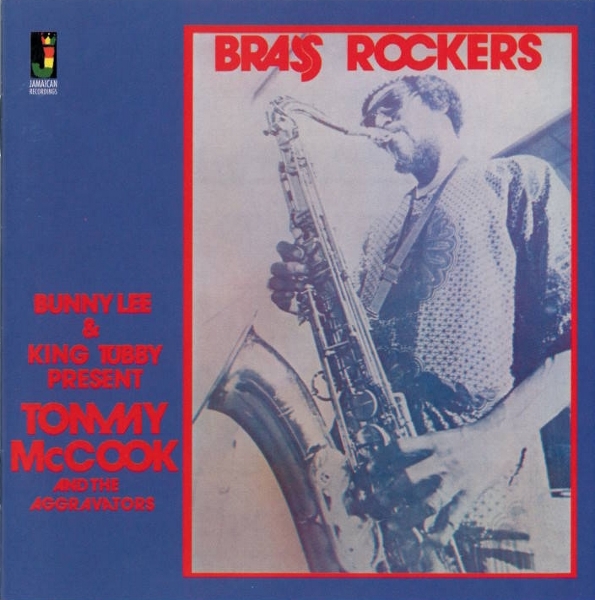
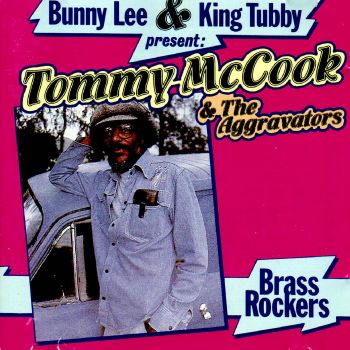
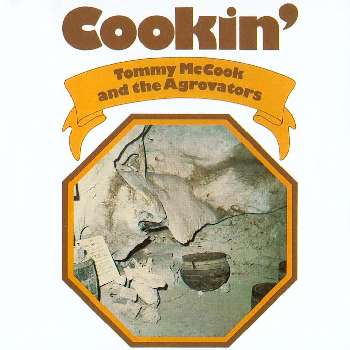
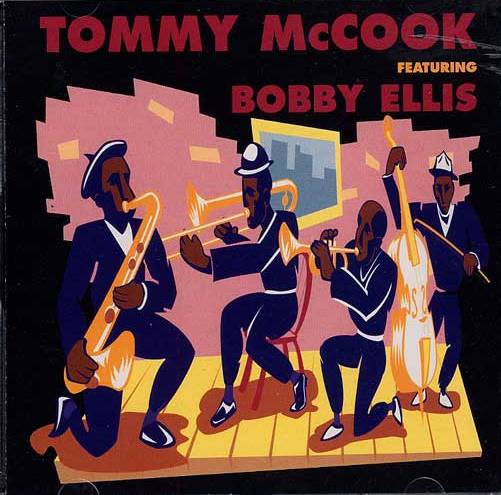
In the 1970s, McCook multiplied sessions for all Kingston producers: Bunny Lee and his Aggrovators, Lee Perry (Cloack and Dagger, Black Board Jungle), the Revolutionaries of Channel One. He also released his own albums—Cookin’ (1974), Brass Rockers (1975)—and formed with trumpeter Bobby Ellis the duo Blazing Horns (1979), whose tracks Revenge, Plague of Horn, and Death Trap marked the peak of instrumental reggae.
In 1983, with manager Herbie Miller, he reformed the Skatalites for Reggae Sunsplash. Success invited him to settle in the United States in 1985. The group went on a world tour, participated in Skavoovee U.S.A. with the Specials and the Toasters, and received two Grammy Award nominations. In 1995, heart problems forced him to gradually withdraw. He died of pneumonia and cardiac arrest on May 5, 1998. His funeral was held at the National Arena in Kingston, attended by Sister Mary Ignatius, his teacher at Alpha School.
Major Works
| Work | Year | Why It’s Essential |
|---|---|---|
| “Exodus” | 1963 | First ska by McCook, adaptation of Ernest Gold’s theme that became a standard |
| Freedom Sounds (Skatalites) | 1964 | Instrumental masterpiece where the saxophone defines the classic ska sound |
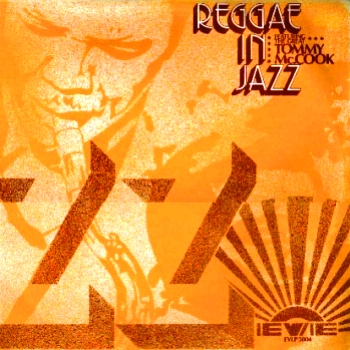
| Reggae in Jazz (Tommy McCook) | 1976 | Masterful fusion between jazz improvisation and reggae groove, produced by Bunny Lee |
| Blazing Horns (with Bobby Ellis) | 1979 | Legendary brass duo; Revenge and Plague of Horn as anthems of roots reggae |
Legacy and Influence
Tommy McCook was one of the main architects of the connection between American jazz and Jamaican rhythms. His saxophone, powerful in the low register and airy like a flute, gave the Skatalites their jazzy signature and rocksteady its elegance. The Skatalites became the fundamental reference for the British 2 Tone movement and international ska revolutions. Generations of reggae saxophonists claim his approach as their own. His instrumental work, rediscovered by Blood & Fire and Moon Ska reissues, remains an essential gateway to Jamaican musical heritage.
Sources and References
- “Tommy McCook”, English Wikipedia, https://en.wikipedia.org/wiki/Tommy_McCook, accessed November 22, 2026.
- “Tommy McCook”, French Wikipedia, https://fr.wikipedia.org/wiki/Tommy_McCook, accessed November 22, 2026.
- Jason Ankeny, “Tommy McCook — Biography”, AllMusic, https://www.allmusic.com/artist/tommy-mccook-mn0000519428, accessed November 22, 2026.
- “Tommy McCook’s Profile”, ReggaeCollector, https://reggaecollector.com/en/feature/artist.php?artist_id=247, accessed November 22, 2026.
- “Obituary: Tommy McCook”, The Independent, June 6, 1998, https://www.independent.co.uk/news/obituaries/obituary-tommy-mccook-1163183.html, accessed November 22, 2026.
- “Tommy McCook”, Discogs, https://discogs.com/artist/115863-Tommy-McCook, accessed November 22, 2026.