Biography
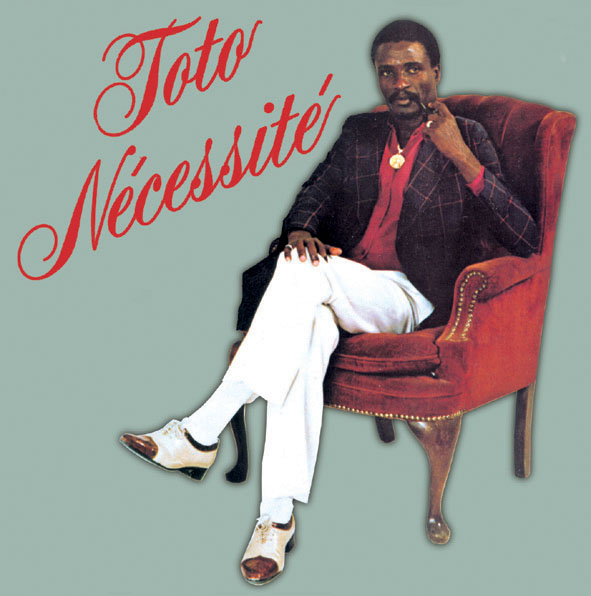
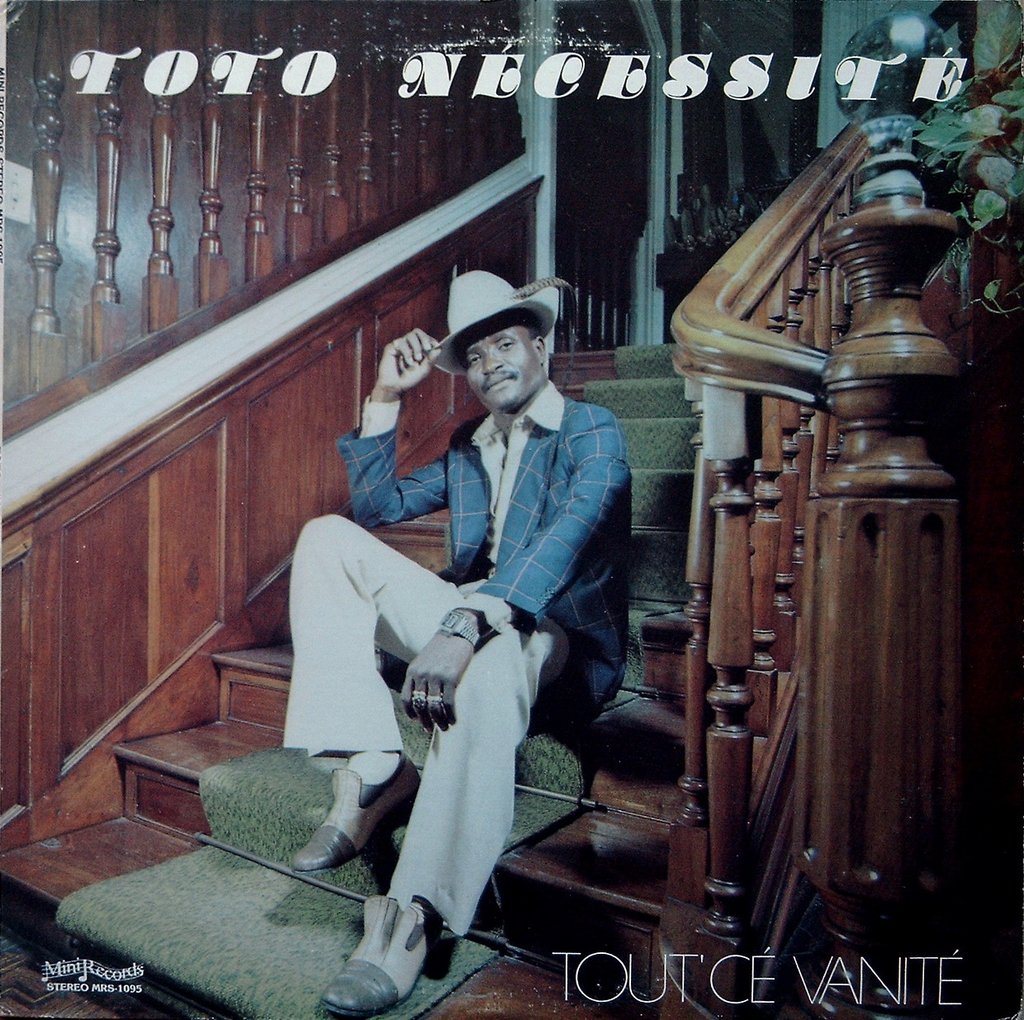
Jean Jules Similien, dit Toto Necessite
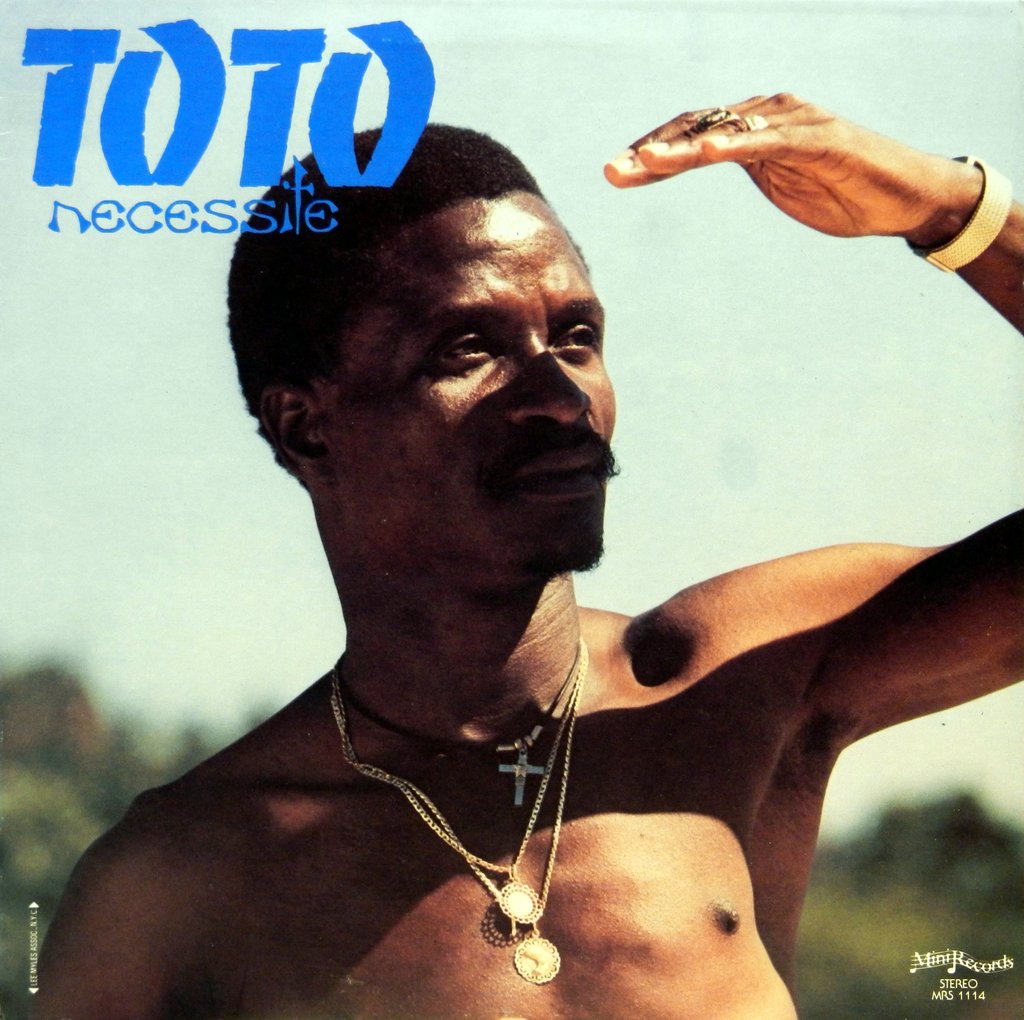
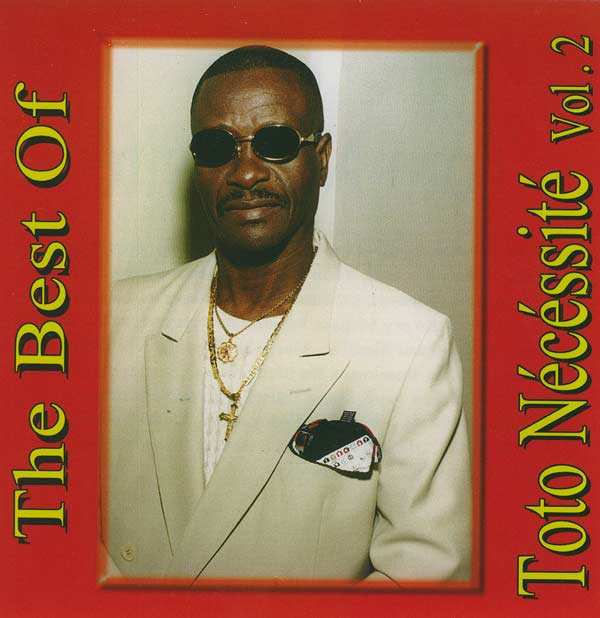
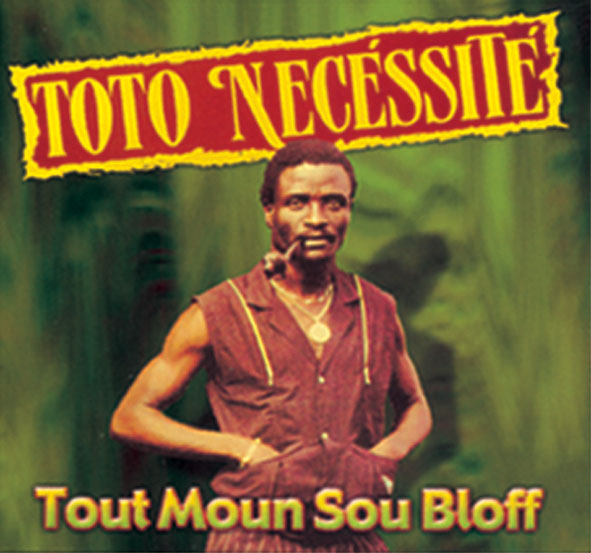
At Malibu — then one of the trendiest clubs on Manhattan’s Lower East Side, in the early 1970s — over a thousand people flocked for a premiere. The venue vibrated: Toto Necessite and his partner Rodrigue Milien, under the name Combite Créole, held their audience captive. The recipe? A dancing compas crossed with melancholic twoubadou and a popular verve that speaks of Haiti without sentimentality. Toto Necessite, whose real name is Jean Jules Similien, was born on August 18, 1945, in Port-Margot, in the Northern Department of Haiti. First a guitarist with Alcibiades, he forged his own identity by sharing the spotlight with Rodrigue — the success of a joint single in 1973 earned him the nickname Nécessité, a name that the diaspora would shout everywhere in New York.
In Brief
| Full Name | Jean Jules Similien (alias Toto Necessite / Toto Nécessité) |
| Birth | August 18, 1945, Port-Margot (North, Haiti) |
| Genre | Compas, twoubadou, Haitian music |
| Instruments | Vocals, guitar |
| Signature Works | “Nécessité”, “An Ba Besmint”, “Coq la chanté”, “Ti Pouchon” |
| Awards | Mini Records Gold Plaque (1992, Atlanta) — awarded for the success of “Coq la chanté” |
Key Dates
| Year | Event |
|---|---|
| 1945 | Birth in Port-Margot (North, Haiti) |
| ~1970 | Move to New York; joins Rodrigue Milien in a duo that becomes Combite Créole |
| 1973 | Success of the single “Necessity”, which gave rise to his nickname |
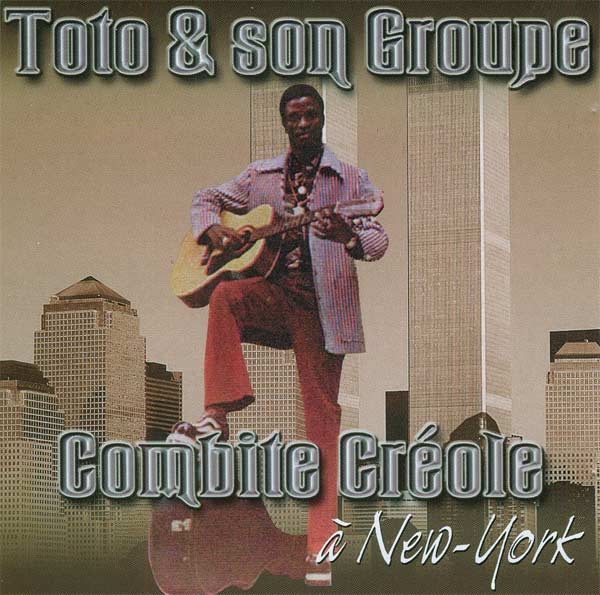
| 1974 | Recording of A New York (MARC Records) with Combite Créole |
| 1975 | Historic concert at Malibu Club: over a thousand people |
| 1975 | Combite Créole a New York — the duo crossed an important discographic milestone |
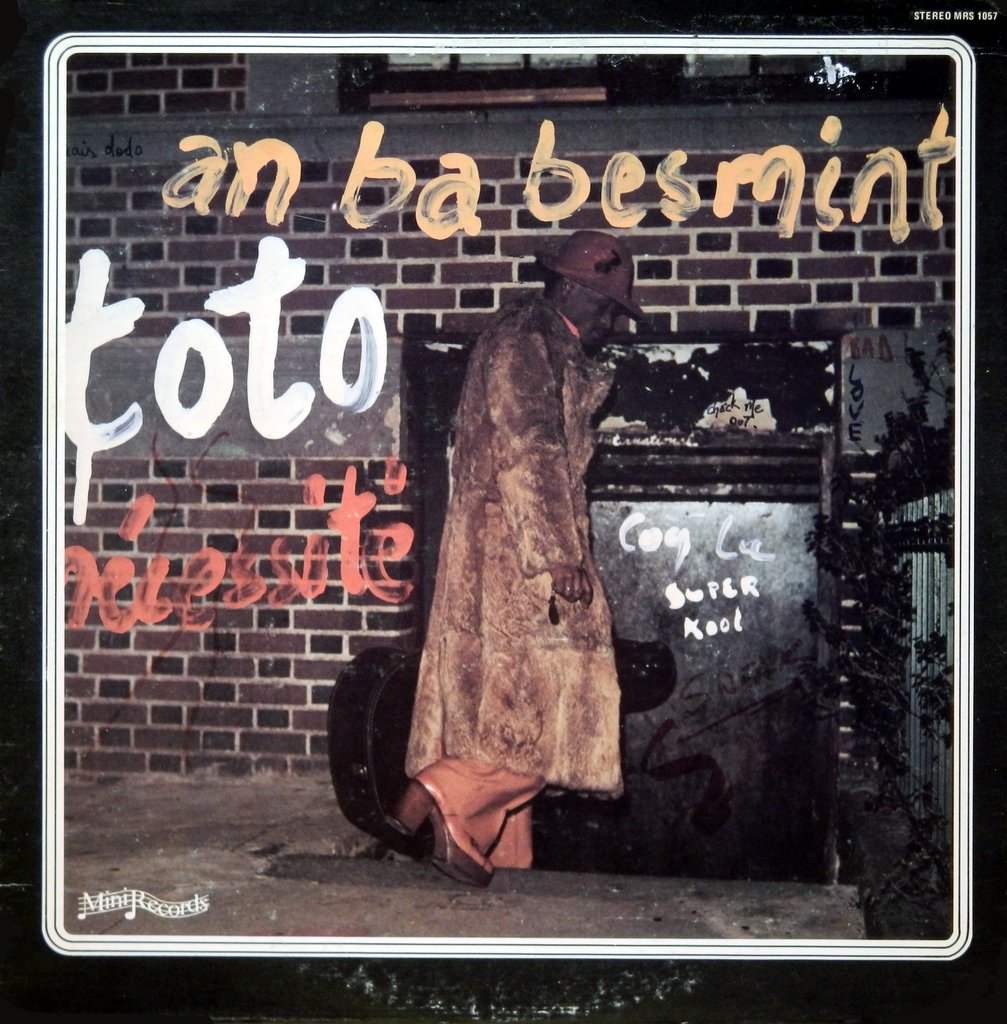
| 1977 | Solo album An Ba Besmint (Mini Records) — hit singles began to circulate |
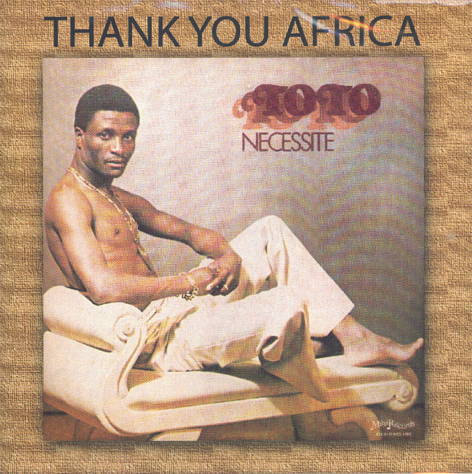
| 1978 | Thank You Africa with the hit “Coq la chanté” |
| 1980 | Solo album Bande Nan Chaud; major tour in Haiti |
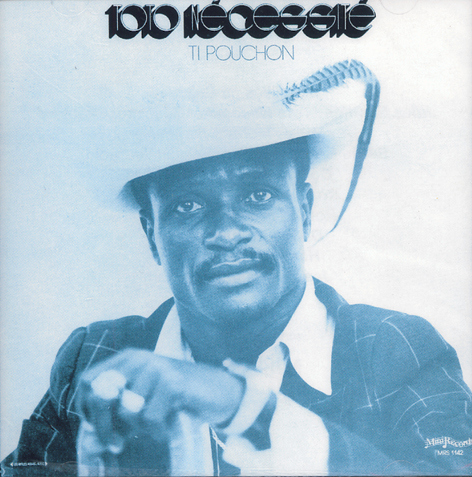
| 1982 | Historic duet with Coupé Cloué, album Mitan Gato A; “Ti Pouchon” in solo |
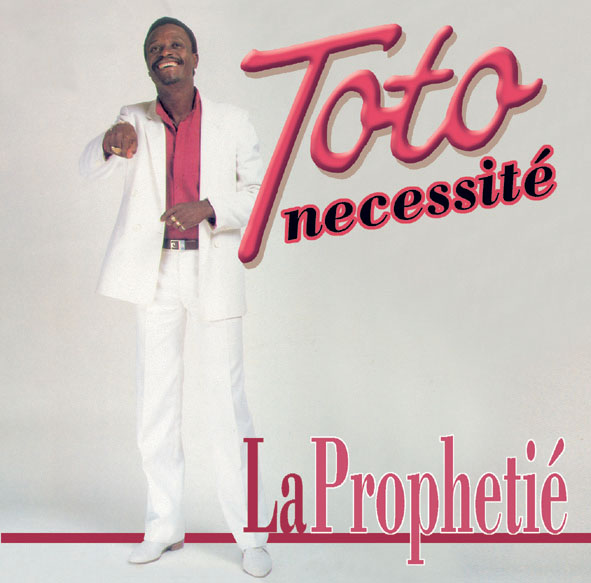
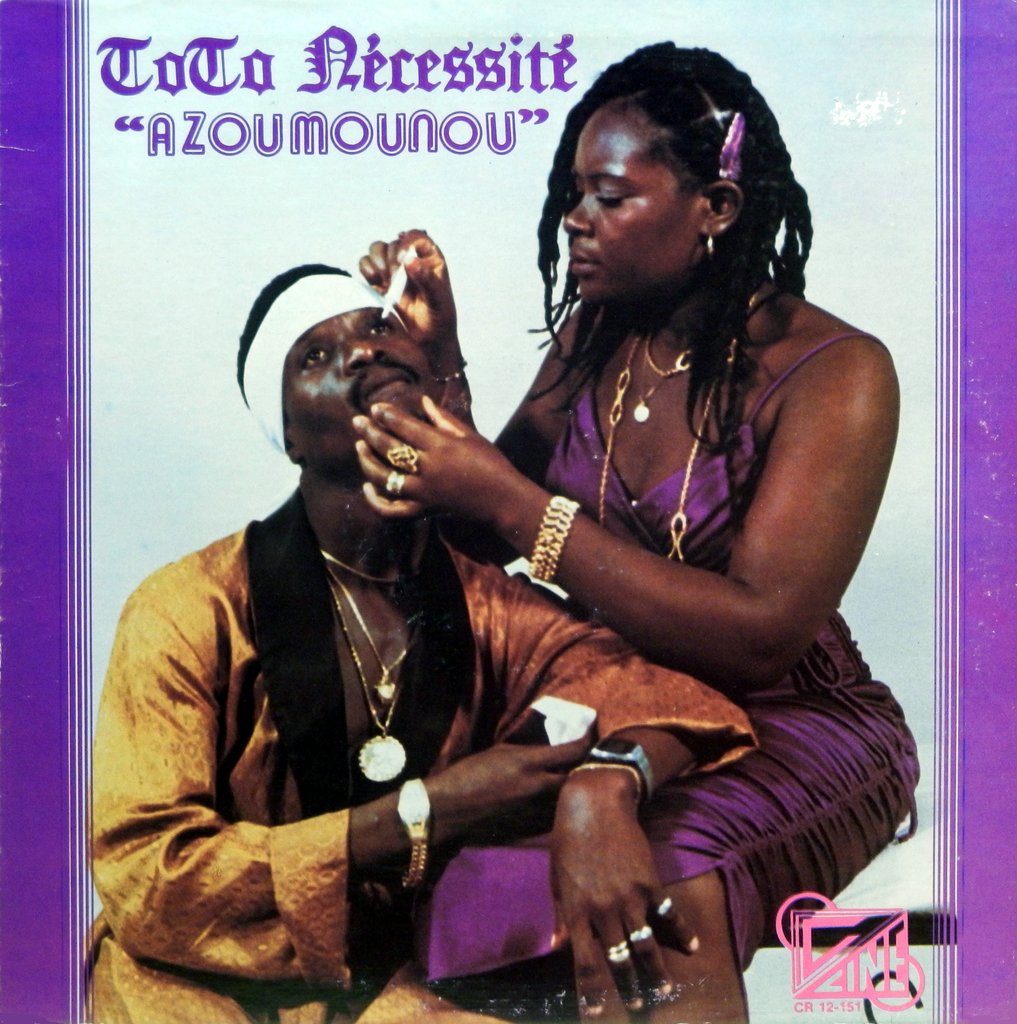
| 1982–1985 | Prolific period: Azoumounou, La Prophétie, Ti Fifi |
| 1986 | Final duo performance with Rodrigue Milien at Brooklyn College |
| 1987–2000 | Solo career; albums Haiti Libere, Connection, Ambargo |
| 1992 | Mini Records Gold Plaque in Atlanta for the success of “Coq la chanté” |
| 2006 | Conversion to Christianity; spiritual orientation in his music |
| 2018 | Album Tounen Lakay — 50 years of career and belated recognition |
Origins, Nickname, and Rise
Jean Jules Similien grew up in Northern Haiti and learned music on the fly, influenced by the streets and vigils. With a guitar in hand, he first joined Alcibiades’ group before crossing paths with Rodrigue Milien. The tandem was called Combite Créole, and the duo began touring in New York clubs frequented by the Haitian diaspora. It was in 1973, after launching a single titled “Necessity”, that Rodrigue and Toto took center stage — and Jean Jules Similien became, for the rest of his life, Toto Nécessité. The duo’s growing fame opened doors to New York: in March 1974, A New York was released by Marc Records. The album captured the breath of a music scene dominated by big names in konpa, and their debut at Malibu Club set attendance records. When Rodrigue returned to Haiti, Toto stayed in the Big Apple and founded his own orchestra; his musical evenings became eagerly awaited weekly gatherings. On record, Toto Necessite alternated between melodic compas and twoubadou — this bare-guitar Haitian folk genre inherited from rural tradition — with a style that aimed to be that of the street sociologist: his lyrics described flaws, daily struggles, and a people’s creative mood without disguise. His repertoire spoke to diaspora audiences while remaining faithful to those in the homeland.
The Prolific Solitary Artist
Starting in 1977, with the album An Ba Besmint on Mini Records, Toto Necessite established himself as a solo artist. The label released practically one album every two years between 1977 and 1985: Thank You Africa (with the hit “Coq la chanté”), Bande Nan Chaud, “Ti Pouchon”, and especially the unlikely duo Mitan Gato A with legendary Coupé Cloué, on Cine Records. The album Mitan Gato A remains a reference: the off-kilter verve of Coupé Cloué paired with Toto’s elegant twoubadou gave birth to tracks like “Toto et Coupé (Voyé Monté)” or “Çam Fê Map Paye”, which would remain in the playlists of Creole parties for decades to come. After 1985, Toto continued: Haiti Libere (1986), Connection (1989), Ambargo, and Limena — titles that blend social commentary with dancing compas, featuring instrumentation that is always restrained but never dull. In 2012, he shared the Brooklyn College stage with Rodrigue Milien one last time; they sang “Necessity” accompanied by a live orchestra, to the applause of a captivated audience. In November 2018, with the album Tounen Lakay, Toto Necessite marked his sixty-third year of career and reminded us that he had traversed five decades without ever losing his DNA: music that speaks of misery, love, and faith — in Haitian Creole.
Major Works
| Work | Year | Why It Is Essential |
|---|---|---|
| “Necessity” / Nécessité | 1973 | The foundational title that gave the artist his nickname and launched the career of the duo Combite Créole |
| An Ba Besmint (Mini Records) | 1977 | First major solo album — the tracks “An Ba Besmint” and “Coq la chanté” become classics of the diaspora |
| Thank You Africa (with “Coq la chanté”) | 1978 | The track “Coq la chanté” will become the most famous; it earns the artist a gold record in 1992 |
| Mitan Gato A (duo with Coupé Cloué) | 1982 | Mythical collaboration; the verve of Coupé Cloué crossed with Toto’s twoubadou style |
| Ti Pouchon (Mini Records) | 1982 | Emblematic solo album, the finely danced compas signed by Toto alone — “Ti Pouchon”, “2 Chances” |
| Connection (Gaydem Productions) | 1989 | Turning point of the 80s; explores the relationship between Haitians and the United States |
Legacy and Influence
Toto Necessite is a pillar of Haitian music abroad, recognized for his consistency and the sincerity of his message. His albums An Ba Besmint and Ti Pouchon appear at the top of retrospective compilations on digital platforms. He has inspired a generation of troubadours who seek to reconcile compas and twoubadou with an uncompromising popular language. Since his spiritual turning point in 2006, his music sometimes turns into Christian praise — a radical change that never caused the artist to lose his original fan base.
Sources and References
- « Jean Jules Similien alias “TOTO NÉCESSITÉ” », Haitian Music Archive / OPA Music, accessed November 9, 2025.
- « Toto Nécessité – 1980 », Afro Caribbean Beats, 2025.
- « Mitan Gato A – Coupé Cloué & Toto Nécessité, 1982 », Afro Caribbean Beats, September 5, 2025.
- « Toto Necessite », Discogs, https://www.discogs.com/artist/1432097-Toto-Necessite, accessed November 9, 2025.
- « Toto Necessite », Rate Your Music, https://rateyourmusic.com/artist/toto-necessite, accessed November 9, 2025.
- « Toto Nécessité — Complete Discography », Konpa.info, accessed November 9, 2025.
- « Toto Necessite », Mini Records Official, http://www.minirecords.com/artists2.asp?artist_id=59, accessed November 9, 2025.