Biography
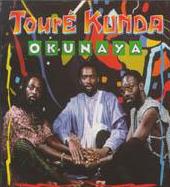
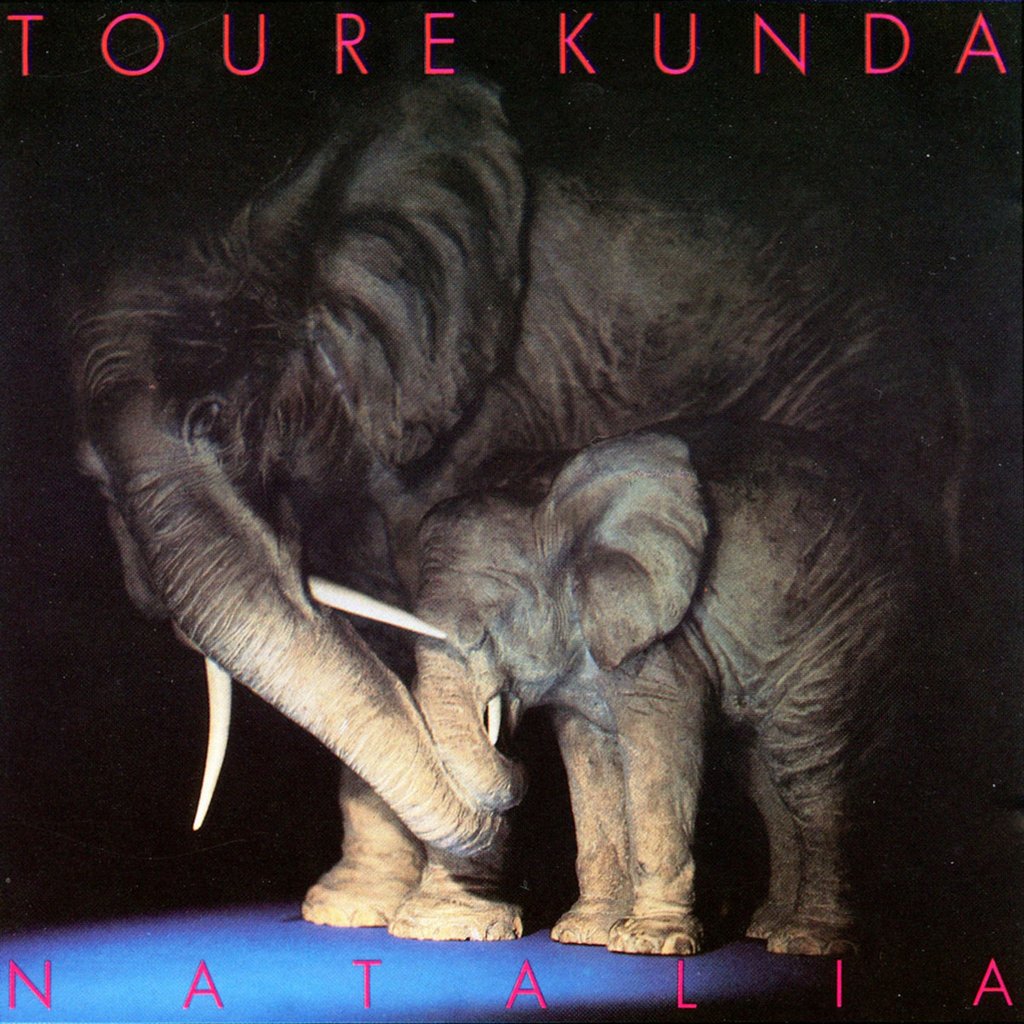
Touré Kunda: the elephant family that made the world dance
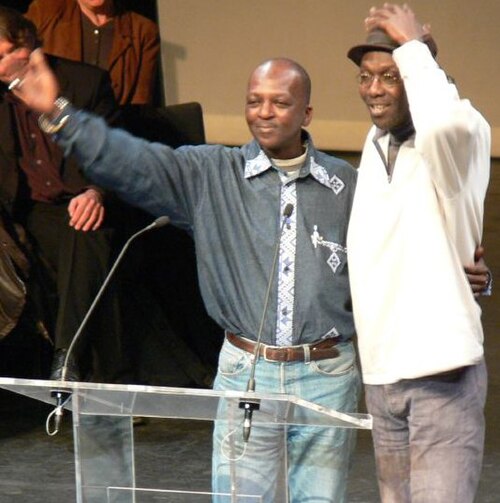
In 1984, at Espace Balard in Paris, 20,000 people sang in chorus with a group from Casamance. In front of this frenzied crowd, the Touré brothers realized they had opened a door that no one had yet crossed: that of an African music that no longer needed to make itself acceptable to seduce the general public.
In brief
| Group name | Touré Kunda (“the elephant family” in soninké) |
| Origin | Ziguinchor, Casamance, Senegal → Paris, France |
| Genre | Mbalax, reggae, afro-rock, djambaadong |
| Active period | 1979 – present |
| Emblematic works | É’mma Africa, Turu, Paris-Ziguinchor, Santhiaba |
| Distinctions | Gold record (Toubab Bi, 1986); participation in Carlos Santana’s album Supernatural (8 Grammy Awards, 1999) |
Key dates
| Year | Event |
|---|---|
| 1950 | Birth of Ismaïla and Sixu Tidiane Touré in Ziguinchor (22 days apart) |
| 1975 | Ismaïla goes as a scout to Paris; Sixu joins him in 1977 |
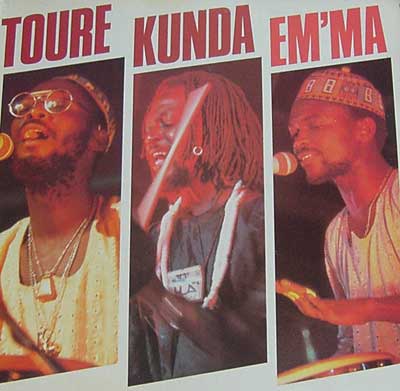
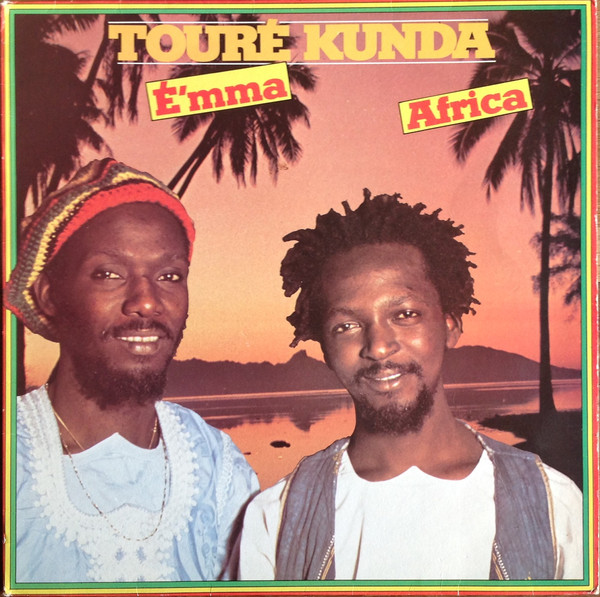
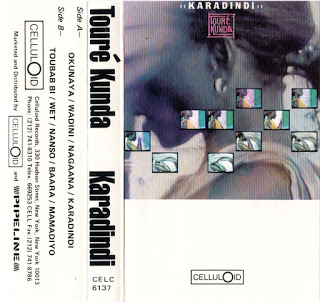
| 1980 | First album É’mma Africa under the Celluloïd label |
| 1983 | Death of Amadou; tribute album Amadou Tilo; arrival of Ousmane |
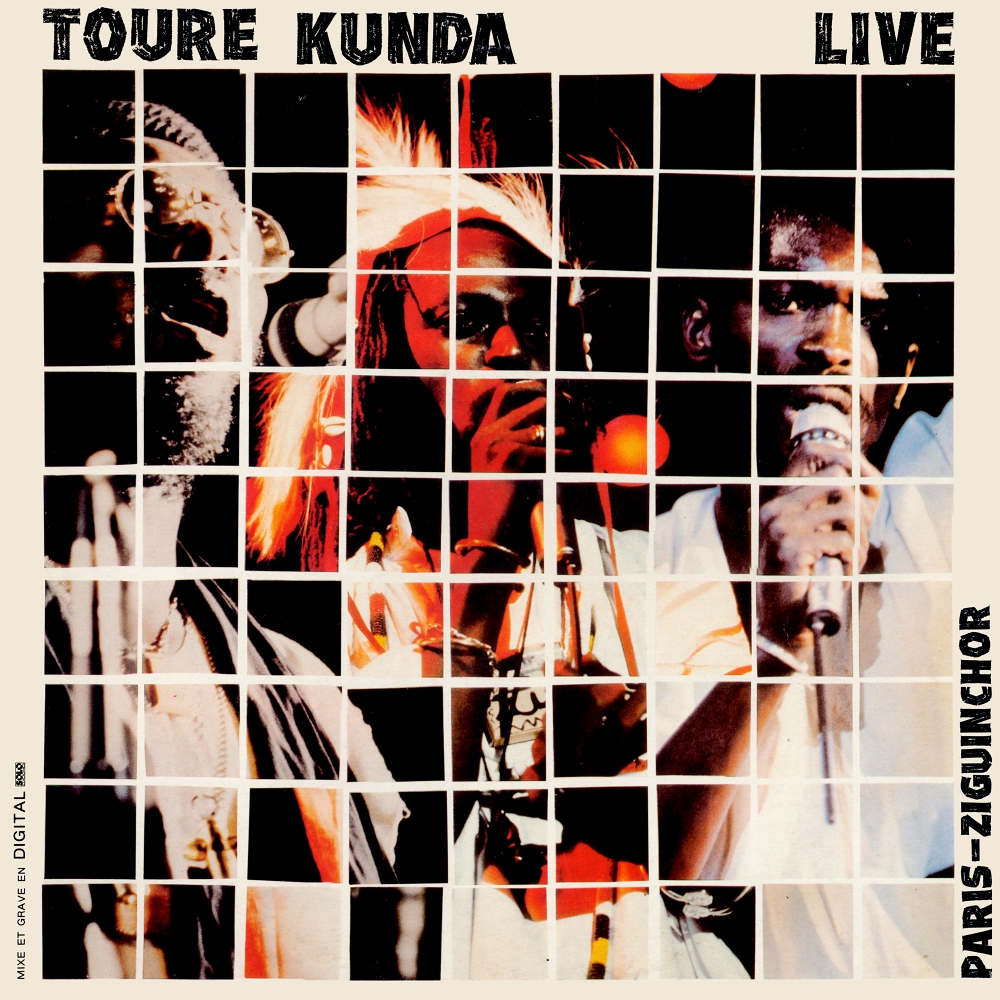
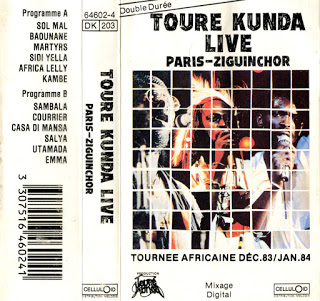
| 1984 | Paris-Ziguinchor: 200,000 copies, a record for African music |
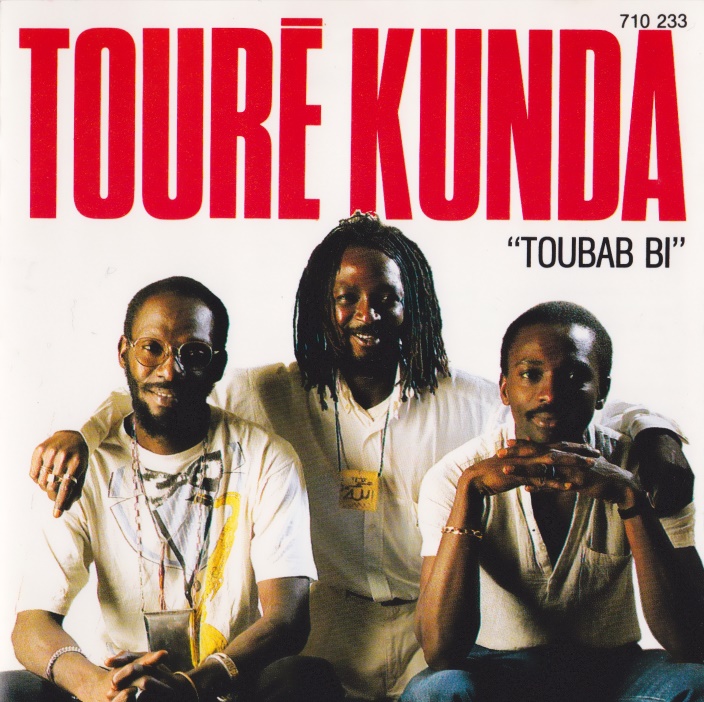
| 1986 | Gold record for Toubab Bi; tour in the United States |
| 1992 | Concert for Nelson Mandela at Trocadéro |
| 1999 | Collaboration with Carlos Santana on the album Supernatural |
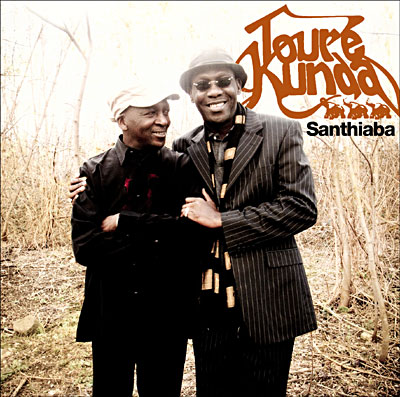
| 2008 | Return with Santhiaba |
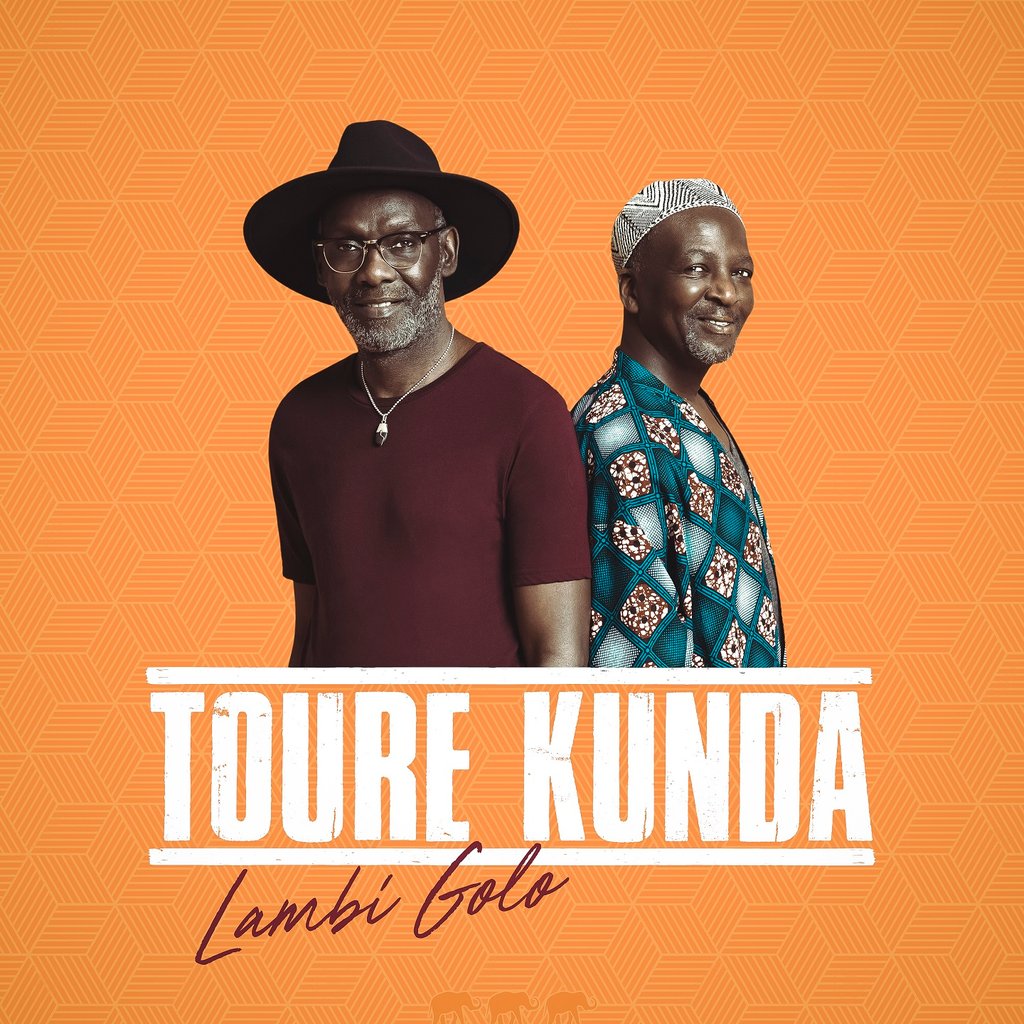
| 2018 | Album Lambi Golo for the 40th anniversary |
| 2023 | Death of Ismaïla Touré in Paris, at age 73 |
From the first step in Europe to international success
Born twenty-two days apart in 1950 in Ziguinchor, in the Casamance region, Ismaïla and Sixu Tidiane Touré grew up cradled by the tradition of griots. Their older brother Amadou, singer and musician, initiated them into singing, the kora, and the balafon — traditional instruments that would compose the fabric of their sound, even when they later adopted the electric guitar, bass, and synthesizer.
In 1975, Ismaïla was the first to board for Paris. He worked in hostels, composed jingles for African shops, and pulled his twin Sixu toward France. Their first record, Ismaïla do Sixu, was released in 1979. Acoustic, driven by voices and percussion, it “sounded like a manifesto,” as the 2019 reissue wrote. The two brothers followed up with small concerts in northern France, “without equipment, crammed ten in an old truck,” according to their own words reported in the 1985 biographical work. The turning point came with Amadou’s arrival in Paris in 1981 and the meeting with manager Gilbert Castro, owner of the club Les Saints-Pères, who signed the group to Celluloïd, a pioneering label for French world music.
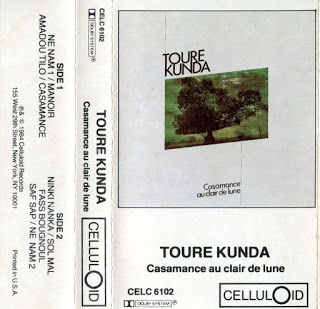
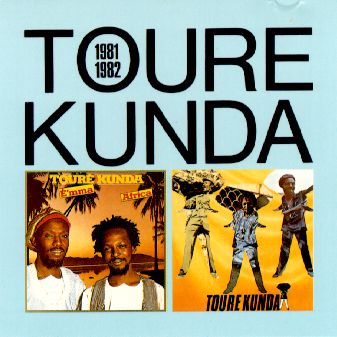
Their first album under the name Touré Kunda, É’mma Africa, appeared in 1980. The following one, Touré Kunda (1982), contains Turu, a title that became emblematic. The group performed at the Africa Fête festival in Pantin and Tropica Rythmes in La Courneuve in 1982, two pioneering events of the Afro-French scene. Le Monde of June 12, 1982 noted: “One cannot deny today the need for the Black community in Paris to meet on music that belongs to them.”
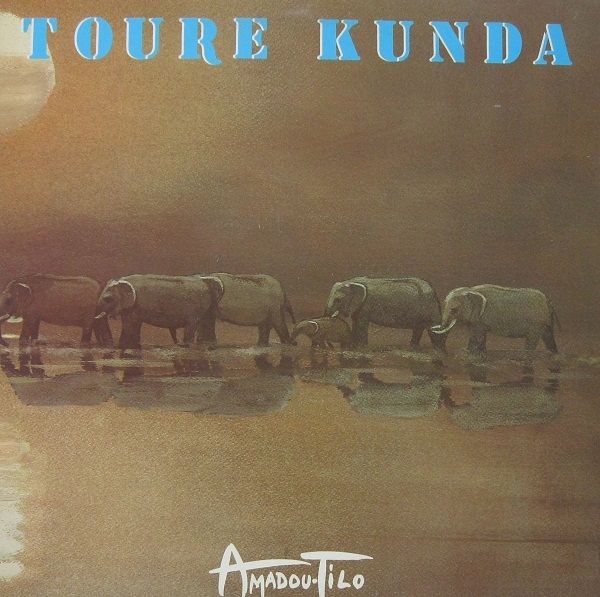
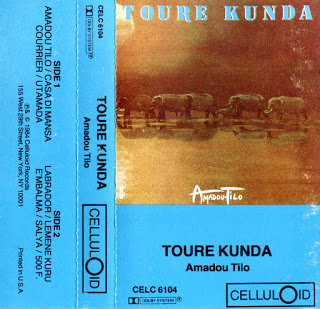
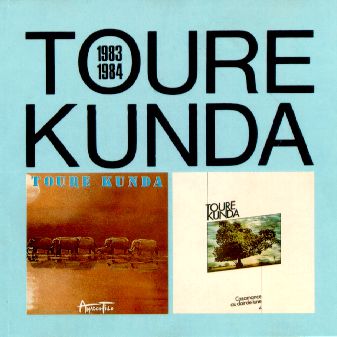
The drama struck in January 1983: Amadou died of a heart attack on the stage of Chapelle des Lombards. The surviving brothers organized a memorial concert at the Casino de Paris and recorded Amadou Tilo (“Amadou’s sun”), driven by Labrador. Ousmane Touré, the youngest, then joined the formation.
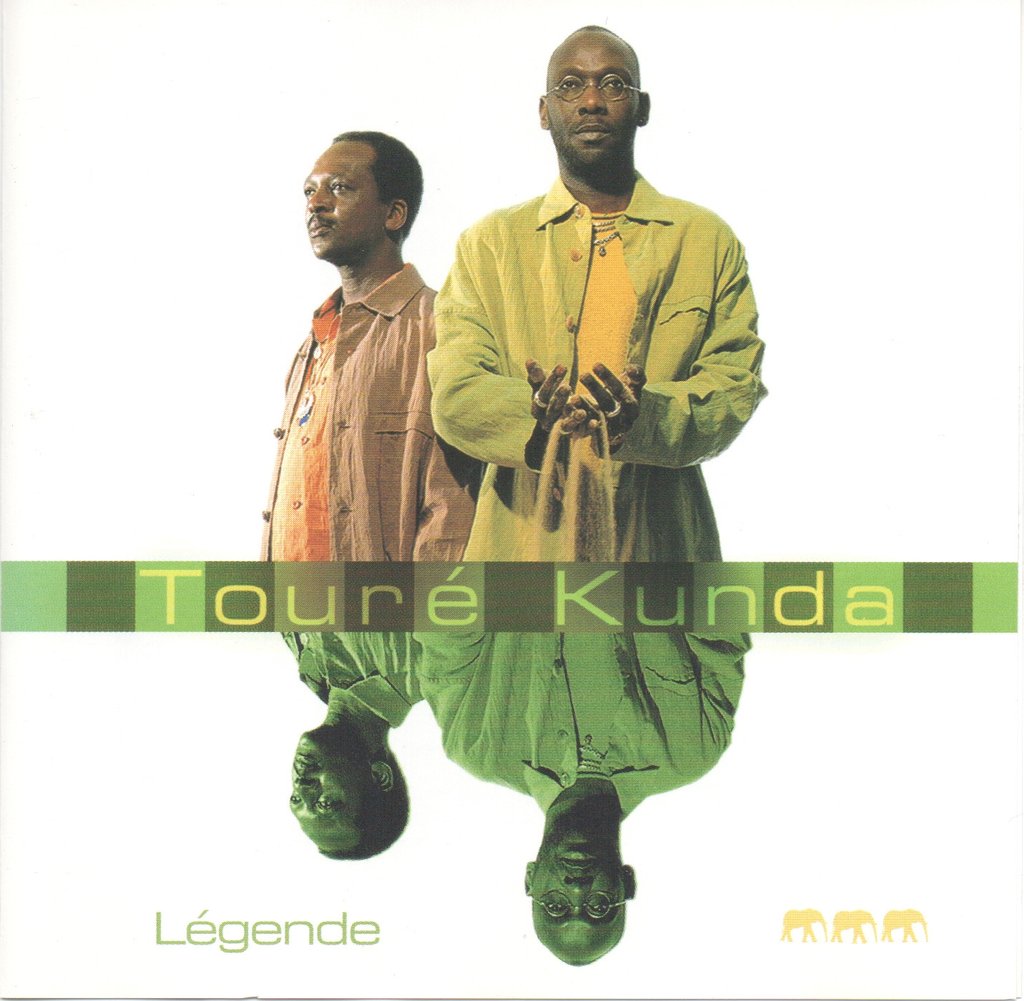
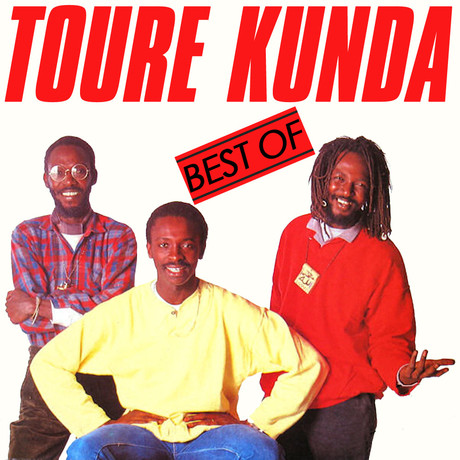
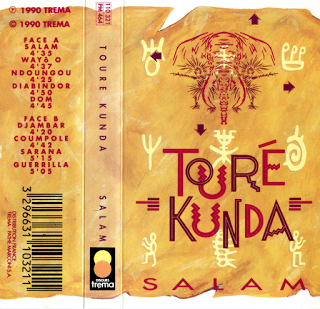
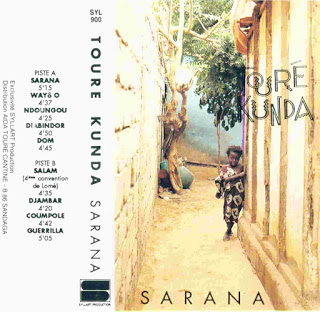
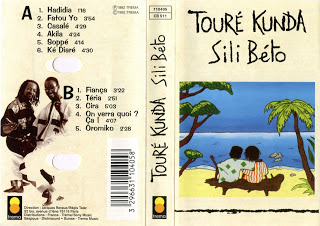
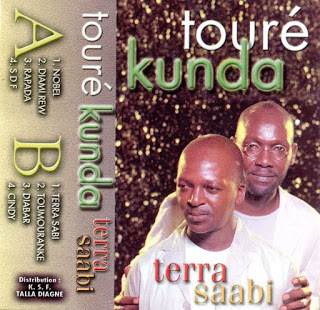
The brothers’ ambition was then boundless. In September 1983, they set off on a tour across five West African countries — Côte d’Ivoire, Mali, Gambia, Senegal, Casamance — in a 38-ton truck converted into a mobile stage. The experience was immortalized by the double live album Paris-Ziguinchor, released in 1984, which sold more than 200,000 copies, an unprecedented record at the time. In the second half of the 1980s, Touré Kunda signed with Tréma and followed up albums and tours: Toubab Bi (1986, gold record), opening act at Carnegie Hall. In 1992, the group sang for Nelson Mandela at Trocadéro. In 1999, their track Guerilla Africa was covered by Carlos Santana on the album Supernatural, which won eight Grammy Awards. Reduced to a duo after Ousmane’s departure, Touré Kunda celebrated its twentieth anniversary in 1999 with the compilation Légendes. After a long pause, they returned with Santhiaba (2008) and Lambi Golo (2018). Ismaïla Touré died on February 27, 2023 in Paris, at age 73. Sixu Tidiane Touré continues the adventure.
Major works
| Work | Year | Why it’s essential |
|---|---|---|
| É’mma Africa | 1980 | First album under the name Touré Kunda; laid the foundations for a mixed sound |
| Amadou Tilo | 1983 | Tribute album to the departed brother; Labrador became a Pan-African hymn |
| Paris-Ziguinchor | 1984 | Mythical live from the African tour; sales record then unsurpassed |
| Santhiaba | 2008 | Return to the sources; autobiographical portrait of the Ziguinchor neighborhood |
Legacy and influence
Touré Kunda paved the way. Before Youssou N’Dour and the international sales of African music, the group showed that one could sing in soninké, mandingue, diola, fulani, and wolof without submitting to Western codes. Their “djambaadong” — a dance mixing mbalax, reggae, Latin and African rhythms — influenced an entire generation of Afro-French musicians. Committed to children’s rights and the homeless, participating in the United Nations Decade for a Culture of Peace, they turned their musical success into civic engagement. Their journey remains a reference for any African artist seeking to conquer the world without renouncing their roots.
Sources and references
- Bertrand Lavaine, « Quand Touré Kunda ouvrait la voie », RFI Musique, https://musique.rfi.fr/musique-africaine/20230303-quand-toure-kunda-ouvrait-voie.html, consulté le 19 octobre 2026.
- Alison Hird, « Acclaimed Senegalese singer Ismaïla Touré dies in France », RFI, https://www.rfi.fr/en/culture/20230228-acclaimed-senegalese-singer-isma%C3%AFla-tour%C3%A9-dies-in-france, consulté le 19 octobre 2026.
- « Touré Kunda (groupe) », Wikipédia, https://fr.wikipedia.org/wiki/Tour%C3%A9_Kunda_(groupe), consulté le 19 octobre 2026.
- « Touré Kunda », Wikipedia (EN), https://en.wikipedia.org/wiki/Tour%C3%A9_Kunda, consulté le 19 octobre 2026.
- AllMusic, « Touré Kunda — Biography, Discography », https://www.allmusic.com/artist/tour%C3%A9-kunda-mn0000010159, consulté le 19 octobre 2026.
- « Touré Kunda », Universal Music France, https://universalmusic.fr/artistes/20000285923, consulté le 19 octobre 2026.
- « Touré Kunda : la famille éléphant des frères Touré », France Inter / Radio France, https://www.radiofrance.fr/franceinter/podcasts/legendes-de-la-musique-africaine/toure-kunda-9375020, consulté le 19 octobre 2026.
- « Touré Kunda: Overview », Site officiel, https://toure-kunda.neocities.org/toure-kunda-000, consulté le 19 octobre 2026.