Biography
Victor Delver
In brief
| Stage name | Victor Delver |
| Real name | Victor Martinel |
| Origin | Martinique, French Antilles |
| Field | Singer, singer-songwriter; zouk and zouk love |
| Signature works | “Aimer en silence”, “Domi en lov”, album Champagn' |
| Notable collaborations | Frédérick Caracas, Thimothey Herelle, Luc Leandry all stars |
Key dates
| Year | Event |
|---|---|
| ~1974 | Birth in Martinique; received first guitar at age six under the influence of his father |
| 1980 | Creation of the group Aigles Noirs with friends from the island |
| 1982 | Tche Bambou-Galanga project, influenced by the Chouval bwa movement; stands out at the 14th Fort-de-France Cultural Festival |
| 1987 | Formation of the BSBG quartet; studies at Christian Florentiny’s Study 14 school; hosting on Radio Éveil du Lorrain |
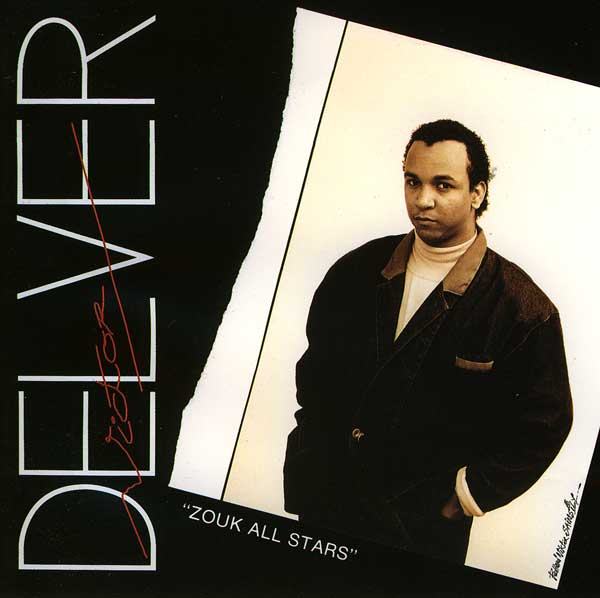
| 1989 | First album with Moradisc, Zouk All Stars; his cousin Thimothey Herelle encourages him to sing |
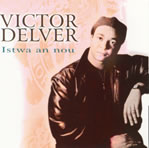
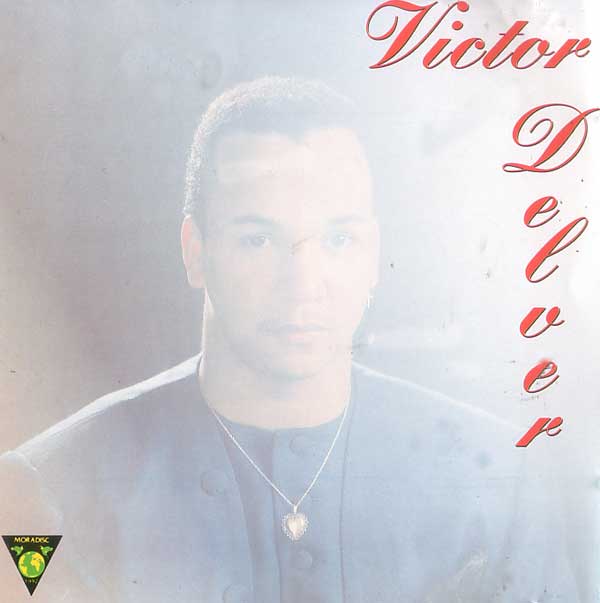
| 1992–1993 | Victor Delver (self-titled) then Champagn’, a cult album of Antillean zouk |
| 2000 | Release of Métissage, first major solo album with the hit “Flam Vakans” |
| 2006 | Publication of An didan mwen; established collaboration with Frédérick Caracas |
| 2018 | Release of Kawfou Karaib, a poignant tribute to Haiti; cover of “L’amitié” by Thimothey Herelle |
From father’s guitar to artist’s microphone
Victor Martinel, known as Victor Delver, is a Martinican singer whose musical vocation began well before adolescence. His father gave him his first guitar at six years old, and the child taught himself the chords that would shape his entire career. The path led through youth groups: in 1980, he created the Aigles Noirs with friends from his neighborhood. Two years later, the Tche Bambou-Galanga project made an impression by drawing inspiration from Chouval bwa — a movement that reinvents Creole musical traditions with homemade instruments and lyrics rooted in daily life — while paying homage to Max Cilla and Dédé St Prix, tutelary figures of the local scene.
Recognition came at the 14th Fort-de-France Cultural Festival, where Victor stood out and joined the Vikings of Lycée du Lorrain. In 1987, he refined his craft at the Study 14 school directed by Christian Florentiny. The BSBG quartet emerged from this period and opened doors to Martinican hotels and restaurants. Meanwhile, Victor tried his hand at radio hosting on Éveil du Lorrain, developing a sense of speech that would serve his future writings. His studio debut with Hibiscus Record, under the watch of artist Freem, laid the groundwork for a career that truly took off around the turn of the 2000s.
The quiet singer: success, collaborations and longevity
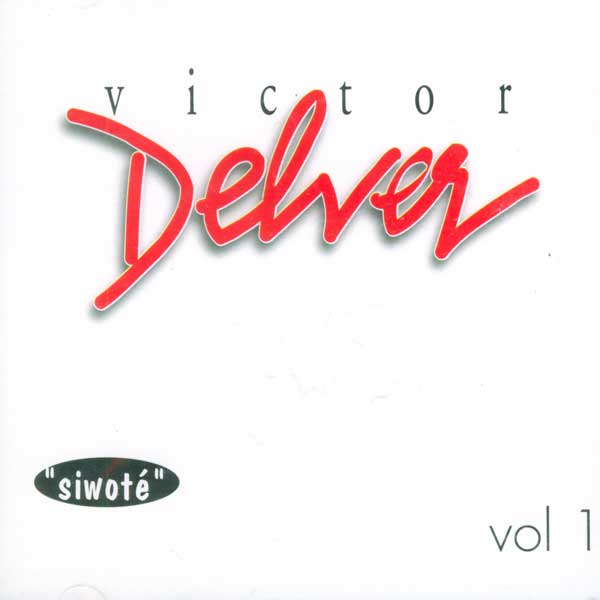
In 1989, Victor Delver signed his first album on the Moradisc label, Zouk All Stars. He kept releasing albums: the self-titled (1992), Champagn’ (1993) with Frédérick Caracas, Hot Line (1995), Siwoté (1996). These records, distributed locally and played in neighborhood parties as well as on Caribbean radio waves, built a loyal audience but did not propel Victor to the forefront of the national stage.
The real launch occurred with Métissage (2000), recorded alongside Kend Alkan and Jacques D’Arbaud, featuring Ti Jack, J.P. Marthely and J.P. Fanfan. The hit “Flam Vakans” crossed the Antilles and brought Victor into the major zouk catalog. The following year, Solitude confirmed his intimate approach with Herman Fleret, Pipo Martias and Charly Chrone. The collaboration with Frédérick Caracas became central: “Aimer en silence” and “Domi en lov”, two tracks in Creole signed by the two men, each surpassed 150,000 streams on Spotify and rank among the most played songs in the contemporary zouk repertoire.
Primarily a stage artist — ZoukJam describes him as an essential figure of authentic zouk and highlights that it is in live performance that he captivates audiences — Victor Delver alternates between solo albums, collective projects (Trois en Un, Zouk Swing, Osmose) and occasional collaborations with Luc Leandry all stars or Stéphane Manga. In 2018, Kawfou Karaib pays tribute to Haiti with a poignant text. That same year, he covered “L’amitié”, an emblematic track by his cousin Thimothey Herelle, arranged by Oscar Michaud: a gesture linking two generations of Creole singers.
Major works
| Work | Year | Why it is essential |
|---|---|---|
| Champagn' | 1993 | Cult album of Antillean zouk, co with Frédérick Caracas; lays the foundations of the Victor Delver sound |
| Métissage | 2000 | First truly popular solo album; “Flam Vakans” crosses the Antilles and launches the national career |
| “Aimer en silence” (f. Frédérick Caracas) | ~2006 | Victor Delver’s most streamed track; intimate Creole hymn at the heart of zouk love |
| “Domi en lov” (f. Frédérick Caracas) | ~2006 | Iconic duo with Caracas; flagship track of the contemporary zouk repertoire |
Legacy and influence
Victor Delver embodies a rare figure in Antillean music: that of an artist who chose constancy over visibility. For nearly forty years, he cultivated a repertoire where Creole remains the primary language, where collaborations replace studio individualism, and where authentic zouk — that which dances without getting lost in over-polished productions — retains all its substance.
Subsequent generations of Creole singers, from the young Martinican scene to Guadeloupean artists touring in metropolitan France, often claim this model: that of a singer who writes his own lyrics, arranges them himself and prefers live performance to music videos. Victor Delver was never a media phenomenon, but he remains a reference for all those who, in the Antilles and beyond, still listen to “Aimer en silence” or “Domi en lov” as one listens to an old friend who always returns.
Sources and references
- “Victor Martinel — Martinican artist”, Martinique Annu, accessed 20 November 2026.
- “Victor Delver”, Caribbean Music Artists, accessed 20 November 2026.
- “Victor DELVER — ZoukJam”, ZoukJam, accessed 20 November 2026.
- “Victor Delver”, Discogs, accessed 20 November 2026.
- “Victor Delver”, Spotify, accessed 20 November 2026.