Biography
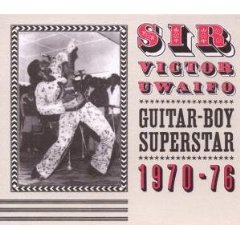
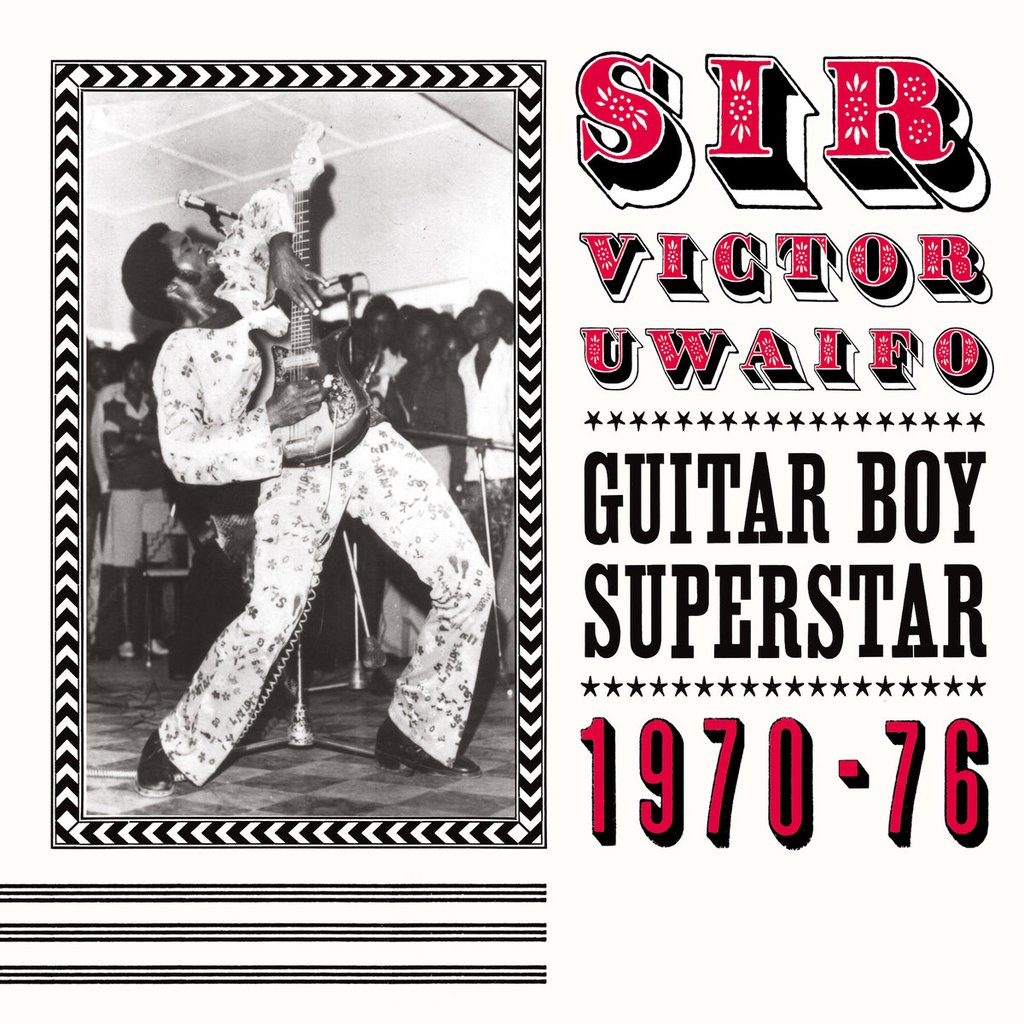
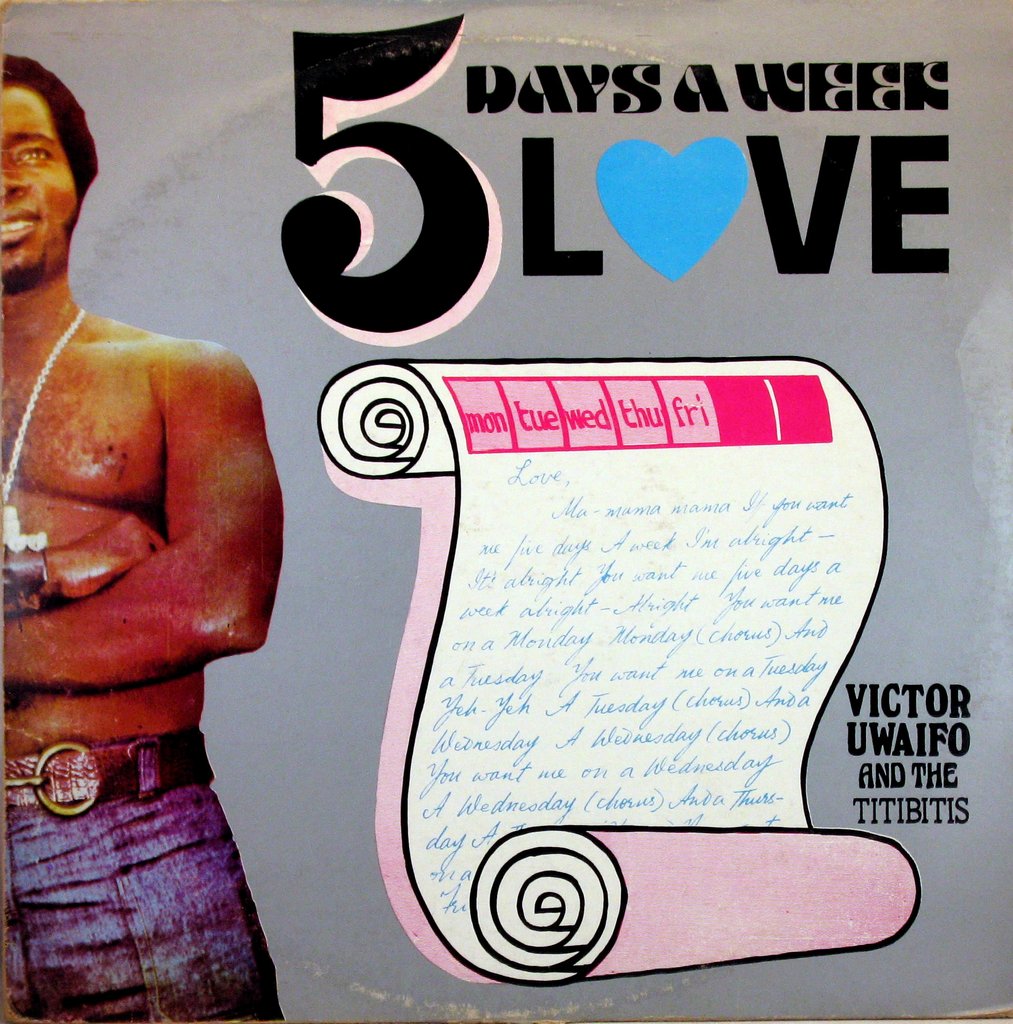
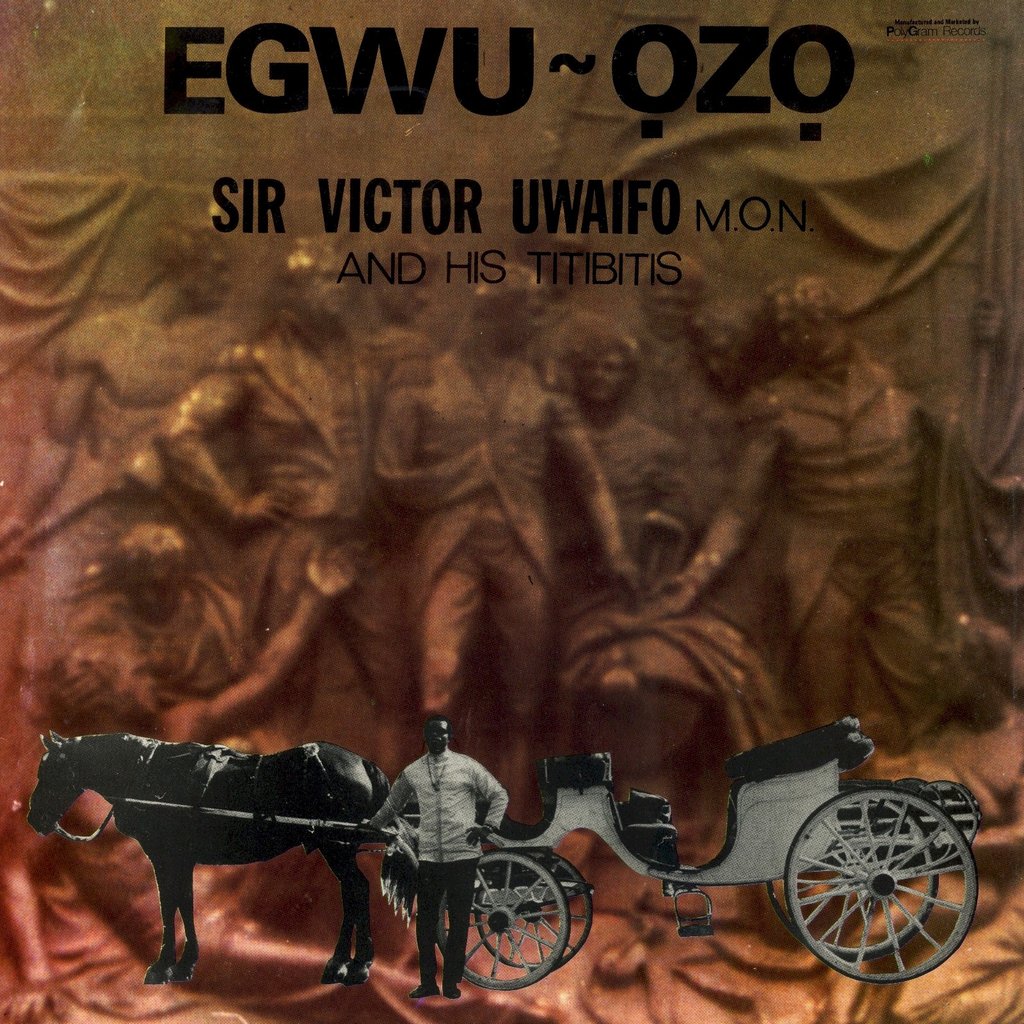
Victor Uwaifo
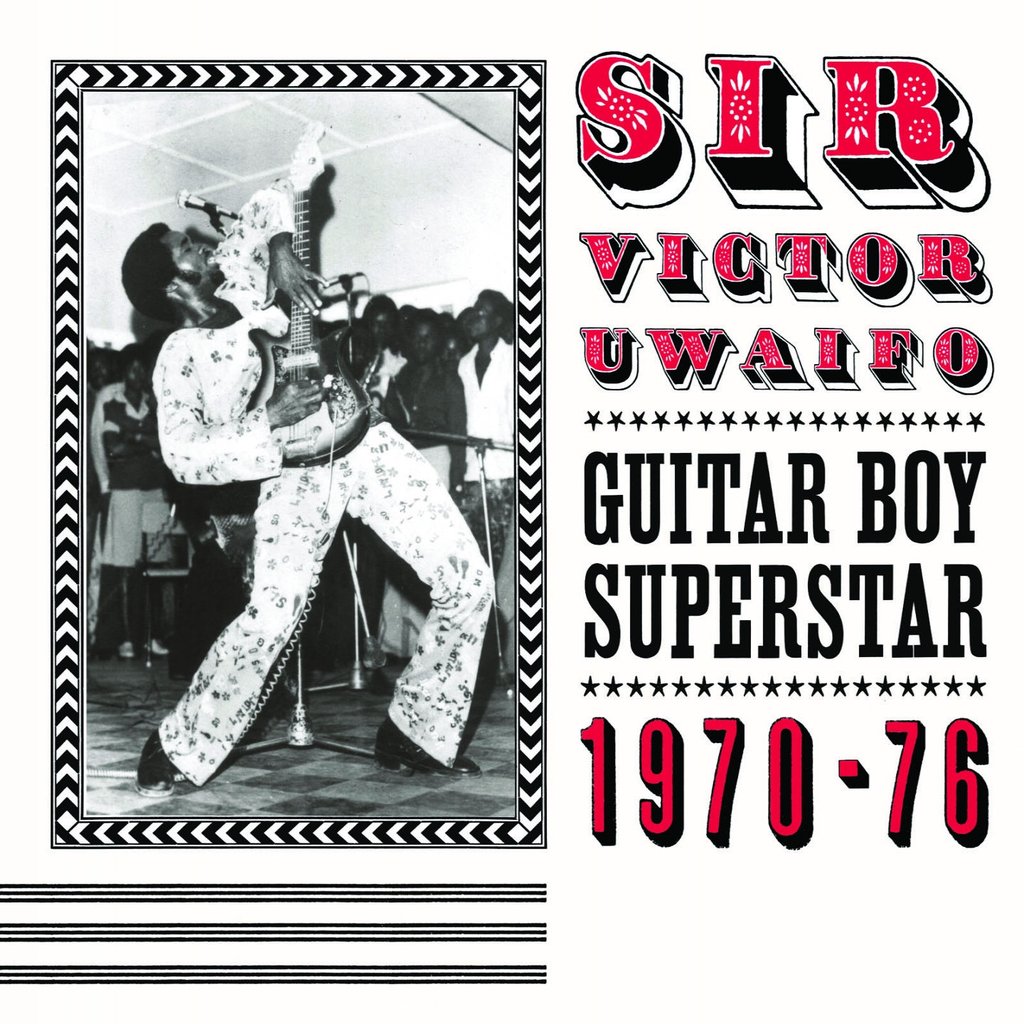
On the evening of 1966, on Bar Beach in Lagos, a young guitarist lay alone on a camp bed as the tide rose. He saw a floating silhouette emerge from the waves, shouting his name and whispering that he must not flee. He fled, clutching his guitar, and brought back to the world “Guitar Boy” — an international hit that transformed Nigeria into a land of highlife. This teenager who became a legend would, over fifty years of career, invent rhythms, instruments and a discography that made him the most prolific Nigerian musician of the 20th century.
In brief
| Full name | Victor Efosa Uwaifo |
| Nickname | Guitar Boy |
| Birth | March 1, 1941, Benin City (Nigeria) |
| Death | August 28, 2021, Benin City, Nigeria |
| Field | Highlife (Nigeria); also sculpture, instrument invention |
| Iconic works | “Joromi”, “Guitar Boy”, “Mummy Water”, Ekassa |
| Honors | First gold record in Africa (1965), Member of the Order of the Niger (MON) |
Key dates
| Year | Event |
|---|---|
| 1941 | Birth in Benin City, in the present-day Edo State |
| 1957-1961 | Secondary studies at St Gregory’s College, Lagos; begins guitar at age 12 |
| 1963 | Graphic design graduate from Yaba College of Technology, Lagos |
| 1965 | Formation of Melody Maestros and release of “Joromi” |
| 1965-1968 | Development of the Akwete rhythm; first gold record in Africa in 1965 |
| 1969 | Launch of the “Shadow” rhythm and its associated dance |
| 1971-1980 | Opening of Joromi Hotel (1971) and personal television studio |
| 1983 | Appointment as Member of the Order of the Niger (MON) by the federal government |
| 1995-1997 | Obtaining a first-class degree at age 54, then a master’s in sculpture at 56 |
| 2013-2021 | Collaboration with young Nigerian artists; burial after death on August 28, 2021 |
From Lagos Beach to the Rhythms of Akwete
Victor Efosa Uwaifo was born on March 1, 1941, in Benin City, in what is today Edo State, Nigeria. From childhood, he grew up rocked by his father’s gramophone — a rare family luxury — where Spanish and Latin American records resonated, shaping his taste for the guitar. At twelve, he built his first guitar from plywood boards, bicycle spokes for frets, brake cables as strings and a tin can opener for the mechanics. A year later, he approached local guitarists in a palmwine bar to learn their conventional method; the price, of course, was a jug of palm wine.
After his secondary studies at St Gregory’s College, Lagos, and his graphic design diploma from Yaba College of Technology, Uwaifo bought a real guitar and refined his playing. His initial practice was rooted in palmwine — this Nigerian acoustic style of the 1930s-40s where the guitar carried the tempo and chords alone — but from the 1960s he broadened his palette. Between sessions with E.C. Arinze’s group, he briefly rubbed shoulders with Stephen Osadebe and Fred Coker before launching the Melody Maestros, his own ensemble, in 1965.
The release of “Joromi” (1965-66) changed everything. Inspired by a Bini myth where a wrestler faces the seven-headed spirit of the beyond, the song blends highlife and electro techniques: deliberate distortion with a pick, simultaneous double strings, and a custom-made volume pedal system. “Joromi” sold 100,000 copies by 1969 and secured the first gold record ever awarded on the African continent — by Philips West Africa.
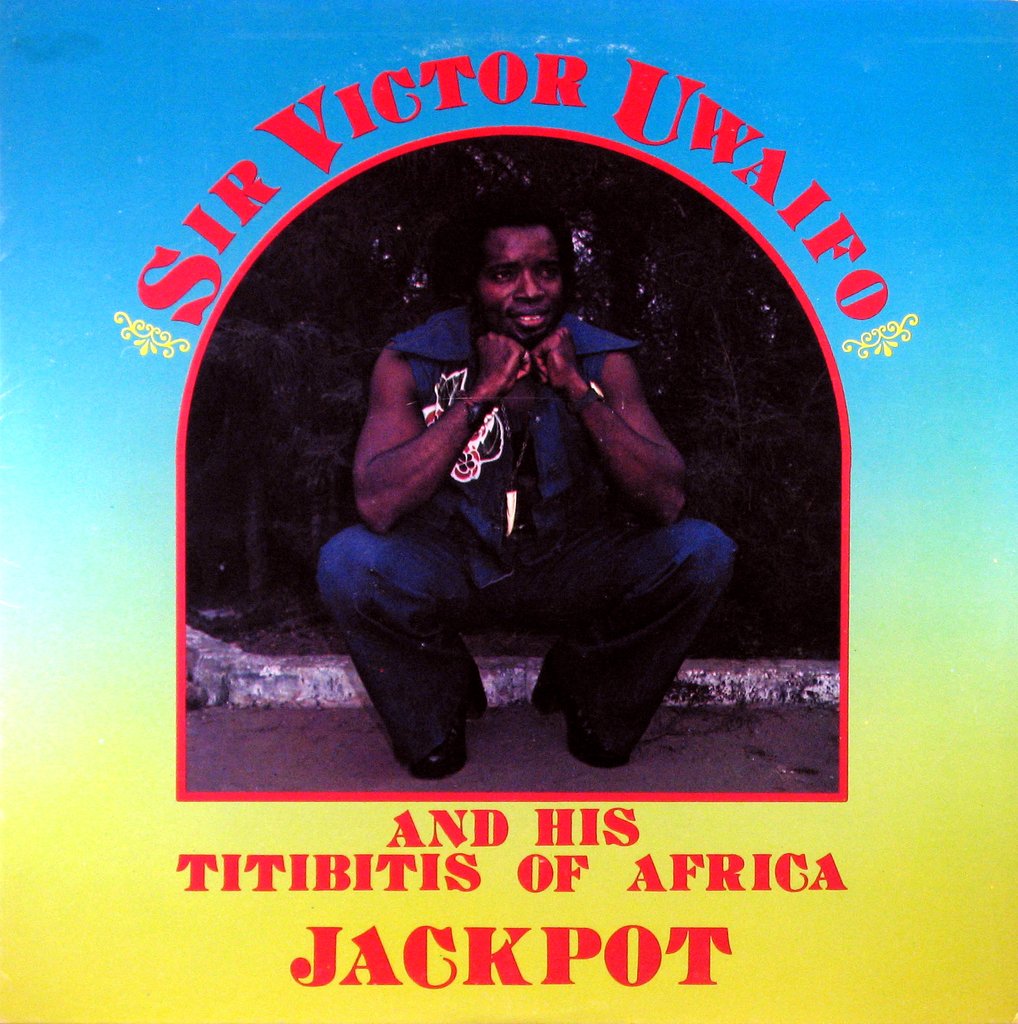
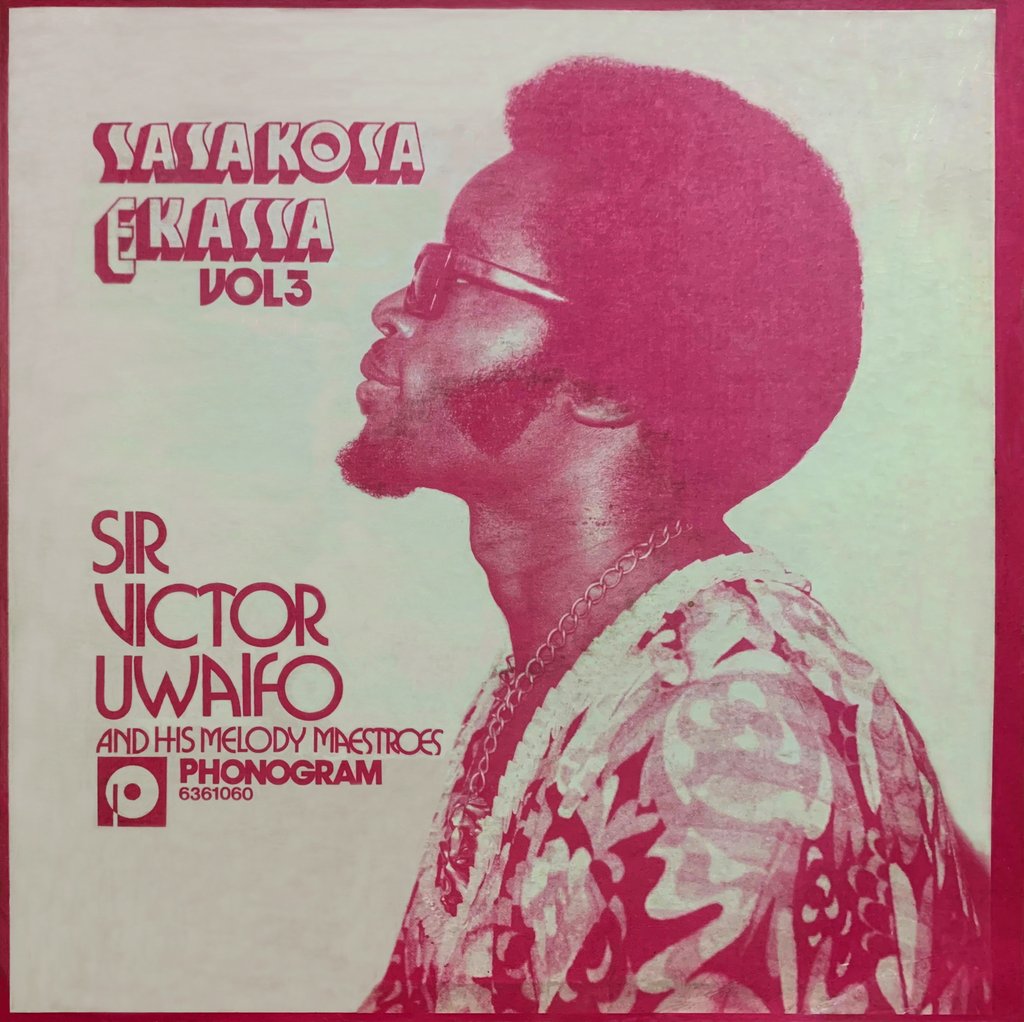
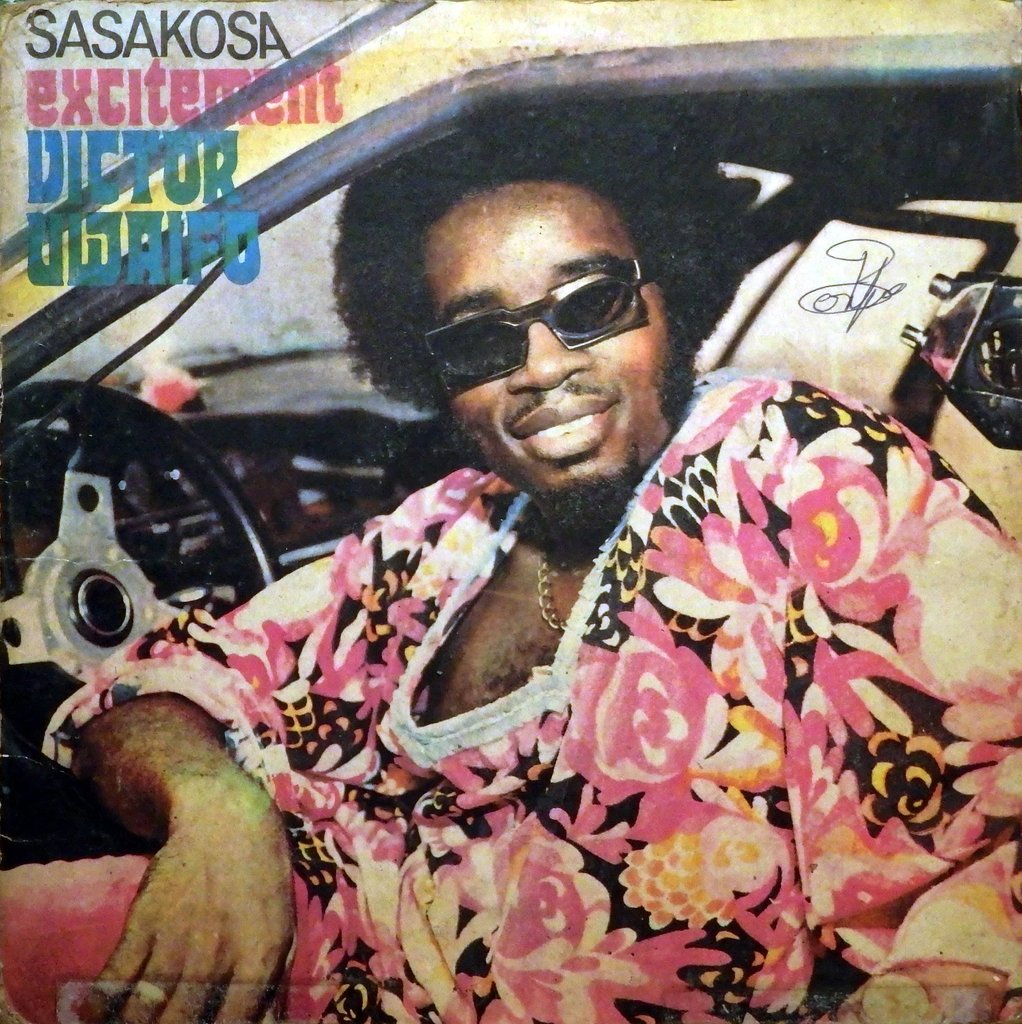
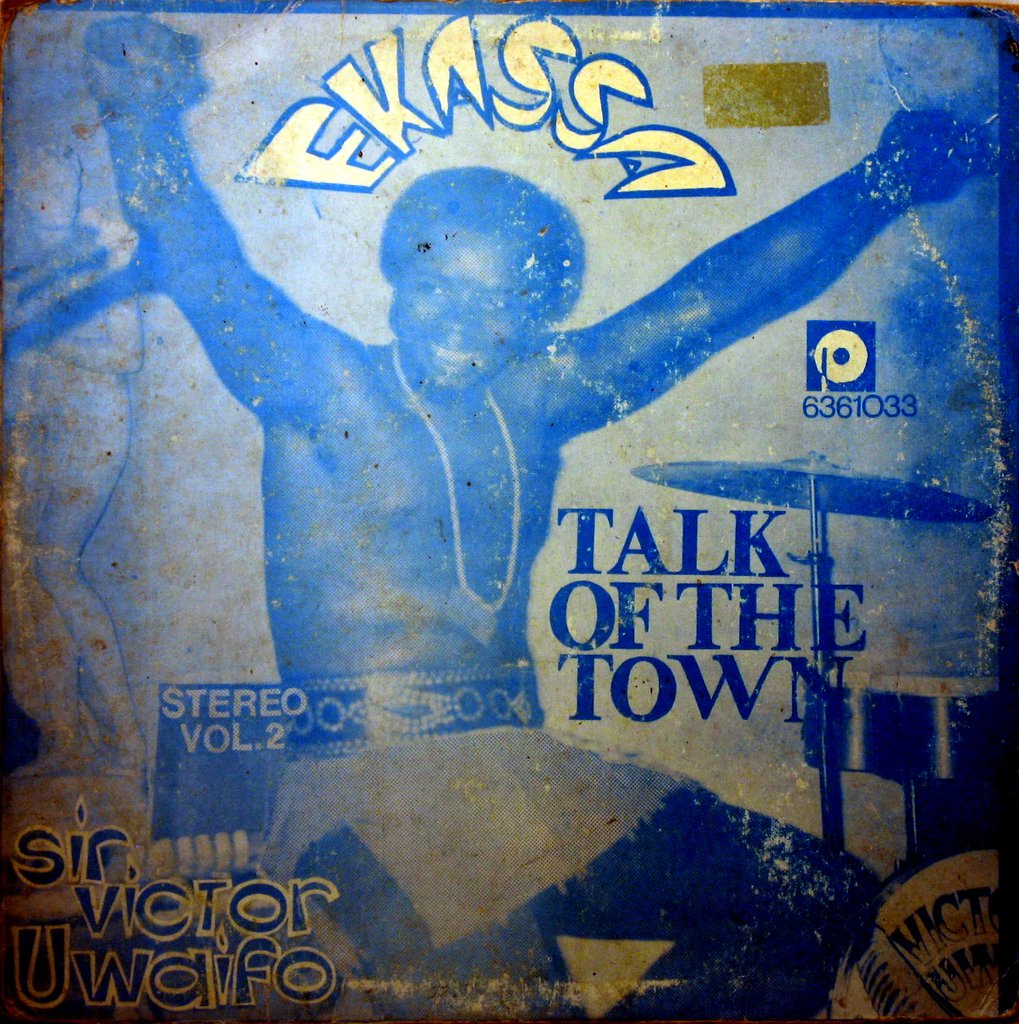
Between 1965 and 1968, Uwaifo carved a new path: the Akwete, a ternary (6/8) rhythm that he deliberately distinguished from classic highlife. He added “Shadow” in 1969, a blend of Akwete and twist accompanied by its eponymous dance — a radio phenomenon at the heart of the soul era in Lagos. Then came Ekassa, a series recorded as early as 1970 that reinterpreted traditional Bini sonorities in a modernized production, where bass, saxophone and xylophone dialogued with the guitars.
The Polymath as Legacy
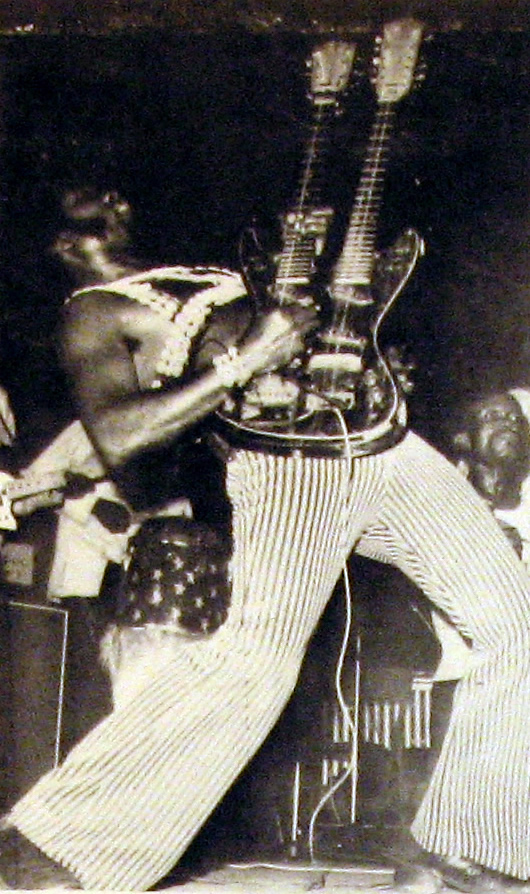
Beyond music, Uwaifo never stopped inventing: an 18-string double-neck he called “magic guitar”, sculpture, writing and university teaching. In 2016, he was inducted into the Grammy Museum in Los Angeles — the only African musician to receive this honor. He died in Benin City on August 28, 2021, leaving a Nigeria that had just lost its Guitar Boy, its legend.
Major Works
| Work | Year | Why it’s essential |
|---|---|---|
| “Joromi” | 1965-66 | First gold record in Africa; Bini myth transposed into highlife |
| “Guitar Boy” | 1967 | The international hit recounting the encounter with Mami Wata |
| Ekassa (series) | 1970-75 | Modernized reinterpretation of traditional Bini rhythms |
| “Arabade” / Akwete | 1965-68 | Ternary 6/8 rhythm that revolutionized Nigerian dance |
Legacy and Influence
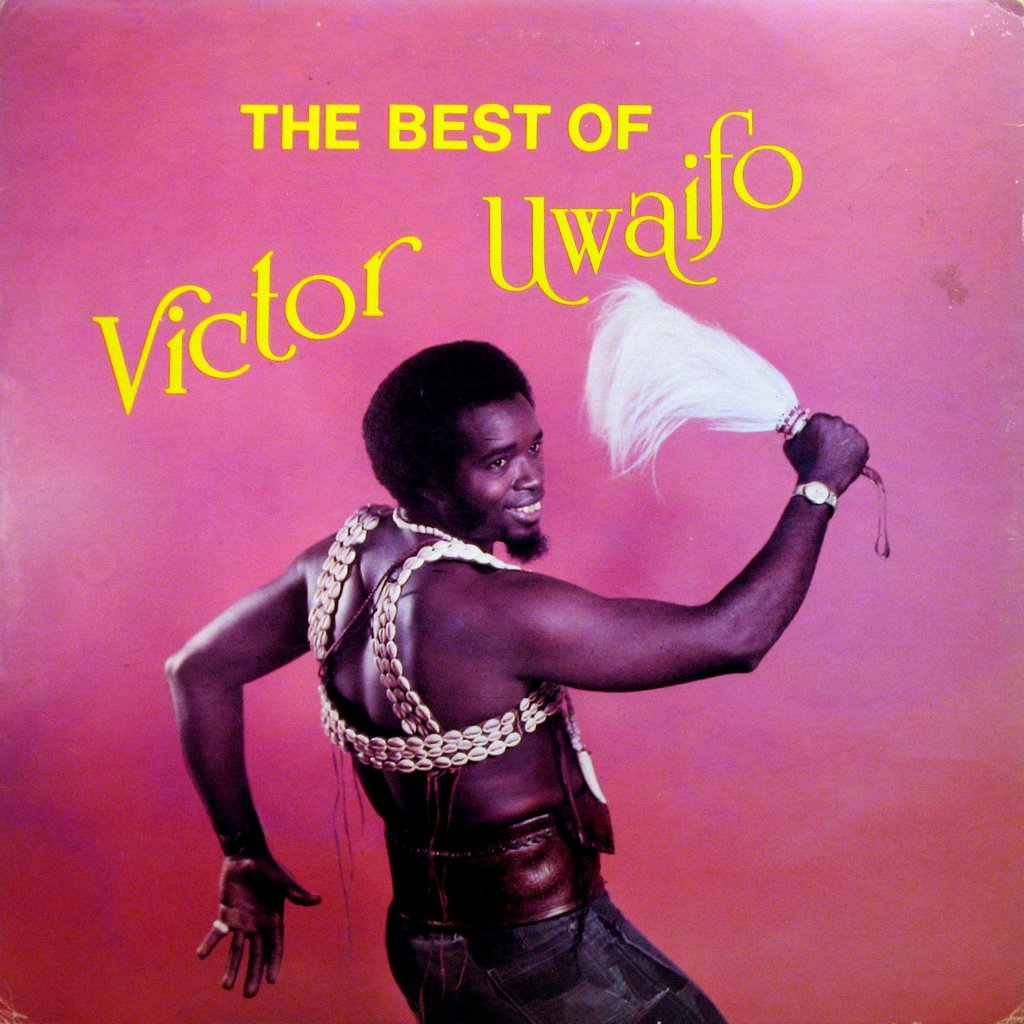
Sir Victor Uwaifo remains the most prolific Nigerian musician of the 20th century: 12 gold records, hundreds of singles published in the 1960s-70s and more than 50 former members of his ensembles who went on to lead their own careers. His dual legacy — music and architectural sculpture — directly influences artists like TuFace Idibia (coauthor of the album Colabo 2012) and Flavour N’Abania. The recurrent rediscovery of his recordings (Soundway reissues, first pressings) reminds an international audience of the diversity of African highlife.
Sources and references
- “Victor Uwaifo”, Wikipedia, https://en.wikipedia.org/wiki/Victor_Uwaifo, accessed November 9, 2026.
- Thom Jurek, “Sir Victor Uwaifo — Biography”, AllMusic, https://allmusic.com/artist/sir-victor-uwaifo-mn0000011904.
- “Victor Uwaifo”, Discogs, https://discogs.com/artist/Victor+Uwaifo.
- Morgan Greenstreet, « Sir Victor Uwaifo, Superstar: In His Own Words », Afropop Worldwide, https://afropop.org/articles/uwaifo, interview with the artist (December 2016).
- Yinka Olatunbosun, « Victor Uwaifo: Eight Decades of a Legendary Musician », ThisDayLive, https://thisdaylive.com/2021/08/28/victor-uwaifo-eight-decades-of-a-legendary-musician, 28 August 2021.
- Niyi Osundare, « Ultimate Maestro - Victor Uwaifo (1941-2021) », Olongo Africa / Premium Times, https://olongoafrica.com/ultimate-maestro-victor-uwaifo-1941-2021/, 15 September 2021.
- Simon Ebegbulem, « Computer is killing musical talents— Sir Victor Uwaifo », Vanguard News, https://www.vanguardngr.com/2016/11/computer-killing-musical-talents-sir-victor-uwaifo, 13 November 2016.
- « Sir Victor Uwaifo: The Highlife music legend who created the ‘magic guitar’ with 18 strings », Face2Face Africa, https://face2faceafrica.com/article/sir-victor-uwaifo-the-highlife-music-legend-who-created-and-mastered-the-magic-guitar-with-18-strings, 5 May 2018.