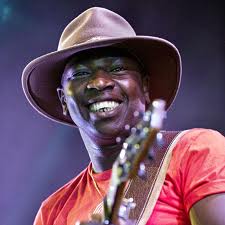
Biography
Vieux Farka Touré
In June 2010, on the giant stages of Johannesburg and Cape Town, a young man with long hair wove guitar arpeggios that recalled Robert Johnson dreaming of the Sahara. Vieux Farka Touré, son of Ali, did not come to the World Cup opening ceremony to play in his father’s shadow. He came to assert that he carried another string — his own.
In Brief
| Full Name | Boureima dit « Vieux » Farka Touré |
| Birth | March 12, 1981, Niafunké, Mali |
| Genre | Saharan blues, desert blues, world music |
| Instruments | Electric and acoustic guitar, calabash, drums |
| Notable Works | Fondo, “The Secret”, Mon Pays |
| Awards | Selected by the New York Times, the Wall Street Journal, and the Village Voice |
Key Dates
| Year | Event |
|---|---|
| 1981 | Birth in Niafunké, son of Ali Farka Touré and brother of griot Djénébal Touré |
| 1999-2003 | Studies at the National Institute of Arts in Bamako (percussion, calabash) |
| 2001 | Secret beginning of guitar practice, an instrument his father feared for artists |
| 2005-2006 | Recording of the first album; Ali Farka Touré, dying, plays on it — last studio takes |
| 2006 | Death of Ali Farka Touré (March 7); Vieux’s solo album released on Modiba/World Village |
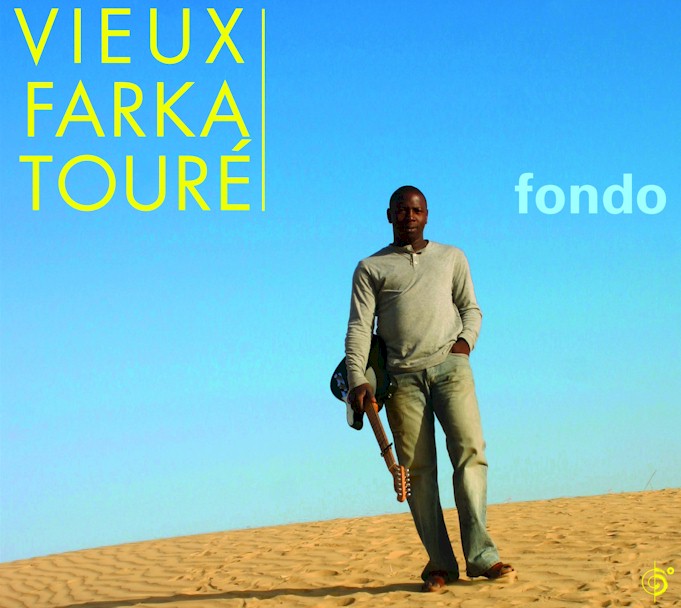
| 2009 | Release of Fondo, first widely acclaimed album (Six Degrees Records); #5 Billboard World Albums |
| 2010 | FIFA World Cup opening ceremony in South Africa |
| 2011-2015 | The Secret (2011), collaboration with Idan Raichel, world tours |
| 2013 | Release of Mon Pays, resilience album on the conflict in Northern Mali |
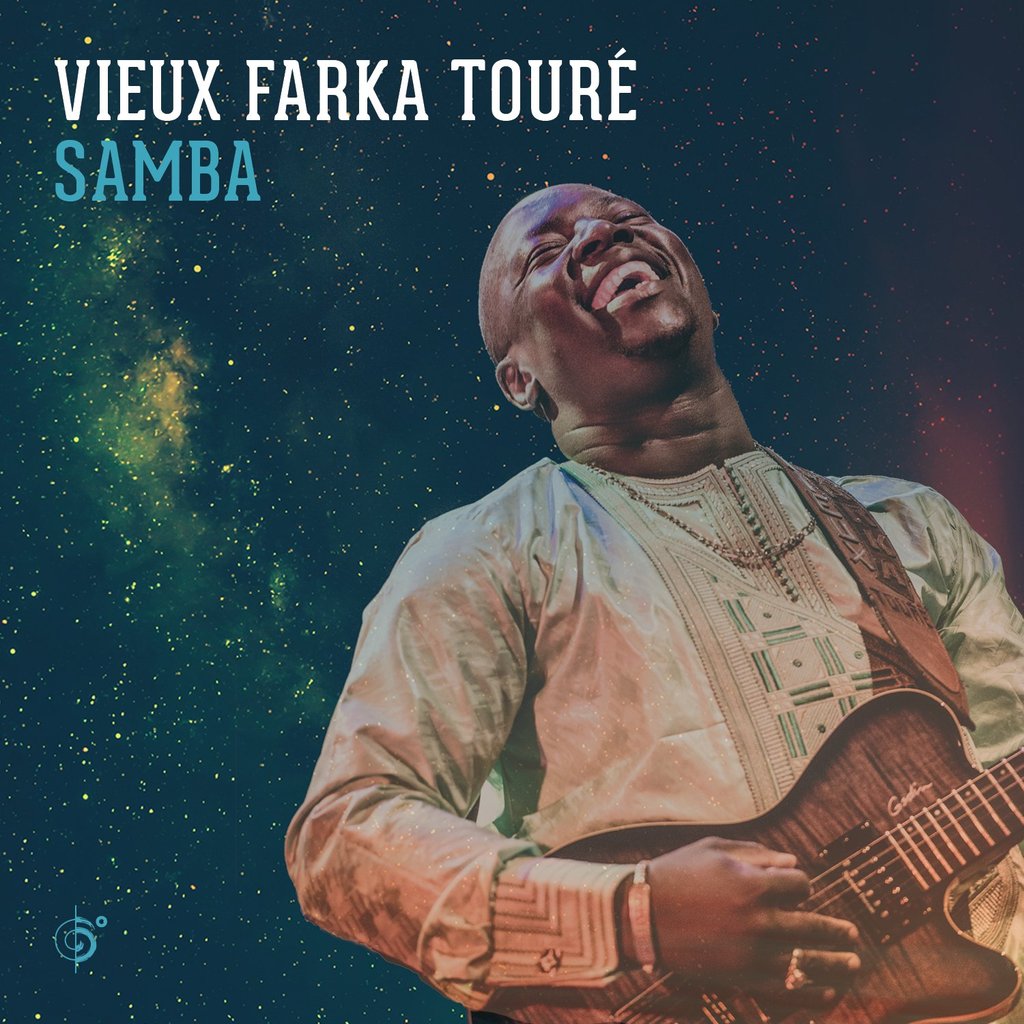
| 2017 | Samba, recorded live in studio before audience at Woodstock, New York |
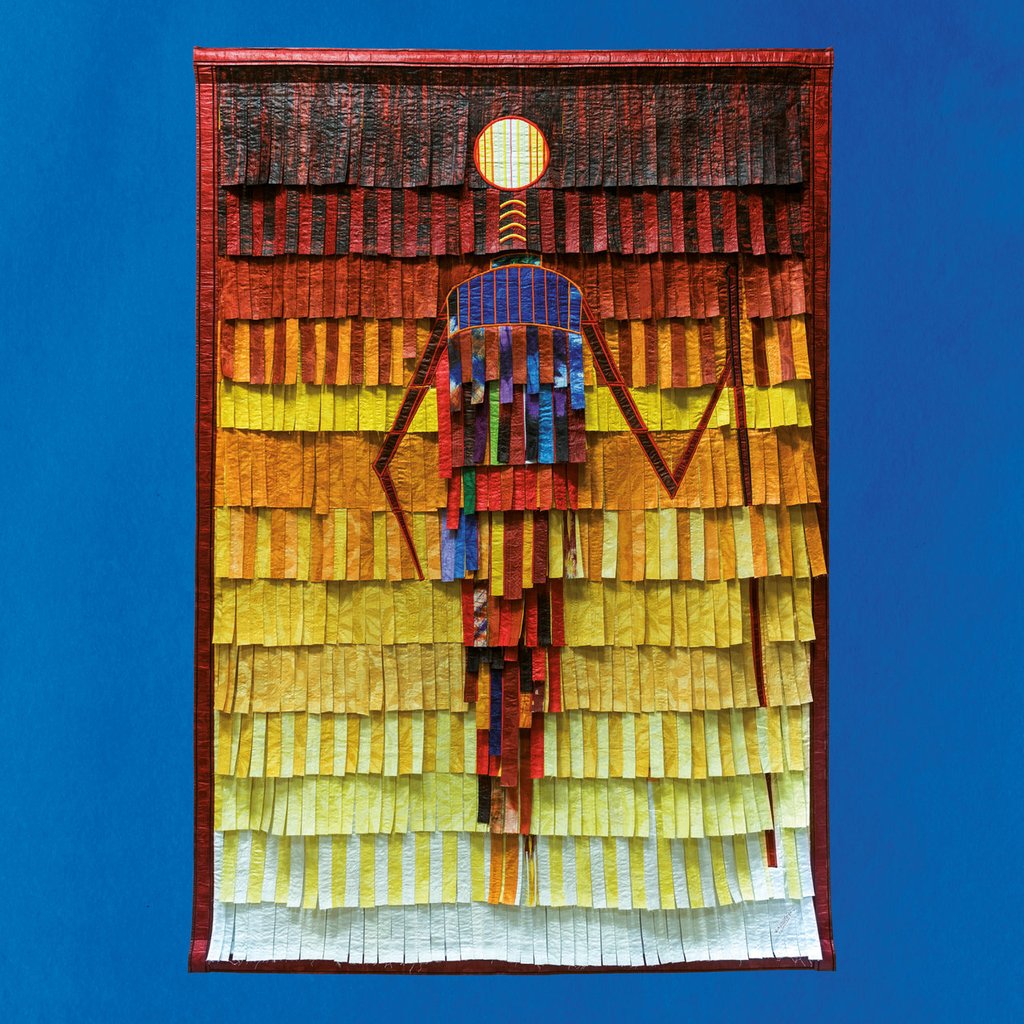
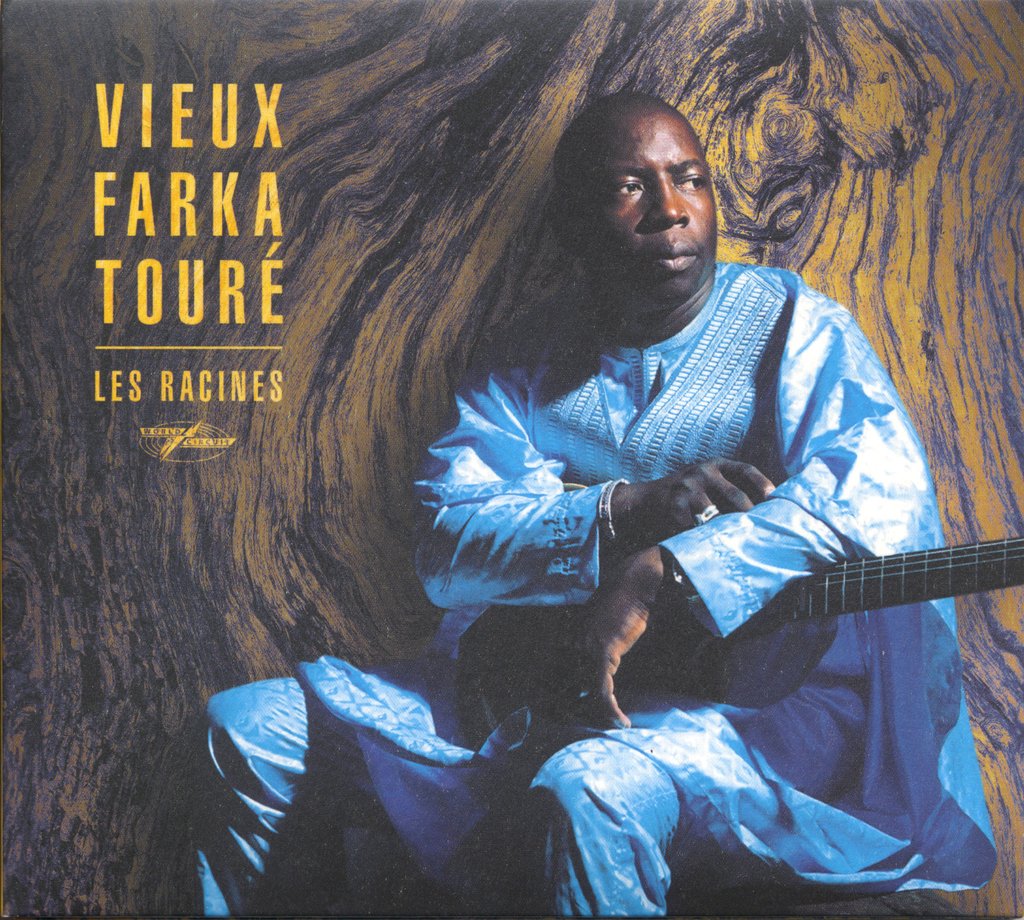
| 2022 | Les Racines (World Circuit) and Ali (with Khruangbin, Dead Oceans) |
A Legacy and a Distinct Voice
Vieux Farka Touré was born on March 12, 1981, in Niafunké, Mali, son of Ali Farka Touré (1939-2006), a legendary figure in desert blues. His Songhai tribe was historically that of soldiers, not musicians: Ali himself had to defy his parents to embrace music. According to Vieux, his father did not want him to become a musician, seeing the difficulties he had faced. He preferred his son be a soldier.
Young Vieux nonetheless absorbed the ambient music. At the National Institute of Arts in Bamako, where he enrolled in 1999, he distinguished himself as a percussionist and calabash player. But in 2001, he came across a guitar and practiced discreetly. Toumani Diabaté, master of the kora and friend of Ali, played a crucial role: he pleaded with the father to accept his son’s musical choice. Shortly before his death in 2006, Ali Farka Touré gave his consent and recorded a few tracks with Vieux — the last studio takes of the great man, who listened to his own demos for visitors in his hospital room.
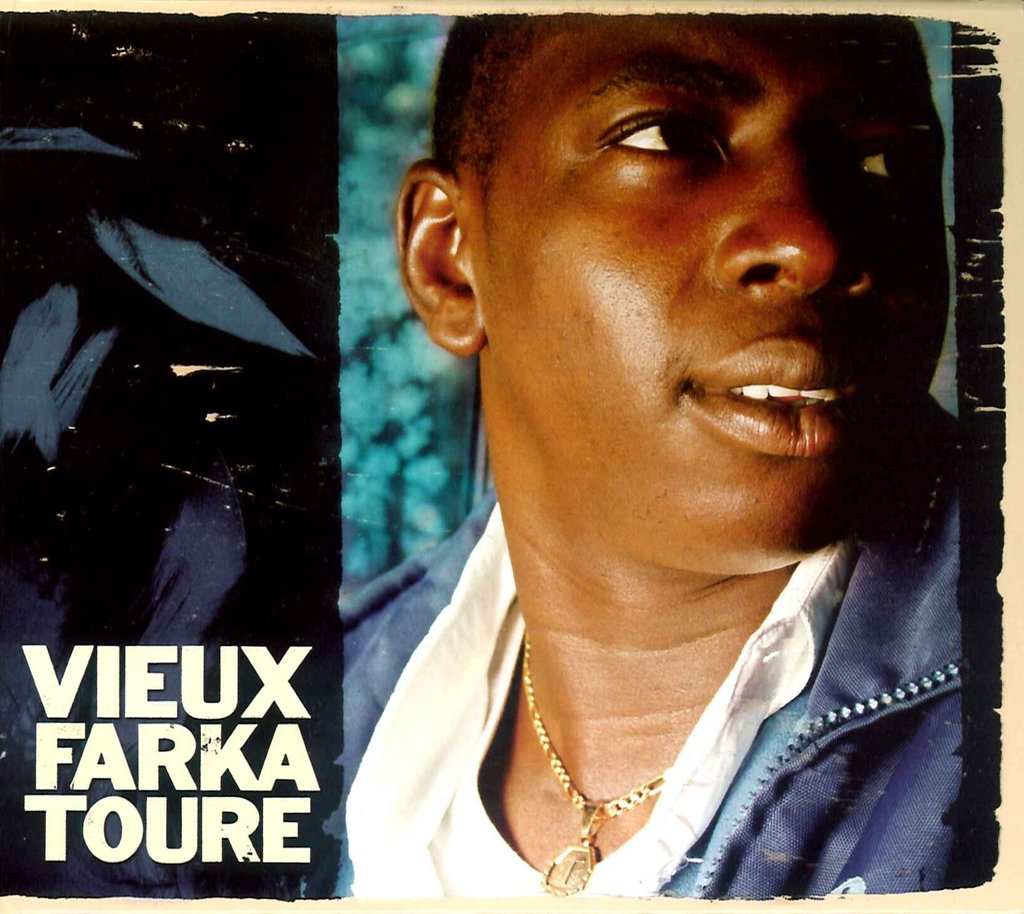
In 2005, Canadian producer Eric Herman of Modiba Productions decided to produce an album for Vieux. The self-titled album appeared in 2007 on World Village and immediately established his reputation as a virtuoso guitarist. From then on, he participated in international tours and developed an hybrid sound blending desert blues, rock, jazz, pop, and Latin music.
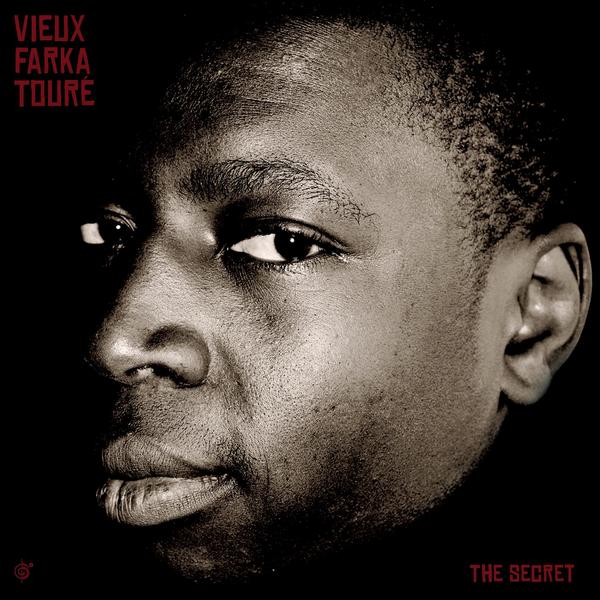
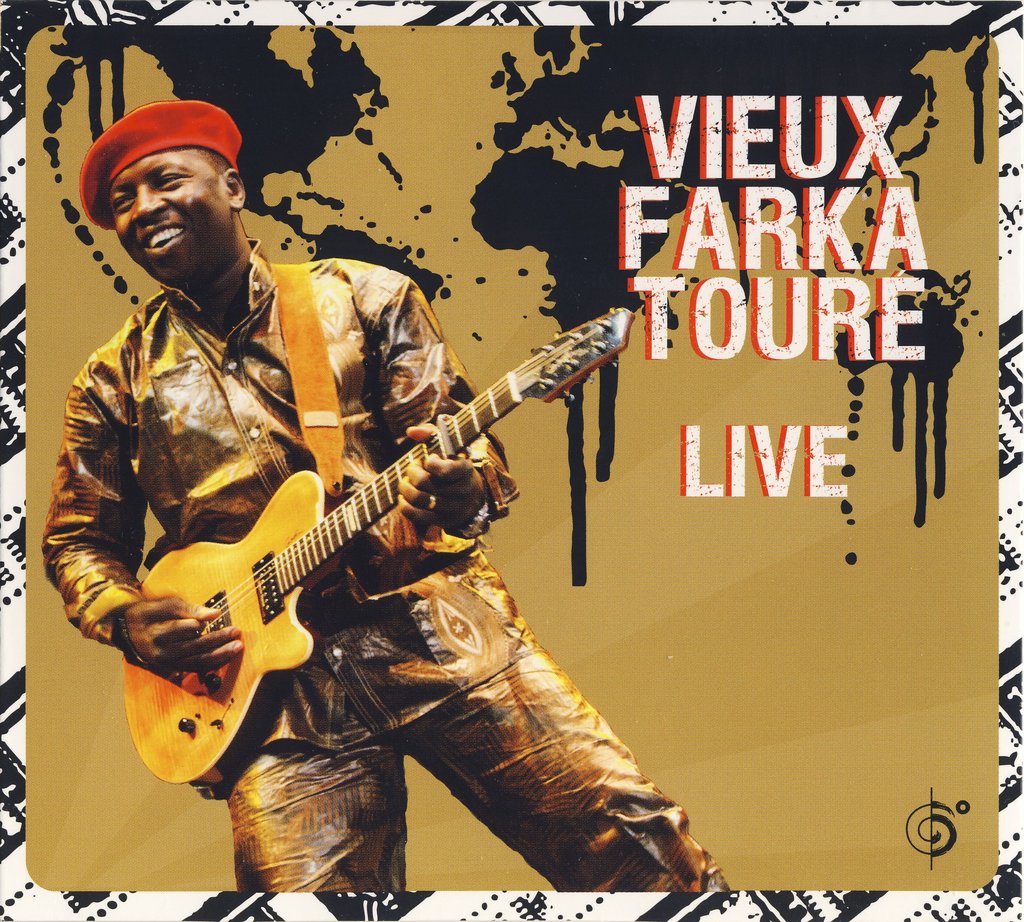
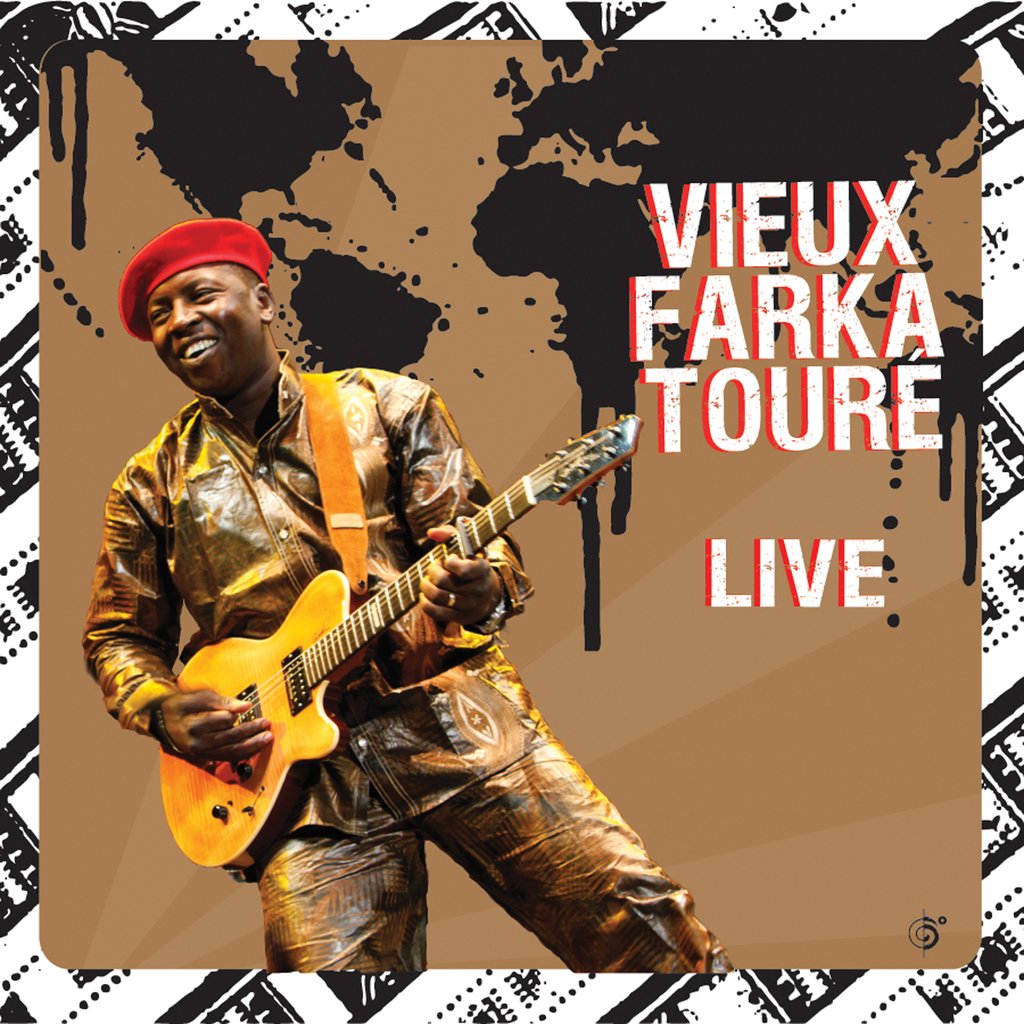
The consecration arrived in June 2010: Vieux performed at the FIFA World Cup opening ceremony in South Africa, alongside Shakira and Alicia Keys. His performance was broadcast to more than 192 countries, and his live album LIVE appeared that same month. In 2011, The Secret was released, produced by Eric Krasno (Soulive) and featuring Dave Matthews, John Scofield, and Derek Trucks. The album peaked at #1 on the New World chart of CMJ and launched a succession of world tours. Vieux became one of the few desert blues artists able to share the stage with major international figures.
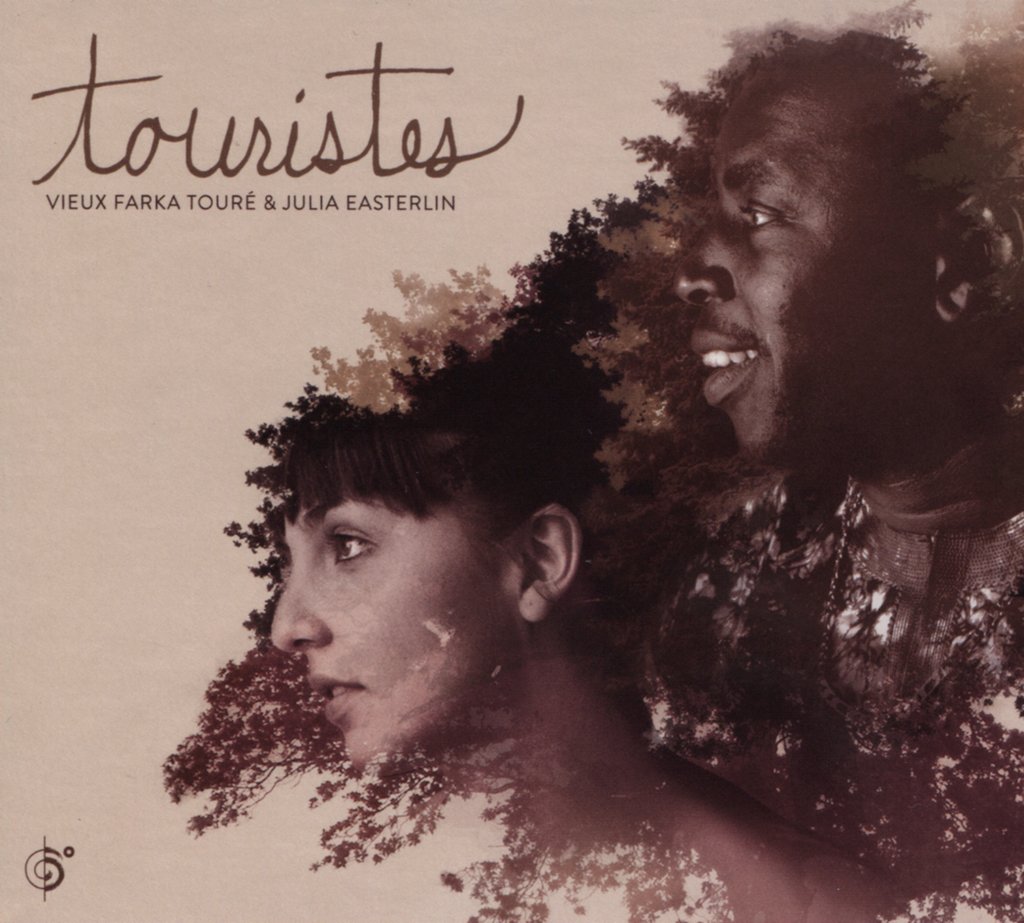
The same period saw the birth of a surprising collaboration: alongside Israeli pianist Idan Raichel, he formed The Touré-Raichel Collective. Their first album, The Tel Aviv Session (2012), recorded an improvised session in a studio in Tel-Aviv where Hebrew, Bambara, Songhai, and French interwove. The Paris Session (2014) followed, praised by the New York Times.
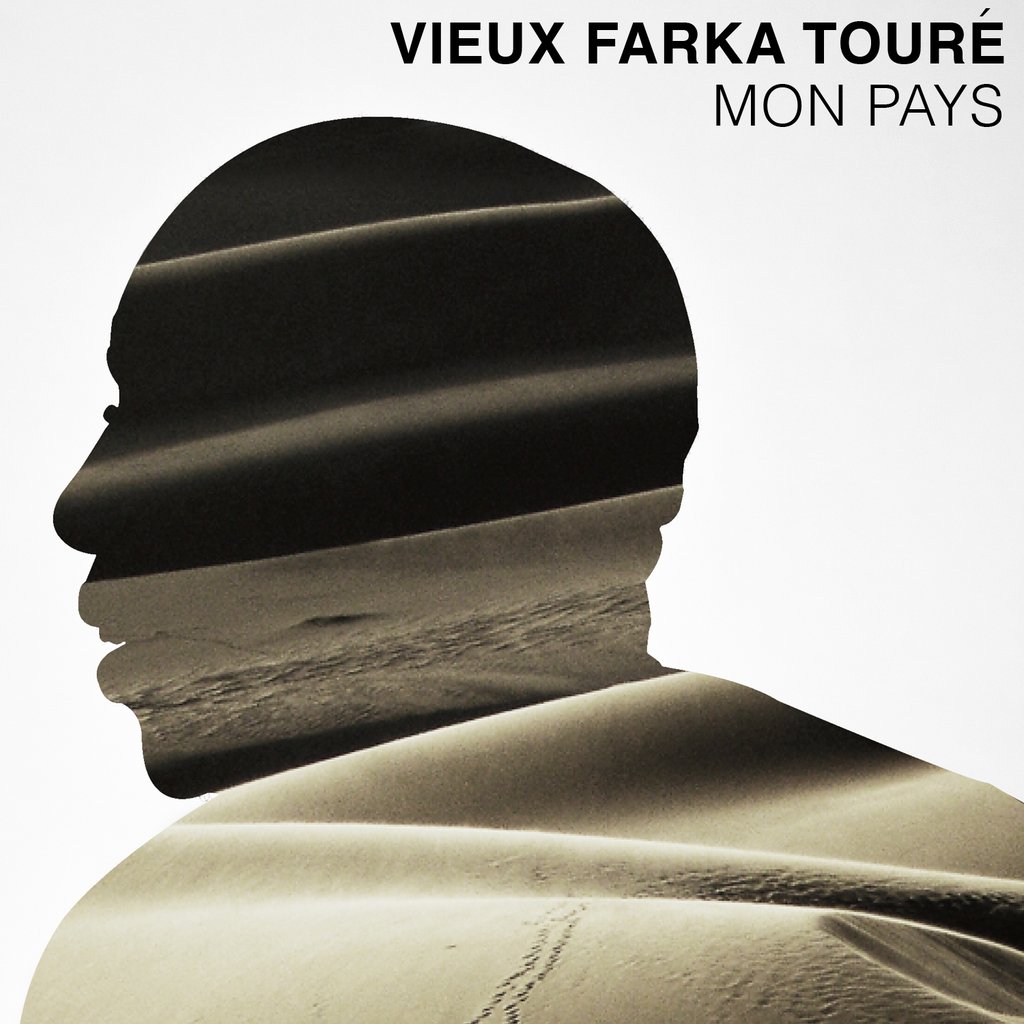
In 2013, Vieux released Mon Pays, a resilience album on the conflict in Northern Mali. The title refers to a homeland torn apart since January 2012 by Tuareg rebellion and armed Islamist groups. He sought to make heard the culture of a nation in crisis, an approach praised by international press. In 2017, Samba — recorded live in studio before audience at Woodstock, New York — explored a broader palette, blending rock and Latin influences with Malian roots. “It’s an album about peace, it’s an album of revolution,” he explained to Afropop. “When you make music, you must have your own signature.”
Major Works
| Work | Year | Why It’s Essential |
|---|---|---|
| Fondo | 2009 | First acclaimed album; #5 Billboard World Albums, selected by the New York Times |
| The Secret | 2011 | Rock collaboration (Dave Matthews, John Scofield); #1 CMJ New World chart |
| Mon Pays | 2013 | Hymn to the Malian homeland amidst the turmoil of the Northern conflict; acclaimed by critics |
Heritage and influence
Vieux Farka Touré has built a career that transcends his father’s legacy. Nicknamed by the press as the “Hendrix of the Sahara,” he is renowned for his frenetic solos and charismatic stage presence. He speaks eight languages (Songhai, Bambara, French, etc.) and collaborates with artists from around the world. Following Ali’s passing, heirs like Vieux have succeeded in preserving and modernizing Malian musical heritage while integrating international sounds. His foundation The Ali Farka Touré Foundation also perpetuates his charitable work: ten percent of the proceeds from his albums fund the Fight Malaria campaign, which has distributed over 3,000 mosquito nets in the Tombouctou region. The collaboration with Khruangbin on Ali (2022, Dead Oceans) demonstrates that his generation continues to reinvent the bridges between the Sahel and the global scene.
Sources and references
- “Vieux Farka Touré”, Wikipédia (français), https://fr.wikipedia.org/wiki/Vieux_Farka_Tour%C3%A9, accessed 09 November 2026.
- “Vieux Farka Touré”, Wikipedia (English), https://en.wikipedia.org/wiki/Vieux_Farka_Tour%C3%A9, accessed 09 November 2026.
- Timothy Monger, “Vieux Farka Touré — Biography”, AllMusic, https://www.allmusic.com/artist/vieux-farka-tour%C3%A9-mn0000629445, accessed 09 November 2026.
- “Bio — Vieux Farka Touré”, official site, https://vieuxfarkatoure.com/bio, accessed 09 November 2026.
- Sebastian Bouknight, “A Few Words With Vieux Farka Touré”, Afropop Worldwide, https://www.afropop.org/articles/interview-vieux-farka-toure, accessed 09 November 2026.
- “French Bio — Vieux Farka Touré”, official site, https://vieuxfarkatoure.com/french-bio, accessed 09 November 2026.