Biography
Waldemar Bastos
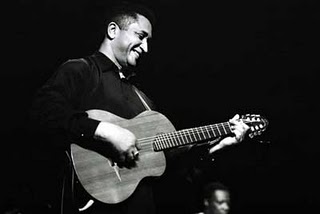
In September 1999, at the Hollywood Bowl in Los Angeles, Waldemar Bastos took to the stage with his guitar and deep voice. His melodies blended Angolan semba — this root music of Angola, with its slow and dancing rhythm that speaks of the people’s love and pain — with Portuguese fado chords. The audience, sitting in silence, listened; ultimately, a storm of applause erupted. The man singing these words was not an ordinary expatriate. He had fled the Angolan civil war, and his music bears the deep mark of exile.
In Brief
| Full Name | Waldemar dos Santos Alonso de Almeida Bastos |
| Birth | 4 January 1954, São Salvador do Congo (now M’banza-Kongo), Portuguese Angola |
| Death | 9 August 2020, Lisbon (cancer), aged 66 |
| Genre | Afropop — Portuguese fado, Brazilian and Angolan influences |
| Instruments | Vocals, guitar (plays by ear) |
| Notable Works | Pretaluz, “Angola Minha Namorada”, “Querida Angola” |
| Awards | World Music Awards 1999, National Prize for Culture and Arts of Angola 2018 |
Key Dates
| Year | Event |
|---|---|
| 1954 | Born in São Salvador do Congo; parents were traveling nurses, father a pianist and organist |
| 1962 | At eight years old, chose music lessons over a bicycle; plays entirely by ear |
| 1974 | Briefly imprisoned by Portuguese political police; toured Poland, Cuba and the USSR |
| 1982 | Fled Angolan civil war; recorded Estamos Juntos in Brazil |
| 1985 | Settled in Lisbon — remained an expatriate for the rest of his life |
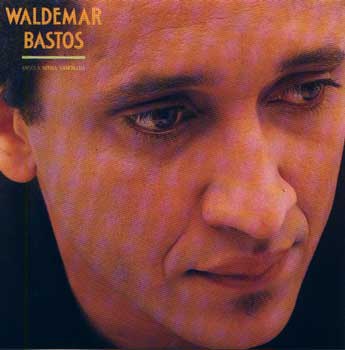
| 1989-1992 | Release of Angola Minha Namorada and Pitanga Madura; the latter became a popular anthem in Angola |
| 1997 | Pretaluz on David Byrne’s Luaka Bop label; international recognition |
| 2003-2004 | Concert at Luanda National Stadium marking the end of civil war; album Renascence on themes of hope and reconciliation |
| 2018 | National Prize for Culture and Arts, Angola’s highest distinction |
| 2020 | Died on 9 August in Lisbon; news spread through global world music communities within days |
Career: From Colonial Angola to the World Stage
Waldemar Bastos was born on 4 January 1954 in the small town of São Salvador do Congo (former capital of the Kingdom of Kongo), then part of Portuguese Angola. His parents were traveling nurses; his father also played piano and organ. This childhood unfolded under the sign of a double musical influence: to the north, the Congolese border sent riffs of rumba; to the south and west, ships brought Brazilian samba and Lusophone fado. Waldemar quickly developed a natural talent for music, discovering he could play complex pieces by ear without ever learning to read sheet music — a paradox to which he often referred throughout his career.
His first group, Jovial, toured all of Angola. During the independence war, he was briefly imprisoned by Portuguese colonial authorities on vague grounds, according to African Musicians Profiles. This experience remained an open wound: music would be for him from the outset an antidote to violence, never a provocation. In 1975 Angola became independent — but civil war erupted immediately between the MPLA and UNITA. Waldemar definitively left his country in 1982 and first exiled himself to Brazil, where he recorded Estamos Juntos, his first album — an African whose debut record was launched in South America, he noted ironically. After a short stay in Paris and a stop in Germany, he settled in Lisbon in 1985.
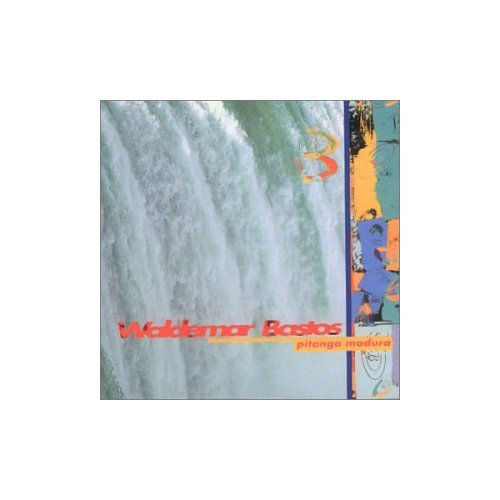
Two EMI albums followed: Angola Minha Namorada in 1989 and Pitanga Madura in 1992. The title track of the latter acquired near-anthem popularity in Angola; immense crowds sang it in the streets of Luanda, as reported by African Musicians Profiles. Waldemar returned to sing there in 1990 and 1992, before packed halls.
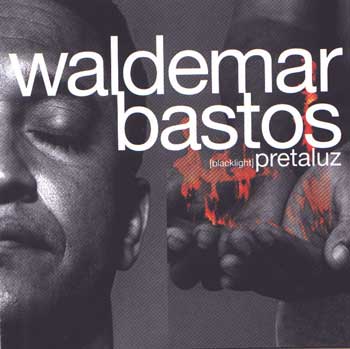
International consecration arrived in 1997 with Pretaluz, produced by Luaka Bop, the cult label of David Byrne from Talking Heads. Serendipity: Byrne had encountered a Waldemar album in a Lisbon store and contacted him. The album was recorded in New York with Brazilian and Angolan musicians. Pretaluz became a world music best-seller and earned Waldemar the World Music Awards “New Artist of the Year” in 1999. Ricardo Lemvo, Congolese-American musician who crossed paths with him many times on stage, later wrote that he was “a musical heavyweight gifted with a soulful voice”.
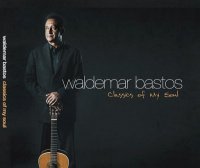
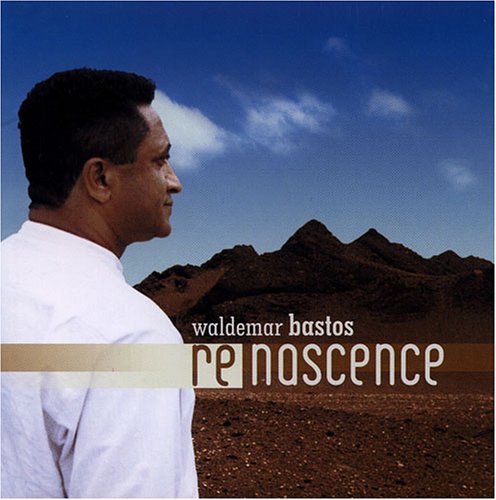
After the end of the civil war in 2002, Waldemar returned to Luanda National Stadium for a historic concert in July 2003. African Musicians Profiles notes that this return to the national stadium, marking the end of the civil war, was a turning point for him. The album Renascence (2004, World Connection) carried themes of hope and reconciliation: Angolan swing, Turkish strings, and inimitable Congolese rhythms. He embarked on international tours (Europe, United States, Canada) and collaborated with artists from all backgrounds: guitarists Dizzy Mandjeku and Ryuichi Sakamoto, orchestras from London and Lisbon. His last studio album, Classics of My Soul (2010-2012), recorded three tracks with the London Symphony Orchestra in Los Angeles. Waldemar Bastos died on 9 August 2020 in Lisbon, from cancer complications, at the age of 66. The news spread within hours and reached global world music communities in a few days.
Major Works
| Work | Year | Why It’s Essential |
|---|---|---|
| Pitanga Madura | 1992 | Became a popular anthem in Angola; immense crowds sing it on the streets of Luanda |
| Pretaluz (Black Light) | 1997 | Masterpiece propelled by David Byrne’s Luaka Bop label; immediate international recognition |
| Renascence | 2004 | Reconciliation album recorded after the end of the Angolan civil war; themes of hope and harmony |
| Classics of My Soul | 2010-2012 | Final studio creation, records three tracks with the London Symphony Orchestra in Los Angeles |
Legacy and Influence
Waldemar Bastos dedicated forty years of his life to one conviction: universal music. His work is a bridge between three shores — Angolan Africa, fadoist Portugal, and joyful Brazilianity — without ever reducing itself to any of them. His influence is measured in actions: current Angolan artists cite Pretaluz as inspiration, a festival in M’banza-Kongo carries his memory, and the National Culture Prize he received in 2018 confirms his status as a cultural ambassador. But his most enduring legacy remains this idea that music born of war and exile can announce only peace — and convince thousands of strangers, seated in the darkness of the Hollywood Bowl, that this peace is worth hearing.
Sources and References
- “Waldemar Bastos”, Wikipedia, https://en.wikipedia.org/wiki/Waldemar_Bastos, accessed November 19, 2026.
- “Waldemar Bastos”, African Musicians Profiles, https://www.africanmusiciansprofiles.com/WaldemarBastos.htm, accessed November 19, 2026.
- Tom Schnabel, “Waldemar Bastos, the Voice of Angola, RIP”, KCRW, August 18, 2020, https://www.kcrw.com/stories/waldemar-bastos-the-voice-of-angola-rip, accessed November 19, 2026.
- Ricardo Lemvo, “Waldemar Bastos: A Remembrance”, Afropop Worldwide, September 8, 2020, https://www.afropop.org/articles/in-tribute-to-waldemar-bastos, accessed November 19, 2026.
- Craig Harris, “Waldemar Bastos”, AllMusic, https://www.allmusic.com/artist/waldemar-bastos-mn0000188476, accessed November 19, 2026.