
Biography
Wes
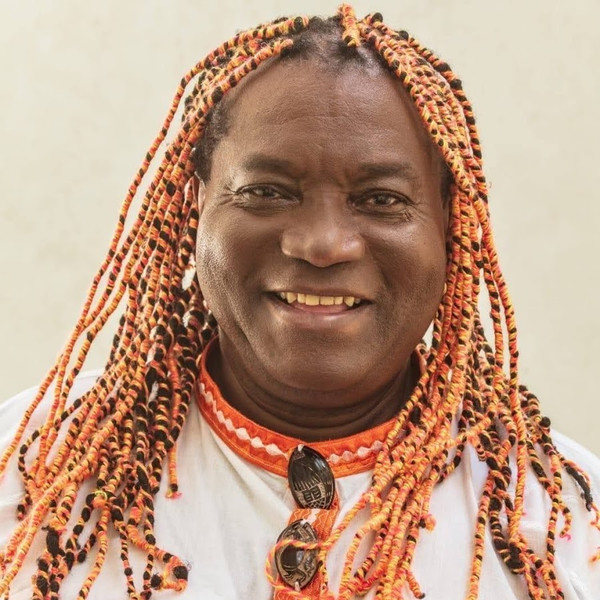
It is in a village in Mouataba, about one hundred kilometres from Douala in Cameroon, that a child learns his grandfather’s tales and the kalimba. Twenty years later, it is he who makes Europe dance to “Alane”. Wes Madiko, known by the mononym Wes, embodies a rare meeting between Bantu wisdom and contemporary rhythms: a believing musician who is equally at ease in the forest and on world hit parades.
In brief
| Full name | Martin Kwedi Elock (Patrice Éric Delacour according to MusicBrainz) |
| Stage name | Wes |
| Birth | 15 January 1964, Mouataba (Cameroon) |
| Death | 25 June 2021, Alençon (France) |
| Field | Singer, songwriter — world music and electronic music |
| Iconic works | Welenga (1996), “Alane” (1997), “In Youpendi” |
Key dates
| Year | Event |
|---|---|
| 1964 | Born in Mouataba, near Douala (Cameroon) |
| 1974 | Becomes leader of the group Kwa Kwassi at the age of ten |
| 1987 | Spotted by tourists; leaves Cameroon for Europe |
| 1988 | Forms the group Fakol with Benjamin Valfroy and Jo Sene |
| 1990 | Loses his brother, then his father; reflects on the fragility of life |
| 1992 | Tours in the United States for Roots; meets Bernard Delhalle, who introduces him to Michel Sanchez |
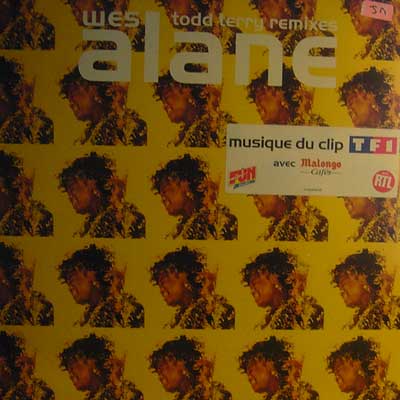
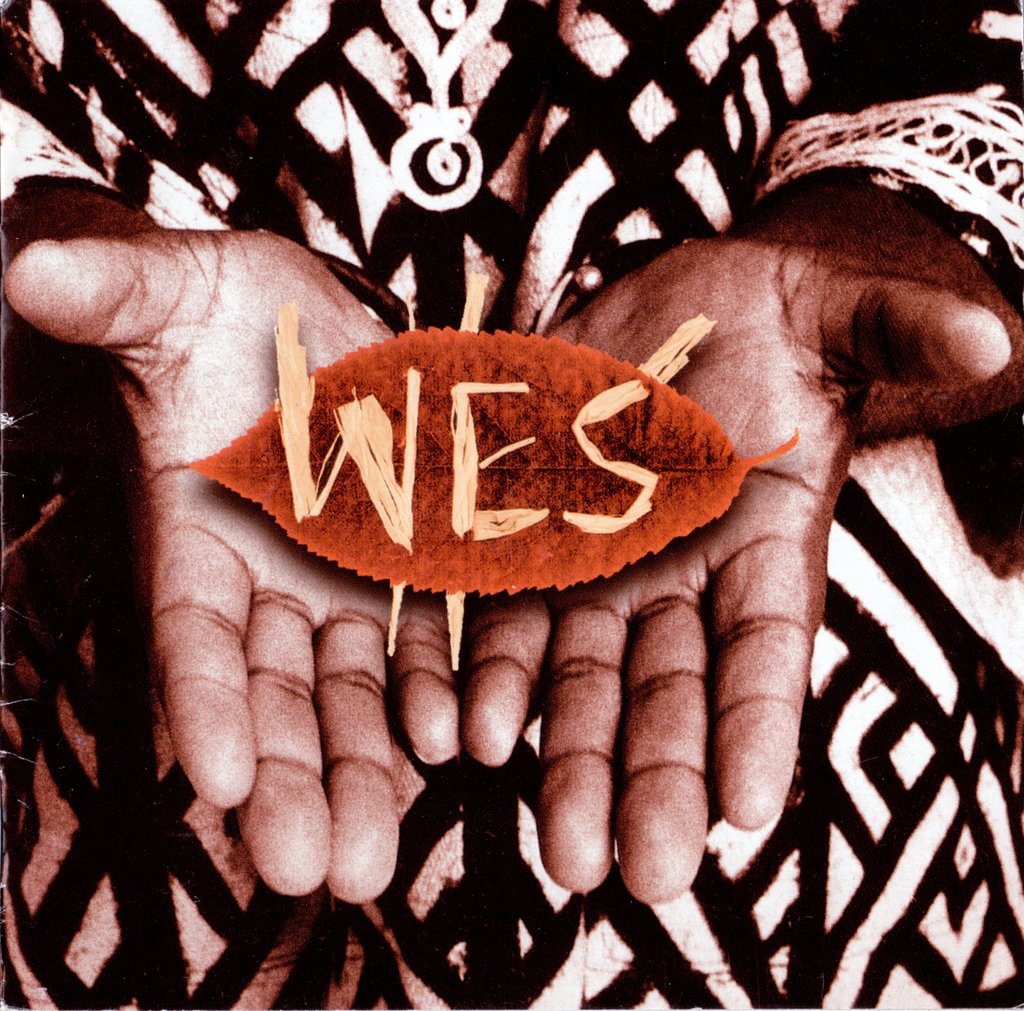
| 1996–97 | Album Welenga; “Alane” becomes the summer hit of 1997 and a diamond disc in France |
| 1998 | “Midiwa Bôl” becomes the official anthem; wins a World Music Award; “In Youpendi” appears in The Lion King 2 |
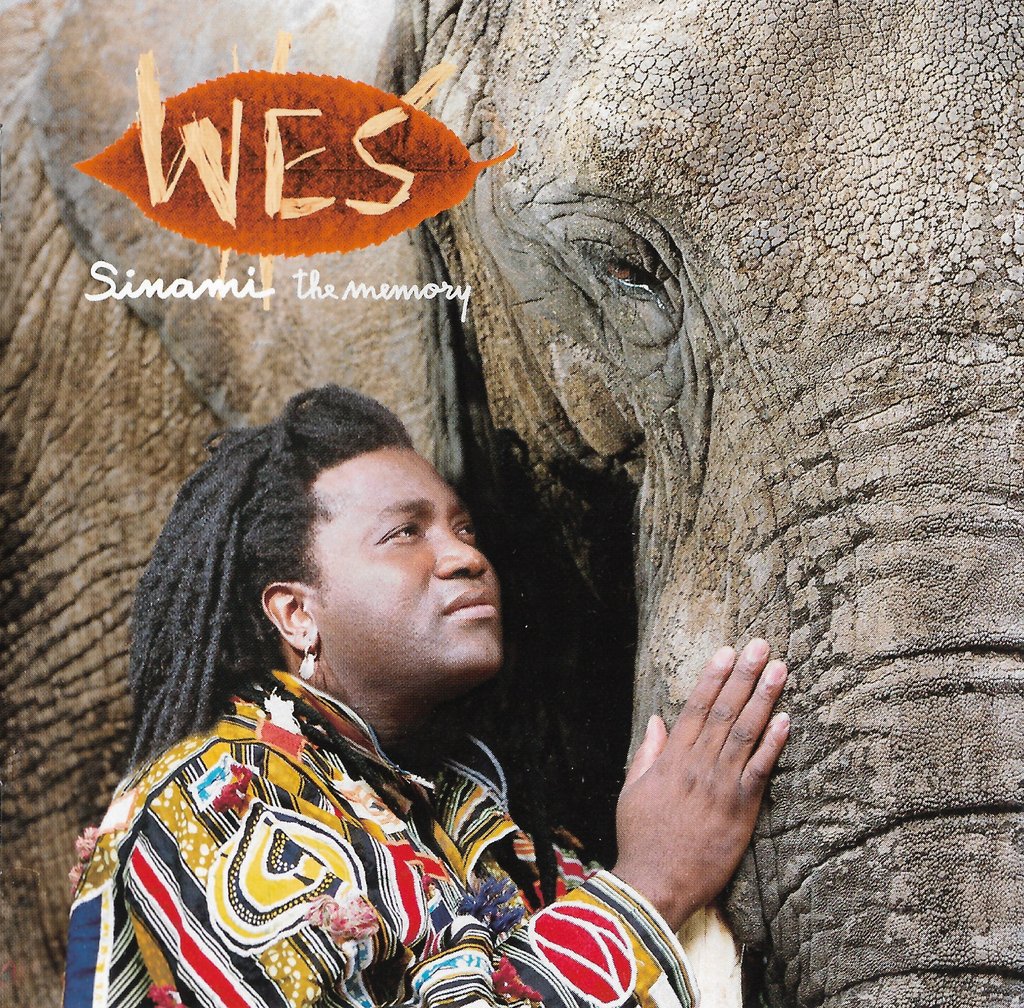
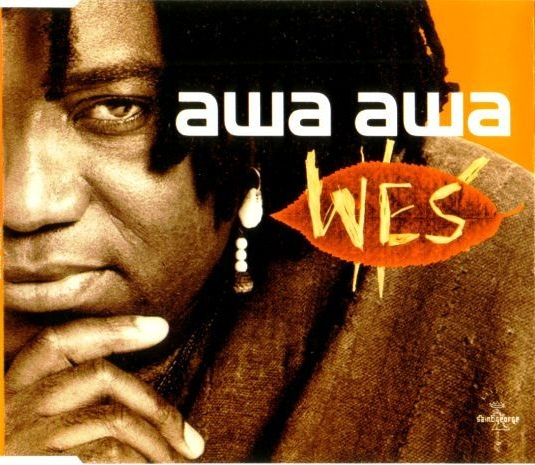
| 2000 | Sinami released; “Awa Awa” is promoted by the international press |
| 2020 | Remix of “Alane” by German DJ Robin Schulz; video in which Wes appears |
From forest tales to Europe
Born on 15 January 1964 in Mouataba (commune of Njombe-Penja, near Douala), Wes grows up within Bantu animist philosophy: his grandfather passes on to him the art of music and the kalimba (a lamellophone). He also learns ancestral tales during nightly gatherings at the bush school. “It was in bush school and during night-time gatherings listening to the metallic beat of the kalimba that I learned the adventures of the father of all ancestors, E’kwa Mutu.” At the age of ten (1974), he becomes leader of the group Kwa Kwassi—a name meaning “to think rightly”—a formation of talented young people from the village who were trained together in Bantu art and history.
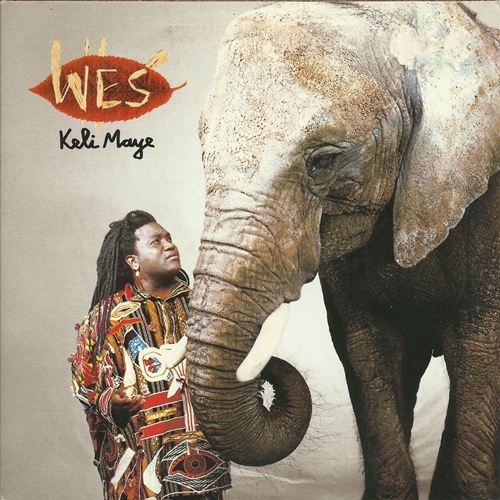
In 1987, tourists discover the group at a concert; among them is a young woman from Lille. Wes then leaves Cameroon for Europe, with his kalimba under his arm. In 1988 he founds Fakol with Benjamin Valfroy and Jo Sene; the group performs in the Netherlands and other European countries. He also engages in social work, going to schools in Lille to work with children and pass on the “wisdom of elephants” as well as ancient African history. In 1990, his brother Jacques—a talented guitarist—dies; a few months later, his father dies following a motorcycle accident. Wes reflects on the fragility of life and declares: “There are moments when a sense of powerlessness seizes you and threatens to break you, but leaves you standing there, convincing you that somewhere there is a breath of life.”
The global hit and what came after
In 1992, Wes travels to the United States for a promotional tour for Roots; it is Bernard Delhalle, a photographer and close friend of Michel Sanchez, who introduces him to the latter. The album Welenga—composed, arranged and produced by Michel Sanchez, founder of Deep Forest—is released in 1996 (May 1997 for the single “Alane”) and makes Wes an international artist. “Alane” reaches number one in France, Belgium and the Netherlands; it becomes the summer hit of 1997, sells more than ten million copies and earns him a diamond disc (25 June 1997, after Khaled for “Aïcha”). Wes becomes the second African artist to receive this disc in France; in May 1998, he also receives the award for best-selling record by an African artist at the World Music Awards in Monaco, chaired by Prince Albert.
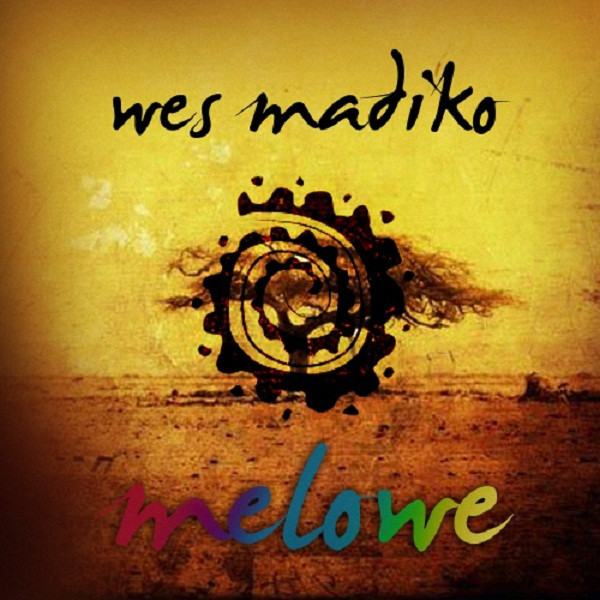
In 1998, he composes “Midiwa Bôl” (I Love Football)—the official anthem of Cameroon for the World Cup—and “In Youpendi”, used in the end credits of the film The Lion King 2: The Honour of the Tribe. In 2000, Sinami is released; in 2010, Melowe comes out along with “Sela Sela” with Zahra Universe—the anthem of the 2013 Africa Cup of Nations. His career then loses momentum: mystical attacks affecting his voice, a sad morality case that briefly lands him in prison and leads to the termination of his contracts with Sony. In June 2020, DJ Robin Schulz releases a modern remix of “Alane”; Wes appears in it, and the track surpasses 26 million views on YouTube. “I have always been very modern in my inspirations and an advocate of all possible fusions. I am like a great baobab with deep roots and broad branches that can accommodate other musical styles,” he says regarding his approach.
Major works
| Work | Year | Why it matters |
|---|---|---|
| Welenga | 1996–97 | Album produced by Michel Sanchez; features “Alane”, a global hit that became a diamond disc |
| Sinami | 2000 | The next attempt after the triumph; includes “Africa Free Dance”, which became the Cameroonian sports theme |
| Melowe | 2010 | Last album; shows the desire to fuse Bantu tradition with modern electronic music |
| “Alane” (1997) / 2020 remix | 1997 / 2020 | First hit; Robin Schulz’s remix brings the figure back to life in the 2020s |
| “In Youpendi” | 1998–99 | Track that entered global culture via The Lion King 2 and end credits |
Legacy and Influence
Wes left behind more than just a hit song: he left a way of connecting the forest and the stage. His lyrics in Bantu Kana carry messages of peace and hope; he believed deeply. Patrick Duprey, his manager, described him thus: “He was a generous, creative man who lived by faith. He was very open to everything, profoundly human… He was like a brother to me!” Deep Forest paid tribute to him: “We collaborated on a few songs and went on a world tour together. I will always remember Wes laughing and jumping on stage. Rest in peace, Wes.” Having lived in Alençon since 2006 with his wife Katia and their five children, he died on 25 June 2021 as a result of a medical procedure linked to a hospital-acquired infection, leaving “a void in the African music landscape” (France3) and a final musical imprint: later, Robin Schulz would write about him that he was “a good person”.
Sources and References
- “Wes”, Wikipédia (encyclopedia), https://fr.wikipedia.org/wiki/Wes, accessed on 27 November 2026.
- “Wes (singer)”, Wikipedia (encyclopedia), https://en.wikipedia.org/wiki/Wes_(singer), accessed on 27 November 2026.
- Catherine Gauberti, “Wes, an African Voice Has Faded Away in Alençon”, France3 Régions — Normandie (press), https://france3-regions.franceinfo.fr/normandie/wes-une-voix-africaine-s-est-eteinte-a-alencon-2155306.html, accessed on 27 November 2026.
- “Cameroon: Wes Madiko, the Performer of the Global Hit ‘Alane’, Is No More”, Music In Africa (specialized press), https://www.musicinafrica.net/fr/magazine/cameroun-wes-madiko-linterprete-du-tube-planetaire-alane-nes-plus, accessed on 27 November 2026.
- “Wes Madiko — Biography”, CamerounWeb (Cameroonian specialist site), https://www.camerounweb.com/person/Wes-Madiko-1249, accessed on 27 November 2026.
- “Wes”, MusicBrainz (specialized discography), https://musicbrainz.org/artist/26dc1641-9e83-46bb-ba77-bf331ca41bfb, accessed on 27 November 2026.