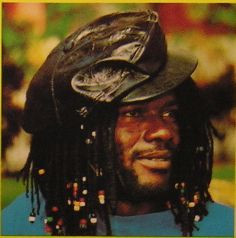
Biography
Winston Jarrett
Kingston, early 1960s. In a barber shop on Spanish Town Road, young Winston Jarrett listens to Jimmy Cliff playing guitar. He recalls: “I admired him. I respected this artist.” This encounter launches a six-decade career—from rocksteady to conscious roots reggae, through the fight against industry injustices and Rastafari faith.
In Brief
| Full Name | Winston Jarrett |
| Birth | September 14, 1940, Lime Tree Gardens, Saint Ann Parish, Jamaica |
| Genre(s) | Rocksteady, reggae (roots, lovers rock) |
| Founding Groups | The Flames (Alton Ellis), The Righteous Flames |
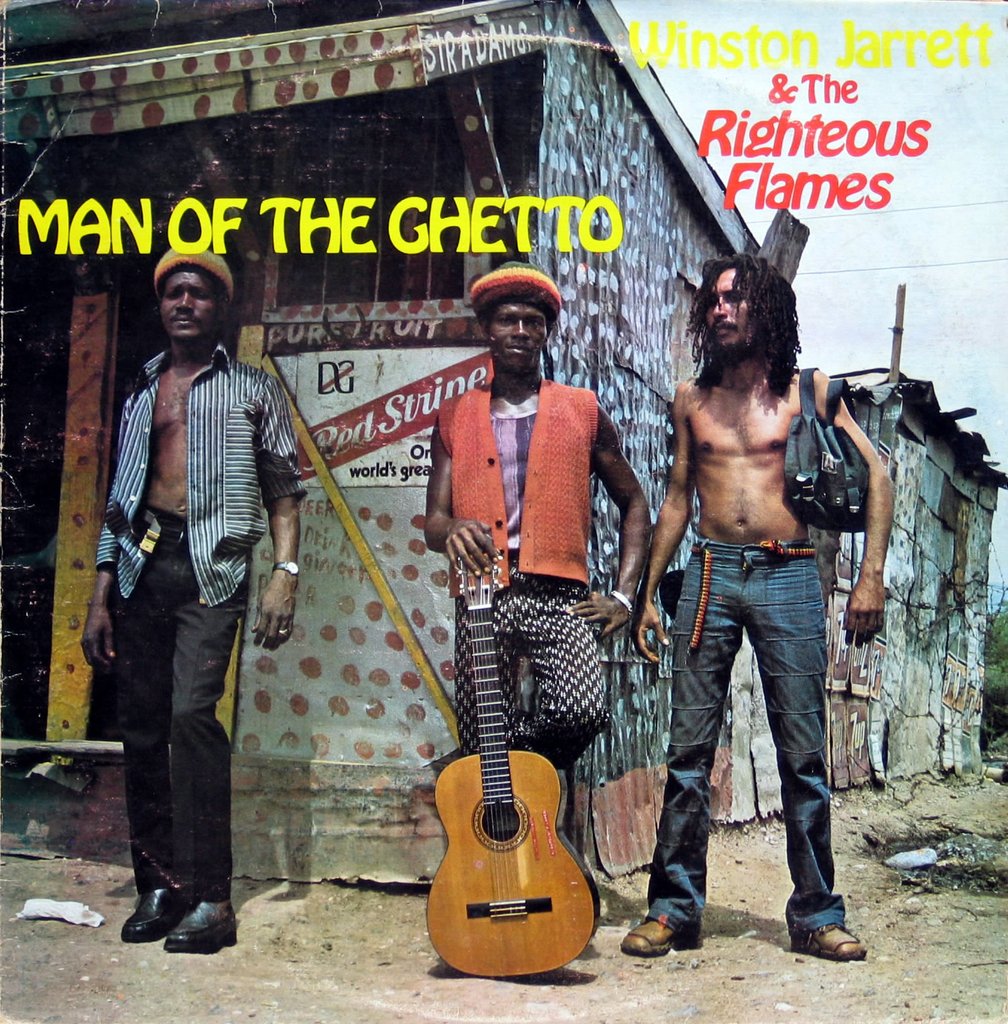
| Notable Works | Man of the Ghetto, “True Born African”, Wise Man |
| Honors | Pioneer figure of rocksteady; contribution to the transition toward roots reggae |
Key Dates
| Year | Event |
|---|---|
| 1940 | Born in Lime Tree Gardens, Saint Ann Parish, Jamaica |
| ~1945 | Moves to Kingston; learns guitar with Jimmy Cliff and Alton Ellis |
| Early 1960s | Joins The Flames, backing vocal for Alton Ellis |
| 1964–1967 | Hits with The Flames: “Dancecrasher”, “Cry Tough”, “Rocksteady” |
| 1967 | Forms The Righteous Flames (Edgar Gardner, Junior Green); recordings for Duke Reid, Coxsone Dodd and Lee “Scratch” Perry |
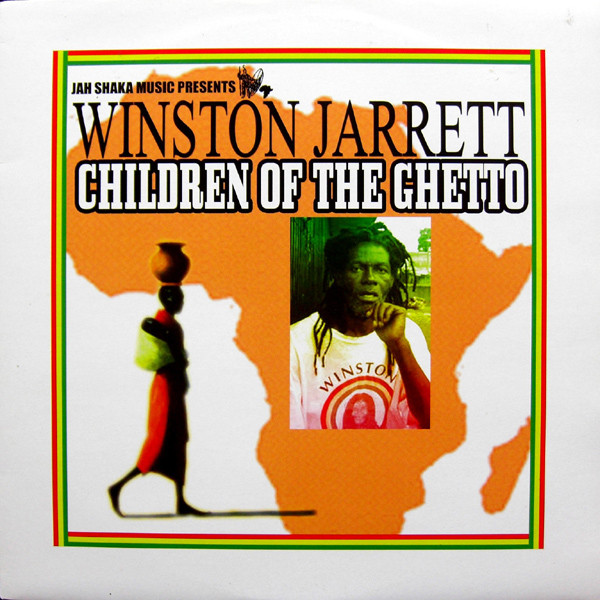
| Late 1970s | Independent production; Man of the Ghetto, masterpiece of Jamaican roots reggae |
| 1984 | Rocking Vibration; spiritual closeness with Bob Marley |
| 1994 | Tribute to Bob Marley featuring Peter Tosh, Bunny Wailer and Jarrett |
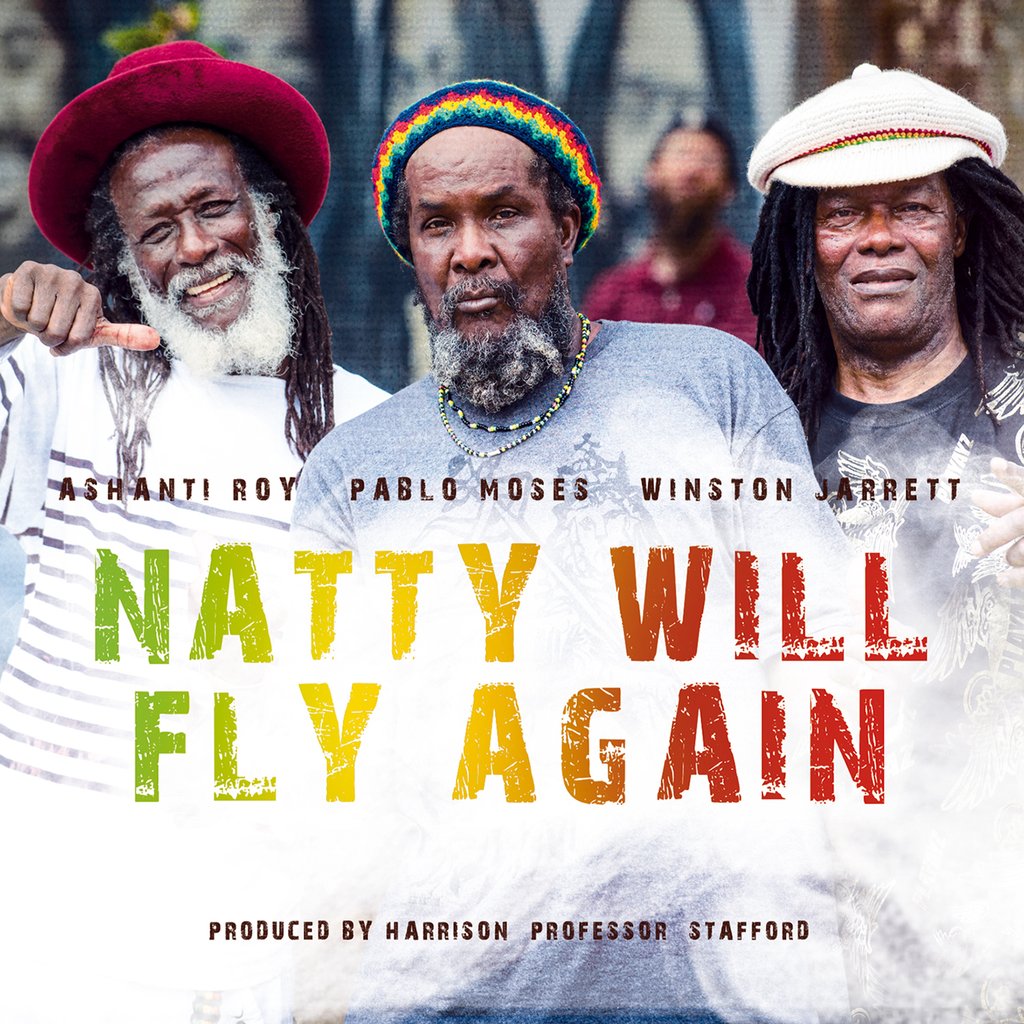
| 2017+ | Recent albums, continuous international tours |
Origins and Evolutions: From The Flames to Independent Reggae
Winston Jarrett was born on September 14, 1940, in the parish of Saint Ann. At age five, he moved to Kingston where music consumed him. He recalls going to a barber shop on Spanish Town Road where Jimmy Cliff, an enthusiastic teenager, was already playing guitar. “I admired him. I respected this artist,” he would confess decades later in an interview for Reggae Vibes.
In the 1960s, Jarrett joined The Flames, Alton Ellis’s backing vocal. After Eddie Perkins left for the United States, Ellis made Jarrett his vocal partner. Together, they recorded a series of major rocksteady hits: “Dancecrasher”, “Cry Tough”, “Rocksteady” and “Girl I’ve Got a Date”. Jarrett also composed tracks that became classics, such as “Sunday Coming” and “True Born African”.
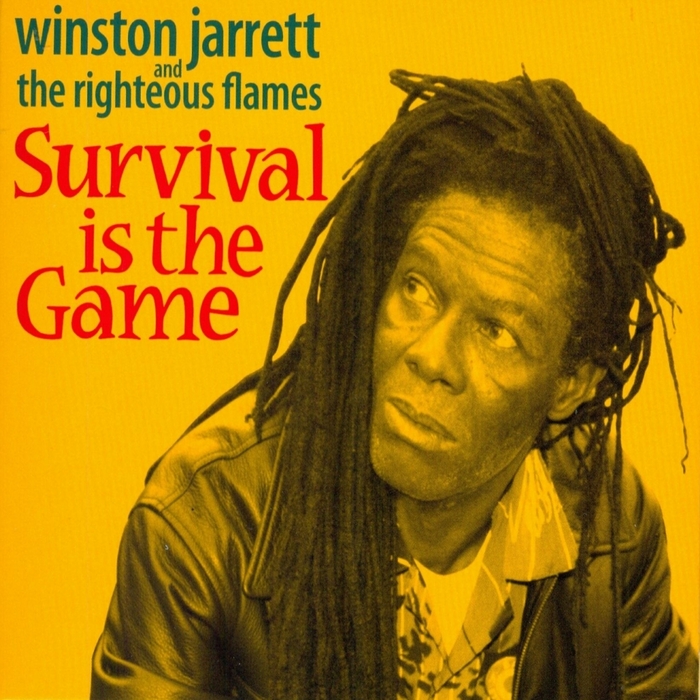
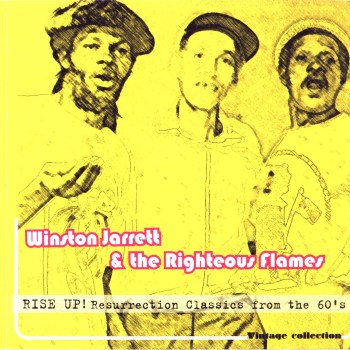
In 1967, Ellis moved to the United Kingdom. Jarrett founded The Righteous Flames with Edgar “Egga” Gardner and Junior Green. The trio recorded for the three biggest Jamaican labels: Duke Reid’s Treasure Isle, Coxsone Dodd’s Studio One and sessions with Lee Perry. Their hit “Zion I Love You”, released in 1969, is considered one of the first pieces of spiritually conscious reggae. Danny Clarke—group member—left in 1974 to form the Meditations.
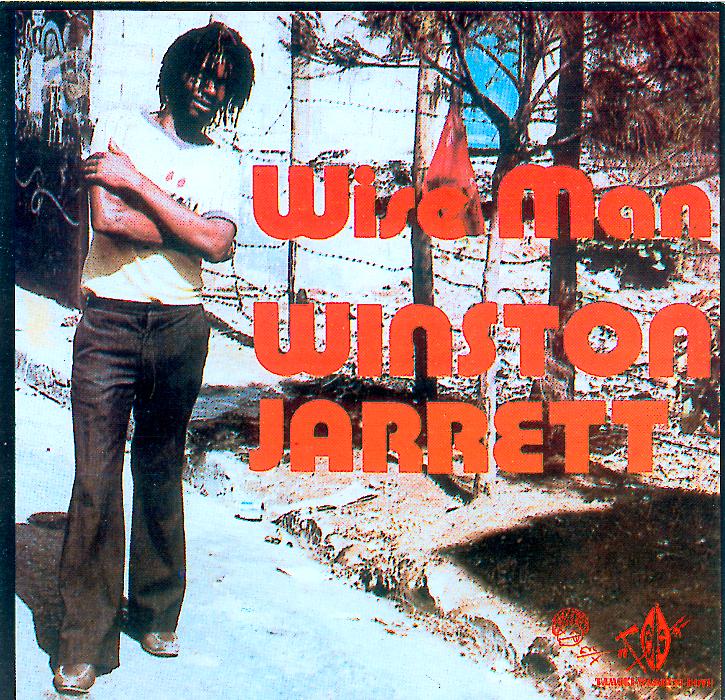
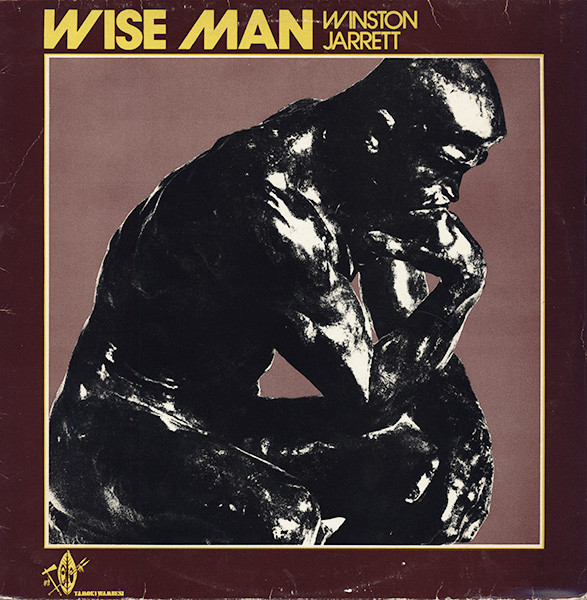
In the 1970s, the group was one of the most in-demand vocal ensembles on the island. But Jarrett felt acutely the burden of contracts with major labels. Tired of unfair payments, he launched as an independent producer by the end of the decade. He produced over a hundred tracks for Joe Gibbs and Lee Perry, recording on his own labels Attra, Human Rights and Humble. Man of the Ghetto (1977), conceived and produced by him, is today considered a masterpiece of Jamaican roots reggae. Wise Man (1979) confirmed his place among the most respected songwriters and vocalists.
It was also during this period that Rastafari faith transformed his life and art. “I loved him, I loved him, I loved him—like one loves Jesus”: thus spoke Jarrett of Bob Marley. He sold his own records, and only a handful bought them. Jarrett frequented Marley daily, visiting the artist when he taught in Kingston. Marley profoundly influenced his Rasta practice: he grew up with him, and it was he who pushed him to become a Rastafari.
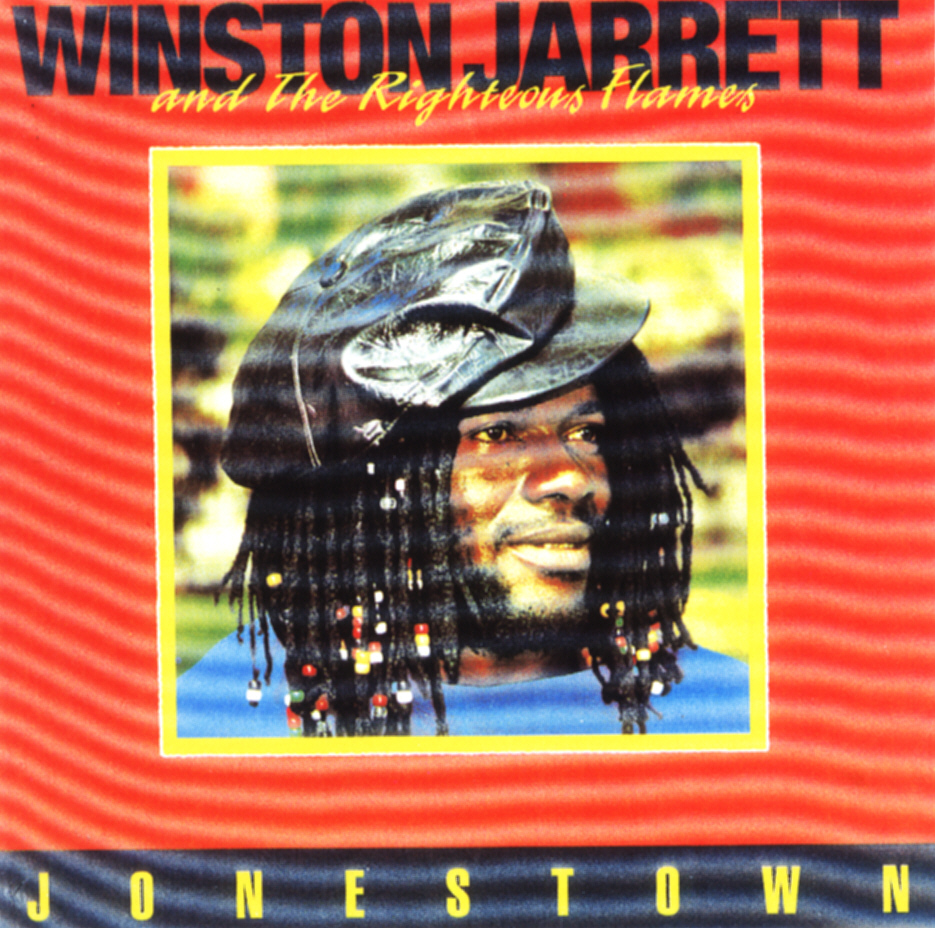
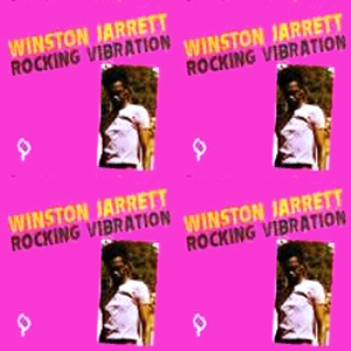
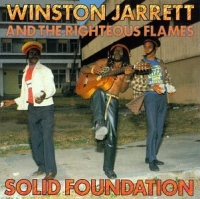
After the 1980s, Jarrett returned with powerful albums: Rocking Vibration (1984), Jonestown (1989)—an ironic name, biblical homage and ghetto tribe. In 1994, he released Tribute to Bob Marley, an album bringing together Peter Tosh and Bunny Wailer—three pillars of conscious reggae united on a single disc. Solid Foundation (1995) appeared on Heartbeat, and he continued publishing until the early 2000s.
His sincerity and refusal of commercial compromise make him one of the most authentic artisans of the rocksteady→roots reggae transition. To this day, he continues to record—more than sixty years after his first recordings.
Major Works
| Work | Year | Why It’s Essential |
|---|---|---|
| Man of the Ghetto (1977) | 1977 | Masterpiece of Jamaican roots reggae; an uncompromising look at the ghetto |
| Wise Man (1979) | 1979 | First major solo album; confirmation of a unique spiritual writing style |
| Rocking Vibration (1984) | 1984 | The return of an artist who found his path after business burn-outs |
| Tribute to Bob Marley (1994) | 1994 | Historic gathering of Tosh, Wailer and Jarrett for a vibrant tribute |
Heritage and influence
Winston Jarrett is a pivotal figure between rocksteady and roots reggae. His soulful voice — reminiscent of Alton Ellis in both style and melodies — guided the Jamaican transition from the 1960s to the conscious reggae of the 1970s. The Rough Guide to Reggae ranks him among the island’s greatest soul singers.
His legacy extends beyond his discography: by launching his own labels, he demonstrated that a Jamaican artist could achieve independence from major record companies. Even today, his voice resonates in sound systems around the world, and his lyrics “Man of the Ghetto”, “True Born African” or “Family Man” remain timeless declarations of Black pride and love for the poor.
Sources and references
- “Winston Jarrett”, Wikipedia, accessed November 10, 2026, https://en.wikipedia.org/wiki/Winston_Jarrett
- “Winston Jarrett”, AllMusic, https://www.allmusic.com/artist/winston-jarrett-mn0000671965
- “Winston Jarrett”, The Reggae Museum, https://thereggaemuseum.com/musician/winston-jarrett/
- “Winston Jarrett”, Discogs, https://discogs.com/artist/247957-Winston-Jarrett
- Peter I., “A Wise Man – Winston Jarrett interview”, Reggae Vibes, March 2022, https://www.reggae-vibes.com/articles/2022/05/songbird-of-sufferation-winston-jarrett-man-of-the-ghetto-the-interview/
- “Winston Jarrett”, UnitedReggae, https://unitedreggae.com/artists/w/winston-jarrett,924/discography/
- “Tribute to Bob Marley”, Discogs (release details), https://discogs.com/release/6027385
- “Unity & Livety”, Discogs (release details), https://discogs.com/release/6210873