The Musics of the Niger River and the Sahara
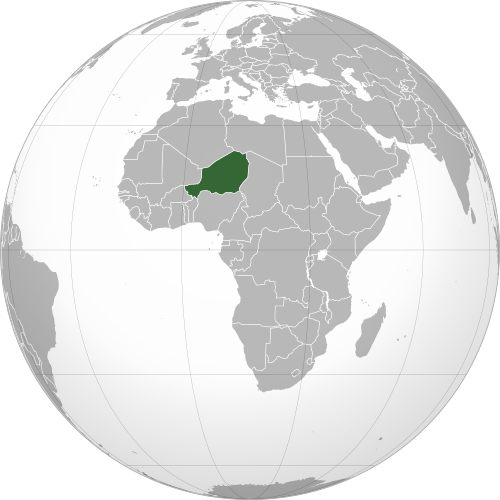
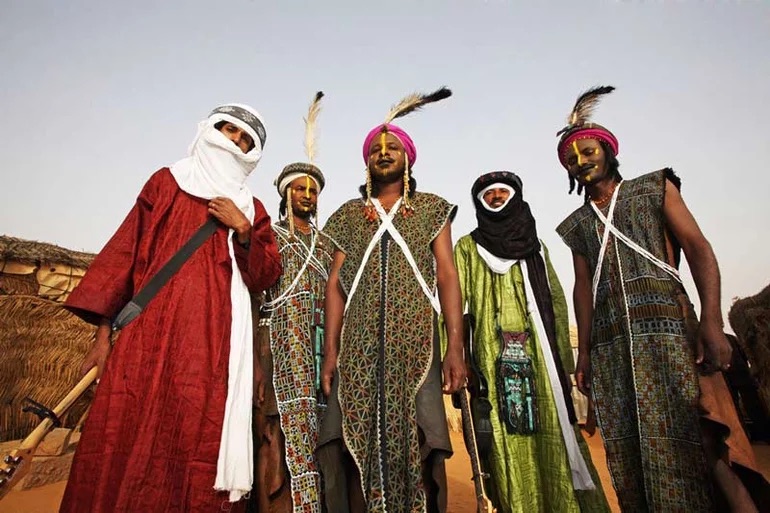
The Niger, at the heart of West Africa between the Niger River and the great Sahara desert, is a crossroads of cultures whose influence can be perceived in varied music. The main ethnic groups are the Haoussa (south), the Zarma/Songhaï, the Peul/Foulani, the Toubou and the Tamacheq/Touareg.
The Haoussa tradition: the dundun drum and court dances
The Haoussa, majority in southern Niger, maintain a musical tradition centered on the tambour dundun (large cylindrical drum) and court dances. The takals (barrel drums with a single cone) are played for royal ceremonies and weddings. The Haoussa peoples also use the kakaki (military trumpet) in processions. Haoussa music combines complex rhythmic ensembles with chants in hauça and traditional dances, notably the ganga (masked dance) and the kawu.
The Songhaï and Zarma tradition: the cradles of Sahelian djembé
The Zarma and Songhaï peoples, established along the Niger River, maintain a rich instrumental tradition. The Songhaï of the Gao region use the ndar (lute with stringed gourd) and cylindrical percussion to accompany their epic chants. The Zarma of central Niger play the balafon, djembé drums and wind instruments to accompany community ceremonies and rites of passage.
The Peul (Foulani) tradition: the Sahelian xalam
The Peul/Foulani communities of Niger maintain a musical tradition centered on the xalam (or alhaya), single-stringed violin played by Peul griots. Peul chants are characterized by their long and poetic melodies, often accompanied by light percussion. Peul women also maintain a tradition of circle chants and dances, accompanied by cylindrical drums.
The Tamacheq (Touareg) tradition: the guitars and drums of the Sahara
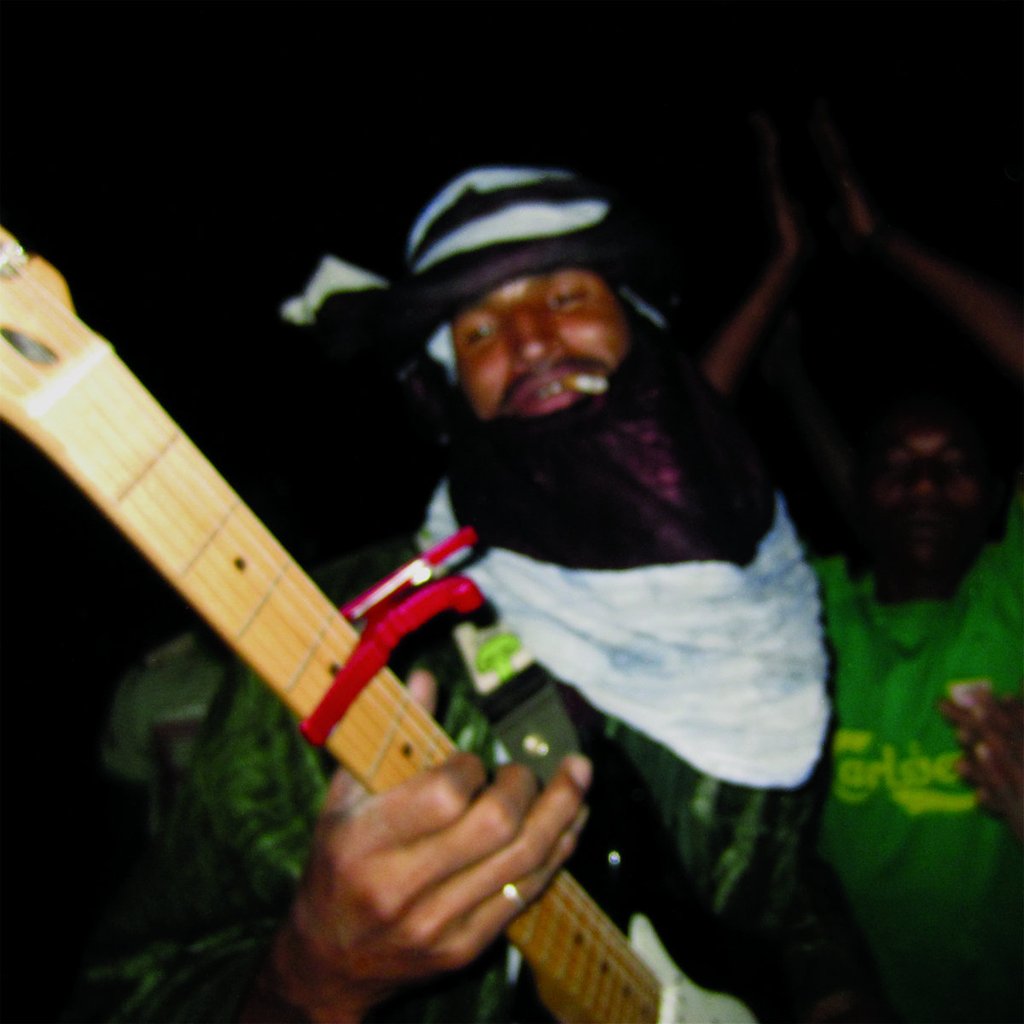
The Tamacheq/Touareg of northern Niger have developed a unique Sahelian music, blending Arabo-Berber and African influences. Traditional instruments include wooden drums (tenard, akonté) and rhythmic dances called arba. Contemporary Touareg also play electric guitar and popularize the genre assouf on the international stage.
Traditional Nigerian Instruments
- Dundun — Haoussa large cylindrical drum
- Takal — single-cone ceremonial and military drum
- Balafon Zarma/Songhaï — Mandé xylophone with resonance boxes
- Xalam / Alhaya — Sahelian Peul single-stringed violin
- Kakaki — Haoussa military trumpet
- Ndar / Ngoni — Songhaï and Peul stringed lute
References
[1] « Music of Niger », Wikipedia, https://en.wikipedia.org/wiki/Music_of_Niger. [2] « Niger Music », Afropop Worldwide, http://www.afropop.org/explore/country_info/ID/9/Niger/.