Biography
Ablaye Cissoko: the kora of a Senegalese griot conquering the world
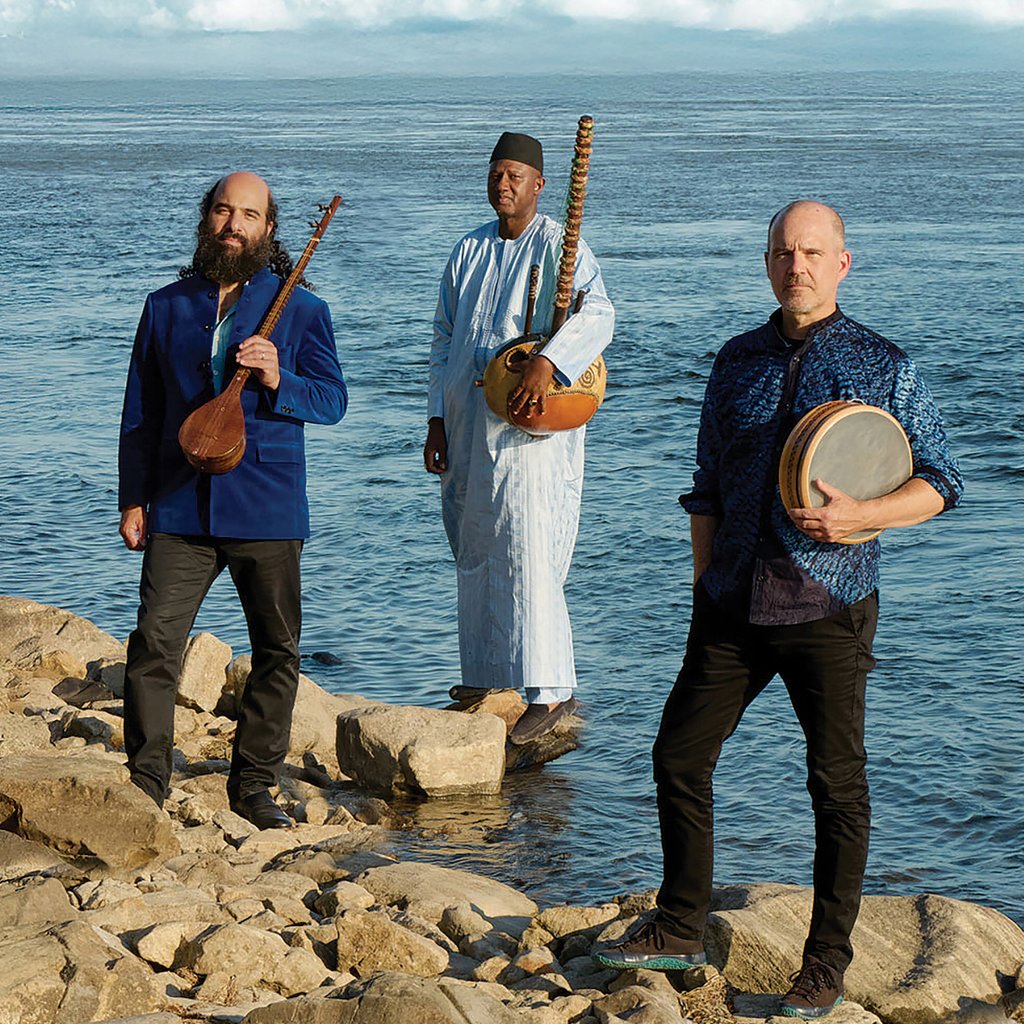
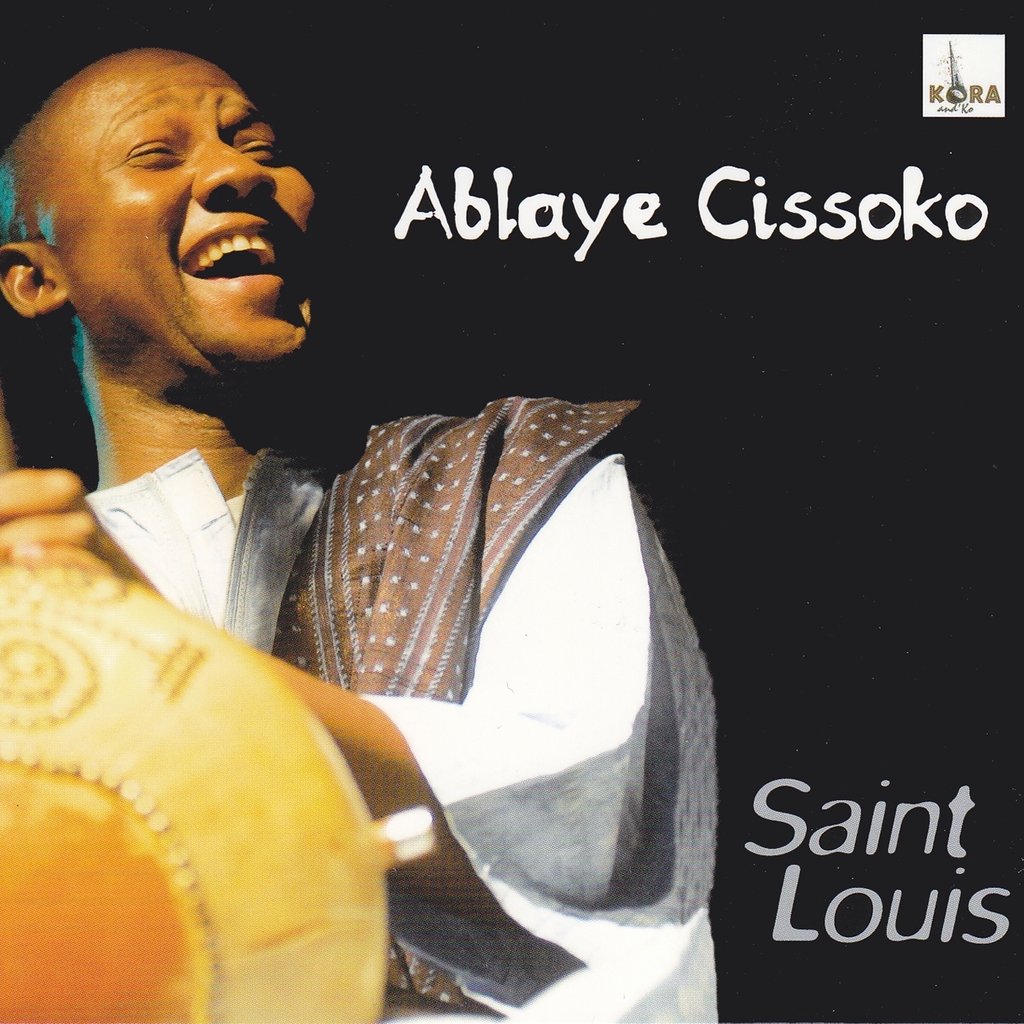
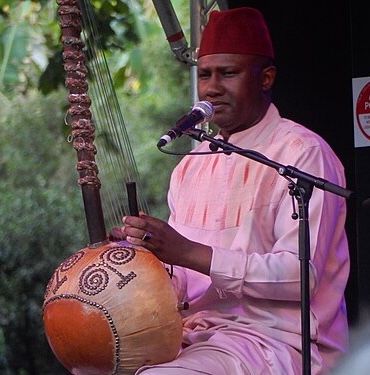
At eight years old, Ablaye Cissoko already held his first kora — this twenty-one-string instrument that has linked the lute and harpe for centuries in West Africa. At twenty-two, he strung his instrument on European and North American stages. Now based in Saint-Louis-du-Sénégal, the musician is one of the most prominent kora players of his generation. Heir to a lineage of griots — these historians, storytellers and musicians who transmit a millennial memory — he traverses jazz, baroque and world music without ever renouncing the Manding roots that shaped him.
In brief
| Full name | Kimintang Mahamadou Cissoko |
| Birth | 1970, Kolda, Senegal |
| Genre | Kora, world fusion, jazz, world music |
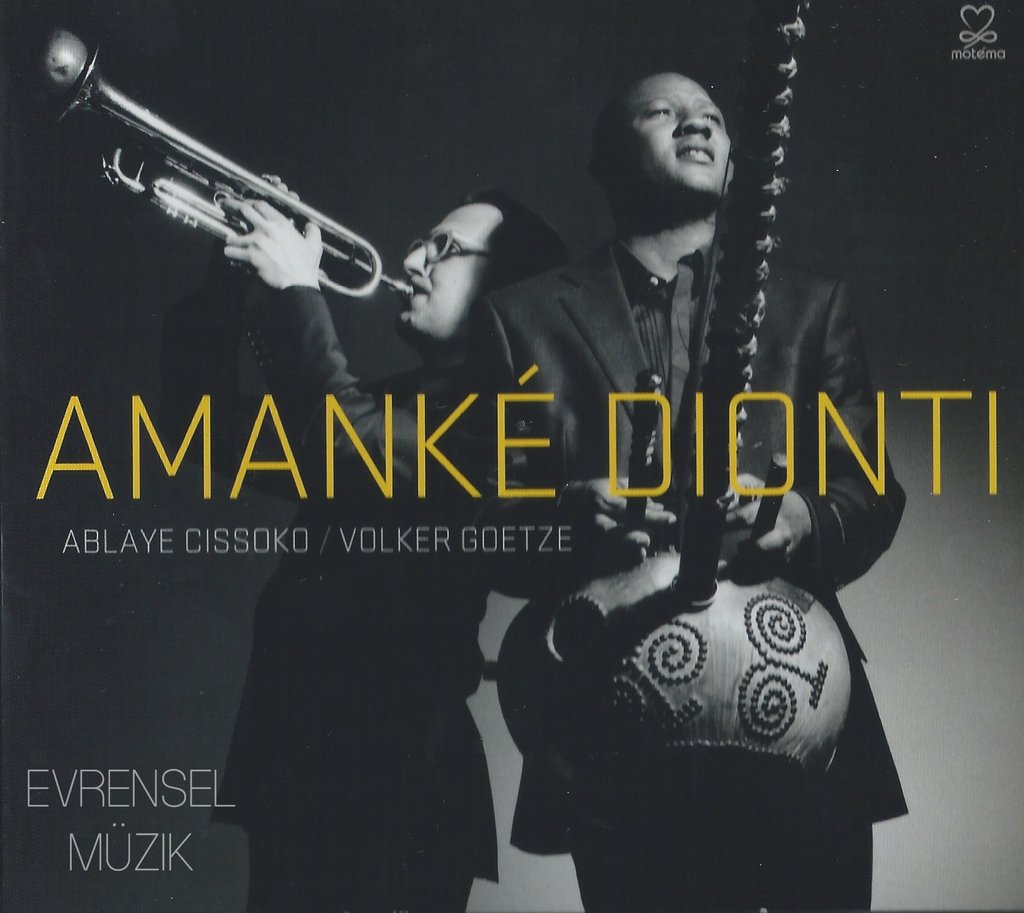
| Notable works | Diam, Sira, Mes racines, Amanké Dionti |
| Awards | Named best world hit of 2012 by NPR for Amanké Dionti |
Key dates
| Year | Event |
|---|---|
| 1970 | Birth in Kolda, southern Senegal, into a family of griots |
| 1978 | Beginning of kora training |
| 1982 | First public concert, at age twelve |
| 1985 | Move to Saint-Louis-du-Sénégal and formation of the group Ninki-Nanka |
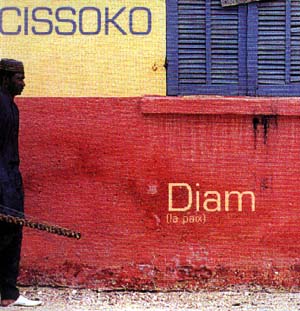
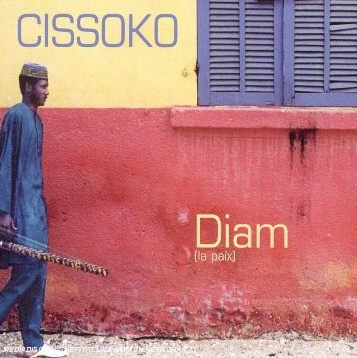
| 2003 | Release of first solo album, Diam |
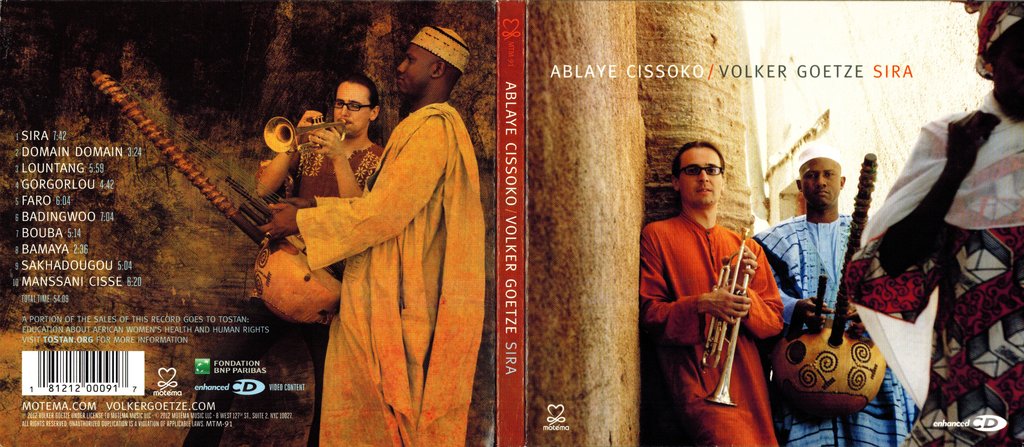
| 2009 | The album Sira (with Volker Goetze) enters the top 10 of CMJ world music radio |
| 2011 | Release of the documentary Griot, directed by Volker Goetze |
| 2012 | Amanké Dionti named best world hit by NPR |
| 2013 | Release of Mes racines, featuring the ensemble Le Corda Ba |
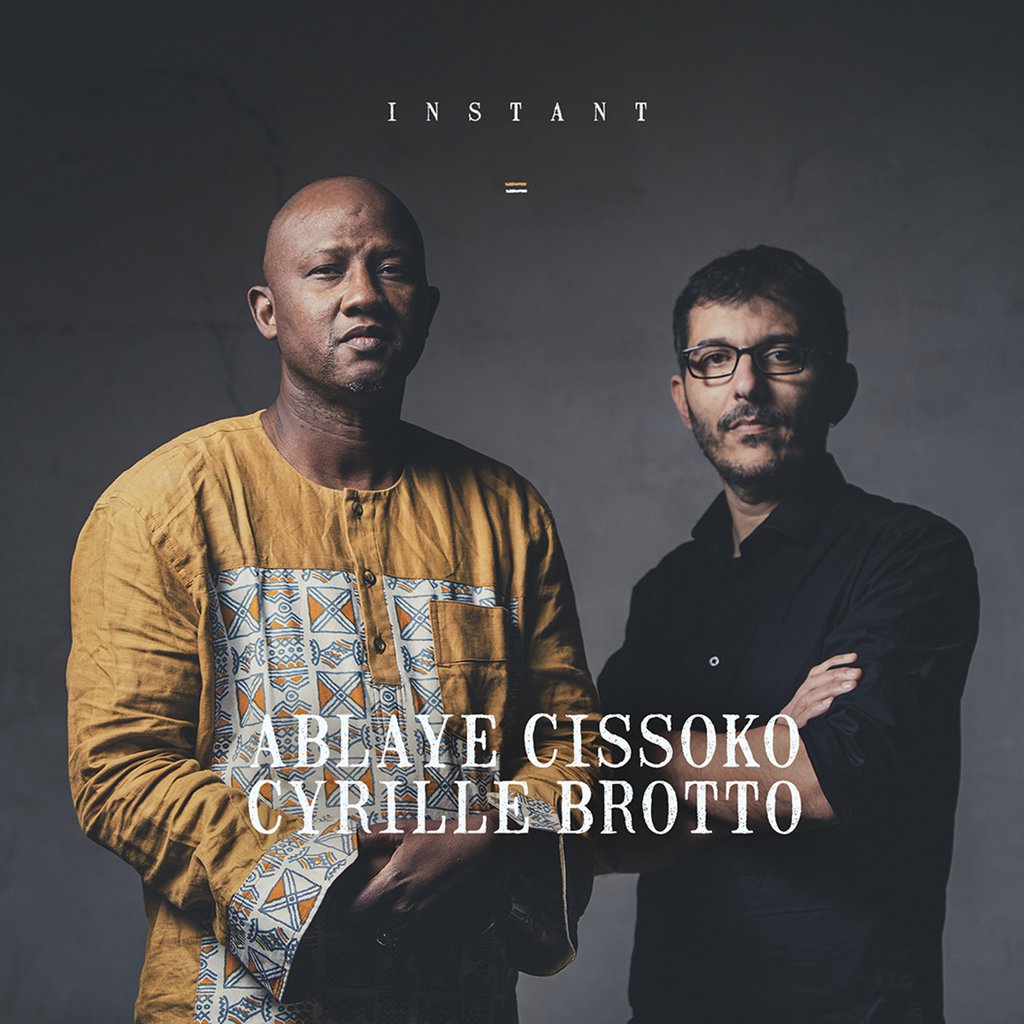
| 2022 | Release of Instant, a duo with accordionist Cyrille Brotto |
| 2025 | Release of Djiyo, a new collaboration with Cyrille Brotto |
One name, one heritage: the weight of a griot lineage
Ablaye Cissoko is his stage name; Kimintang Mahamadou Cissoko is his birth name. This double identity refers to a precise heritage: the griot designates a traditional artist from West Africa, historian, storyteller and musician transmitting a millennial memory. The Cissoko family is one of the most renowned in this art — the griots Cissoko hold mastery over the kora, a twenty-one-string instrument nearly eight hundred years old. His father gave him the name his great-great-grandfather had worn after an old consultant predicted his birth. “Everyone said Ablaye, but only Kimintang,” he recounts in 2012. “To address me directly, he never called me Ablaye, and not until he went underground.” The first name Ablaye, however, comes from his mother Amaly, who passed away when he was not yet two years old. This loss permeates his music with a silent quest for reconciliation with the past.
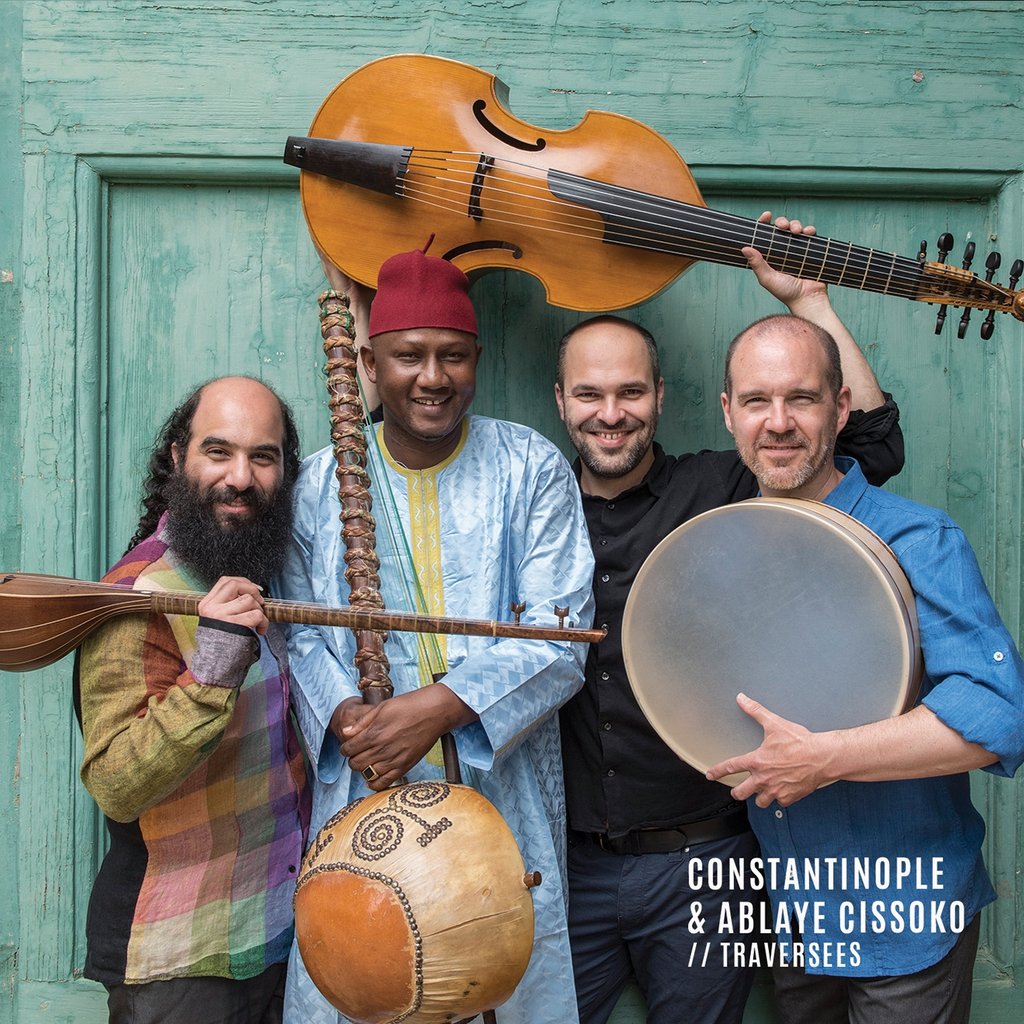
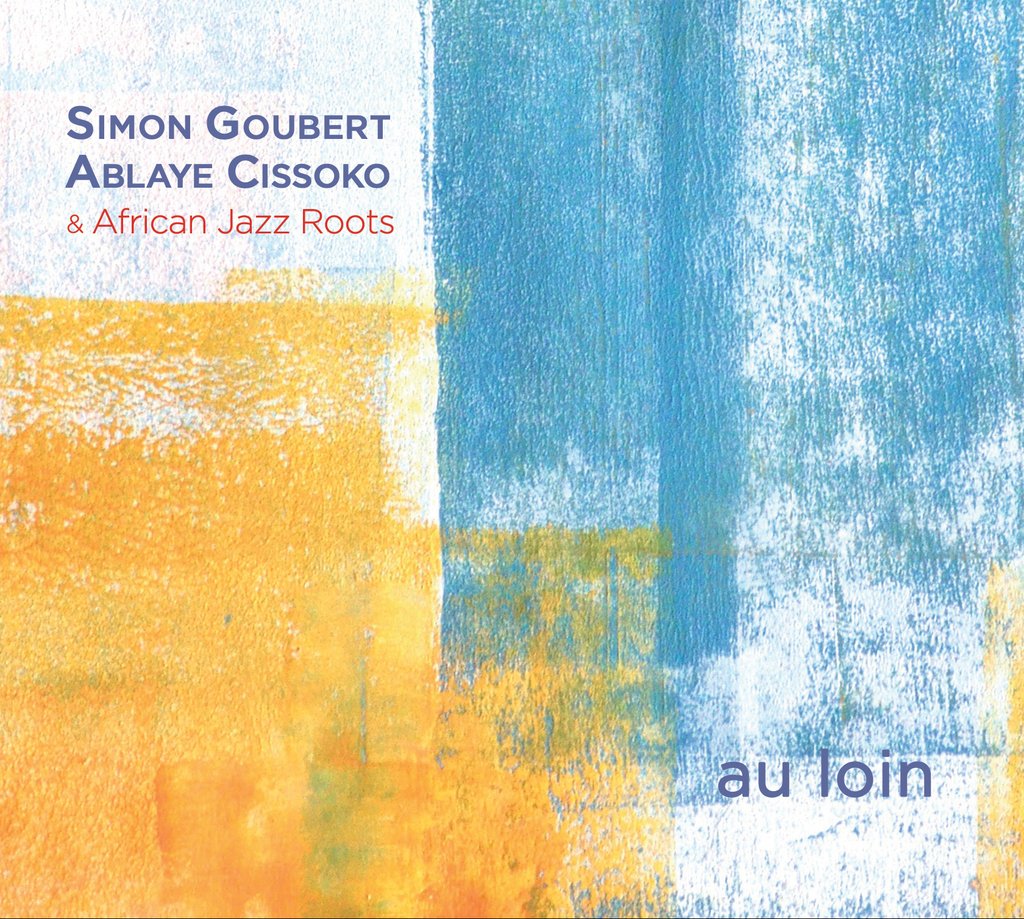
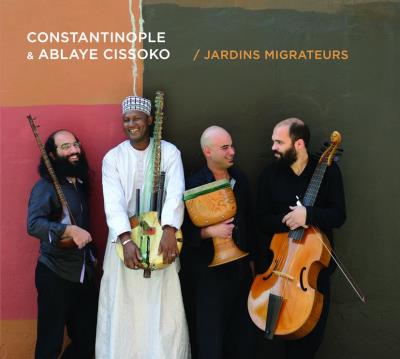
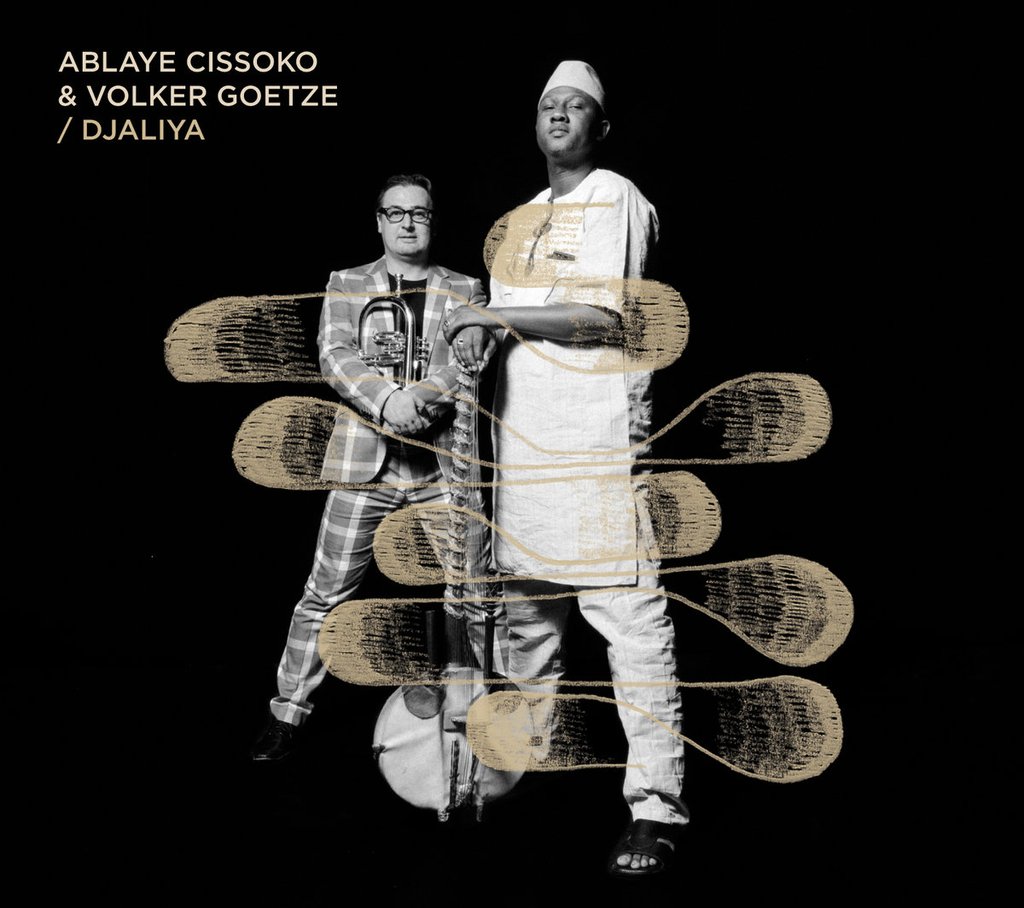
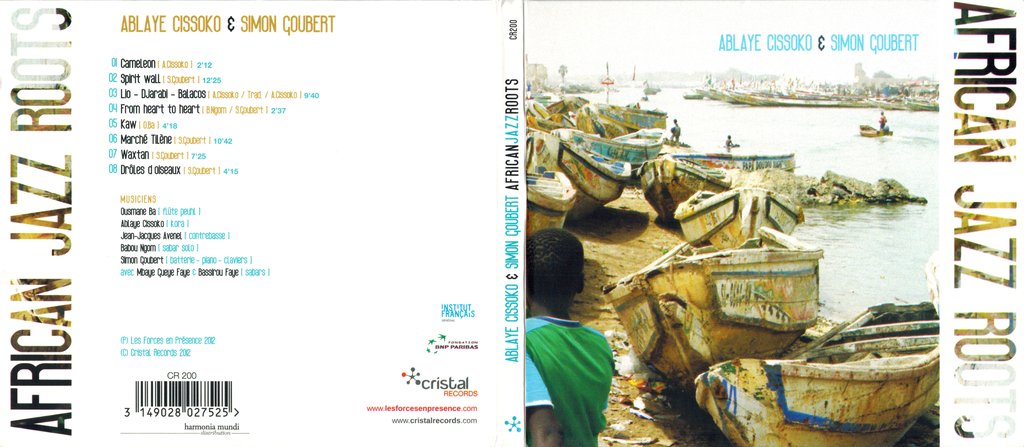
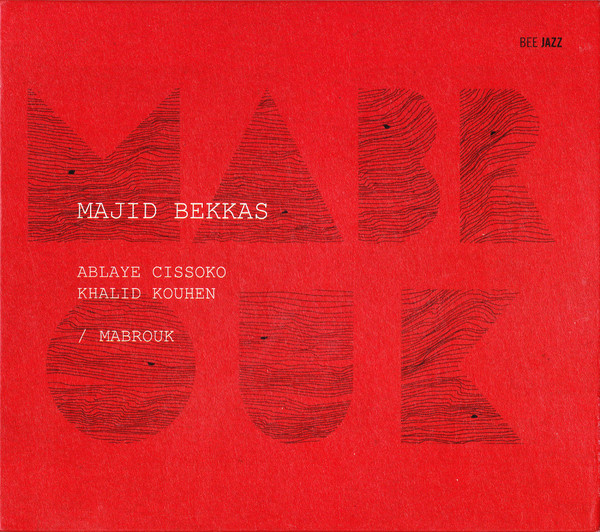
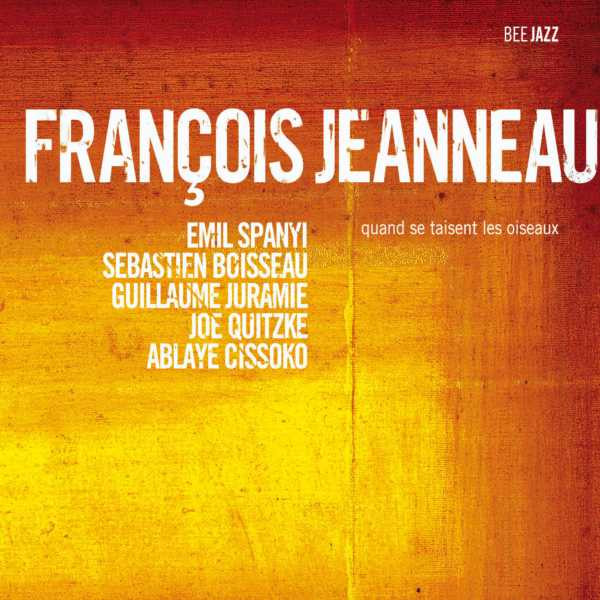
Captivated by the city of Saint-Louis, on the banks of the Senegal River, he settled there in 1985 and joined the Saint-Louis Jazz Orchestra, a pluralistic formation mixing African and European musicians. Against tradition, he did not limit himself to ritual frameworks but opened his music to jazz, baroque and Persian modes. “Music, like love, has no borders,” he declared in an interview with Le Monde in 2006. “If I play, I want to take pleasure. I do not want to torture myself, because then I do nothing good and I torture people, which is what I do not want.” His emblematic collaboration was with German trumpeter Volker Goetze, met in 2001: three albums (Sira, 2009; Amanké Dionti, 2012; Djaliya, 2014) and the documentary Griot (2011), screened in a dozen international festivals. He also multiplied crossings — François Jeanneau, Majid Bekkas, the ensemble Constantinople, Cyrille Brotto (Instant, 2022) — each collaboration placing the kora within an intercultural dialogue where it is never a solo star, but a voice within a choir.
Major works
| Work | Year | Why it is essential |
|---|---|---|
| Diam (The Peace) | 2003 | First solo album; lays the sonic foundations of an artist who makes peace his guiding thread |
| Sira (with Volker Goetze) | 2009 | First duo at the summit; entry into the top 10 of CMJ world music radio |
| Amanké Dionti (with Volker Goetze) | 2012 | NPR distinction: best world hit of the year, major international recognition |
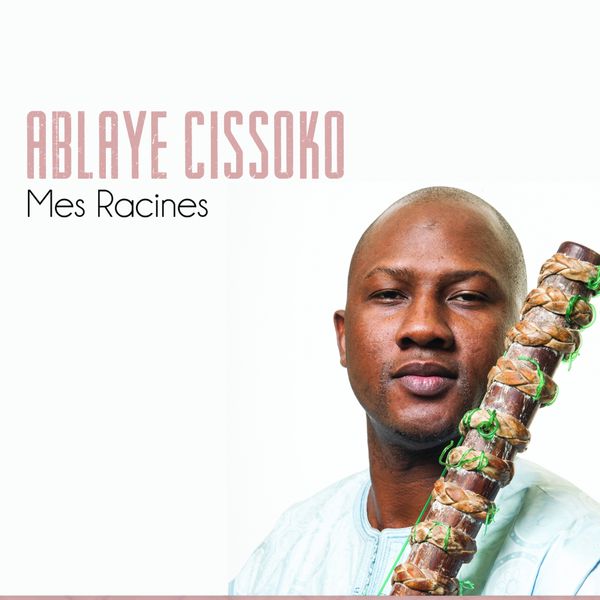
| Mes racines | 2013 | Return to Manding roots, enriched by the Senegalese musicians of Le Corda Ba |
| Instant (with Cyrille Brotto) | 2022 | Dialogue between kora and diatonic accordion, proof that his musical language continues to renew itself |
Legacy
In 2011, the documentary Griot shows Ablaye Cissoko at the head of a school-house in Saint-Louis, where about eighty people reside and learn kora, djembé and dance. Son of a griot and father of a family, he embodies a bridge between old oral transmission and modern structures of musical training. His music circulates in festivals around the world, from Carreau du Temple in Paris to the Chicago Institute of Music, but his port d’atteste remains unshakable: the Senegal River, where Manding traditions and European influences cross.
Sources and references
-
Olivier Herviaux, “The Balm at the Heart of Ablaye Cissoko”, Le Monde 2, June 10, 2006, p. 46-47, https://www.lemonde.fr/consultez, accessed October 23, 2026.
-
“Ablaye Cissoko”, Wikipedia, https://fr.wikipedia.org/wiki/Ablaye_Cissoko, accessed October 23, 2026.
-
“Ablaye Cissoko”, Wikipedia (English version), https://en.wikipedia.org/wiki/Ablaye_Cissoko, accessed October 23, 2026.
-
Angel Romero, “Senegalese Kora Master Ablaye Cissoko”, World Music Central, September 3, 2022, https://worldmusiccentral.org/artist-profiles-ablaye-cissoko/, accessed October 23, 2026.
-
« Ablaye Cissoko : podcasts et actualités », Radio France, https://www.radiofrance.fr/personnes/ablaye-cissoko, consulté le 23 octobre 2026.
-
« Ablaye Cissoko », Bandcamp (site officiel), https://ablayecissoko.bandcamp.com/, consulté le 23 octobre 2026.
-
Volker Goetze, « GRIOT », https://www.volkergoetze.com/griot, consulté le 23 octobre 2026.
-
« Griot (2011) », IMDb, https://www.imdb.com/title/tt1489960/, consulté le 23 octobre 2026.
-
« Ablaye Cissoko & Cyrille Brotto », Music Institute of Chicago, https://www.musicinst.org/events/ablaye-cissoko-and-cyrille-brotto, consulté le 23 octobre 2026.
-
« Ablaye Cissoko », Africultures, http://africultures.com/evenements/?no=889, consulté le 23 octobre 2026.