
Biography
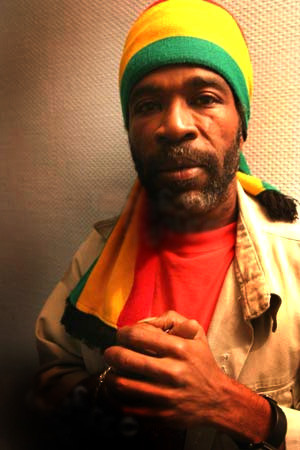
Admiral Tibet
- The Reggae Sunsplash dancehall scene brims with dozens of artists, and a young singer with an unusual name takes the stage in Montego Bay to the mockery of some who take him for an outsider. In a few minutes, his light voice and message break down barriers at the festival: the crowd cheers him on, producers offer contracts. Admiral Tibet is not yet twenty-nine years old but he has already been, for four years, one of the few voices to offer conscious lyrics in a universe dominated by vulgar dancehall.
In Brief
| Full Name | Kenneth Allen |
| Birth | Around 1960, Freehill, Saint Mary (Jamaica) |
| Genre | Conscious Reggae, dancehall, ragga, roots digital |
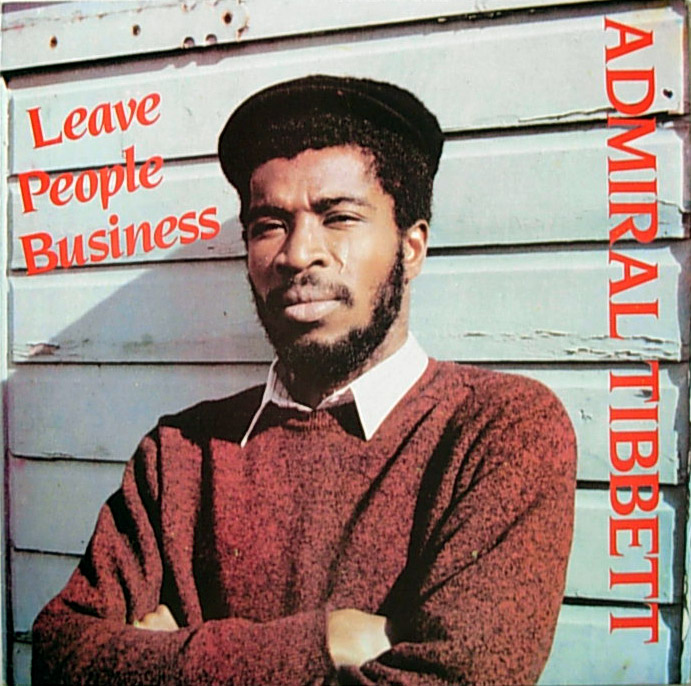
| Signature Works | “Serious Time”, “Leave People Business”, Come into the Light |
| Nickname | « Mr. Reality » |
Key Dates
| Year | Event |
|---|---|
| Around 1960 | Birth in Freehill, parish of Saint Mary (rural Jamaica) |
| 1970s | Takes the nickname Tibet from an atlas consulted with his cousin; he later receives the title Admiral |
| 1970s-80s | Sings on local sound systems, including the Torpedo of his parish |
| 1982 | Moves to Kingston to break into the music industry (no studios in rural areas) |
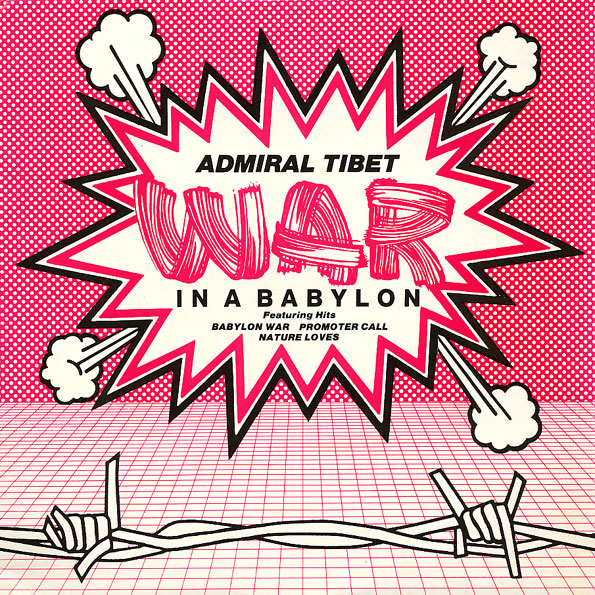
| 1985 | Records his first single, War between me and the babylone just can’t over, with Sherman Clacher |
| 1986-87 | “Leave People Business” (Winston Riley) then “Serious Time” (King Jammy) |
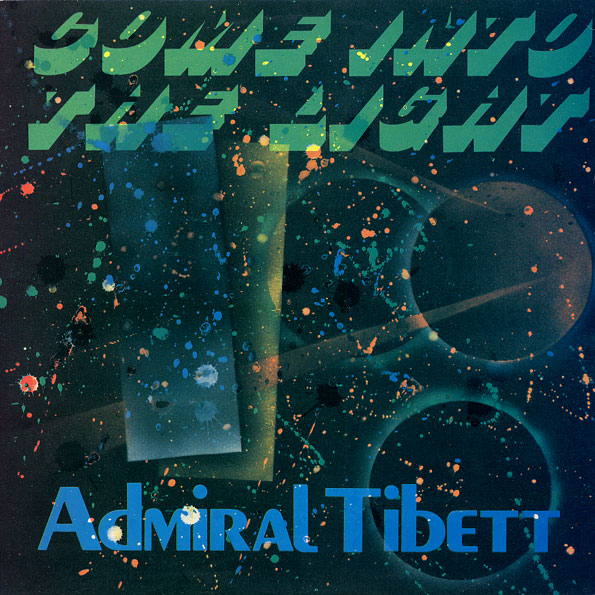
| 1987 | Release of Come into the Light, first album produced by King Jammy |
| 1989 | Triumph at Reggae Sunsplash; wins Performer of the Year title at Rockers Awards |
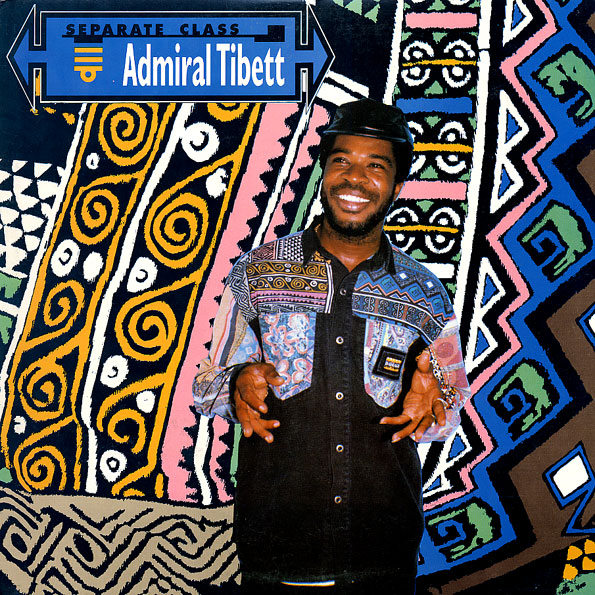
| 1990s | Less prolific, but maintains a solid career; collaborates with Shabba Ranks and Ninjaman |
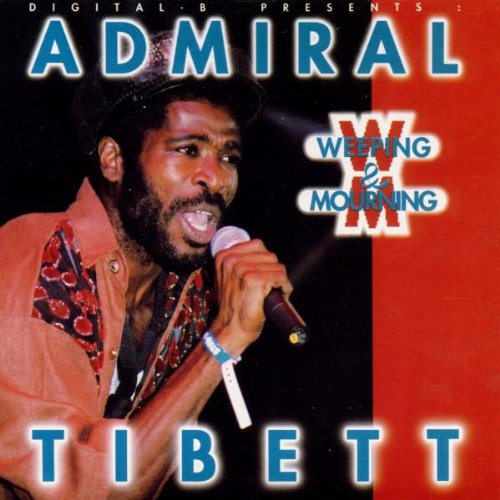
| 2000-2008 | Strong comeback; records “Gone Crazy” for Bobby Digital, tours in the United States, Europe and Japan |
| 2015 | Release of Gone Nowhere on French label EarlyDays Records; still active in concert |
A Rastafari Born at the Heart of the Digital Era
Kenneth Allen is born in Freehill, in the rural parish of Saint Mary. From adolescence, he writes openly conscious songs — without even frequenting Rasta communities. « I am a born-and-bred Rasta, from birth », he will explain in 2005. This is not a chosen commitment but the natural manifestation of a gift he feels at fifteen, when elders from his village encourage him to sing rather than remain silent.
To train himself, Allen makes use of the village sound systems — the Torpedo, Scorpio, Kilamanjaro. No official training: he learns by listening to Dennis Brown, Gregory Isaacs, Bob Marley and Peter Tosh. In 1982, he moves to Kingston, but producers have not yet opened their doors. Three years of waiting before Sherman Clacher entrusts him with a microphone in 1985.
The result? A first single, War between me and the babylone just can’t over, which made a bomb effect. It was a revelation: engineers and artists in the control room started applauding, thrilled by the result. The title is released on Arabic and Kings International labels, then he signs with Winston Riley for Leave People Business Alone, a new hit. King Jammy calls him in turn: he records “Serious Time”, which becomes his most famous hit.
An Anti-Slackness Message in the Midst of a Dancehall Wave
At the end of the 1980s, Jamaican reggae shifts towards digital and dancehall slack culture — vulgar, violent, materialistic. Admiral Tibet faces an artistic choice: follow the wave or oppose it. He chooses to categorically refuse any vulgarity, affirming a preference for conscious music.
This position earns him the nickname « Mr. Reality ». His voice, described by the Rough Guide to Reggae for its convincing and vulnerable quality, carries a clear message: one can sing cultural music on dancehall riddims. Among his strong tracks, the Rough Guide cites “More Than Gold”, the self-produced Gun War (or The Clock War), and of course Serious Time.
The title Serious Time is a special case: the remix of the Digital B version reunites Shabba Ranks and Ninjaman, two sworn enemies turned rivals on the Jamaican stage. Producer of Tibet at the time, Bobby Digital — former engineer for King Jammy — had the idea to reunite them on a single riddim to symbolize unity. It is not cinema, but the track becomes an international classic of reconciliation and gathering.
Less known on the foreign market but dreadfully recognized at home, Admiral Tibet has toured in North America, Europe and Japan. His lyrics, mixing denunciation of corruption (Stop the Corruption), spiritual vigilance and social critique, cross eras — like the song Terrorist, written long before the September 11 attacks but still relevant, denouncing terrorism in Jamaican neighborhoods before it became a planetary scourge.
Major Works
| Work | Year | Why It Is Essential |
|---|---|---|
| “Serious Time” | 1987 | His signature title; the remix uniting Shabba Ranks and Ninjaman on the MPLA riddim became a symbol of dancehall unity |
| Come into the Light | 1987 | First studio album, produced by King Jammy; marks Tibet’s triumphant entry onto the digital stage |
| “Leave People Business” | 1986-87 | First hit with Techniques (Winston Riley); the theme of jealousy and interference remains universal |
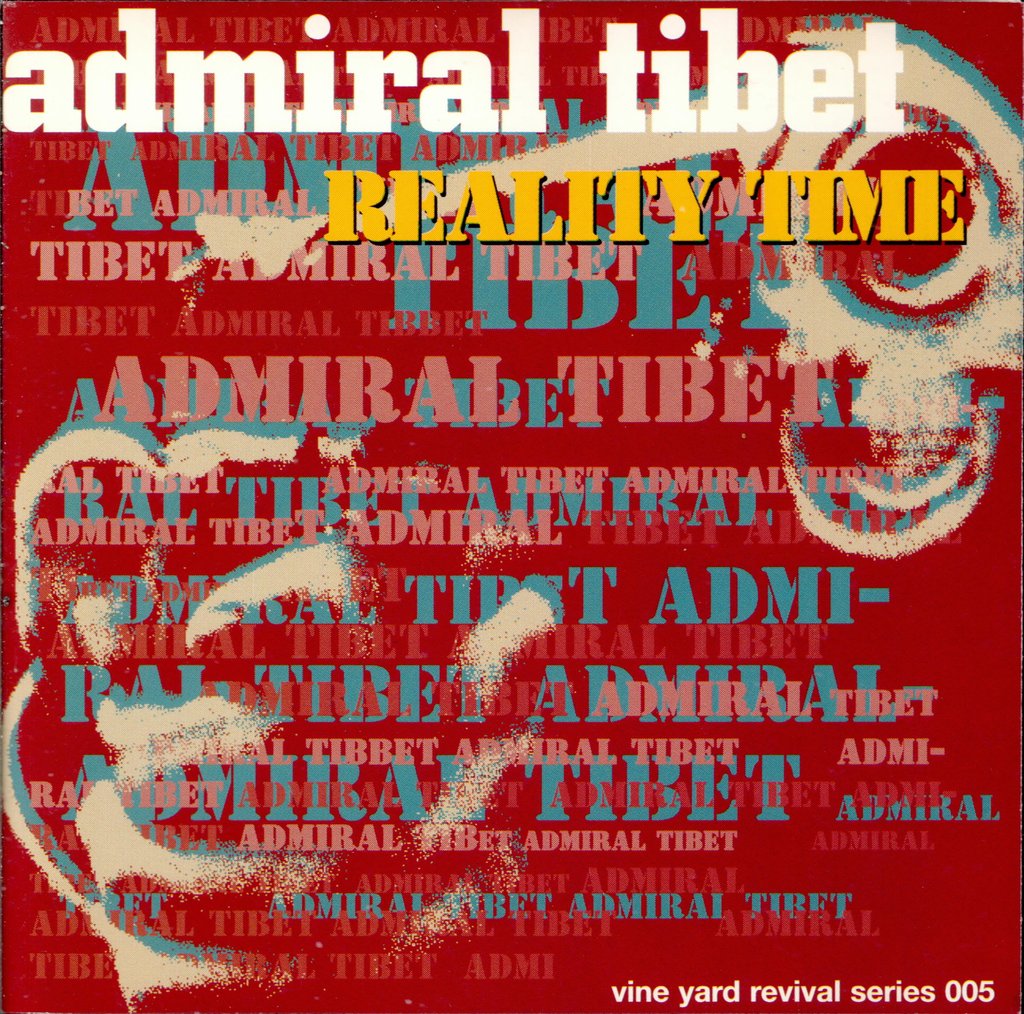
| Reality Time | 1991 | Foundational album where he formulates his philosophy: culture time, we refuse slackness |
Heritage and influence
Admiral Tibet paved the way for a generation of cultural singers who followed in the 1990s, such as Yami Bolo or Dillinger. The chronicler Lloyd Bradley mentions him in the call of new roots from the early 90s, highlighting how he showed that digital could carry a conscious message without betraying the root. More than four decades after his first single, he continues to tour and record — his discography of sixteen albums testifies to a rare constancy in a musical world where fashion dictates the rhythms.
Sources and references
- « Admiral Tibet », Wikipedia, accessed November 10, 2026, https://en.wikipedia.org/wiki/Admiral_Tibet
- « Admiral Tibet », World of Jamaican Music, accessed November 10, 2026, https://worldofjamaicanmusic.com/admiral-tibet (reference to Rough Guide to Reggae, 3rd ed., Steve Barrow & Peter Dalton, 2004)
- Krista Henry, « Admiral Tibet enjoys musical ‘Serious Time’ », The Jamaica Gleaner, April 27, 2008, accessed November 10, 2026
- « Interview Admiral Tibet », Reggaefrance, summer 2005, accessed November 10, 2026
- « Admiral Tibet », United Reggae, accessed November 10, 2026, https://unitedreggae.com/artists/a/admiral-tibet,751/
- Claudia Gardner, « Admiral Tibet Speaks On His First New Album In Two Decades », DancehallMag, October 24, 2023, accessed November 10, 2026