
Biography
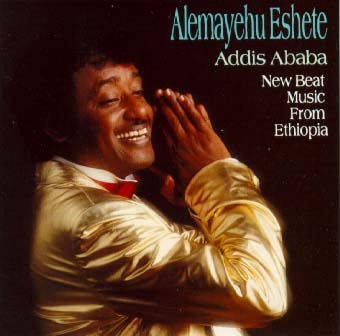
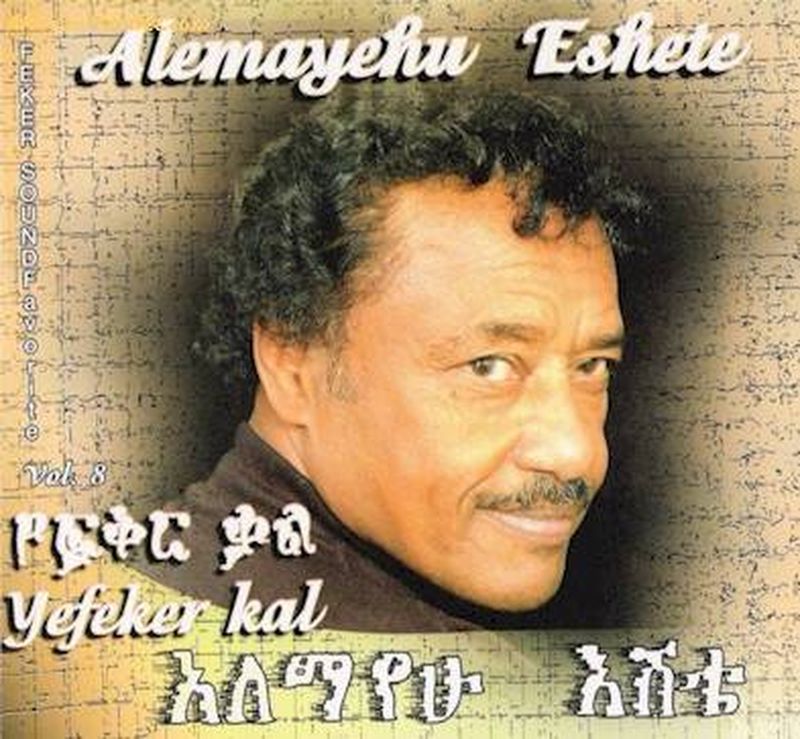
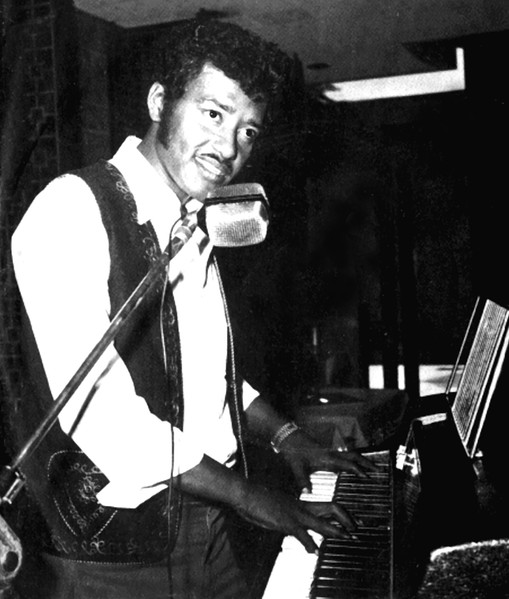
Alemayehu Eshete
In 1969, Amha Eshete, owner of a record store in Addis-Abeba, made a bold move: he recorded club music on vinyl, despite the government holding an absolute monopoly. No one wanted to follow him. Until Alemayehu Eshete, already a star of the Police Orchestra but long-time rebel, stepped forward and recorded “Timarkialesh”, a frenzied funk track that became a historic hit.
In Brief
| Full Name | Alemayehu Eshete Andarge (ዓለማየሁ እሸቴ አንዳርጌ) |
| Birth | June 1941, Addis-Abeba, Ethiopia |
| Death | September 2, 2021 (80 years), Addis-Abeba, Ethiopia |
| Field | Singer — ethio-jazz, funk, rock ’n’ roll |
| Iconic Works | “Timarkialesh”, “Temar Lije”, “Addis Ababa Bete” |
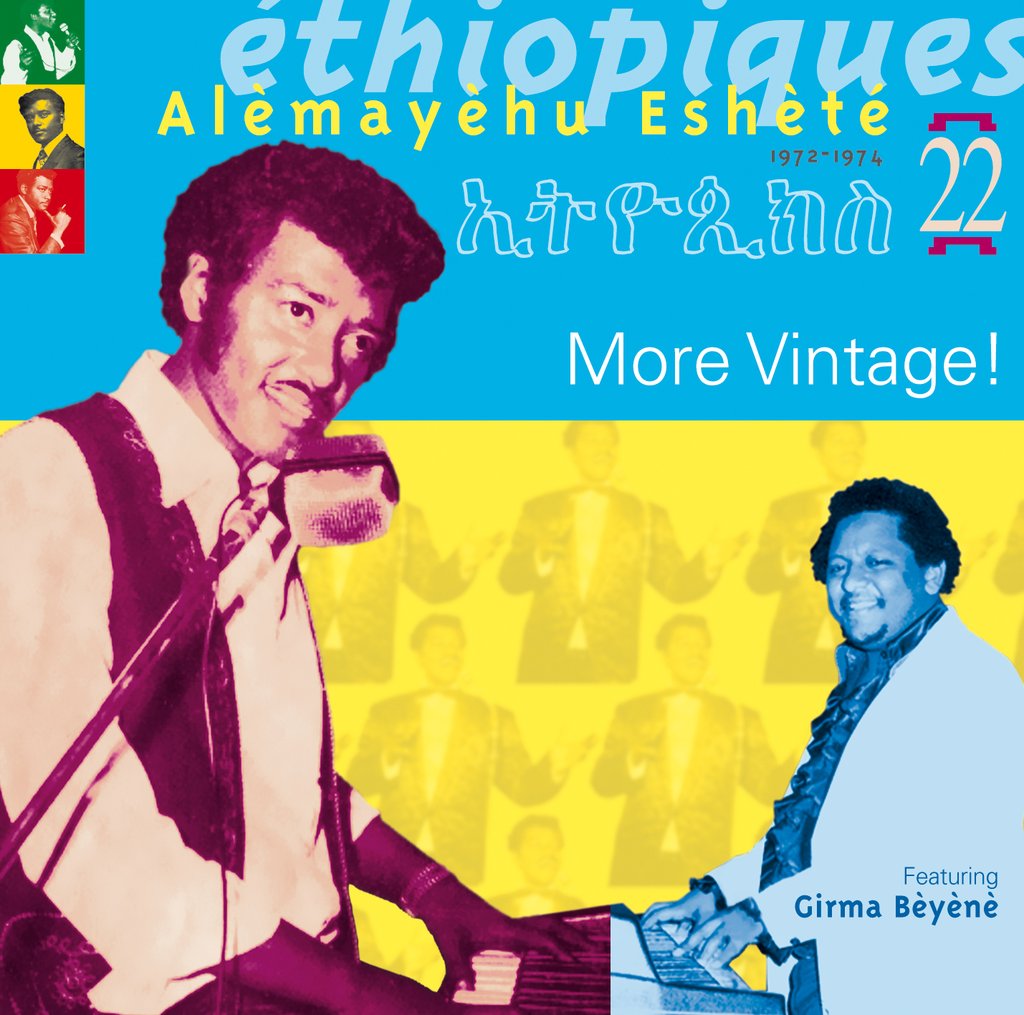
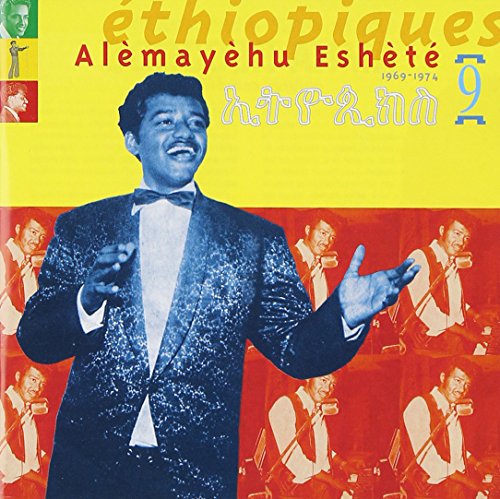
| Awards | Two Éthiopiques volumes dedicated (Vol. 9 and Vol. 22) |
Key Dates
| Year | Event |
|---|---|
| 1941 | Born in Addis-Abeba, son of a taxi driver |
| 1961 | First hit “Seul”, integration into the Police Orchestra |
| 1963 | Discovers American rock ’n’ roll, idolizes Elvis Presley |
| 1969 | Records “Timarkialesh” on Amha Eshete’s clandestine label |
| 1972 | Founding of the Alem-Girma Band with Girma Bèyènè |
| 1974 | The Derg overthrows Haïlé Sélassié, end of the clubs |
| 1997 | Éthiopiques series launched by Francis Falceto (Buda Musique) |
| 2008 | American tour with Either/Orchestra, Glastonbury and Barbican |
| 2021 | Death on September 2, funeral at Sainte-Trinité Cathedral |
From “Jailhouse Rock” to the Police Orchestra: The Metamorphosis of a Rebel
Alemayehu Eshete Andarge was born in June 1941 in Addis-Abeba, son of a taxi driver. He spent his first two months with his grandparents in Dessie and did not return to Addis until he was three years old.
His musical talent emerged early: he sang in the liturgical choir of the Christian Training Institute, near the Yohannes church. At the cinema, he discovered Elvis Presley, Bill Haley and Little Richard. As an adolescent, he skipped school to see his idols, adopted a lush pompadour and shirts with wide collars. « I dressed like an American, grew my hair, sang ‘Jailhouse Rock,’ », he would later tell the Guardian. He quickly realized that singing in Amharic triggered immediate connection, just as Tilahun Gesesse did — then the most popular artist in the country. From that point on, his popularity only grew.
In 1961, at eighteen, Colonel Retta Demeqe spotted him in a club and recruited him for the Police Orchestra. His first song, “Seul”, became a hit. Working full-time as an official and singing on the side, he officiated at state ceremonies but slipped into clandestine clubs every evening.
The Rebel Epic: From “Timarkialesh” to Forced Exile
By the end of the 1960s, prohibitions relaxed under old Haïlé Sélassié: young people opened discotheques, and the radio broadcast jazz and funk. Addis vibrated like swinging London — it was the era of swinging Addis.
In 1969, Amha Eshete — no relation — opened the first record store run by an Ethiopian and launched Amha Records, defying the government monopoly. No one wanted to sign. Alemayehu Eshete, the only renowned musician to accept, recorded “Timarkialesh”. The record was manufactured in India; launched from a speaker at the shop, it caused madness on the streets.
With pianist Girma Beyene, he formed the Alem-Girma Band. His repertoire mixed unrestrained funk like “Tchero Adari Nègn”, rhythmic ballads like “Tashamanaletch” and committed songs: “Tikur Gissila” (Black Leopard) celebrated African freedom; « Temar Lije » (« Study, My Son », study my son) preached the importance of education — an iconic song covered by almost all Ethiopian artists. “Addis Ababa Bete” (« Addis Ababa, My Home ») became a funky ode to the capital.
The turning point came in 1974 with the Derg coup d’état. The curfew extinguished nightlife and musicians fled in masses. Alemayehu refused to leave: he had a wife and children. He continued under constraint, including in patriotic spectacles imposed by the new regime. « That time was hell », he would recount to the Guardian. He was even summoned to sing in Korean for Kim Il-sung, « which I learned, though I had no idea what I was singing ».
Éthiopiques and the Return to Global Spotlights
In 1997, French producer Francis Falceto launched the Éthiopiques series with Buda Musique — a monumental compilation rediscovering the lost treasures of swinging Addis. Two volumes (Vol. 9 and Vol. 22) were entirely dedicated to Eshete. « Alemayehu is an icon of that era », Falceto told the New York Times. « He is a legend of the music of modern Ethiopia. »
The eternal youngster returned to the international stage. In 2008, he headlined at the Barbican in London and Glastonbury alongside Mahmoud Ahmed, Mulatu Astatke and saxophonist Getatchew Mekurya. In New York, he performed at Damrosch Park in Lincoln Center with the Boston Either/Orchestra. New York Times critic Nate Chinen wrote: « Mr. Eshete was at his charismatic best », highlighting his acrobatic dance moves and powerful voice.
Remaining in Addis-Abeba, he performed every Wednesday at Jazzamba Lounge. Hospitalized in 2016 for heart failure, he never stopped playing.
He passed away at midnight on September 2, 2021, in an Addis-Abeba hospital. He had undergone heart surgery five years earlier for blocked arteries. His ceremony at Sainte-Trinité Cathedral gathered a massive crowd in Meskel Square. He left his wife Ayehu « Ayo » Kebede Desta, seven children and six grandchildren.
Major Works
| Work | Year | Why It’s Essential |
|---|---|---|
| “Timarkialesh” | 1969 | First independent track of swinging Addis, produced clandestinely and became a popular phenomenon |
| “Temar Lije” (« Study, My Son ») | 1969-1970 | Iconic educational hymn, covered by almost all Ethiopian artists since |
| “Addis Ababa Bete” (« Addis Ababa, My Home ») | 1971 | Funky ode to the capital, signature track performed until his last concerts |
Legacy and Influence
Alemayehu Eshete is one of the pillars of the ethio-jazz movement, a current that fuses traditional Ethiopian scales with Western rhythm and blues and funk. With Mulatu Astatke — often credited as the father of ethio-jazz — and Mahmoud Ahmed, he forged an inimitable sound.
The Éthiopiques reissue played a central role. Francis Falceto, who recovered forgotten master tapes, transformed these recordings into planetary treasures. Addis musicians listen to Eshete as a reference; his tracks are back on the airwaves.
In an interview with Rebelbase, he was asked what makes the song Tizita — the most performed nostalgic track in Ethiopia — so special. He explained that it would be very difficult to find an Ethiopian who doesn’t love this song. A deeply rooted artist, carried on world stages without ever betraying his land.
Sources and References
- « Alemayehu Eshete », Wikipedia, https://en.wikipedia.org/wiki/Alemayehu_Eshete, accessed November 18, 2026.
- « Alèmayèhu Eshèté obituary », The Guardian, https://www.theguardian.com/music/2021/sep/10/alemayehu-eshete-obituary, accessed November 18, 2026.
- « Alemayehu Eshete, Singer Known as the ‘Abyssinian Elvis,’ Dies at 80 », The New York Times, https://nytimes.com/2021/09/28/arts/music/alemayehu-eshete-dead.html, accessed November 18, 2026.
- « ALEMAYEHU ESHETE - RAS HOTEL ADDIS ABEBA 09/2010 », Rebelbase, https://www.rebelbase.be/interviews/detail/alemayehu-eshete---ras-hotel-addis-abeba-092010, accessed November 18, 2026.
- « The Legacy of Amha Eshete », Tadias Magazine, http://tadias.com/05/25/2012/the-legacy-of-amha-eshete-amha-records-contribution-to-modern-ethiopian-music, accessed November 18, 2026.
- « Obituary: Alèmayèhu Eshèté (1941-2021) », Songlines, https://songlines.co.uk/content/news/obituary-alemayehu-eshete-1941-2021, accessed November 18, 2026.