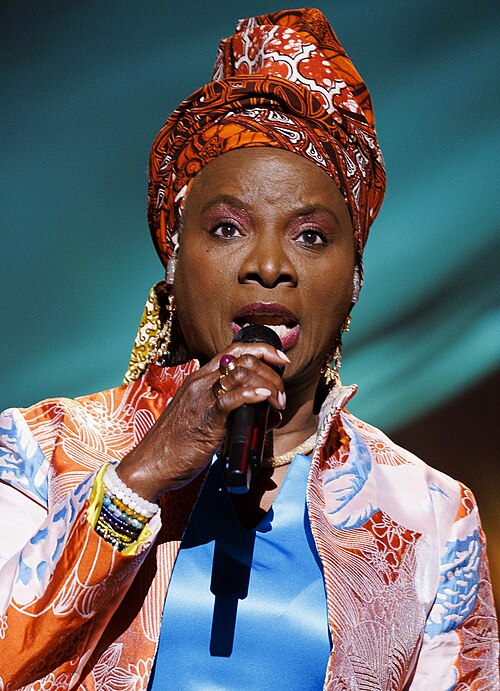
Biography
Angélique Kidjo: joy as a revolutionary force
At six years old, Angélique Kidjo was hurried onto the stage by her mother, her heart beating so fast that “her entire skeleton trembled.” The audience laughed, applauded, and the child discovered the most natural place in the world: an audience. Forty-four years later, the Beninese singer has almost never left the front of the stage — and her global audience is undoubtedly the largest in all of African music history.
In brief
| Full name | Angélique Kpasseloko Hinto Hounsinou Kandjo Manta Zogbin Kidjo |
| Birth | July 14, 1960, Ouidah (Dahomey, present-day Benin) |
| Genre | Afrobeat, world music, pop, jazz, reggae |
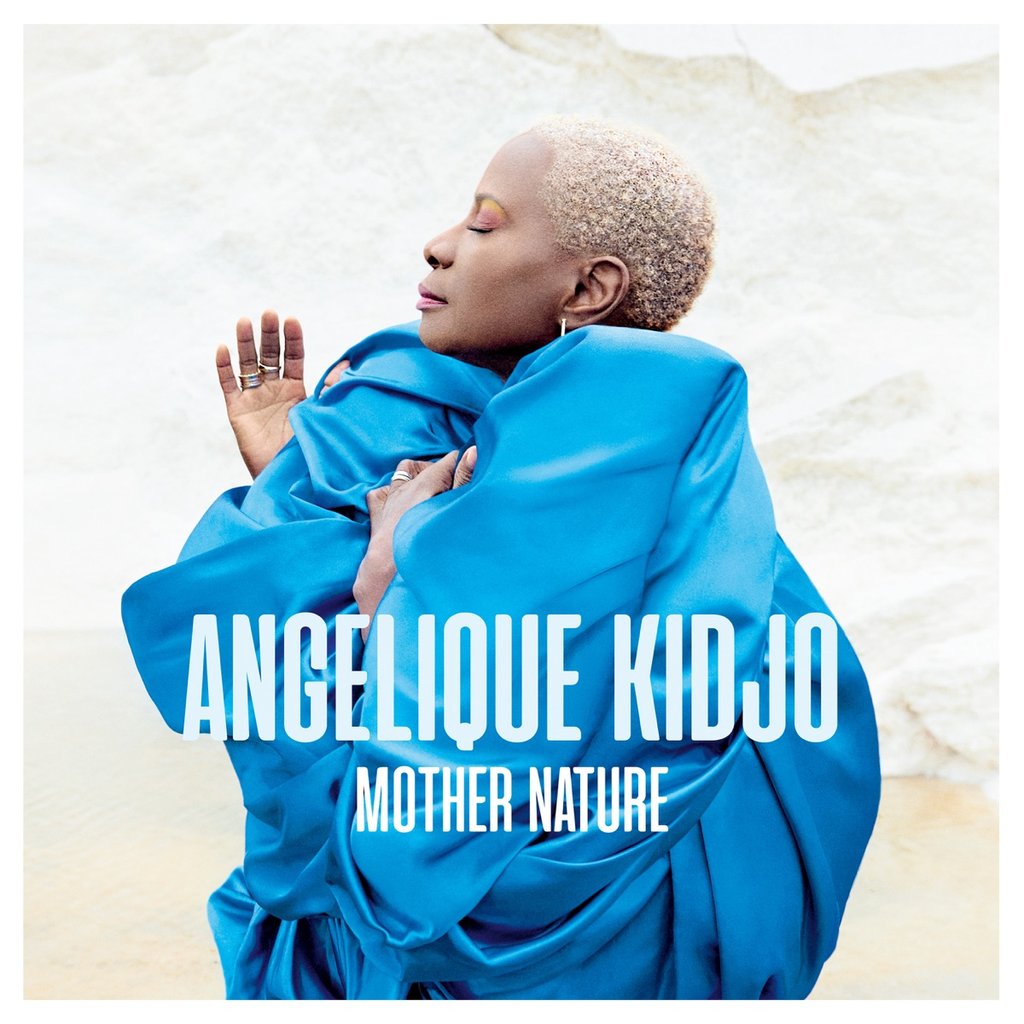
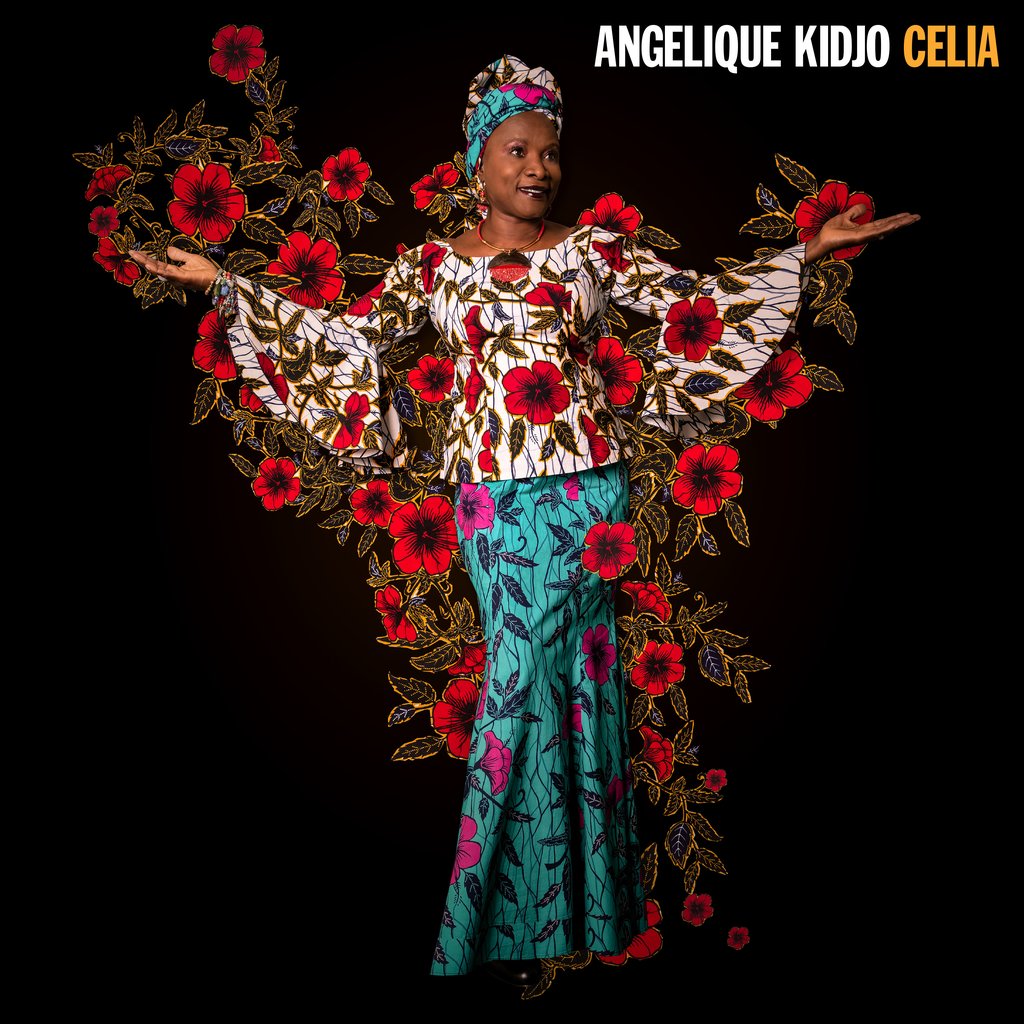
| Signature works | Logozo, Eve, Celia, Mother Nature |
| Awards | 5 Grammy Awards, Polar Music Prize (2023), Hollywood Walk of Fame |
Key dates
| Year | Event |
|---|---|
| 1960 | Born in Ouidah, Benin, to a Fon father and a Yoruba mother |
| 1966 | First stage appearance at age six with her mother’s theater troupe |
| 1983 | Departure for Paris in the face of the communist regime in Benin |
| 1991 | Logozo on Island Records, No. 1 Billboard World Albums |
| 2002 | Appointed UNICEF Goodwill Ambassador |
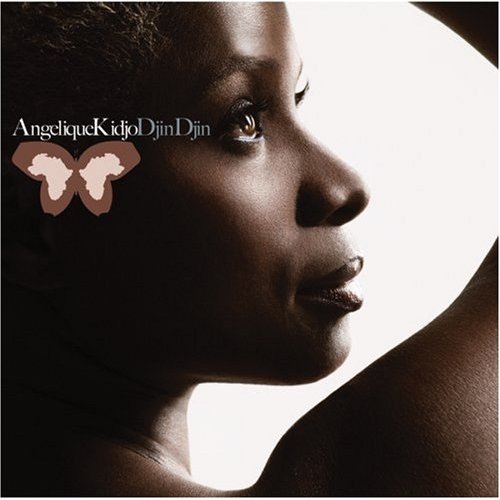
| 2007 | Djin Djin, first Grammy in the series |
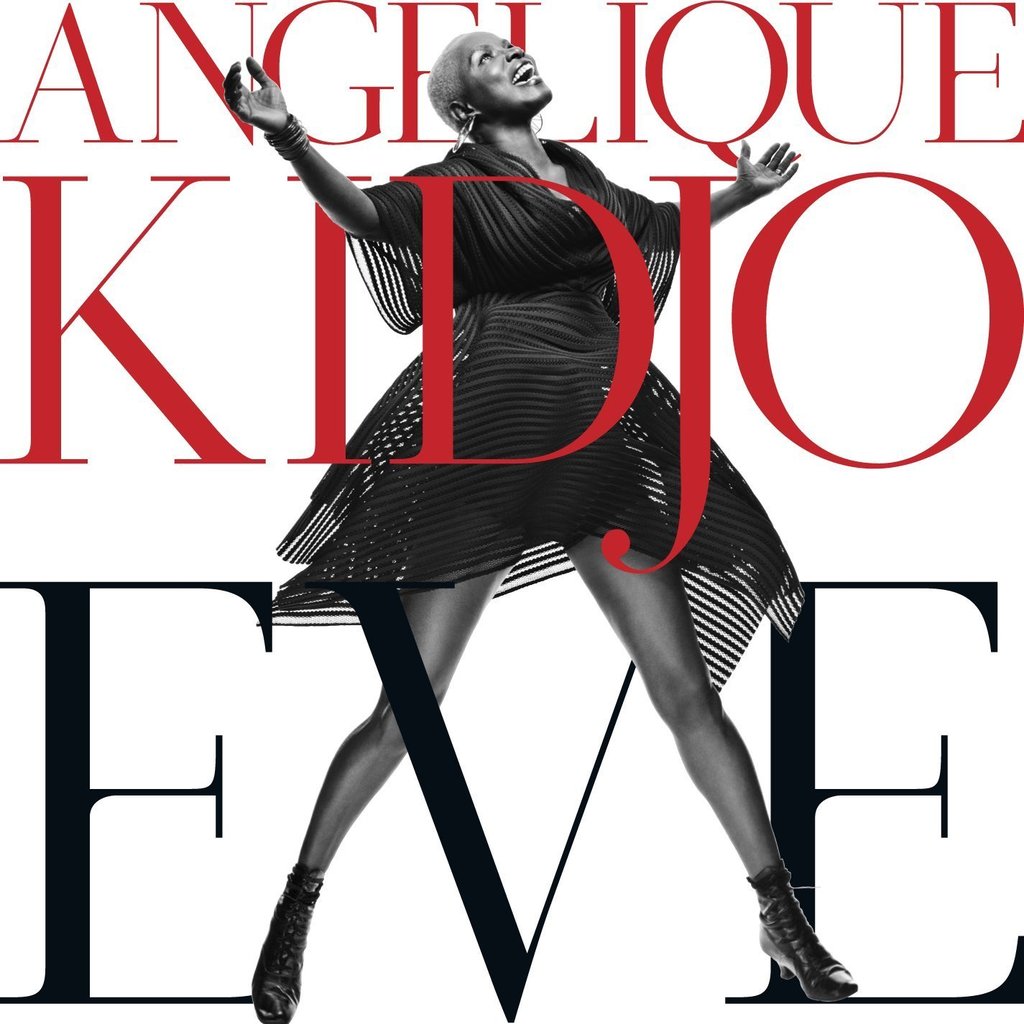
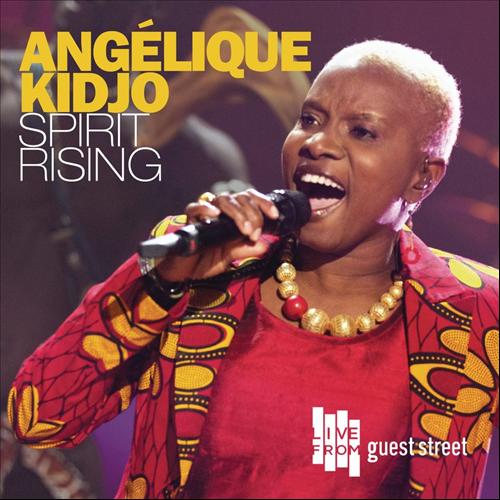
| 2014 | Eve, Grammy; publication of memoir Spirit Rising |
| 2023 | Polar Music Prize; star on the Hollywood Walk of Fame |
From Cotonou to global fame
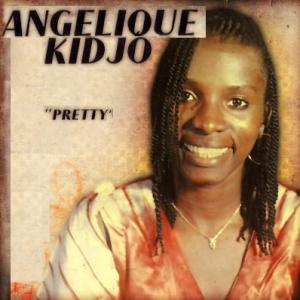
Angélique Kidjo grew up in Cotonou amidst a rich cultural heritage — Yoruba music, traditional Fon rhythms, and the legacy of the sea at Ouidah. Her father was a musician; her mother, a choreographer and director. At six years old, she was pushed onto the boards of her mother’s troupe. The audience accepted her, and the desire to sing took hold. As a teenager, she formed the group Les Sphinx and recorded a version of Les Trois Z by Miriam Makeba, broadcast on national radio. At twenty years old, the album Pretty (1981) allowed her to travel throughout West Africa.
But the communist dictatorship of Mathieu Kérékou left little room for artistic freedom. Angélique Kidjo left in 1983, going to France. In Paris, she took singing lessons at the CIM, studied jazz, rubbed shoulders with musicians — French, African, Antillean — and met Jean Hébrail, a bassist who would become her husband. With Pili-Pili, Jasper van ’t Hof’s group, she recorded three albums before crossing the threshold into a solo career.
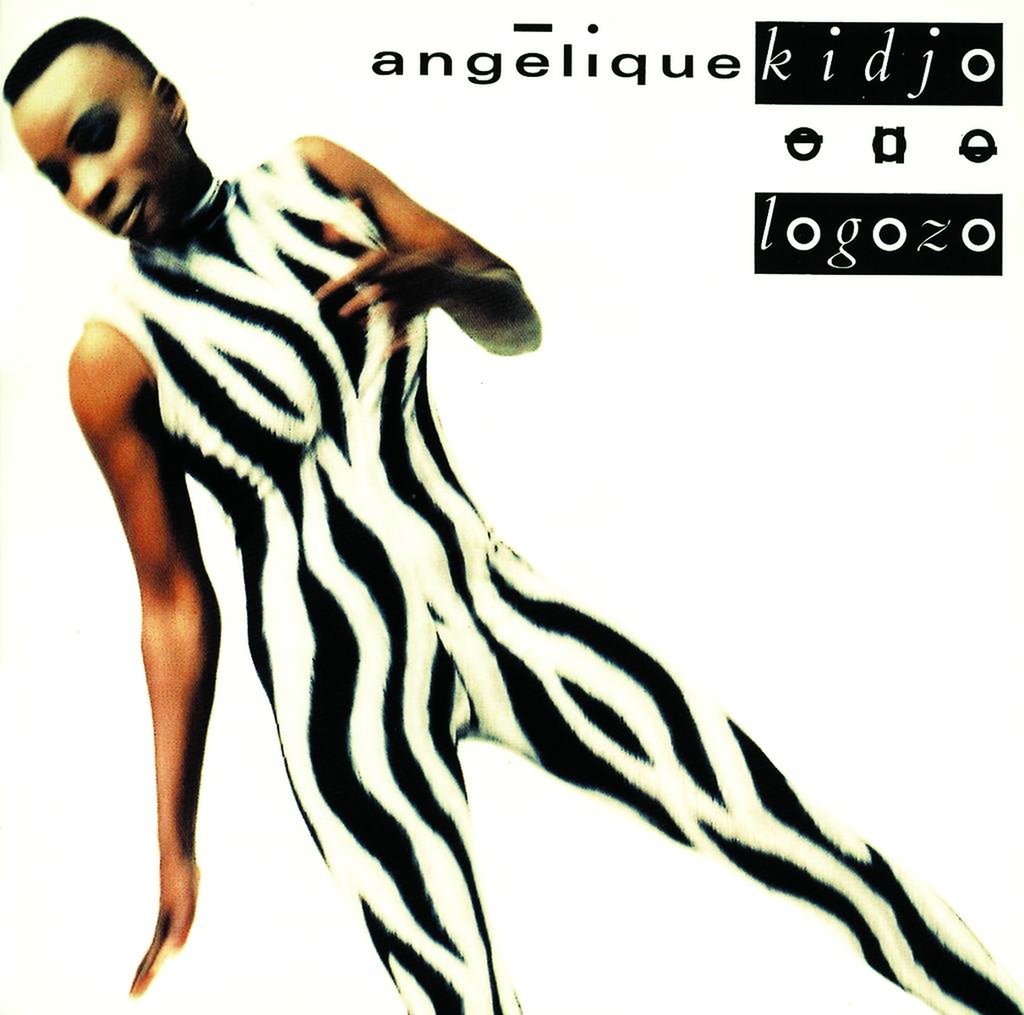
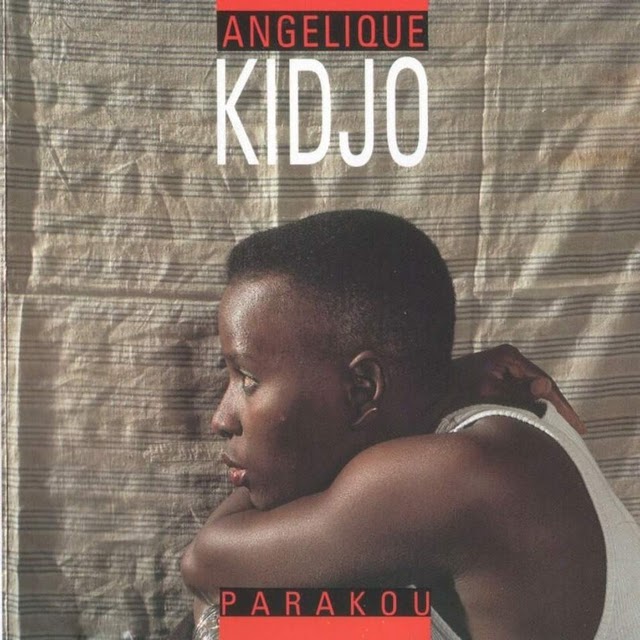
Her first solo album, Parakou (1990), caught the attention of Chris Blackwell, founder of Island Records, who signed her immediately. In 1991, Logozo exploded: Branford Marsalis, Manu Dibango, and Ray Lema punctuated this dancing afro-funk album. The song “We We” and the video for “Batonga” — a symbol of girls’ determination to go to school — propelled her onto the stage at Paris’s Olympia. The album climbed to No. 1 on the Billboard World chart. Kidjo embarked on her first major world tour, multiplied invitations to the greatest festivals, and established herself as one of the most unique voices on the African continent.
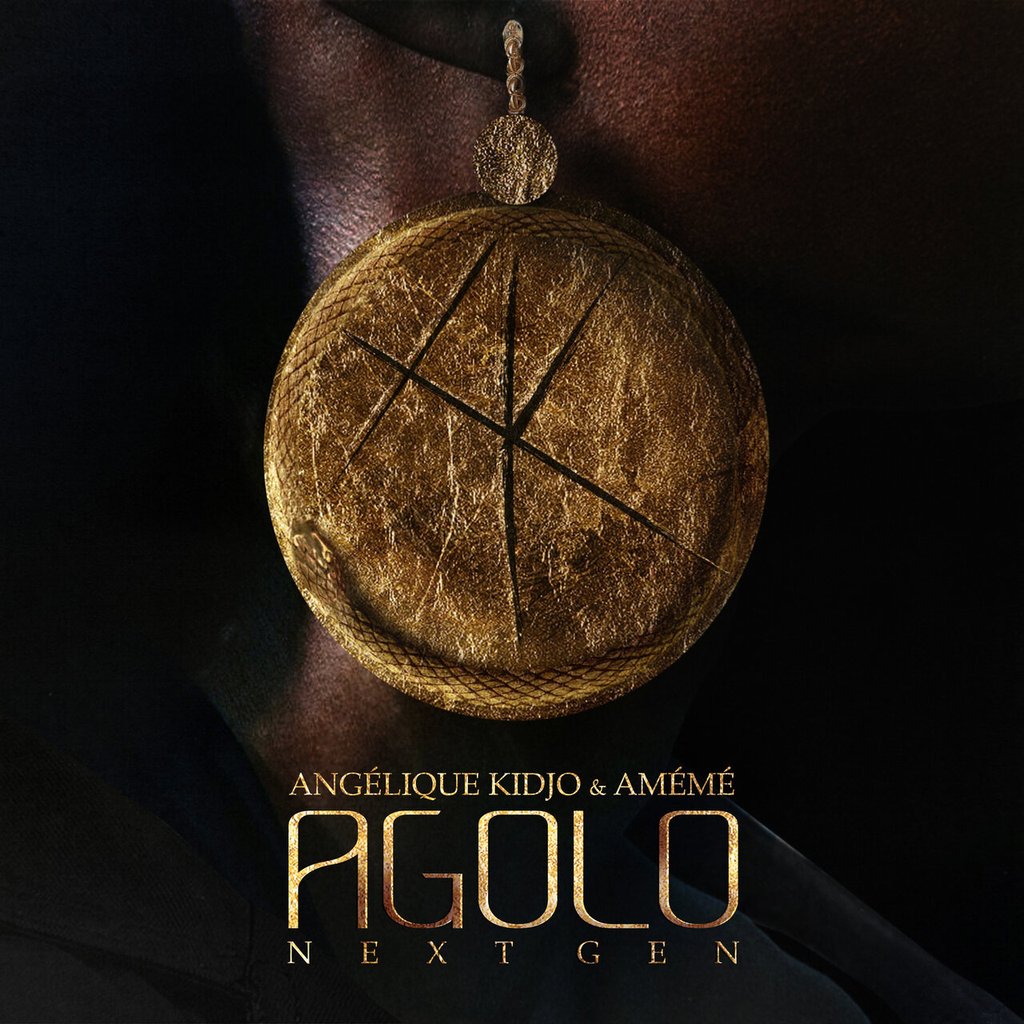
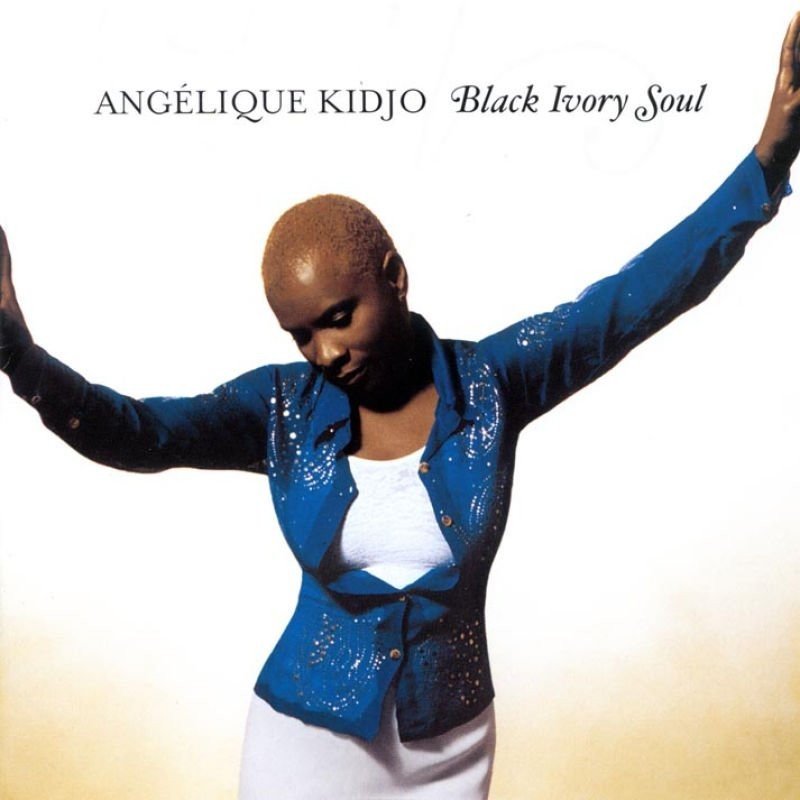
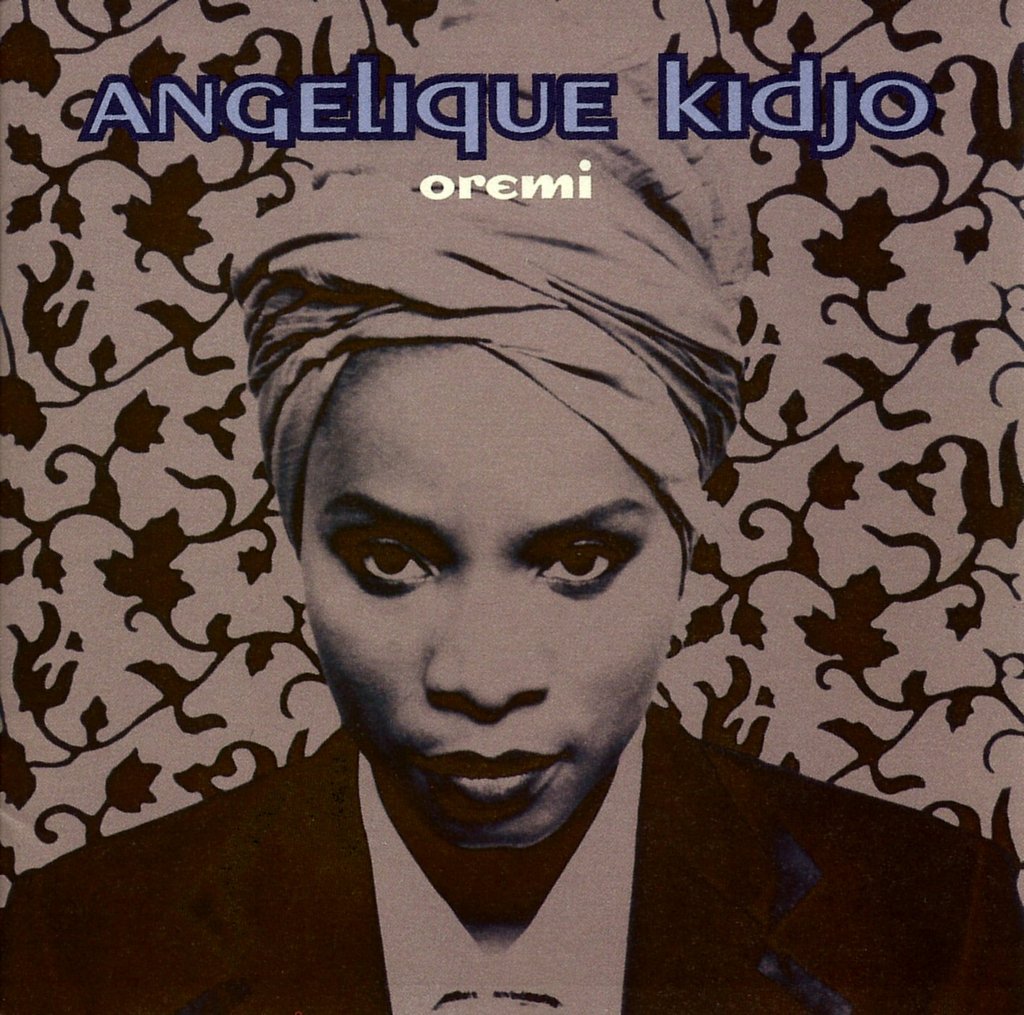
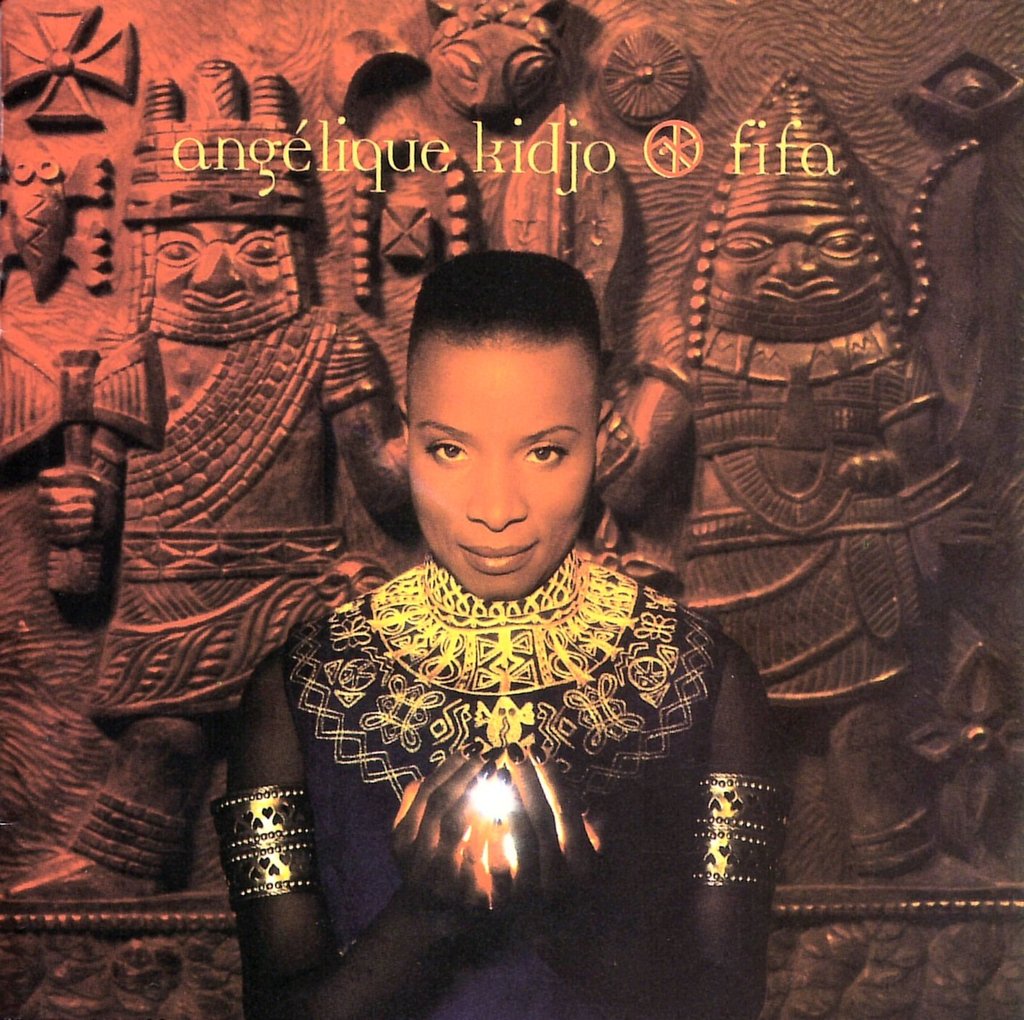
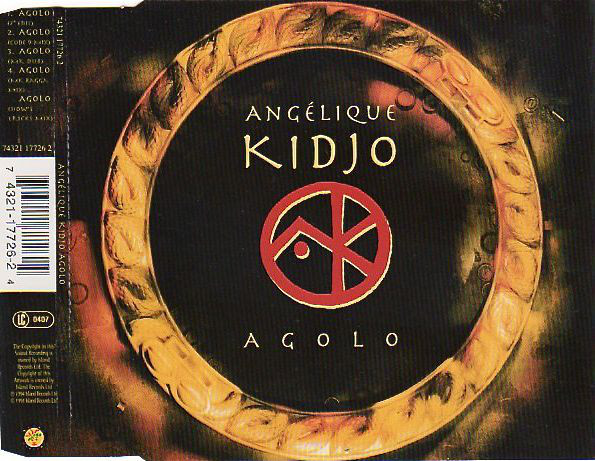
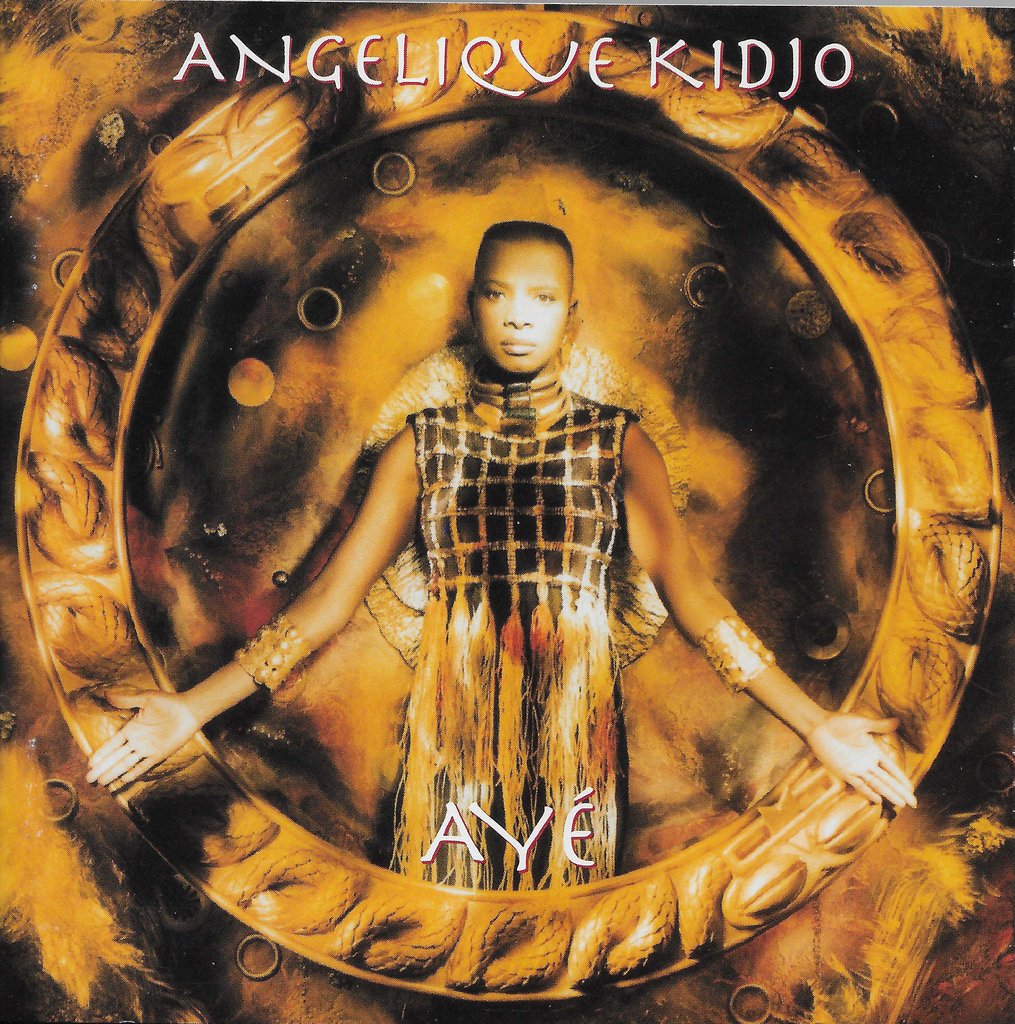
Ayé (1994), recorded at Prince’s Paisley Park Studios, won her first Grammy for the video of “Agolo”. Fifa (1995), Oremi (1998) and Black Ivory Soul (2002) — a dive into Brazilian music — further deepened her hybridity. In 2007, Djin Djin gathered Peter Gabriel, Carlos Santana, and Josh Groban, winning a second Grammy.
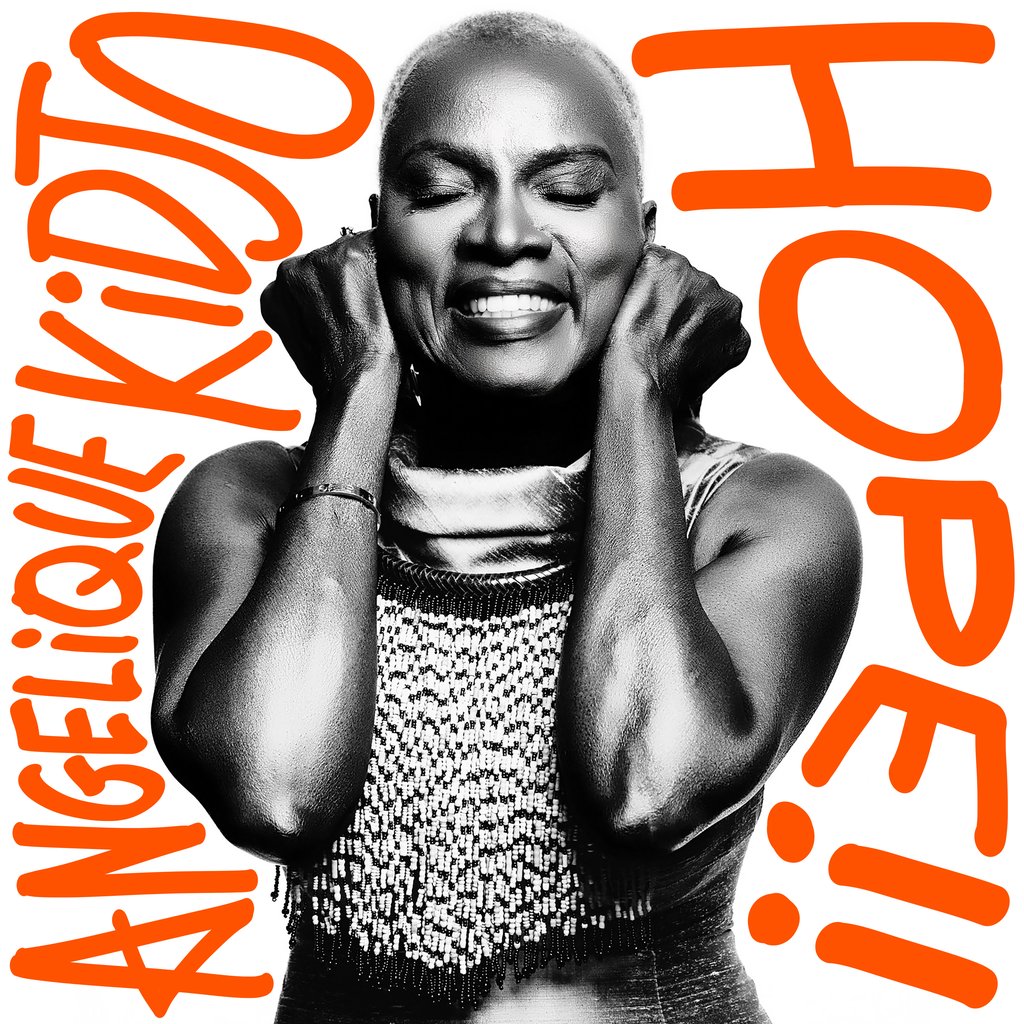
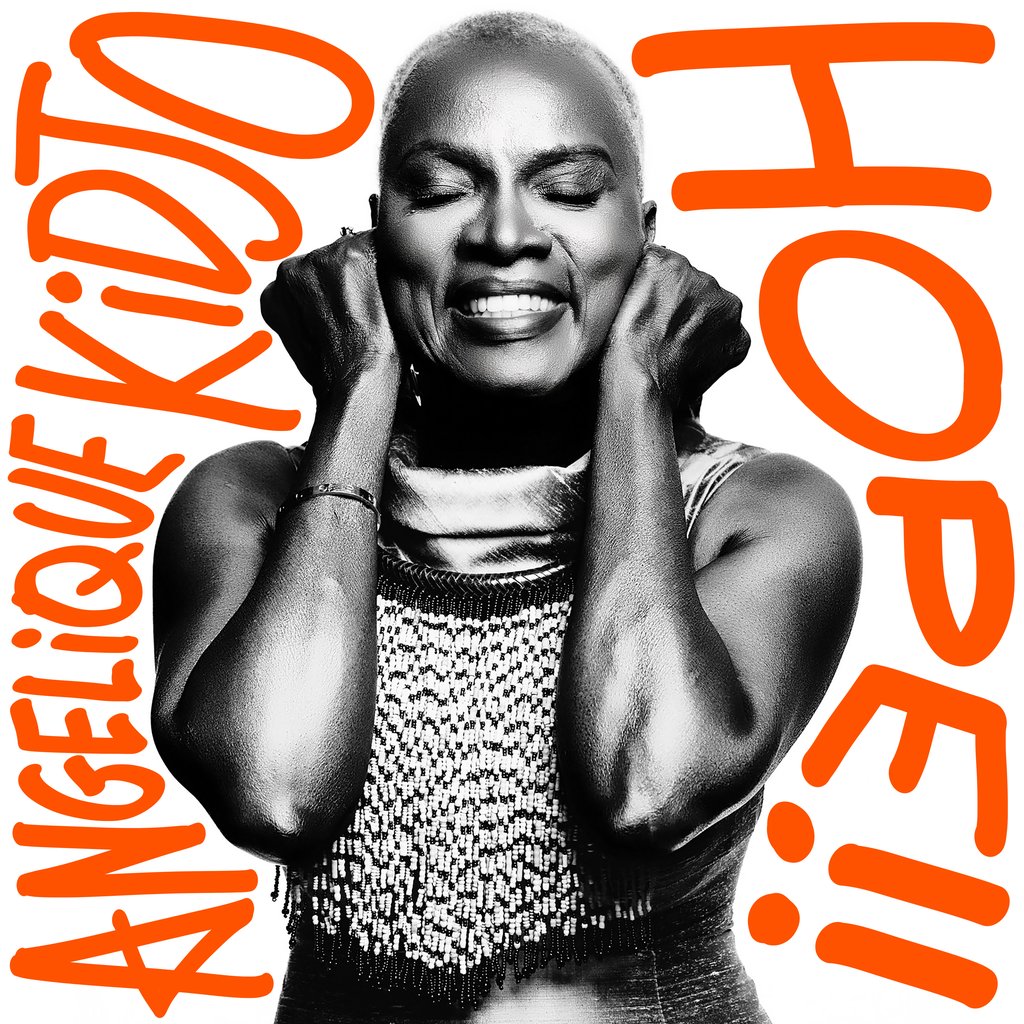
In 2002, Kidjo was appointed UNICEF Goodwill Ambassador. This role is far from decorative: she travels, bears witness, and advocates for girls’ education, maternal health, and the fight against malnutrition. With her Batonga Foundation, she finances the schooling of thousands of young African girls. Bono nicknamed her “the warmth of the rising sun in the new dawn of Africa.” In 2023, Sweden honored her with the Polar Music Prize, an award presented by the Swedish royal family. That same year, she received a star on the Hollywood Walk of Fame, becoming the first African-origin musician to be honored. Her album HOPE!! (2026), which celebrates her renewed joy following the death of her mother, earned her a Grammy nomination.
Major works
| Work | Year | Why it’s essential |
|---|---|---|
| Logozo | 1991 | First international album; afro-funk with Branford Marsalis and Manu Dibango; No. 1 Billboard World |
| Djin Djin | 2007 | Star-studded map of the African diaspora; Grammy for Best World Music Album |
| Eve | 2014 | Tribute to African women, sung in Beninese languages; Grammy for Best World Music Album |
| Celia | 2019 | Relooked tribute to Celia Cruz; salsa-afro fusion |
Legacy and influence
Angélique Kidjo shaped modern world music: her blend of afrobeat, jazz, and pop; her mastery of five languages — Fon, French, yorùbá, gen, and English — and her practice of vocalese, vocal improvisation in African languages, made her unsurpassable. Alicia Keys, Burna Boy, Fally Ipupa, and countless others cite Kidjo as a reference. Her Batonga Foundation financed the education of thousands of girls; her UNICEF commitment inspires young activists across the continent. Forty years of career, five Grammys, a Polar Music Prize, and a unique ability to transform music into an act of joyful resistance: Angélique Kidjo remains one of the most powerful figures on the global music stage.
Sources and references
- “Angélique Kidjo — Wikipedia”, Wikipédia, https://fr.wikipedia.org/wiki/Ang%C3%A9lique_Kidjo, accessed October 19, 2025.
- “Angélique Kidjo”, Britannica, https://www.britannica.com/biography/Angelique-Kidjo, accessed October 19, 2025.
- “Angélique Kidjo — Biography”, AllMusic, https://allmusic.com/artist/angelique-kidjo-mn0000040879, accessed October 19, 2025.
- “Angélique Kidjo — Biography”, official website, https://kidjo.com/biography, accessed 19 October 2025.
- “Angélique Kidjo | UNICEF”, UNICEF Goodwill Ambassadors, https://www.unicef.org/goodwill-ambassadors/angelique-kidjo, accessed 19 October 2025.
- “Angélique Kidjo — Polar Music Prize 2023”, Polar Music Prize, https://polarmusicprize.org/laureates/angelique-kidjo, accessed 19 October 2025.
- “Angelique Kidjo Grammy Awards and Nominations”, Grammy.com, https://grammy.com/artists/angelique-kidjo/9915, accessed 19 October 2025.
- “Most global music album awards won at the Grammys”, Guinness World Records, https://guinnessworldrecords.com/world-records/726334, accessed 19 October 2025.
- “Angélique Kidjo: Music, Activism and Empowerment”, Afrique Renouveau (UN), https://africarenewal.un.org/fr/magazine/angelique-kidjo-musique-militantisme-et-emancipation-des-nouvelles-generations-africaines, accessed 19 October 2025.
- “Angelique Kidjo — Wikipedia”, English Wikipedia, https://en.wikipedia.org/wiki/Ang%C3%A9lique_Kidjo, accessed 19 October 2025.