Biography
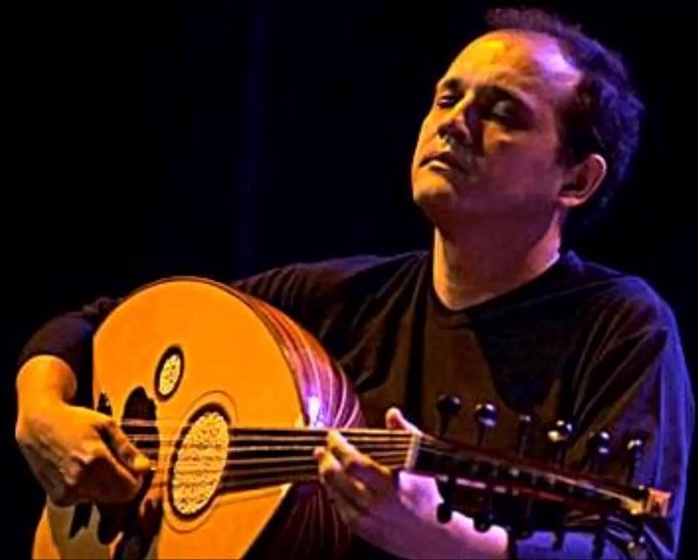
Anouar Brahem
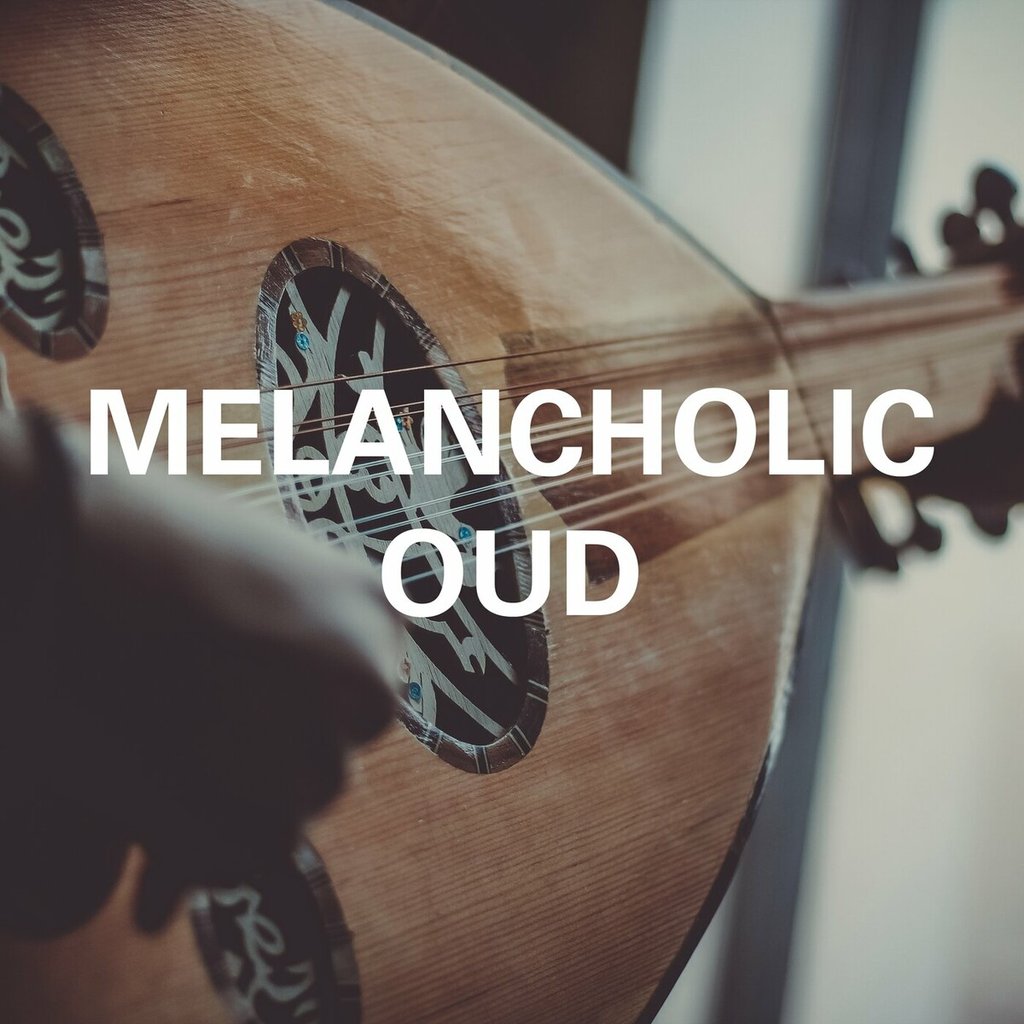
Halfaouine, Tunisia. A young man slips through the alleys of the Medina and arrives at the Conservatory, his oud on his shoulder. It is 1967. The ten-year-old child does not yet know that his entire life will be a long dialogue between the shadow of the past and the light of what has not yet been named. This musician is Anouar Brahem — and his journey begins there, between ancestral maqamat and jazz, between two shores from which one can read the same stars.
In Brief
| Full Name | Anouar Brahem |
| Birth | October 20, 1957, Halfaouine, Tunis Medina (Tunisia) |
| Genre | oud, jazz, Arab-Andalusian music, ethno-jazz |
| Signature Works | Barzakh, Thimar, Blue Maqams |
| Awards | Echo Jazz Prize (2010), Edison Prize (2006), Grand Prix National de la Musique (Tunisia, 1985) |
Key Dates
| Year | Event |
|---|---|
| 1957 | Birth in Halfaouine, in the Tunis Medina; son of a craftsman-engraver and amateur music printer |
| 1967 | Beginning of oud study at the National Conservatory of Music of Tunis, at age 10 |
| 1975–1979 | In-depth apprenticeship with the great master Ali Sriti, in contact with the modal system of maqamat |
| 1982–1985 | Settled in Paris; collaborates with Maurice Béjart and composes for Tunisian cinema |
| 1985 | Return to Tunisia; at 28, receives the Grand Prix National de la Musique, the youngest musician to receive this distinction |
| 1987–1990 | Director of the Tunis City Musical Ensemble; return to roots in 1989 with Manfred Eicher |
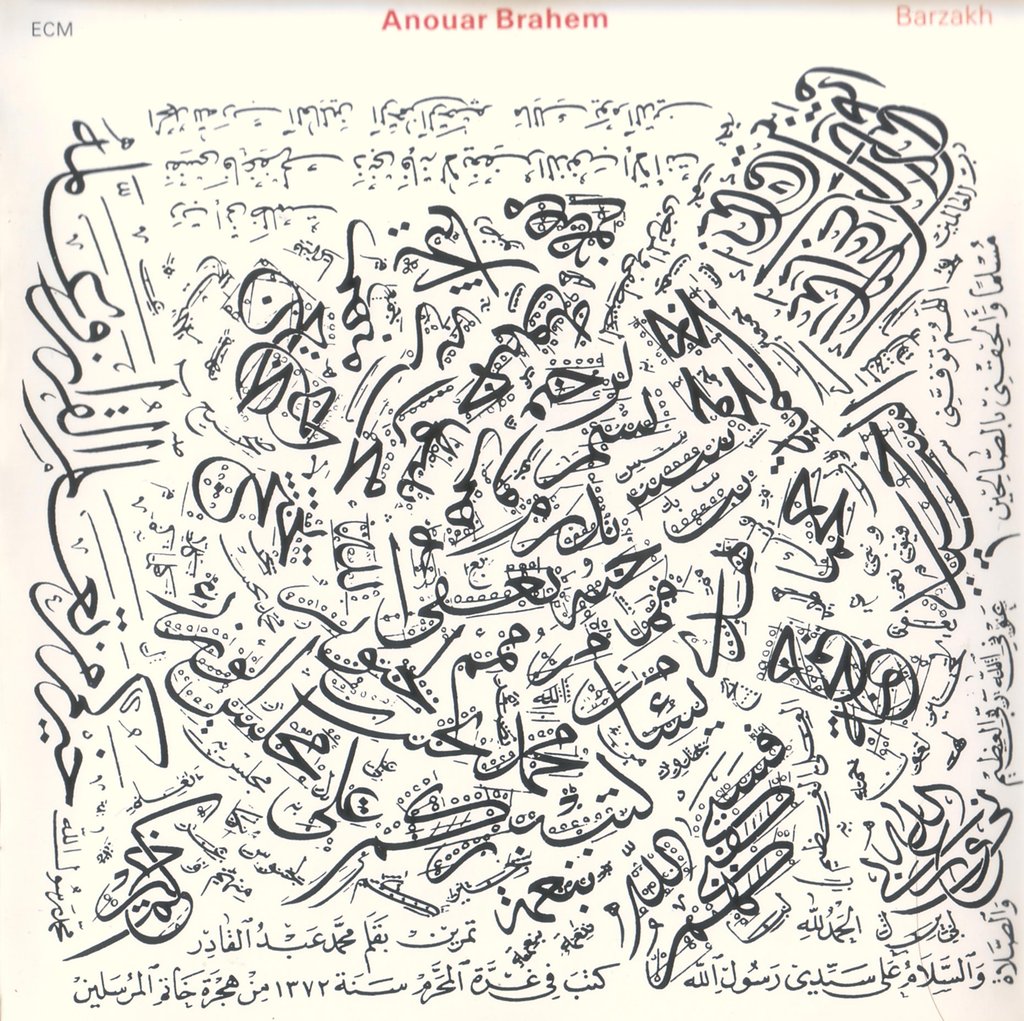
| 1990 | Recording of Barzakh in Oslo: first ECM album, beginning of a collaboration that lasted more than thirty years |
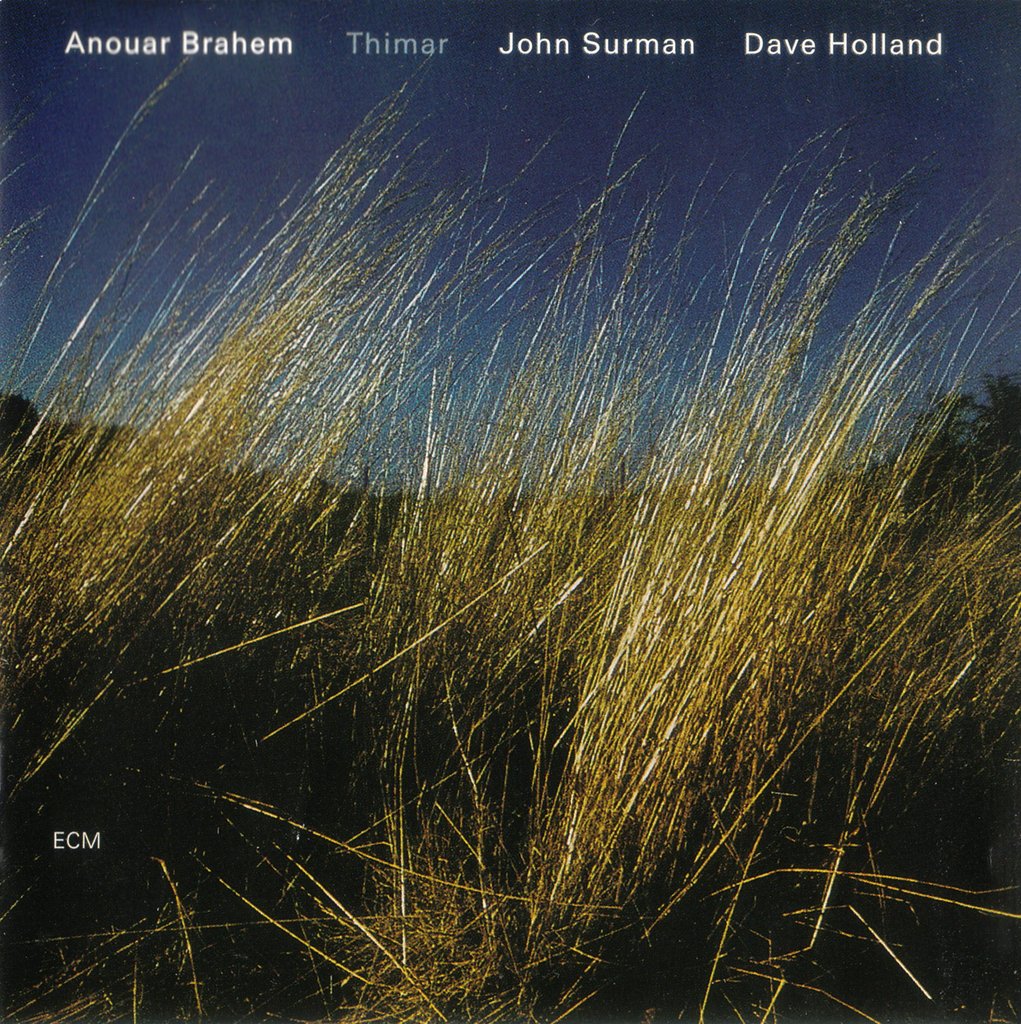
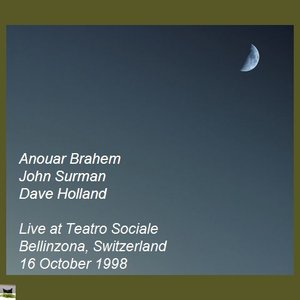
| 1998 | Thimar, legendary duo with Dave Holland and John Surman, German critics’ prize |
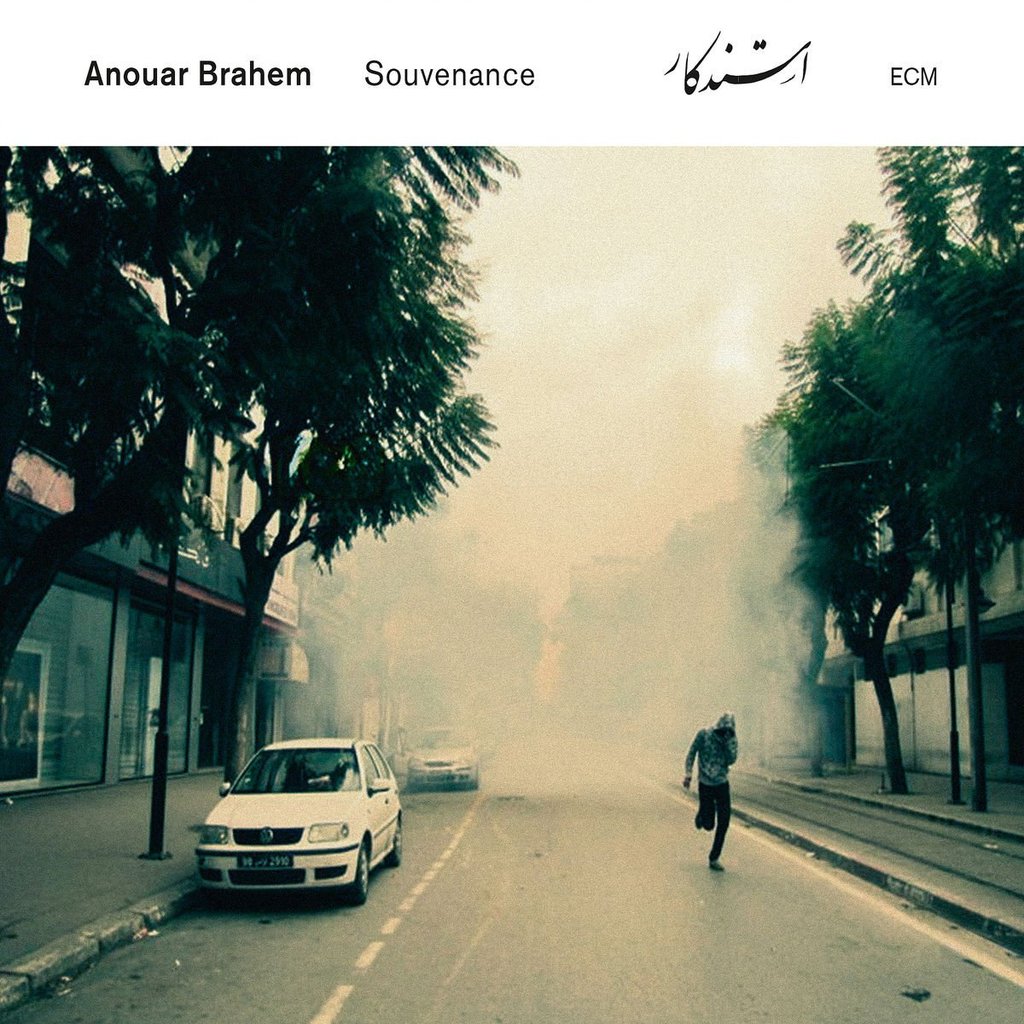
| 2014 | Souvenance: a double album born from the upheavals of the Tunisian Spring |
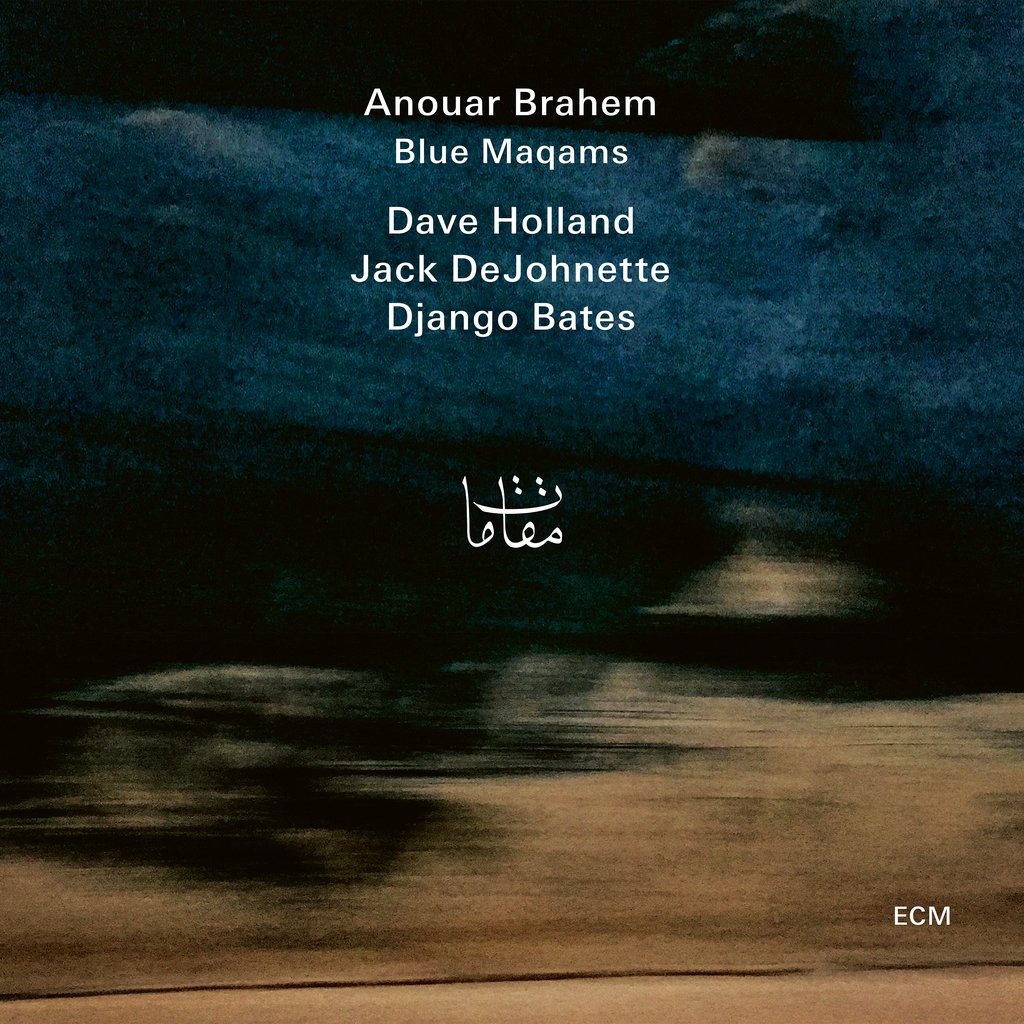
| 2017 | Blue Maqams, with Jack DeJohnette, Dave Holland and Django Bates, nominated for Klara Classical Music Awards (Belgium) |
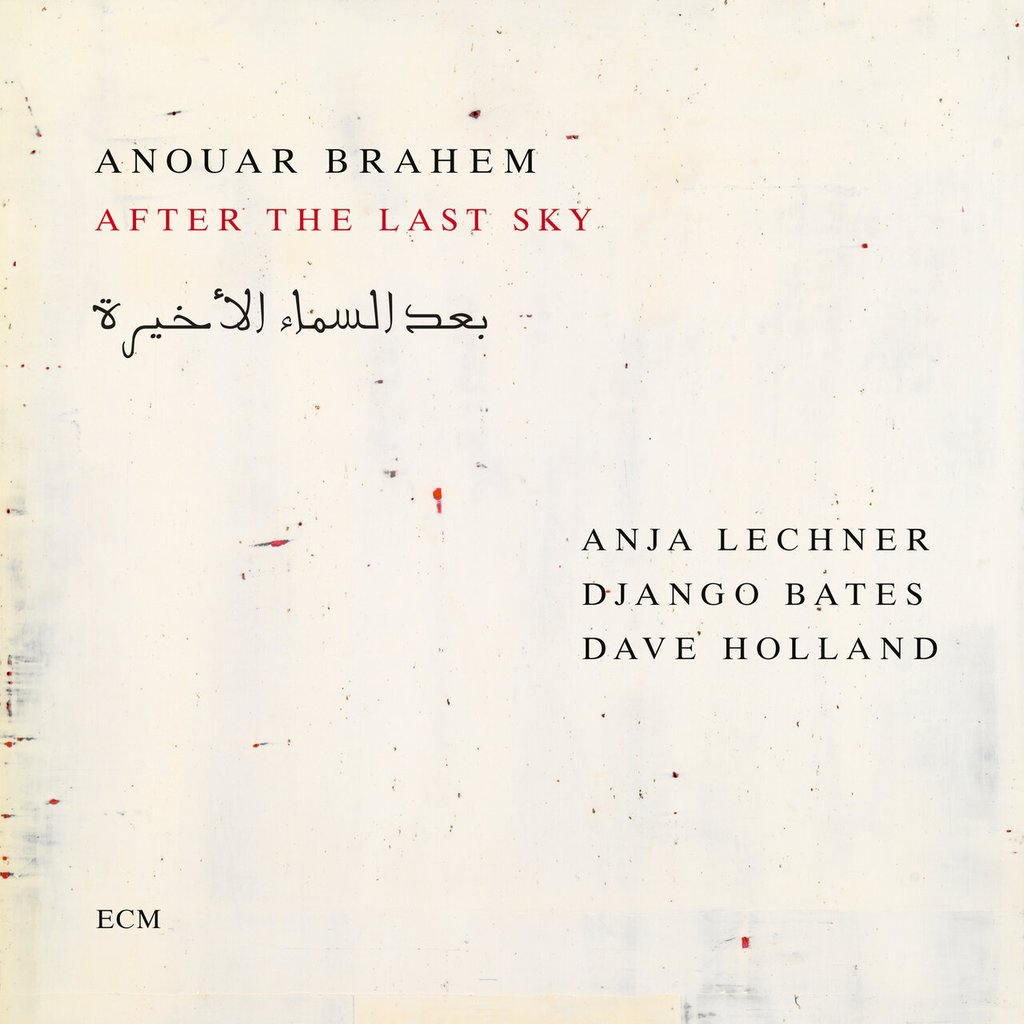
| 2025 | After The Last Sky, project with Django Bates, Dave Holland and cellist Anja Lechner |
From Halfaouine to Oslo: a journey of blending
Anouar Brahem grew up in the narrow streets of Halfaouine, a popular neighborhood of the Tunis Medina. His father is a craftsman-engraver and printer, but above all a music enthusiast: he offers his son an oud. The young man accepts, skeptical — pure instrumental playing is rare in Tunisia without vocal accompaniment.
At the age of ten, Brahem begins studying the oud at the National Conservatory of Music of Tunis. At eighteen, he surrounds himself with a teacher — Ali Sriti — for four years of continuous training in direct contact. Brahem becomes a disciple, not a student: Ali Sriti, in turn, transmits his knowledge of maqamat to the young man with the rigor of oral transmission where practice is paramount. Brahem masters ancestral modes, but he does not just listen to them — his curiosity pushes him toward other horizons. He explores Indian music, Persian music, and, above all, jazz.
Later, he will summarize his approach thus: “I found pleasure in displacement and discovered the close links existing between all these musics” (translated from Arabic).
At that time in Tunisia, Arab music was essentially vocal; it existed in ceremonies only through large ensembles where the oud accompanied, rarely as a soloist. Brahem refuses this assignment. In Tunisian cultural houses, he performs solo instrumental concerts — which attracts praise from local critics, who laud the oud and its universalism.
In 1982, Brahem settles in Paris for four years. He composes theater and film scores for Tunisian directors; he works with Maurice Béjart on his ballet “Thalassa Mare Nostrum”, and participates as an oud player in the original soundtrack of Costa-Gavras’ film “Hanna K.”, in collaboration with Gabriel Yared. The Parisian experience allows him to confront his vision with musicians from all horizons — French, Turkish, North African — and to enrich his language.
Returning to Tunis in 1985, he receives the Grand Prix National de la Musique at only twenty-eight years old. His first solo concert provokes incomprehension among certain Tunisian musicians, who see it as a bold provocation. The public and young Arab musicians recognize him as one of the most innovative creators of his generation. Brahem accepts the direction of the Tunis City Musical Ensemble, which he reorganizes into a variable-geometry formation.
In 1989, Brahem meets Manfred Eicher, producer and founder of ECM Records. He sends him a cassette; a few weeks later, Eicher calls him to record in Oslo. Brahem describes this meeting as a decisive moment in his career and explains that ECM represented the artistic ideal of a musician seeking creative freedom. This trust gives birth to Barzakh, the first of a series of award-winning albums, and inaugurates a collaboration that continues to this day — more than thirty years of music.
Major Works
| Work | Year | Why it is essential |
|---|---|---|
| Barzakh | 1990 | First ECM album: Brahem’s oud, Béchir Selmi and Lassaad Hosni, a pure sound that opens the oud to global jazz |
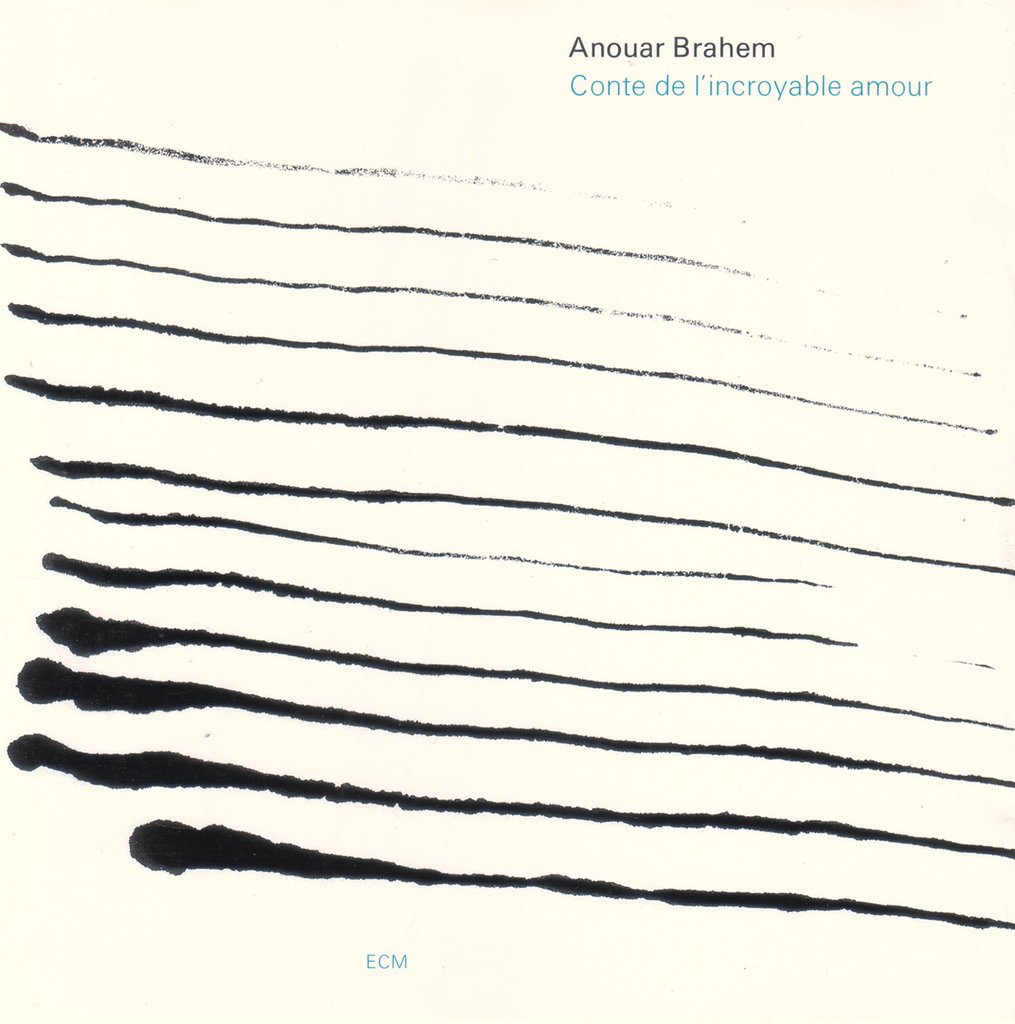
| Conte de l’Incroyable Amour | 1992 | Barbaros Erköse on clarinet and Kudsi Ergüner on naïy; Le Monde selects it in its list of best records of 1992 |
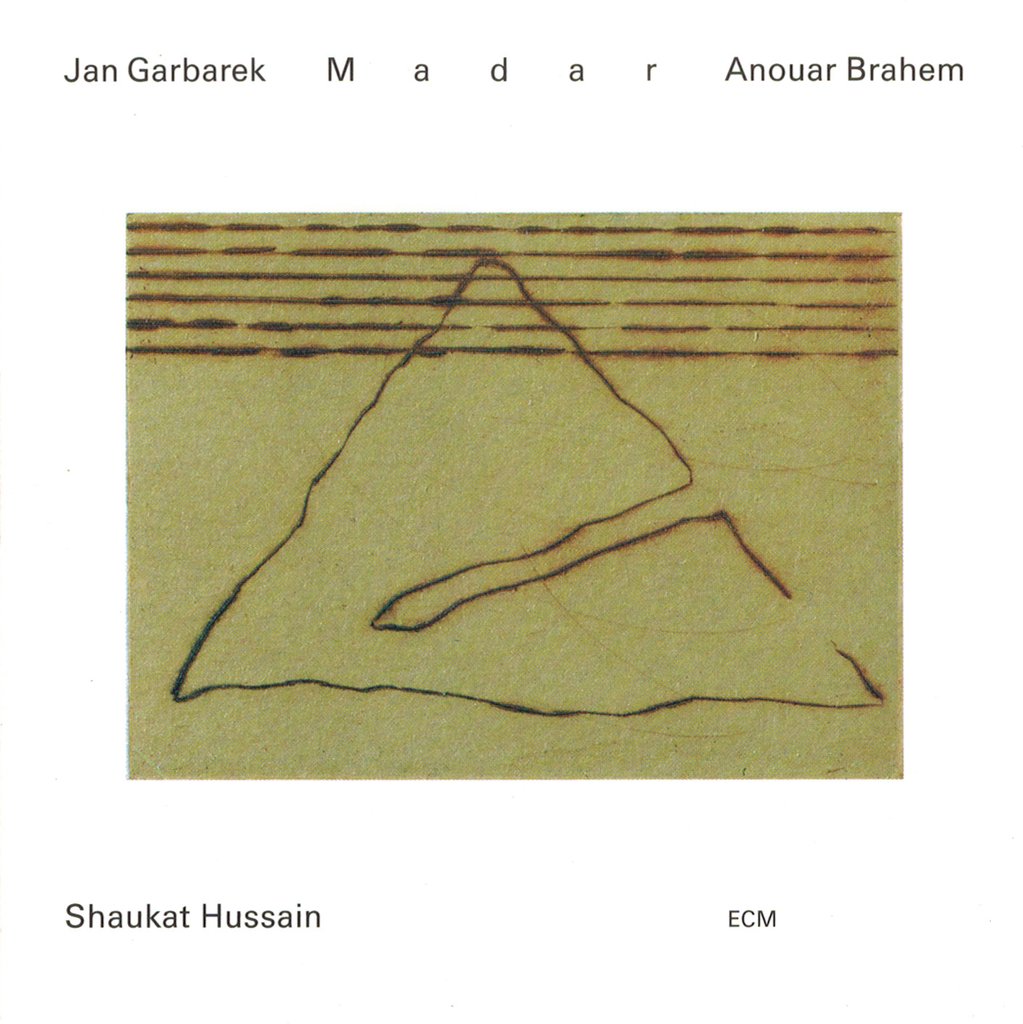
| Thimar | 1998 | Dave Holland, John Surman — jazz and maqamat meet; German critics’ prize |
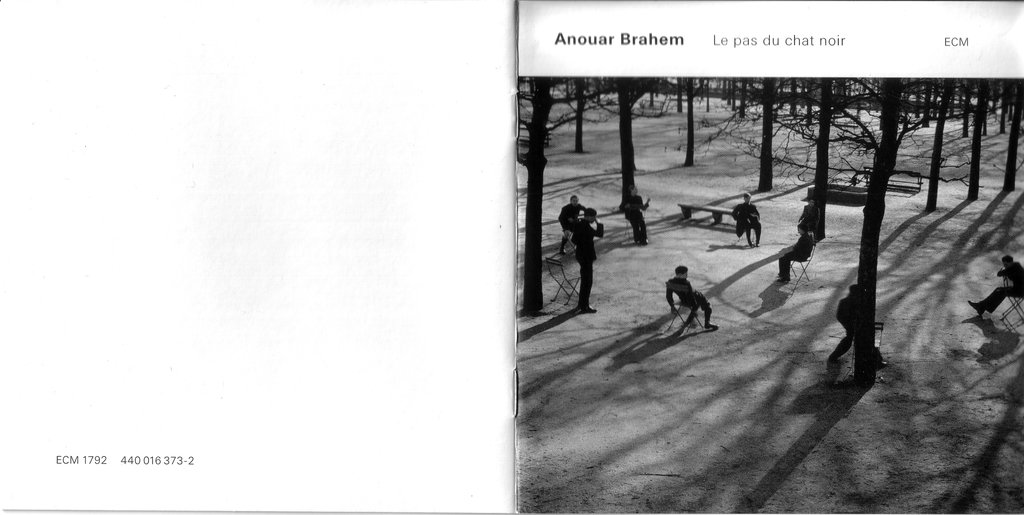
| Le Pas du Chat Noir | 2002 | François Couturier, Jean-Louis Matinier: a piano and guitar solo that serves the oud as a backdrop |
| Blue Maqams | 2017 | Jack DeJohnette, Dave Holland, Django Bates: contemporary jazz in the universe of Anouar Brahem |
Heritage and influence
Anouar Brahem established the oud as a solo instrument in the international jazz space. Alongside other Arab masters such as Rabih Abou-Khalil or Dhafer Youssef, he paved the way for a new generation of luthiers — and not only in Tunisia, but also in Morocco, Algeria, and even Central Asia. His ECM oeuvre remains today one of the most coherent and best received by international press — a catalogue that proves tradition and modernity are not opposed, but conversational.
The events of the Arab Spring renewed his voice: Souvenance (2014) and After The Last Sky (2025) — the latter titled after a line from Palestinian poet Mahmoud Darwish (“Where should the birds fly, after the last sky?”) — show that Brahem does not merely play notes, but thinks the silences between them. His music has become a form of invisible diplomacy, where each silence invites the other.
Sources and references
- “Complete biography”, Anouar Brahem official website, https://anouarbrahem.com/fr/biographie-complete, accessed November 6, 2025.
- “Anouar Brahem”, ECM Records, https://ecmrecords.com/artists/anouar-brahem/, accessed November 6, 2025.
- “Anouar Brahem (Jazz Oud)”, All About Jazz, https://www.allaboutjazz.com/musicians/anouar-brahem/, accessed November 6, 2025.
- “Anouar Brahem: "in Tunis, They Thought I Was Crazy"”, Qwest TV, https://www.qwest.tv/posts/anouar-brahem-a-tunis-les-musiciens-pensaient-que-jetais-fou, accessed November 6, 2025.
- “Anouar Brahem”, Wikipedia (en), https://en.wikipedia.org/wiki/Anouar_Brahem, accessed November 6, 2025.
- “Anouar Brahem, poetry in tragedy”, France Musique, https://www.radiofrance.fr/francemusique/podcasts/au-coeur-du-jazz/anouar-brahem-de-la-poesie-dans-la-tragedie-8898831, accessed November 6, 2025.
- “Khomsa”, The Guardian, online consultation, 1995 — cited on the Anouar Brahem official website.