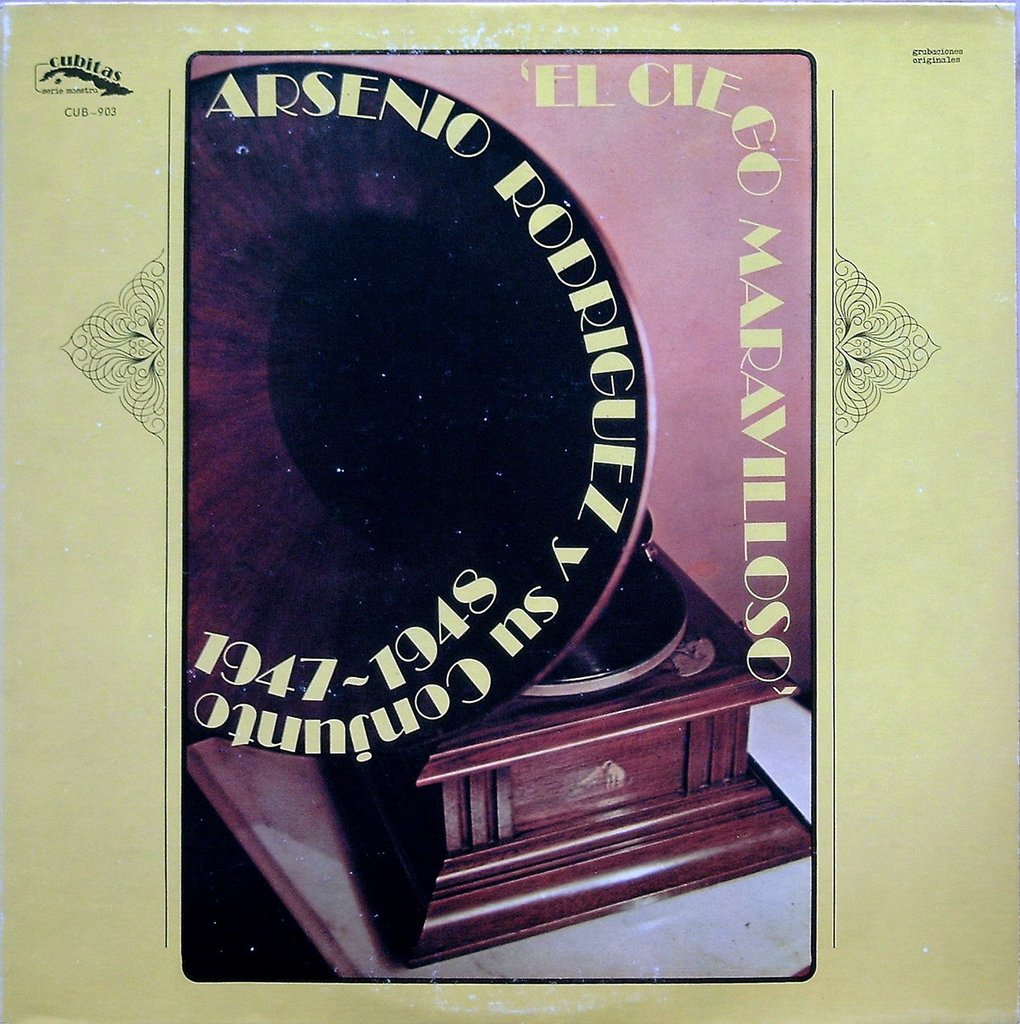
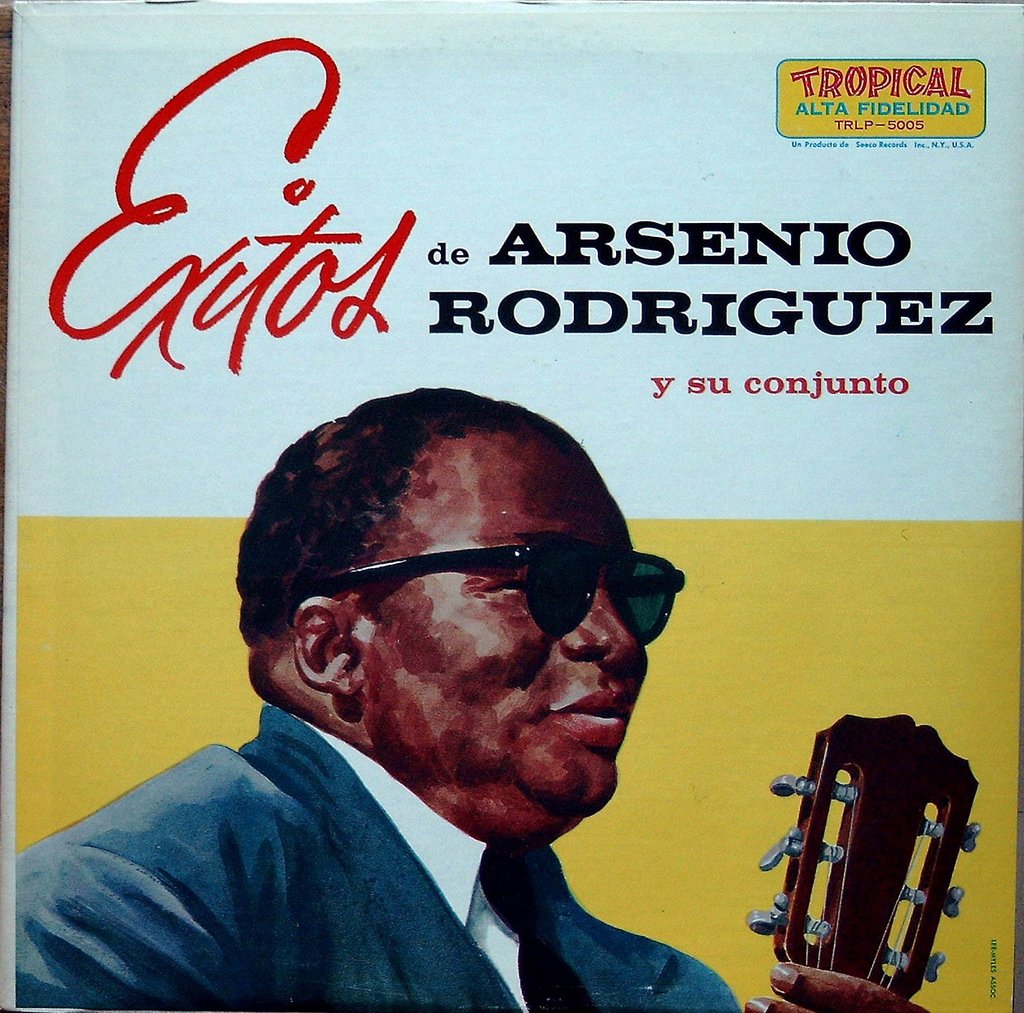
Biography
Arsenio Rodríguez: father of son and godfather of salsa
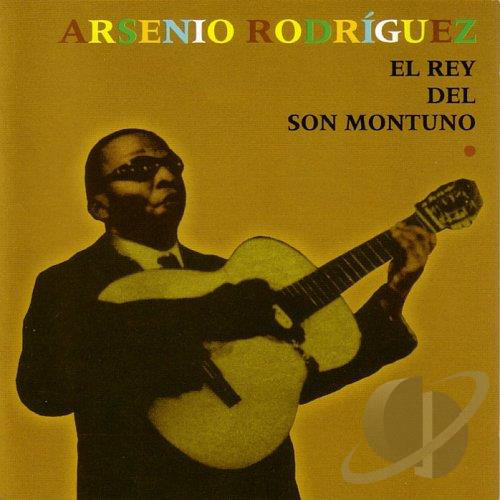
In 1970, as he died in anonymity in Los Angeles from pneumonia, Arsenio Rodríguez rests under an unmarked grave at Ferncliff Cemetery in Hartsdale, New York State — among James Baldwin and Thelonious Monk, pillars buried beside the man who had invented the salsa rhythm. Half a century later, a street in the Bronx bears his name: Arsenio Rodríguez Way. The nickname “Ciego Maravilloso” (Wonderful Blind Man) has never ceased to inspire musicians.
In brief
| Full name | Ignacio Arsenio Travieso Scull |
| Birth | August 31, 1911, Güira de Macurijes, Matanzas (Cuba) |
| Death | December 30, 1970, Los Angeles (United States) |
| Field | son montuno, guaguancó, guaracha, bolero — Afro-Cuban roots |
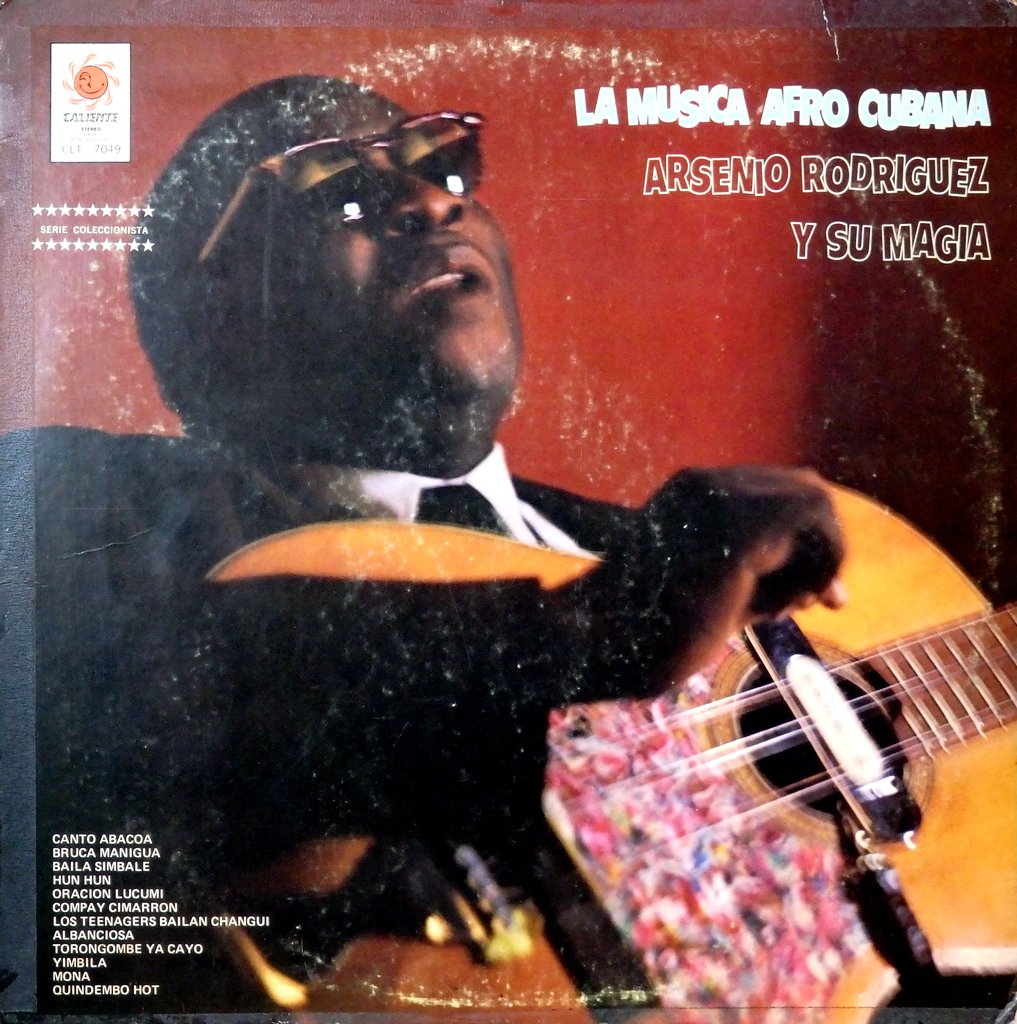
| Instruments | tres (three-stringed Cuban guitar), tumbadora (percussion cylinder) |
| Nickname | “El Ciego Maravilloso” (The Wonderful Blind Man) |
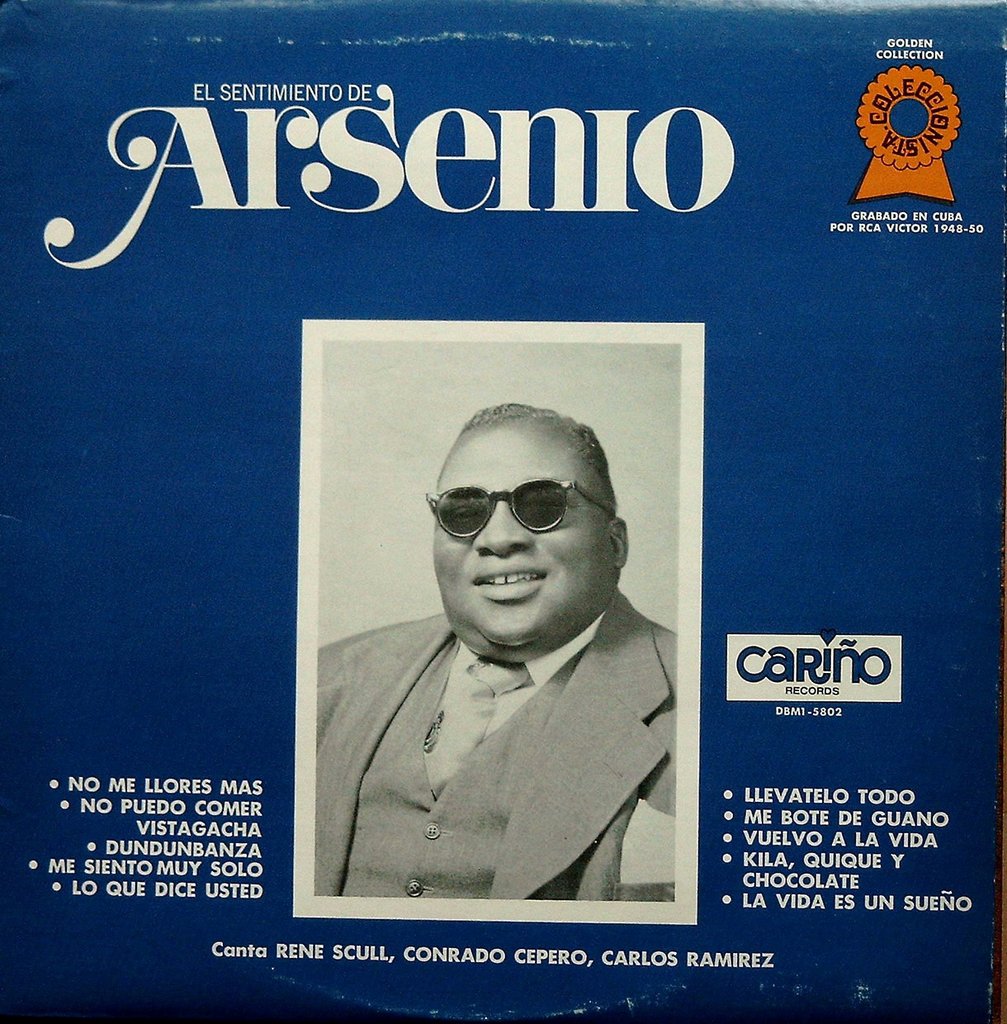
| Iconic works | “Bruca maniguá”, “La vida es un sueño”, “Dundunbanza”, “Yo nací del África” |
Key dates
| Year | Event |
|---|---|
| 1911 | Birth in Güira de Macurijes, Matanzas. From a modest family with Congolese roots practicing Palo Monte |
| 1918 | At seven years old, blinded by a hoof strike (horse or mule) to the face |
| ~1928 | First compositions. Learning the tres (national Cuban instrument) from Víctor González |
| 1937 | First success as a composer: “Bruca maniguá” recorded by Orquesta Casino de la Playa |
| 1940 | Founding of the first Cuban conjunto — congas, piano, and second trumpet added to the classic format |
| 1952 | Moves to New York, where he records over one hundred tracks for RCA Victor over twelve years |
| 1960 | “Yo nací del África”, an Afro-Cuban hymn presaging James Brown |
| 1969 | Moves to Los Angeles |
| 1970 | Dies in Los Angeles. Buried at Ferncliff Cemetery (Hartsdale, NY), unmarked grave |
| 2013 | The Bronx inaugurates Arsenio Rodríguez Way (Intervale Avenue / Dawson Street) |
The school of blind hands
Arsenio Rodríguez was born in 1911 into a modest family in Güira de Macurijes, near Matanzas. Thirteenth of a brood of fifteen children, he grew up cradled by Afro-Cuban rhythms: his father Bonifacio Travieso was a veteran of the Cuban independence, his grandparents and great-grandparents were Congolese slaves who came to Cuba, and Palo Monte — an African-origin religious syncretism — shaped his early years. Around seven years old, a hoof strike left him blind. This accident paradoxically became the seed of his genius: confined in solitude, he devoted himself to the tres — a small three-stringed Cuban guitar — and made it his musical weapon. His mastery was such that he transposed pianistic montunos onto the tres, creating a unique style that would become a school.
Revolutionizing son: the invention of the Cuban conjunto
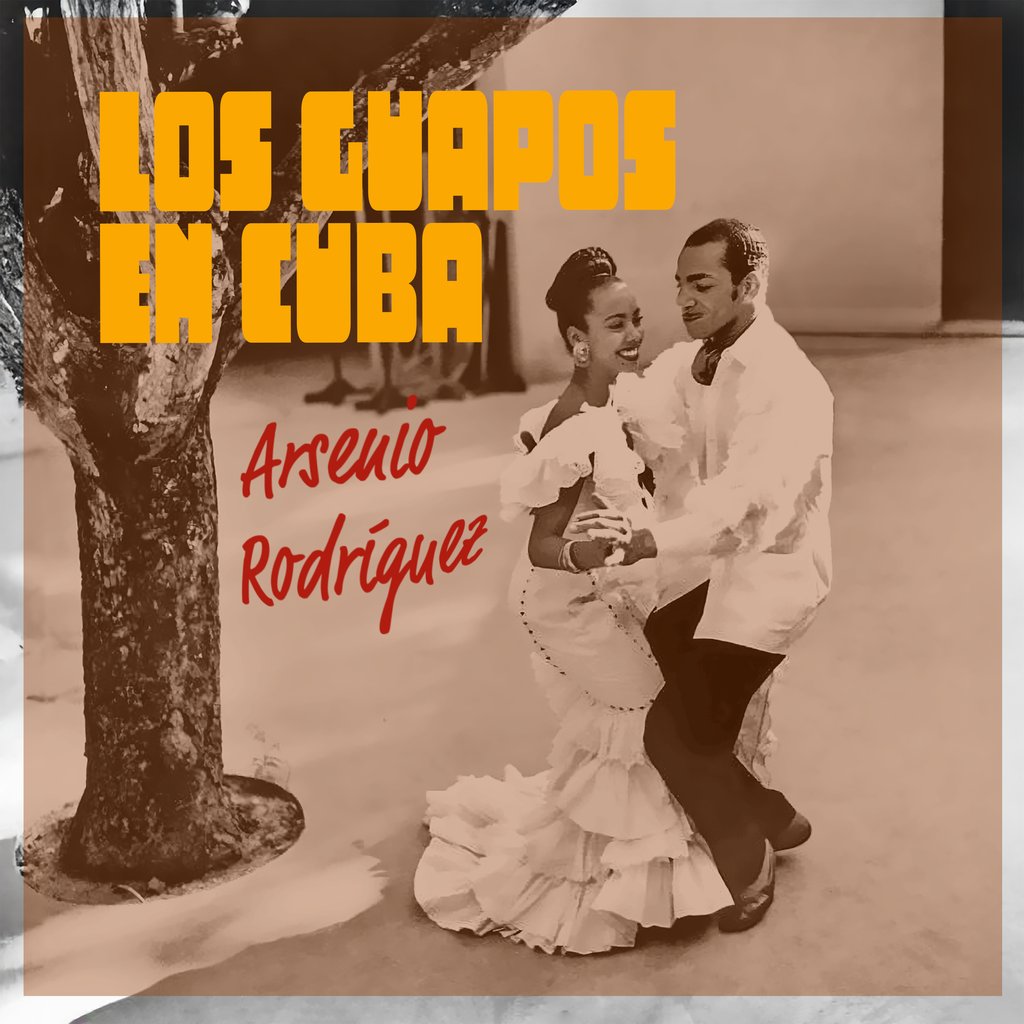
In the 1930s, Arsenio arrived in Havana and worked as a tresero in several sextets. He composed early — as early as 1928, at sixteen — but it was in 1937 that his first hit arrived: Bruca maniguá, recorded by the legendary Orquesta Casino de la Playa. In 1940, Arsenio made a bold decision: he expanded the traditional septet into a conjunto, adding congas, piano, and second trumpet to the classic format. This radical innovation gave new rhythmic power to Cuban music, with sections of soneos (improvised choruses) on a repetitive refrain.
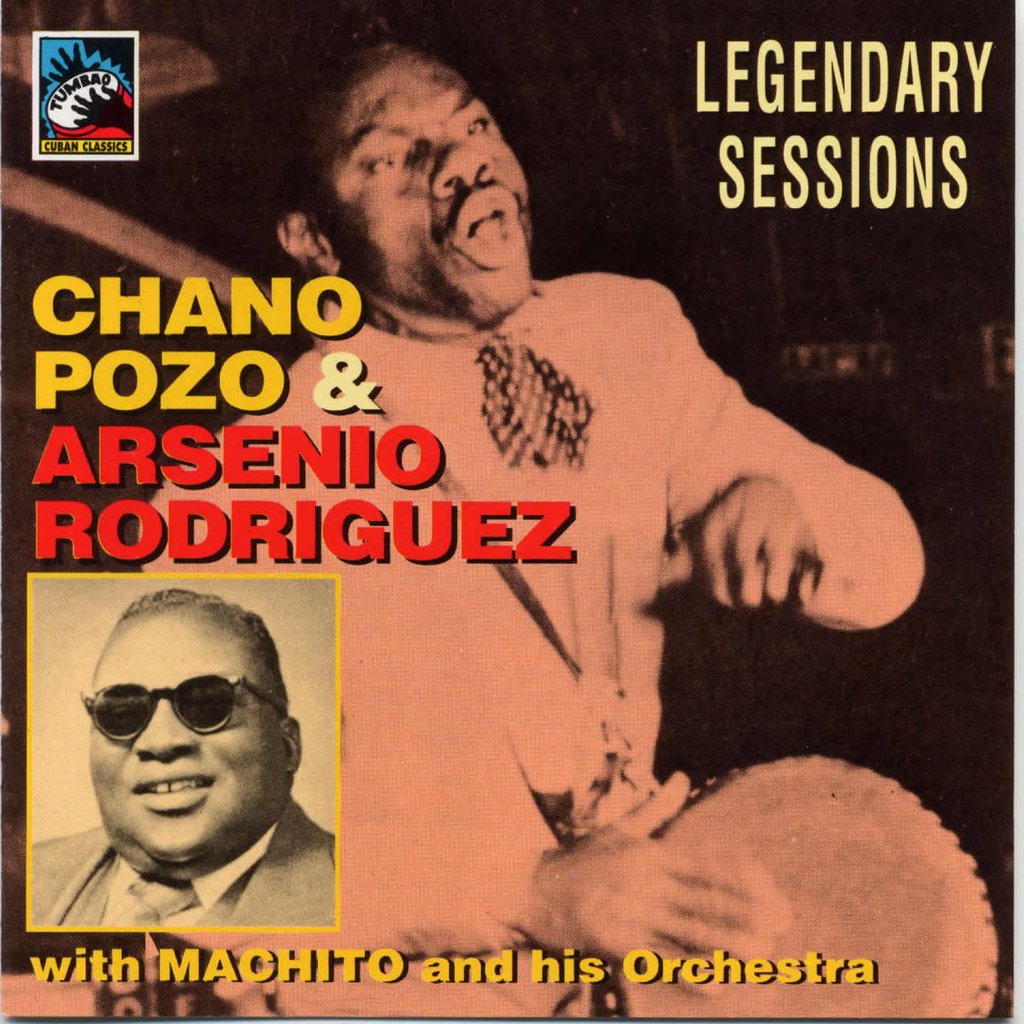
But it goes even deeper: Arsenio re-Africanized son by bringing the clave to the forefront. His work crossed Santería and Palo Monte rhythms with popular son — a spirit that led him to collaborate in New York in the 1940s with Chano Pozo, Machito, and Dizzy Gillespie.
As for mambo, Arsenio claimed it as his invention. “Arsenio created the mambo and Pérez Prado made it money,” summarizes Tito Gonzalez. The debate exists — bassist Cuba Cachao López also contests paternity — but Arsenio’s brass structure undoubtedly served as a model for great orchestras.
New York, salsa, and a legacy transcending generations
In 1952, Arsenio Rodríguez settled in New York. He lived in the South Bronx — the musical crucible of the time — and resided just a few blocks from the Palladium, temple of Latin dances. His music established itself as an absolute reference for young Puerto Rican and Cuban-American musicians who, in the second half of the 1960s, would invent salsa. Willie Colón, a tutelary figure of the genre, acknowledged: “I always listened to his records and they were our main master. It was from him that we took the feeling of Cuban son.”
Larry Harlow, composer for Fania Records, dedicated Tribute to Arsenio Rodríguez (1972) to him. Eddie Palmieri, NEA Jazz Master, summarized: “Arsenio Rodríguez was to Cuban music what Claude Debussy was to classical music.” (translated from English) Arsenio’s career ended in Los Angeles on December 30, 1970, as his legacy was already in full bloom.
Marc Ribot revisited his repertoire, Sierra Maestra dedicated Dundunbanza! (1994) to him, and a generation of young musicians in East Harlem and Berkeley continued to learn his tracks. Arsenio Rodríguez touched everything: son, mambo, salsa, and latin jazz.
Major works
| Work | Year | Why it’s essential |
|---|---|---|
| “Bruca maniguá” | 1937 | First major success — a son blending Spanish and congo, becoming one of the Cuban standards |
| “La vida es un sueño” | ~1940 | Sensitive bolero illustrating the other face of Arsenio, romantic poet |
| “Dundunbanza” | ~1940 | Recurrence of the yuka rhythm and Afro-Cuban expressions — an identity manifesto |
| “Yo nací del África” | 1960 | Hymn postulating Afro-Cuban identity — a stronger affirmation than James Brown before him |
Heritage and influence
Arsenio Rodríguez is the invisible ancestor of modern salsa. The conjunto he codified in the 1940s becomes the basic template for the great Latin orchestras of New York — and therefore, inevitably, for the Puerto Rican salseros who would popularize the genre in the early 1970s. His music influenced Willie Colón, Larry Harlow, Eddie Palmieri, and thousands of artists around the world. The tumbadora, the conga instrument he integrated as a masterpiece into the conjunto, now stands as the rhythmic backbone of all Latin music. David F. García, professor at the University of North Carolina and author of a monograph on Arsenio, reminds us: “It is in listening to Arsenio’s records that the young salseros of El Barrio and the Bronx took on the ethic, the feeling, the authentic identity of their music.” (translated from Spanish) Today, the community of salseros maintains his memory — and the sound invented by this blind Cuban continues to make people dance.
Sources and references
- “Arsenio Rodríguez”, Wikipedia, https://en.wikipedia.org/wiki/Arsenio_Rodr%C3%ADguez, accessed November 7, 2025.
- “Arsenio Rodríguez Biography”, FIU Cuban Music Digital Archive, https://latinpop.fiu.edu/discography/Arsenio_Rodr%C3%ADguez_Biography.cfm, accessed November 7, 2025.
- “Arsenio Rodriguez – godfather of Son Montuno, root of salsa”, Cuba50, https://cuba50.org/2020/06/17/arsenio-rodriguez-godfather-of-son-and-mambo, accessed November 7, 2025.
- “Remembering the Father of Son: Arsenio Rodríguez”, Berkeleyside (Andrew Gilbert), https://www.berkeleyside.org/2013/07/25/remembering-the-father-of-son, accessed November 7, 2025.
- “Eddie Palmieri on the influence of Arsenio Rodriguez”, National Endowment for the Arts – Jazz Moments, https://www.arts.gov/stories/jazz-moments/eddie-palmieri-influence-arsenio-rodriguez, accessed November 7, 2025.
- “Keeping the Memory of Cuban Legend and Conga Master Arsenio Rodriguez Alive”, WNYC (Stephen Nessen), https://wnyc.org/story/186234-cuban-legend-arsenio-rodriguezs-memory-stays-alive, accessed November 7, 2025.
- David F. García, “Contesting that Damned Mambo: Arsenio Rodríguez, Authenticity, and the People of El Barrio and the Bronx in the 1950s”, Redalyc (University of North Carolina), https://www.redalyc.org/pdf/377/37716112.pdf, accessed November 7, 2025.