Biography
Baba Sissoko
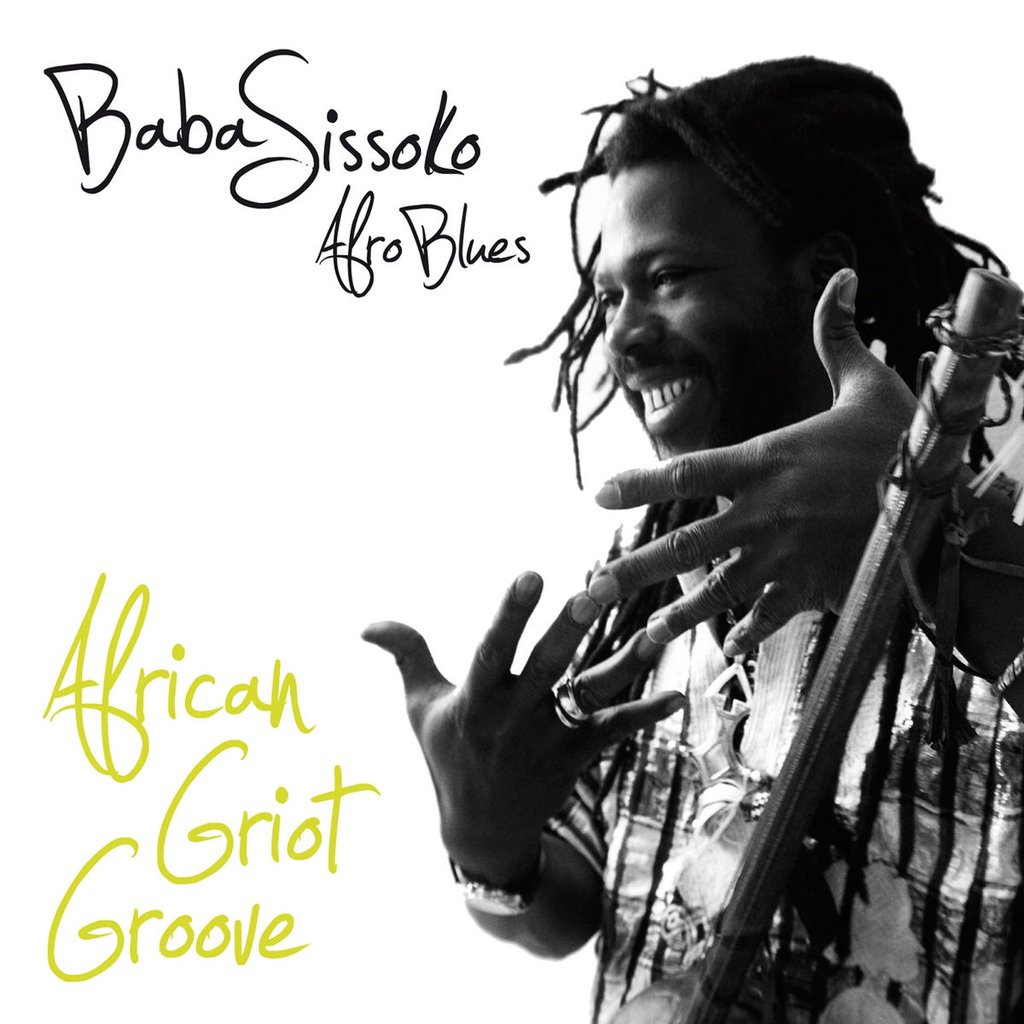
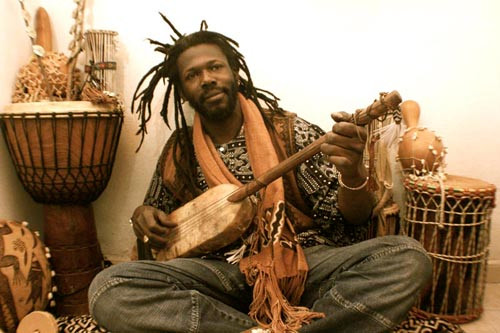
In Bamako, within a family of griots — these Manding storytellers and musicians who hold the knowledge, history, and tradition — Baba Sissoko grew up to the sound of the tamani, this speaking drum whose rhythm and vibration carry words. From this drum, he is capable of drawing all the notes from a simple natural vibration. Having become one of the great masters of the tamani in modern music, he has made this inherited sound a bridge between Manding tradition and the scenes of jazz, blues, and rock.
In brief
| Full name | Baba Sissoko |
| Birth | March 8, 1963, Bamako (Mali) |
| Nationality | Malian |
| Field | Percussion, Manding music / jazz-fusion |
| Instruments | Tamani (speaking drum), ngoni, kamalengoni, balafon, gourd, guitar |
| Notable works | Djana (1999), Culture Griot (2009), Khalab & Baba (2015), Amadran (2019) |
| Distinctions | Tamani d’or, Malian government (December 2007); best African jazz musician, Obaland Music Awards (2018) |
Key dates
| Year | Event |
|---|---|
| 1963 | Born on March 8 in Bamako, in a family of griots |
| 1985 | Tours internationally with the Instrumental Assembly of Mali (tamani and ngoni) |
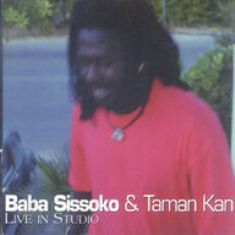
| 1991 | Founding the group Taman Kan (with Roger Sabal Lecco and Reynaldo Hernandez) |
| 1993 | Creates with Habib Koité the group Bamada; wins the “Discovery 1993” contest of Radio France Internationale |
| 1995 | First album with Taman Kan; rhythm of tamani, balafon and ngoni lessons |
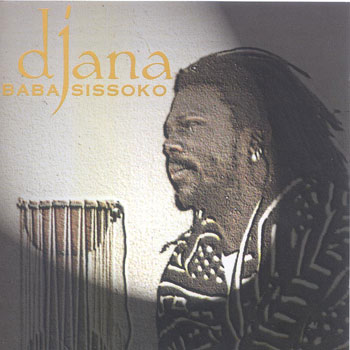
| 1999 | Settles in Italy; releases Djana |
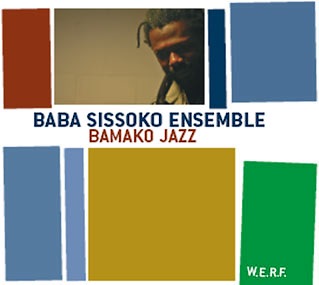
| 2007 | Tamani d’or award; releases Bamako Jazz and participates in the album AfroCubism |
| 2010 | Releases with Il Pozzo di San Patrizio The Eyes Over the World; participates in the AfroCubism album |
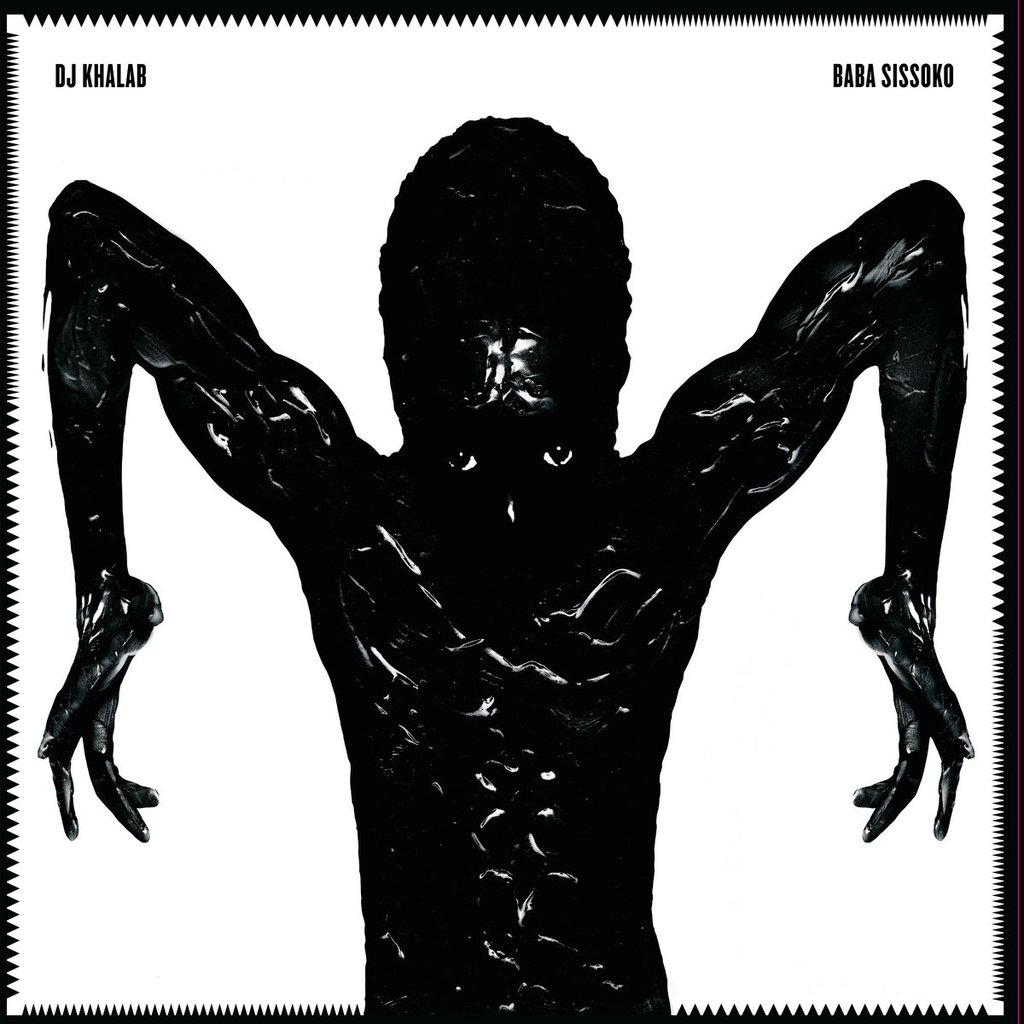
| 2015 | Releases Khalab & Baba with DJ Khalab; the track “Tata” wins a BBC award in 2016 |
| 2019 | Releases Amadran; collaborates with Malian and international artists |
Origins: a griot of modern times
Baba Sissoko was born in Bamako in 1963, into a great dynasty of Malian griots. He was initiated to the tamani with his grandparents Djeli Baba Sissoko, Djeli Makan Sissoko and Djatourou Sissoko; he grew up with his father Djeli Madou Sissoko, a great ngoni player (stringed lute of West Africa), his mother Mah Damba Koroba, traditional singer, and his uncle Mama Sissoko. In 1985 he went on an international tour with the Instrumental Assembly of Mali, playing tamani and ngoni.
From 1991 he founded Taman Kan with Roger Sabal Lecco (bassist who played with Manu Dibango, Miriam Makeba and Fela Kuti) and the Cuban Reynaldo Hernandez (percussion, Conjunto Folklórico Nacional). The trio celebrates the marriage of three traditions — Manding, Bambara, Sonrai, Yoruba and Kongo — with elements of blues, jazz and rock. In 1993 he creates with Habib Koité the group Bamada and wins then the “Discovery 1993” contest of Radio France Internationale. The collaboration with Koité lasts twelve years and is widely celebrated; with him he records four albums.
Music as a bridge: jazz, blues and Malian tradition
Baba Sissoko’s style mixes Malian melodies and rhythms (Bambara, Peul, Manding and Sonhraï) with Western sounds — jazz, rock and blues. He also integrates the influence of amadran (repetitive and hypnotic rhythmic structure proper to Mali), which some researchers consider the ancestor of blues. He teaches djembé, balafon and ngoni from 1995. In Italy since the late 1990s, he participates in Radio RAI and presides over seminars at the University of Calabria. In August 1999, he is on the bill for the prestigious Festival de Taormina.
He collaborates with numerous figures: Buena Vista Social Club, Youssou N’Dour, Salif Keita, Rokia Traoré, Ibrahim Ferrer, Dee Dee Bridgewater, Don Moye and the Art Ensemble of Chicago. In December 2007 the Malian government awards him the Tamani d’or prize. In 2015 he releases Khalab & Baba with DJ Khalab, whose title “Tata” wins the award for best track of the year at the Worldwide Awards BBC in 2016; in March 2018 he receives the distinction of best African jazz musician at the Obaland Music Awards.
« There is just one Sissoko family, wherever you are (Mali, Senegal, Gambia or Guinea), if your name is Sissoko, you are part of the same family, because we are all descendants of Fakoli! »
Major works
| Work | Year | Why it is essential |
|---|---|---|
| Taman Kan | 1995 | First album of the trio, laid by Baba Sissoko, his bassist and his Cuban percussionist |
| Djana | 1999 | First solo disc, recorded in Italy since his European settlement |
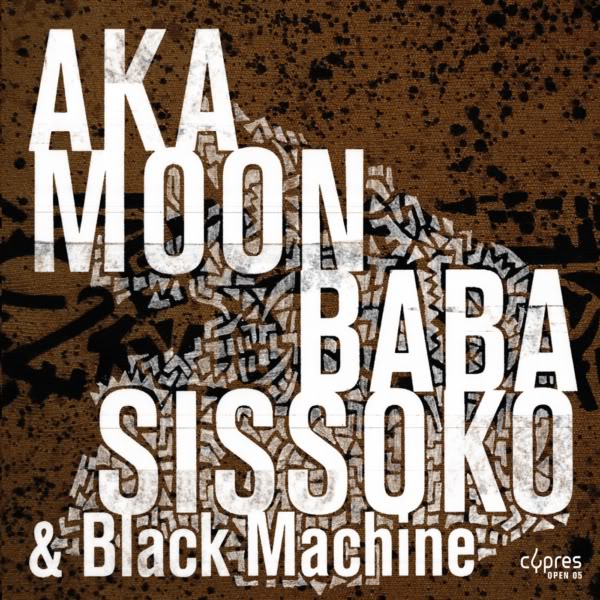
| Culture Griot | 2009 | Fusion with the Belgian trio Aka Moon and Black Machine, consolidating the image of modern griot |
| Khalab & Baba | 2015 | Collaboration with DJ Khalab; the title “Tata” wins the award for best track of the year at the Worldwide Awards BBC |
| Amadran | 2019 | Album speaking of roots, tribute to griots and Manding tradition |
Legacy and influence
Baba Sissoko is considered the first to have introduced the sound of the tamani into modern Malian music. His collaborations with artists from West African and international musics — from the Malian group Taman Kan to contemporary blues and jazz scenes — showed that the speaking drum could dialogue with Western genres. His influence is found in his ability to make the griot a world interpreter, capable of navigating between tradition and modernity.
Sources and references
- « Baba Sissoko », Wikipedia (English), https://en.wikipedia.org/wiki/Baba_Sissoko, accessed November 25, 2026.
- « Baba Sissoko — Person Fiche », Africultures, https://africultures.com/personnes?no=14590, accessed November 25, 2026.
- « Artist Profiles: Baba Sissoko », World Music Central, https://worldmusiccentral.org/artist-profiles-baba-sissoko/, accessed 25 November 2026.
- « Baba Sissoko — Igloo Records », Igloo Records, https://igloorecords.be/en/artist/baba-sissoko, accessed 25 November 2026.