Biography
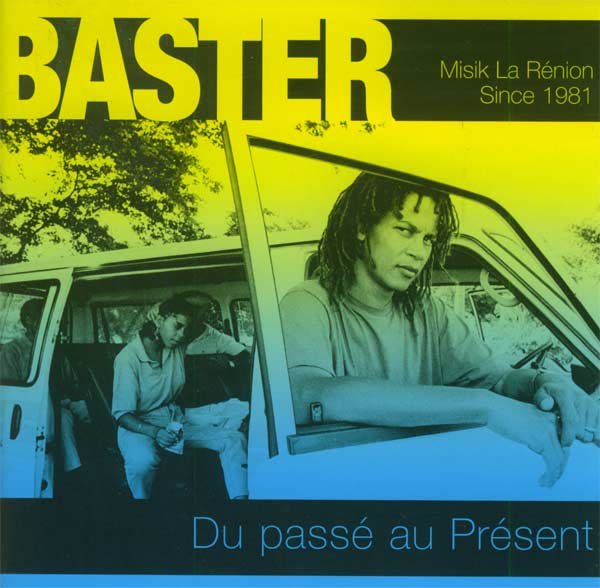
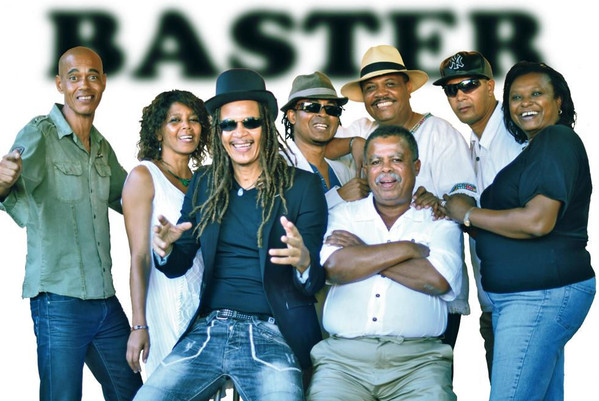
Baster: the electric maloya energy of Réunion
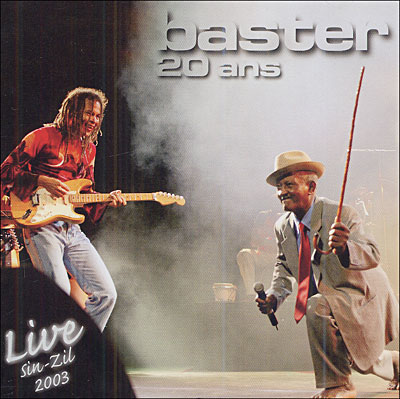
In Basse-Terre les Bas, a popular neighborhood in Saint-Pierre on the island of Réunion, a group of young people rehearsed in a kaz where telescopes were made from rolls from the zarab and lenses stolen from the French Astronomy Association. It was there that, in the 1980s, Baster came into being—a project born from the militant fervor of a teacher and a sixteen-year-old adolescent, far from ambitions for glory, driven by a single desire: to make the voices of their neighborhood heard.
In brief
| Group name | Baster |
| Place of origin | Basse-Terre les Bas, Saint-Pierre, island of Réunion |
| Founded | 1983 |
| Genre | Réunionnais music—maloya, séga and reggae |
| Founding members | Alain Joron, Thierry Gauliris |
| Signature works | Lorizon Kasé, Black Out, Kaf Gong Reggae |
| Distinctions | Tour at the Printemps de Bourges and at the Zénith in Paris |
Key dates
| Year | Event |
|---|---|
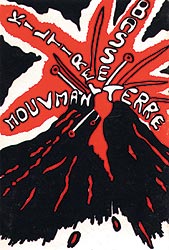
| 1981 | Creation of the Mouvman Kiltirel Basse-Tère by Alain Joron |
| 1983 | First cassette Mouvman Kiltirel Basse-Tère recorded; beginning of concerts in neighborhood bars |
| 1985-87 | Integration into the Lantant Maloya regroupment (with Danyèl Waro, Fénoir, Ousanousava) |
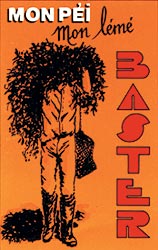
| 1988 | Release of Mon Péi, Mon Lémé, first studio album |
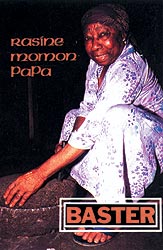
| 1990 | Rasine Momon Papa; first concert in metropolitan France |
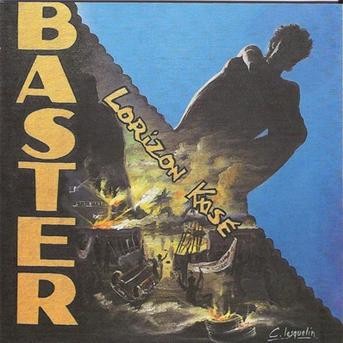
| 1992 | Release of Lorizon Kasé (Sonodisc)—breakthrough album; the group disbands |
| 1994-95 | Regroupment with Thierry Gauliris and percussionist Georges-Marie Daprice, known as Nano |
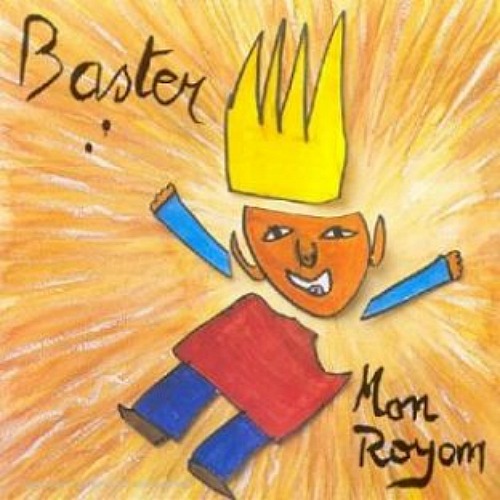
| 1995 | Mon Royom; signing with a manager; first major tour in metropolitan France |
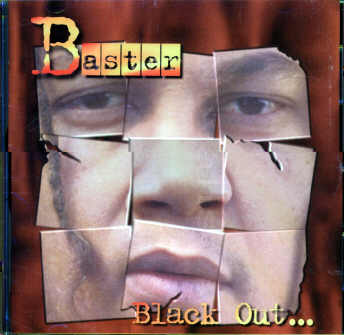
| 1998 | Release of Black Out, landmark album; colossal tours |
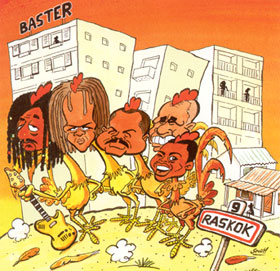
| 2001 | Raskok |
| 2002 | Recording at Tuff Gong Studio in Kingston, Jamaica (Bob Marley’s legendary studio) |
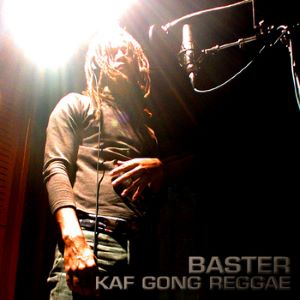
| 2002 | Release of Kaf Gong Reggae |
| 2003 | Georges-Marie Nano leaves the group |
| 2006 | Release of Lèv' |
| 2009 | Ten-day tour in metropolitan France |
| 2011 | Release of Nou lé la |
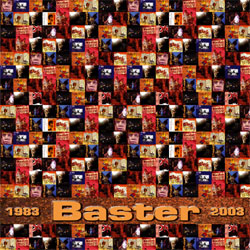
| 2023 | Celebration of 40 years on stage at the Sakifo Festival |
Origins, militancy and building a sound
The adventure begins in 1981 in the popular neighborhood of Basse-Tère les Bas in Saint-Pierre. Alain Joron, teacher and cultural delegate for the Fédération des Œuvres Laïques, founded the association Mouvman Kiltirel Basse-Tère to bring together young enthusiasts from the neighborhood. Thierry Gauliris, then sixteen years old and son of communist parents, was immersed in this atmosphere of identity claim carried by local figures such as Huguette Bello, Élie Hoarau and Paul Vergès. “30 years… This adventure has been going on since adolescence, and I always strive to live it and pass it on,” Thierry Gauliris would later say in an interview for 7lameslamer.net.
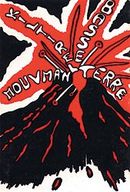
The first musical step occurred in 1983 with the recording of the cassette Mouvman Kiltirel Basse-Tère, thanks to equipment lent by Gilbert Pounia from the group Ziskakan. The repertoire combined maloya—an ancestral music stemming from ritual practices of Malagasy and African enslaved populations brought to Réunion in the seventeenth century—and electric guitar. The tracks Oté Kréol and Mon Liberté were censored by local authorities of the time, as maloya was still perceived as a dissident music linked to postcolonial contestation. The group then joined the Lantant Maloya regroupment, which brought together the main militant Réunionnais groups and allowed Baster to become known to a wider public thanks to numerous concerts organized.
Revelation, turning points and journeys
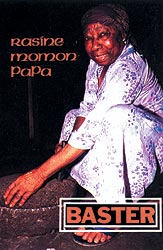
In 1988, with texts signed by Isabelle Testa, the group recorded Mon Péi, Mon Lémé, followed by Rasine Momon Papa in 1990. The audience expanded and Baster obtained its first concert in metropolitan France. The album Lorizon Kasé, released in 1992 by Sonodisc, marked a decisive turning point: it is the most accomplished and best-selling album of the group, but it coincided with its first disbandment. Thierry Gauliris and Nano (Georges-Marie Daprice) relaunched the adventure with new musicians, embarked on successive tours—Printemps de Bourges and Zénith in Paris—and professionalized their structure in 1995 with the signing of a manager.
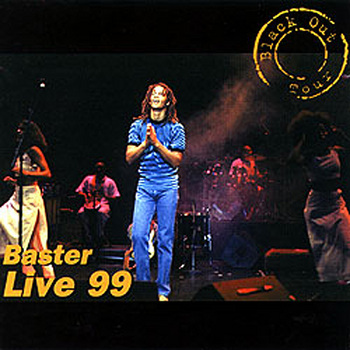
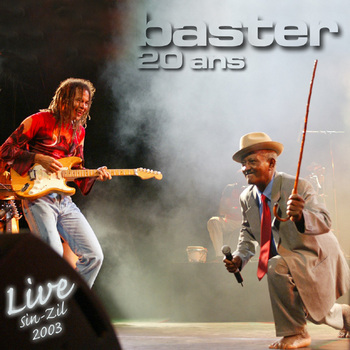
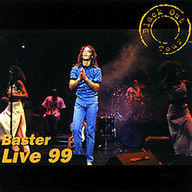
Black Out, released in 1998, is often cited as the group’s masterpiece. The tour that followed was intense and resulted in a live album, Live 99. In 2000, the first four albums—originally released only on cassette—were remastered on CD. The year 2001 saw the release of Raskok, and then in 2002 the group made the journey to Jamaica to record Kaf Gong Reggae at Tuff Gong Studio, Bob Marley’s legendary studio in Kingston. This was a historic moment: the group fused reggae—a musical current born in Kingston in the 1960s with roots in Jamaican ska and rocksteady—and Réunionnais maloya, creating what specialists call electric maloya. Georges-Marie Nano left the group in 2003, but the lineup continued: Lèv’ in 2006, Wiyo in 2008, Baster Akoustik in 2010, and Nou lé la in 2011. In May 2009, Baster organized a ten-day tour in metropolitan France. Fourteen thousand listeners followed the group every month on Spotify by 2026.
Major Works
| Work | Year | Why It’s Essential |
|---|---|---|
| Lorizon Kasé | 1992 | First major studio album, the group’s best-seller; the title means “take care” in Réunion Creole |
| Black Out | 1998 | Landmark album in the repertoire; it solidifies the maloya-rock fusion and leads to extensive tours |
| Kaf Gong Reggae | 2002 | Recorded at Bob Marley’s Tuff Gong Studio in Jamaica; maloya reggae experimentation |
| Mon Royom | 1995 | First professionalized album with a metropolitan tour and managerial structure |
| Live 99 | 1999 | Documents the group’s stage energy following the success of Black Out |
Legacy and Influence
Baster ranks among the most popular maloya groups on Réunion Island and is one of the few to have brought maloya onto national and international stages. Their style — poetic and lyrical, infused with reggae and strong guitar melodies — paved the way for several generations of Réunion artists. The group celebrated forty years on stage in 2023 and continues to tour festivals, revisiting their major classics such as La Montane, Inn Ti Manzel, Servis Kabaré and Mon Liberté, which remain essential references in Réunion Creole music. Thierry Gauliris’s lyrics, entirely composed in Réunion Creole, constitute a living archive of island identity, and the group is regularly invited to represent Réunion, as evidenced by their participation in the Sakifo Festival.
Sources and References
- « Baster », Wikipédia, https://fr.wikipedia.org/wiki/Baster, accessed November 9, 2026.
- « Baster (band) », Wikipedia, https://en.wikipedia.org/wiki/Baster_(band), accessed November 9, 2026.
- « Biographies — Baster », Reggae.fr, https://reggae.fr/artiste-biographie/822_Baster.html, accessed November 9, 2026.
- « Baster », AllMusic, https://www.allmusic.com/artist/baster-mn0001554656, accessed November 9, 2026.
- « Baster », Sakifo Festival, https://www.sakifo.com/artiste/baster/, accessed November 9, 2026.
- « Thierry Gauliris : On ne se voyait pas comme des stars », Imazpress, https://imazpress.com/actus-reunion/thierry-gauliris-on-ne-se-voyait-pas-comme-des-stars, accessed November 9, 2026.
- « Essential 10 La Réunion Albums », Songlines, https://www.songlines.co.uk/content/features/essential-10-la-reunion-albums, accessed November 9, 2026.
- « Maloya », UNESCO PCI, https://ich.unesco.org/en/RL/maloya-00249, accessed November 9, 2026.