History of Reunion Island Music
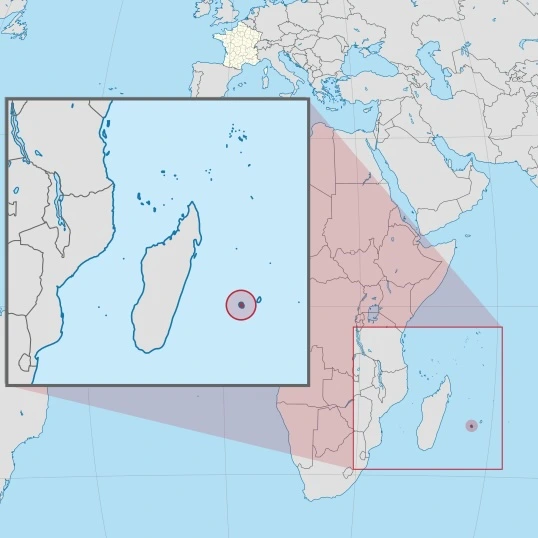
From sugarcane to turntables, from the plantation to MaMA 2026 — Reunion Island, this volcanic islet of 2,512 km² located 800 km from Madagascar, is a laboratory of sound mixing. Maloya, the music of African and Malagasy slaves, has been inscribed on UNESCO’s Intangible Cultural Heritage list since 2009. Sega, a creolized heir to the same roots, sets the rhythm for weddings and island nights. And today, a new generation of artists, from Sueilo to Lise Van Dooren, exports these sounds from Parisian stages to Indian Ocean festivals.
From slave camps to the rhythms of maloya and sega
Reunion Island was born from the slave trade. Between 1773 and 1810, approximately 50,000 people deported from Madagascar and the east coast of Africa were reduced to slavery on coffee plantations, then sugarcane[1]. Here a new music was born, fusing African percussion, Malagasy melodies, and European rhythmic structures.
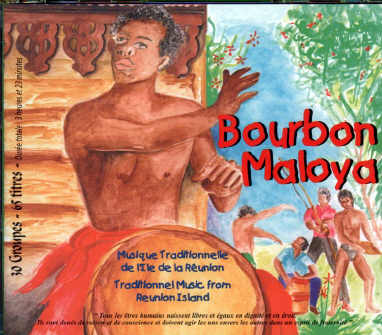
Slaves perpetuated the rites of their original cultures in servis kabaré — ancestor veneration ceremonies — where the rolling drum (oulèr), triangle, kayamb (rattle made of sugarcane stalks), and pikèr (knife struck against the hand) took on the role of choir and melody[2]. This was called tchéga, a colonial term designating both the dance and the music of black slaves.
After the 1848 abolition, Black music split into two branches. Maloya — a word of Malagasy origin evoking sadness, malaise, and complaint[3] — remained confined to cemeteries and kabaré ceremonies, too linked to ancestor worship to be accepted by colonial society. Sega, on the other hand, creolized further: it integrated European influences and Western instruments, giving birth to the creole chansonnette, a more festive and profane form[4]. The term séga officially supplanted maloya in colonial discourse by the end of the 19th century — but Reunion Islanders continued to practice both[5].
Did you know? The rolling drum (oulèr) of maloya is made from a 60-liter old barrel, whose curved wooden staves are held together by three iron hoops. The principle is close to the ka in Guadeloupe and the atabaques drums in West Africa: the same tree, different continents.
Firmin Viry and Danyèl Waro: the pioneers who brought maloya to public stages
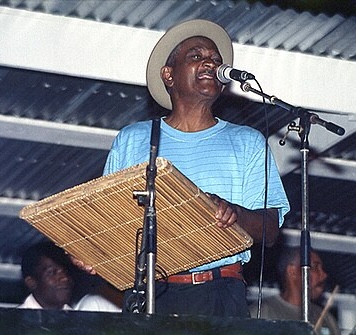
Firmin Viry, born in 1935 in Saint-Pierre, was the first to sing maloya publicly. A field worker on sugarcane plantations, he learned to make traditional instruments thanks to Gustin Miza, a Mozambican[6]. In 1959, he presented the first sung and danced maloya in a public space, at the Rio cinema in Saint-Denis — an act of cultural resistance[7]. Close to the Reunion Communist Party, Viry was also a militant: his songs denounced unemployment, social injustice, and cultural alienation. The PCR published his first vinyl records in 1976[8].
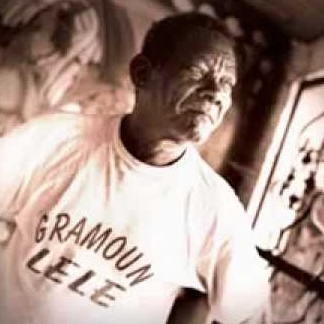
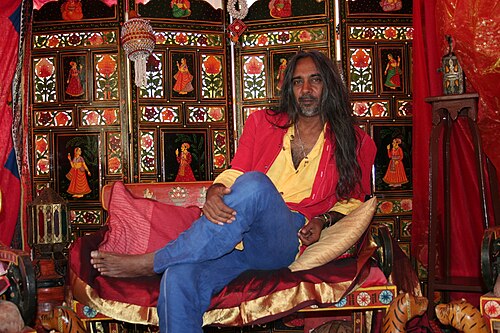
Danyèl Waro, born in 1958 in sugarcane fields near Saint-Pierre, discovered maloya at age 18 by attending a concert organized by the PCR for Firmin Viry. Son of a farmer and descendant of French colonizers, he lived a double heritage which he expressed in Creole[9]. Musician, poet, and luthier (he made his own instruments), he won the WOMEX Award in 2010 for his fight for Reunion Island music[10]. His message is clear: “Maloya got me out of Cartesian philosophy. It put me in harmony with Reunion Island, with the people, with our language[11].”
These two figures — Viry, the militant peasant, Waro, the poet-luthier — imposed maloya as music of dignity and identity. Their legacy rests on principles that Bender calls re-Africanisation, meaning the absorption of Western instruments and forms by an African ritual and rhythmic practice[12]. Reunion maloya does exactly this: it reinvents Africa in the Indian Ocean.
The ban (1960-1981): a music deemed subversive
In the 1970s, maloya became a political weapon. The PCR, which fought for island autonomy (or even independence), used it as a rallying song. But French authorities saw in this music — sung in Creole, driven by drums, associated with the kabaré — a direct threat to colonial order.
On May 20, 1972, the prefect of Reunion Island issued an order banning maloya throughout the island[13]. Concerts were dispersed, instruments broken, singers arrested. Firmin Viry recounts: “Thirty-three years ago, I would have been arrested for singing like that[14].” The ban was lifted only in 1981, when François Mitterrand arrived at the presidency of the Republic. PCR archives, including recordings of Firmin Viry made in 1976 during the 4th congress, bear witness to this period[15].
This repression was not isolated: in Madagascar, Malagasy music was controlled; in the Caribbean, drums were systematically banned for slaves (which would lead, with bottles and turtle heads, to the percussion of Trinidad)[16]. In Reunion Island, the ban on maloya echoed the bans on drums in Cuba, Guadeloupe, and Haiti[17].
The renaissance (1980-2009): from PCR to UNESCO
The lifting of the ban in 1981 marks the beginning of a renaissance. Maloya emerges from sugar plantations and kabaré ceremonies to take over concert halls, festivals, and radio stations. The La Réunion Regional Conservatory integrates maloya into its curriculum. In 2009, UNESCO inscribed maloya on the Representative List of the Intangible Cultural Heritage of Humanity, recognizing a music born from slavery as a vector for political claims and an illustration of cultural mixing processes[18].
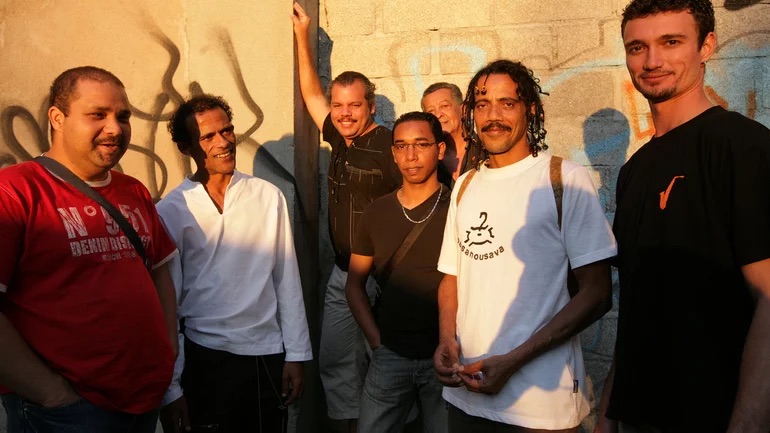
Today, approximately 300 maloya groups are listed on the island[19]. The genre is mixing: maloya-rock, maloya-reggae (nicknamed malogué), maloya-jazz, maloya-fusion. Names like EsoËno, Bô Misa, Mané and Ésoéno perpetuate the tradition while renewing it.
The contemporary scene: from Sueilo to MaMA
The Réunion youth is not just preserving; it reinvents. Sueilo (Louise Benard, born in Paris but raised in Trois-Bassins) embodies this new wave. Trained at the EMA of Saint-Leu, she fuses afrobeat, shatta, bouyon and amapiano into an afro-urban style[20]. Her hits Geisha, Marie & Ginger and Fé attention tell stories of love, independence and female power. In 2025, she performs at the Sakifo Festival and goes on tour with Francofolies[21].
Contemporary jazz does the same: the Lise Van Dooren Quartet blends texts in Creole and English with jazz arrangements, while Jozefinn’ Austral View explores the same boundaries[22]. Réunion rap, with duos like Savage Mirror, targets Canada and Asia[23].
The Marché des Musiques Actuelles (MaMA) in Paris has become a springboard: in October 2026, seven Réunion artists presented showcases there, accompanied by the FRAM (Regional Fund for Mobility Aid), which subsidizes 120,000 to 140,000 euros in plane tickets each year[24]. The Sakifo Festival, created in 2004 in Saint-Leu and now based in Saint-Pierre, gathers 40,000 people and 50 artists each year—including international headliners like Ibrahim Maalouf, Jain and Protoje in 2024[25].
A rhythmic future
Réunion music is a mirror of its island: a crucible of languages, rituals and resistance. Maloya, born in cane fields, still sings dignity. The séga, transformed into a Creole song, animates weddings and evening dances. And new generations—Sueilo, Lise Van Dooren, the MaMA rappers—export these sounds to Paris, London, Montreal. As Danyèl Waro says: « Maloya put me in harmony with La Réunion, with the people, with our language[26]. » The island pulses, and the world listens.