Biography
Paul Marius Fontaine (Fenoamby): the phenomenon of the Indian Ocean
In 1989, on a stage in Saint-Denis, Paul Marius Fontaine, known as Fenoamby, picks up his kabosy — that small square guitar typically Malagasy, whose plucked strings resonate like jingles — and launches the audience into a salegy trance. The 6/8 rhythm, the most popular in Madagascar, ignites, while his raspy voice soars into the high notes à la Aaron Neville1. At forty, this man from the eastern Malagasy bush has become the sonic bridge between the Red Island and Réunion, a bridge that crosses the Indian Ocean all the way to hexagone.
In brief
| Full name | Paul Marius Fontaine |
| Nickname | Fenoamby, “the phenomenon” |
| Birth | 1963, Ampanefena (Sambava–Vohémar), Sava, Madagascar |
| Fields | Salegy, maloya, Malagasy reggae, Zulu rock |
| Instruments | Kabosy, valiha, marovany, guitar, harmonica, accordion, drums, percussion |
| Signature works | “Fanajana”, “Ravo”, “Tany Malaza” |
| Activities | Singer, songwriter, multi-instrumentalist |
Key dates
| Year | Event |
|---|---|
| 1963 | Birth in Ampanefena, between Sambava and Vohémar |
| 1974 | Start of music at age 11 with the group Paroka |
| 1982 | Arrival in Réunion |
| 1989 | Founding of the group Fenoamby |
| 1993 | Release of “Fanajana” (Respect) |
| 1995 | Selection at the Africolor festival |
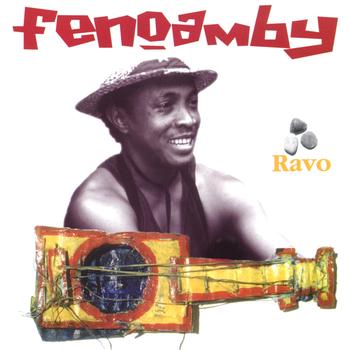
| 1996 | Release of “Ravo” (label Colbalt/Mélodie) |
| 1998 | Settlement in France |
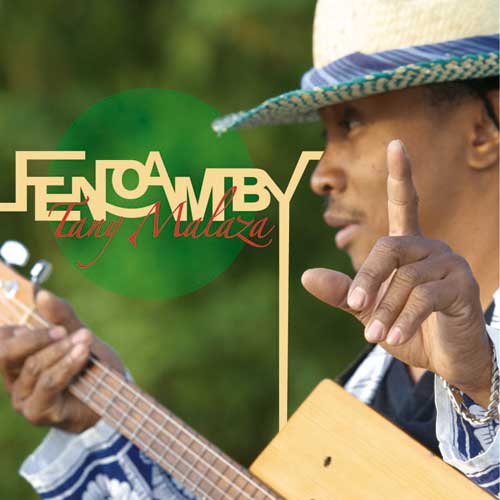
| 2004 | Release of “Tany Malaza” |
| 2012 | Release of “Mariazy” |
From vanilla fields to stages of the Indian Ocean
Paul Marius Fontaine was born in 1963 in the village of Ankotoba, commune of Ampanefena, in northeastern Madagascar. This village of vanilla, coffee, and rice cultivators, and zebu herders, is a bush landscape where music flows as naturally as the ocean wind. From his earliest childhood, Marius sang with other children in the fields and by the fire. His first school was the village’s Catholic choir; around eleven years old, he took up drums with the group Paroka, a local formation that animates the region’s dances2.
As an adolescent, he went from one internship to another in dance orchestras along the east coast: The Thunders, The Spiders, Les Super-Jazz, les Sept Aigles, and the Tropical of Diego-Suarez. With each step, he broadened his repertoire. He learned guitar and keyboards, familiarized himself with international variety and Réunionnais segas. Capable of moving from the maloya of Réunion to South African Zulu rock3.
In 1982, he left Madagascar to join his family in Réunion. The first years were tough: student status, odd jobs at the fish market, delivery driver, concierge. Music receded to second place. But upon completing his studies, he finally found the time to compose. The meeting with producer Johnny Férié and learning sound from Anouaraly and Claude Emsalem, “two masters with whom Marius learned a lot,” opened the way. At the end of 1989, he founded the group Fenoamby4.
The group, composed of five musicians — drummer, percussionist, bassist, keyboardist, saxophonist and accordionist — quickly established itself. Its third album, Ravo (“joy”), was released in 1996 on the Colbalt label, distributed by Mélodie. The album was noticed in 1995 within the framework of the Africolor festival, a springboard that propelled the group onto European stages. Tours across Europe and Africa, dances organized by Malagasy associations, festivals: Fenoamby traced its path5.
This versatile musician — kabosy, valiha (bamboo cylinder with harpsichord-like sound), marovany, guitar, harmonica, accordion, drums — combines laments in Malagasy languages and rhythms that cross borders. “In my music, the texts are often in Malagasy but the rhythms I use are varied and please many people here or elsewhere. Music has no border for me”6.
In 1998, the group settled in France, pursuing an international career rooted in the culture of the Indian Ocean. Fenoamby became, for many, the voice of an oceanian identity at the crossroads of Malagasy and Réunionnais worlds. Successive albums, concerts in hexagone and abroad: the “phenomenon” does not waver. He carries high the torch of the Red Island, and, more broadly, that of the Indian Ocean7.
Major works
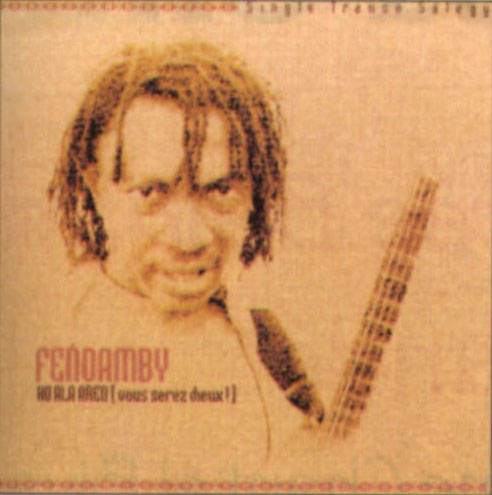
Fanajana (“Respect”), released in 1993, laid the foundations of the Malagasy-Réunionnais fusion style. Ravo (1996), released on the Colbalt label, is the major album, selected at the Africolor festival. Followed by Ho ala areo (“You will be gods!”) in 2002, then Tany Malaza in 2004, which anchors contemporary Malagasy traditions into salegy and reggassy styles. Mariazy, in 2012, concludes this decade of uninterrupted creation8.
Legacy
Paul Marius Fontaine, nicknamed Fenoamby in reference to the supernatural “phenomenon” of Malagasy origin, is above all a bridge. Between Madagascar and Réunion, between bush salegy and Réunionnais maloya, between hexagone and the Indian Ocean. His kabosy, that square guitar with its metallic sound, has become the signature instrument of an oceanian scene in full affirmation. Multi-instrumentalist and polyrhythmic, he paved the way for artists who, even today, cross Malagasy, African, and Antillean sonorities. Fenoamby remains, in the minds of those who listen to him, the spokesperson for a South-Western Indian Ocean that sang without a microphone9.
Sources and references
-
fenoamby.com (official site), Biography, accessed 27 October 2026 ↩︎
-
Discogs, Fenoamby — Profile, accessed 27 October 2026 ↩︎
-
AllMusic, Fenoamby — Biography, accessed 27 October 2026 ↩︎
-
Midi Madagasikara (2012), Marius Fénoamby, spokesperson for the South-West of the Indian Ocean, accessed 27 October 2026 ↩︎
-
Afrisson, Fenoamby, accessed 27 October 2026 ↩︎
-
SPLA, Fenoamby File, accessed 27 October 2026 ↩︎
-
Infoconcert, FENOAMBY (MARIUS) Biography, accessed 27 October 2026 ↩︎
-
Ouest-France, Fenoamby Marius Fontaine in residence at the theatre, accessed 27 October 2026 ↩︎
-
Last.fm, Fenoamby — Mariazy, accessed 27 October 2026 ↩︎