Biography
Bembeya Jazz: the electrified Mandingo of independent Guinea
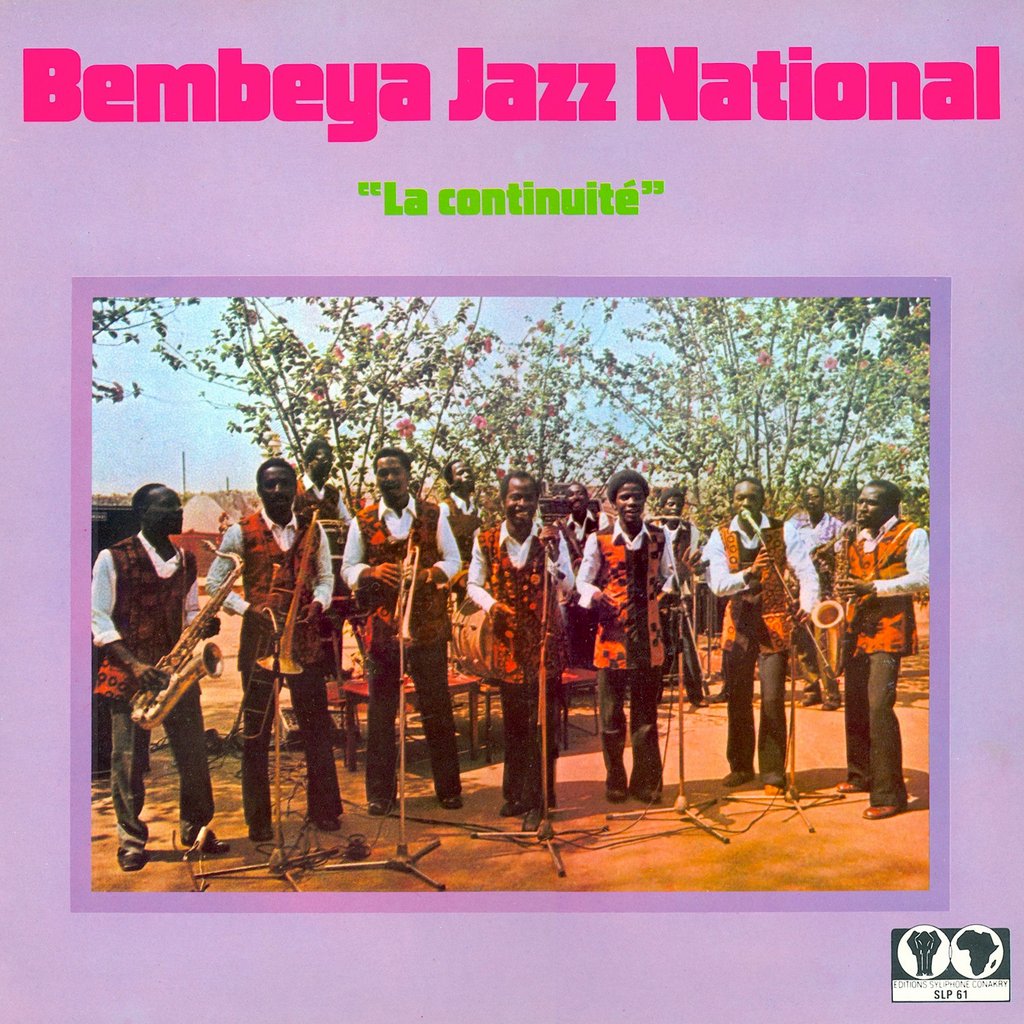
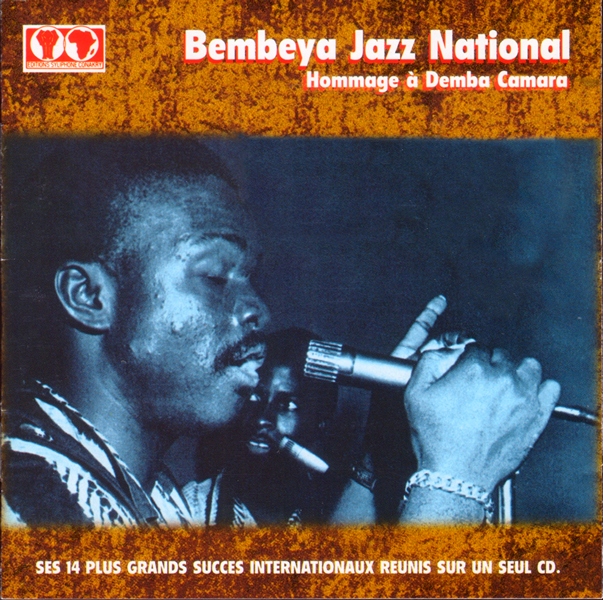
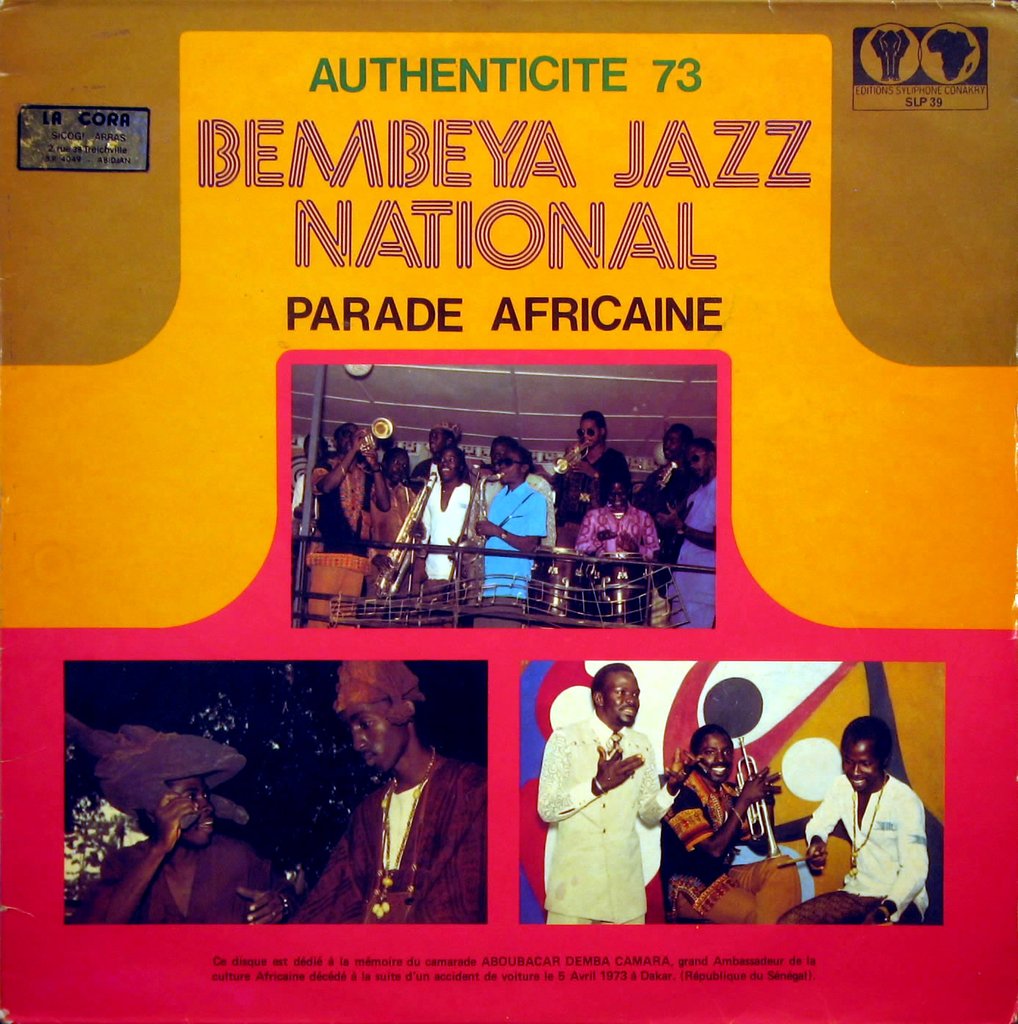
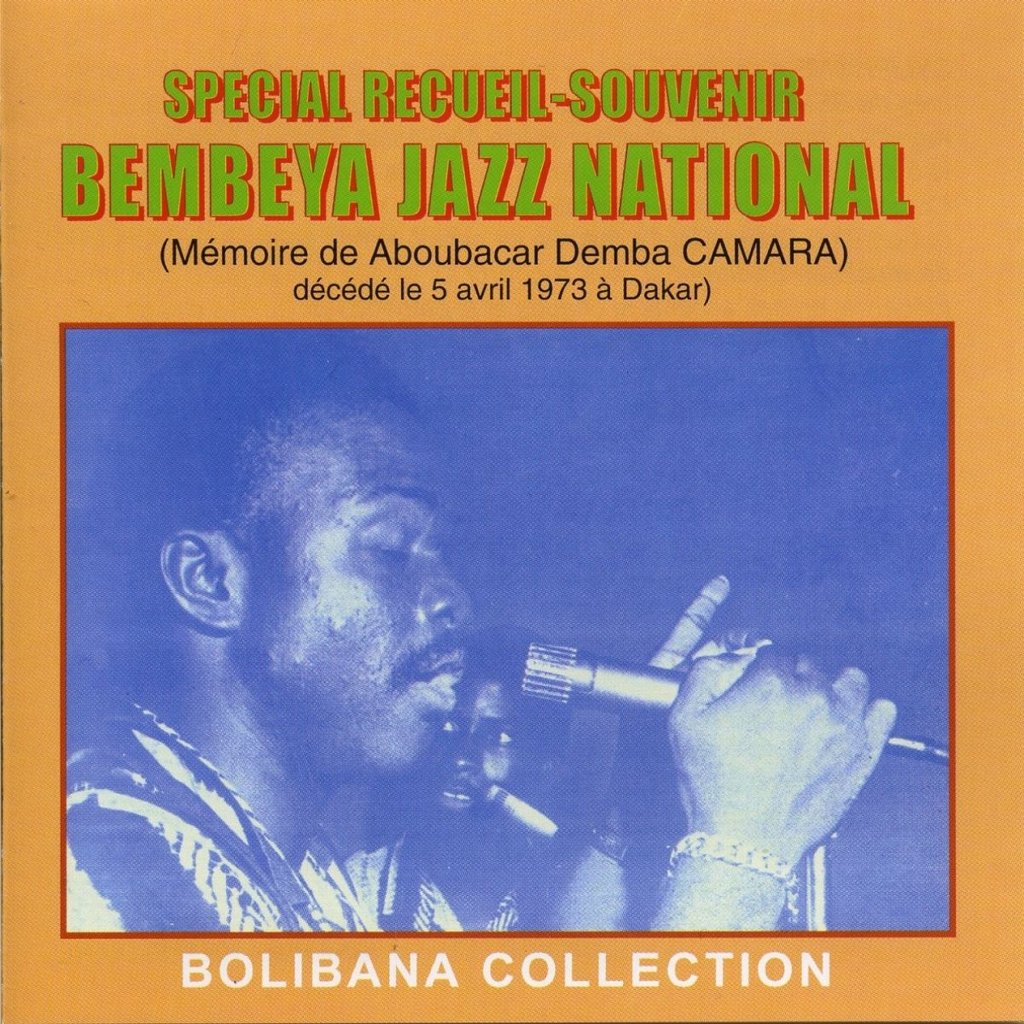
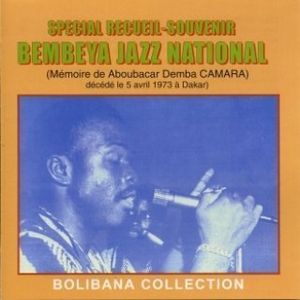
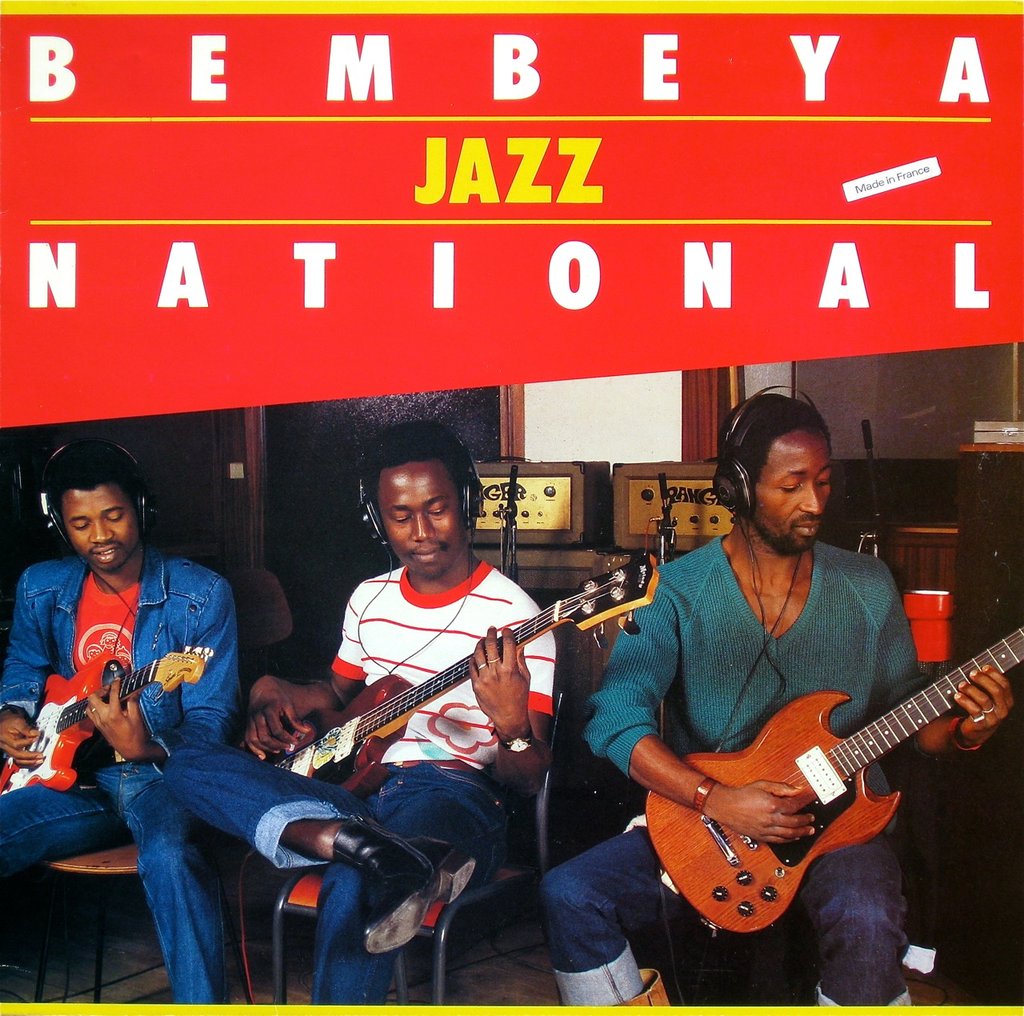
In April 1973, the death of Aboubacar Demba Camara, the lead singer of Bembeya Jazz, struck Conakry. The group responded to the shock with a tribute album: “Your male and so sweet voice still lulls our ears,” reads the cover. This act of musical resilience, far from closing the story, marks one of its most powerful chapters.
In brief
| Official name | Bembeya Jazz National |
| Formation | 1961, Beyla, Guinea |
| Genres | Mandingo music, jazz, afropop, Congolese rumba |
| Key figure | Sékou “Diamond Fingers” Diabaté, lead guitar |
| Signature works | Regard sur le passé, “République Guinée” |
From Beyla to Conakry: birth of a national voice
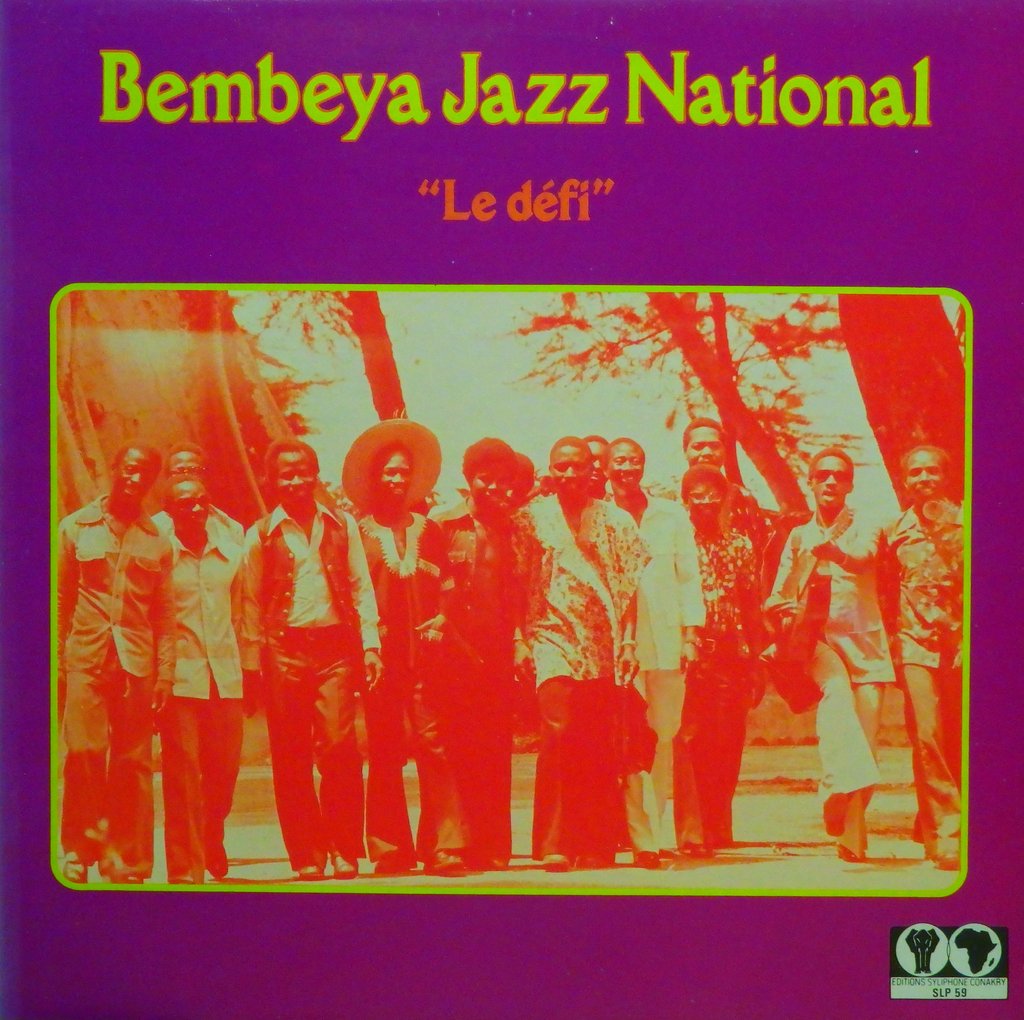
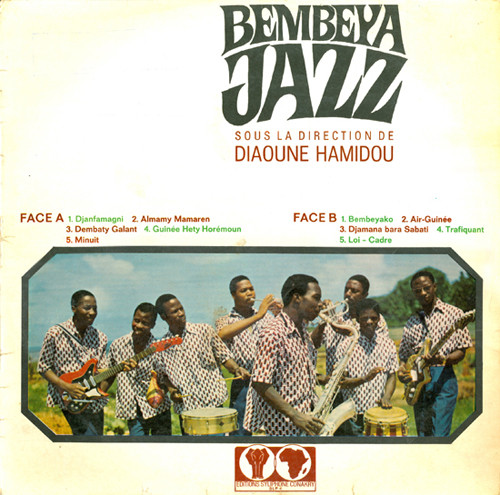
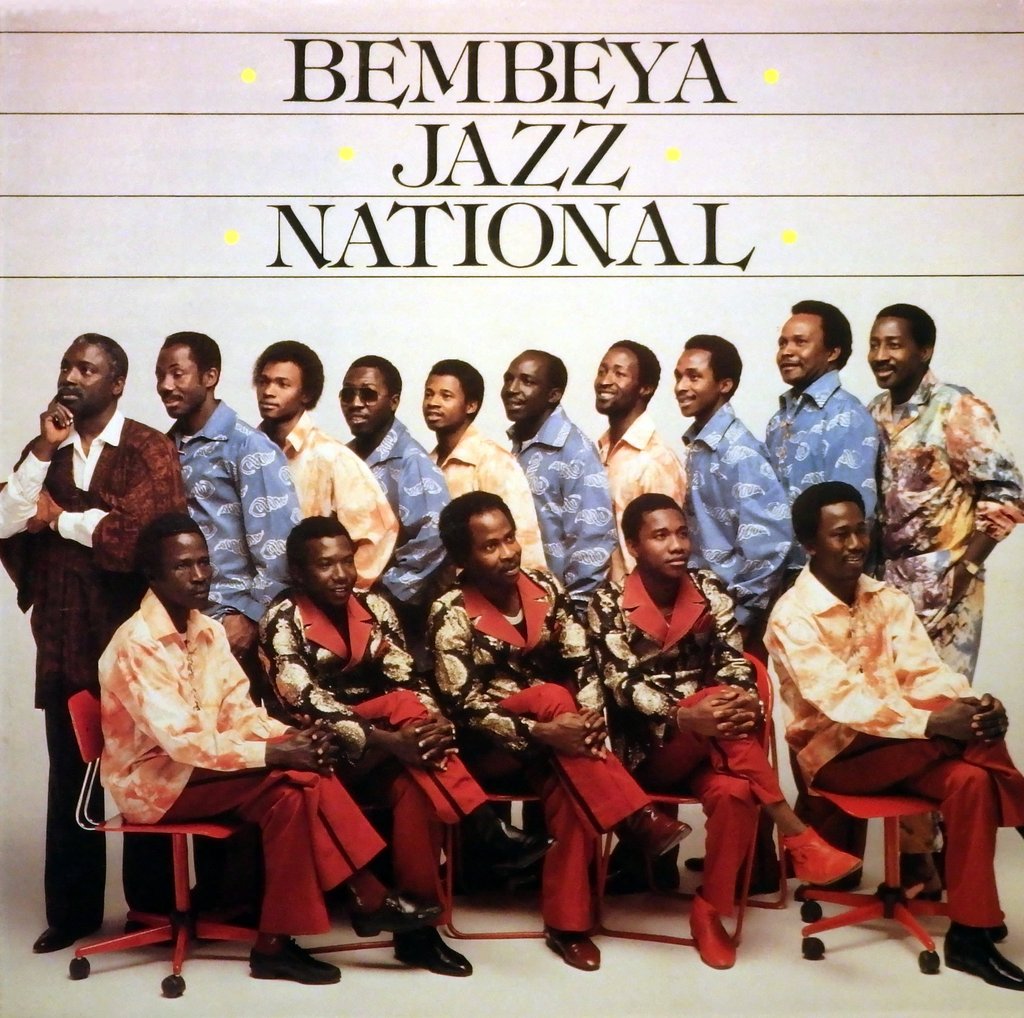
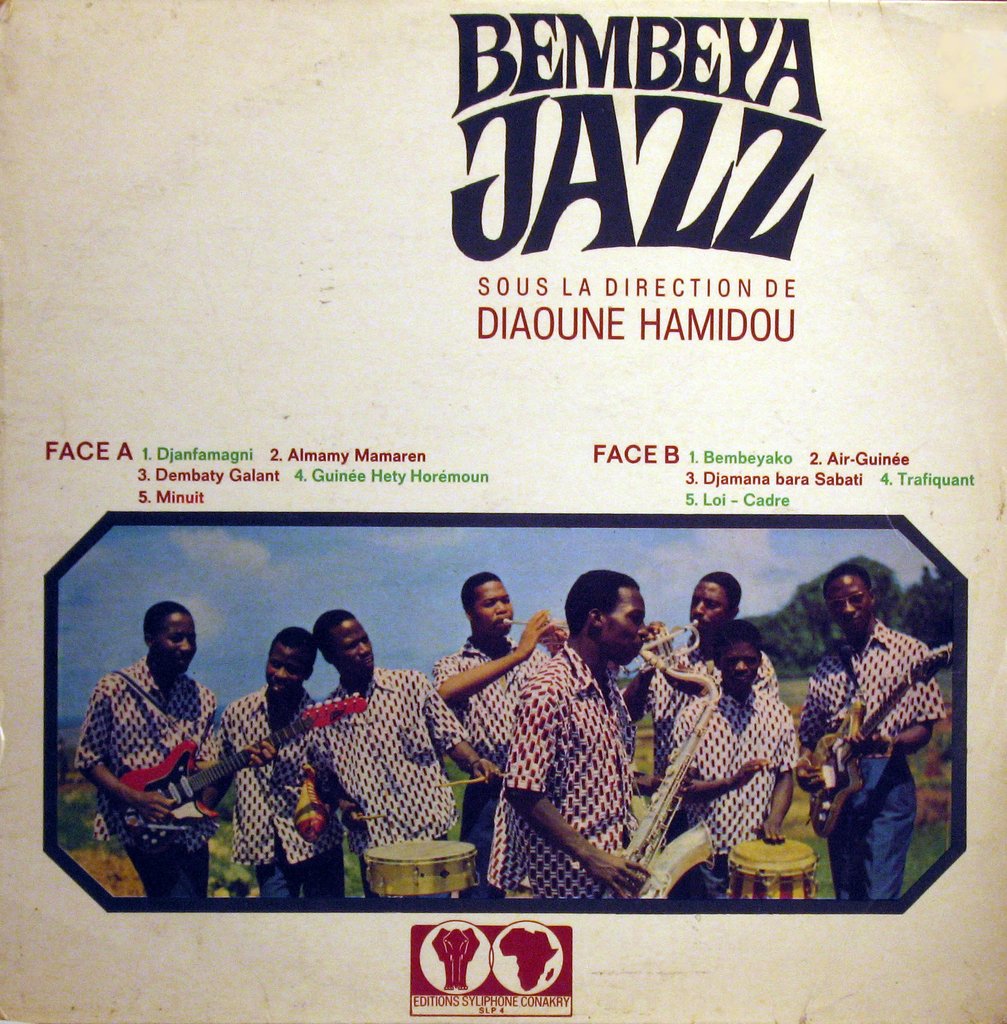
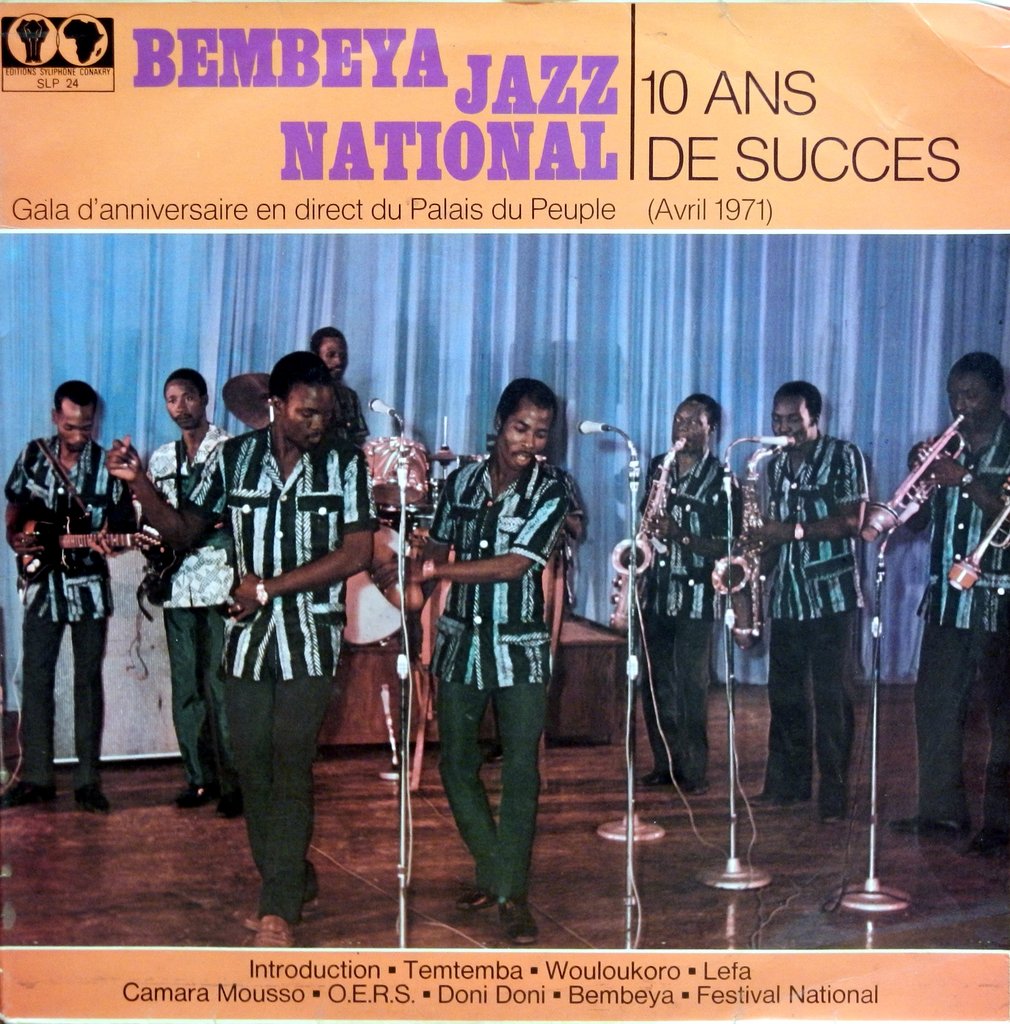
In the wake of Guinea’s independence in 1958, President Ahmed Sékou Touré launched a program to create state music groups to forge a nationalist cultural identity. In Beyla, in the southeast of the country, Prefect Émile Condé founded in 1961 the Orchestre de Beyla, named after the river that crosses the city. Young guitarist Sékou Diabaté, from a family of griots—these traditional guardians of Mandingo music and history—eventually agreed to join them. Later nicknamed “Diamond Fingers” (“diamond fingers”), he would become the group’s sonic signature.
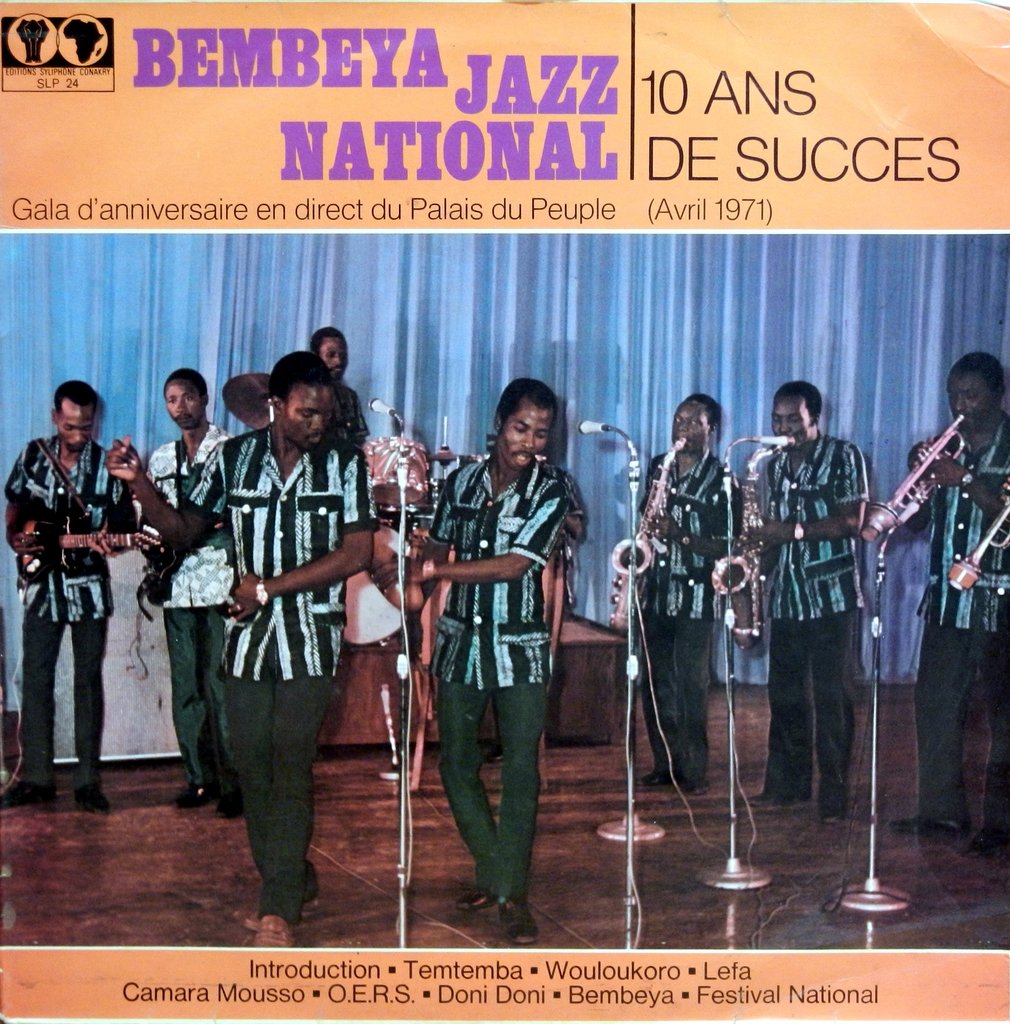
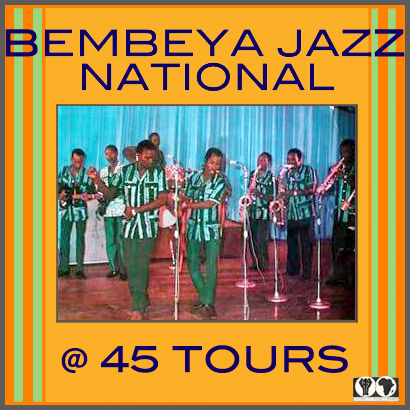
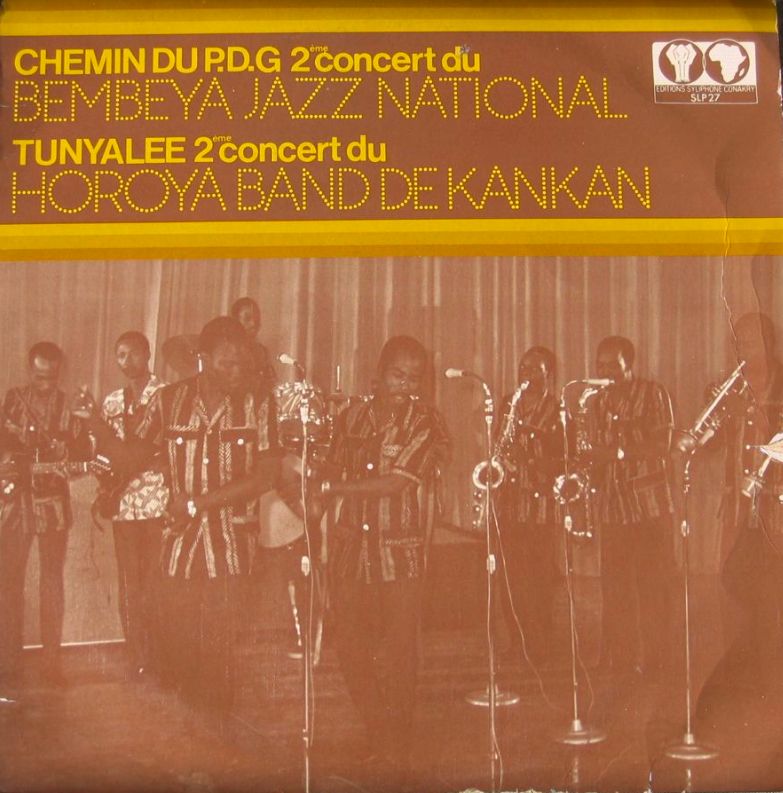
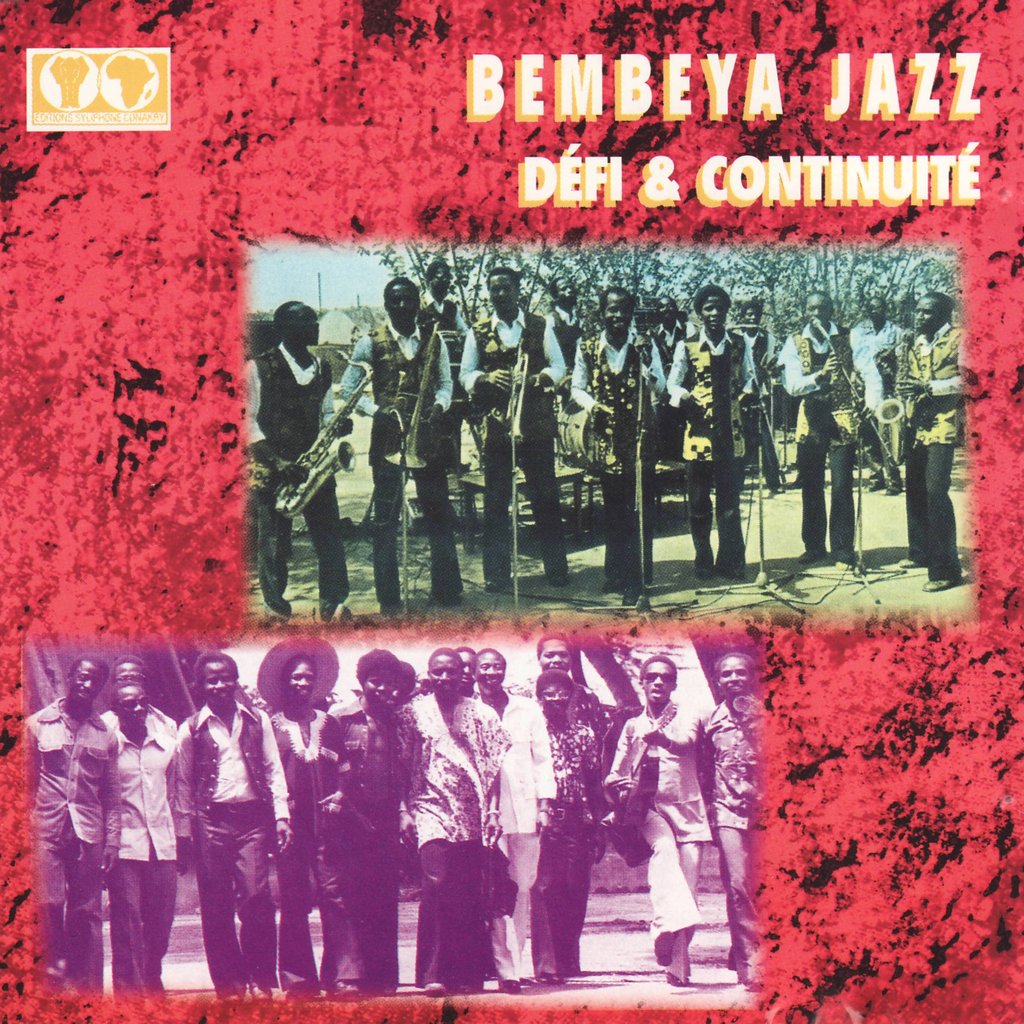
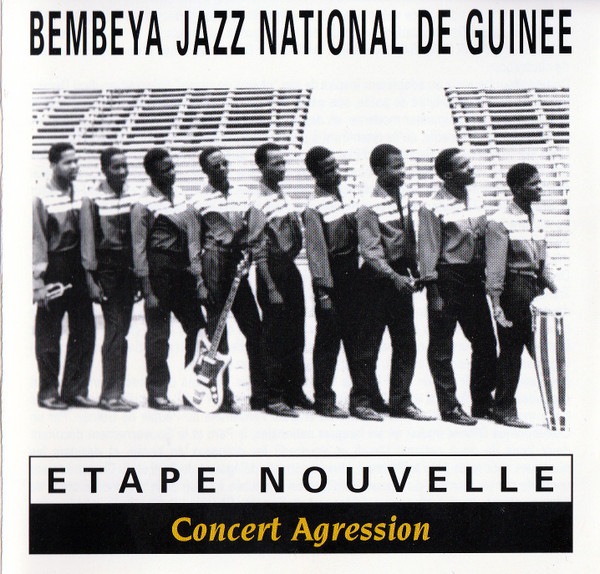
By 1962, the orchestra won first prize at the National Biennale of Arts. Its music, drawing from the Mandingo heritage and reinterpreting it with electric guitars and a powerful brass section, captivated Conakry’s elites. In 1966, President Sékou Touré decreed that the Orchestre de Beyla became Bembeya Jazz National. The group moved into the capital, where it faced, six evenings a week, friendly yet fierce competition: Balla and his Balladins, Keletigui and his Tambourinis, Horoya Band.
In 1963, the group added two major voices: Aboubacar Demba Camara and Salifou Kaba. The latter, with his high clear tenor, remained in the orchestra for decades. Demba Camara, who drew inspiration from Tabu Ley (Congolese rumba) and James Brown (rhythm and blues), imposed a charismatic style that made Bembeya Jazz a continental reference. Musician Graeme Counsel noted that “Demba had idols Abelardo Barroso for musica caliente, Tabu Ley for African varieties, and James Brown for rhythm and blues.”
Star and trial: resilience and rebirth
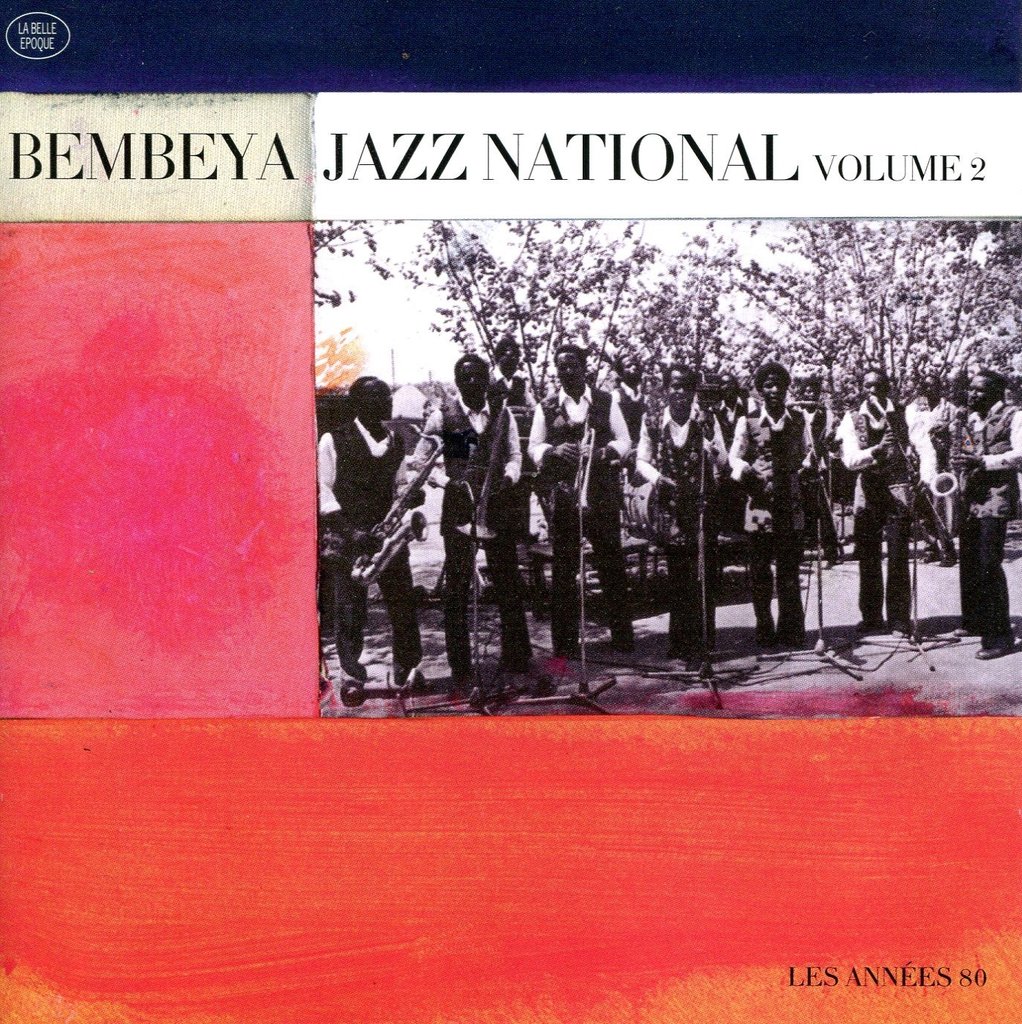
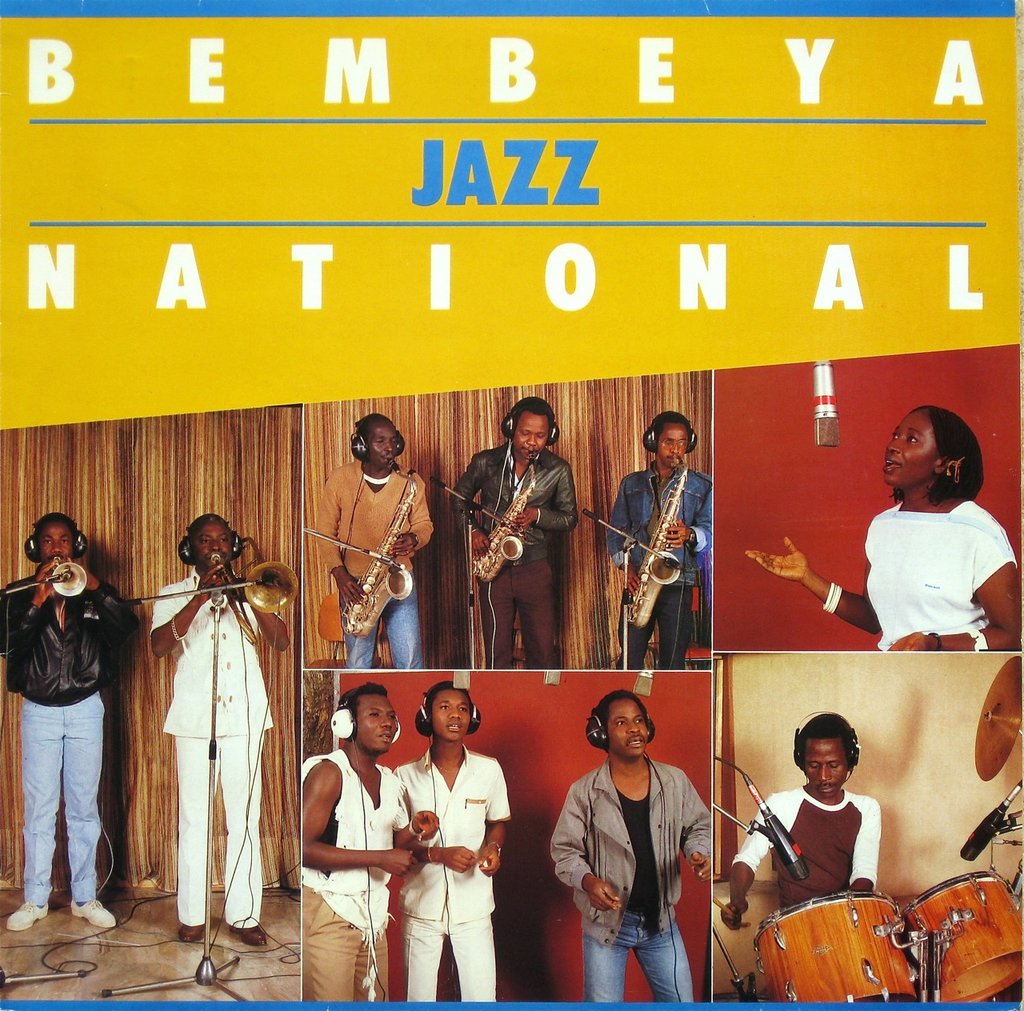
On April 5, 1973, a car accident in Dakar cost Demba Camara his life at the age of twenty-nine. Half a million people marched in white for his funeral. The group took the blow, published in 1974 the tribute album Mémoire de Aboubacar Demba Camara of rare poetic beauty, and Sekouba Bambino joined the formation to take up the vacant spot. Bembeya Jazz participated in the famous FESTAC 77 in Lagos and continued studio recordings until the mid-1980s.
The economic crisis of the 1980s dried up the nightlife life of Guinean orchestras. In 1991, the group disbanded. Sékou Diabaté recorded an acoustic solo album, Diamond Fingers, praised by Paul Montgomery of the Stern’s label as “a musician beyond the norm.” In 1998, recalled to Conakry, he reunited with his comrades: “The group wasn’t broken. There are high moments and low moments. We waited.”
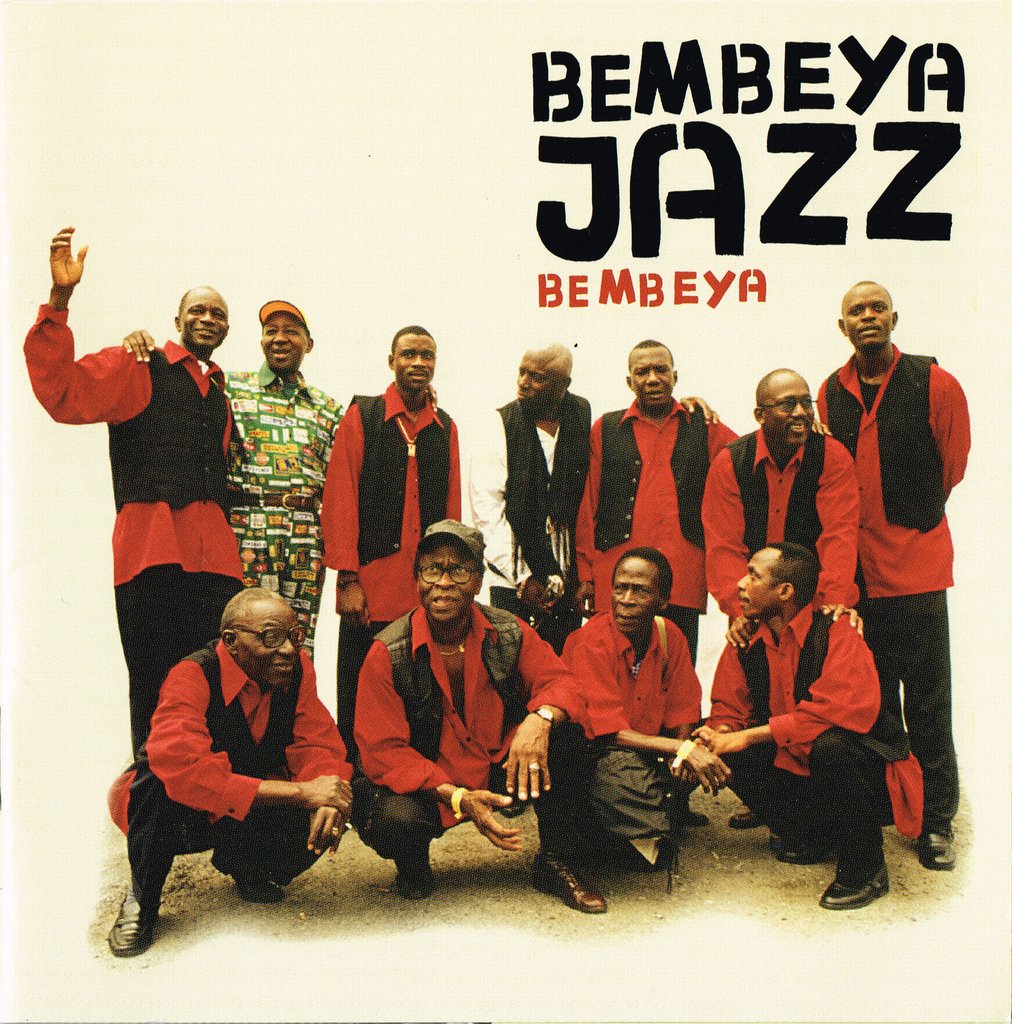
In 2002, at the “Musiques métisses” festival in Angoulême, Bembeya Jazz gave its first European concert in years and recorded a historic album. In 2011, it received the award for best African orchestra of the last 50 years at the Tamani d’Or in Bamako.
Key dates
| Year | Event |
|---|---|
| 1961 | Founded in Beyla under the name Orchestre de Beyla |
| 1962 | First prize at the National Biennale of Arts |
| 1966 | Named official national orchestra; installation in Conakry |
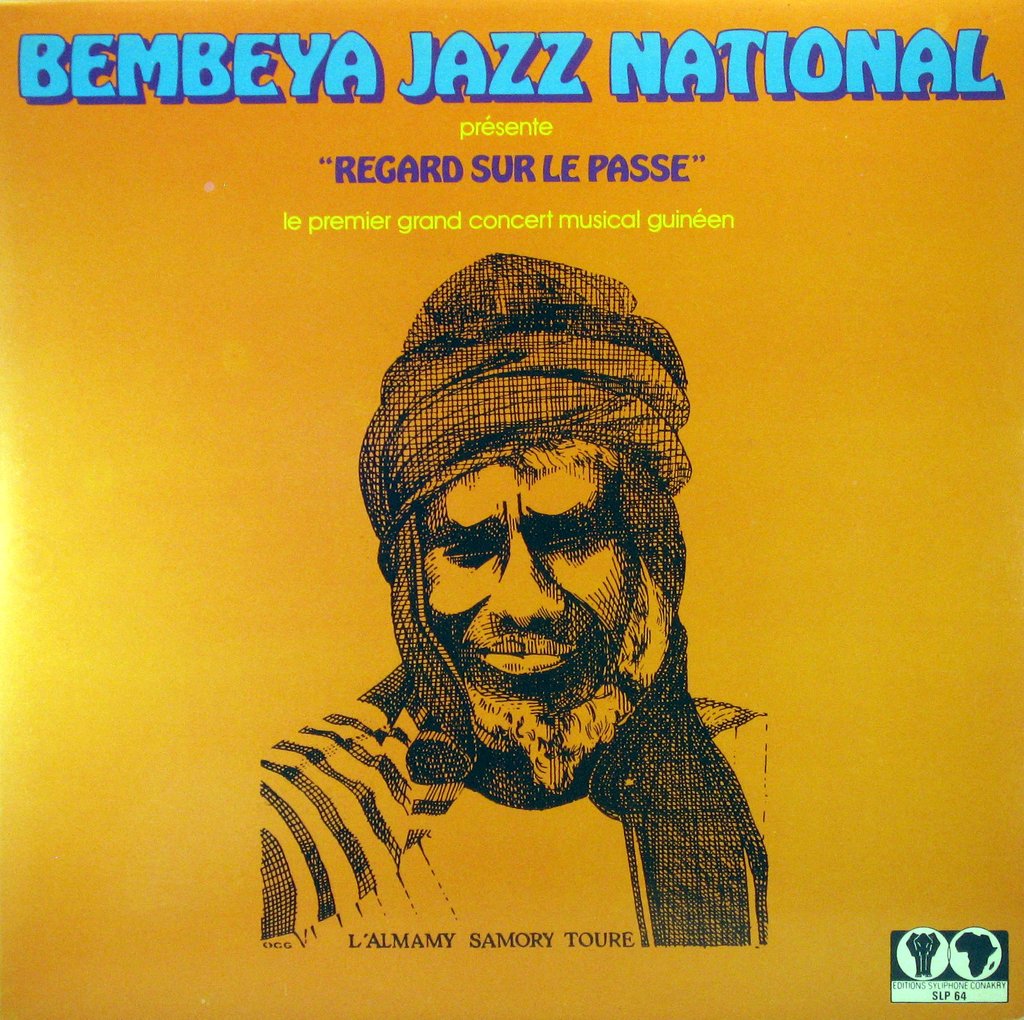
| 1968 | Release of Regard sur le passé, tribute to Almamy Samory Touré |
| Apr 5, 1973 | Death of Aboubacar Demba Camara in Dakar |
| 1974 | Tribute album Mémoire de Aboubacar Demba Camara |
| 1977 | FESTAC 77 in Lagos (Nigeria) |
| 2002 | Resumption of activity; recording in Angoulême |
| 2011 | Tamani d’Or “last 50 years” in Bamako |
Major works
| Work | Year | Why it’s essential |
|---|---|---|
| Regard sur le passé | 1968 | Musical tribute to Almamy Samory Touré, founder of the Mandingo kingdom |
| “République Guinée” (single) | 1969 | Emblematic patriotic hymn of independence |
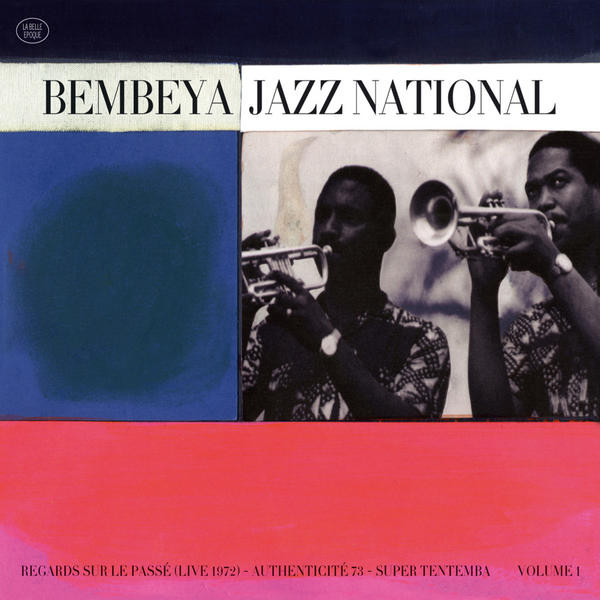
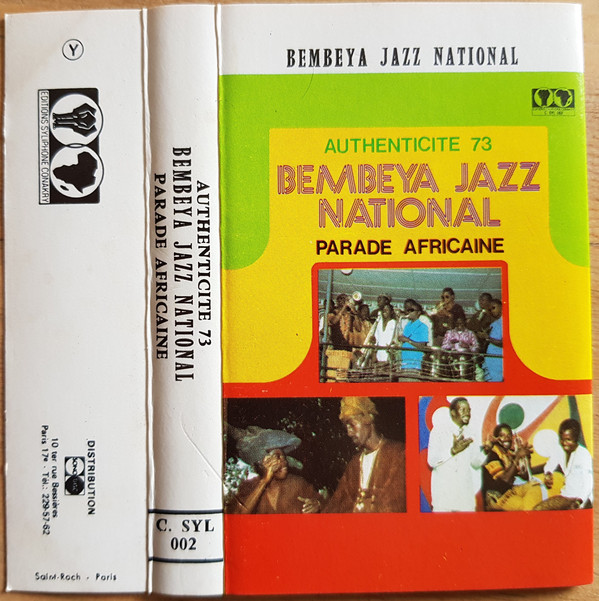
| Authenticité 73 | 1973 | Last album before Demba Camara’s death; musical culmination |
| Mémoire de Aboubacar Demba Camara | 1974 | Tribute album; the group transforms grief into celebration |
Legacy and influence
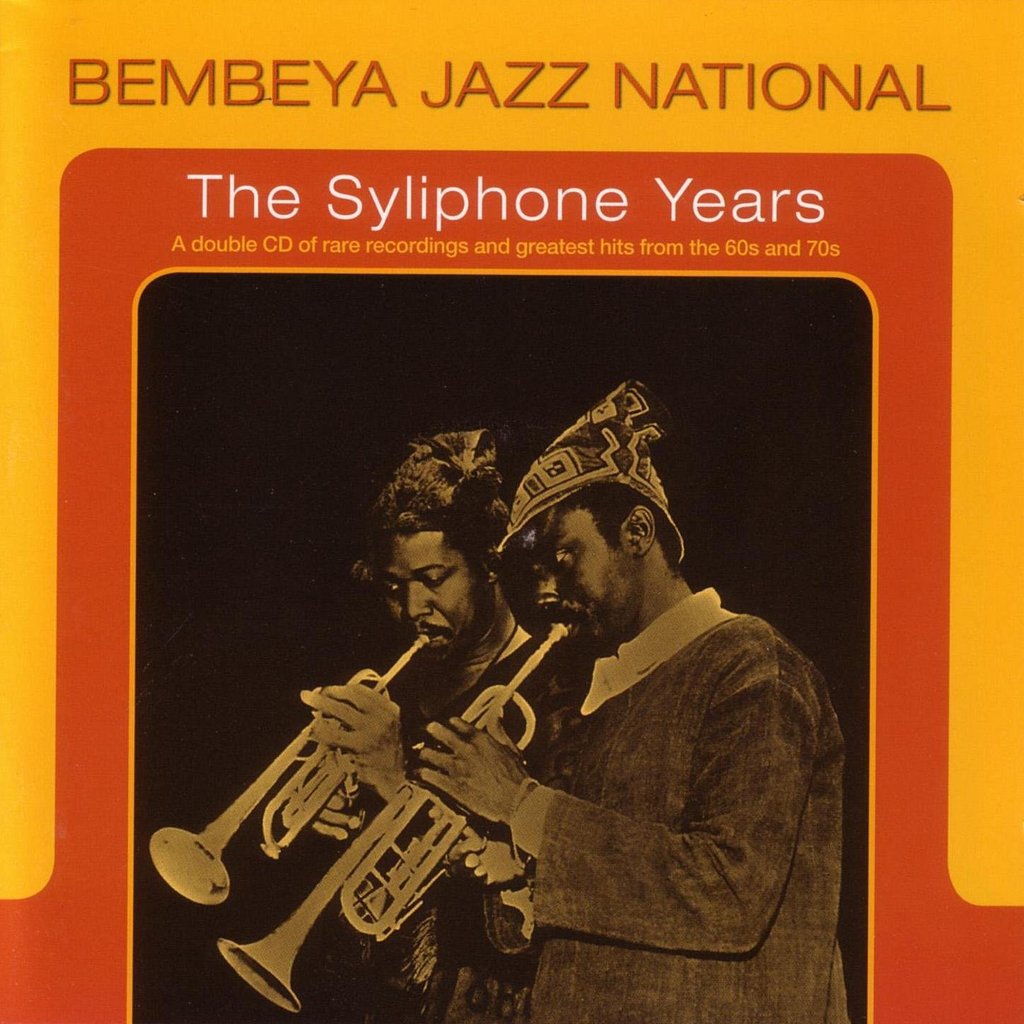
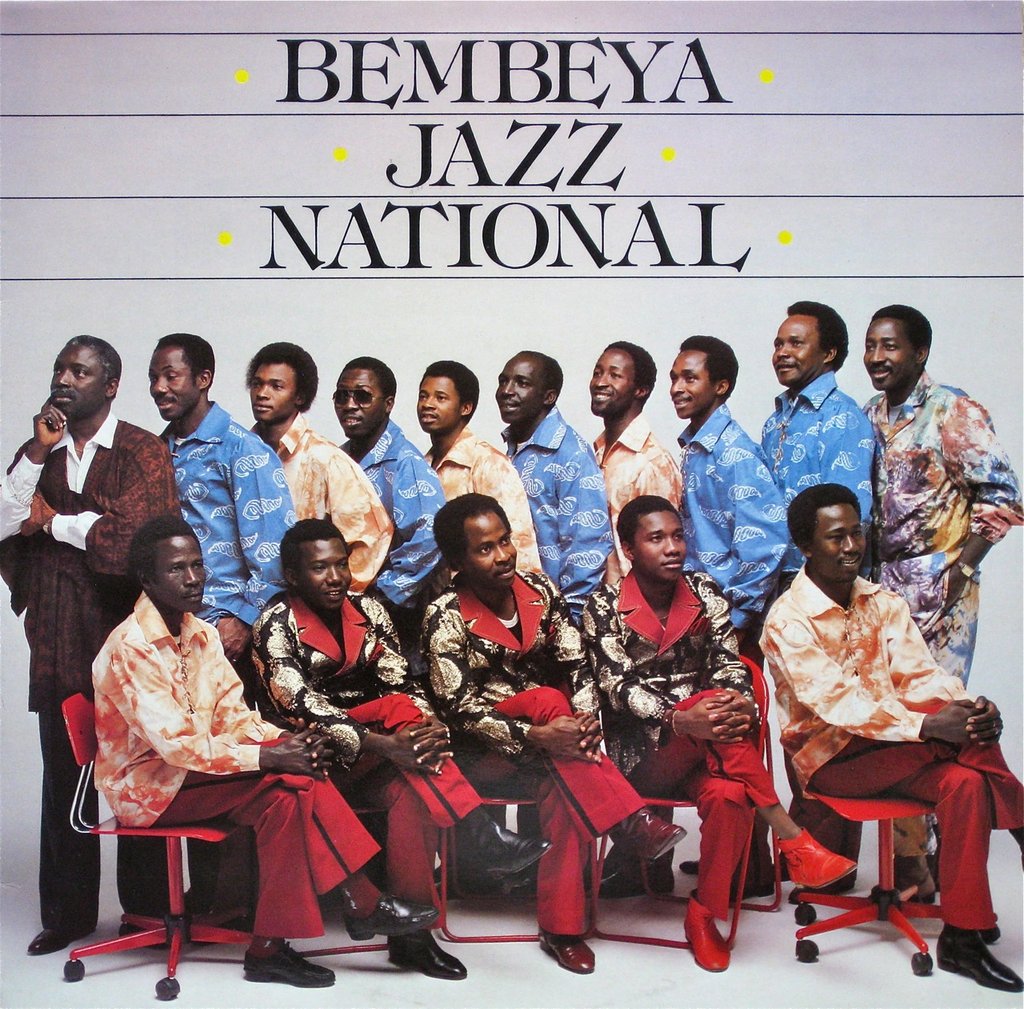
Bembeya Jazz National is today recognized as one of the great post-independence African dance formations. Its formula—Mandingo tradition, Latin brass, electric guitars, and singing in local languages—has inspired generations of Guinean and West African artists. The reissues by the Stern’s label, compiled by musicologist Graeme Counsel, introduced his Syliphone recordings to a global audience.
Sources and references
-
“1974, le Bembeya Jazz national [1/5]”, RFI, https://www.rfi.fr/fr/musique/20240807-1974-le-bembeya-jazz-national-1-5, accessed October 19, 2026.
-
“Bembeya Jazz National”, AllMusic, https://www.allmusic.com/artist/bembeya-jazz-national-mn0000789560, accessed October 19, 2026.
-
“Bembeya Jazz National”, All About Jazz, https://www.allaboutjazz.com/musicians/bembeya-jazz-national, accessed October 19, 2026.
-
“Bembeya Jazz”, Wikipedia, https://fr.wikipedia.org/wiki/Bembeya_Jazz, accessed October 19, 2026.
-
“Bembeya Jazz”, Guinea Embassy in France, https://fr.ambaguinee.org/?page_id=6002, accessed October 19, 2026.
-
« The Story of Bembeya Jazz », Afropop Worldwide, https://www.afropop.org/audio-programs/the-story-of-bembeya-jazz, accessed on 19 October 2026.
-
Justin Morel Junior and Souleymane Keita, Bembeya Jazz National, L’Harmattan Guinée, 2011.