Biography
Ben Decca
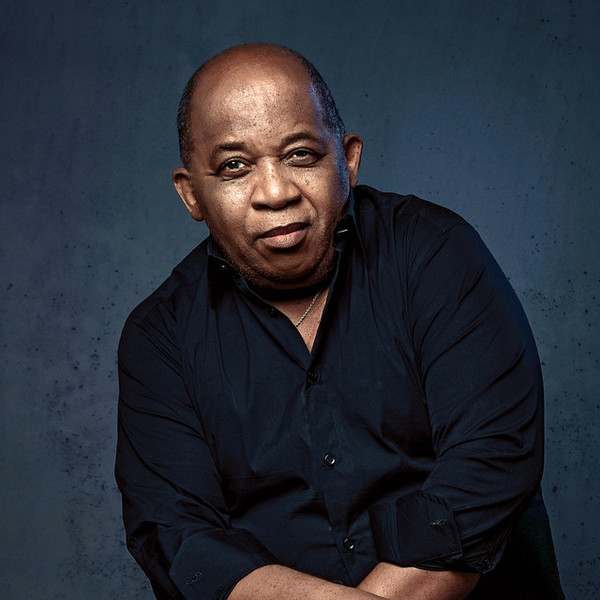
In November 2015, the Douala-Bercy hall vibrated with applause as a crowd gathered to celebrate three decades of his career. Ben Decca, affectionately nicknamed “Papa Ben” by his fans, performed alongside his sister Grâce Decca and emerging young talents. Three years later, he was awarded the title of Knight of the Order of Valour by the Minister of Culture. On May 4, 2025, he took a new historic step: the artist who democratized makossa worldwide performed at the Olympia in Paris, celebrating more than forty years of music on the mythical stage that hosted Édith Piaf and Manu Dibango.
In Brief
| Full name | Mouangue Eyoum Victor, known as Ben Decca |
| Birth | February 23, 1958, Douala (French Cameroon) |
| Field | Musician, singer, composer — makossa, world music |
| Iconic works | “Ye Te Na Oa”, “Amour à sens unique”, “Makossa Phoenix” |
| Honors | Knight of the Order of Valour (2015) |
Key Dates
| Year | Event |
|---|---|
| 1958 | Born in Douala, Deido district, son of Eyoum Mouangue James Decca and Bella Mouangue Maximine |
| 1975–1978 | Studied automotive mechanics in France, where he discovered music |
| 1980–1982 | Musical debut thanks to his cousin Joe Mboule, label Tempo Records; first album Nyong’a Mulema and success of “Ye Te Na Oa” |
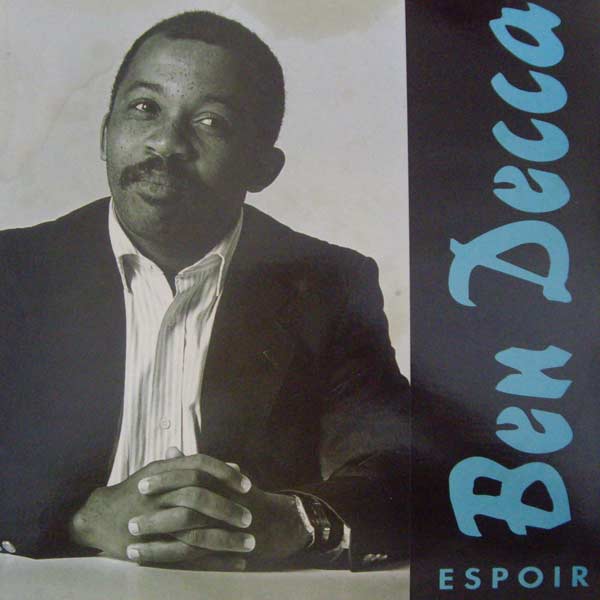
| 1985–1988 | Prosperous period: Yetena Oa, Espoir and Amour à sens unique |
| 1989 | Duet Bwanga Bwan with his sister Grâce Decca, launched as a backing vocalist |
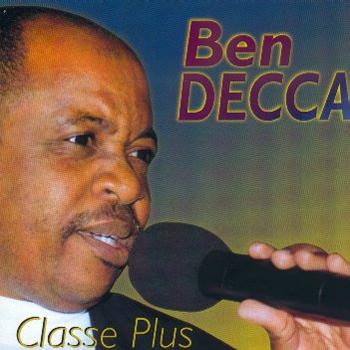
| 1995–2002 | Prolific period: Dimbambe, Classe Plus, Tourbillon and Saphir |
| 2015 | 30 years of career celebrated in Douala and Yaoundé; appointed Knight of the Order of Valour |
| 2017 | Release of the twenty-fifth album, Électron Libre |
| May 4, 2025 | Historic concert at the Olympia in Paris to celebrate more than forty years of career |
An automotive expert who stumbled into music by accident
Ben Decca was born in 1958 in Douala, the Deido district, into a family of eleven children, including three boys and eight girls. Two of his younger sisters, Grâce Decca and Dora Decca, would also become figures in makossa. His sister Grâce is the one he most often accompanied on stage during his youth, before launching her solo career by inviting her as a backing vocalist.
His family is deeply Christian and patriarchal. His father, Eyoum Mouangue James Decca, imposed rigorous discipline to instill values he would defend throughout his life. Very reserved, he developed a close bond with his pragmatic and strict father at fifteen, who instilled in him values for which he remains a fervent defender. He obtained his CAP before leaving for France, where he pursued studies in automotive mechanics and earned an expert diploma. He practiced this profession for a few years before fully transitioning into music.
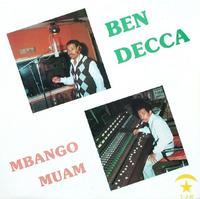
It was in France, while continuing his studies, that a fortuitous encounter launched him into a career he had not planned. A friend heard him singing and offered to record him. His father, he says, “would be furious” if he learned that a student was neglecting his studies for music. His friend found a solution: “We won’t put your photo on the record sleeve,” he promised. Deal struck, the first 33 rpm record was released at the end of 1981 without his face. The promise didn’t hold—“lightning struck, as expected,” he notes with humor—and his father took the matter very badly. “In time, eventually, he accepted.”
Twenty-five years of makossa and love
This first album laid the foundations for an exceptional career. Ben Decca’s cousin, Joe Mboule—a figure in Cameroonian music—initiated him and placed him on his Tempo Records label. It was also Joe Mboule who introduced him to the influences that shaped his style: Eboa Lotin, Ekambi Brillant and François Misse Ngoh.
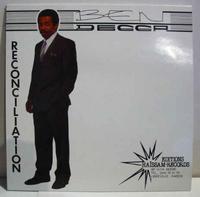
Ben Decca sings essentially about love, in French and in Duala, with a voice so gentle that it becomes his signature. “Makossa is a music of the terroir that transmits love,” he confesses. His compositions, most often written in Duala with a few French words, evoke tenderness and human relationships. Between 1981 and 2015, he released twenty-four albums on various Cameroonian labels. He enjoyed regular successes with Yetena Oa, Espoir, Amour à sens unique and Réconciliation. His trusted musicians—Rigo Star Bamundele, Maurice Njoume, Etienne Mbappé and Guy Nsangue—revolved around his recordings.
In 2015, his concerts in Douala and Yaoundé brought together not only his sisters Grâce and Dora but also young artists like Kaïsa Pakito. He was appointed Knight of the Order of Valour by Minister Narcisse Mouelle Kombi. Deido, his native district which he describes as “Douala’s last village,” remains an unshakable landmark for him: he returns there several months each year.
Major Works
| Work | Year | Why it’s essential |
|---|---|---|
| “Ye Te Na Oa” | 1982 | First hit, the track that made Ben Decca known in Cameroon and France |
| Yetena Oa | 1985 | First true commercial success, a title that became a reference in Cameroonian makossa |
| Amour à sens unique | 1988 | Pivotal album asserting his melancholic universe around love relationships |
| Dimbambe | 1988 | Featuring the best Cameroonian guitarists—Maurice Njoume, Alain Hatot on saxophone |
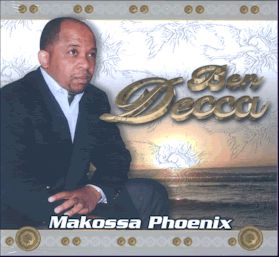
| Makossa Phoenix | 2006 | Tribute to the founders of makossa, with Etienne Mbappé and Guy Nsangue |
Heritage and influence
Ben Decca is one of the most constant voices in Cameroonian makossa. He democratized internationally the traditional rhythm of the Sawa peoples from the Cameroonian coast, contributing to the global prominence of a musical genre born in Douala in the 1960s. His one hundred and fifty composed tracks have accompanied several generations of African listeners and the diaspora.
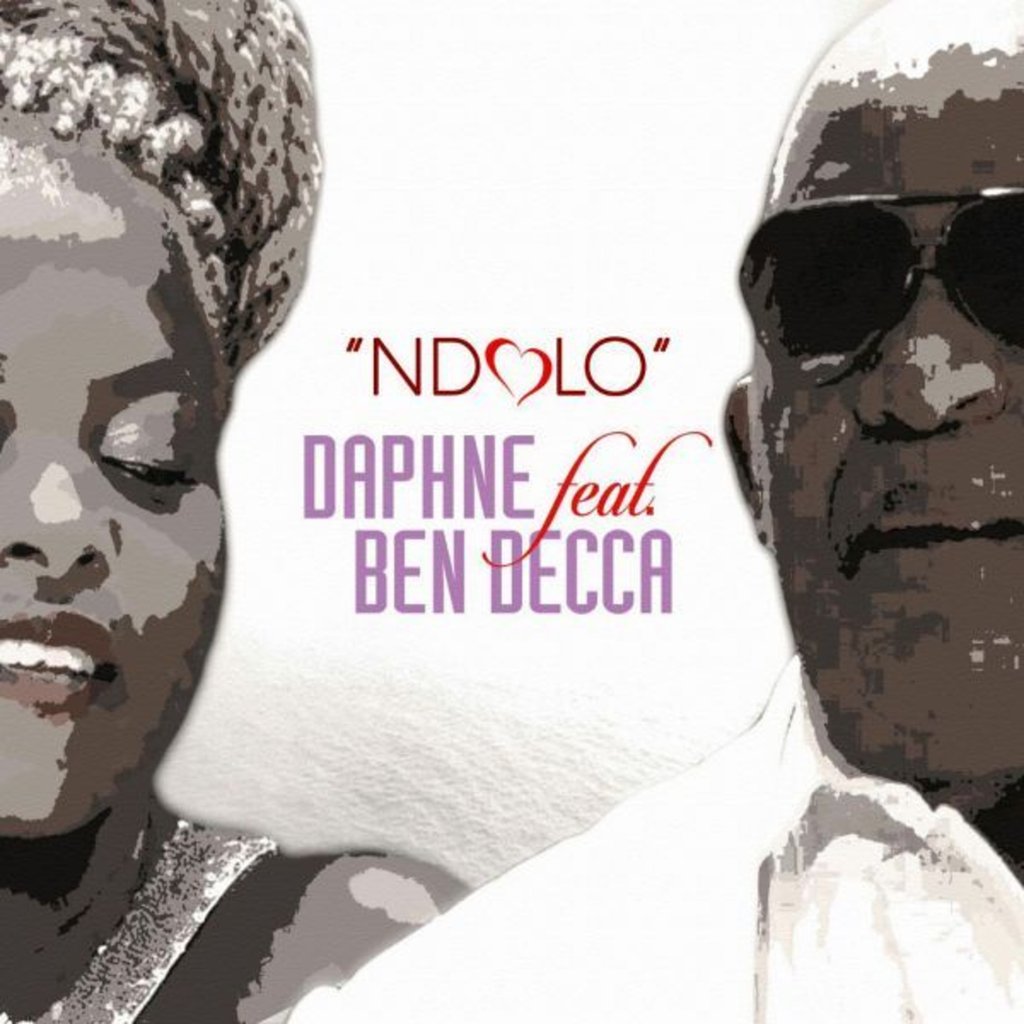
He also served as a bridge between the first generation of makossa and a new wave: by collaborating with younger artists such as Daphne at the Douala Hip Hop Festival, and by encouraging transmission with young people on stage during his birthday concerts, he paved the way for tomorrow’s Cameroonian singers.
His career also testifies to a less brilliant reality: censorship and piracy that affected many of his productions. He produced a political album censored by Cameroonian authorities. Despite these difficulties, he never ceased composing and continues to defend makossa as an inalienable cultural heritage.
Sources and references
- « Ben Decca », Wikipedia, https://fr.wikipedia.org/wiki/Ben_Decca, accessed November 18, 2026.
- Frank Bessem, « Ben Decca », Musiques d’Afrique, https://musiques-afrique.net/cameroon/art-decca-ben.html, accessed November 18, 2026.
- Fanny Pigeaud, « Ben Decca », RFI Musique, May 3, 2006, https://musique.rfi.fr/musique/20060503-ben-decca.html.
- « Cameroon: Music Legends Ben Decca, Eduke Collaborate On New Single Belembete », AllAfrica, June 5, 2020, https://allafrica.com/stories/202006050428.html.
- « Ben Decca — Biography », Afro Video, https://www.afro.video/en/artist/ben-decca/.
- « Ben Decca: biography and key facts », CamerAttitude, https://camerattitude.com/en/famous-cameroonians/ben-decca.
- « Ben Decca », Paris Olympia, https://olympiahall.com/en/upcoming-events/ben-decca, accessed November 18, 2026.
- « Makossa Legend Ben Decca to Celebrate 40 Years of Music at Paris Olympia in May 2025 », QNC News, https://qncnews.com/2025/07/26/makossa-legend-ben-decca-to-celebrate-40-years-of-music-at-paris-olympia-in-may-2025.