Biography
Big Youth
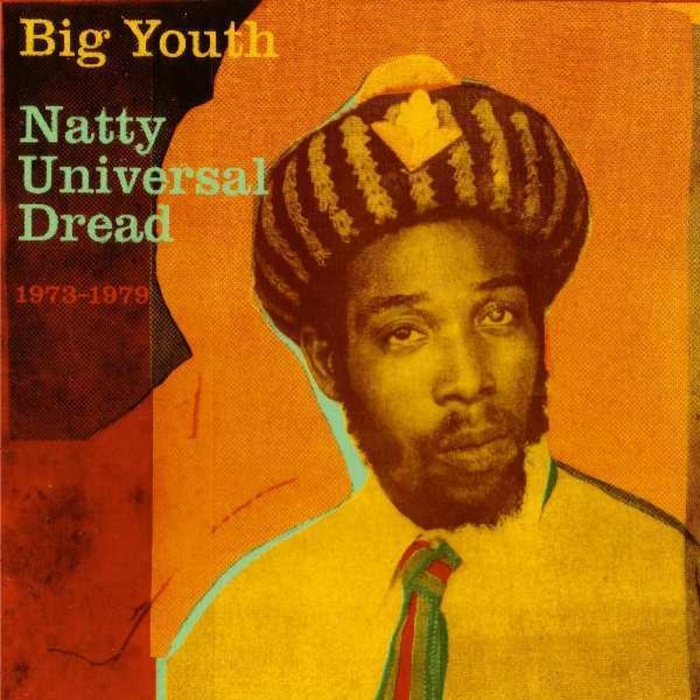
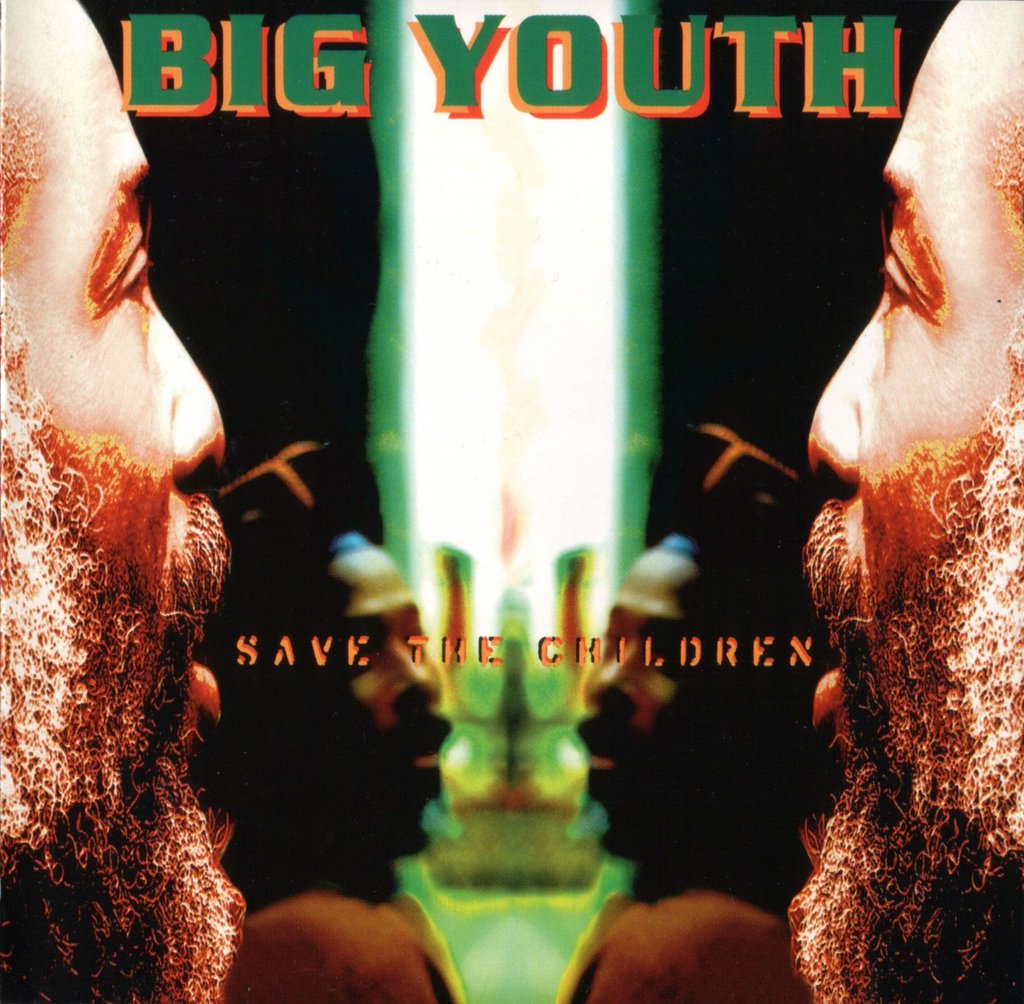
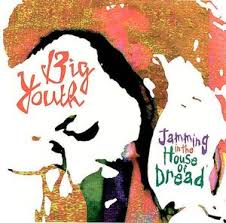
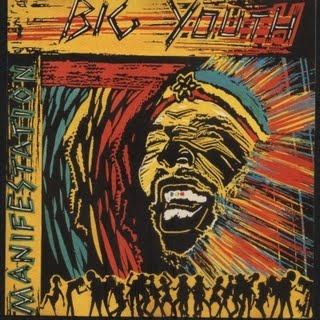
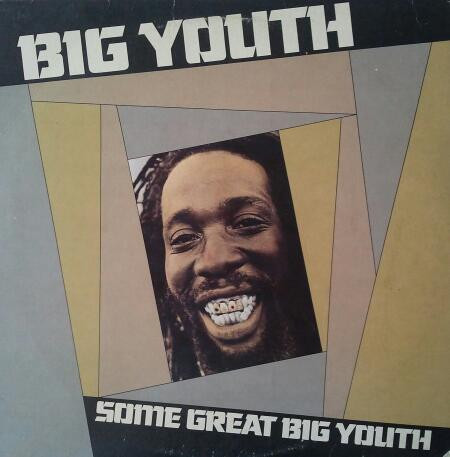
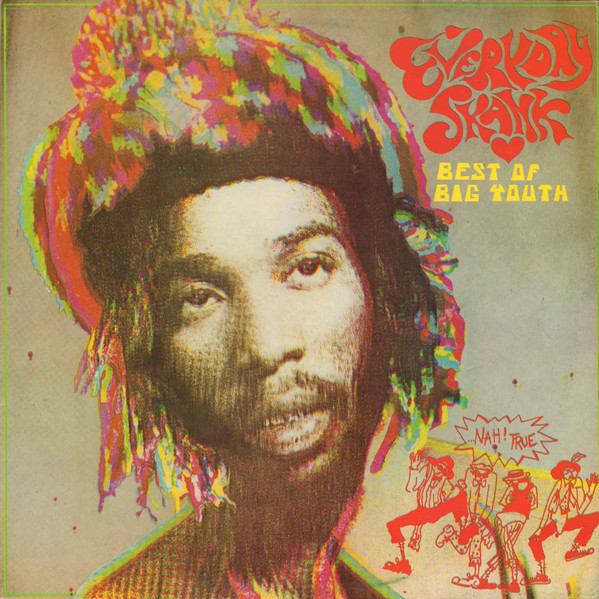
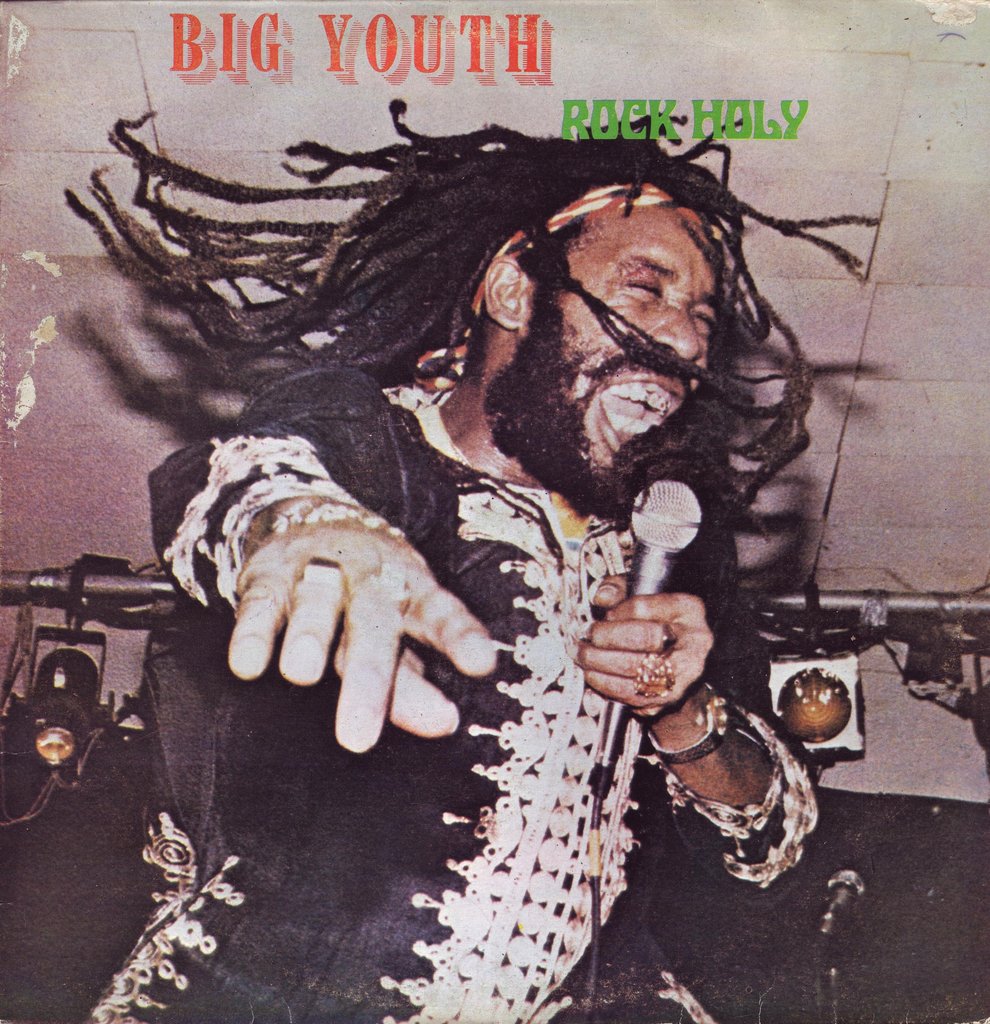
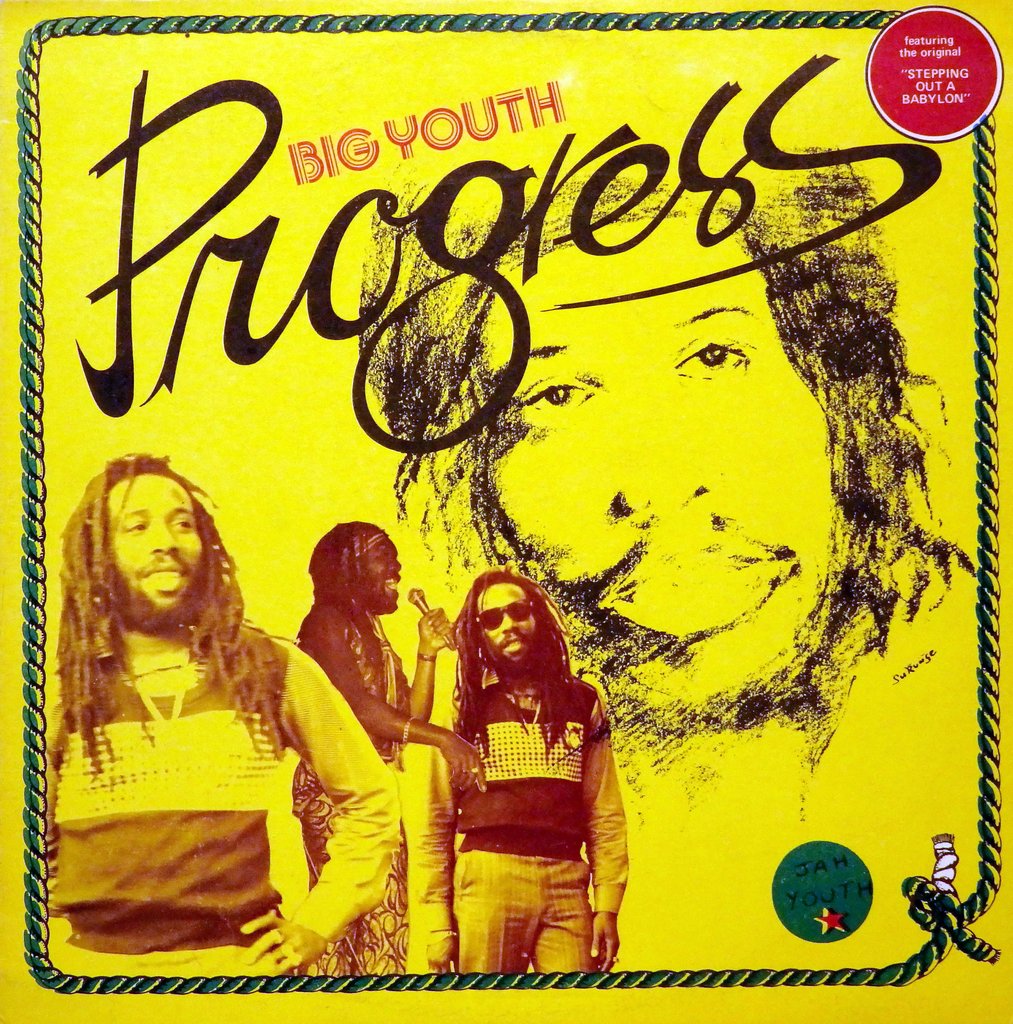
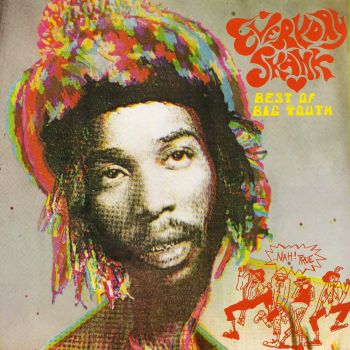
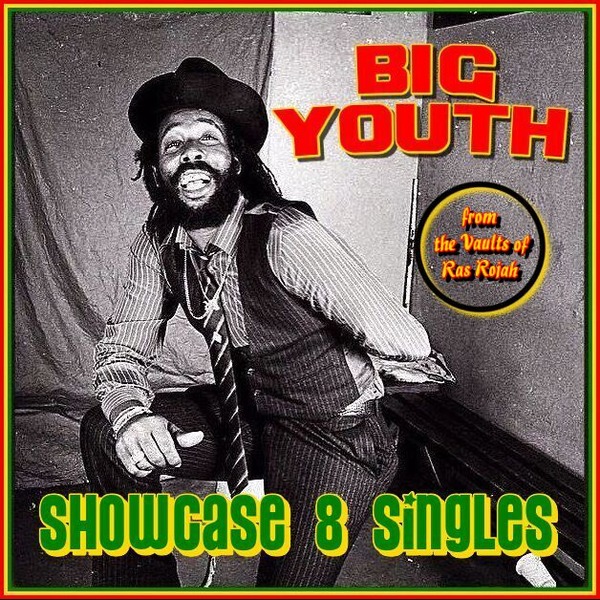
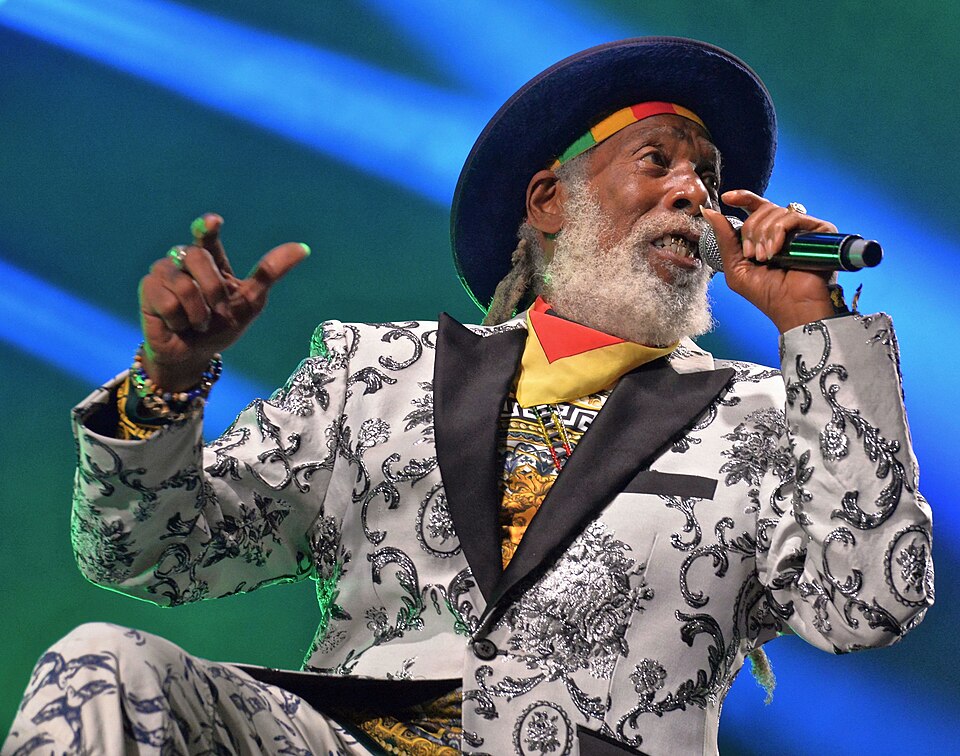
A voice rolling like a river, between song and prayer: Big Youth transforms toasting into spiritual message. On the riddims of Kingston in the 1970s, Manley Augustus Buchanan preaches Rastafari consciousness with teeth inlaid with the colors of Ethiopia.
In Brief
| Full Name | Manley Augustus Buchanan |
| Birth | April 19, 1949, Trenchtown, Kingston (Jamaica) |
| Genre | Reggae; DJ/Toasting, roots reggae, dub |
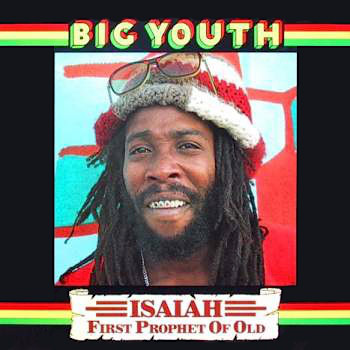
| Notable Works | “S-90 Skank”, Screaming Target, Isaiah First Prophet of Old |
| Nickname | Jah Youth |
Key Dates
| Year | Event |
|---|---|
| 1949 | Birth in Trenchtown, Kingston |
| ~1970 | Debut on Lord Tippertone sound system; first recordings |
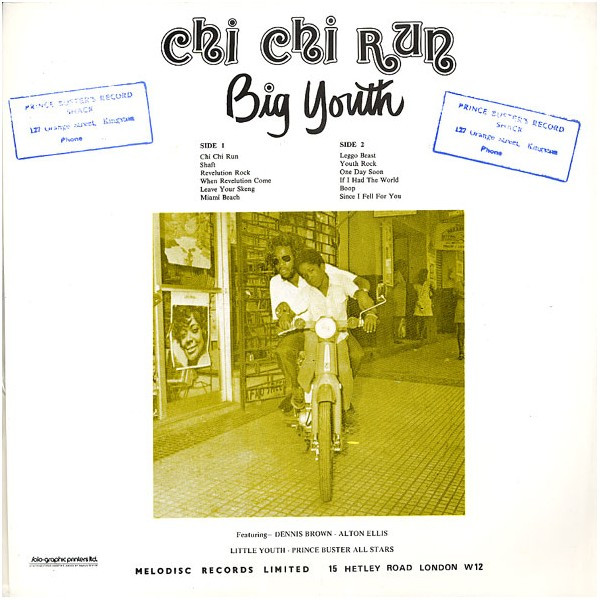
| 1972 | First major success with “The Killer”; Prince Buster’s Chi Chi Run |
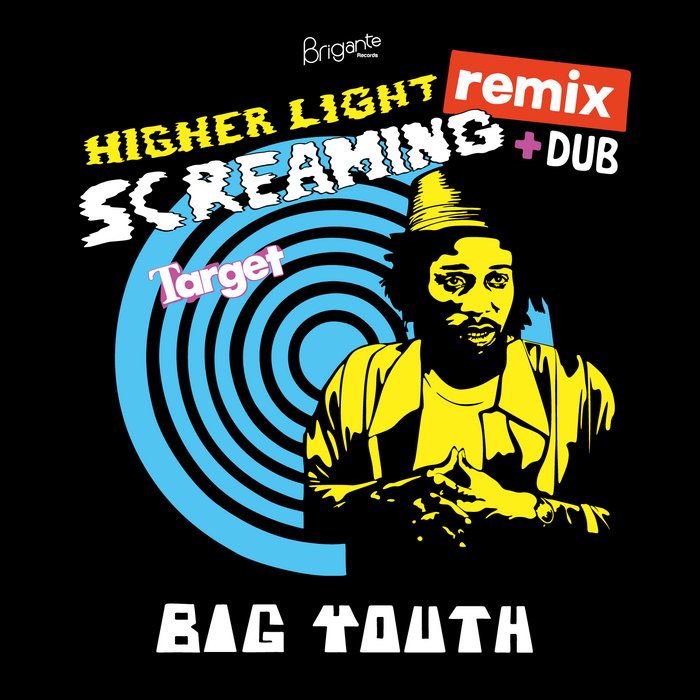
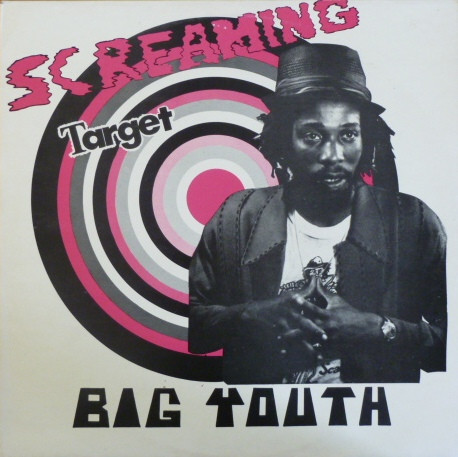
| 1973 | First solo album, Screaming Target, a genre classic |
| 1973-78 | Peak: self-production, major albums, Virgin/Frontline signing, film Rockers |
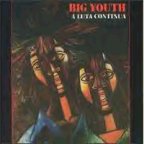
| 1985 | A Luta Continua, album with jazz accents |
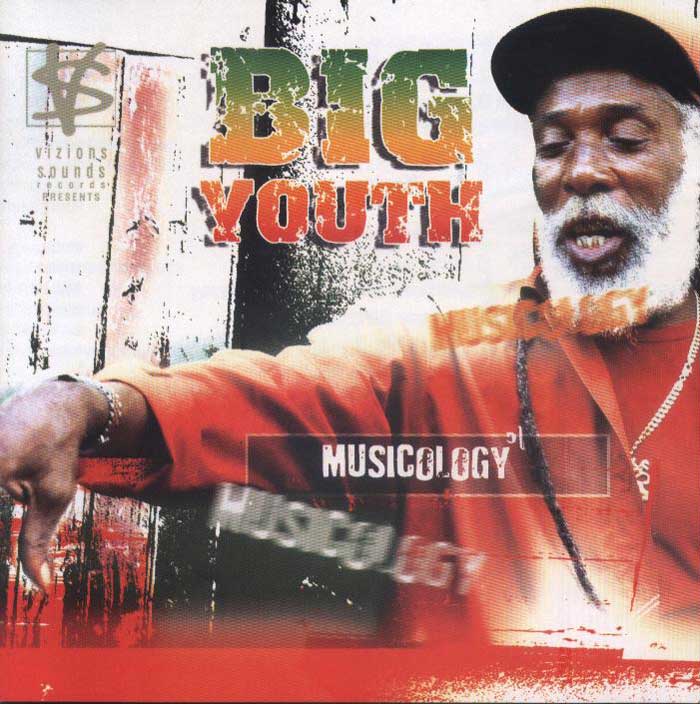
| 2005 | Release of Musicology; status as respected veteran |
| 2021 | Beyond the Blue, collaboration at seventy-two with French producer Brain Damage |
Origins, Revelation and Consecration (1949-1978)
Manley Augustus Buchanan grew up in Kingston’s Trenchtown. His father was a policeman; his mother, a strict Christian preacher, raised him alone. He left school at thirteen and became a diesel mechanic. It was on the construction site of the Sheraton Hotel in Kingston that he earned his nickname: they called him Big Youth because he was younger and taller than the other workers.
During his work hours, Big Youth discovered a phenomenon that would shape his voice: echoes in the elevator shaft. Shouting into the void and listening to his own voice return, saturated with natural delay, he experimented with reverberations before the reggae studio invented these effects.
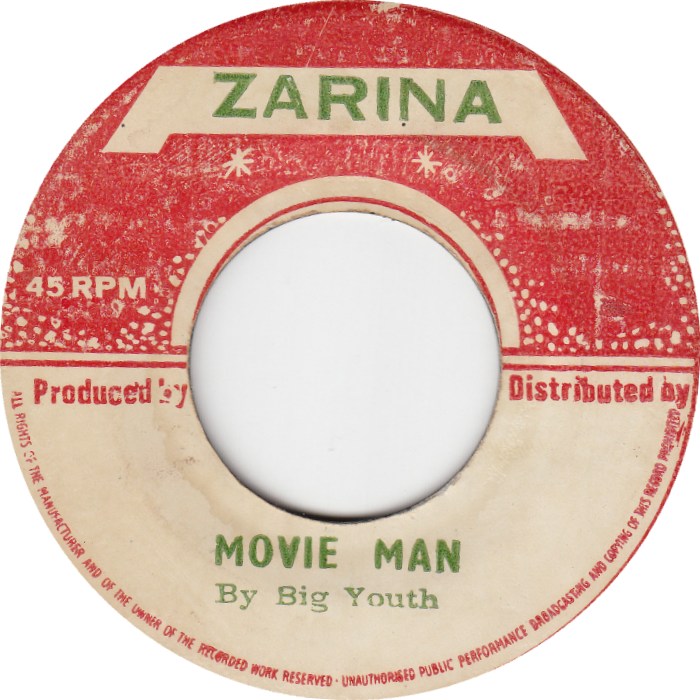
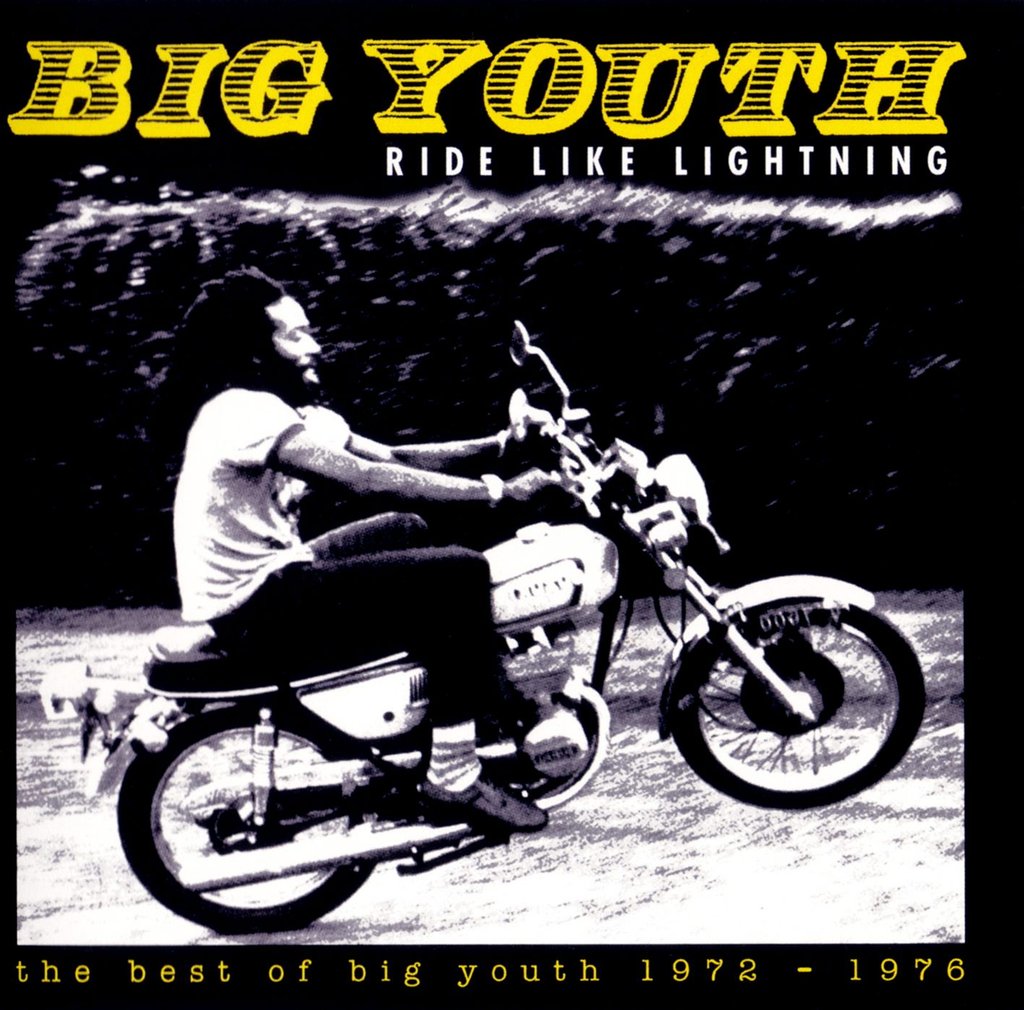
At the beginning of the 1970s, he became interested in toasting—this Jamaican practice where the deejay rides on instrumental versions of tracks—influenced by U-Roy, the pioneer of the genre. He became the resident deejay for the Lord Tippertone sound system around 1970. Kingston producers took notice. His first singles with Jimmy Radway, Lee “Scratch” Perry and Phil Pratt went unnoticed. Everything changed with Augustus “Gussie” Clarke, a teenage producer whose sound matched the pulsations of Kingston’s streets. In 1972, “The Killer” became his first true Jamaican hit. Then came the great feat: “S-90 Skank,” produced by Keith Hudson, includes a motorcycle engine noise recorded in the studio and reached number one in Jamaica, even appearing on a TV spot for the motorcycle that inspired it.
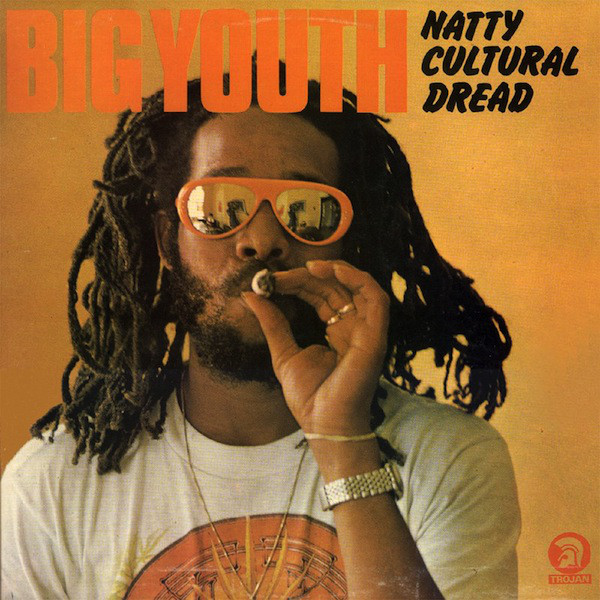
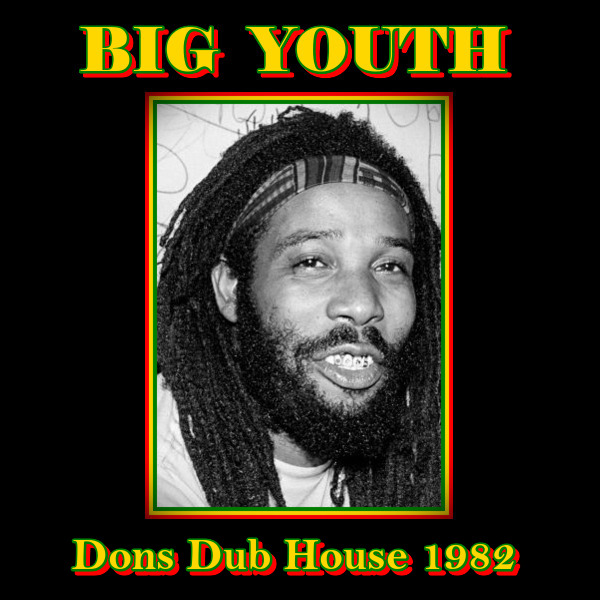
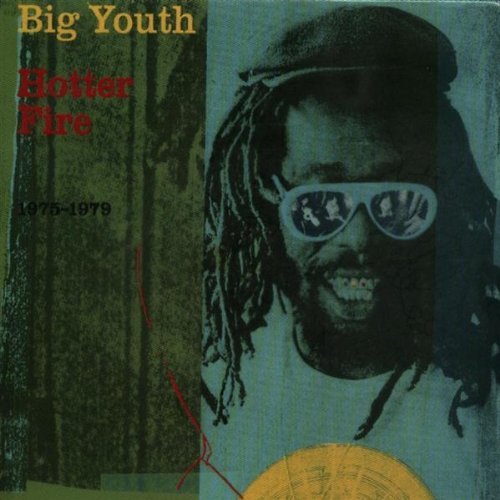
Big Youth put his mark on Prince Buster’s records: Chi Chi Run in 1972 is his first album. Musically, his half-sung, half-spoken style sets him apart from his contemporaries; visually, he is also exceptional with his teeth adorned with rubies and gold. In 1973, Screaming Target on Gussie Clarke became an absolute classic of roots toasting, based on riddims by Gregory Isaacs, Leroy Smart and Lloyd Parks. At one time, seven of his singles were simultaneously in the Jamaican charts.
It was in 1973 that he performed a political act: in a Jamaica where openly recognizable Rastafari musicians suffered discrimination, Big Youth revealed his dreadlocks before the public of Kingston’s Carib Theatre. Historian Lloyd Bradley saw in this the sign that Rastafari culture was gaining ground.
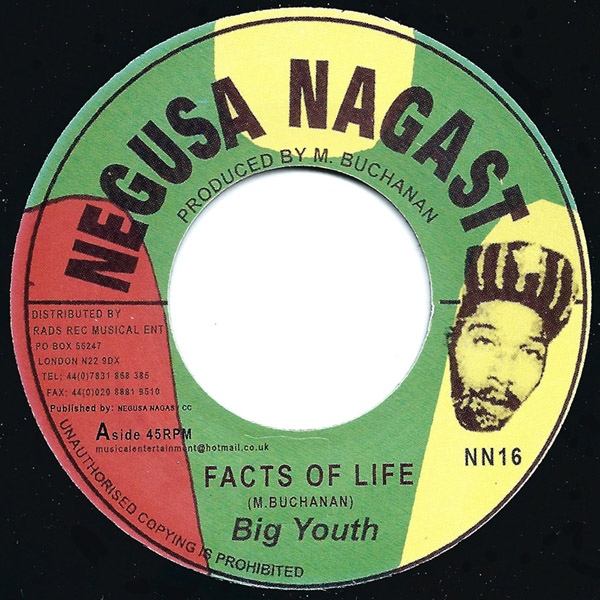
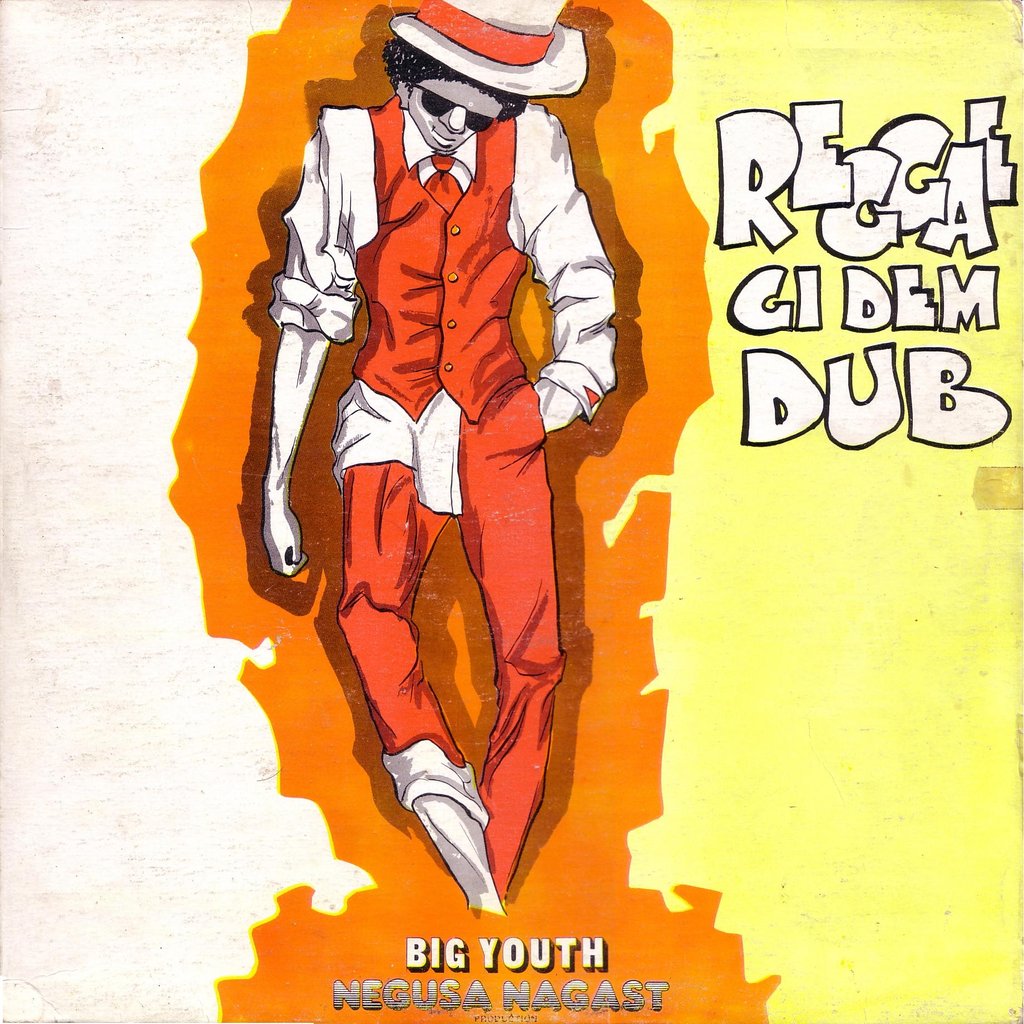
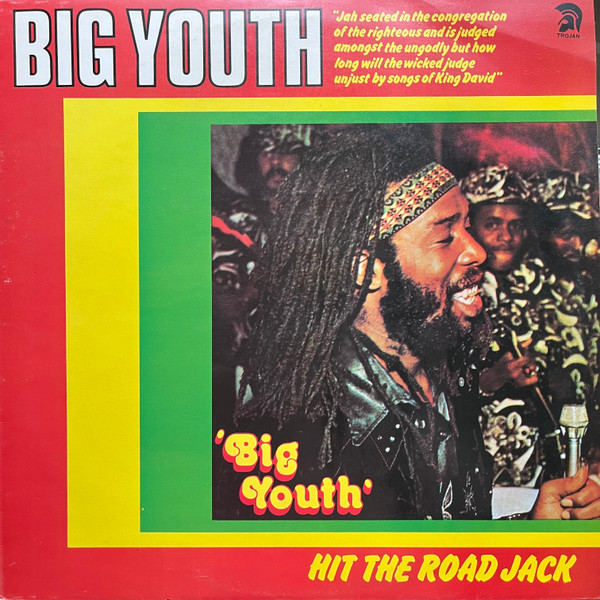
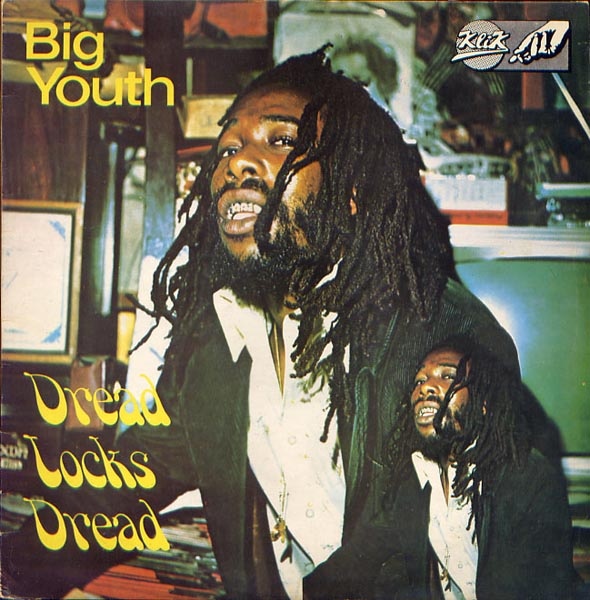
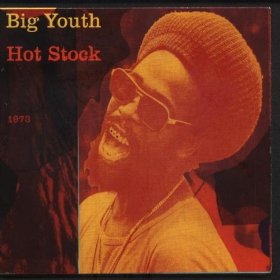
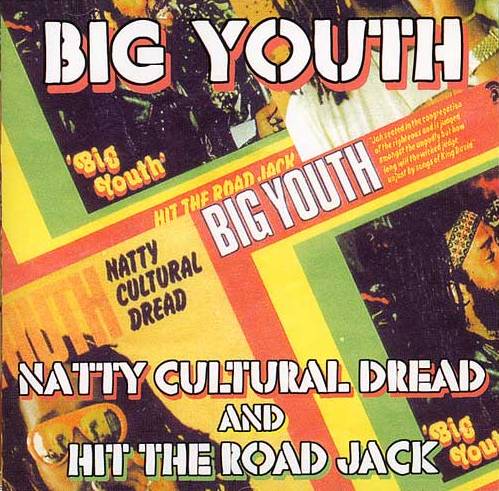
He began producing his own records on Negusa Nagast and Augustus Buchanan labels. The titles set the sound systems ablaze: “Hot Stock,” “Battle of the Giants” (with U-Roy). He recorded with all the golden generation: Glen Brown, The Abyssinians (“Dreader than Dread”), Yabby You (“Lightning Flash”), Bunny Wailer (“Black on Black”). Dreadlocks Dread (1975) confirmed his spiritual trajectory. Hit the Road Jack (1976) blends roots reggae and soul influences. In 1978, he signed with Virgin Records via the Frontline label and released Isaiah First Prophet of Old, an album with biblical themes. That same year, he appeared in the cult film Rockers.
Later Years and Legacy (1978-2021)
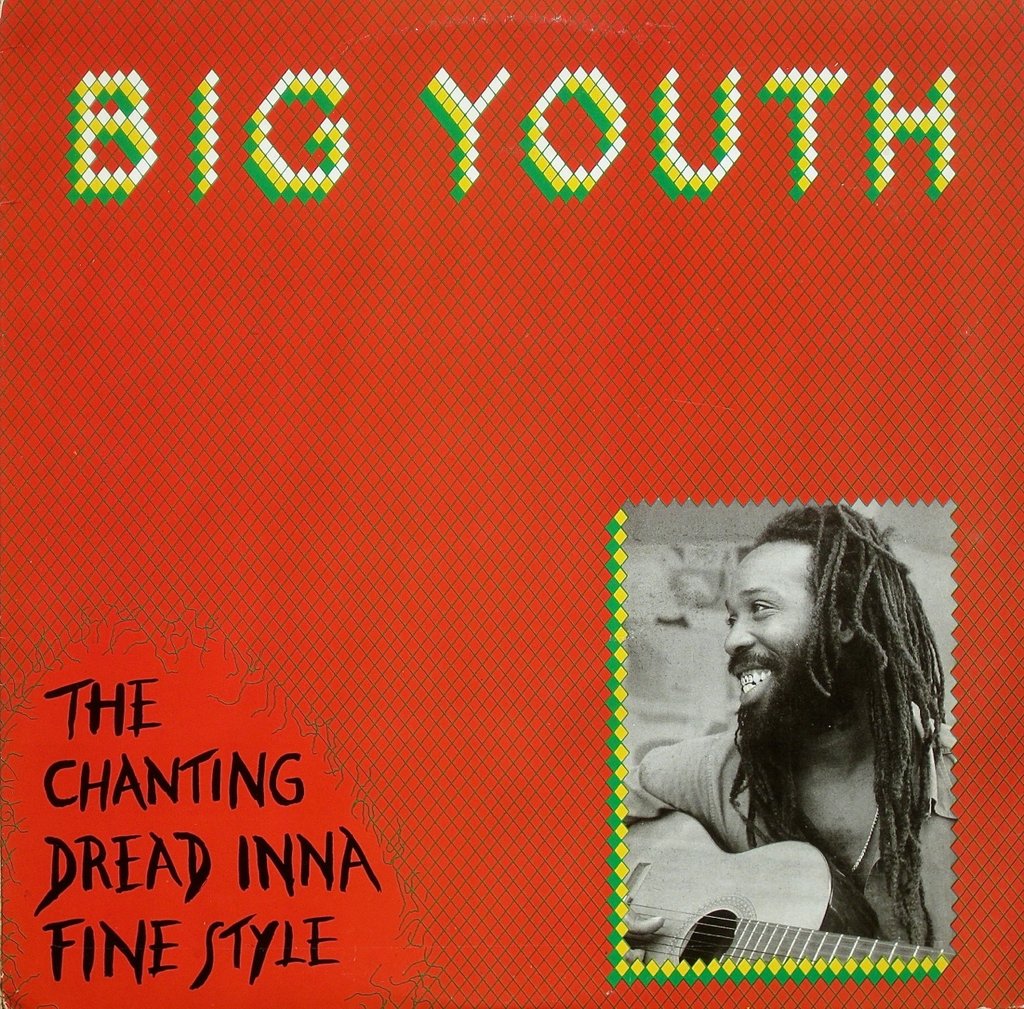
At the end of the 1970s, Virgin refused to publish his subsequent albums; the reggae market was receding. The early 1980s were difficult: violence intensified in Jamaica, labels abandoned him after Bob Marley’s death in 1981. Big Youth continued—“Jah Jah Golden Jubilee,” “Chanting”—but his style no longer matched teenage aspirations. A Luta Continua (1985) introduced jazz accents. Reissues of his catalog reinforced his stature as a tutelary figure. In 2005, Musicology marked his return.
In May 2021, at seventy-two years old, Big Youth released Beyond the Blue, a project with Brain Damage and Samuel Clayton. The producers contracted COVID-19 in Jamaica; Clayton died before the album was completed, published ten months later.
His position on Rastafari is clear: “Rasta is not a religion. It’s natural. And I’m a natural person,” he confided to United Reggae. Big Youth is often cited as one of the first reggae artists to proclaim Rastafari faith in his lyrics. His style influenced Trinity, Clint Eastwood, Yellowman and played a foundational role in the development of American rap. Bob Marley himself reportedly declared him his favorite artist. After more than fifty years of activity, he remains a pillar of reggae toasting.
Major Works
| Work | Year | Why It’s Essential |
|---|---|---|
| Screaming Target | 1973 | Foundational album for toasting roots; riddims by Gregory Isaacs, Leroy Smart, Lloyd Parks |
| “S-90 Skank” (single) | 1972 | First Jamaican #1; motorcycle sound recorded in studio, used in a Honda commercial |
| Dreadlocks Dread | 1975 | Rastafari culture at the forefront of reggae |
| Isaiah First Prophet of Old | 1978 | Biblical themes, Virgin Records signature sound |
| A Luta Continua | 1985 | Jazz turn, tribute to the struggle for liberation |
| Beyond the Blue | 2021 | Return at age seventy-two with Brain Damage |
Legacy and Influence
Big Youth is often cited as one of the first reggae artists to proclaim Rastafari faith in his lyrics, not just as an appearance. His style influenced Trinity, Clint Eastwood, Yellowman and played a foundational role in the development of American rap. Bob Marley himself reportedly declared him his favorite artist. After more than fifty years of activity, he remains a pillar of reggae toasting.
Sources and References
- “Big Youth”, Wikipedia in English, https://en.wikipedia.org/wiki/Big_Youth, accessed November 21, 2026.
- Fred Thomas, “Big Youth — Biography”, AllMusic, https://www.allmusic.com/artist/big-youth-mn0000762652, accessed November 21, 2026.
- “Big Youth: Biography of the 1970s Reggae Deejay & Rastafari Icon”, Enki’s Music Records, https://enkismusicrecords.com/big-youth-reggae-deejay-biography/, accessed November 21, 2026.
- “Big Youth - Biography, Discography & Albums”, Coda Music, https://codamusic.me/artists/big-youth/, accessed November 21, 2026.
- “Big Youth”, Jazzapedia, https://jazzapedia.com/artists/big-youth, accessed November 21, 2026.
- “Big Youth Biography”, United Reggae, https://unitedreggae.com/artists/b/big-youth,435/, accessed November 21, 2026.
- “Big Youth Had To Behave Like A Real Badman”, DancehallMag, https://www.dancehallmag.com/2021/05/05/news/big-youth-had-to-behave-like-a-real-badman-to-get-paid-by-producer-for-s-90-skank-hit.html, accessed November 21, 2026.