Biography
Bob Marley: the reggae voice that conquered the world
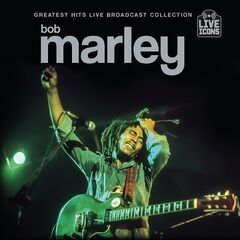
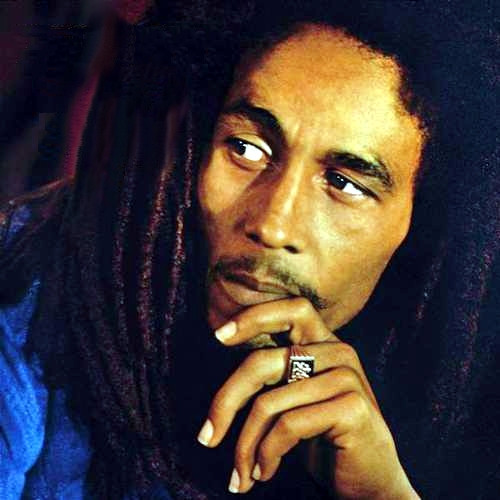
London, November 1976. Barely wounded by a stray bullet fired into his door, Bob Marley takes the stage at the Smile Jamaica concert. The crowd cheers him as a survivor—and for many, as a prophet. He would carry reggae to the four corners of the globe before cancer claimed him at 36.
In brief
| Full name | Robert Nesta Marley |
| Birth | 6 February 1945, Nine Mile, Saint Ann (Jamaica) |
| Death | 11 May 1981, Cedars of Lebanon hospital, Miami (Florida) |
| Field | Reggae — singer, guitarist, singer-songwriter |
| Signature works | Exodus, “No Woman, No Cry”, “Redemption Song” |
| Honours | Grammy Lifetime Achievement Award (2001), Rock and Roll Hall of Fame (1994) |
Key dates
| Year | Event |
|---|---|
| 1945 | Birth in Nine Mile, Jamaica; son of a white father (Norval Marley) and a black mother (Cedella Malcolm) |
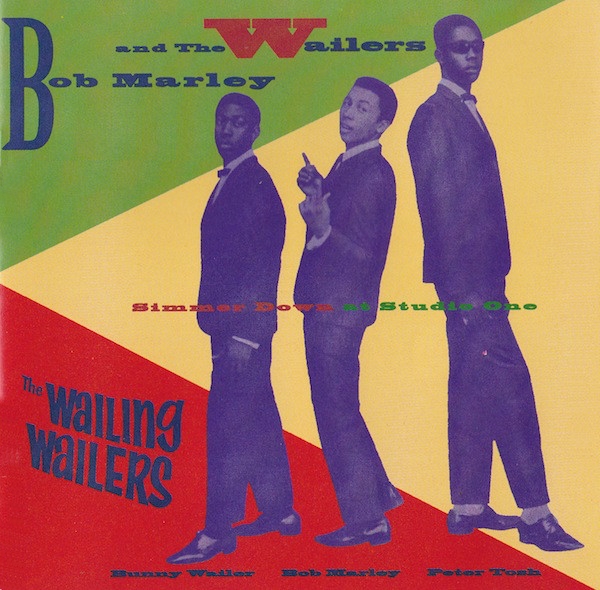
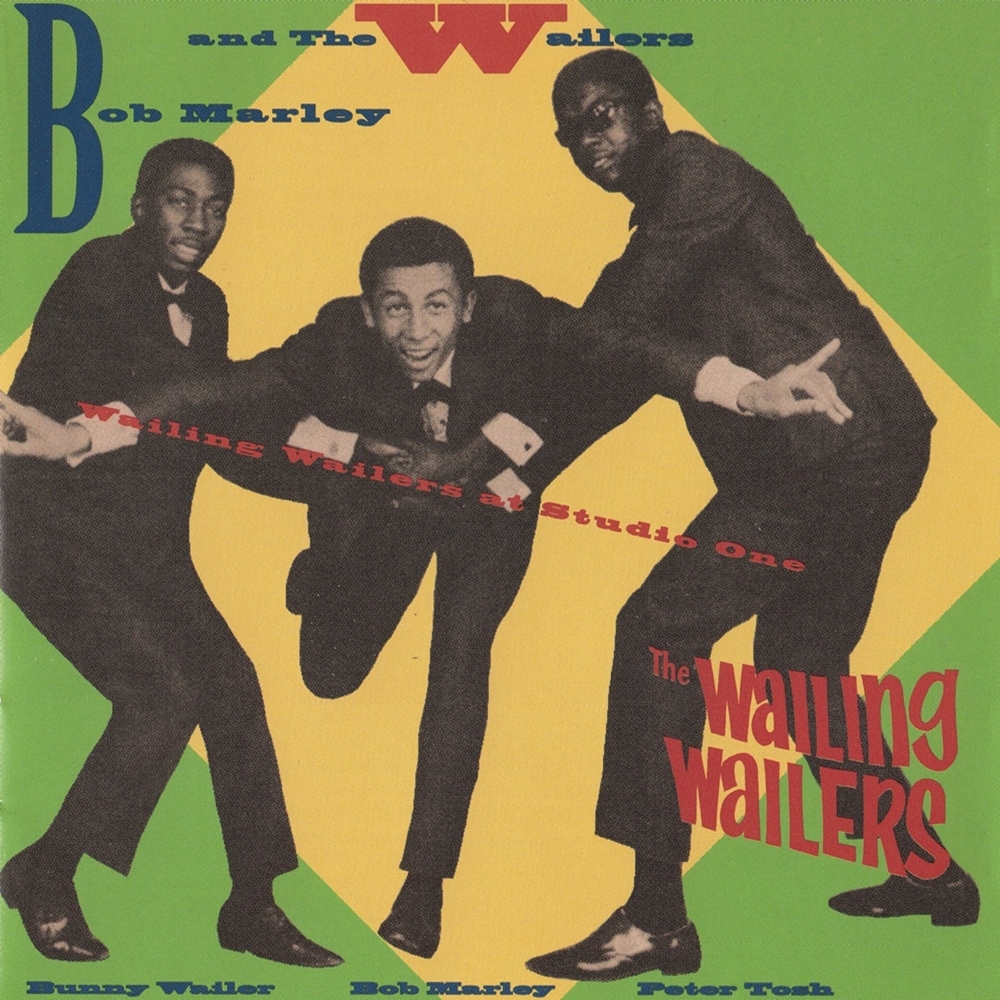
| 1963 | Formation of the Wailers with Peter Tosh and Bunny Wailer in Kingston |
| 1964 | “Simmer Down” reaches #1 in Jamaica; marries Rita Anderson on 10 February |
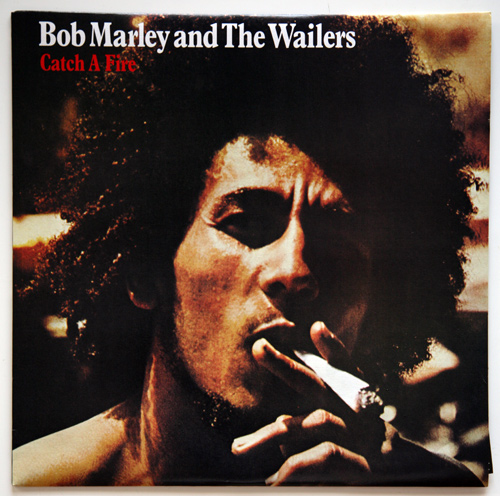
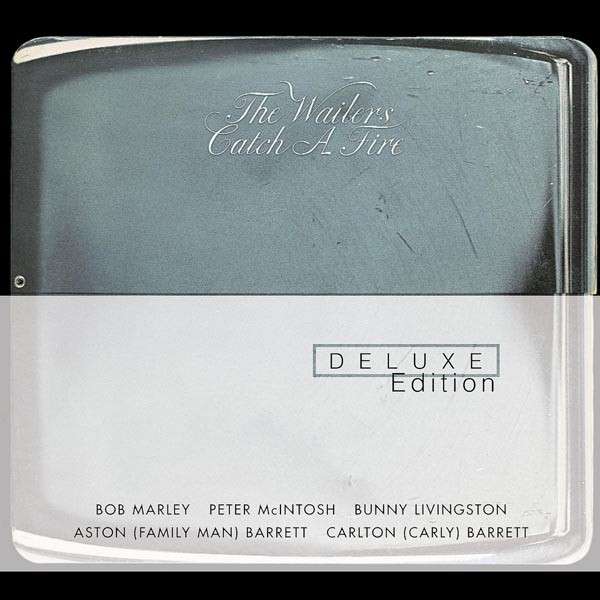
| 1973 | Catch a Fire, first Wailers album on Island Records, signed by Chris Blackwell |
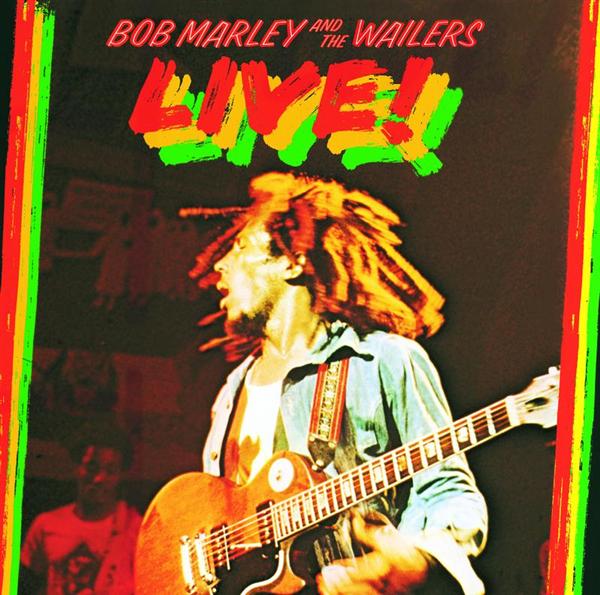
| 1975 | International breakthrough with the live album Live! and the hit “No Woman, No Cry” |
| 1976 | Assassination attempt on 3 December at his home; goes into exile in London |
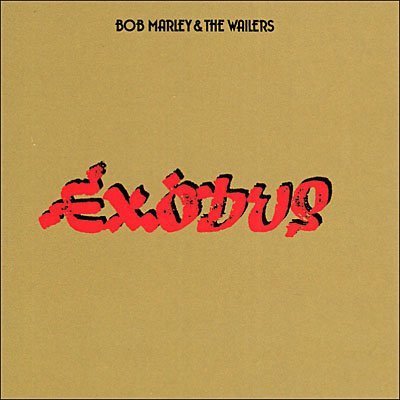
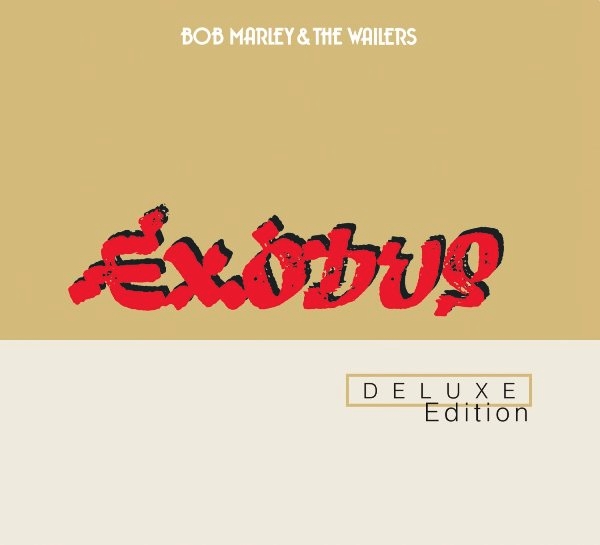
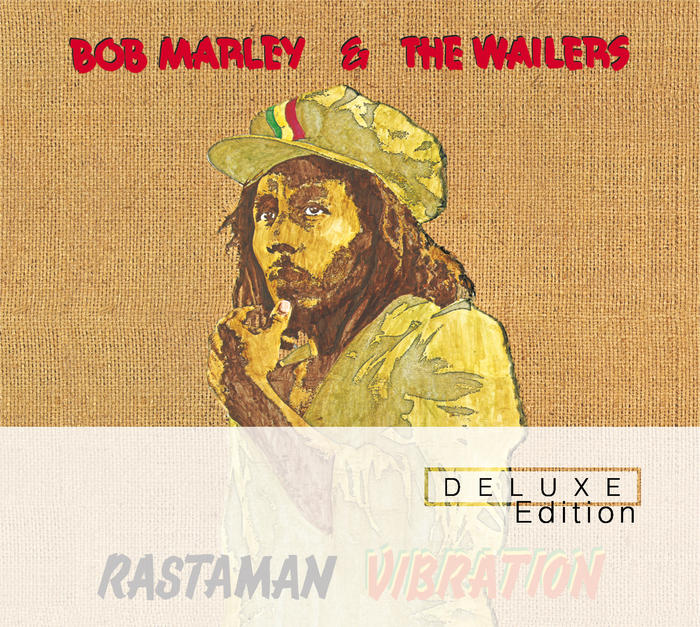
| 1977 | Release of Exodus, named Album of the Century by Time Magazine a year later |
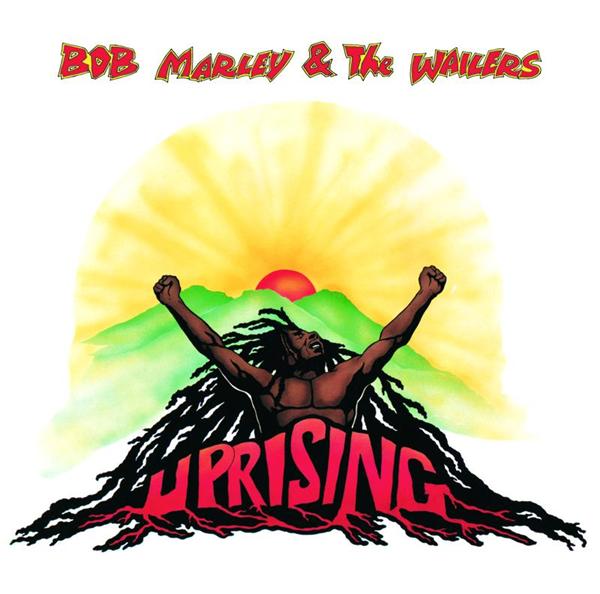
| 1980 | Concert at the independence of Zimbabwe (April); album Uprising, last released while alive |
| 1981 | Honoured with the Jamaican Order of Merit; dies on 11 May in Miami |
From Trench Town to global stardom
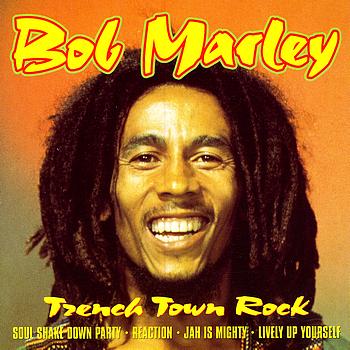
Bob Marley was born on 6 February 1945 in the countryside of Saint Ann, on a farm belonging to his maternal grandfather. His father Norval was a white colonial officer nearly 60 years old; his mother Cedella Booker, a young Black woman of 18. The child grew up with his mother in Trench Town, the poor district of Kingston, where he discovered Rastafari through singer Joe Higgs and forged his first sense of rhythm in street sound systems.
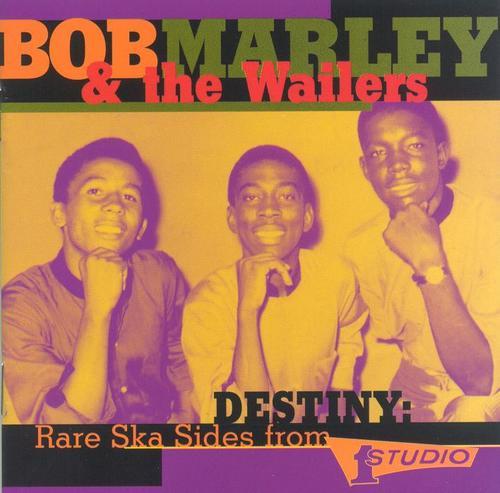
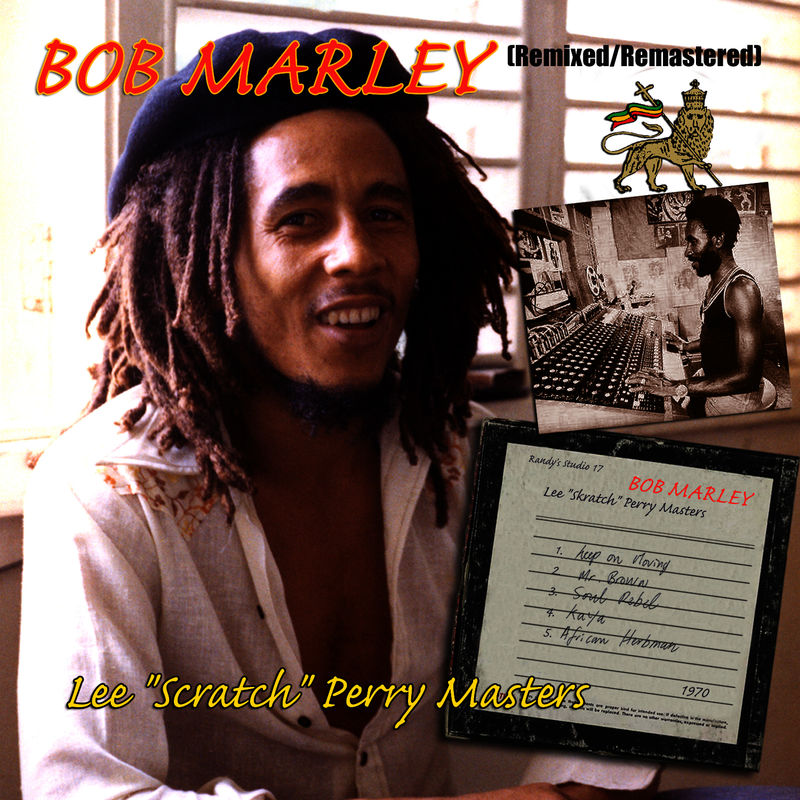
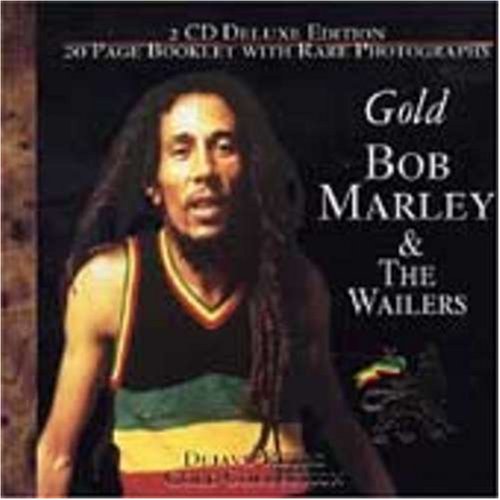
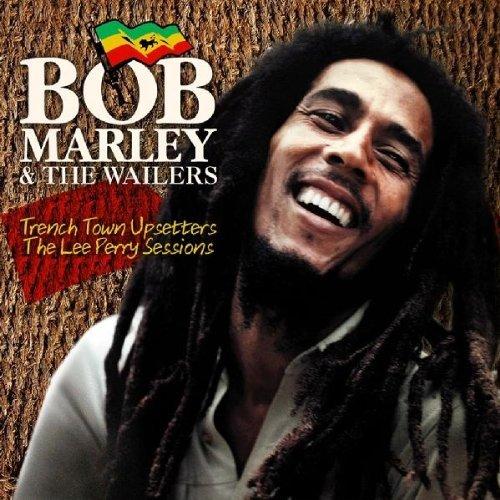
In 1962, Marley recorded his first demos with Leslie Kong at the Federal studio. He founded the Teenagers that same year—soon renamed the Wailers—with Peter Tosh and Bunny Wailer. Their first hit, “Simmer Down”, reached #1 in 1964. Between 1965 and 1966, the Wailers recorded nearly 70 tracks with Coxsone Dodd at Studio One. In 1966, Marley married Rita Anderson, a practitioner of Rastafari faith like himself. Tensions among group members led to its disbandment in 1974: Tosh and Bunny Wailer left. Marley renamed his group Bob Marley and the Wailers and surrounded himself with the I-Threes—his wife Rita, Marcia Griffiths and Judy Mowatt—for female backing vocals.
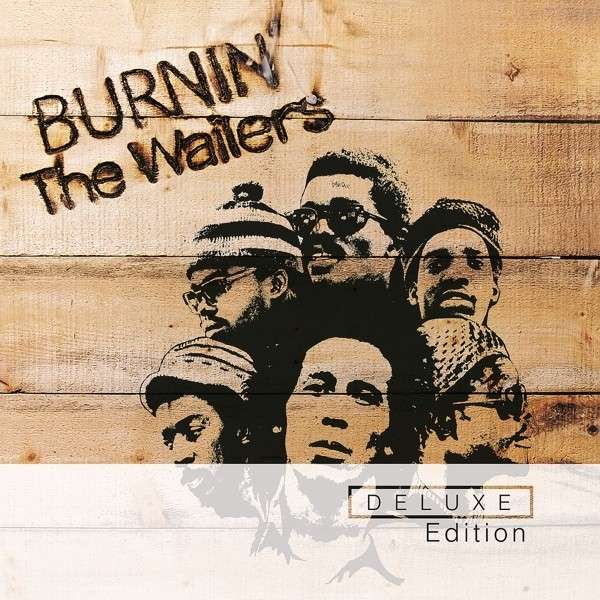
The decisive turning point arrived in 1973 with Catch a Fire on Island Records. Boss Chris Blackwell imposed a rock production that, despite the mistrust of Jamaican purists, opened the doors to the international scene. Burnin’ (1973) and the live album Live! (1975), featuring the global hit “No Woman, No Cry”, propelled Marley onto the world stage.
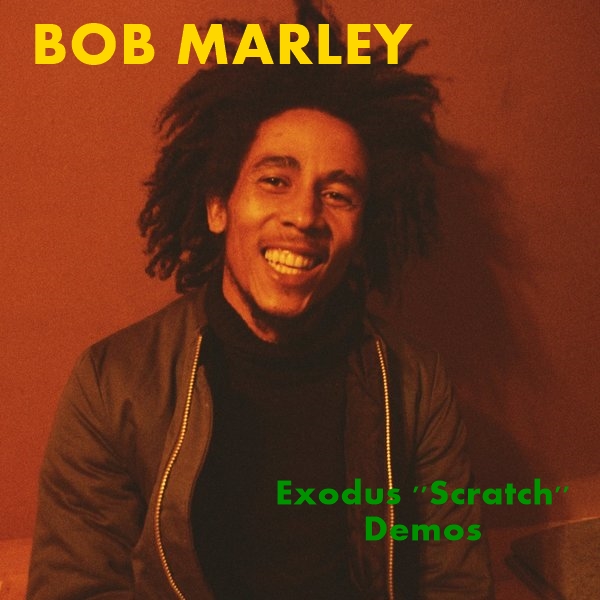
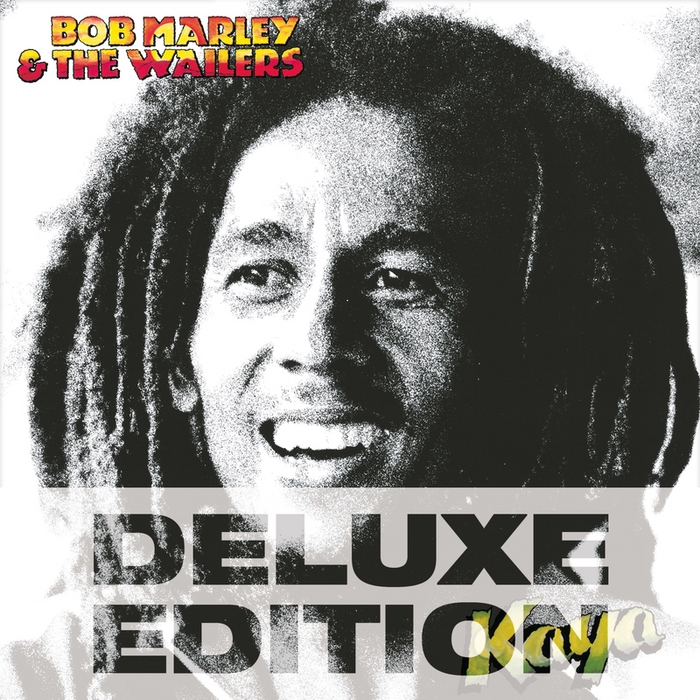
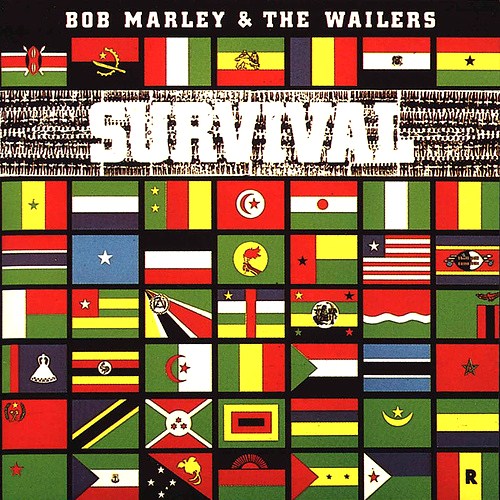
In Jamaica, he became a quasi-mystical figure, to the point that an assassination attempt was made on him on 3 December 1976. Two unknowns opened fire in his house: Marley was wounded in the arm and chest, Rita seriously injured. The Smile Jamaica concert took place anyway—Marley went on stage bandaged, sang and captivated. Now in exile in London, he recorded Exodus (1977), an album that Time would later name Album of the Century. He followed it with Kaya (1978) before publishing Survival (1979), a hymn to decolonisation and African unity. In 1980, his year of triumph, he sang at the independence of Zimbabwe. While running in Central Park, he collapsed: the melanoma detected the previous year on his toe had metastasised. His refusal of amputation—by Rastafari conviction—delayed treatment. He recorded his final album, Uprising, then played his last concert on 23 September in Pittsburgh. Eight months of treatment would change nothing. Bob Marley died on 11 May 1981 in Miami, at the age of 36.
Major works
| Work | Year | Why it’s essential |
|---|---|---|
| Exodus | 1977 | Recorded between London and Nassau, this album establishes Marley as the planetary voice of reggae |
| “No Woman, No Cry” | 1975 | First international hit; a hymn to memory and hope that transcends cultures |
| Catch a Fire | 1973 | First international Wailers album; definitive passage from ska to reggae-rock |
Legacy and influence
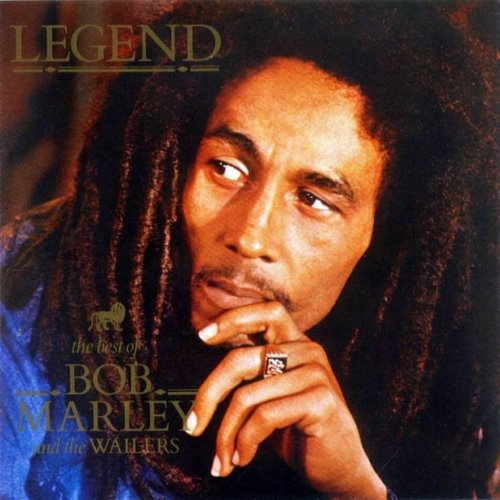
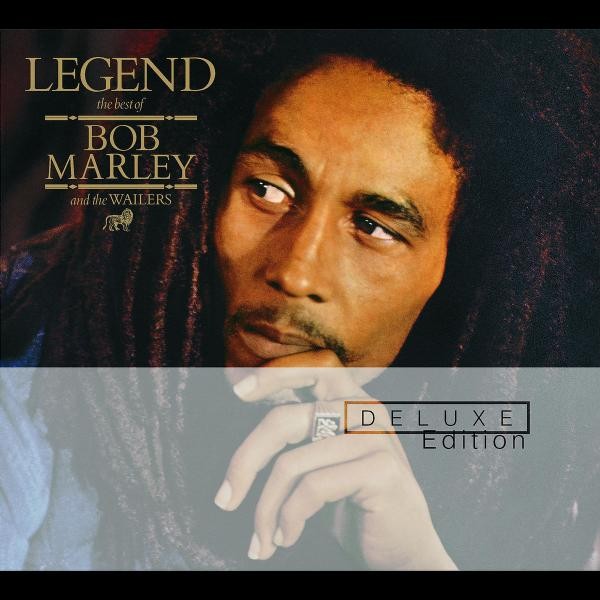
Bob Marley’s legacy is unprecedented in the world of reggae. Legend (1984), compiled by his family, became the best-selling reggae album of all time, certified 18 times platinum in the United States. His name is intrinsically linked to the global spread of Rastafari faith—a Caribbean spirituality advocating unity, resistance and spiritual return to Africa. Inducted into the Rock and Roll Hall of Fame in 1994, awarded a Grammy Lifetime Achievement Award in 2001, Marley ranks among the greatest artists of all time according to Rolling Stone. More than 75 million records have been sold under his name, and his music continues to inspire generations beyond reggae alone.
Sources and references
- « Bob Marley », Britannica, https://www.britannica.com/biography/Bob-Marley, accessed 3 November 2026.
- « Bob Marley », Wikipedia, https://en.wikipedia.org/wiki/Bob_Marley, accessed 3 November 2026.
- « Bob Marley Biography », AllMusic, https://www.allmusic.com/artist/bob-marleys-mn0000071514, accessed 3 November 2026.
- « Bob Marley », Discogs, https://discogs.com/fr/artist/41441-Bob-Marley, accessed 3 November 2026.
- « Bob Marley: ‘What we need is some positive vibration’ », The Guardian, https://theguardian.com/music/musicblog/2012/apr/17/bob-marley-interview, accessed November 3, 2026.
- « Bob Marley History », BobMarley.com, https://www.bobmarley.com/history/, accessed November 3, 2026.
- « In Celebration of Bob Marley », GRAMMY.com, https://qa.grammy.com/news/celebration-bob-marley-late-reggae-heros-75th-birthday-commemorated-special-releases, accessed November 3, 2026.