Biography
Bozi Boziana: the patriarch of Congolese rumba
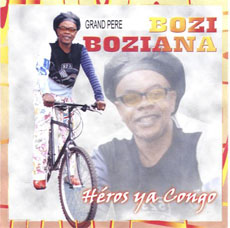
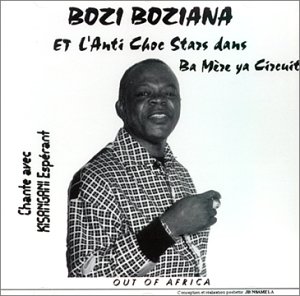
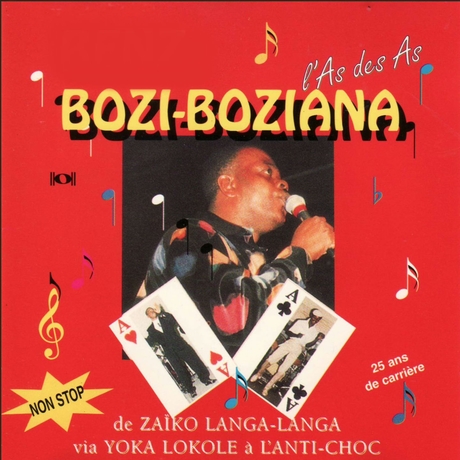
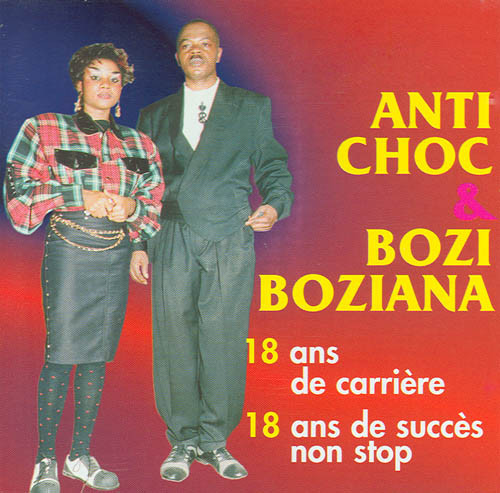
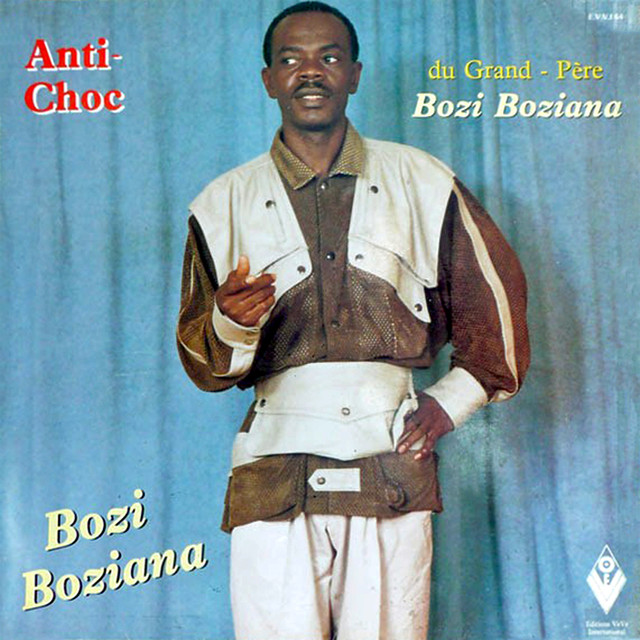
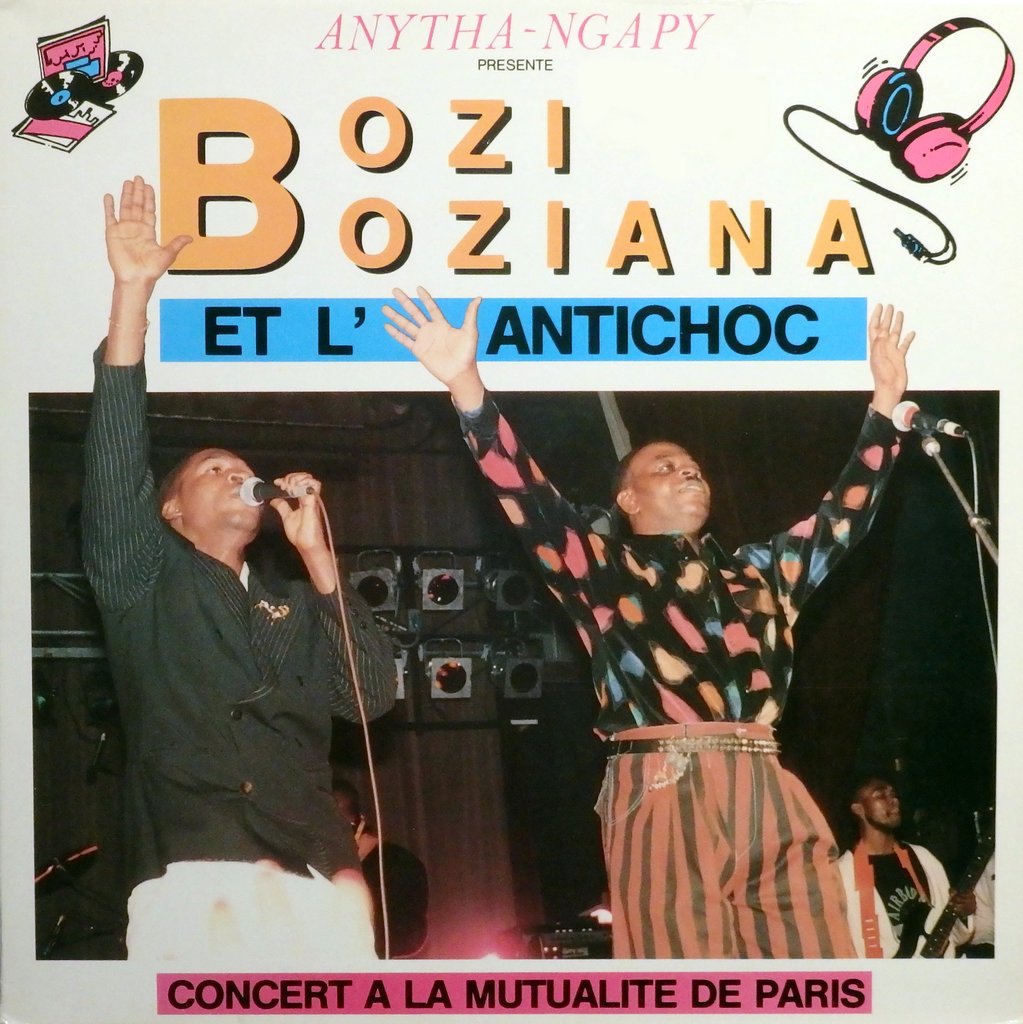
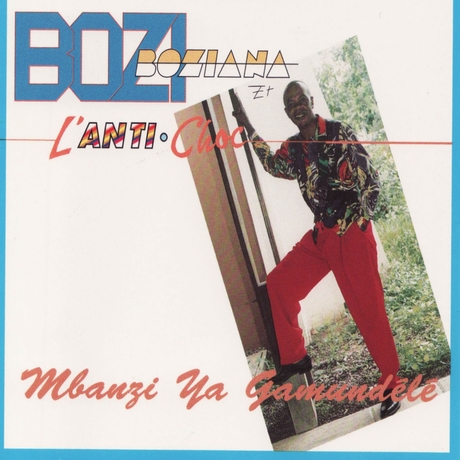
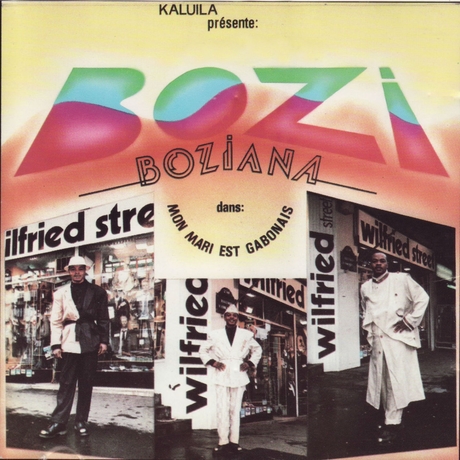
In the 1980s, on the dance floors of Kinshasa, a man imposed his signature: a warm voice flirting with tension, soaring guitars, and a choir of female voices that became the trademark of Anti-Choc. Bozi Boziana is not just a Congolese rumba singer. He is an architect of soukous, a talent discoverer, a musician whose name is engraved in the collective memory of the African scene.
In brief
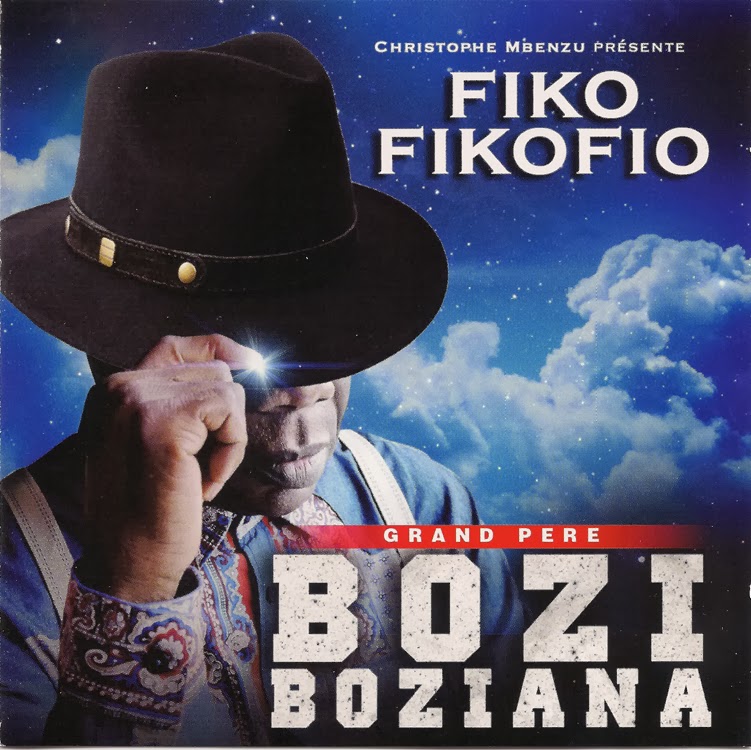
| Full name | Benoît Mbenzu Ngamboni Bokili, known as Bozi Boziana Grand Père |
| Birth | September 28, 1951, Kinshasa, Democratic Republic of the Congo |
| Field | Soukous, Congolese rumba, ndombolo |
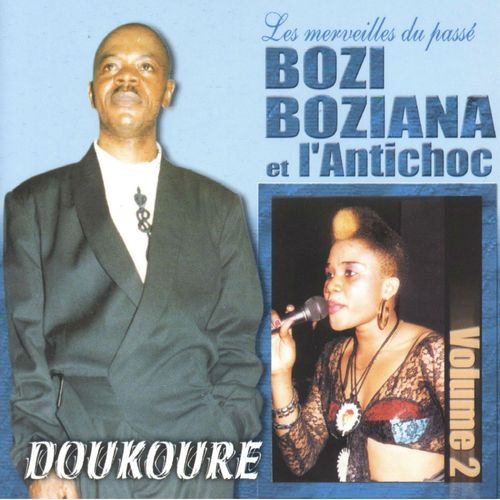
| Iconic works | La Reine de Sabah, Doukouré, Zakayi, Bana Saint-Gabriel |
| Distinctions | Kora All-African Award 1998 (album of the year, Central Africa) |
Key dates
| Year | Event |
|---|---|
| 1951 | Birth in Kinshasa (then Léopoldville) |
| 1974 | Joining Zaïko Langa Langa, which revolutionized Congolese music |
| 1975 | Departure to Isifi Lokole and Yoka Lokole, alongside Papa Wemba |
| 1981 | Co-founder of Langa Langa Stars |
| 1983 | Joining Ben Nyamabo’s Choc Stars |
| 1985 | Founding of Anti-Choc, which became his signature |
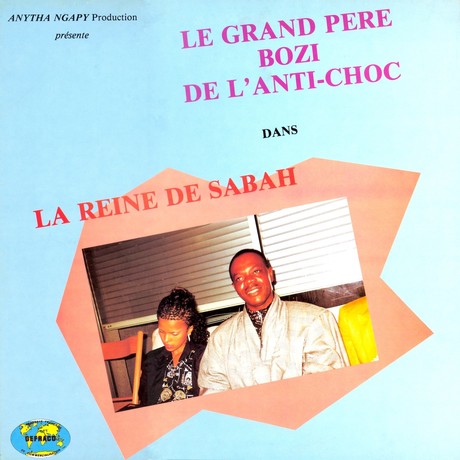
| 1988 | La Reine de Sabah propels the group to the top of hit-parades |
| 1998 | Kora Award for album Bana Saint-Gabriel |
| 2024 | Collaboration with Fally Ipupa on Black La Belle |
The great lineups of a musician in perpetual motion
Benoît Mbenzu Ngamboni Bokili was born in Kinshasa in 1951, at the heart of a city that would profoundly renew Congolese music. He began in the afro-pop group Air Marine, but it was in 1974, when he joined Zaïko Langa Langa, that his career took off. At a time when this formation was exploding musical codes by aligning rhythms to dance rather than the swaying of traditional rumba, Bozi found himself in a school that forged legends. There he crossed paths with Papa Wemba and Evoloko Jocker, future giants of soukous.
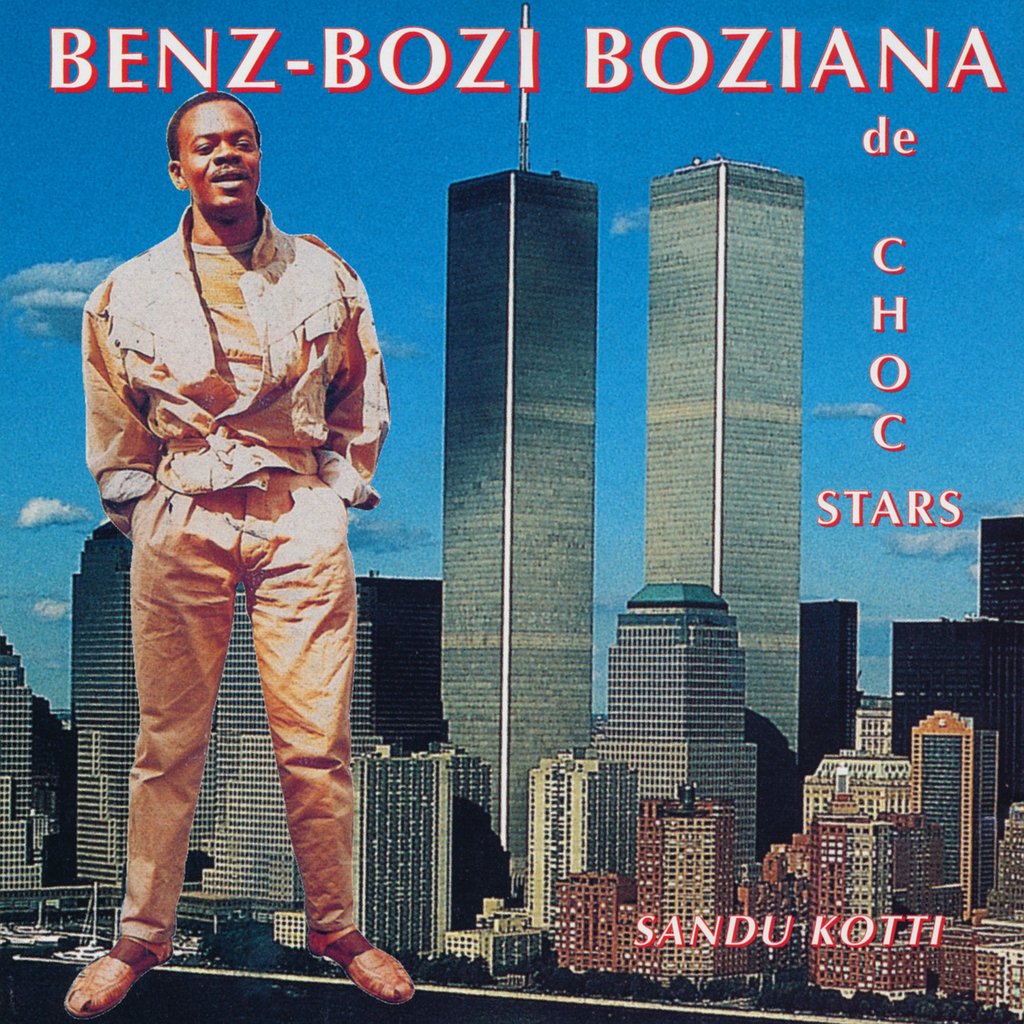
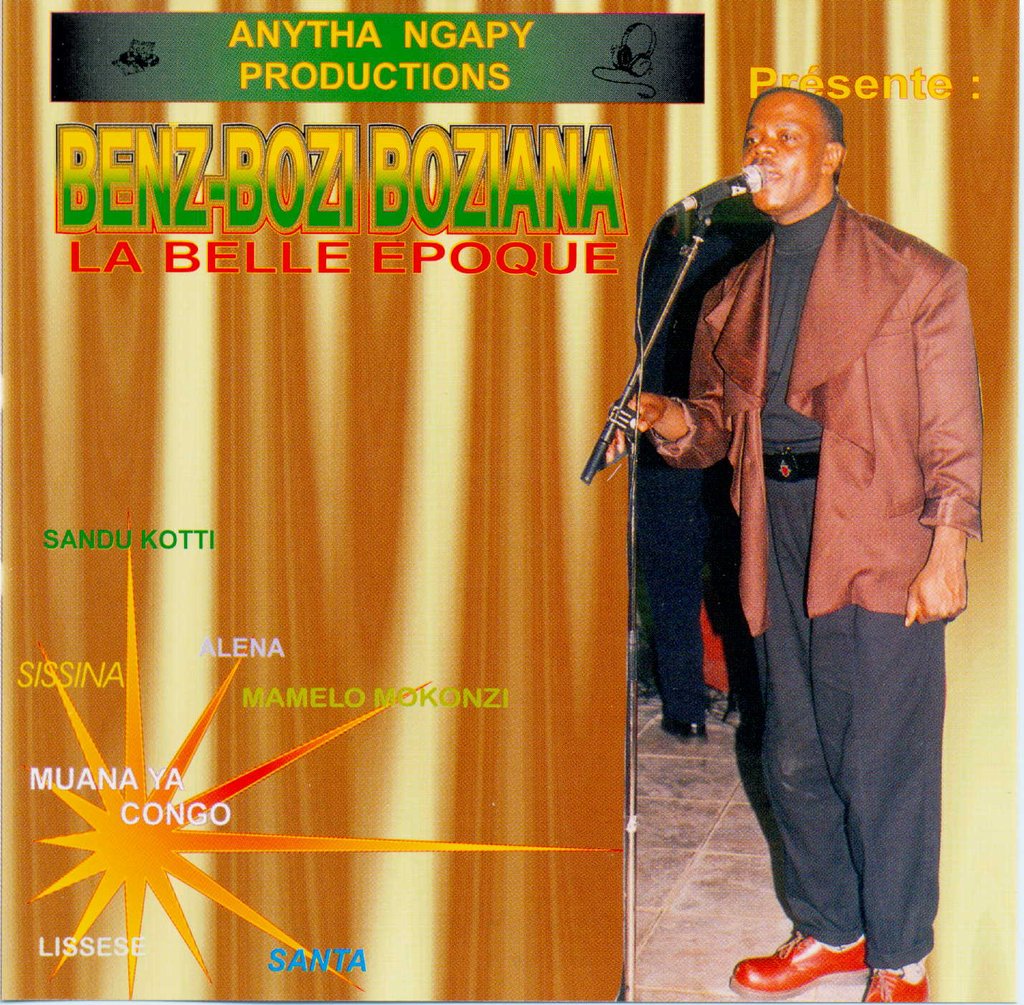
Like so many others of his generation, he strung together stints: Isifi Lokole, Yoka Lokole, a brief return to Zaïko, then Langa Langa Stars in 1981. This adventure uniting so many personalities ended with a war of egos, and Bozi resigned to join in 1983 the Choc Stars of Ben Nyamabo. It was there that he recorded some of his greatest hits, including Sandu Kotti, Alena and Retrouvailles à Paris.
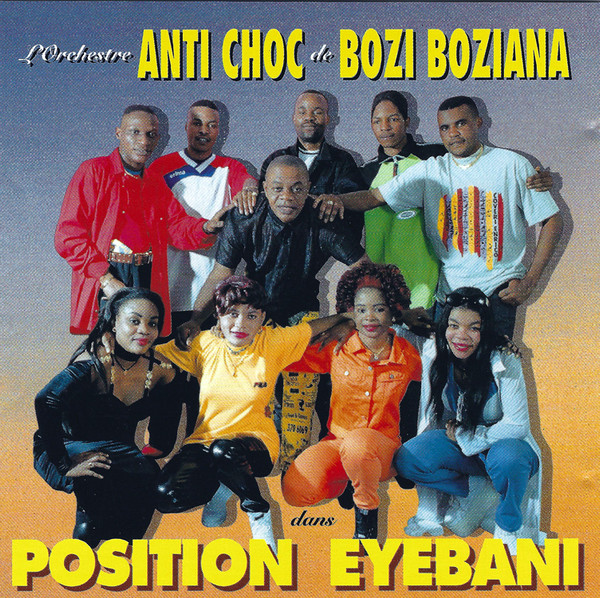
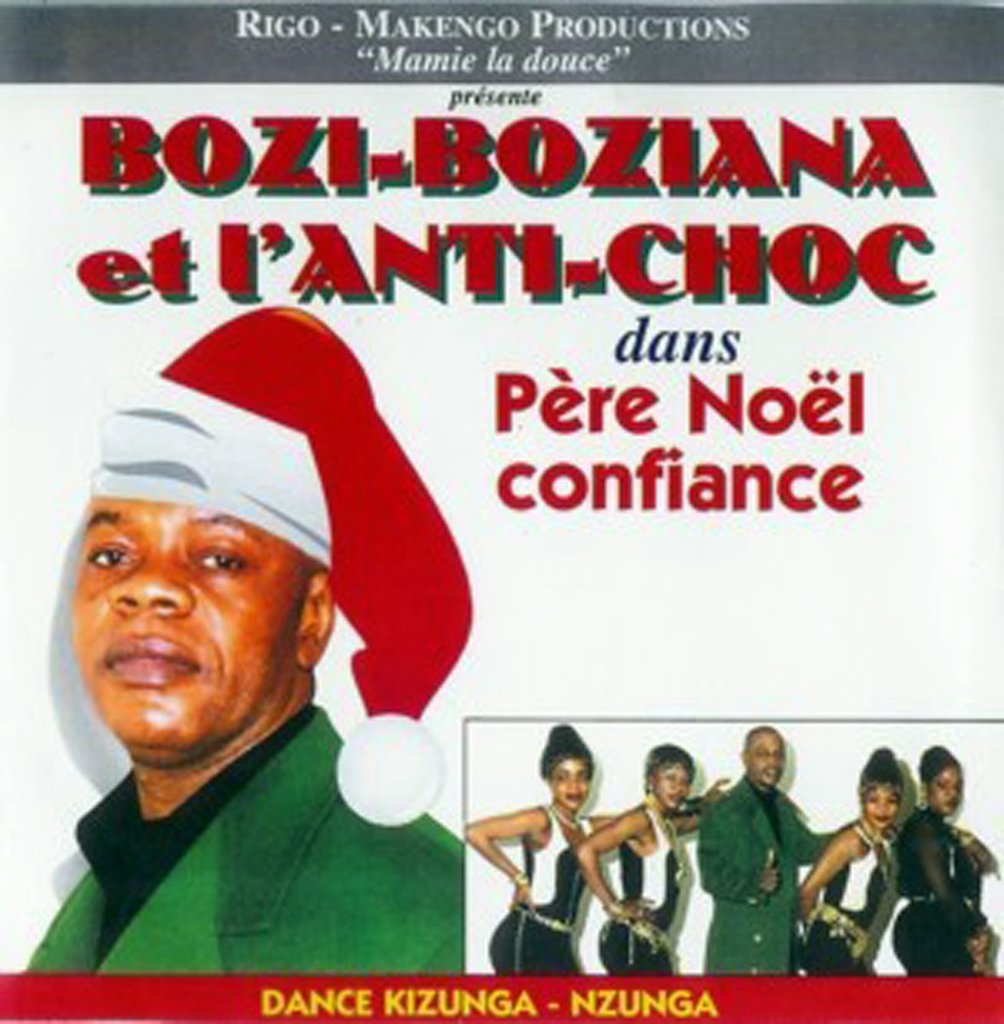
But Bozi is a born leader. In 1985, he left the Choc Stars and founded Anti-Choc, a group whose name echoes his Zaïko heritage while marking his difference. The choice was not accidental: the anti-choc is both a tip of the hat to the old guard and the promise of a sound that resists them.
The queen, the girls and the sewing machine
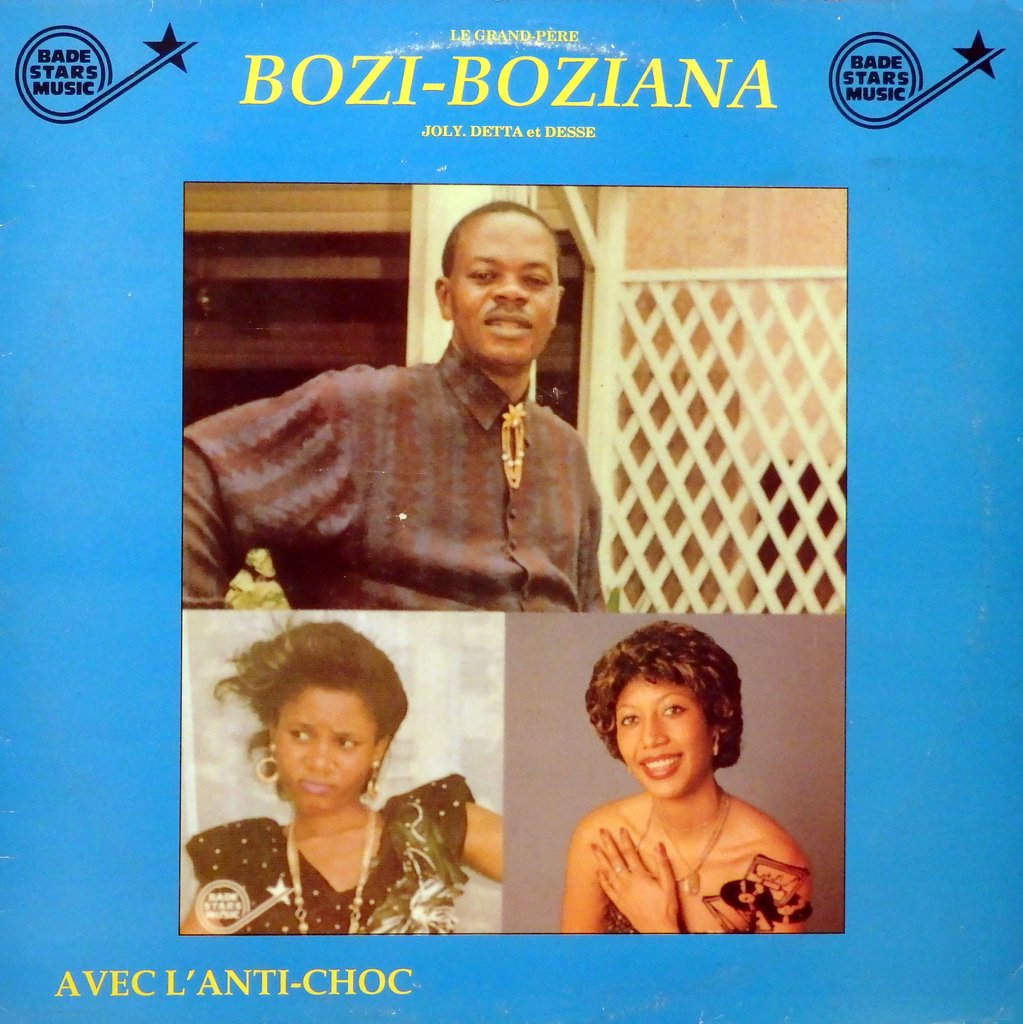
Anti-Choc quickly established itself as one of the greatest soukous lineups in Africa. What strikes from the first tracks is the central place Bozi accords to women: not background singers, not dancers singing in a whisper, but full-fledged lead singers. “La Reine de Sabah,” the flagship title of 1988, declares its flame in Lingala to his partner Faty. The piece conquered Kinshasa before sweeping across all of Africa.
Behind this vision hides also an eye for discovery. Deesse Mukangi, winner of the 1989 female revelation award, was launched by Anti-Choc. Later, Scola Miel, known as Nza Wissa, and Betty, nicknamed Bis, won the title of revelation of the year in 1991, before Scola’s departure to Koffi Olomide separated the duo.
The Anti-Choc sound also bears the mark of guitarist Dodoly, nicknamed the sewing machine for the velocity of his fingers on the fretboard—a style that would become the reference for the group’s guitarists long after his departure.
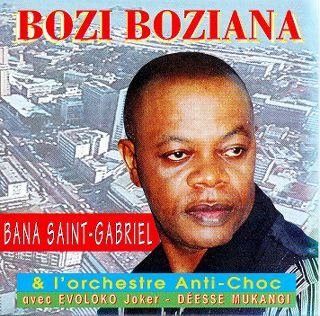
In 1998, the album Bana Saint-Gabriel, where Bozi invited former Zaïko comrades, won the Kora All-African Award for best album in Central Africa, a consecration that confirmed his place among the masters of soukous.
A bridge between generations
Bozi Boziana has never frozen his art in the past. At seventy years old, he continues to collaborate, including with the new generation: his participation in Fally Ipupa’s track Black La Belle in 2024, and projects discussed with Ferré Gola, attest to a cross-cutting commitment. In 2026, he celebrates his double jubilee—75 years and 50 years of career—at the National Museum of the DRC, asking President Félix Tshisekedi to honor his contribution to Congolese culture.
His legacy is twofold: a repertoire of classics that span generations, and a know-how as a mentor that forged the most beautiful female voices in soukous. Congolese rumba would have lost, without him, one of its richest melodies.
Major works
| Work | Year | Why it is essential |
|---|---|---|
| La Reine de Sabah | 1988 | The title that propelled Anti-Choc to the top of Kinshasa hit-parades |
| Doukouré | 1988 | One of the timeless classics in Bozi’s repertoire |
| Zakayi | 1987 | Foundational track that made Anti-Choc a force on the scene |
| Bana Saint-Gabriel | 1998 | Award-winning album, gathering soukous legends |
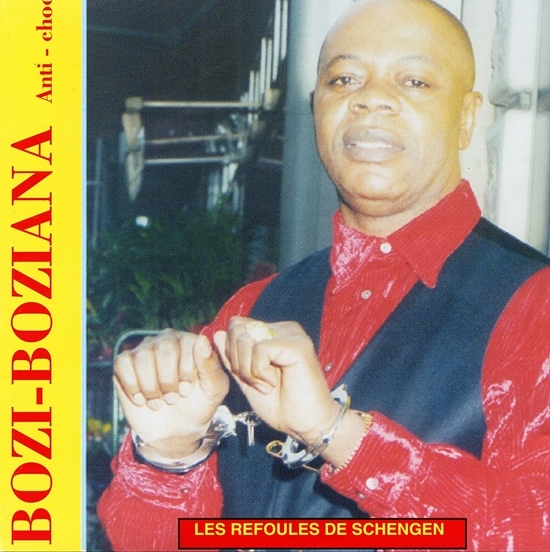
| Les Refoulés de Schengen | 1997 | Political irony on the condition of Africans facing Europe |
Sources and references
- “Bozi Boziana”, French Wikipedia, https://fr.wikipedia.org/wiki/Bozi_Boziana, accessed October 19, 2025.
- “Bozi Boziana”, Wikipedia (English), https://en.wikipedia.org/wiki/Bozi_Boziana, accessed October 19, 2025.
- Craig Harris, “Bozi Boziana — Biography”, AllMusic, https://www.allmusic.com/artist/bozi-boziana-mn0001285754, accessed October 19, 2025.
- Martin Sinnock, « Bozi Boziana and Anti-Choc », Africa Sounds / The Beat Magazine, https://web.archive.org/web/20100810012943/http://www.africasounds.com/the_beat_vol3.htm, accessed 19 October 2025.
- Tchèze Bukasa, « Bozi Boziana at 75 and 50 years of career: The rumba patriarch demands national recognition », CONGOPROFOND.NET, https://congoprofond.net/bozi-boziana-a-75-ans-et-50-ans-de-carriere-le-patriarche-de-la-rumba-reclame-la-reconnaissance-de-la-nation/, accessed 19 October 2025.
- « Grand Pèze Bozi Boziana and the Anti Choc », Mbokamosika, https://www.mbokamosika.com/article-grand-pere-bozi-boziana-et-l-anti-choc-67115678.html, accessed 19 October 2025.
- « The Queen of Sabah by Bozi Boziana », Le Courrier de Kinshasa, https://www.lecourrierdekinshasa.com/node/120184, accessed 19 October 2025.