Biography
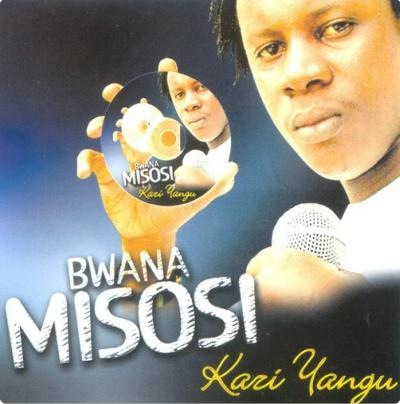
Bwana Misosi
In the streets of Tanga, women revel in their beauty, and a haunting beat carries this truth into music. « Mabinti wa Kitanga wanajua kujipamba ». In 2004, Joseph Rushahu, then a young artist from Dar es Salaam, released one of the most identifiable hits of the first generation of Bongo Flava. Twenty years later, the artist returns from his voluntary retirement with an EP that proclaims: « Why was I silent? »1. Bwana Misosi has never stopped singing. He simply stopped showing himself.
In Brief
| Full Name | Joseph Gabriel Rushahu |
| Stage Name | Bwana Misosi |
| Birth | 1980s, Tanga, Tanzania |
| Genre | Bongo Flava (East African hip-hop and R&B fusion) |
| Notable Works | “Nitoke Vipi”, “Mabinti wa Kitanga”, “Mungu Yupo Bize” |
| Awards | Best Ragga/Dancehall Song, Tanzania Music Awards 2010 |
Key Dates
| Year | Event |
|---|---|
| ~2004 | Release of album Nitoke Vipi and hit “Nitoke Vipi” feat. Hard Mad |
| 2004–2005 | National success with “Mabinti wa Kitanga” feat. Mwana FA |
| 2007 | Second album, Kazi Yangu |
| 2010 | Best Ragga/Dancehall Song award at Tanzania Music Awards for “Mungu Yupo Bize” |
| 2013 | Collaboration “Tungi” with Dullayo |
| 2013–2023 | Period of relative withdrawal from the music arena |
| 2017 | Public return with “Makofi kwa Magufuli” |
| 2024 | Return EP Mbona Kimya ? (seven tracks) |
| 2026 | New single “Jina Gani” |
Tanzanian Origins and Early Revelation
Joseph Rushahu grew up in Tanga, a port city on the east coast of Tanzania2. Bongo Flava, a genre that fuses hip-hop, R&B, and local Swahili rhythms, was then booming in Dar es Salaam. Misosi joined this scene at the beginning of the 2000s. His real first name, Joseph, gives him this dignity of a family man that his stage name, Bwana Misosi — « Mr. Nutrition » in Swahili slang — ironically deflates.
In 2004, he released the album Nitoke Vipi and launched the single of the same title, in collaboration with rapper Hard Mad. The track circulated from Dar es Salaam radio stations to the bazaars of Tanga. The following year, “Mabinti wa Kitanga” (« Girls from Kitanga ») became his identity anthem, celebrating the young women of his native region. The song was so striking that its beat would later be sampled by artist Harmonize for “Never Give Up”, which became one of the biggest hits in Bongo Flava history. Misosi, for his part, refused to be paid for this reuse1.
Between Success, Withdrawal, and Rebirth
After Kazi Yangu in 2007, the artist continued to make headlines with cross-border collaborations, including “Heshima” with Redson (Kenya) and Chameleone (Uganda), among the first Bongo Flava artists to work beyond Tanzanian borders. 2010 was crowned with an award at the Tanzania Music Awards, and in 2013 he released “Tungi” with Dullayo3.
However, towards the end of the 2000s, his name gradually disappeared from the airwaves. « Muziki si Big G, ni muziki mkali unaoishi kwa muda », he asserts: the music I make is not a grand eternal spectacle, it’s a short-lived fire. He does not withdraw out of disgust but out of pragmatism. Deep down, he is a professional electrician and runs his own company, Jefbemac Company, which installs electricity in buildings and businesses. This dual career allows him to survive without depending on the uncertainties of show business. His 2017 return, with the political track “Makofi kwa Magufuli”, did not change his gradual withdrawal. In 2024, he confirmed his permanence: the EP Mbona Kimya ? — « Why was I silent? » — was released on all streaming platforms4. Seven tracks, including “Nisikilize” feat. Aslay, “Suti na Tai” feat. Mandojo and “Madili Mabovu”, proving that an artist does not cease to exist when they stop showing themselves.
Major Works
| Work | Year | Why It’s Essential |
|---|---|---|
| “Nitoke Vipi” feat. Hard Mad | 2004 | First hit, urban anthem of emerging Bongo Flava |
| “Mabinti wa Kitanga” feat. Mwana FA | 2004–2005 | Identity anthem of Tanga, beat sampled by Harmonize |
| “Mungu Yupo Bize” | ~2010 | Title crowned Best Ragga/Dancehall at Tanzania Music Awards |
| “Heshima” feat. Redson & Chameleone | ~2012 | Pioneering Kenya-Uganda-Tanzania collaboration |
| Mbona Kimya ? (EP) | 2024 | Official return after eleven years of semi-retirement, 7 tracks |
Legacy
Bwana Misosi embodies a rare type of artist in Bongo Flava: a musician who chose life behind success. Where many artists of his generation disappeared into oblivion or controversy, he built a stable existence, blending music, his trade as an electrician, and entrepreneurship. His legacy is twofold: first musical, with beats that have become the collective property of the Tanzanian scene; secondly human, with a journey reminding us that career is not the only measure of an artistic life5.
In 2026, “Jina Gani” (« What’s Your Name? ») reminds us that the question of identity persists6. Who are we when music falls silent? Bwana Misosi continues to answer, not through declarations, but through beats.
Sources and references
-
CitiMuzik, AUDIO Bwana Misosi - Mabinti wa kitanga MP3 DOWNLOAD, citimuzik.com, accessed 28 October 2026 ↩︎ ↩︎
-
Side Makini, AUDIO Bwana Misosi – Mbona kimya, sidemakini.co.tz, 10 September 2024 ↩︎
-
Global Publishers, Misosi Afungukia Kilichompoteza, globalpublishers.co.tz, 16 May 2018 ↩︎
-
Global Publishers, Bwana Misosi: Tangu Nitoke Vipi Mpaka Ufundi Umeme!, globalpublishers.co.tz, 6 March 2017 ↩︎
-
Deezer, Bwana Misosi — Mbona Kimya EP, deezer.com, accessed 28 October 2026 ↩︎
-
Apple Music, Bwana Misosi — Artist, music.apple.com, accessed 28 October 2026 ↩︎