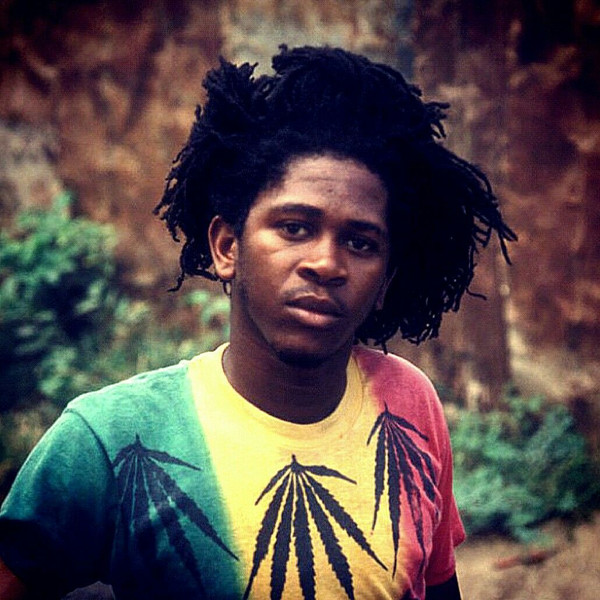
Biography
Charlie Chaplin
In 1984, as Jamaican dancehall celebrated excesses with Yellowman and Big Youth, a deejay named Charlie Chaplin took the stage to sing of unity and the Bible. His clash album Slackness Vs Pure Culture — a self-explanatory title — became a historic moment for the genre, and Chaplin established himself as the prosperous anomaly of a scene dominated by slackness: a cultural champion who became a superstar in the dancehall era.
In brief
| Birth name | Richard Patrick Bennett |
| Stage name | Charlie Chaplin |
| Born | October 13, 1959, Jamaica |
| Genre | Dancehall reggae, ragga |
| Notable works | Slackness Vs Pure Culture, Que Dem, Presenting Charlie Chaplin |
| Honours | Order of Merit (OD) — Jamaica, 2013 |
Key dates
| Year | Event |
|---|---|
| 1959 | Birth of Richard Patrick Bennett in Jamaica |
| c. 1968 | Nicknamed “Charlie” during childhood, in reference to the comedian |
| 1980 | Career begins with U-Roy’s Stur-Gav Hi-Fi sound system |
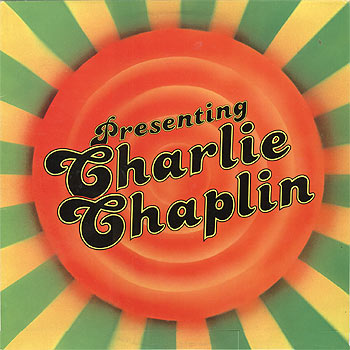
| 1982 | Release of album Presenting Charlie Chaplin via Roy Cousins |
| 1984 | Clash album Slackness Vs Pure Culture with Yellowman |
| 1985 | Release of Que Dem, his biggest commercial success |
| 1989–1994 | RAS Records period: Two Sides, Take Two, Cry Blood |
| 2013 | Invested in the Order of Merit (OD) by the Jamaican government |
| Today | Still performs with Stur-Gav; music recorded up to 2016 |
From sound system origins to cultural dancehall
Richard Patrick Bennett grew up in Jamaica, where he was already nicknamed “Charlie” by adults, in reference to the famous silent comedian. Unlike most deejays who borrowed their names from movie characters, Bennett had borne this nickname since childhood — a poetic coincidence that would follow him throughout his life.
It was in 1980, barely of age, that he joined the Stur-Gav Hi-Fi sound system run by pioneer U-Roy. The collective then gathered young talents from Kingston, including Josey Wales and Brigadier Jerry. Chaplin quickly stood out in live performances: “I was barely nine years old and so small they had to put me on two or three boxes for people to see me,” he recounts with humour to the Jamaica Observer. His stage presence and clear diction set him apart from his colleagues, and he established himself as one of the most popular deejays at Stur-Gav, even rivaling Yellowman for crowd favour.
The assertion: from historic clash to cultural anthems
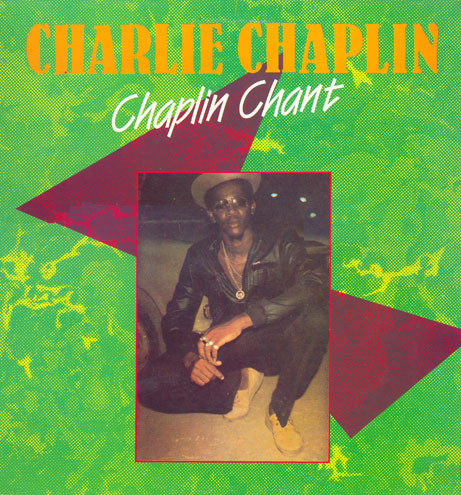
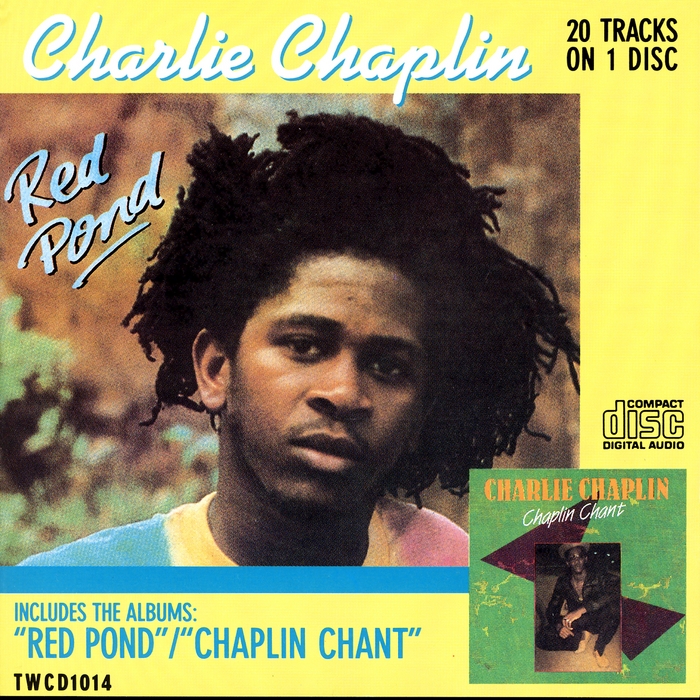
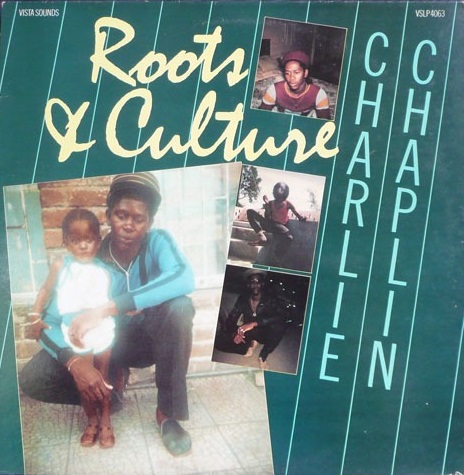
Early sessions with Roy Cousins produced two major albums, Red Pond and Chaplin Chant, both released in 1982. The latter truly kick-started his discography and launched his first hits, “Mother in Law” and “Diet Rock”. On Red Pond, one finds DJ Jim Kelly of the Kilamanjaro, who was shot and killed shortly after recording — a brutal reminder of the ambient violence that Chaplin refused to glorify.
The year 1984 marks a historic turning point: Chaplin agrees to collaborate with Yellowman on Slackness Vs Pure Culture, a clash album that confronts two opposing dancehall philosophies. The opposition between Chaplin’s cultural lyrics and Yellowman’s acknowledged slackness makes it an iconic album, studied today by reggae historians. Lloyd Bradley, in This Is Reggae Music, judges that slackness wins by knockout at the dancehalls, but notes that the album remains an indispensable milestone in genre history.
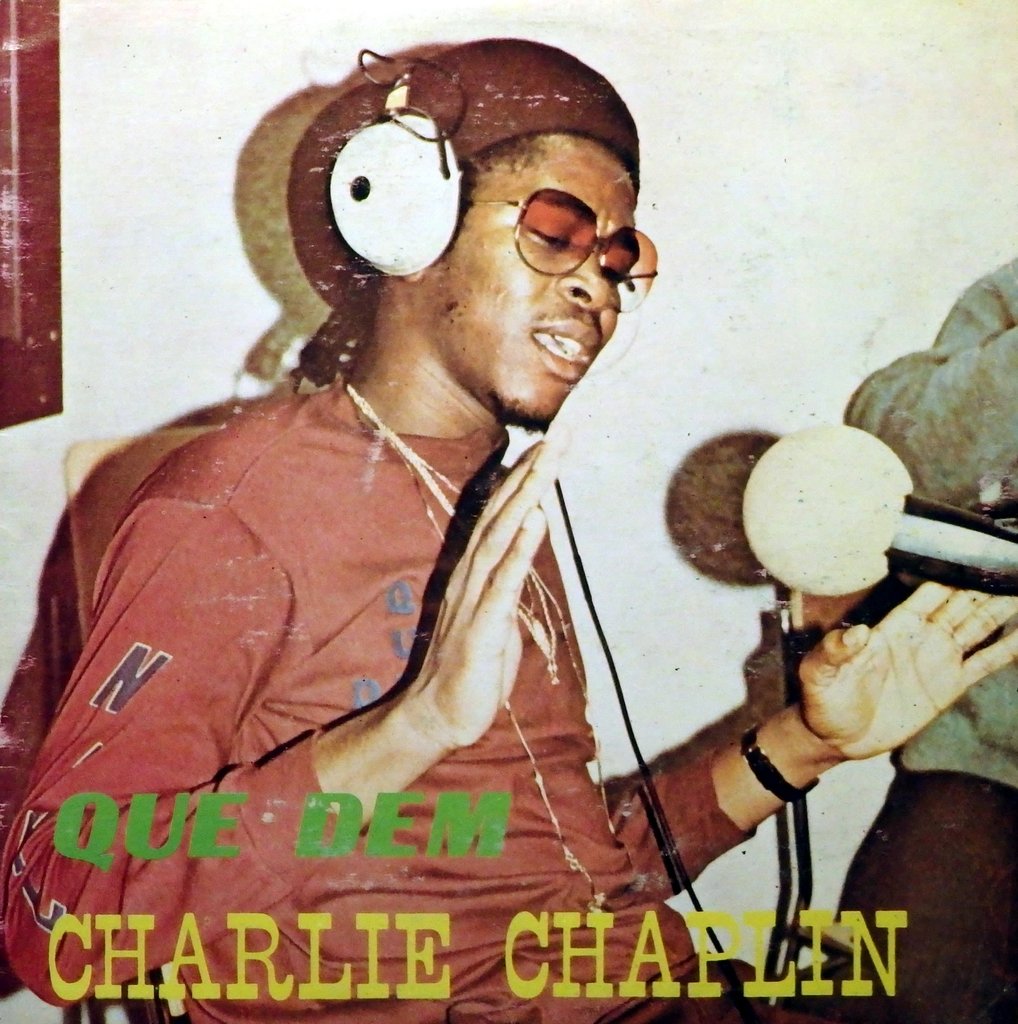
Commercial consecration arrives in 1985 with Que Dem, produced by George Phang for Power House. The album exploits vintage Studio One rhythms — “Shank I Shek” by Baba Brooks, “Never Let Go” by Slim Smith, “Full Up” by the Sound Dimension — and rides them with Chaplin’s inimitable lyrical flow. “Diet Rock”, “Unity Is Strength” and “Naw Leave Me Chalwa” become dancehall repertoire classics. The Rough Guide to Reggae considers this Phang period his most successful.
A career spanning decades
After Que Dem, Chaplin continued sessions with Jamaica’s biggest producers and musicians: Bunny Roots, Henry “Junjo” Lawes, Sly & Robbie, and the legendary Roots Radics group that accompanied nearly all his records. In 1988, he released Live at Maypen Clarendon, capturing the energy of his live concerts.
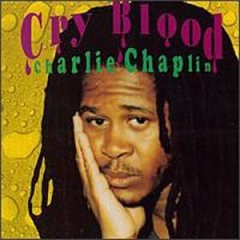
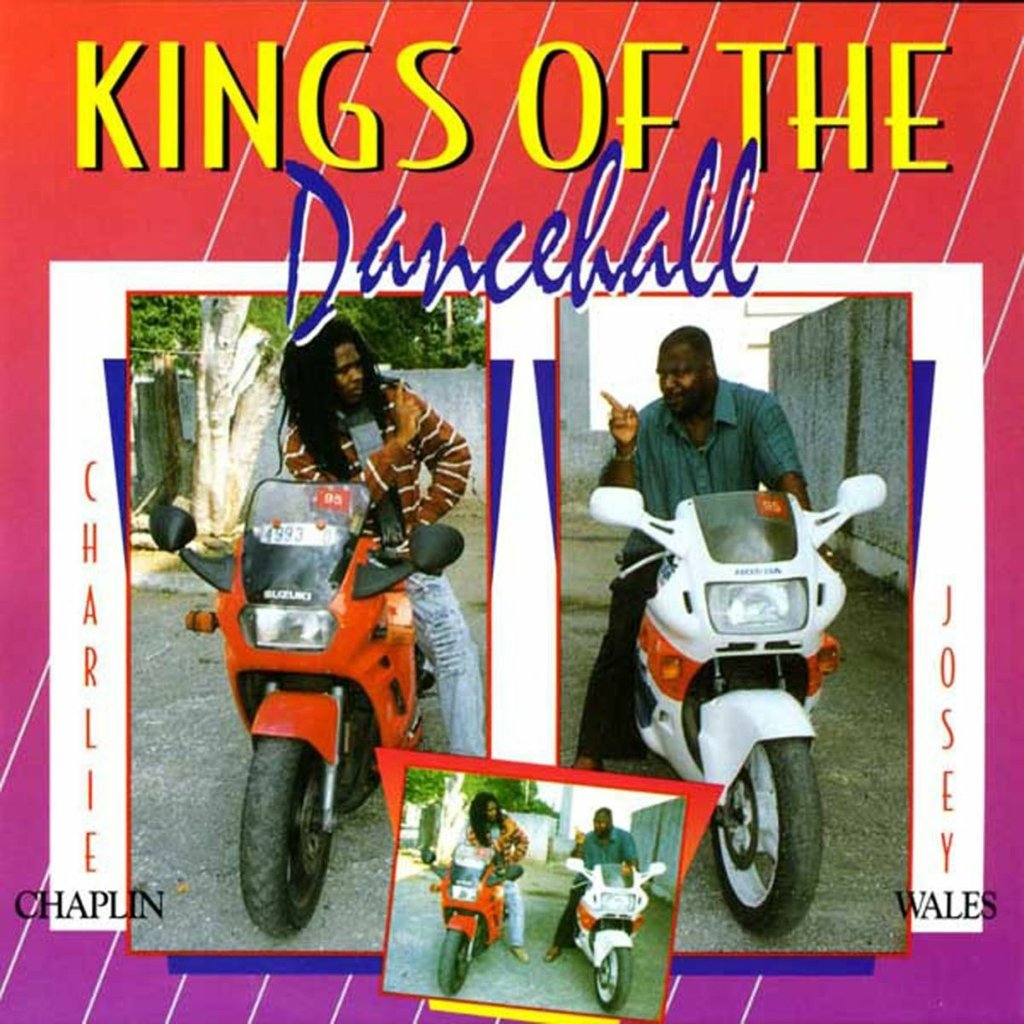
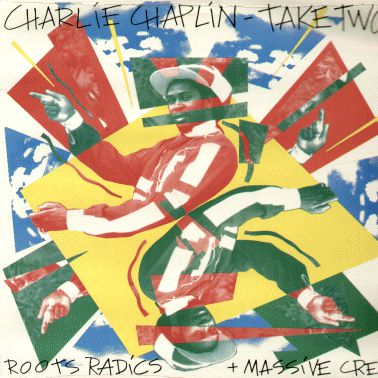
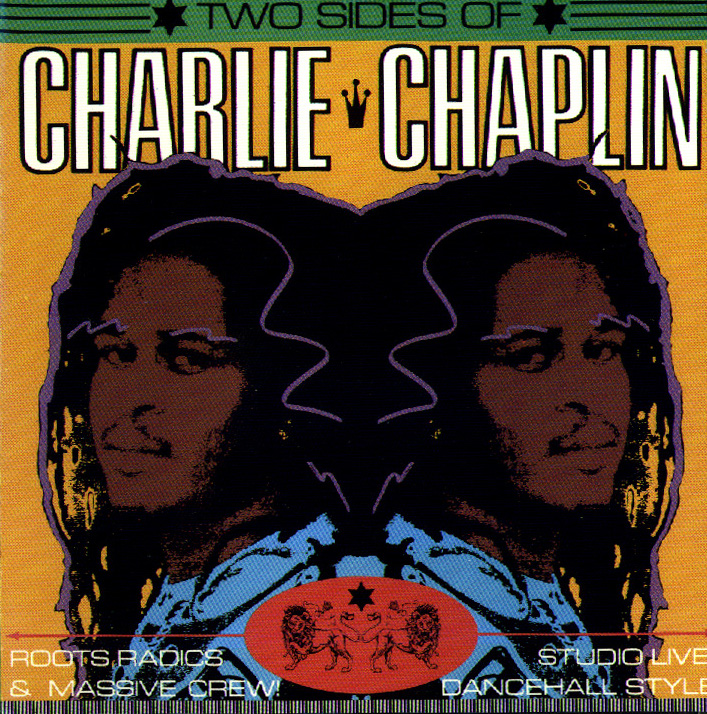
In 1989, he signed with RAS Records and recorded a series of albums until the mid-1990s: Two Sides of Charlie Chaplin (1989), Take Two (1990), Cry Blood (1991) and Old and New Testament (1992). These albums, though below the exceptional height of his 1980s hits, show why Chaplin remains considered one of the island’s best toasters. He also collaborated with Josey Wales on Kings of the Dancehall (1994) via VP Records.
In the 2000s, he launched his own label, Crown Production, to publish his music independently. The album Armageddon was announced for summer 2016. Meanwhile, he continued performing live with Stur-Gav Hi-Fi in Kingston.
In 2013, on the occasion of Jamaica’s 51st independence anniversary, the government awarded him the Order of Merit (Officer rank). “It is a very proud moment for me, after more than four decades in the business, that the Jamaican government finally feels it is right to honour us. I truly appreciate it,” he tells Splash. He also hopes that his contemporaries such as Josey Wales, Admiral Tibet and Brigadier Jerry will benefit from the same recognition.
Major Works
| Work | Year | Why It’s Essential |
|---|---|---|
| Presenting Charlie Chaplin | 1982 | Singer’s debut album, signed by Roy Cousins — a gateway to his cultural universe |
| Slackness Vs Pure Culture (with Yellowman) | 1984 | Historic clash album capturing the entire dancehall debate of the 1980s |
| Que Dem | 1985 | Masterpiece produced by George Phang, a fusion of Studio One rhythms and dancehall style |
| Two Sides of Charlie Chaplin | 1989 | Mature testament to his longevity, recorded live in studio with the Roots Radics |
| Cry Blood | 1991 | Final peak of his RAS period, featuring conscious lyrics and rough production |
Legacy and Influence
Charlie Chaplin remains the archetype of the cultural deejay who proved that social consciousness and commercial success are not incompatible. Alongside Josey Wales, he is one of the few dancehall generation artists to maintain a cultural course through the 1980s without ever succumbing to the excesses of slackness. His influence is evident among conscious deejays who followed, and his vintage tracks continue to circulate in sound systems. His journey still inspires the new generation: he showed that one could speak of the Bible on Jamaican dancehalls without alienating the public.
Sources and References
- « Charlie Chaplin (singer) », Wikipedia, https://en.wikipedia.org/wiki/Charlie_Chaplin_(singer), accessed November 10, 2026.
- « Charlie Chaplin (reggae) », Wikipedia, https://fr.wikipedia.org/wiki/Charlie_Chaplin_(reggae), accessed November 10, 2026.
- Stephen Cook, « Charlie Chaplin — Biography », AllMusic, https://www.allmusic.com/artist/charlie-chaplin-mn0000205627, accessed November 10, 2026.
- « Charlie Chaplin », The Reggae Museum, https://thereggaemuseum.com/musician/charlie-chaplin, accessed November 10, 2026.
- « Charlie Chaplin », World of Jamaican Music, https://worldofjamaicanmusic.com/charlie-chaplin, accessed November 10, 2026.
- « Honour, no joke for Charlie Chaplain », Jamaica Observer, August 9, 2013, https://www.jamaicaobserver.com/2013/08/09/honour-no-joke-for-charlie-chaplain/, accessed November 10, 2026.
- « Who is Charlie Chaplin, OD? », Jamaica Gleaner, October 22, 2013, http://m.jamaica-gleaner.com/gleaner/20131022/ent/ent2.php, accessed November 10, 2026.
- « National Honours and Awards 2013 », Government of Jamaica, https://jis.gov.jm/media/Hons-Awards-Gl-2013-.pdf, accessed November 10, 2026.