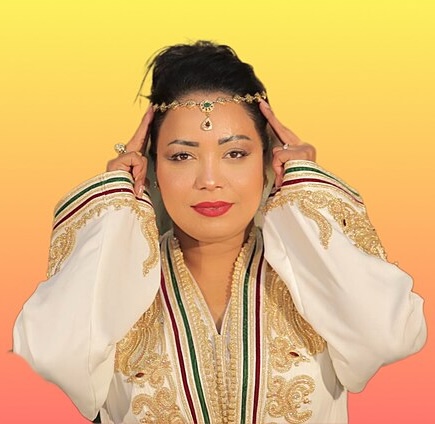
Biography
Cheba Maria
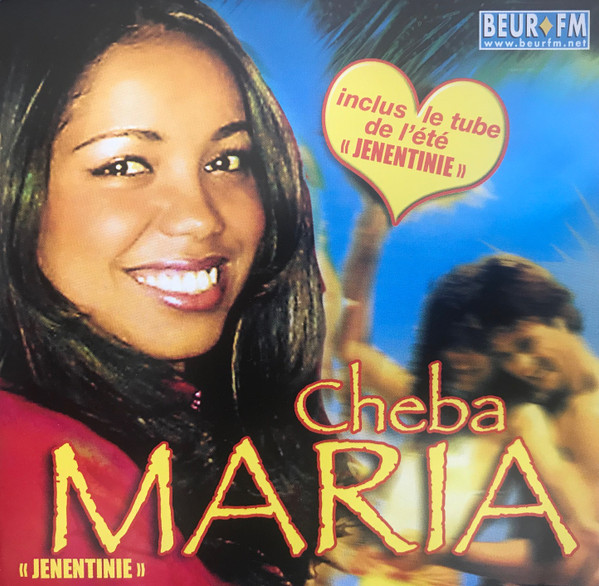
In 2003, while Rohff and Mohamed Lamine were recording Raï’n’B Fever, the crystalline voice of a Moroccan singer emerged on the track “Mon Bled” and propelled the album to over 250,000 copies sold — an achievement for a record blending raï and rap. This voice belongs to Cheba Maria.
In brief
| Full name | Khadija Zine, known as Cheba Maria |
| Birth | November 13, 1978, Casablanca (Morocco) |
| Field | Raï and Moroccan Arabesque music |
| Notable works | “Mon Bled”, “Ould Bladi”, “Zinek Khater” |
| Awards | Gold record for “Mon Bled” (EMI Music Maghreb, 2003) |
Key dates
| Year | Event |
|---|---|
| 1978 | Born in Casablanca under the name Khadija (Maria) Zine |
| 1998 | Moved to Toulouse; first duo with Cheb Rachid, “Ould Bladi” |
| 1999 | Release of first album, Nta Weld Bladi |
| 2003 | Collaboration on “Mon Bled” with Rohff and Mohamed Lamine; EMI Music Maghreb gold record |
| 2005 | Release of Mon Amour, produced by Dj Youssef (EMI Music Maghreb) |
| 2012 | Release of album Manabrache; participation in the Mawazine Festival in Salé |
| 2013 | Collaboration with the group Psy 4 de la Rime on album 4D |
| 2018 | Video clip “Hkayti” surpasses hundreds of thousands of views on YouTube |
| 2022 | Release of album Berkaniate |
| 2025 | New album announced in production |
From Tunisian roots to Moroccan raï
Maria Zine grew up in Casablanca in a household where Maghrebi and Oriental influences blended. While her name — Khadija Zine — points to a Tunisian lineage, it was in Morocco that she discovered the music that would shape her destiny: Algerian raï by Cheb Hasni, Cheb Khaled, and Cheb Mami — her teenage idols — alongside Moroccan chaâbi and the popular songs of the White City. From a very young age, she sang at local events and won a school singing contest that sealed her path.
In 1998, she took the step: settled in Toulouse, Maria Zine sought new musical encounters. The nickname “Cheba” — traditional among Algerian raï singers, and surely inspired by her icons — stuck to her from the first recordings.
Consecration through French raï’n’b
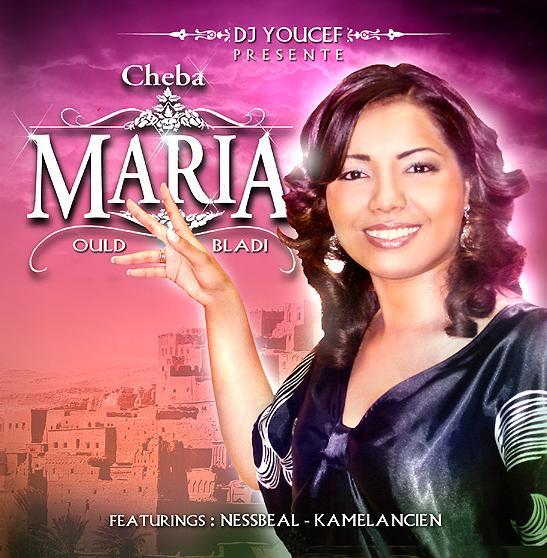
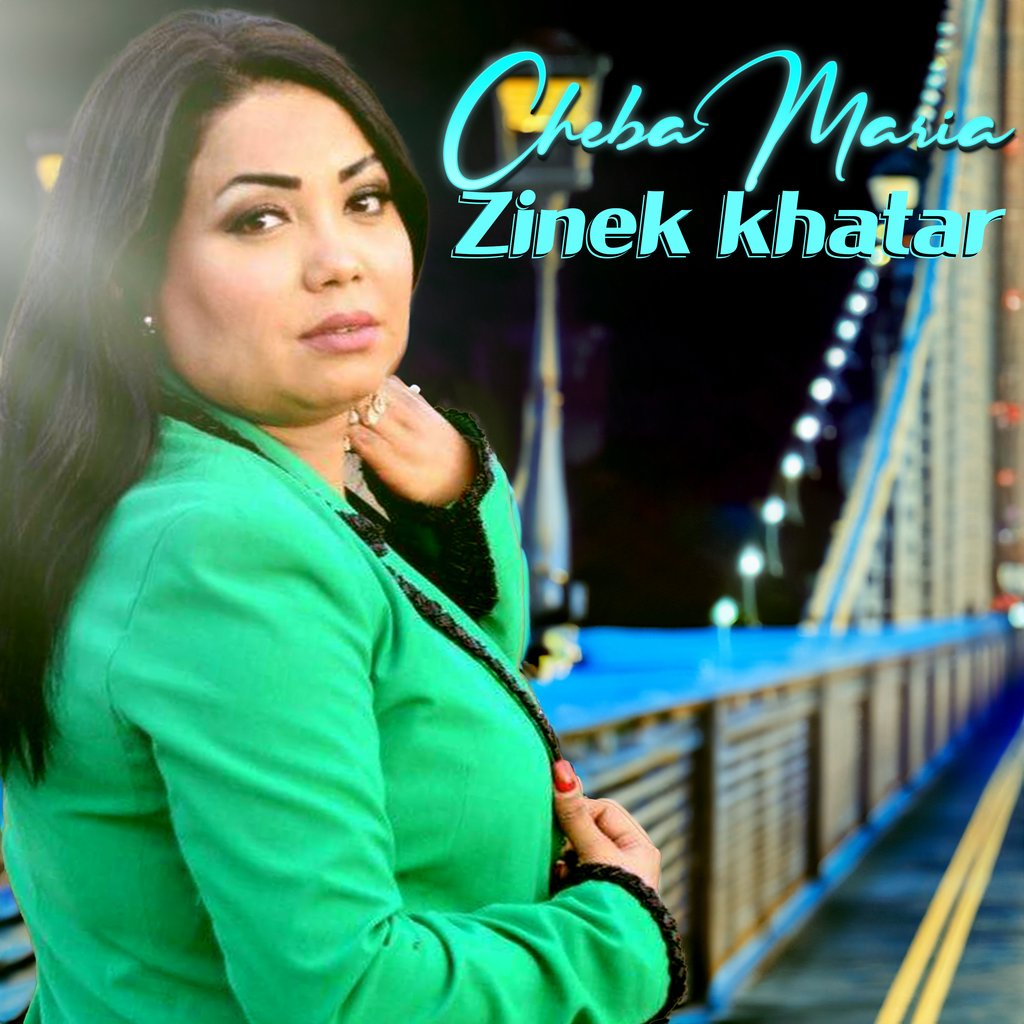
Her first single, “Ould Bladi”, a duo with Cheb Rachid released in 1998, sold thousands of copies in Morocco and Europe. She refined her style, a fusion between traditional raï and Western pop sounds. The album Nta Weld Bladi (1999) affirmed this hybrid identity, followed by singles “Amalek Zine” (1999), “Zinek Khater” (2000), and “Rani Mghamra” (2001).
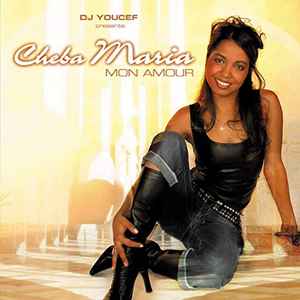
The turning point arrived in 2003 with the compilation Raï’n’B Fever. On the track “Mon Bled”, Cheba Maria crossed paths with the microphones of Rohff and Mohamed Lamine. The project sold over 250,000 copies and earned the singer a gold record awarded by EMI Music Maghreb. This success opened doors to a contract with Sony Music and larger stages: Mawazine in Salé, festivals in Europe. Her album Mon Amour (2005), produced by Dj Youssef, continued this alliance between authentic raï and contemporary production.
Between tradition and renewal: a career in motion
While Raï’n’B Fever made her a figure of raï’n’b, Cheba Maria does not confine herself to it. She alternates with solo tracks like “Omry” (2006, featuring Hamid Bouchnak), the videos “Célibataire” (2005) and “Machi Sahl” (2014), and appearances in various compilations. In 2013, she was approached by the Marseille rap group Psy 4 de la Rime, who included her on “Princess Sara” in their album 4D — another crossing between French rap and Arab music.
Settled in Toulouse for over twenty years, she continues to traverse Moroccan stages and festivals — Mawazine has made her voice a regular on the Salé stage since 2017 — while regularly producing. After a best-of of 37 tracks (2011), she recorded Berkaniate in July 2022 and is working on a new album announced for 2025. Her presence on social media, notably Instagram under the handle maria_zine_officiel, maintains a direct link with a young generation of the Maghrebi diaspora.
Major works
| Work | Year | Why it is essential |
|---|---|---|
| “Ould Bladi” (with Cheb Rachid) | 1998 | The first single that launched her career in Morocco and Europe |
| Nta Weld Bladi | 1999 | First album: affirming a raï with Moroccan roots |
| “Mon Bled” (with Rohff & Mohamed Lamine) | 2003 | The hit that propelled her to the metropolis and earned a gold record |
| Mon Amour | 2005 | Album produced by Dj Youssef: refinement of raï’n’b |
| “Princess Sara” (with Psy 4 de la Rime) | 2013 | Bridge between French rap and Arab singing |
Legacy and influence
Cheba Maria ranks among the rare raï singers to have spanned two generations. Moroccan raï singers like Reda Taliani or Douzi share this trajectory, but Cheba Maria played the card of rapprochement with French rap long before this movement became the norm. Young artists of the Maghrebi diaspora who blend raï, pop, and hip-hop owe something to this bridge created as early as 2003. Her voice, often described as crystalline by the media, continues to influence a rising generation of raï’n’b singers.
Sources and references
- “Cheba Maria”, Qobuz, https://qobuz.com/fi-en/interpreter/cheba-maria/99707, accessed November 2, 2026.
- “Cheba Maria”, Wikipedia (EN), https://en.wikipedia.org/wiki/Cheba_Maria, accessed November 2, 2026.
- “Cheba Maria”, Hibamusic, https://en.hibamusic.com/Maroc/cheba-maria/cheba-maria-103.htm, accessed November 2, 2026.
- “Mawazine, Showcase of Moroccan Music”, Festival Mawazine, https://mawazine.ma/en/mawazine-vitrine-de-la-musique-marocaine, accessed November 2, 2026.
- “Cheba Maria biography”, Last.fm, https://last.fm/music/Cheba+Maria/+wiki, accessed November 2, 2026.
- « Cheba Maria », Deezer, https://deezer.com/us/artist/56048, accessed on November 2, 2026.