Biography
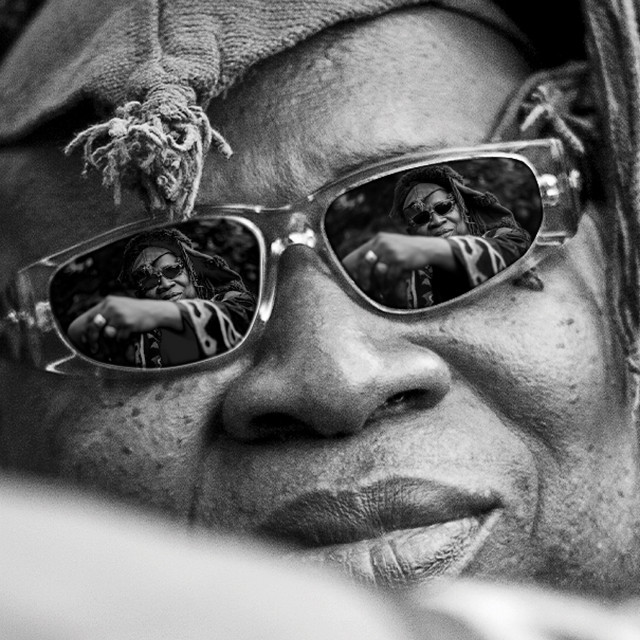
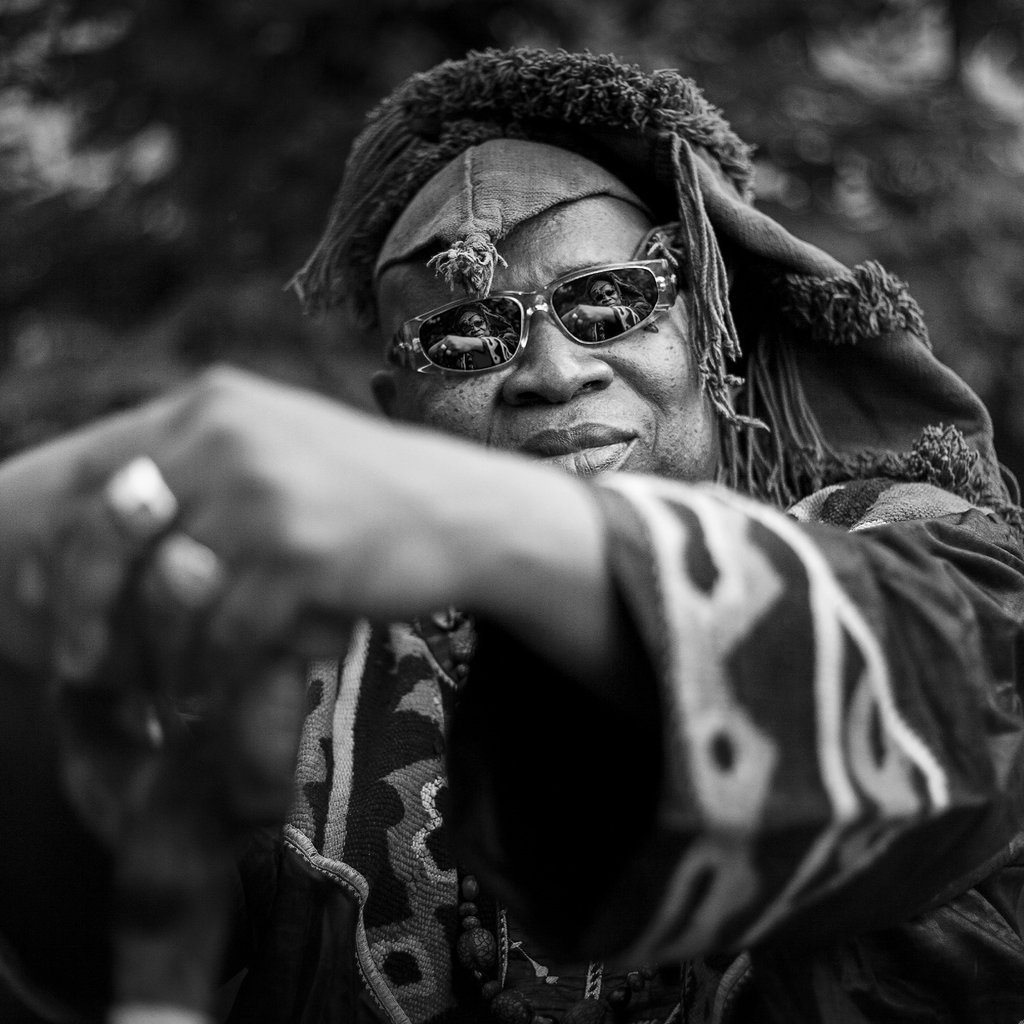
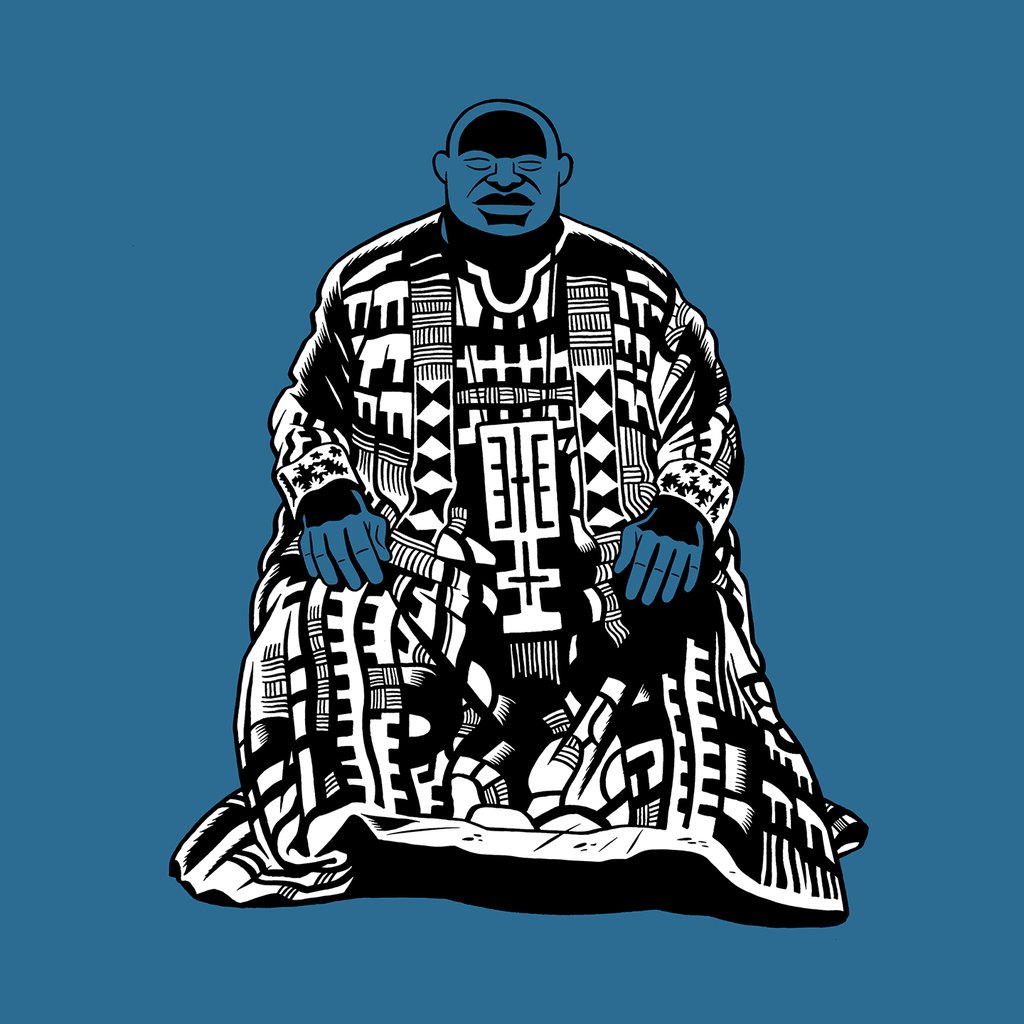
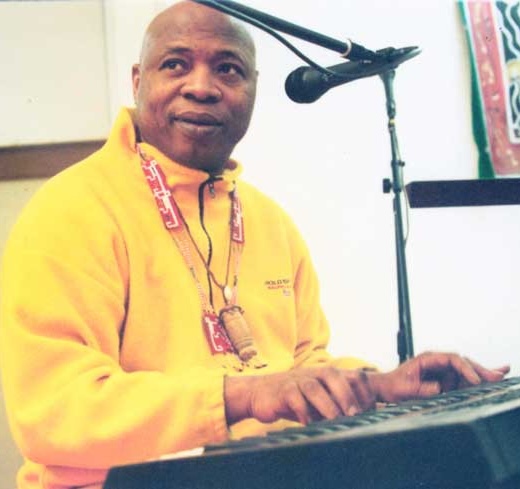
Cheick Tidiane Seck: The Modern Griot of the Manding Piano
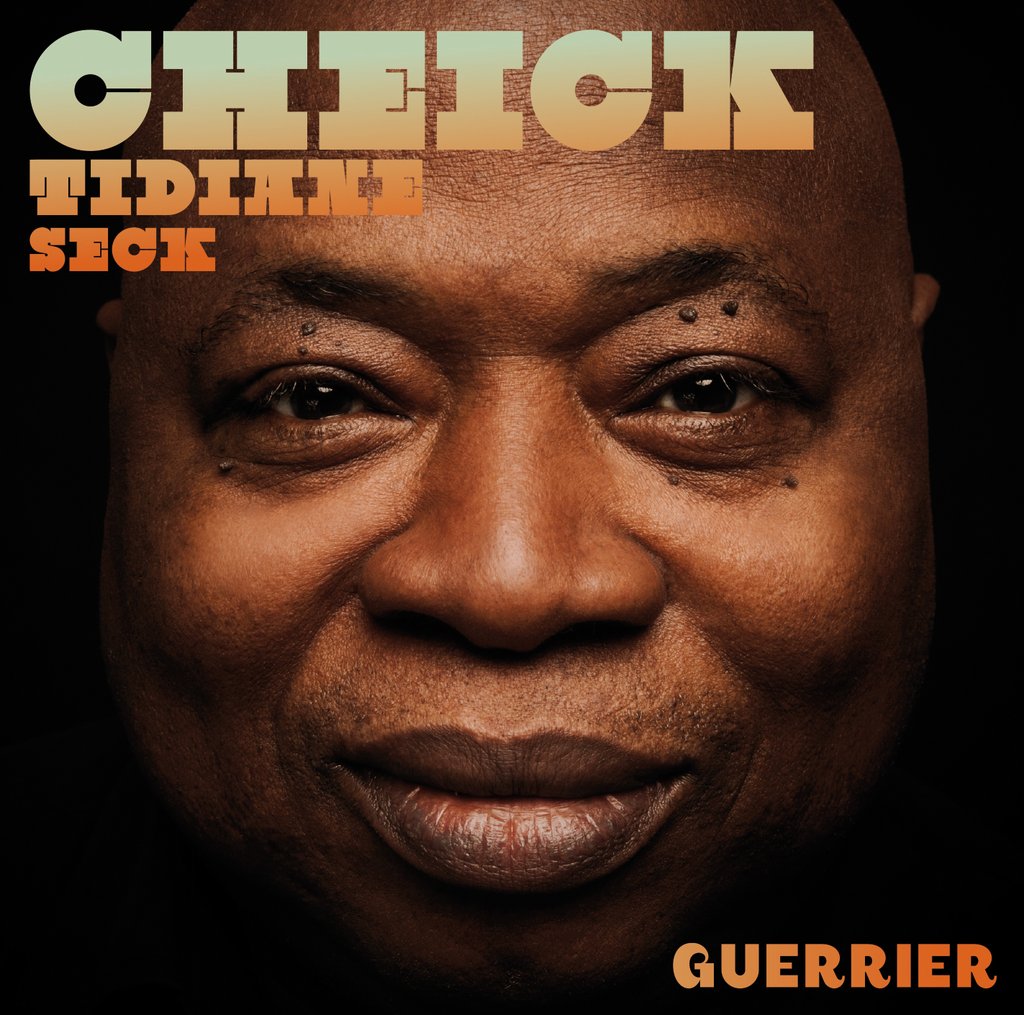
In 2013, as northern Mali fell under the control of jihadist groups, Cheick Tidiane Seck entered the studio and released Guerrier, an album where the piano wields Manding groove and political claims. Fifty years after his first steps in Bamako orchestras, the keyboardist confirms that he is both a guardian of a tradition and a bridge between Africa and the Jazz halls of New York.
In Brief
| Full Name | Cheick Amadou Tidiane Seck |
| Birth | December 11, 1953, Ségou (Mali) |
| Field | Piano, keyboards; Manding and afro-jazz music |
| Notable Works | Sarala, Sabaly, Guerrier, Timbuktu |
| Nicknames | « Black Bouddha » (nickname of close ones), « Che Guevara » (during his militant years) |
Key Dates
| Year | Event |
|---|---|
| 1953 | Birth in Ségou, Mali, to a mother with remarkable singing ability |
| 1972-1973 | Debut at the Rail Band of the Buffet Hôtel de la Gare, in Bamako, with Salif Keïta and Mory Kanté |
| 1975-1978 | Imprisoned three times for fighting the Malian military junta; left for Abidjanaise in 1978 |
| 1978-1984 | Six years in Côte d’Ivoire, in various formations |
| 1985 | Definitive installation in Paris; accompanies Salif Keïta on international tour |
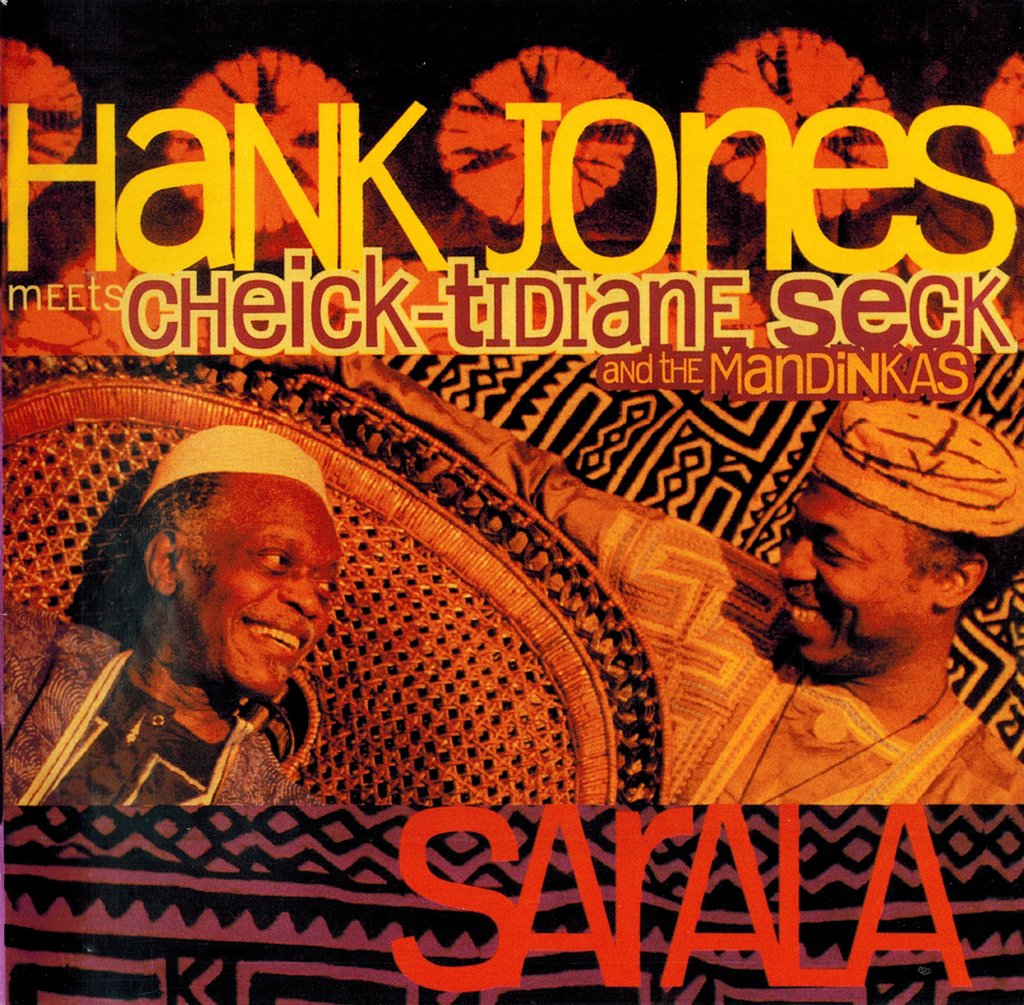
| 1995 | Recording of Sarala with jazz pianist Hank Jones (Verve) |
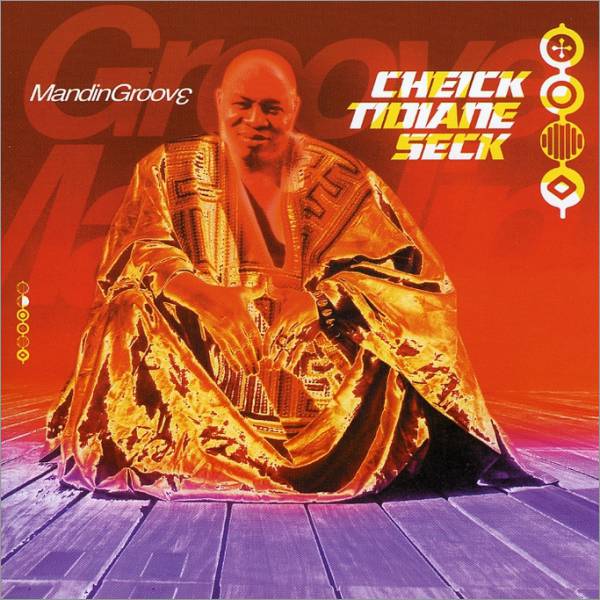
| 2003 | Release of first solo album, Mandingroove (label Circular Moves) |
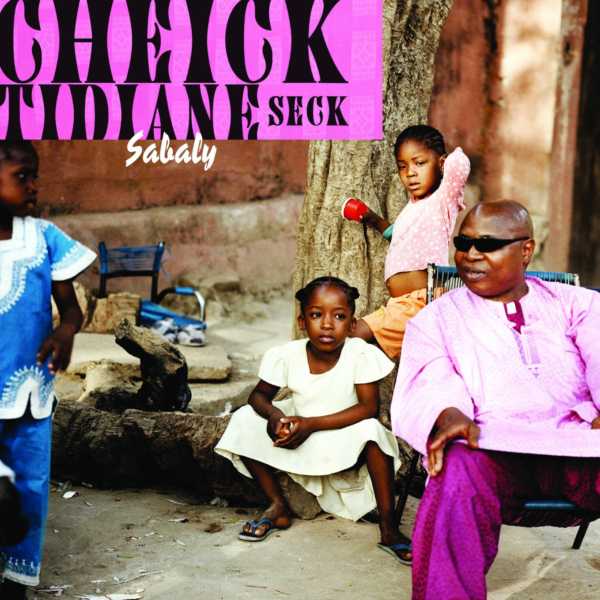
| 2008 | Sabaly, album with multiple collaborations (Toumani Diabaté, Manu Dibango, Dee Dee Bridgewater…) |
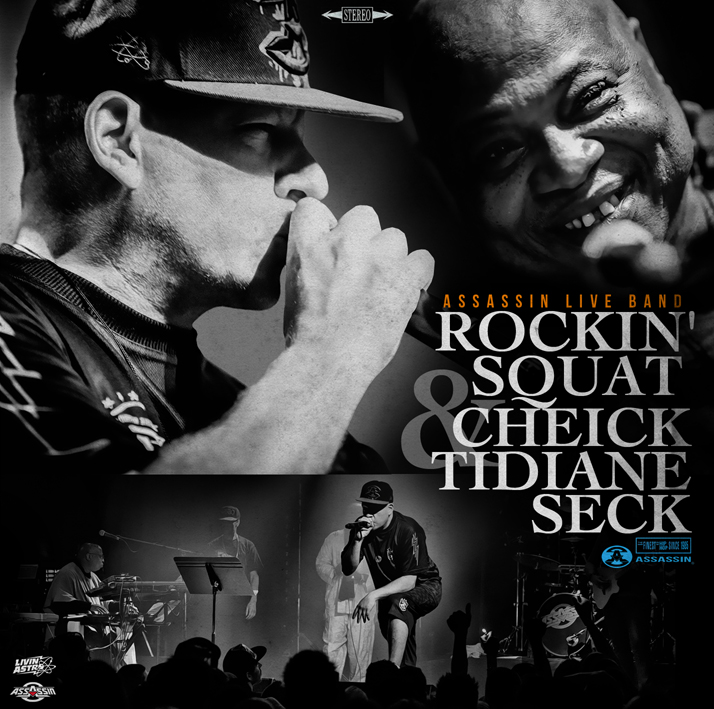
| 2013 | Guerrier, militant album; collaboration with French rapper Rockin’ Squat (Assassin Live Band) |
| 2019 | Timbuktu – The Music of Randy Weston (Komos Records / Light in the Attic) |
Origins and Training: Music in the Blood
Cheick Tidiane Seck was born on December 11, 1953, in Ségou, a historic city of the Manding Empire. His mother, whom he had at fifty years old, possessed a singing style close to Aretha Franklin. She refused to record but sang in intimacy—an absence of creative work in the studio that he did not have the opportunity to exploit, a regret he speaks of as early as 2019 (Mwende Ngao).
He thus grew up rocked by Manding sounds, the balafon, the korra, and the songs of the griots. In the 1970s, he joined the Rail Band of the Buffet Hôtel de la Gare in Bamako—a mythical orchestra where young talents of a capital in effervescence rubbed shoulders. It is there that he crossed paths with Salif Keïta, Mory Kanté, and Djelimady Tounkara. The Rail Band is the crucible of modern Malian music—Manding rock, funk, and blues mix with traditional forms.
But Mali’s politics shifted: General Moussa Traoré took power and repressed dissident voices. Cheick Tidiane Seck, designated « Che Guevara » by his friends for his anti-regime positions, was imprisoned three times. In 1978, he fled to Abidjanaise—a way out that he explored for six years, playing in local formations and touring the West African region. This period of exile distanced him from Mali but broadened his musical universe beyond Manding borders.
Revelation and Consecration: The Bridge Between Bamako and New York
In 1985, Salif Keïta went on an international tour with his group Les Ambassadeurs. Cheick Tidiane Seck followed him to Paris, where he settled definitively. In the French capital, the Malian keyboardist multiplied sessions and forged an international network: he played with Youssou N’Dour, Fela Kuti, Miriam Makeba, Nina Simone, or saxophonist Archie Shepp. He also collaborated with major American jazz pianists—Joe Zawinul, Hank Jones—and even Carlos Santana.
Recognition came slowly. In 1995, he recorded Sarala at Verve, alongside the legendary Hank Jones. The album—a hybrid of jazz and African music, unanimously praised by critics—made Cheick Tidiane Seck a rising figure in world fusion. He refused the world music label, which he considered reductive (CNCD/Demain le monde, 2013).
Then came the first solo album, Mandingroove, in 2003—almost thirty years after the Rail Band. The album explores the boundaries between Manding music and hip-hop, with electronic keyboards and electronic rhythm. But it is Sabaly (2008), the true summit of his discography, that shows the extent of his alliances: Toumani Diabaté (kora), Manu Dibango (saxophone, Cameroon), Dee Dee Bridgewater (voice, jazz), Oumou Sangaré, Paco Sery, and Mangala Camara. Daniel Brown describes the album as a selection of the finest flower of African music (RFI, 2008).
Later Years: Militancy, Transmission, and Tributes
Under the influence of French rapper Rockin’ Squat, Cheick Tidiane Seck engaged in a new direction: musical militancy. After the release of Guerrier (March 2013), a militant album recorded during the jihadist offensive in Mali, he shared the stage and studio with Assassin in December 2013—the album Assassin Live Band crystallized this bridge between political rap and African music. The song “France à Fric”, co-written with Rockin’ Squat, illustrates this porosity between the two worlds.
From 2013 onwards, Cheick Tidiane Seck also multiplied master classes at UCLA (University of California, Los Angeles), where he was a guest professor. In 2019, Timbuktu – The Music of Randy Weston was published, a tribute dedicated to the American pianist and activist who died in 2018—Cheick Tidiane Seck had indeed collaborated with Weston well before his passing.
He also continued his production work: Oumou Sangaré and Sorry Bamba benefited from his arrangements. In 2022, he published Kelena Fôly (Komos Records), which includes the tracks “Niger River” and “56 Walker Street”, recalling his two lives between Bamako and the Queens of New York.
Major Works
| Work | Year | Why It’s Essential |
|---|---|---|
| Sarala (with Hank Jones) | 1995 | First solo album; historic meeting between American jazz and Manding heritage (Verve) |
| Mandingroove | 2003 | First solo album entirely under his own name; Manding/hip-hop fusion |
| Sabaly | 2008 | Peak of the art of alliance — Toumani Diabaté, Manu Dibango, Dee Dee Bridgewater… |
| Guerrier | 2013 | Activist album recorded during the Malian crisis; rock collaboration with Rockin’ Squat |
| Timbuktu – The Music of Randy Weston | 2019 | Posthumous tribute to an old friend; dialogue between Manding tradition and North American jazz |
Legacy and Influence
Cheick Tidiane Seck remains, despite recognition from his peers, an unknown musician to the general public. His career, marked by collaborations with Fela Kuti, Youssou N’Dour, Carlos Santana, Damon Albarn (Gorillaz / Rocket Juice & the Moon) and Mamadou Diabaté, makes him a liaison figure between West Africa and New York jazz. Younger artists like Rockin’ Squat see in him a bridge between generations. He continues to produce, teach, and compose — at over eighty years old, the “Black Buddha” keeps his rebellion intact.
Sources and References
- “Cheick Tidiane Seck, Malian griot and piano wizard”, RFI World Tracks, http://www1.rfi.fr/actuen/articles/107/article_2257.asp, accessed November 5, 2026.
- “In Conversation with Afro Jazz Legend Cheick Tidiane Seck”, Mwende Ngao, https://www.mwendengao.com/2019/05/07/in-conversation-with-afro-jazz-legend-cheick-tidiane-seck/, accessed November 5, 2026.
- “Cheick Tidiane Seck, le guerrier malien”, Demain le monde / CNCD, https://www.cncd.be/Cheick-Tidiane-Seck-le-guerrier?lang=fr, accessed November 5, 2026.
- Cheick Tidiane Seck, AllMusic, https://www.allmusic.com/artist/cheick-tidiane-seck-mn0000106668, accessed November 5, 2026.
- Cheick Tidiane Seck — Discography, Discogs, https://www.discogs.com/artist/819142, accessed November 5, 2026.
- “Cheick Tidiane Seck”, Wikipédia, https://en.wikipedia.org/wiki/Cheick_Tidiane_Seck, accessed November 5, 2026.
- “Cheick Tidiane Seck”, Universal Music France, https://www.universalmusic.fr/artistes/20000245775, accessed November 5, 2026.